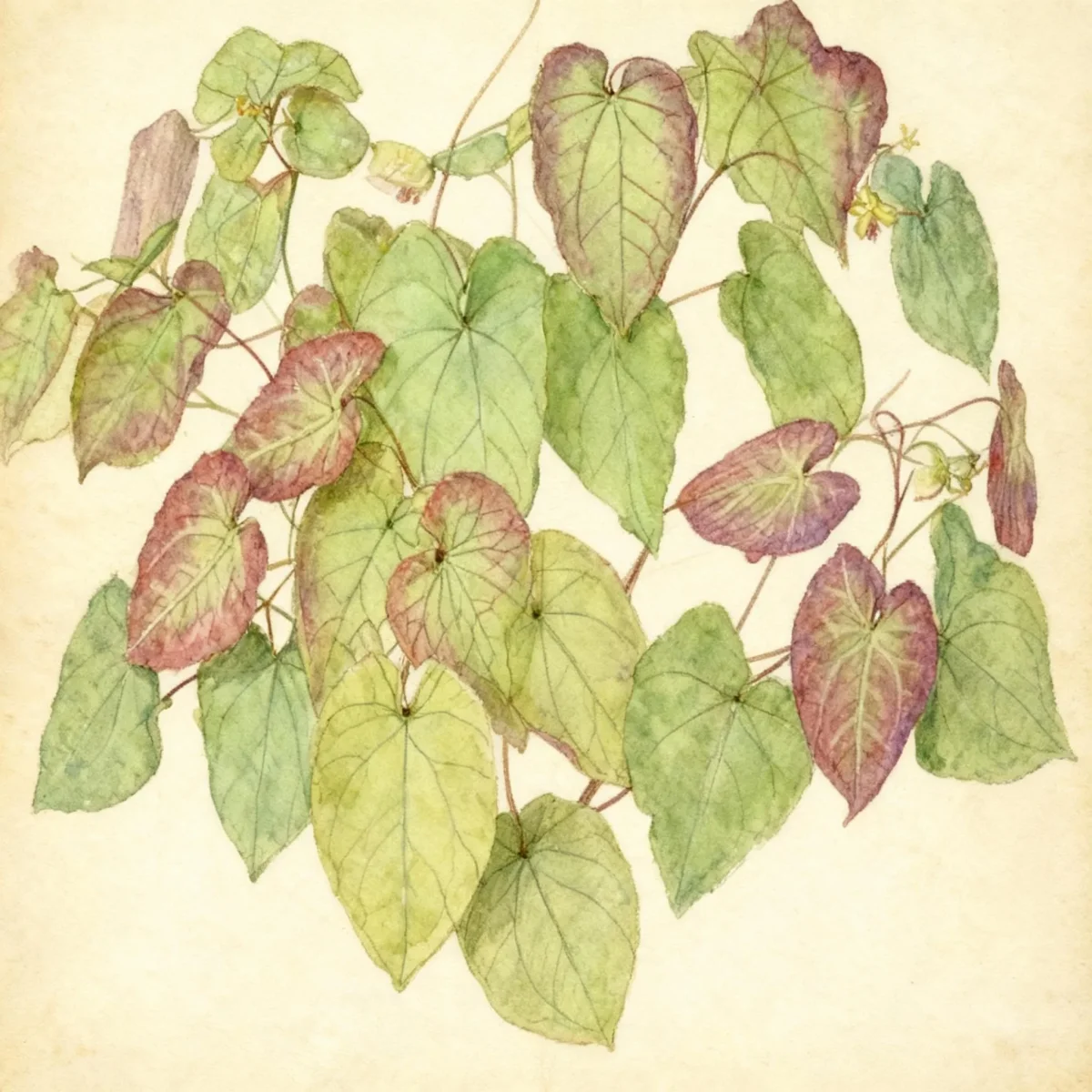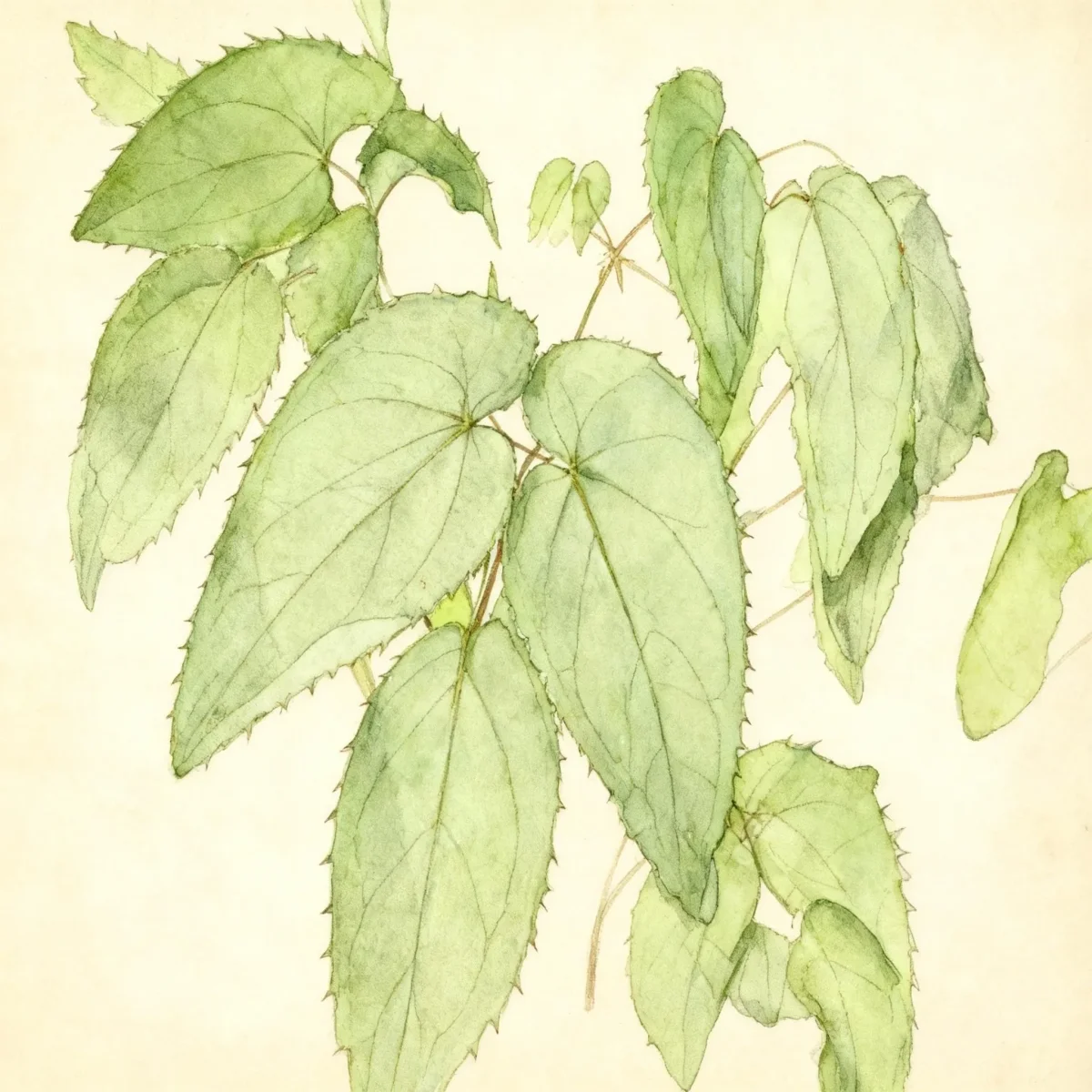

Oregon grape-holly (Mahonia japonica)
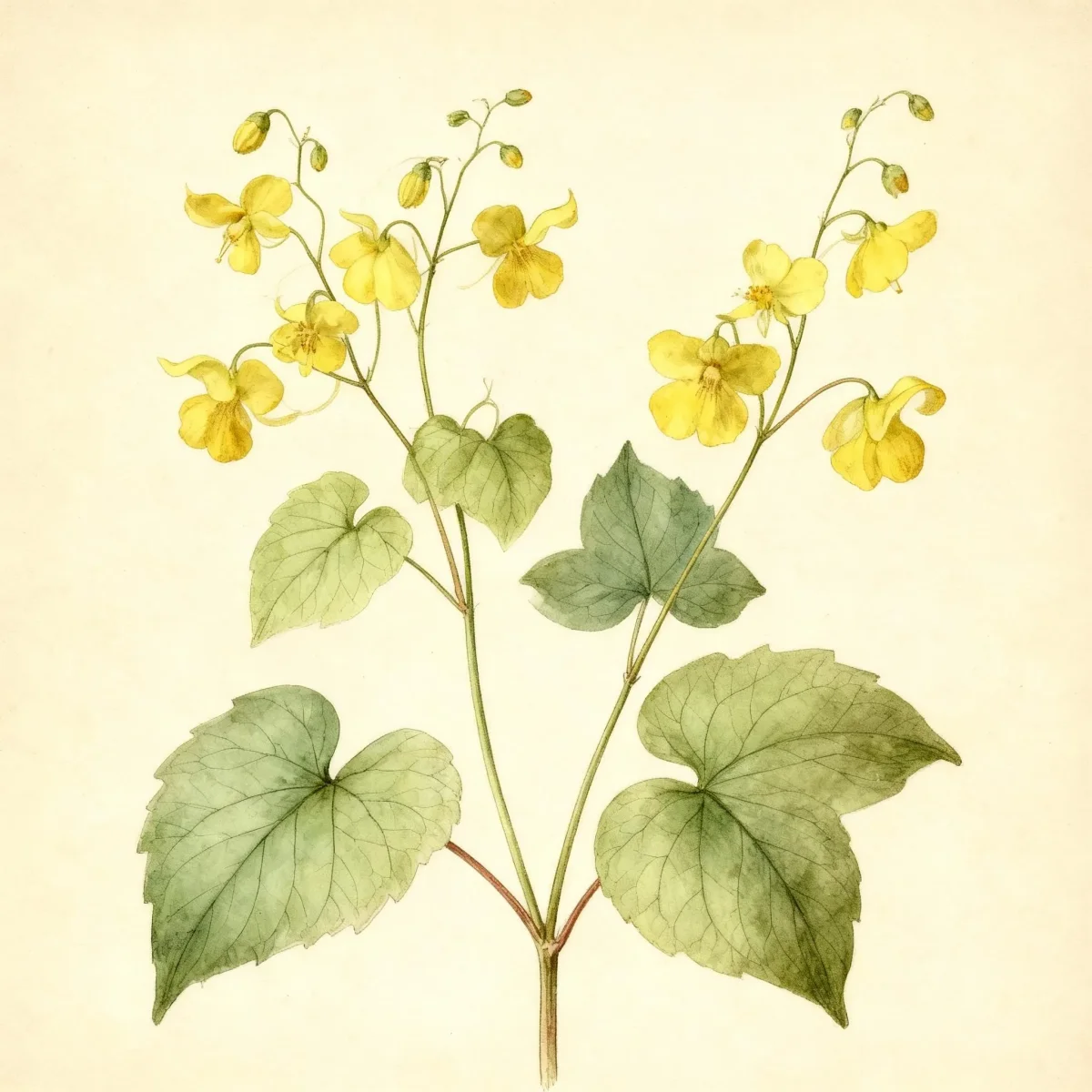
Oregon grape-holly (Mahonia japonica) is a low-maintenance, broadleaf evergreen offering fragrant yellow spring blooms.

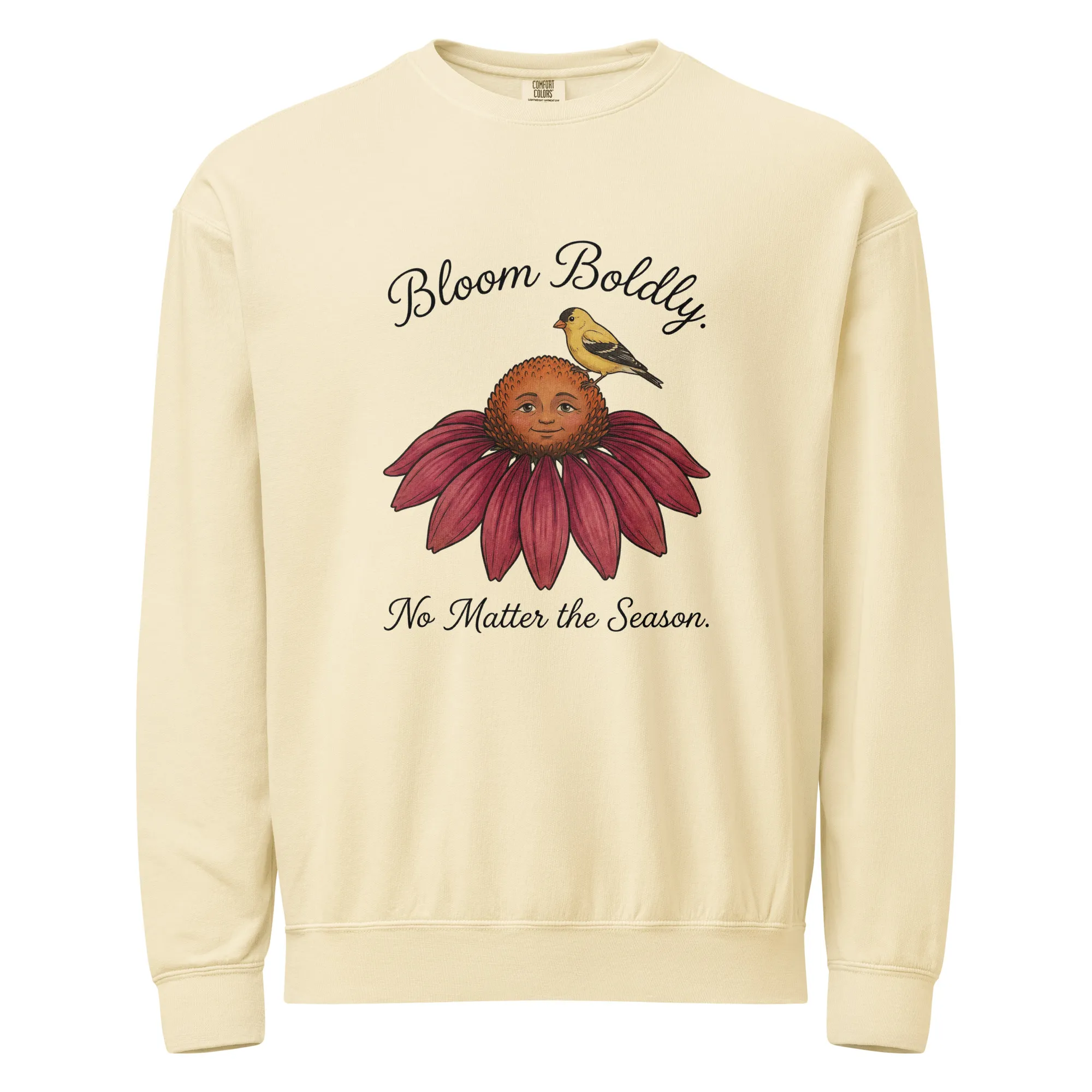
Bloom Boldly, No Matter the Season - Sweatshirt
Cozy organic cotton sweatshirt featuring our exclusive Purple Coneflower design. Perfect for gardeners who bloom year-round.
Inspired by the beautiful Oregon grape-holly
Limited first batch (50) — join the waitlist for early access
Waitlist closes Feb 15, 2026.
Complete Plant Information
Field Guide Continues
Ready for care notes, companion picks, and planting tips?
The map is just the start. The full guide below covers growth habits, seasonal performance, and landscape uses.
Overview
The Mahonia japonica, widely known as Oregon grape-holly, provides essential structure and winter interest in shaded gardens. This broadleaf evergreen is valued for its holly-like, spiny foliage that offers year-round texture, contrasting beautifully with the late winter or early spring display of fragrant yellow flowers. As an easily managed shrub, it brings reliable color to otherwise dormant landscapes.
Hailing from the Berberidaceae family, this species matures into a mid-sized architectural plant, often reaching up to 7 feet tall and 10 feet wide over time. Once established, Mahonia japonica exhibits notable drought resistance, making it a reliable performer in challenging sites. Its ornamental appeal is rounded out by clusters of blue-black, edible fruit that matures in early summer, attracting local bird populations.
For gardeners seeking low-effort, high-impact greenery, Oregon grape-holly simplifies maintenance routines. Its tolerance for deep shade combined with its striking winter bloom makes it an indispensable component for woodland borders and shaded foundation plantings where few other flowering shrubs thrive.
Fast Facts
- Plant Family: Berberidaceae
- Plant Type: Broadleaf evergreen
- Native Range: Japan
- Hardiness Zones: USDA Zones 6-8
- Size at Maturity:
- Height: 5-7 ft
- Spread: 7-10 ft
- Bloom Time: March to April
- Bloom Description: Yellow
- Sun Exposure: Part shade to full shade
- Water Needs: Dry to medium
- Maintenance Level: Low
How to Grow
Plant Mahonia japonica in moist, well-drained soil, ideally situated where it receives part shade, such as morning sun or dappled shade throughout the day. While it tolerates full sun, especially in cooler northern zones, consistent afternoon sun can scorch the foliage. Site these shrubs in areas protected from strong, drying winds to prevent stress, particularly during winter dormancy.
Water new plantings regularly to establish a healthy root system. Established Oregon grape-holly demonstrates excellent drought tolerance, requiring supplemental watering mainly during prolonged dry spells. Fertilization is rarely necessary if the soil is reasonably fertile; avoid over-enriching, which can encourage excessive succulent growth.
A key consideration is the shrub’s tendency to spread by suckering, particularly when planted in groups. If a tidy, singular hedge appearance is desired, promptly remove unwanted suckers as they emerge. To maximize fruit production on your Mahonia japonica, ensure you plant multiple shrubs in close proximity, as single specimens may fruit poorly.
Landscape Uses
The structural mass and spiny foliage of Oregon grape-holly make it highly functional in landscape design. It excels when used to naturalize in open woodlands or large, shaded borders where its texture can anchor the design. Consider using it in shrub borders where its height (5 to 7 feet) provides a mid-layer screen or boundary.
Given its evergreen nature and ability to handle shade, Mahonia japonica is effective in foundation plantings, softening hard architectural lines while providing color interest nearly year-round. The sharp, holly-like leaves also make it an excellent, albeit imposing, barrier plant or informal screen where deer deterrence is required. For best effect, group several shrubs together to ensure good pollination and prolific berry set.
Companion planting should focus on other shade-tolerant, woodland-edge species. Pair the vertical lines of the shrub with ferns, Hellebores (Lenten Rose), or other shade-loving ephemerals that complement its late-winter bloom period.
Standout Features
Flower Qualities
- Showy
- Fragrant
Fruit Qualities
- Showy
- Edible
Noteworthy Characteristics
Mahonia japonica is an evergreen shrub which typically matures over time to 7’ tall and to 7-10’ wide. Although native to China (not Japan), it has been extensively cultivated in Japan and is often commonly called Japanese mahonia. Pinnate-compound, leathery, holly-like leaves (to 18” long) grow in horizontal tiers. Fragrant yellow flowers in loose, spreading to pendant racemes (each to 4-8” long) bloom in late winter to early spring (March-April), followed by attractive blue-black fruits favored by birds.
Tolerances
- Drought
Potential Problems
Fortunately, serious insect or disease problems are uncommon for well-sited Mahonia japonica. Gardeners should monitor for minor cosmetic issues such as occasional leaf spots, powdery mildew, or rusts, which usually indicate high humidity or poor air circulation. Occasionally, sucking insects like aphids, scale, or whiteflies may appear.
Management of these minor issues typically involves improving air circulation around the shrub by judicious pruning or ensuring proper spacing during planting. If pest pressure is noted, treat minor infestations with horticultural oil or insecticidal soap according to label directions. Healthy plants are generally resilient to significant damage.
Frequently Asked Questions
What hardiness zones is Oregon grape-holly suitable for?
Oregon grape-holly, or Mahonia japonica, is best suited for USDA Hardiness Zones 6 through 8.
How large does Oregon grape-holly grow?
This evergreen typically reaches a mature height between 5 and 7 feet, spreading out to cover an area 7 to 10 feet wide.
What sun exposure does Mahonia japonica need?
Mahonia japonica thrives best in part shade to full shade conditions, preferring protection from intense afternoon solar radiation.
When does Mahonia japonica bloom?
The shrub produces its fragrant yellow blooms in the late winter to early spring, typically spanning from March to April.
Conclusion
The Oregon grape-holly (Mahonia japonica) stands out as a low-maintenance evergreen offering vital winter structure and delightfully fragrant yellow flowers when the garden needs color most. Its resilience to shade and drought ensures long-term success with minimal input, provided you ensure proper moisture during establishment. Plan your planting schedule now to take advantage of its hardiness in Zones 6-8.
Companion Planting
Selecting companions for Mahonia japonica focuses on plants that thrive in similar partial to full shade conditions and require dry to medium moisture levels. Consider pairing the bold, spiny texture of the shrub with finer, softer foliage plants. Shade-loving groundcovers beneath the canopy can suppress weeds while suppressing the spread of suckers if desired.
Plants like Helleborus, Asarum (Wild Ginger), or various Hosta cultivars offer excellent textural contrast to the leathery, pinnate leaves of the Oregon grape-holly. These companions bloom at different times, ensuring continuous visual interest throughout the spring and summer after the Mahonia’s primary flowering period has passed.
Wildlife Benefits
The prolific bloom period of Mahonia japonica in early spring provides an invaluable nectar source when few other shrubs are flowering, attracting early emerging bees and other beneficial insects. Furthermore, the late spring to early summer development of blue-black berries offers significant forage for local bird populations.
The dense, evergreen structure also provides year-round cover and protective habitat for small wildlife, especially during harsh winter weather. Because of the spiny nature of its foliage, the shrub offers excellent shelter against predators, making it one of the best choices for layered woodland plantings intended to support local fauna.