Aster (Symphyotrichum anomalum)
Symphyotrichum anomalum, a low-maintenance Aster, offers profuse violet-purple blooms from late summer through fall. Ideal for dry, sunny native gardens.

Bloom Boldly, No Matter the Season - Sweatshirt
Cozy organic cotton sweatshirt featuring our exclusive Purple Coneflower design. Perfect for gardeners who bloom year-round.
Inspired by the beautiful Aster
Limited first batch (50) — join the waitlist for early access
Waitlist closes Feb 15, 2026.
Complete Plant Information
Field Guide Continues
Ready for care notes, companion picks, and planting tips?
The map is just the start. The full guide below covers growth habits, seasonal performance, and landscape uses.
Overview
Symphyotrichum anomalum, commonly known as Aster, is a valuable addition to gardens seeking late-season color and drought tolerance. This stiff, upright perennial produces a profusion of daisy-like flowers, making it highly attractive as summer fades into autumn. Gardeners appreciate this species for its reliability and minimal care requirements once established in its preferred environment.
This Missouri native thrives in average, well-drained soils, making it perfectly suited for drier sites where other ornamental Asters might struggle. The species offers excellent structural interest, typically reaching 2.5 to 3 feet tall with a consistent, upright habit. Its flowers, displaying attractive violet-purple rays, draw in essential pollinators late in the season.
The genus name, Symphyotrichum, references the joining of flower anthers, while the specific epithet anomalum suggests deviation from the norm, perhaps nodding to its distinct foliage structure. Planting Symphyotrichum anomalum ensures a burst of color and supports local ecosystems well into the fall, requiring very little intervention from the gardener.
Fast Facts
- Plant Family: Asteraceae
- Plant Type: Herbaceous perennial
- Native Range: Arkansas, Illinois, Kansas, Missouri, Oklahoma
- Hardiness Zones: USDA Zones 5-7
- Size at Maturity:
- Height: 2.5-3 ft
- Spread: 2-2.5 ft
- Bloom Time: July to November
- Bloom Description: Violet-purple
- Sun Exposure: Full sun
- Water Needs: Dry to medium
- Maintenance Level: Low
How to Grow
Symphyotrichum anomalum performs best when planted in the spring or early fall, allowing it time to establish robust roots before extreme weather hits. Select a site receiving full sun, though it can handle some light shade, ensuring the soil is well-drained. This Aster species prefers dry to medium moisture levels and is quite adaptable to average soils prevalent in native landscapes.
Maintenance for this perennial is characteristically low. Water sparingly once established, relying on its drought tolerance during dry spells. Fertilization is rarely necessary; overly rich soil can sometimes lead to floppier stems. Good air circulation is crucial, as Asters, in general, are prone to powdery mildew if air movement is restricted, especially in humid conditions. Pruning is usually minimal, perhaps just cutting back old stems in early spring.
Since the plant can grow quite tall, consider its placement relative to shorter border plants. While it tolerates drought effectively, consistent moisture during its establishment phase will ensure a vigorous first year. Avoid heavy clay soils that retain too much water, as this increases susceptibility to root issues and wilt, even though Symphyotrichum anomalum is generally tough.
Landscape Uses
This dependable Aster is perfectly suited for native plant gardens, seamlessly integrating into reconstructed prairie or meadow settings. Its strong vertical habit makes it an excellent mid-border plant, providing structure behind lower-growing perennials. Consider using Symphyotrichum anomalum in cottage gardens where its informal, airy presence complements sprawling blooms.
For ecological designs, this species is a standout for butterfly gardens, acting as a vital late-season nectar source when many summer blooms have faded. Pair it with plants that appreciate similar dry, sunny conditions, such as various species of Liatris (Blazing Star) or drought-tolerant grasses like Little Bluestem. Its vertical form contrasts beautifully with mounding salvias or low groundcovers in open woodland garden areas bordering sunnier spots.
Standout Features
Flower Qualities
- Showy
Noteworthy Characteristics
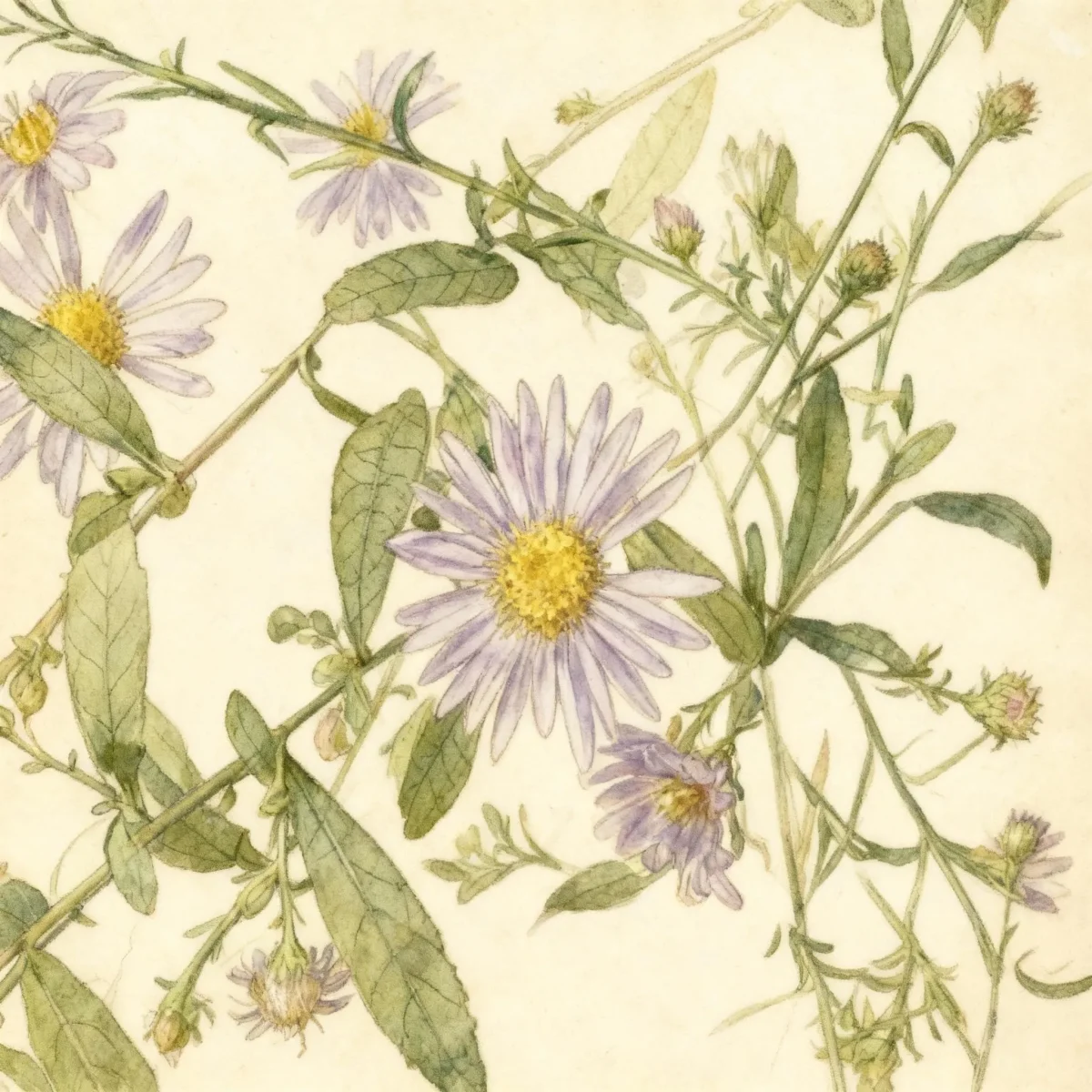
Symphyotrichum anomalum is a Missouri native perennial which occurs in dry or rocky woods and thickets in the Ozark region of the State. It is a stiff plant typically growing 2.5-3.0’ (less frequently to 4’) tall with an upright habit, featuring a profuse bloom of daisy-like asters (to 1/2” diameter) with purple rays and yellow centers from late summer well into fall. Lower lance-shaped leaves (to 3.5” long) have untoothed margins and are heart-shaped at the base, while smaller lance-shaped upper leaves clasp the stem. Flowers are attractive to butterflies.
Tolerances
- Drought
- Dry Soil
Potential Problems
Symphyotrichum anomalum is noted for having few serious insect or disease challenges, contributing to its low-maintenance status. However, like most members of the Aster family, it retains some susceptibility to powdery mildew. Prevention is key here; ensure adequate spacing and good air circulation around the plants to minimize fungal issues. Aster wilt is another potential concern, which is often exacerbated if the plant is forced to grow in poorly-drained clay soils that become waterlogged.
Frequently Asked Questions
What hardiness zones is Aster suitable for?
This Symphyotrichum anomalum is suitable for USDA Hardiness Zones 5 through 7.
How large does Aster grow?
This perennial typically reaches a height between 2.5 and 3 feet, spreading to between 2 and 2.5 feet wide.
What sun exposure does Symphyotrichum anomalum need?
Symphyotrichum anomalum requires full sun for the best bloom performance, although it can tolerate partial shade.
When does Aster bloom?
The Aster blooms prolifically from July all the way through November, offering beautiful violet-purple flowers during the late season.
Conclusion
Incorporating the Symphyotrichum anomalum Aster into your landscape offers dependable, long-lasting seasonal color while supporting local pollinators with minimal effort. Its preference for dry soil makes this tough perennial a superb choice for xeriscaping or naturalized areas. Before planting, confirm that your location offers full sun and well-drained conditions to ensure a thriving patch of this handsome native Aster.
Wildlife Benefits
The late-season bloom time of Symphyotrichum anomalum provides critical late-season forage for numerous beneficial insects. As many summer bloomers finish, this Aster offers a vital nectar source that helps stock up migrating butterflies, such as Monarchs, and late-emerging native bees. Its small, accessible flowers mean a wide variety of pollinator types can easily access the pollen and nectar.
Planting several clumps of this Aster throughout a native bed can create a powerful visual draw for wildlife throughout September and October. Furthermore, the seed heads left standing over winter can provide residual structure and food for small seed-eating birds once the foliage dies back.
Companion Planting
Due to its specific requirement for dry to medium moisture and full sun, companion plants for Symphyotrichum anomalum should share similar cultural needs. Excellent partners include native coneflowers, especially those past their bloom peak, providing textural contrast. Dry-loving ornamental grasses serve as fantastic structural companions, offering plumes that sway near the stiff stems of the Aster.
Avoid planting this species directly next to moisture-loving perennials like Ligularia or Astilbe, as this will create conflicting water requirements in that area of the garden. Successful pairings rely on drought-tolerant species that bloom earlier or later than the July-to-November cycle of this particular Aster.