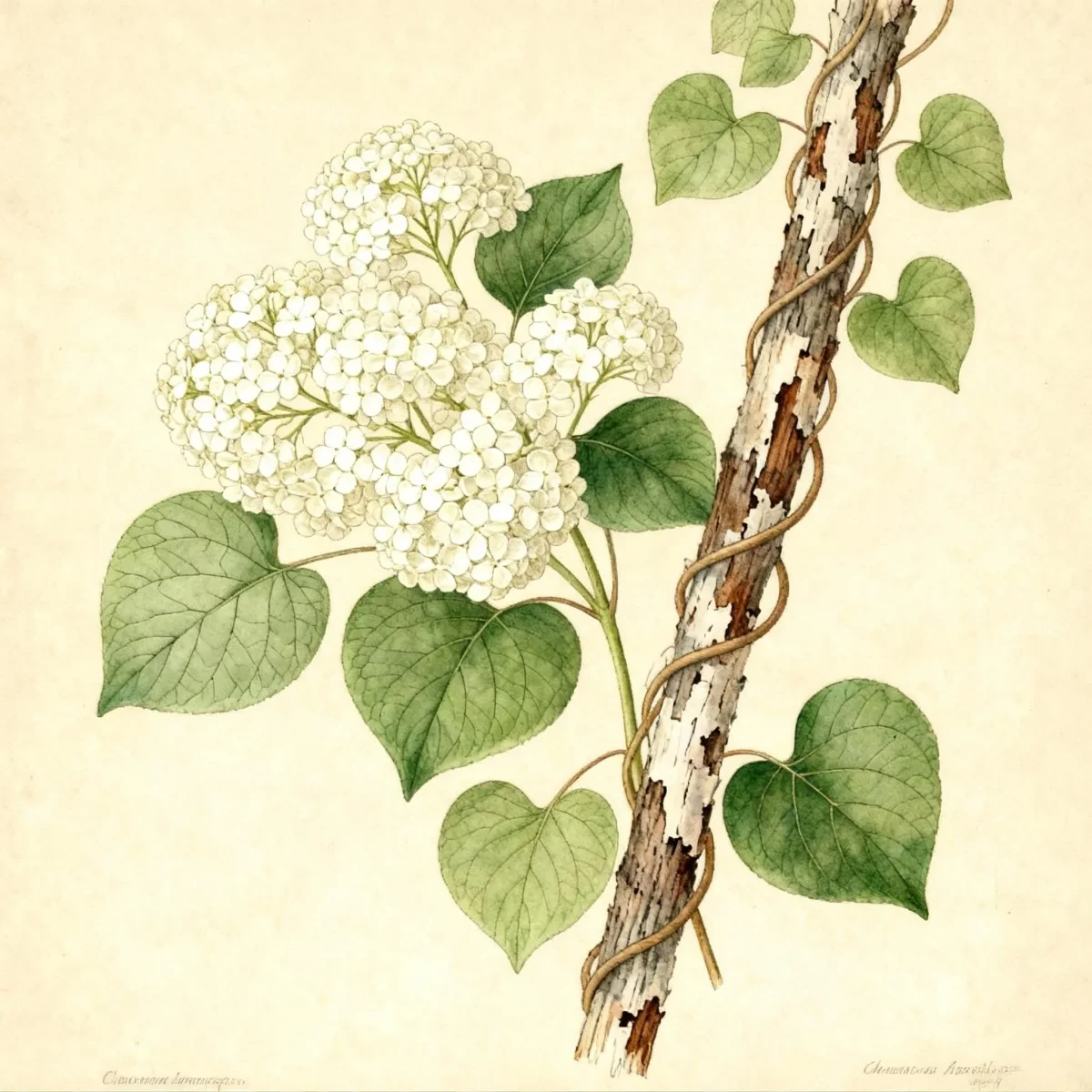
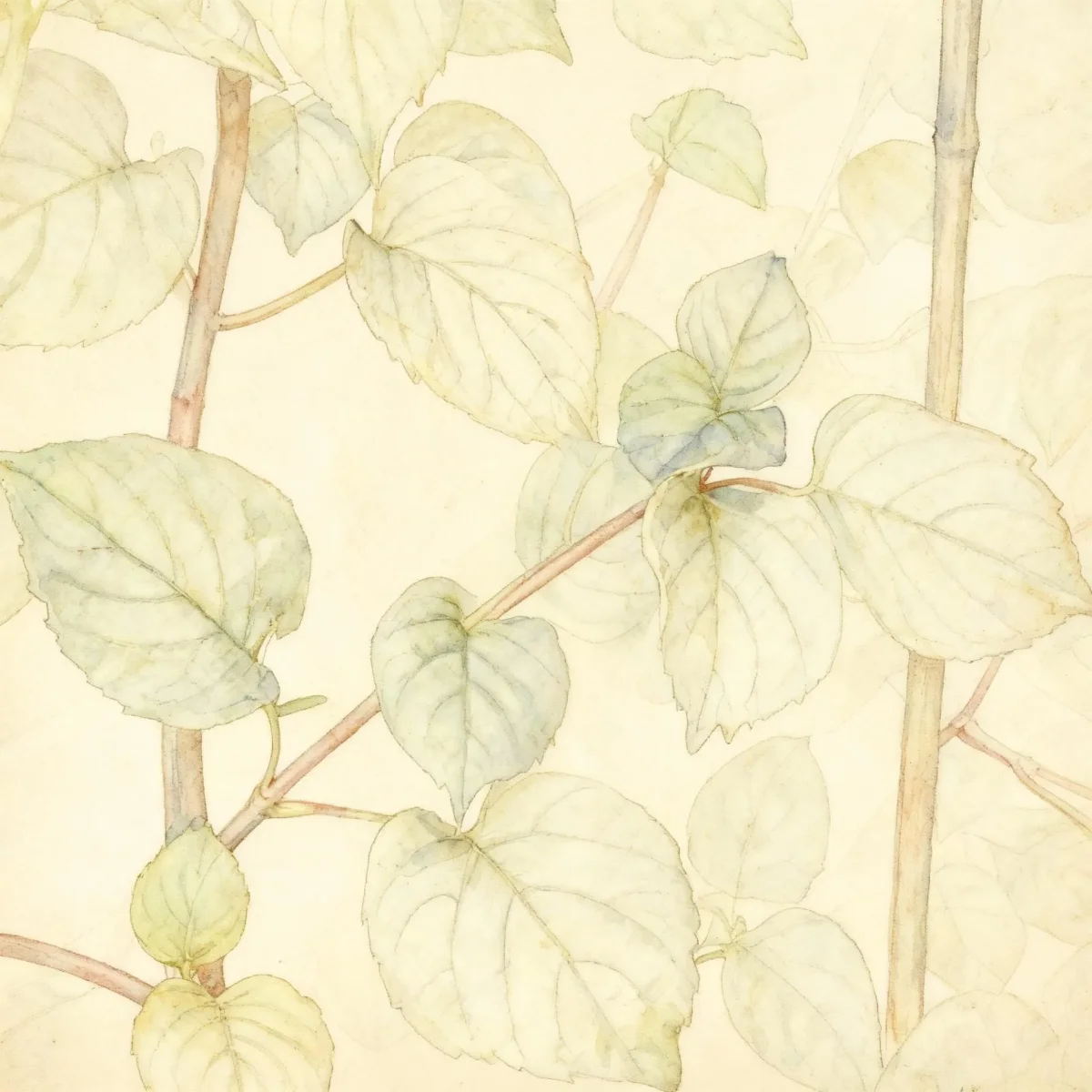
Kirengeshoma (Kirengeshoma koreana)
Discover Kirengeshoma koreana, a low-maintenance perennial noted for its maple-like foliage and soft yellow, waxy flowers in late summer.

Bloom Boldly, No Matter the Season - Sweatshirt
Cozy organic cotton sweatshirt featuring our exclusive Purple Coneflower design. Perfect for gardeners who bloom year-round.
Inspired by the beautiful Kirengeshoma
Limited first batch (50) — join the waitlist for early access
Waitlist closes Feb 15, 2026.
Complete Plant Information
Field Guide Continues
Ready for care notes, companion picks, and planting tips?
The map is just the start. The full guide below covers growth habits, seasonal performance, and landscape uses.
Overview
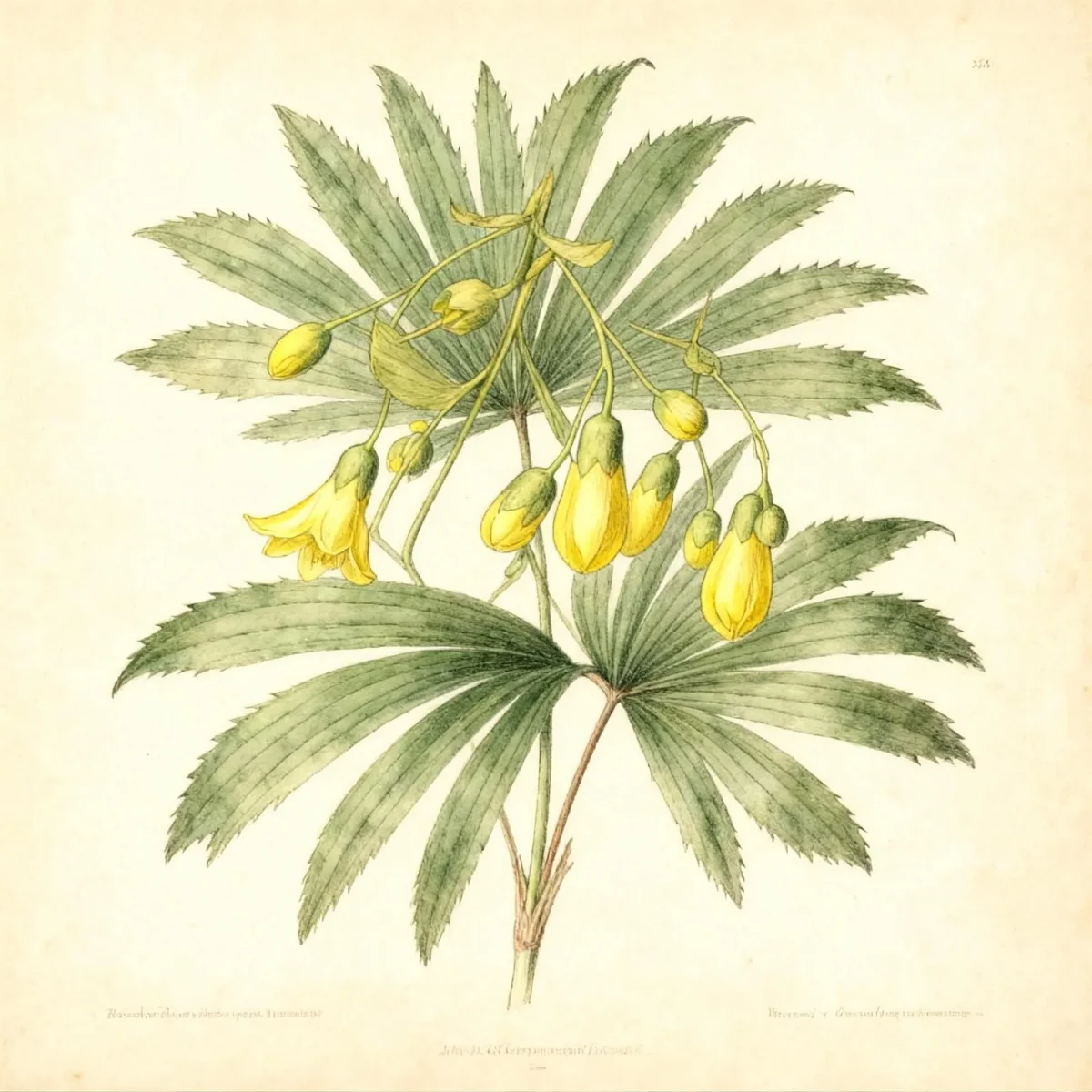
Kirengeshoma koreana, often known as Korean waxbells, offers striking ornamental value primarily through its deeply lobed, maple-like foliage that forms an attractive mound throughout the season. This late-flowering herbaceous perennial brings soft yellow blooms to the shade garden when many other plants are fading, providing essential seasonal interest. Though native to the woodlands of Korea, Kirengeshoma is adaptable, provided its key moisture and shade requirements are met.
The structure of Kirengeshoma koreana is notable, featuring upright stems that can reach four feet tall, topped by pendulous clusters of waxy, bell-shaped flowers that never fully open. Gardeners prize this plant for its relatively low maintenance needs and its ability to thrive in conditions too dark for some other perennials. It is a superb choice for adding texture and late-season color to sheltered areas.
While very similar to its cousin, Kirengeshoma palmata, this species, Kirengeshoma koreana, offers slightly better winter hardiness and its flowers tend to droop less. Growing this beautiful specimen ensures a reliable presence in the cool, moist corners of your landscape.
Fast Facts
- Plant Family: Hydrangeaceae
- Plant Type: Herbaceous perennial
- Native Range: Korea
- Hardiness Zones: USDA Zones 5-8
- Size at Maturity:
- Height: 3-4 ft
- Spread: 2-3 ft
- Bloom Time: July to September
- Bloom Description: Soft yellow
- Sun Exposure: Part shade to full shade
- Water Needs: Medium
- Maintenance Level: Low
How to Grow
For optimal growth, plant Kirengeshoma koreana in the spring or early fall, allowing it time to establish roots before extreme weather hits. Select a location offering part shade to true full shade, benefiting most from open, dappled sunlight rather than harsh afternoon rays. The soil composition is critical: aim for cool, moist, acidic, humusy conditions that are reliably well-drained.
Consistent moisture is non-negotiable for healthy Kirengeshoma. Avoid letting the soil dry out completely, as this species struggles in drought, but be equally careful to prevent soggy, waterlogged conditions which can lead to root issues. Fertilization is generally unnecessary if the soil is rich in organic matter. Propagate new clumps by division in the spring or by sowing seeds.
A key consideration for successful cultivation is the climate; Kirengeshoma grows poorly where summers are hot and humid, making it better suited for cooler temperate regions. Minimal pruning is required; perform cleanup mainly in early spring to remove any winter-damaged foliage before new growth begins.
Landscape Uses
Kirengeshoma provides exceptional texture and late-season interest, making it ideal for naturalizing within woodland or shade gardens where its bold foliage catches the light. Allow this plant space to spread, as it looks best when allowed to form a substantial, spreading mound of color and form. It functions beautifully as an informal edge to a shaded path or border.
Consider pairing Kirengeshoma with other shade-loving, moisture-loving companions that share similar cultural needs. Good neighbors might include large-leaved Hosta varieties, delicate Ferns, or Astilbe, creating a rich tapestry of greens and textures beneath deciduous trees. The soft yellow of the flowers contrasts elegantly with deep purple or blue foliage plants.
For a calming, naturalistic effect, place Kirengeshoma near the peripheries of ponds or slow-moving streams where the consistently moist soil mimics its native woodland habitat. Its height provides excellent mid-layer structure in a layered shade border.
Standout Features
Flower Qualities
- Showy
Noteworthy Characteristics
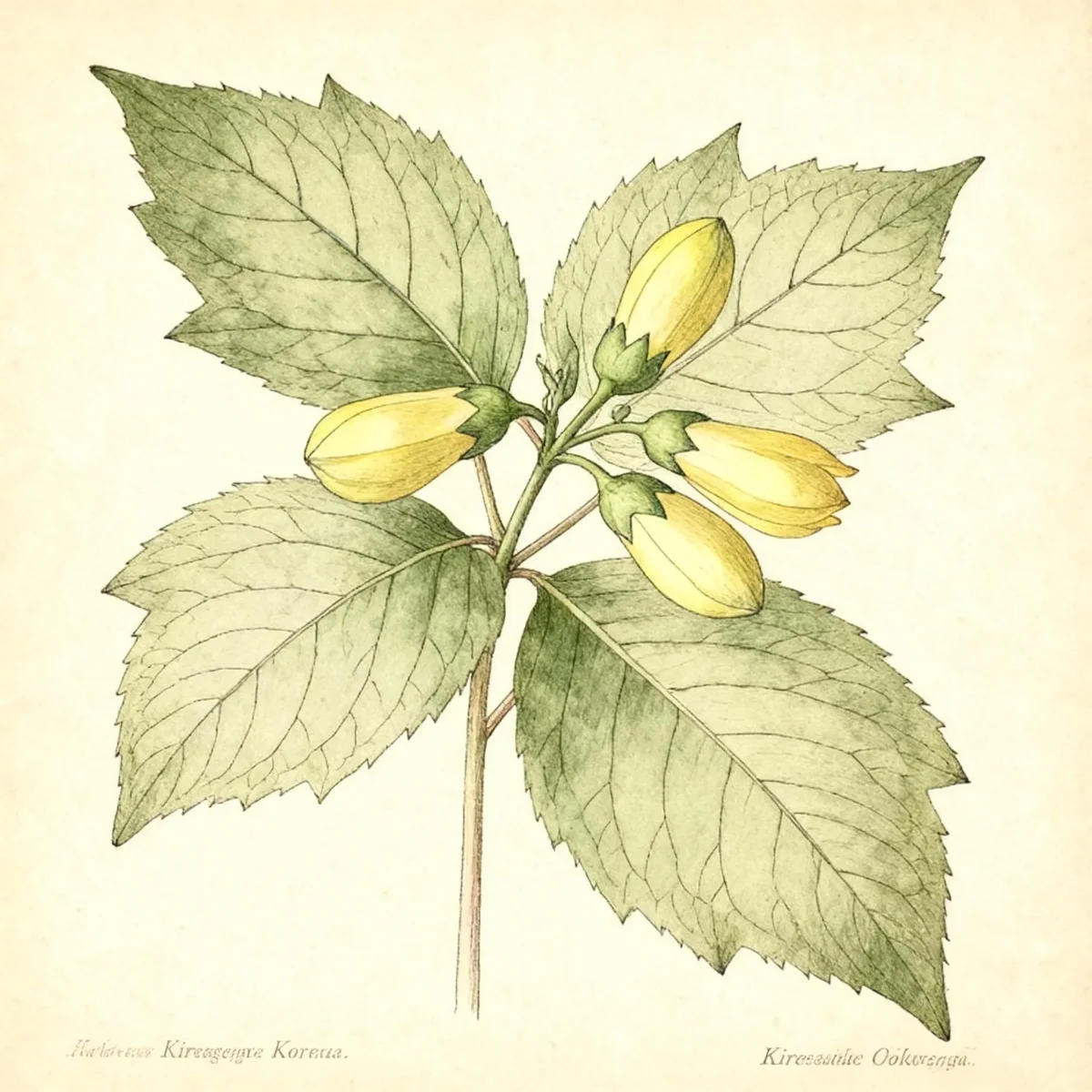
Kirengeshoma koreana, commonly called yellow waxbells or Korean waxbells, is a shrub-like, late-flowering, herbaceous perennial with purplish stems that typically grows to 3-4’ tall. It is native to woodland areas of Korea, and is often grown primarily as a foliage plant for enjoyment of its ornamentally attractive spreading mound of maple-like leaves. Waxy, bell-shaped, soft yellow flowers bloom late summer to early fall in pendulous clusters atop upright stems rising from a clump of palmate, sharply-lobed, dull green leaves.
Tolerances
Not applicable based on provided data.
Potential Problems
This plant is generally robust, presenting no serious insect or disease problems under ideal growing conditions. The primary pests to watch for are slugs and snails, which find the lush foliage particularly appealing, particularly when the plant is young or establishing.
If you observe slug or snail damage (ragged holes in the leaves), management is necessary. Apply organic slug baits containing iron phosphate around the base of the plants, or deploy manual control methods early in the morning or evening. Ensuring good air circulation, even in shade, helps deter general fungal issues, though this is less common with Kirengeshoma koreana than with many other shade plants.
Frequently Asked Questions
What hardiness zones is Kirengeshoma suitable for?
Kirengeshoma koreana is hardy in USDA Zones 5 through 8, offering reliable perennial performance across those temperature ranges.
How large does Kirengeshoma grow?
This herbaceous perennial typically matures to a height between 3 and 4 feet tall, spreading to a width of 2 to 3 feet.
What sun exposure does Kirengeshoma need?
It thrives best in part shade conditions, though it can tolerate full shade, provided the location remains cool and consistently moist.
When does Kirengeshoma bloom?
Kirengeshoma blooms reliably from July through September, displaying its characteristic soft yellow flowers late in the growing season.
Conclusion
The striking foliage and unique, waxy late-summer flowers make Kirengeshoma koreana an indispensable anchor for any sophisticated shade garden. By respecting its need for consistent moisture and protection from harsh summer heat, you ensure a long life for this low-maintenance perennial. Check your USDA hardiness zone compatibility and plan to plant Kirengeshoma this coming spring or fall.
Companion Planting
Choosing good neighbors for Kirengeshoma koreana involves matching its requirements for moisture, acidity, and shade tolerance. Companion plants should complement its bold leaf texture without outcompeting its root system for water resources. Excellent partners include woodland natives like Trillium or woodland Phlox for early-season interest before Kirengeshoma reaches full height.
Consider mixing in ferns, such as Japanese Painted Ferns or larger Male Ferns, to enhance the overall cool, damp woodland aesthetic. These choices thrive in similar acidic, humusy soils, ensuring that border maintenance remains simplified across the entire planting area. The upright habit of Kirengeshoma contrasts nicely with the mounding habits of shade-loving groundcovers.
Propagation Tips
Propagating Kirengeshoma is straightforward for dedicated gardeners, primarily through division or seed sowing. The best time to divide established clumps is in early spring before active growth begins or in early autumn. Carefully dig up the clump and gently tease apart the rhizomes, ensuring each new division has healthy roots and at least one growing bud attached.
Seed propagation is also possible, often yielding plants that bloom later than divisions. Seeds from Kirengeshoma koreana usually require a period of cold stratification to break dormancy. Sow the seeds thinly in a prepared seed bed or pots containing moist, well-drained soil, and expose them to winter conditions before moving them to a cool, shady greenhouse for germination in the spring.