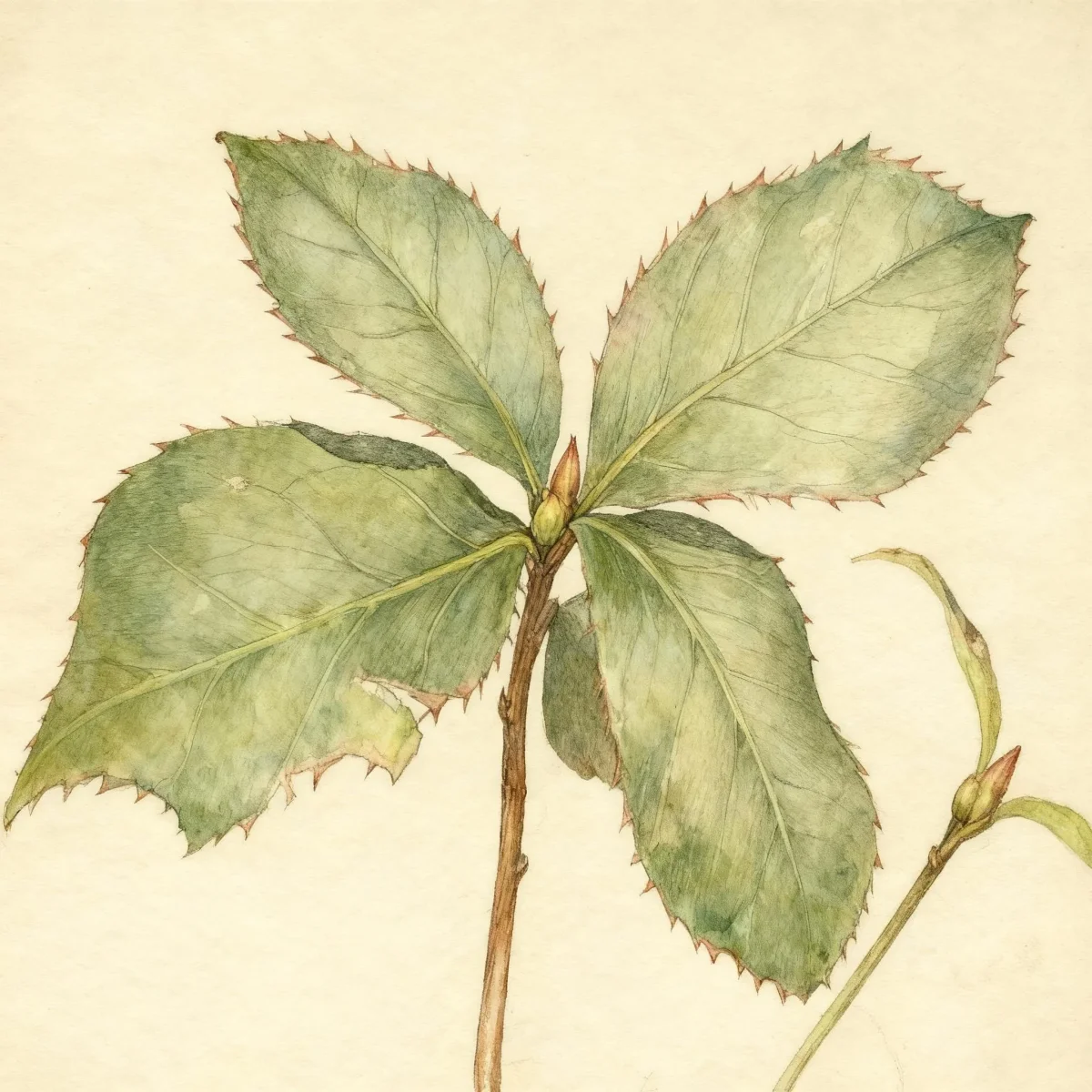
Euonymus (Euonymus carnosus)
Discover Euonymus carnosus, a rare, deciduous shrub noted for fragrant flowers, coral fruit, and excellent fall color in Zones 4-7.

Bloom Boldly, No Matter the Season - Sweatshirt
Cozy organic cotton sweatshirt featuring our exclusive Purple Coneflower design. Perfect for gardeners who bloom year-round.
Inspired by the beautiful Euonymus
Limited first batch (50) — join the waitlist for early access
Waitlist closes Feb 15, 2026.
Complete Plant Information
Field Guide Continues
Ready for care notes, companion picks, and planting tips?
The map is just the start. The full guide below covers growth habits, seasonal performance, and landscape uses.
Overview
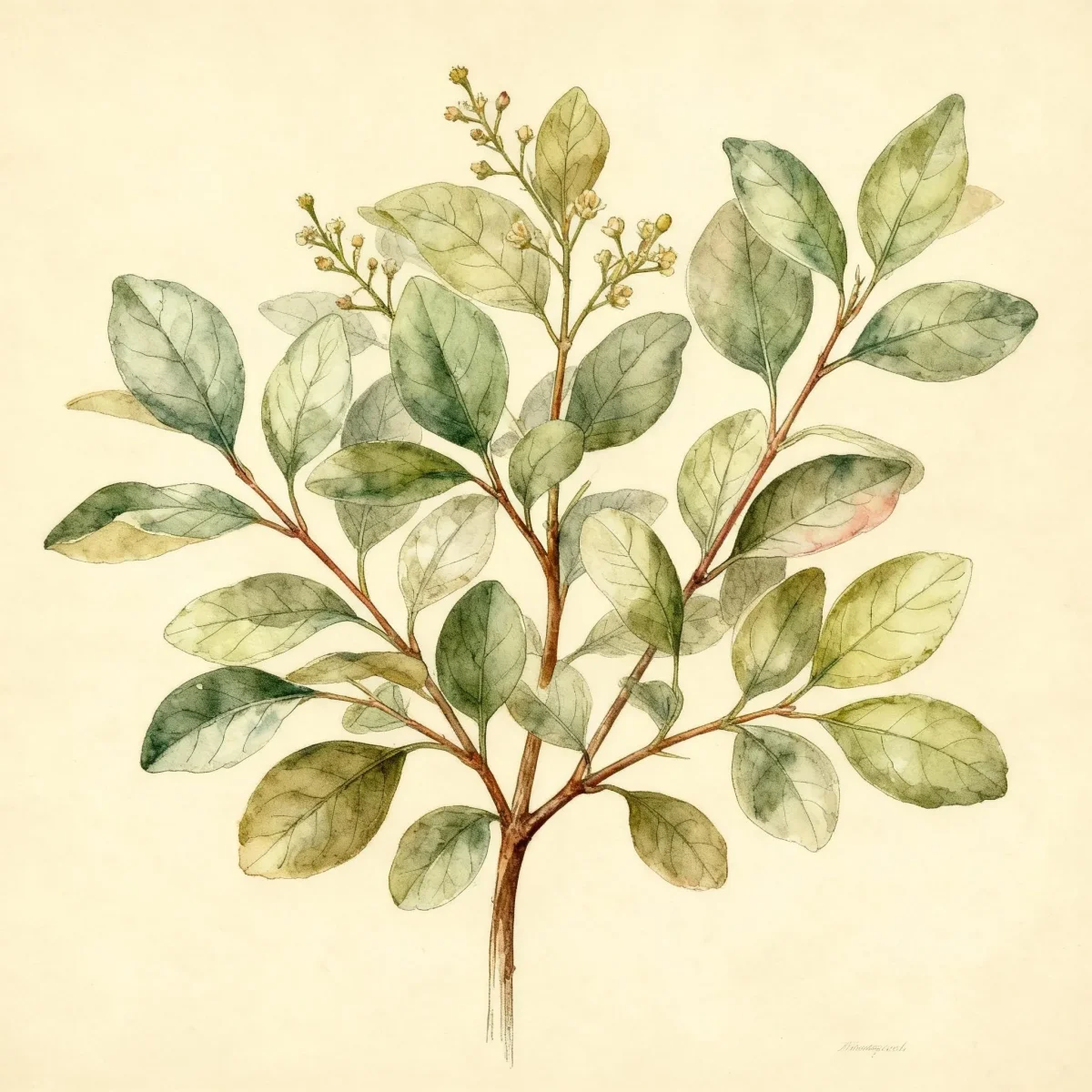
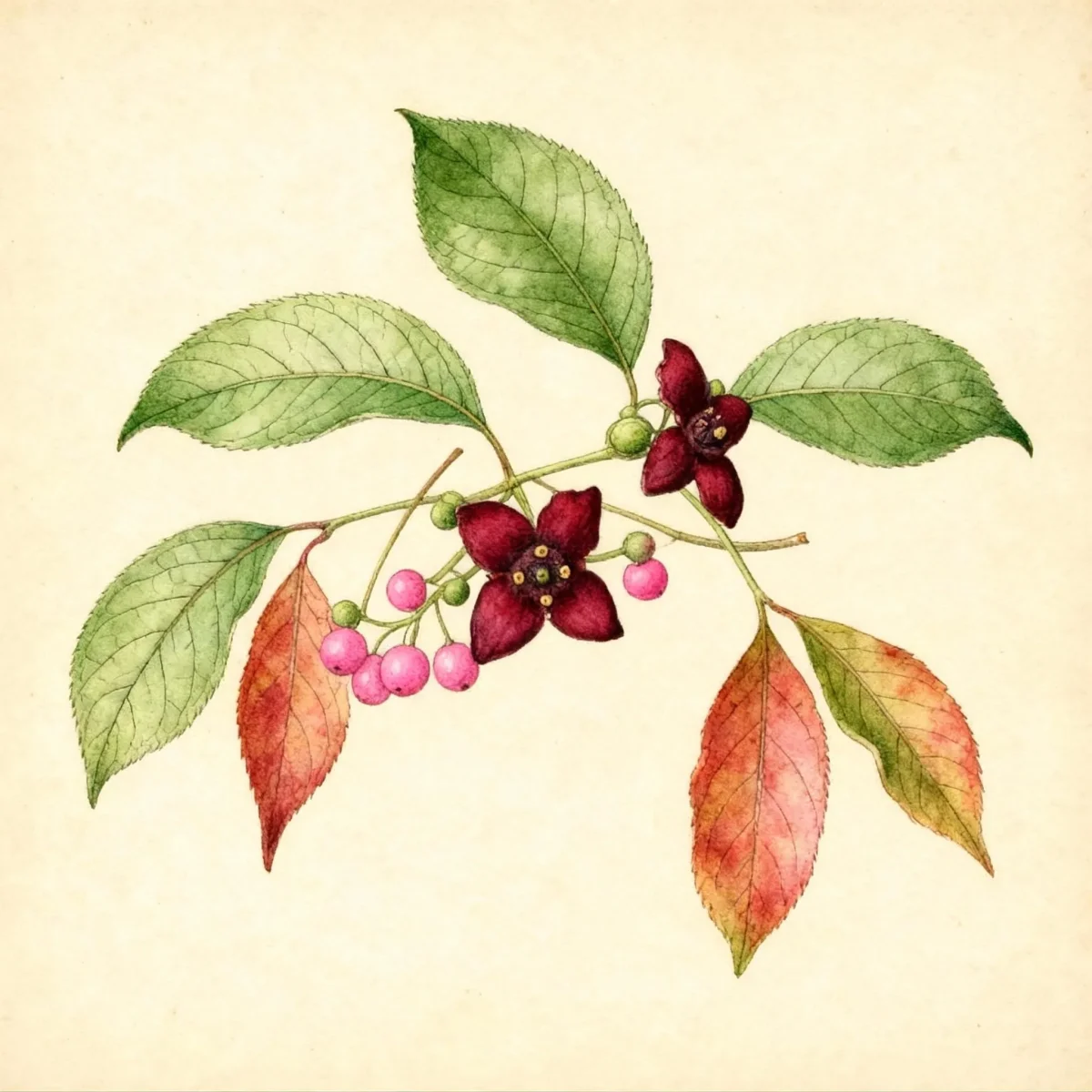
The Euonymus carnosus, commonly known as Euonymus, is a highly ornamental, deciduous shrub valued for its extended display of features from spring through autumn. This plant is distinctive for its long blooming period, producing fragrant, creamy-white flowers that attract bees, followed by strikingly colorful fruit that brightens the late season garden. As a relatively rare species, introducing Euonymus carnosus into a landscape provides unique texture and seasonal interest usually unobtainable with more common specimens.
This species typically matures into a substantial shrub, reaching 12 to 16 feet tall, though occasionally it can develop into a modest tree form. It thrives with low maintenance requirements once established, making it an excellent choice for gardeners seeking high impact with minimal seasonal upkeep. Its robustness across USDA Zones 4 through 7 adds to its appeal across a wide geography.
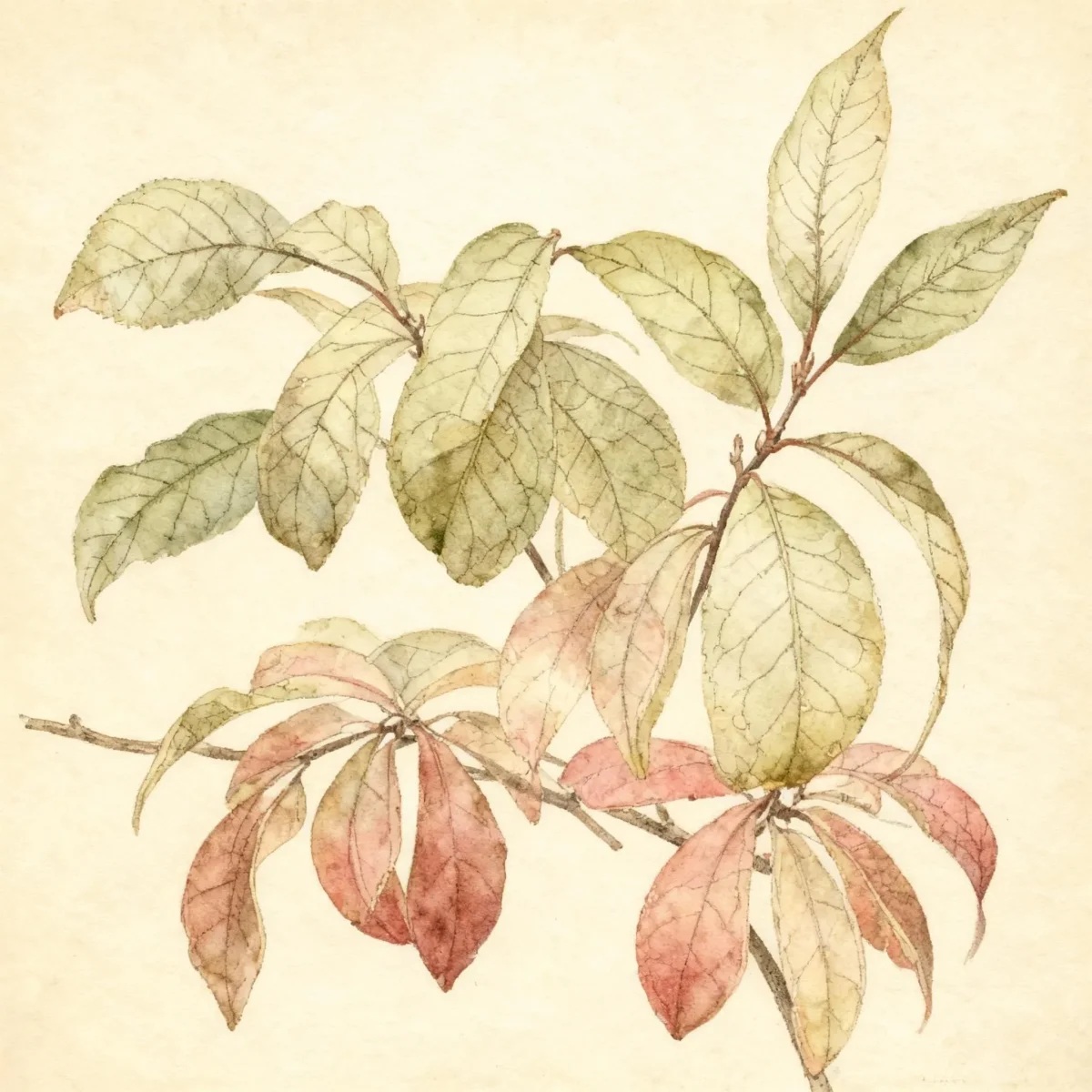
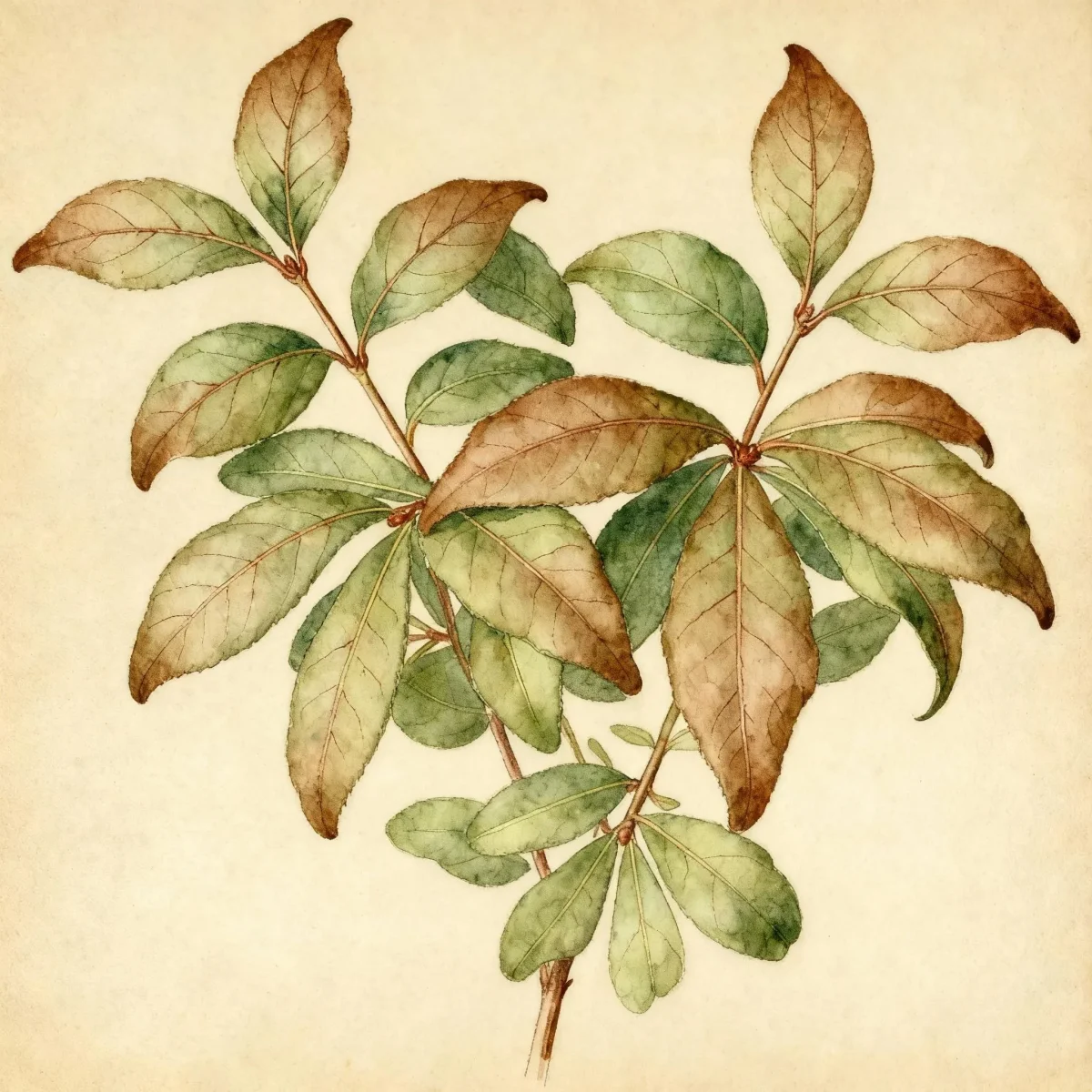
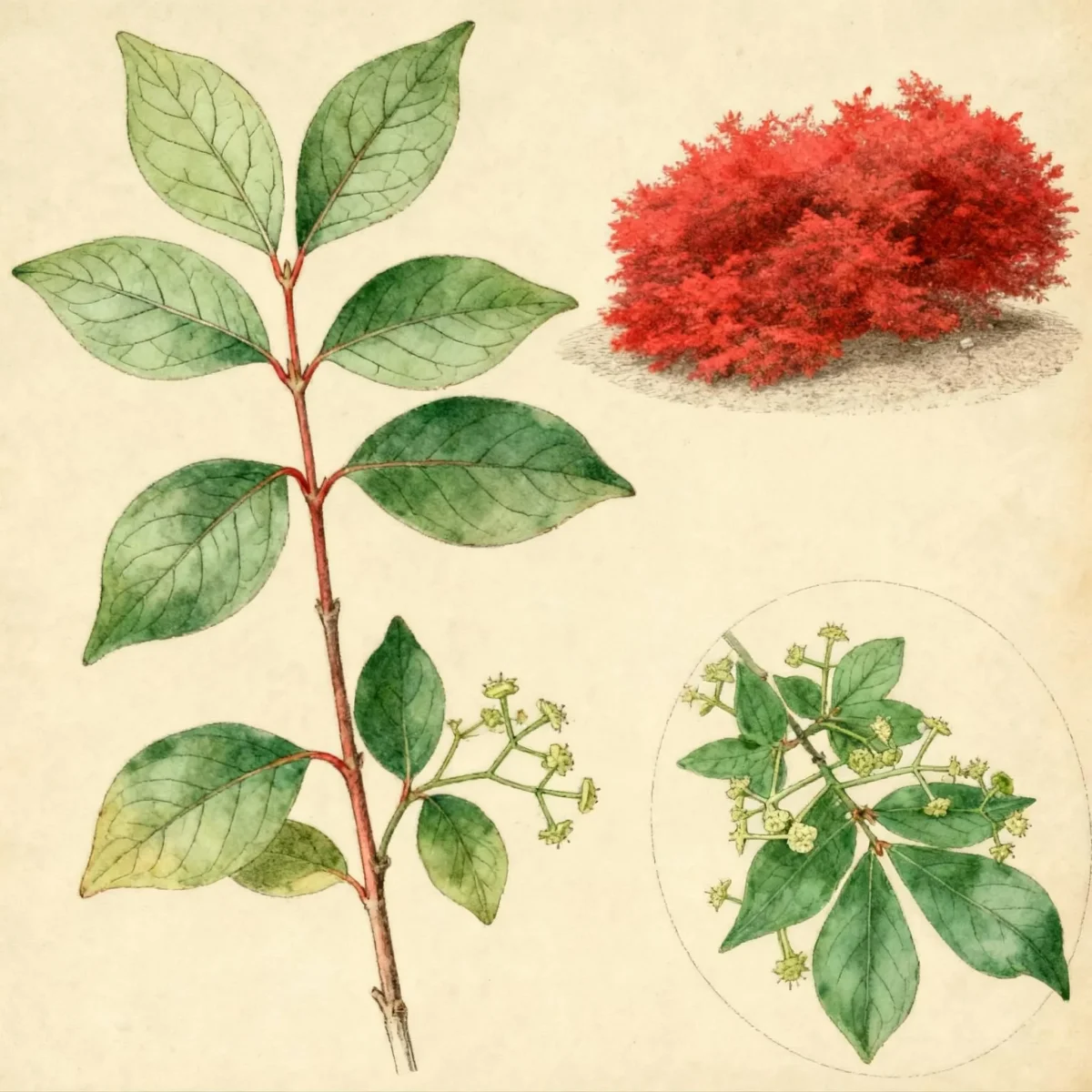
Beyond its flowers and fruit, the Euonymus lineage offers reliable foliage, often turning pleasing shades of deep red or burgundy in the fall. The smooth gray bark provides attractive winter architecture, ensuring the overall structure of the Euonymus carnosus remains visually engaging even after leaf drop.
Fast Facts
- Plant Family: Celastraceae
- Plant Type: Deciduous shrub
- Native Range: Taiwan
- Hardiness Zones: USDA Zones 4-7
- Size at Maturity:
- Height: 12-16 ft
- Spread: 8-10 ft
- Bloom Time: May to August
- Bloom Description: Creamy white
- Sun Exposure: Full sun to part shade
- Water Needs: Medium
- Maintenance Level: Low
How to Grow
Planting the Euonymus carnosus should optimally occur in the spring or fall when temperatures are mild, allowing the roots to establish before extreme weather arrives. Ensure selection of a site that accommodates its mature size, as this large shrub can quickly dominate small spaces. The cultural requirements stress that soils must be moist, rich, humusy, and well-drained; amending heavy clay soils with organic matter is crucial for success.
Watering needs are categorized as medium. While established plants show good drought tolerance, consistent moisture, especially during the first year after planting, promotes vigorous growth. Fertilization is rarely necessary if the soil is rich, but a balanced, slow-release fertilizer applied in early spring can benefit specimens grown in poorer media.
This Euonymus generally requires minimal pruning. If shaping is needed, prune after flowering concludes, focusing on removing crossing or dead wood to maintain an open structure. After the leaves drop, appreciate the smooth, attractive gray bark during winter months. Due to its winter hardiness across Zones 4-7, winter preparation usually only involves ensuring established plants do not suffer from excessive drying winds.
Landscape Uses
The exceptional ornamental values of Euonymus carnosus allow it to serve multiple roles in the landscape design. Its capability to reach tree-like proportions makes it suitable as a stately specimen or accent plant where its year-round interest can be fully appreciated. Alternatively, it performs excellently as a substantial, formal or informal hedge, offering dense screening due to its generous spread.
For foundational plantings, ensure adequate space is left so that the mature spread of 8 to 10 feet doesn’t overwhelm the structure. This rare plant is also effective when massed or grouped, especially near woodland margins where it can mimic its natural habitat found in forests of the Sino-Himalayan region. Because it is less common in commerce, using Euonymus carnosus provides an element of surprise and botanical interest.
Consider planting companions that appreciate similar moisture and sun conditions, perhaps using lower-growing shade-tolerant groundcovers at its base to cover the ground plane while it matures into its imposing shrub form.
Standout Features
Flower Qualities
- Showy
Fruit Qualities
- Showy
Noteworthy Characteristics
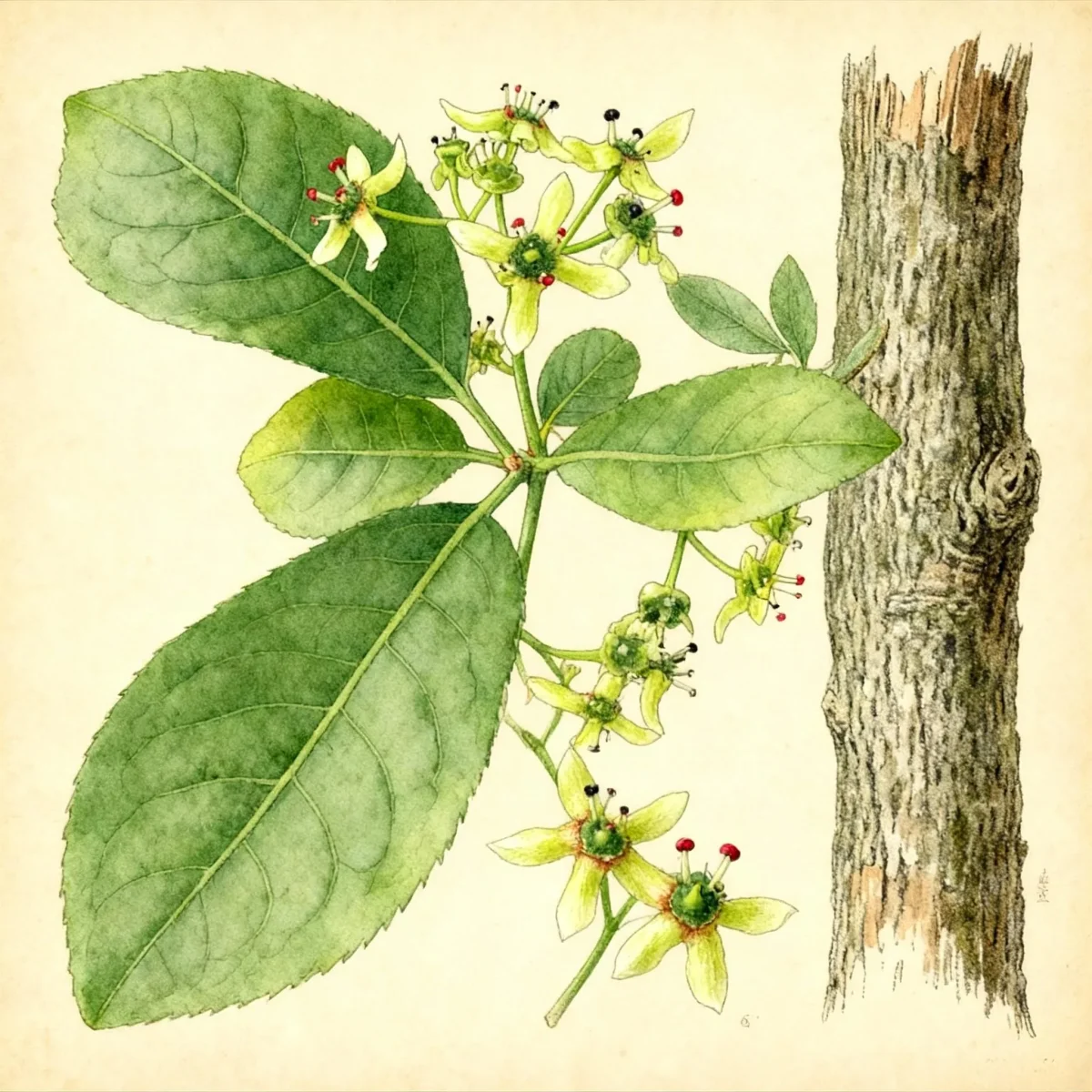
Euonymus carnosus, commonly known as fleshy-flowered spindletree, typically develops into a large shrub to 12-16’ tall with a spread to 8-10’ wide, but less frequently rises as a small tree to as much as 25-30’ tall. This is a rare, deciduous species native to forests and woodlands in the Sino-Himalayan region, noted for its fragrant creamy-white flowers loved by bees, glossy dark green leaves, fiery coral-red fruit, and deep-red fall color. The specific epithet carnosus refers to the plant’s thick flower petals and developing fruit.
Tolerances
No specific tolerances listed beyond those implied by hardiness zones and cultural needs.
Potential Problems
Generally, Euonymus carnosus remains free of serious insect or disease issues and shows good natural resistance to euonymus scale, which plagues many related species. Gardeners should remain vigilant, however, for opportunistic pests like mites, leaf miners, aphids, and mealybugs, which can occasionally appear. Cultural stress may predispose the shrub to issues like powdery mildew, stem dieback, or fungal leaf spot. If crown gall is suspected, ensure adequate soil drainage, as standing water exacerbates this condition.
For preventative care, maintaining optimal soil moisture and avoiding overly dense interior growth through light pruning will enhance air circulation, minimizing fungal risk for your Euonymus. Early identification of minor pest outbreaks is key before they require intensive treatments.
Frequently Asked Questions
What hardiness zones is Euonymus suitable for?
The Euonymus carnosus is winter hardy across USDA Zones 4 through 7.
How large does Euonymus carnosus grow?
This plant typically reaches a mature height of 12 to 16 feet with a spread between 8 and 10 feet, though it can occasionally grow taller.
What sun exposure does Euonymus need?
It thrives in conditions ranging from full sun to part shade, offering good flexibility in garden planning.
When does Euonymus bloom?
Flowering occurs over an extended period, typically from May through August, featuring creamy white blossoms.
Conclusion
The Euonymus carnosus offers superb four-season interest, highlighted by fragrant flowers, eye-catching fruit, and vibrant fall coloration, solidifying its value as a low-maintenance, rare ornamental specimen. Integrating this robust Euonymus into your garden design promises years of natural beauty. Before planting, confirm that the site conditions match its requirement for rich, well-drained soil and check its suitability for your specific hardiness zone.
Companion Planting
Because Euonymus carnosus prefers moist, humus-rich soils and tolerates partial shade, it pairs well with other woodland edge plants that share these cultural preferences. Consider underplanting with shade-tolerant perennials like Hostas or Astilbes, which offer contrasting leaf textures and bloom times. For seasonal color variation, spring-flowering bulbs such as Daffodils or Snowdrops can emerge before the Euonymus fully leafs out, fading gracefully as its long summer bloom begins in May.
Wildlife Benefits
This species holds significant appeal for beneficial insects and dispersing creatures. The fragrant, creamy-white flowers blooming from May into August serve as an excellent nectar source, particularly for bees, supporting local pollinator populations throughout the early summer. Furthermore, the fiery coral-red fruits that develop later in the season are highly attractive to birds. These birds consume the fruit, thus aiding in the natural seed dispersal of the Euonymus carnosus throughout the local ecosystem in late summer and autumn.