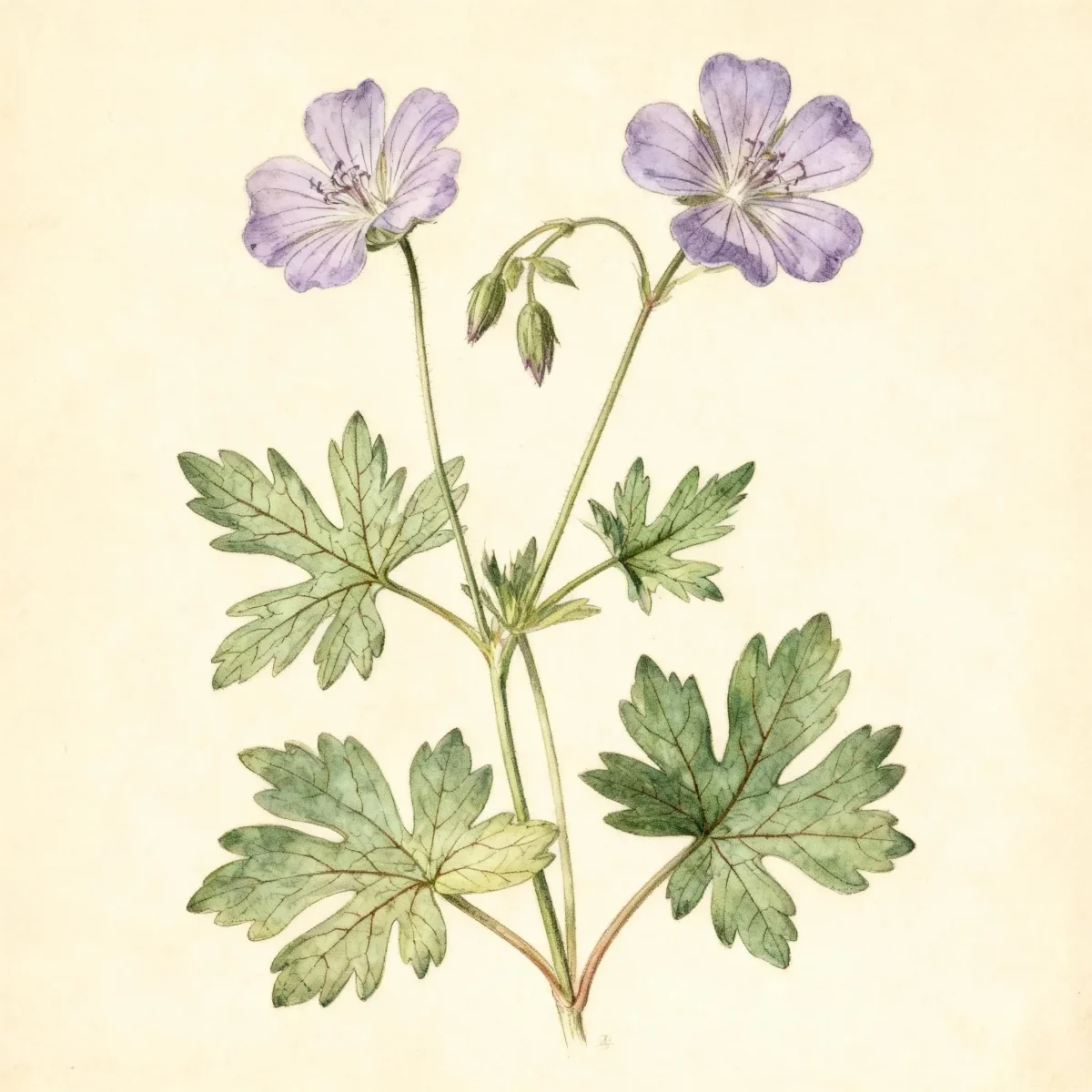
Cranesbill (Geranium wlassovianum)
Discover Geranium wlassovianum (Cranesbill), a bushy perennial offering dusky violet flowers and outstanding fall color in zones 5-8.

Bloom Boldly, No Matter the Season - Sweatshirt
Cozy organic cotton sweatshirt featuring our exclusive Purple Coneflower design. Perfect for gardeners who bloom year-round.
Inspired by the beautiful Cranesbill
Limited first batch (50) — join the waitlist for early access
Waitlist closes Feb 15, 2026.
Complete Plant Information
Field Guide Continues
Ready for care notes, companion picks, and planting tips?
The map is just the start. The full guide below covers growth habits, seasonal performance, and landscape uses.
Overview
Geranium wlassovianum, commonly known as Cranesbill, is a highly desirable, bushy perennial valued for its reliable summer color and excellent late-season foliage display. This tough East Asian native brings structure to the garden, typically forming clumps reaching 1.5 to 2 feet tall. Gardeners appreciate the low maintenance required by this variety of Cranesbill once established.
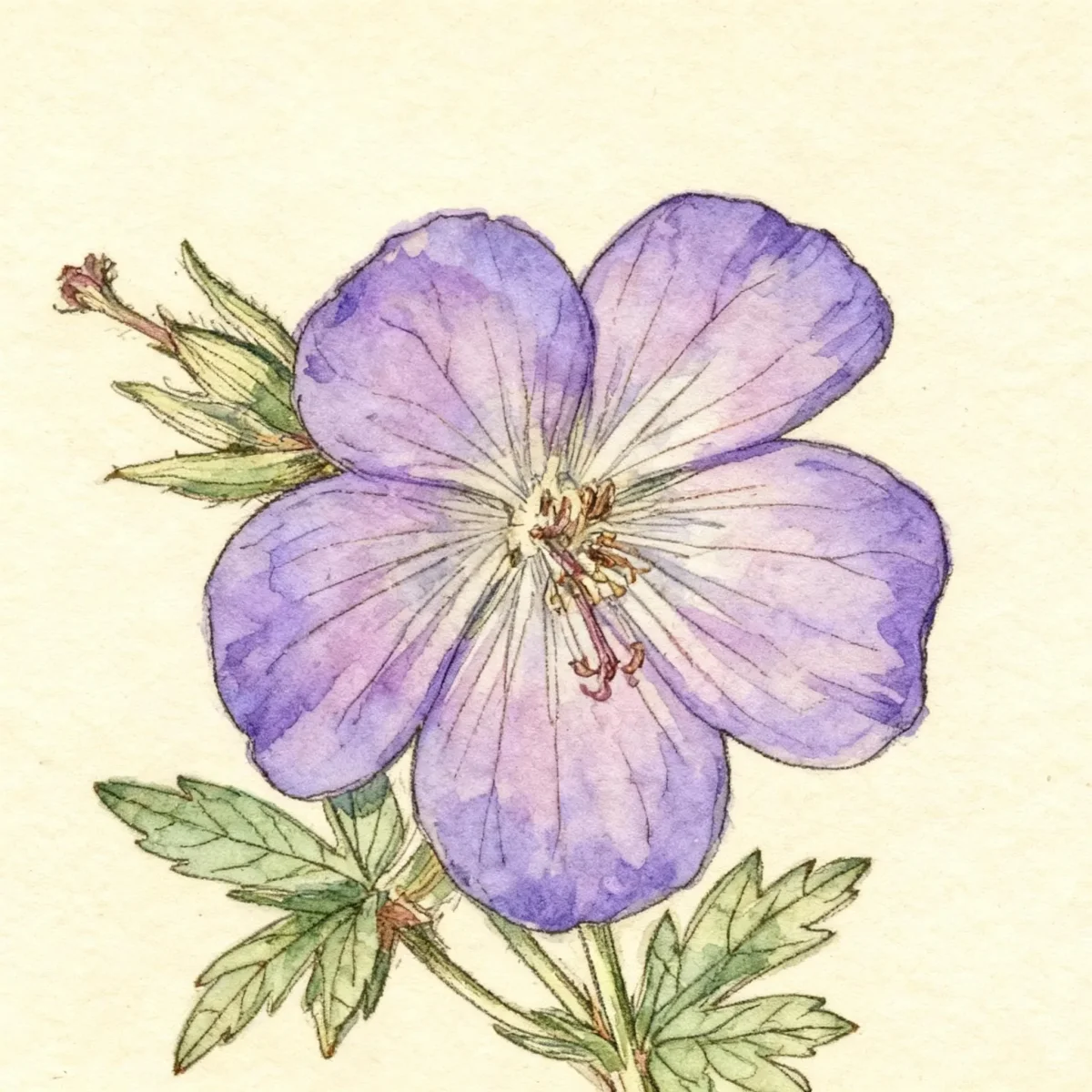
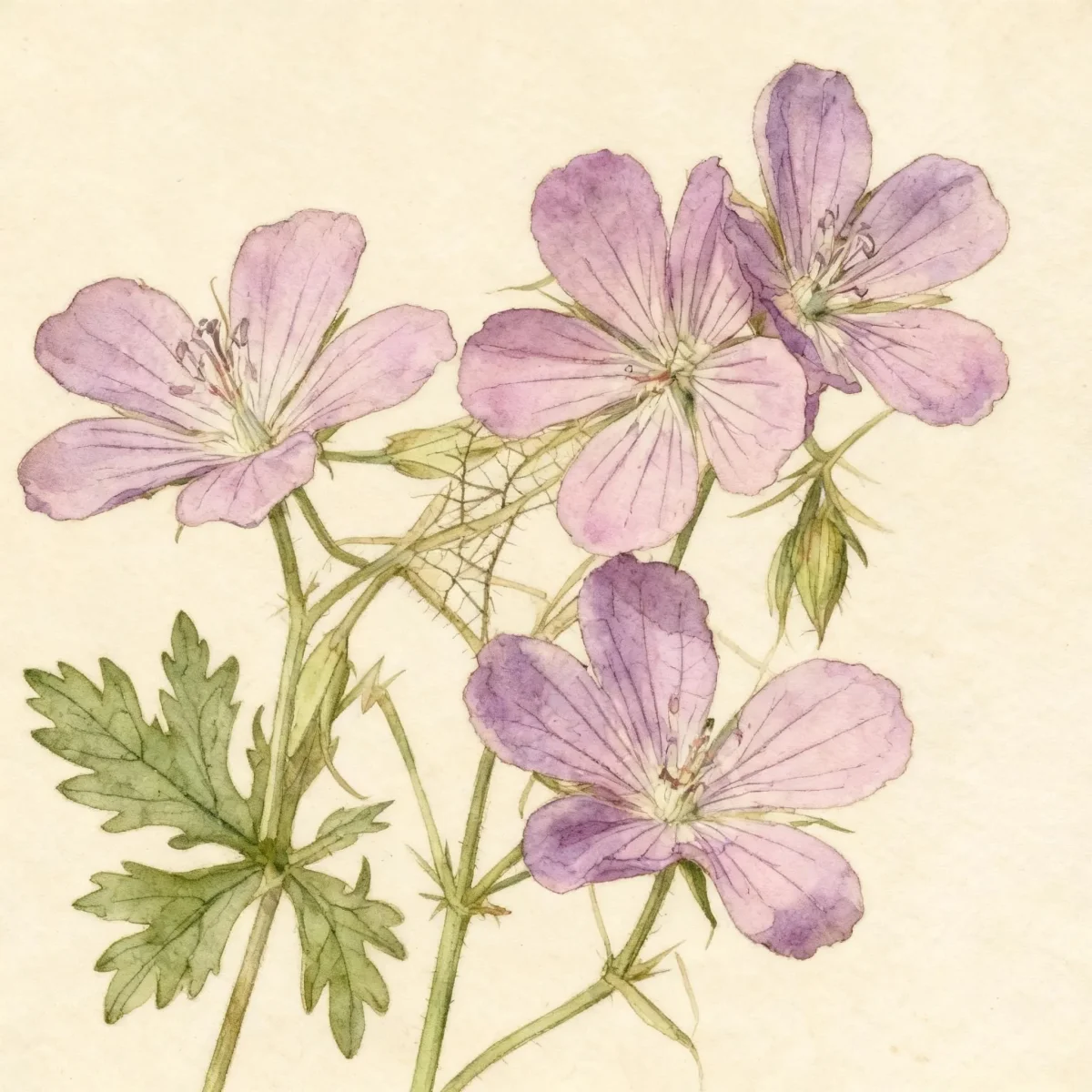
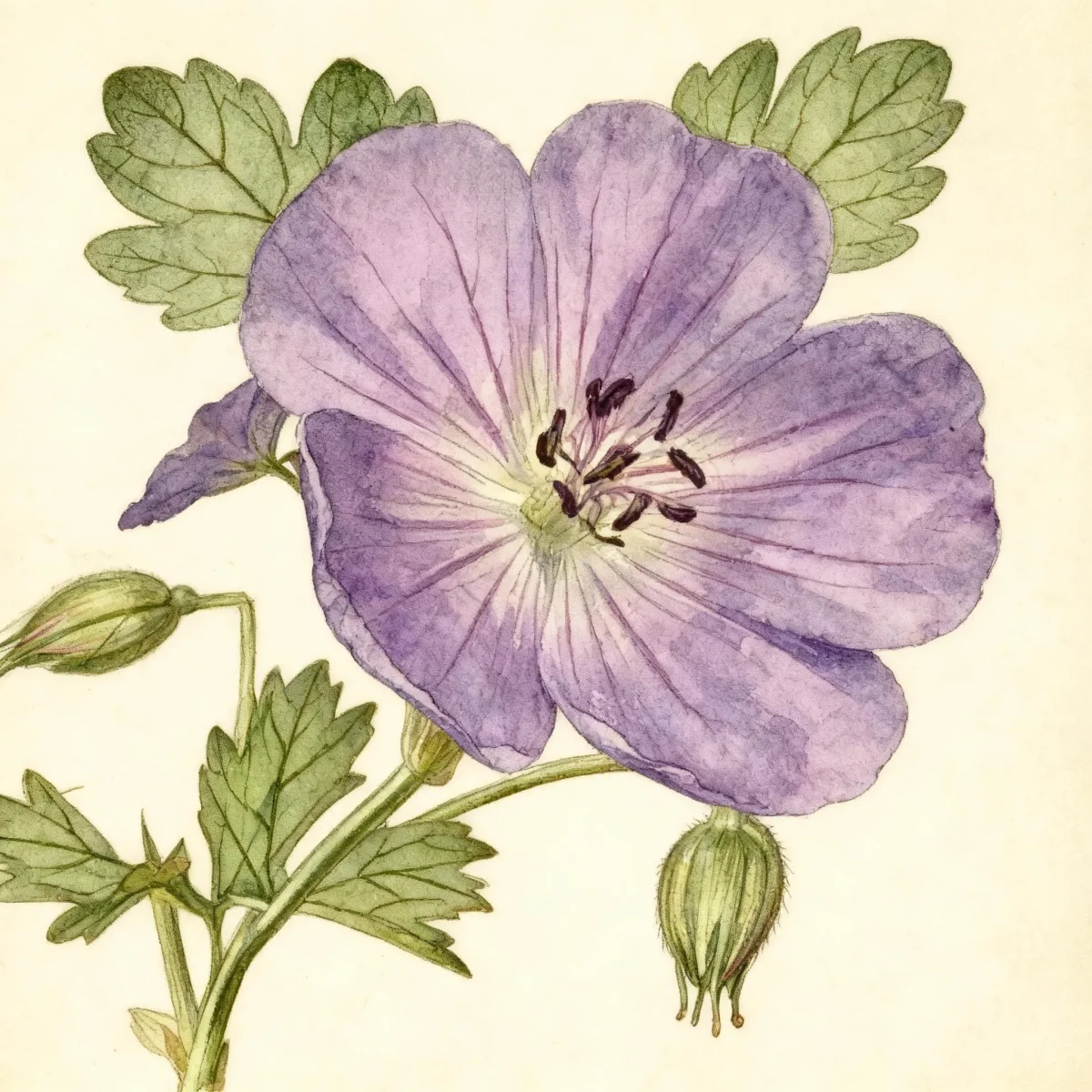
The star feature of Geranium wlassovianum is its delicate, 1-inch flowers appearing from June into July. These blooms are a dusky violet shade, vividly marked with small white eyes, providing subtle yet consistent visual interest mid-season. Beyond its flowers, the foliage provides seasonal appeal, emerging mottled and developing striking red tones as autumn approaches.
Thriving in average conditions, this clump-forming perennial offers significant ornamental value for minimal effort. Whether you are filling out border edges or adding texture to a rock garden, Geranium wlassovianum is a resilient choice for gardeners seeking beauty combined with ease of care.
Fast Facts
- Plant Family: Geraniaceae
- Plant Type: Herbaceous perennial
- Native Range: Siberia, Mongolia, eastern Russia, northern China
- Hardiness Zones: USDA Zones 5-8
- Size at Maturity:
- Height: 1.5-2 ft
- Spread: 1-1.5 ft
- Bloom Time: June to July
- Bloom Description: Dusky violet with white eyes
- Sun Exposure: Full sun to part shade
- Water Needs: Medium
- Maintenance Level: Low
How to Grow
Planting Geranium wlassovianum should ideally occur in spring or fall when the soil is workable. This Cranesbill species is easily established in average, medium, well-drained soil—it does not demand rich amendments to flourish. Ensure the chosen location provides its preferred setting, ranging from full sun up to light part shade.
Water needs are moderate; ensure consistent moisture, particularly during the first growing season, until the root system is fully established. Once mature, this perennial can tolerate brief dry spells, though regular medium watering keeps the foliage looking its best. Fertilization is rarely necessary; overly rich soil can lead to floppier stems.
A crucial element of care for Geranium wlassovianum is post-bloom pruning. Cut back the plants after the initial flush of flowering subsides. This simple act helps to both shape the clump and strongly encourage a secondary, smaller round of blooms later in the season, extending the visual appeal of your garden.
Landscape Uses
Cranesbill varieties naturally excel near the front or middle of mixed perennial borders, where their tidy, mounding habit frames taller plants effectively. Geranium wlassovianum’s structure makes it an ideal choice for defining edges in cottage-style plantings or lending casual formality to foundation beds.
Due to its relatively contained size (1.5 to 2 feet tall), this perennial is perfectly scaled for inclusion in rock gardens, either nestled among stones or cascading slightly over retaining walls. The dusky violet flowers pair beautifully with silver foliage textures or contrasting yellows and oranges from companion perennials like Daylilies or Shasta Daisies.
Standout Features
Flower Qualities
- Showy
Noteworthy Characteristics
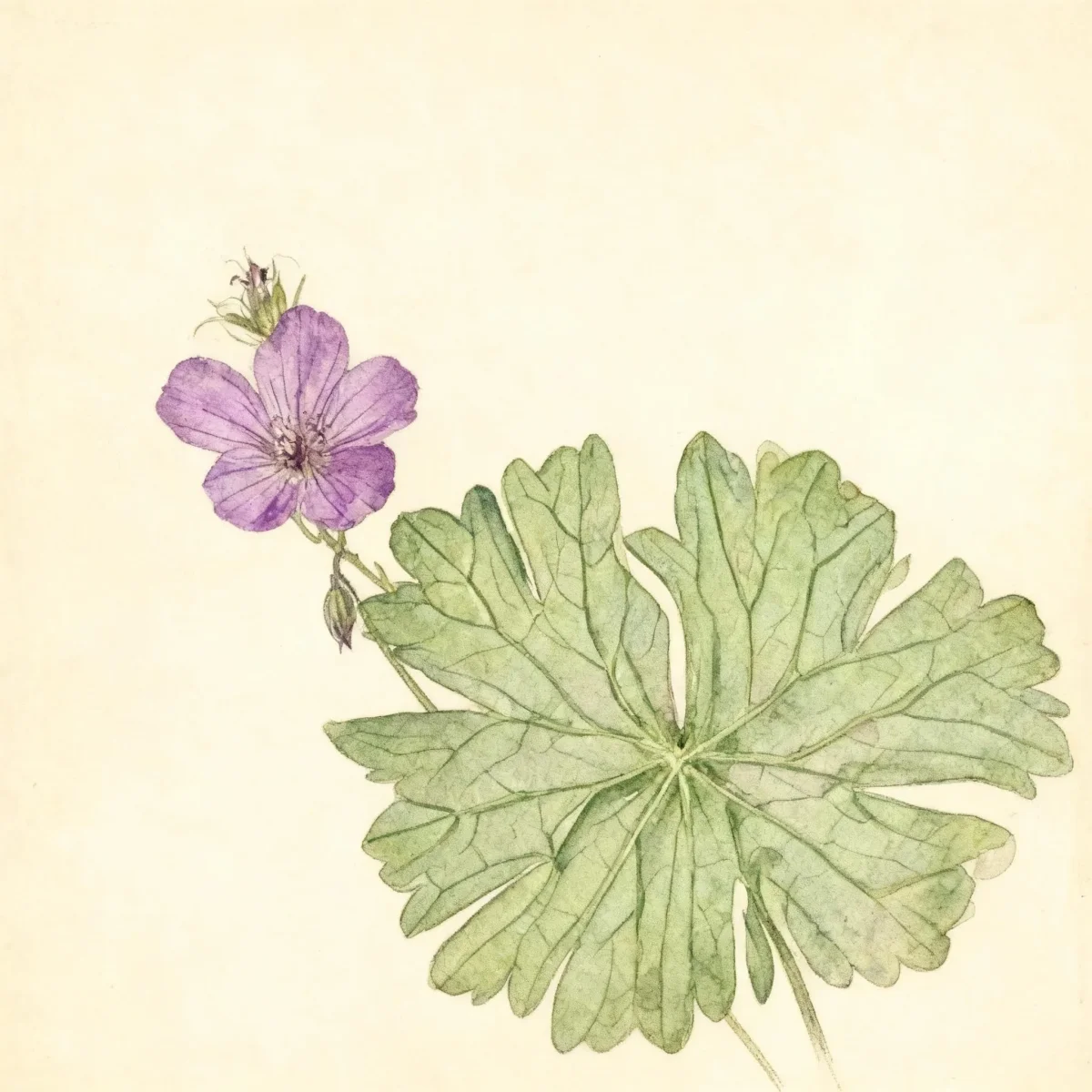
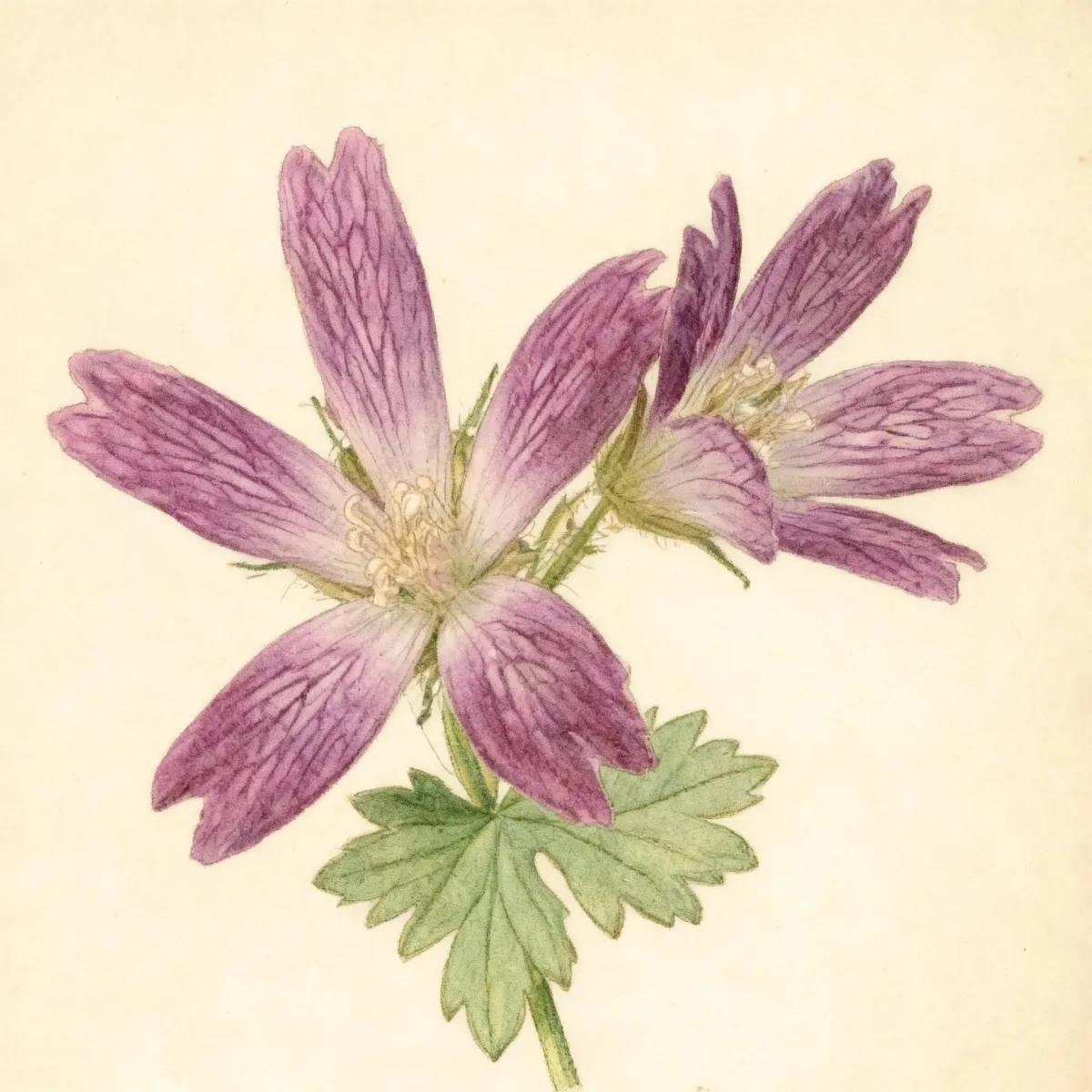
Geranium wlassovianum is a bushy, clump-forming perennial which typically grows to 24” tall with a 12-18” spread. Features 1” diameter, 5-petaled, dusky violet flowers with deep violet veining on the petals from late spring to early summer. Each flower has a small white eye. Lobed foliage emerges olive green with chocolate blotches, matures to dusky green and turns red in autumn. Genus name comes from the Greek word geranos meaning crane in reference to the fruit which purportedly resembles the head and beak of a crane.
Tolerances
- Rabbit
- Deer
Potential Problems
This tough species of Cranesbill generally presents no serious insect or disease problems in the typical garden setting. Good air circulation, achieved by ensuring adequate spacing during planting, helps prevent most potential fungal issues, though they are rare. Avoid heavy, waterlogged soils to ensure long-term health for your Geranium wlassovianum.
Frequently Asked Questions
What hardiness zones is Cranesbill suitable for?
Geranium wlassovianum is reliably hardy across USDA Zones 5 through 8.
How large does Geranium wlassovianum grow?
This perennial typically achieves a mature height between 1.5 and 2 feet, spreading between 1 and 1.5 feet wide.
When does Geranium wlassovianum bloom?
This plant produces dusky violet flowers with white eyes throughout the months of June to July, with pruning encouraging repeat performance.
What sun exposure does Cranesbill need?
For best results, plant Geranium wlassovianum where it will receive full sun, though it tolerates conditions ranging toward part shade.
Conclusion
Geranium wlassovianum offers gardeners a superb combination of manageable size, attractive summer blooms, and rich fall color, all wrapped up in a low-maintenance package. If you are seeking a robust perennial for your borders that resists common pests, this reliable Cranesbill species is an excellent selection. Check your local USDA Zone now and plan to incorporate this versatile Geranium into your landscape this spring or fall.
Companion Planting
Selecting companions for Geranium wlassovianum is straightforward due to its forgiving cultural preferences. Pair it with plants that also enjoy medium water and adapt well to sun or part shade, such as Hosta varieties with chartreuse or blue foliage, which contrast nicely during the summer. For reliable, dry-out-tolerant companions that occupy the backend of the border, consider Russian Sage (Perovskia atriplicifolia) or ornamental grasses that appreciate similar drainage properties.
Seasonal Care Calendar
Spring is the ideal time to clean up any lingering winter debris and apply a light topdressing of compost around the base of the established Cranesbill clump, though heavy feeding is unnecessary. During the peak summer bloom period in June and July, deadheading or shearing back older flowering stems will stimulate fresh growth and a rebloom. In late autumn, after the foliage has taken on its best red tones, you can cut the entire plant back close to the ground in preparation for winter dormancy.