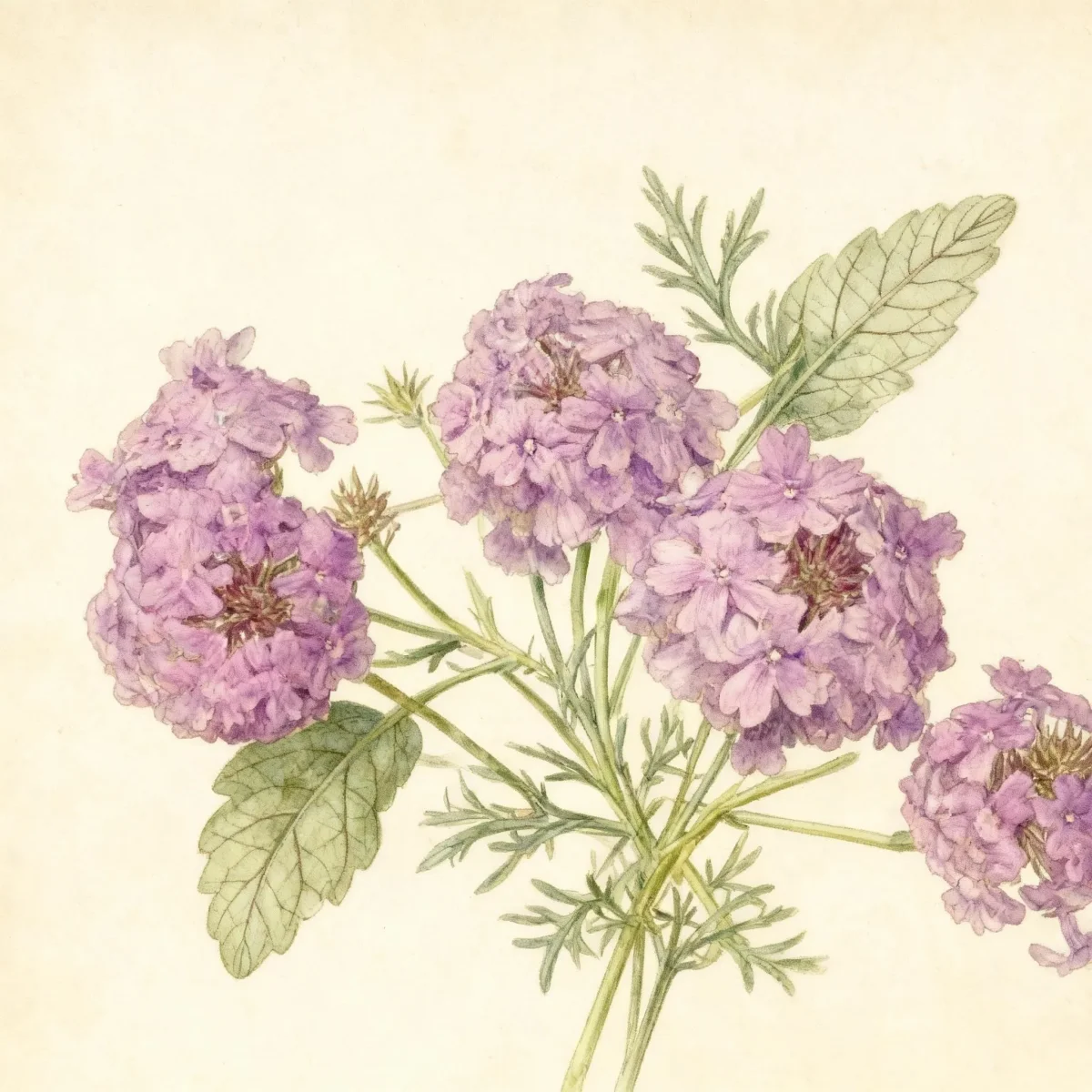
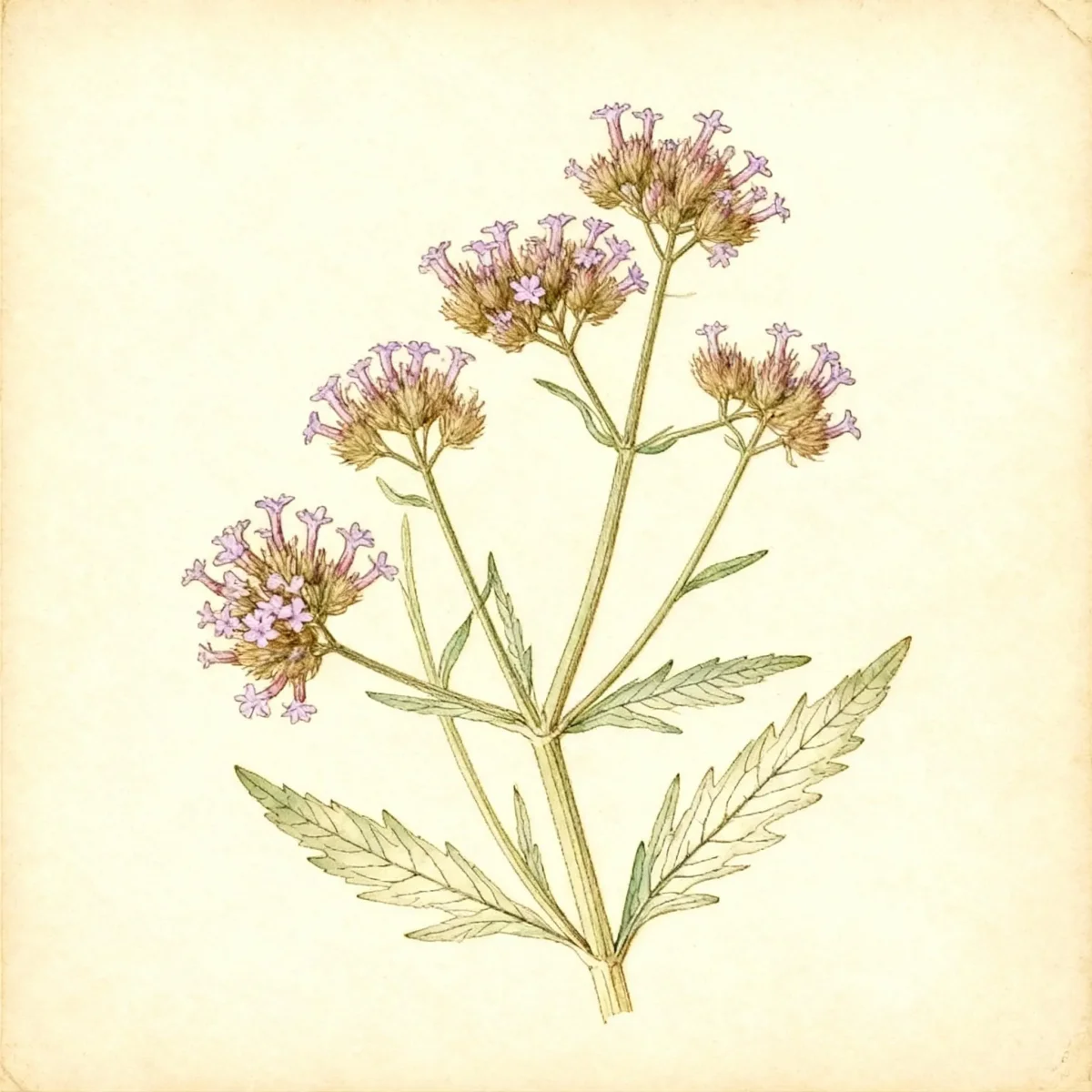
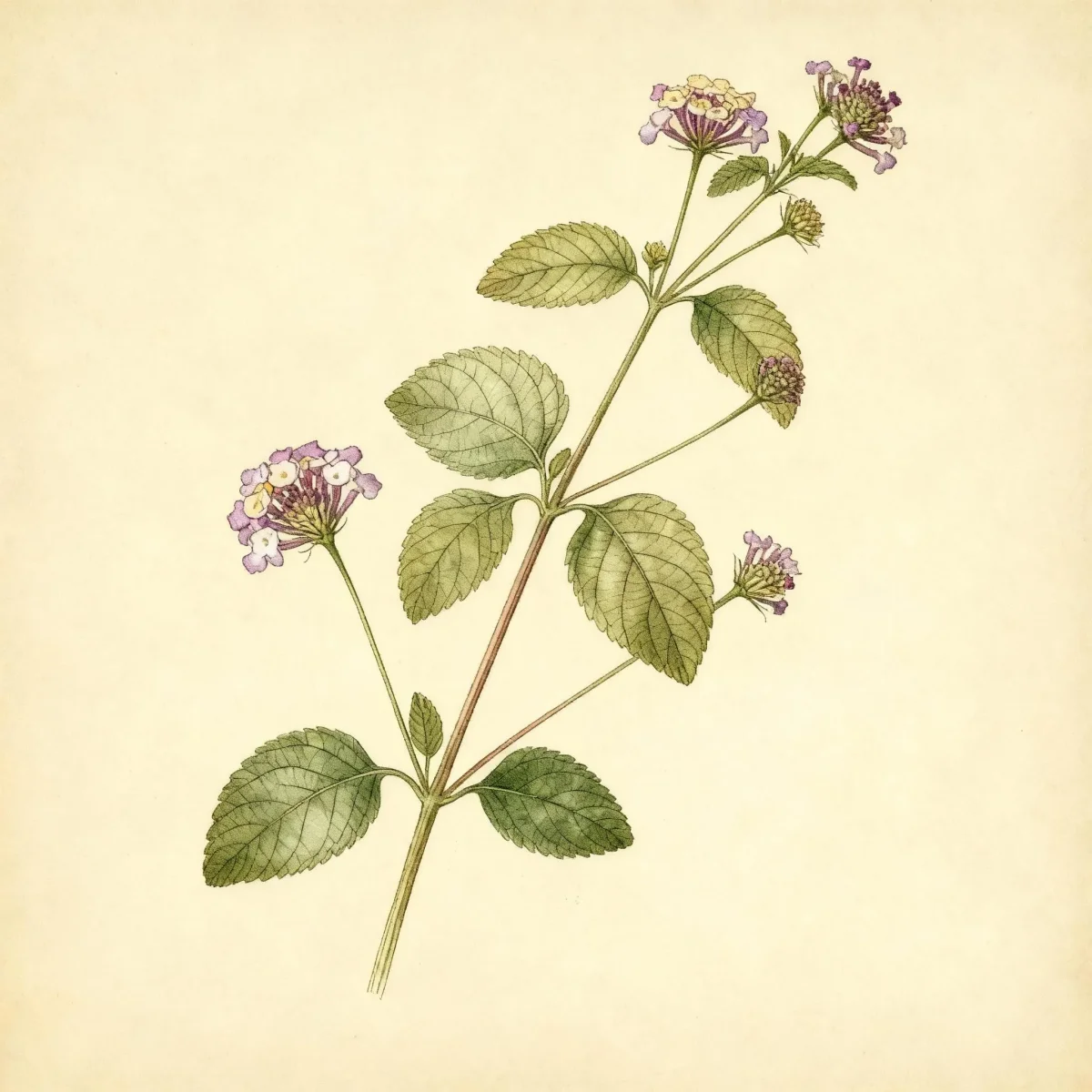
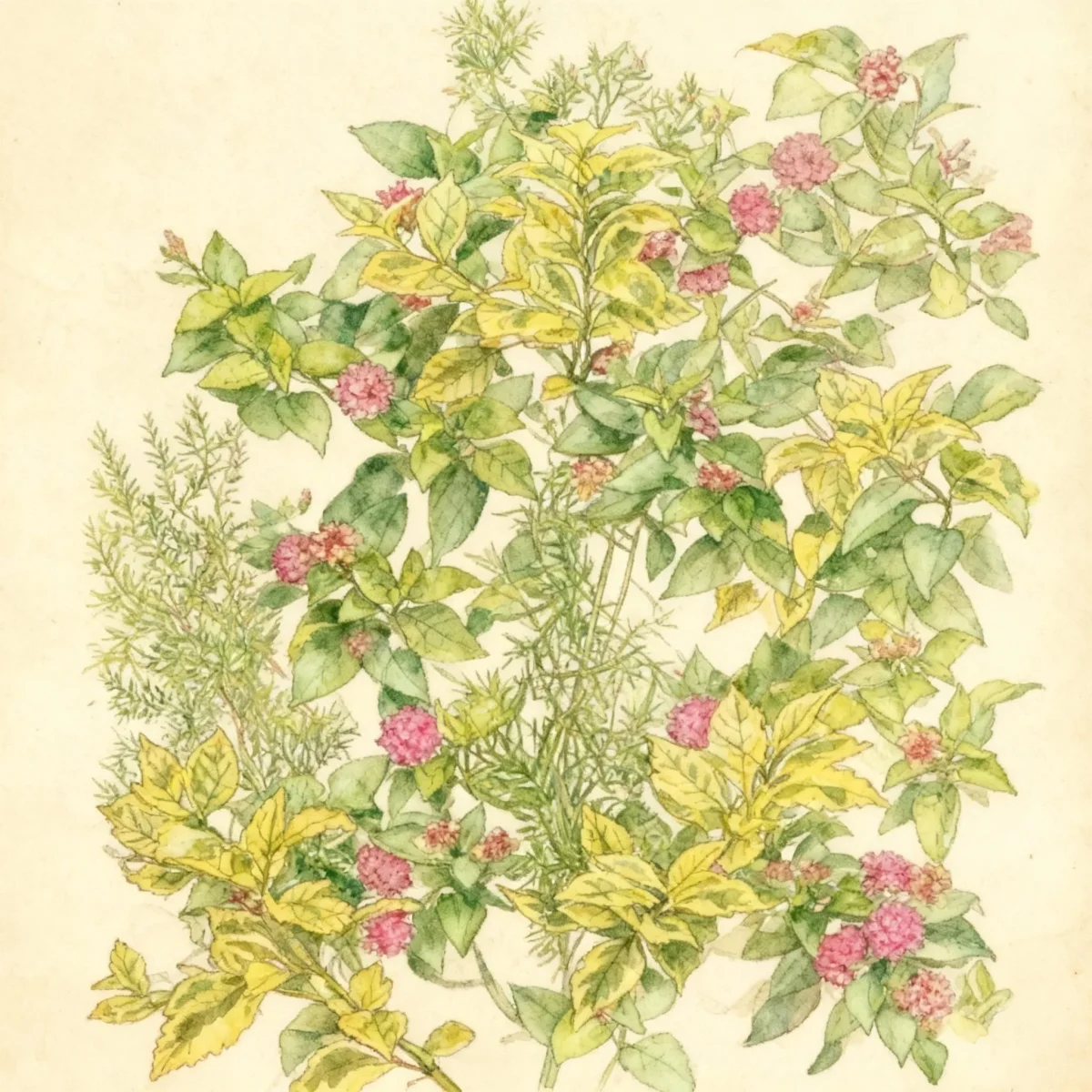
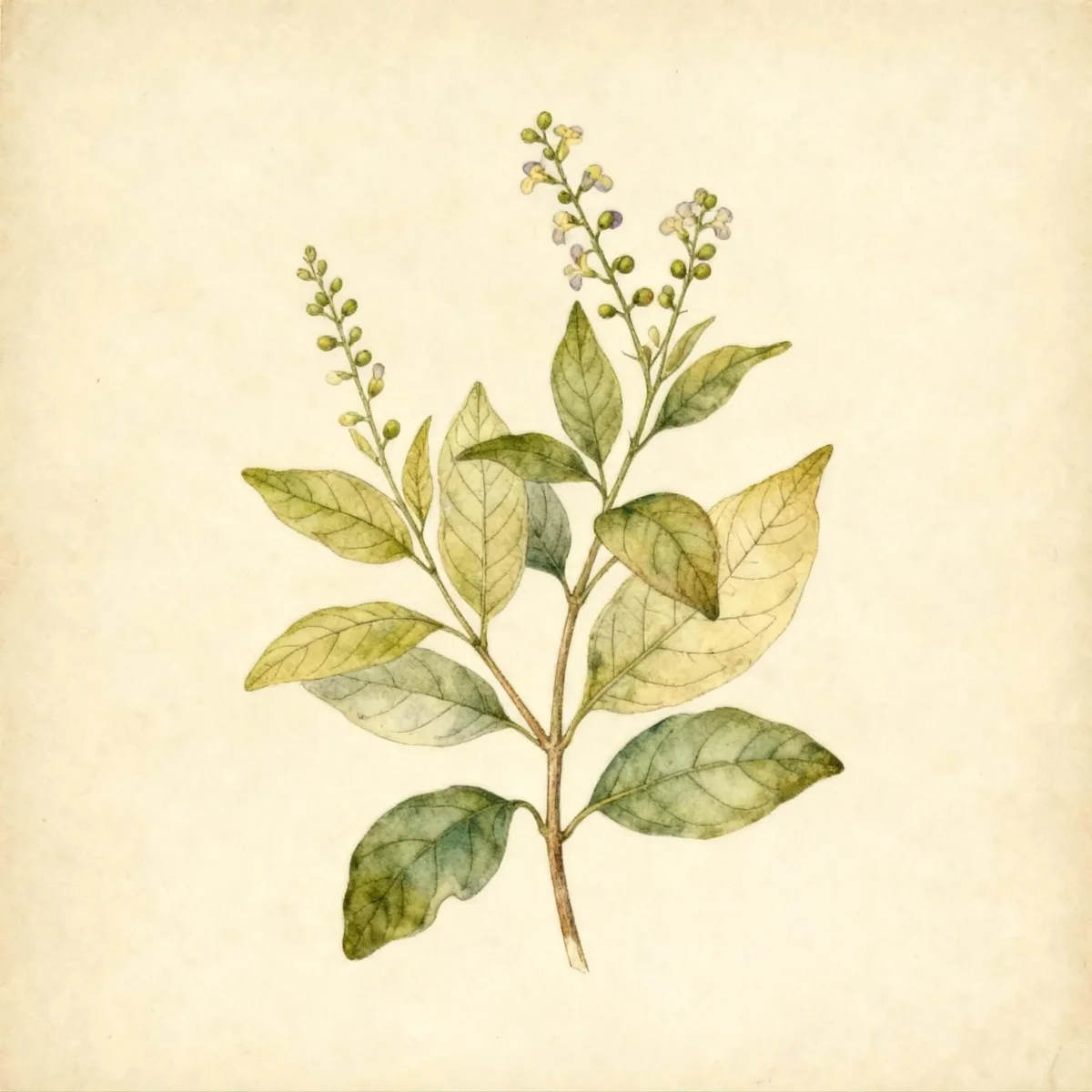
Lemon verbena (Aloysia citriodora)
Aloysia citriodora, or Lemon verbena, offers intensely fragrant lemon-scented leaves. This low-maintenance perennial thrives in full sun.
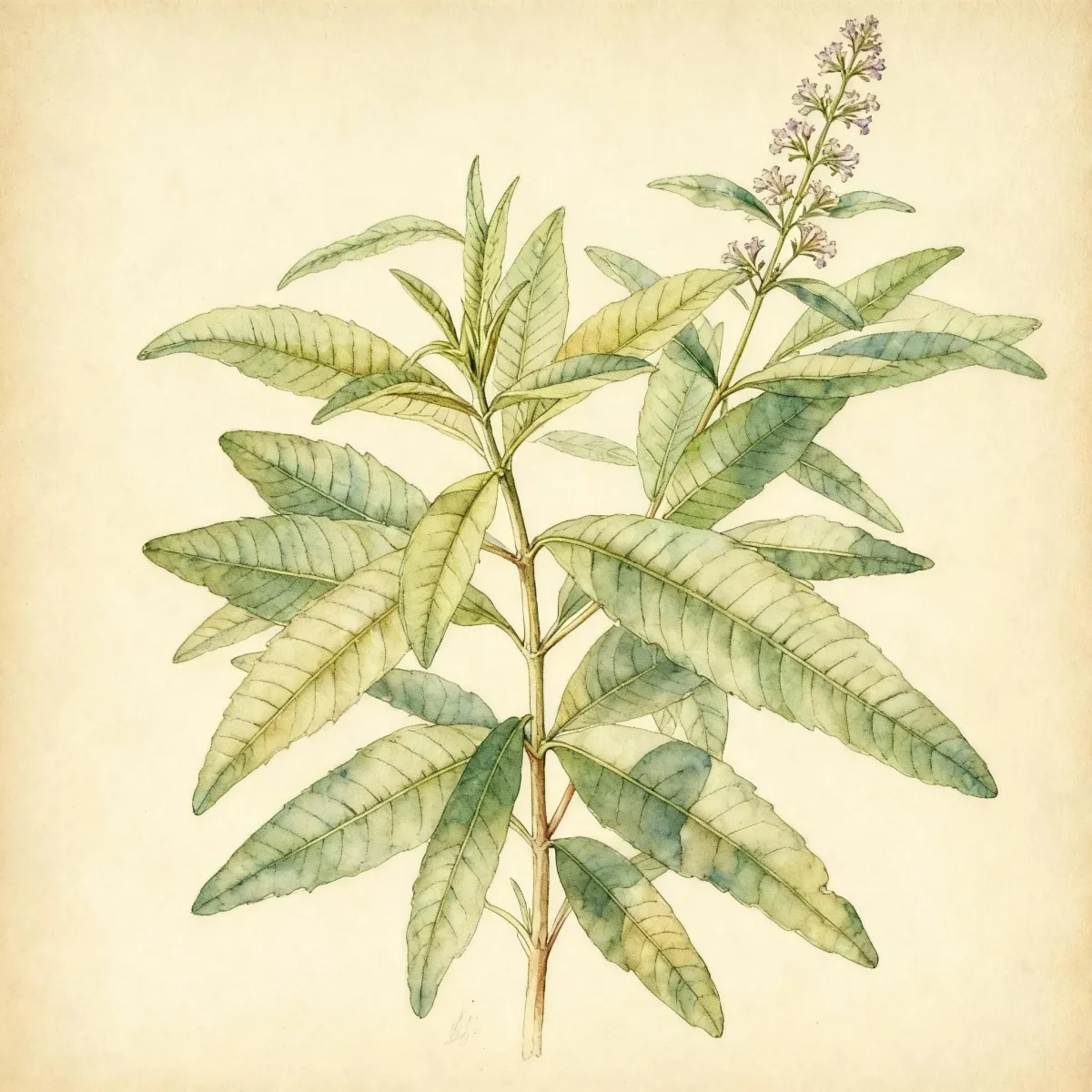

Bloom Boldly, No Matter the Season - Sweatshirt
Cozy organic cotton sweatshirt featuring our exclusive Purple Coneflower design. Perfect for gardeners who bloom year-round.
Inspired by the beautiful Lemon verbena
Limited first batch (50) — join the waitlist for early access
Waitlist closes Feb 15, 2026.
Complete Plant Information
Field Guide Continues
Ready for care notes, companion picks, and planting tips?
The map is just the start. The full guide below covers growth habits, seasonal performance, and landscape uses.
Overview
Aloysia citriodora, commonly known as lemon verbena, is treasured globally not primarily for its subtle white flowers, but for the vivid, refreshing lemon aroma emanating from its foliage. Native to South America, this woody shrub brings both functional and aromatic value to any garden space. Gardeners love this plant for its intense fragrance and low maintenance requirements.
This herbaceous perennial is valued for its shiny, lanceolate green leaves that possess a powerful lemon scent and distinct taste, making Aloysia citriodora indispensable in culinary applications. While capable of reaching significant heights in tropical climates, it typically stays manageable between two and four feet tall in cultivation within its preferred temperature range.
As a relatively low-maintenance specimen, lemon verbena thrives with full sun and medium water, making it an excellent choice for herb gardens, fragrant borders, or containers that allow easy appreciation of its scent. Ensure planting sites allow easy access for leaf harvesting throughout the growing season.
Fast Facts
- Plant Family: Verbenaceae
- Plant Type: Herbaceous perennial
- Native Range: Argentina, Chile
- Hardiness Zones: USDA Zones 8-10
- Size at Maturity:
- Height: 2-4 ft
- Spread: 2-4 ft
- Bloom Time: July to September
- Bloom Description: White
- Sun Exposure: Full sun
- Water Needs: Medium
- Maintenance Level: Low
How to Grow
For optimal growth, cultivate Aloysia citriodora where it receives full, unobstructed sun exposure. This plant performs best when positioned in moist, light, well-drained fertile loams. Planting is ideal in the spring after the danger of frost has passed, allowing the roots time to establish before winter dormancy, if applicable to your region.
Watering should be consistent; maintain medium moisture levels without allowing the soil to become waterlogged. Fertilizing is rarely necessary if planted in fertile loam, keeping maintenance low. To encourage a denser, bushier form, prune back the tips of the main stems regularly throughout the active growing season.
In zones 8 through 10, lemon verbena can be left outdoors year-round, acting as a semi-evergreen or deciduous plant depending on winter severity. Where temperatures dip below hardiness limits, treat Aloysia citriodora as an annual, replacing it each spring, or overwinter containers indoors in cool, bright locations—be aware that plants will lose their leaves indoors and require minimal watering during this rest period.
Landscape Uses
Lemon verbena is highly versatile, excelling as an attractive potted plant, perfect for patios or near doorways where its aroma can be easily enjoyed. Its use extends significantly into herb gardens, where the aromatic leaves can be easily accessed for culinary pursuits like teas, desserts, or infusions.
For fragrance borders, group Aloysia citriodora near walkways or seating areas. The bright green foliage provides a pleasant visual contrast, and the subtle white flowers contribute to the overall textural interest during mid to late summer. Its use in potpourris also makes it a valued addition to fragrance gardens.
Standout Features
Flower Qualities
- Showy
- Fragrant
Noteworthy Characteristics
Aloysia citriodora, commonly called lemon verbena is native to Argentina and Chile, where it grows as a substantial woody shrub. This plant is notable for its glossy green, lanceolate leaves, which release a strong lemon scent and flavor even without crushing, making Aloysia citriodora a favorite herb. Though fragrant white flowers bloom from mid-summer to early fall, they hold little ornamental value compared to the striking aromatic leaves.
Tolerances
- No serious insect or disease problems. Aphids, whiteflies, mealy bugs and spider mites may appear
Potential Problems
While Aloysia citriodora rarely suffers from serious insect or disease issues, gardeners should remain vigilant against common soft-bodied pests. In warm, humid conditions, outbreaks of aphids, whiteflies, mealy bugs, or spider mites can occasionally occur, particularly on plants grown indoors over winter or in overly dense conditions. Inspect foliage regularly, especially the undersides of the leaves, and use insecticidal soap or horticultural oil to manage infestations promptly.
Frequently Asked Questions
What hardiness zones is Lemon verbena suitable for?
Lemon verbena is winter hardy in USDA Zones 8 through 10, though it can be grown successfully as an annual outside this range.
How large does Lemon verbena grow?
This plant typically reaches a height between 2 and 4 feet with a similar spread in garden settings, though it can grow much larger in tropical conditions.
What sun exposure does Aloysia citriodora need?
Aloysia citriodora requires full sun to achieve the best growth and the strongest aromatic foliage.
When does Lemon verbena bloom?
Bloom time for lemon verbena generally spans from July through September, featuring small white blossoms.
Conclusion
Aloysia citriodora offers exceptional aromatic appeal and culinary functionality, making lemon verbena a must-have for fragrant and edible gardens alike. Its low maintenance profile further solidifies its standing as a rewarding shrub to incorporate into your landscape design. Before planting, confirm you are gardening within USDA Zones 8–10, or plan for essential winter protection or container placement.
Companion Planting
Since Aloysia citriodora prefers full sun and medium, well-drained soil, it pairs excellently with other Mediterranean herbs that share similar cultural requirements. Consider planting lemon verbena alongside lavender, rosemary, or thyme. These plants create a cohesive, low-water, sun-loving herb garden that rewards you with layered fragrances.
Avoid overcrowding when pairing, as good air circulation helps keep the foliage healthy and reduces susceptibility to potential pests. The shrubby structure of the lemon verbena also works well as a backdrop to lower-growing annual flowers or culinary herbs in a mixed border setting.
Container Growing
Growing Aloysia citriodora in containers is an ideal strategy for gardeners in cooler climates, as it allows for necessary winter relocation. Use a high-quality potting mix that ensures excellent drainage; standing water is detrimental to root health. Ensure pots have ample drainage holes to support the medium water needs without becoming saturated.
When overwintering containerized lemon verbena indoors, remember that the plant will likely become deciduous and go dormant. Reduce watering significantly during this period, keeping the soil only barely moist, and place it near a bright, cool window until spring returns. Pruning aggressively in early spring before moving outdoors will encourage vigorous new, highly fragrant growth.