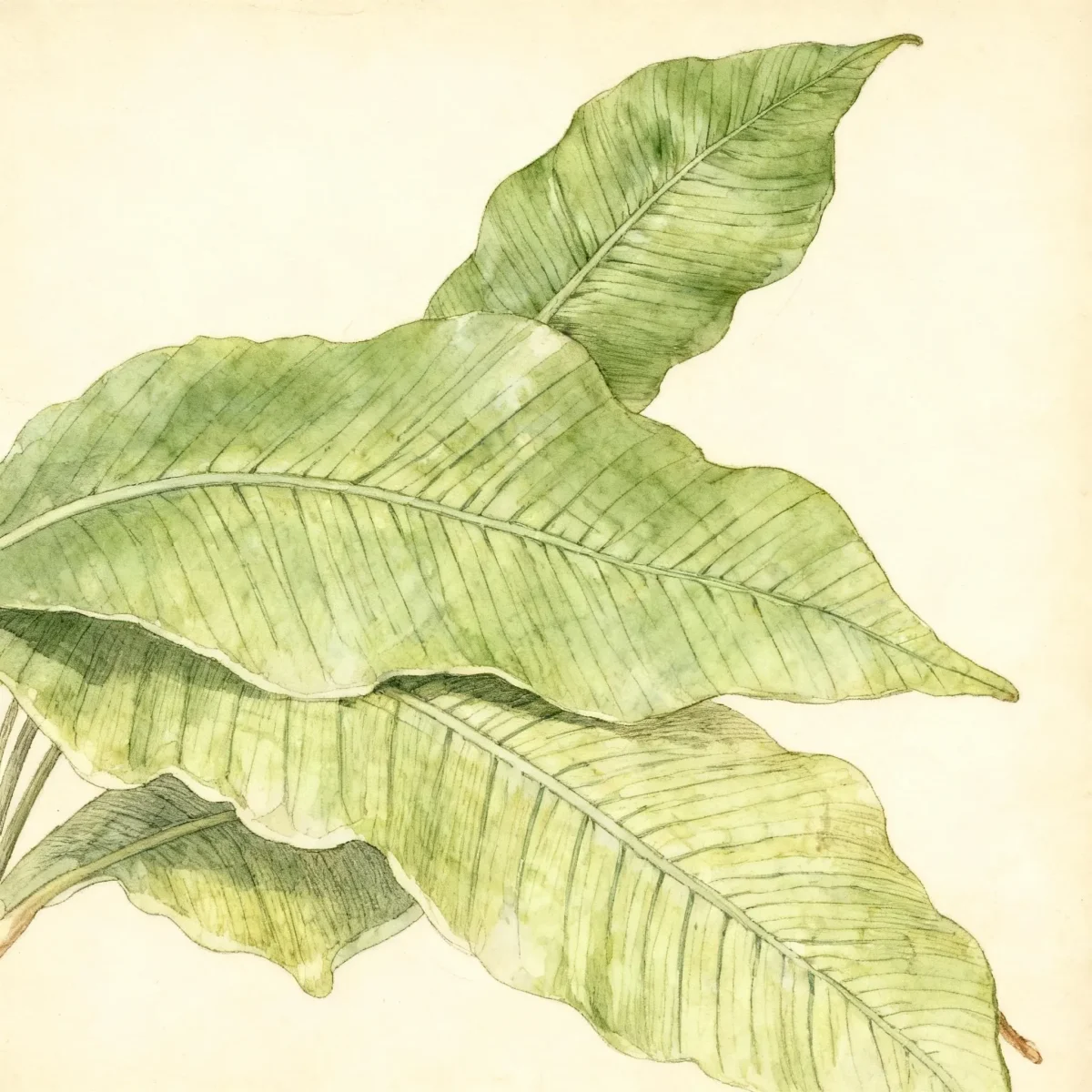
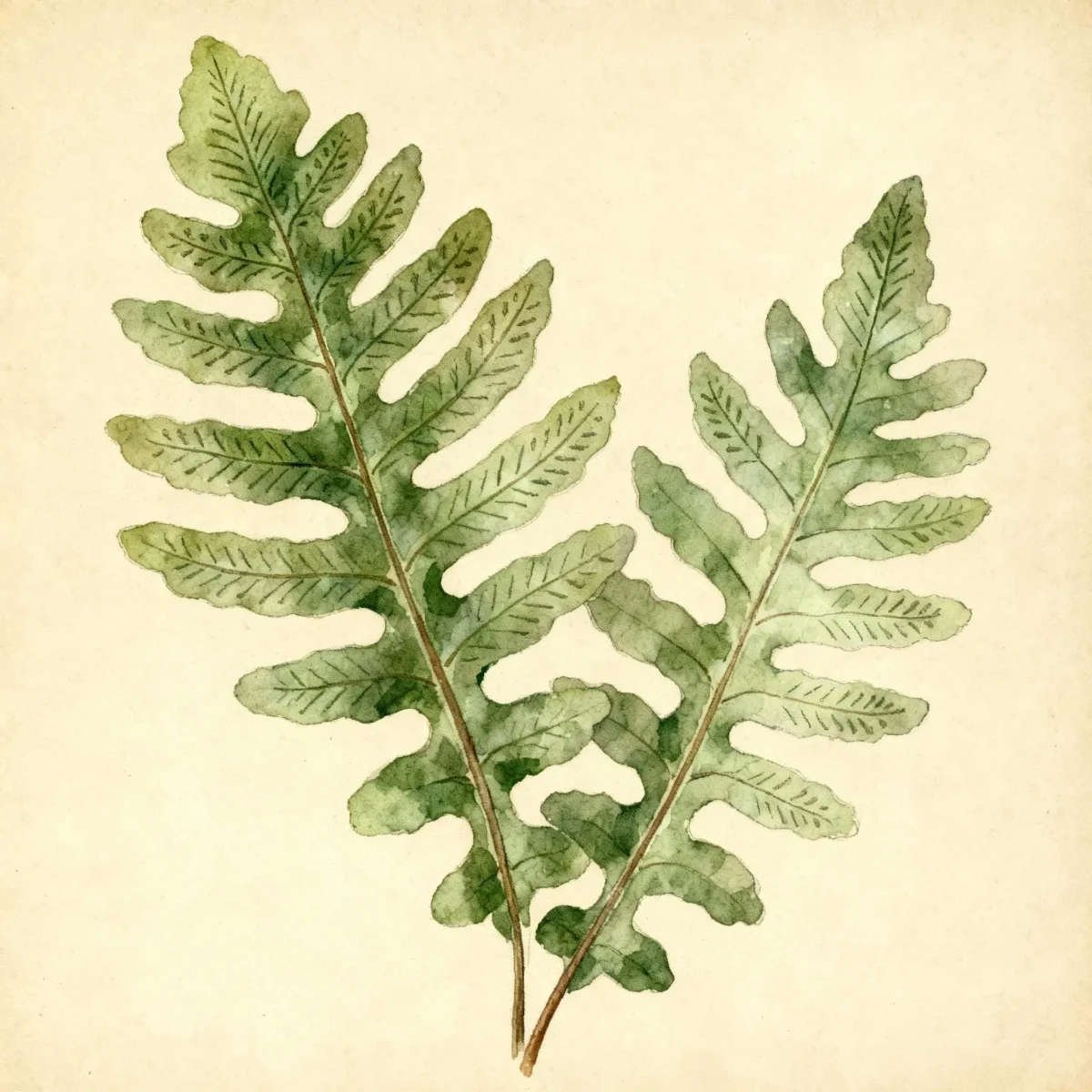
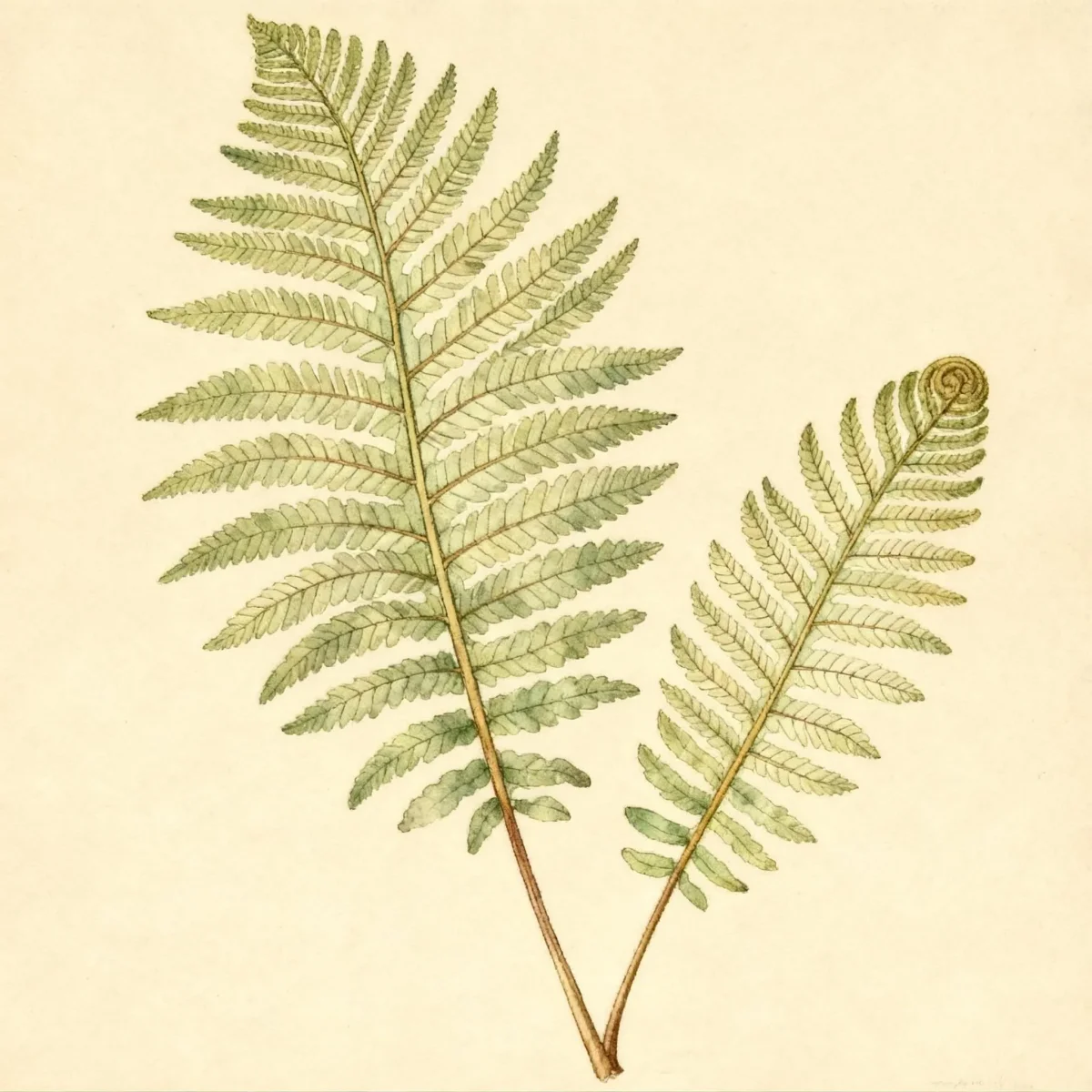
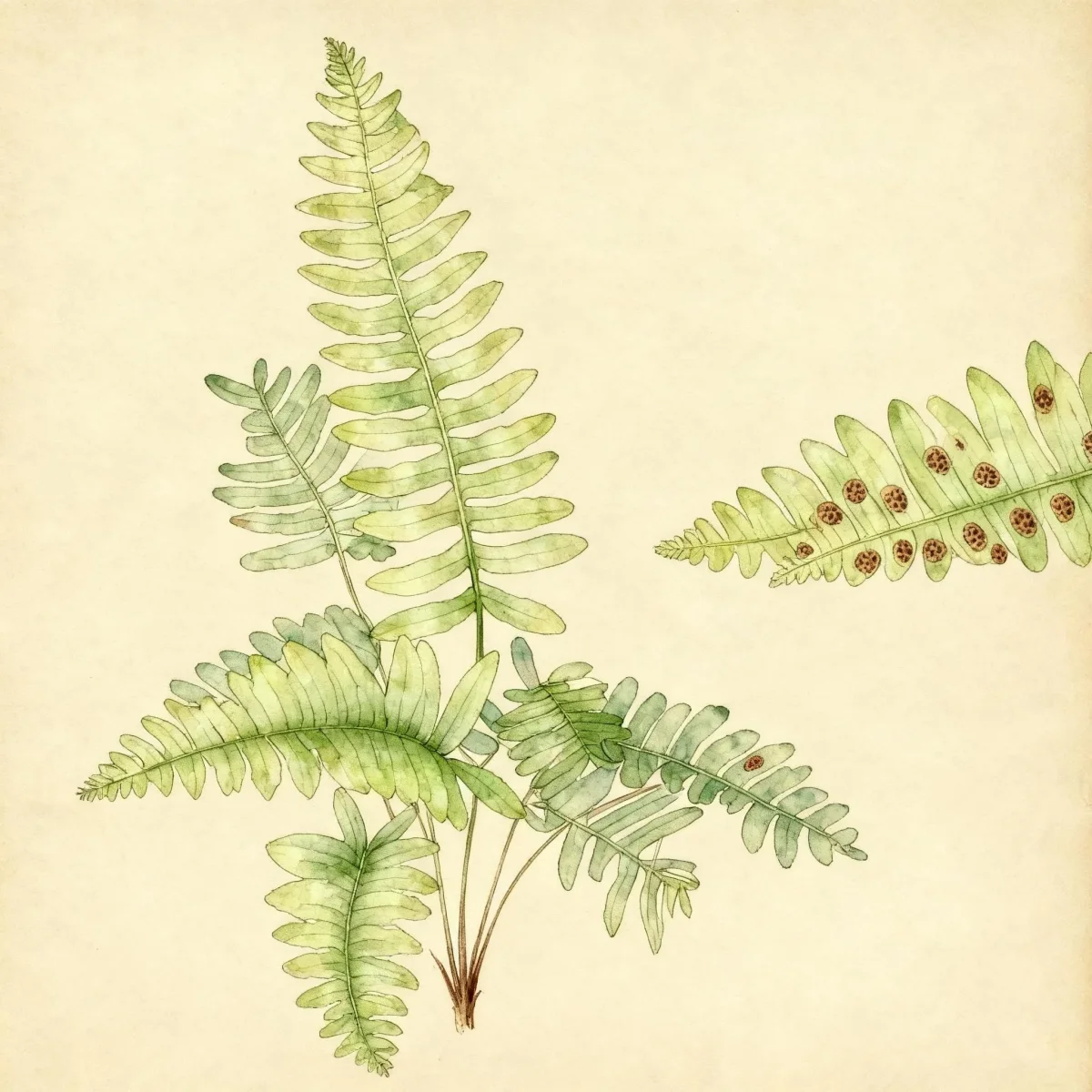
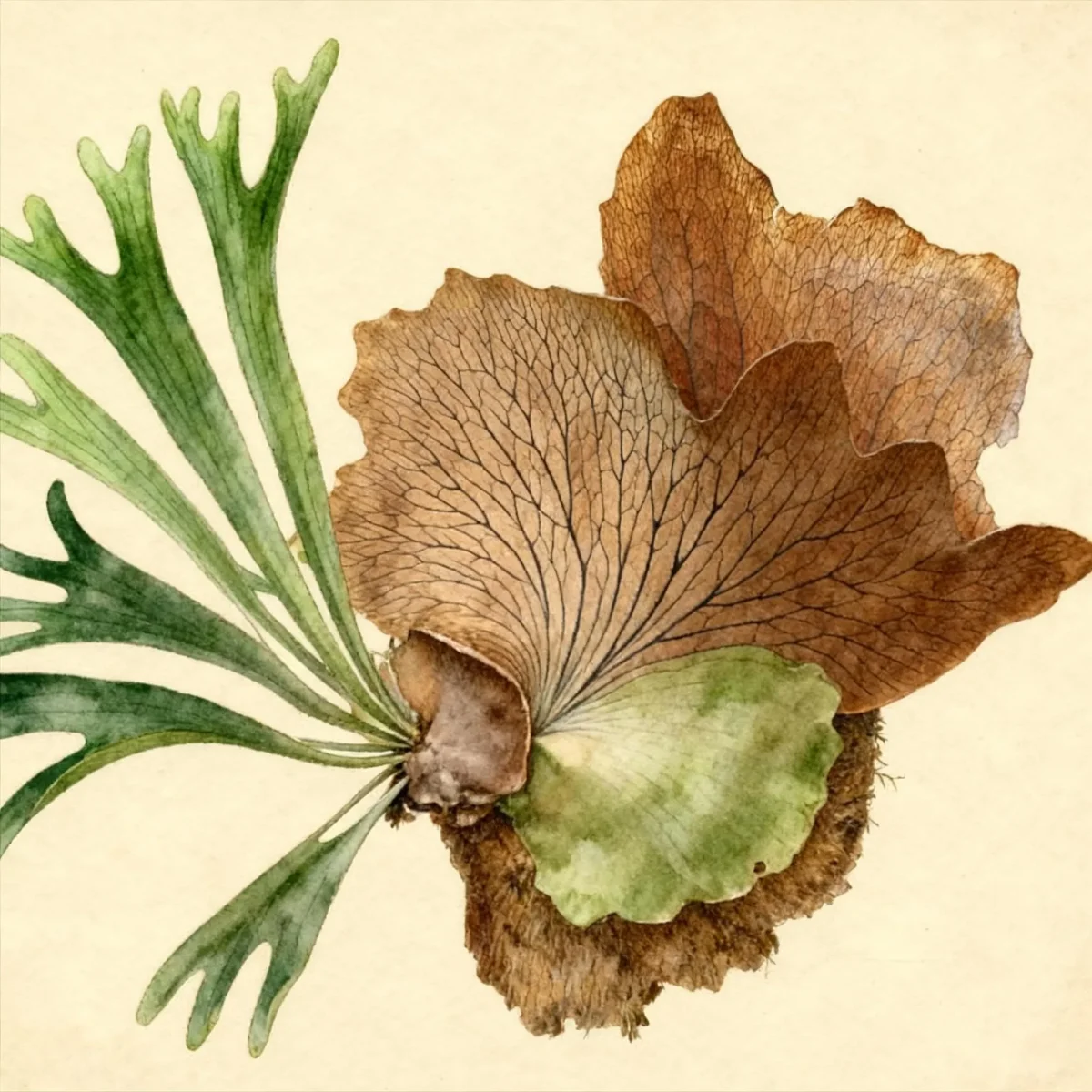
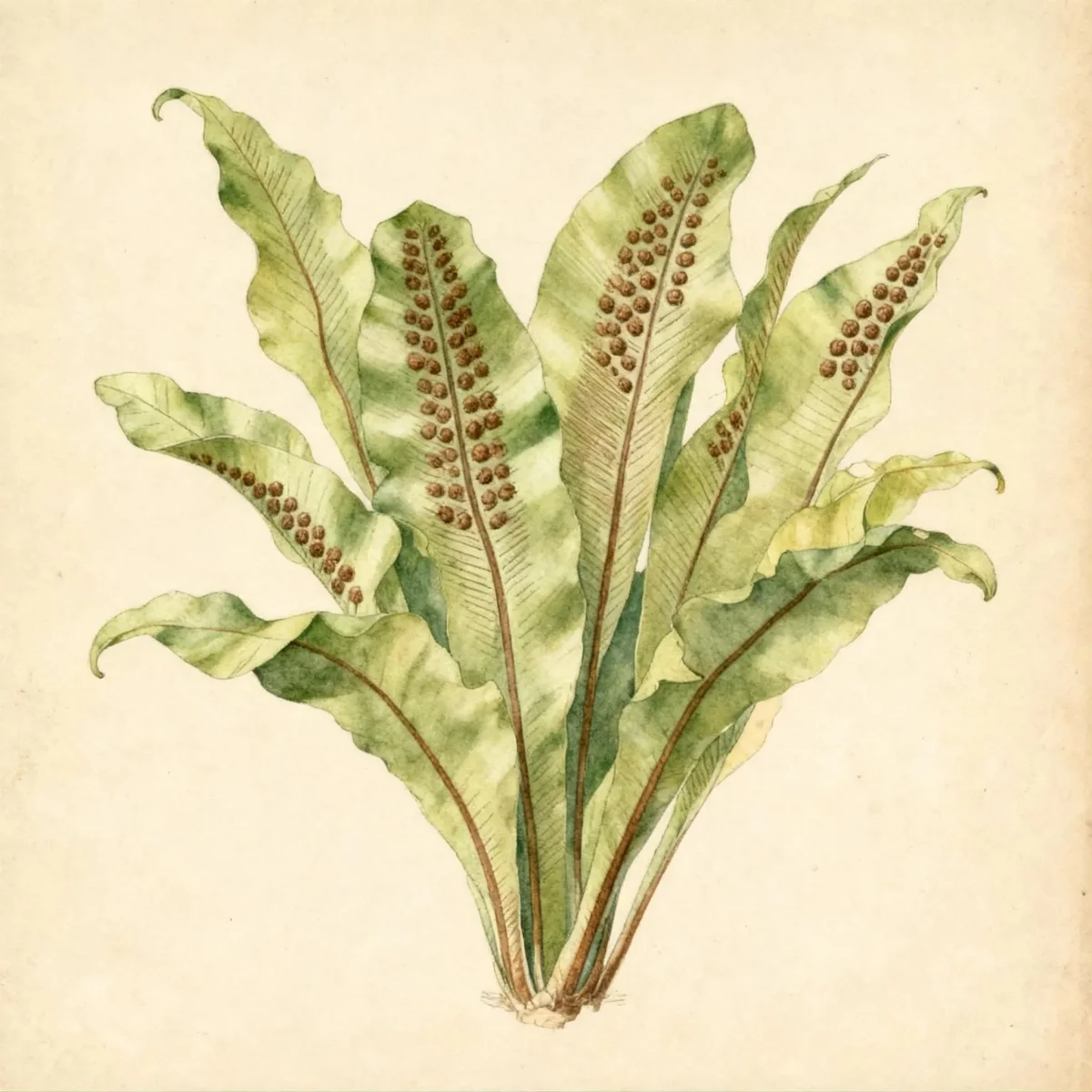
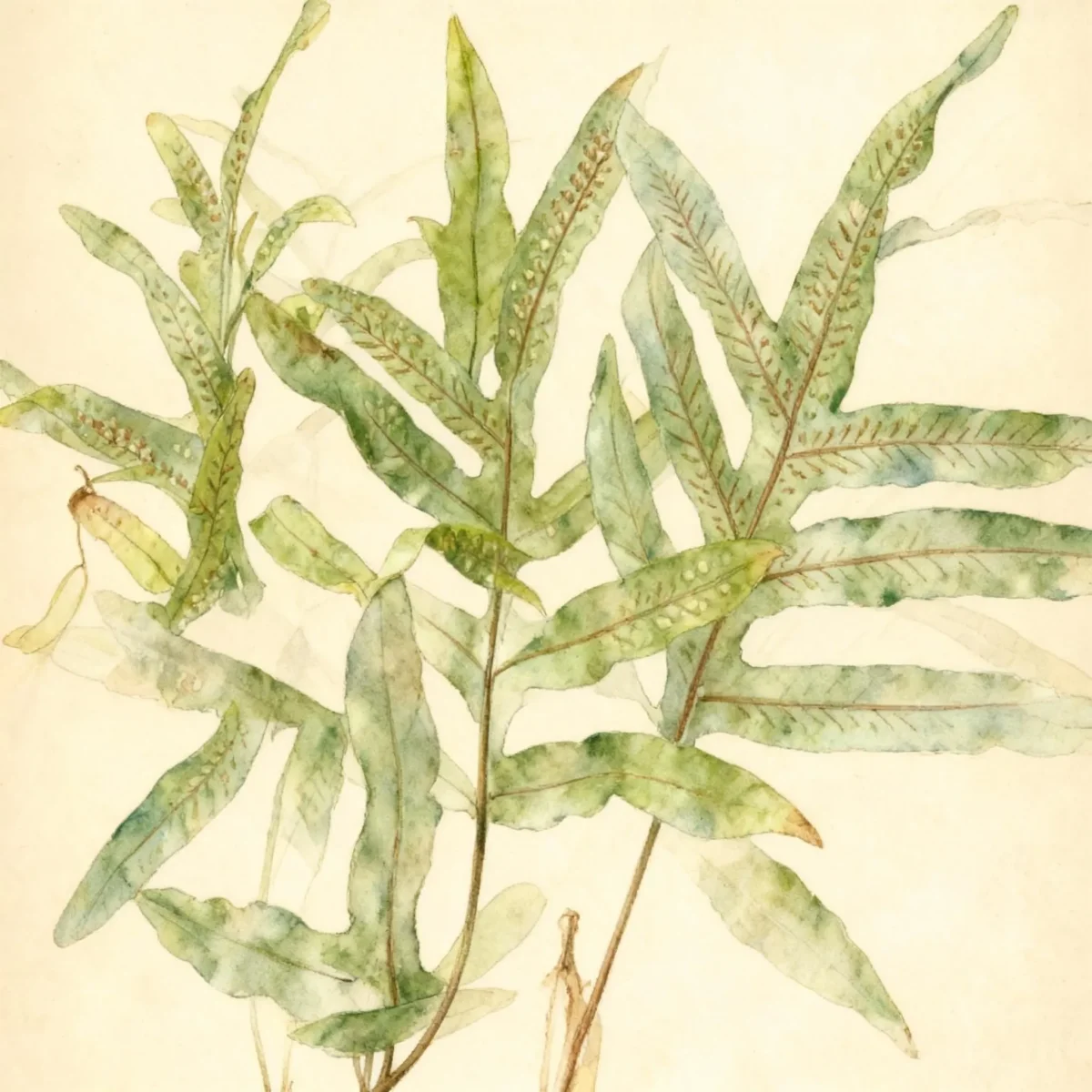
Kangaroo fern (Phymatosorus diversifolius)
The Kangaroo fern, Phymatosorus diversifolius, offers variable, glossy fronds ideal for hanging baskets or ground cover in shady spots.
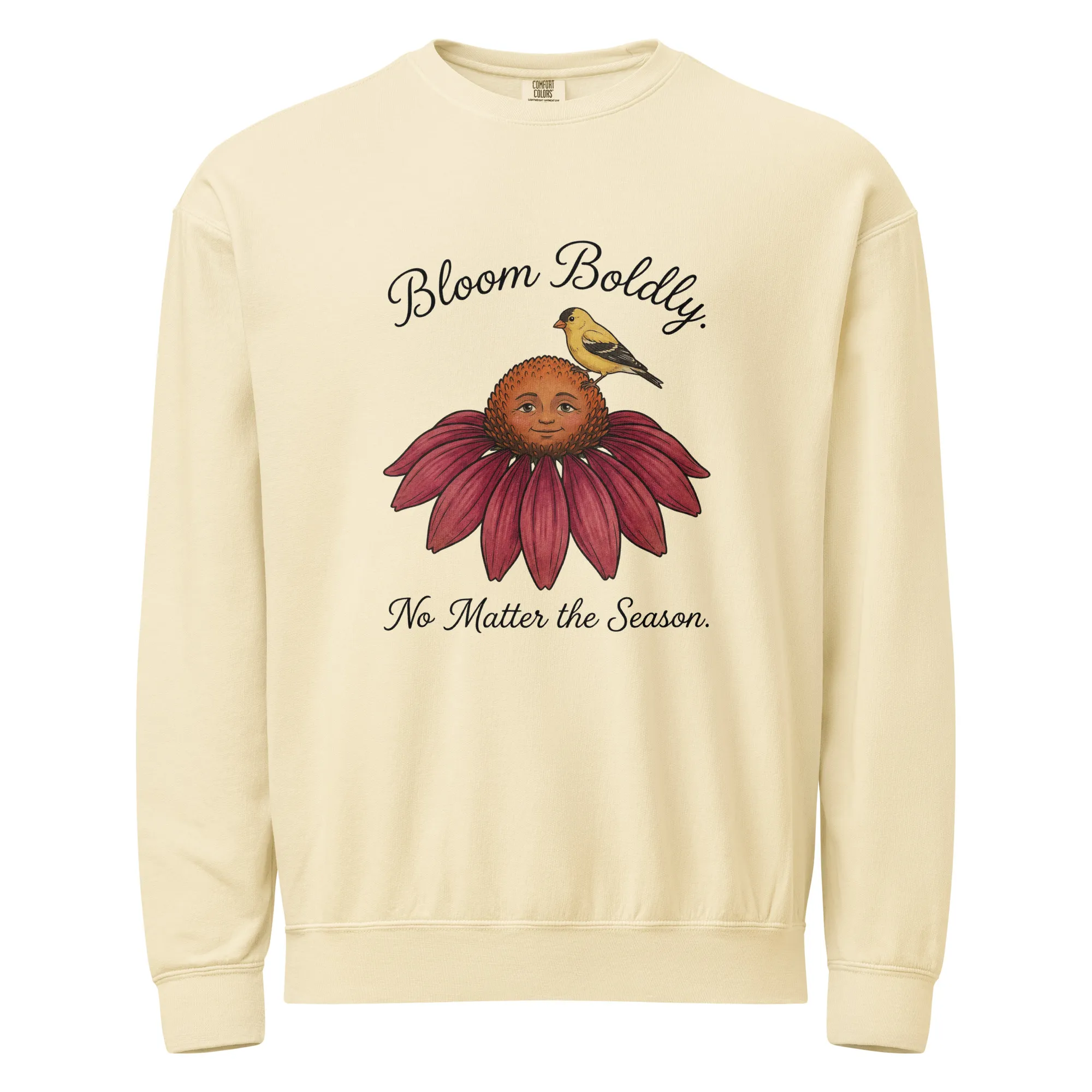
Bloom Boldly, No Matter the Season - Sweatshirt
Cozy organic cotton sweatshirt featuring our exclusive Purple Coneflower design. Perfect for gardeners who bloom year-round.
Inspired by the beautiful Kangaroo fern
Limited first batch (50) — join the waitlist for early access
Waitlist closes Feb 15, 2026.
Complete Plant Information
Field Guide Continues
Ready for care notes, companion picks, and planting tips?
The map is just the start. The full guide below covers growth habits, seasonal performance, and landscape uses.
Overview
The Kangaroo fern, or Phymatosorus diversifolius, is a fascinating evergreen fern valued for its diverse, leathery foliage and adaptable growth habits. Native to Australia and New Zealand, this species is notable because its fronds vary significantly in shape, ranging from simple forms resembling a kangaroo’s footprint to deeply lobed structures. This variability makes Phymatosorus diversifolius an engaging specimen in both container gardens and landscape settings.
This epiphytic fern possesses creeping, rhizomatous branches, allowing it to colonize surfaces, function as an excellent ground cover where climates permit, or climb structures. While generally considered medium maintenance, the Kangaroo fern provides year-round texture with its dark, glossy green fronds. Gardeners appreciate its ability to thrive in shaded conditions, adding lushness where many flowering plants struggle.
Its common names, Kangaroo fern and hound’s tongue fern, derive from the perceived resemblance of its foliage shapes to anatomical features. Whether grown indoors or outdoors in warm zones, this plant offers versatile aesthetic appeal, softening hardscapes or providing dramatic drape from hanging baskets. Successful cultivation of Phymatosorus diversifolius hinges on consistent moisture and protection from harsh, direct sun.
Fast Facts
- Plant Family: Polypodiaceae
- Plant Type: Fern
- Native Range: Australia, Tasmania, New Zealand
- Hardiness Zones: USDA Zones 10-11
- Size at Maturity:
- Height: 0.5-1 ft
- Spread: 1-3 ft
- Bloom Time: Non-flowering
- Sun Exposure: Part shade to full shade
- Water Needs: Medium
- Maintenance Level: Medium
How to Grow
Planting the Kangaroo fern outdoors is best done in spring or fall when temperatures are moderate, provided you reside within USDA zones 10 or 11. Choose locations offering part shade to full shade, mimicking its native woodland habitat. Soil must be well-drained yet capable of retaining even moisture; amending heavy native soil with organic matter improves drainage essential for root health.
For indoor cultivation, utilize a well-drained potting mix and place the plant in bright, indirect light; avoid direct sunlight at all costs, which can scorch the fronds. Water moderately, allowing the top layer of soil to approach dryness between waterings, though consistency is key. While Phymatosorus diversifolius appreciates humidity, it often performs adequately in drier indoor air compared to many other fern species.
Temperatures between 70°F during the growing season (spring through fall) and the 60s°F in winter are ideal for this plant. Indoor specimens must be protected from cold snaps, as temperatures dipping below 50°F can severely damage the Kangaroo fern. Propagation is straightforward, achieved through the division of rhizomes or by sowing spores.
Landscape Uses
The versatility of Phymatosorus diversifolius makes it a standout choice for softening architectural edges or slopes. Where winter hardy, it functions effectively as a creeping ground cover, reliably spreading to cover areas up to three feet wide, suppressing weeds while providing dense, green texture. This ability to naturalize, combined with its epiphytic nature, means it can also be integrated into rockeries or allowed to climb up mossy walls and tree trunks.
Indoors or in sheltered outdoor spaces, this fern excels in containers. It drapes beautifully from hanging baskets, showcasing its variable fronds, or it can be used to tightly fill decorative pots on patios or shaded balconies. The medium water needs and tolerance for varied light conditions (as long as it avoids harsh sun) mean it pairs well culturally with other shade lovers such as hostas, ferns, or woodland perennials depending on climate.
Standout Features
Noteworthy Characteristics
Phymatosorus diversifolius, commonly known as Kangaroo paw fern or hound’s tongue fern, is an epiphytic fern with rhizomatous creeping and climbing branches. Where winter hardy, it will spread indefinitely along the ground to form an excellent ground cover rising to 12” tall but spreading to 2-3’ wide. It will also climb up walls and tree trunks, cover rocky areas, droop gracefully from hanging baskets or densely fill containers. Leathery fronds are quite variable in shape and size, ranging from simple entire fronds to 9” long and 1-2” wide to irregularly lobed or deeply pinnatifid fronds to 18” long by 6-9” wide.
Tolerances
- No serious insect or disease problem.
Potential Problems
This fern generally exhibits good resilience against pests and diseases, which is a significant benefit for low-maintenance gardening. However, vigilance is still warranted against common soft-bodied invaders. Watch for slugs and snails, particularly when the plant is used as an outdoor ground cover, as they target tender new growth.
Scale insects and aphids can occasionally target Phymatosorus diversifolius, especially when grown indoors where air circulation might be restricted. Regularly inspect the undersides of the fronds and stems for these pests. Management usually involves wiping off small infestations with a cloth dampened with insecticidal soap or applying neem oil as directed.
Frequently Asked Questions
What hardiness zones is Kangaroo fern suitable for?
The Kangaroo fern, Phymatosorus diversifolius, is winter hardy in USDA Zones 10 through 11.
How large does Kangaroo fern grow?
This plant typically reaches a mature height between 0.5 and 1 foot tall, though it can spread horizontally between 1 and 3 feet wide when used as a ground cover.
What sun exposure does Kangaroo fern need?
Phymatosorus diversifolius thrives best in part shade to full shade conditions. Bright indirect light is preferred for indoor specimens.
When does Kangaroo fern bloom?
This plant is classified as non-flowering, as ferns reproduce via spores rather than traditional flowers.
Conclusion
The Kangaroo fern offers discerning gardeners a distinctive, textural element, primarily appreciated for its fascinatingly variable, dark green leathery fronds. Whether allowed to creep along a shaded border or displayed elegantly in a basket, Phymatosorus diversifolius brings exotic structure to the garden space. Before planting, confirm that your local climate falls within USDA Zones 10–11 or plan to cultivate it as a protected container specimen.
Propagation Tips
Propagation of Phymatosorus diversifolius is rewarding for those wishing to expand their collection or share this unique fern. The easiest and most successful method for established plants is rhizome division during repotting, typically done in spring. Gently separate sections of the creeping rhizome, ensuring each division has a few healthy fronds attached, and plant immediately into fresh, moist potting mix.
For another method, the plant produces sori (spore-bearing structures) on the underside of mature fronds. These spores can be collected carefully once mature and sown on sterile, moist media in a humid, warm environment. While this spore method takes considerably longer to produce a mature Kangaroo fern, it offers a fascinating insight into fern reproduction.
Companion Planting
When integrating Phymatosorus diversifolius into a mixed shade garden, choosing companions based on similar cultural needs is crucial. Look for plants that also require medium, consistent moisture and enjoy protection from intense afternoon sun. Excellent partners include various Hosta varieties, especially those with deep green or blue foliage, providing a textural contrast to the leathery Kangaroo fern fronds.
For woodland-style plantings, consider ferns with finer textures, such as Maidenhair ferns (Adiantum species), provided your site remains sufficiently moist. Understory shrubs that appreciate dappled light, like certain types of Aucuba japonica or Japanese forest grass (Hakonechloa macra), complement the low-growing habit of the spreading Phymatosorus diversifolius beautifully.