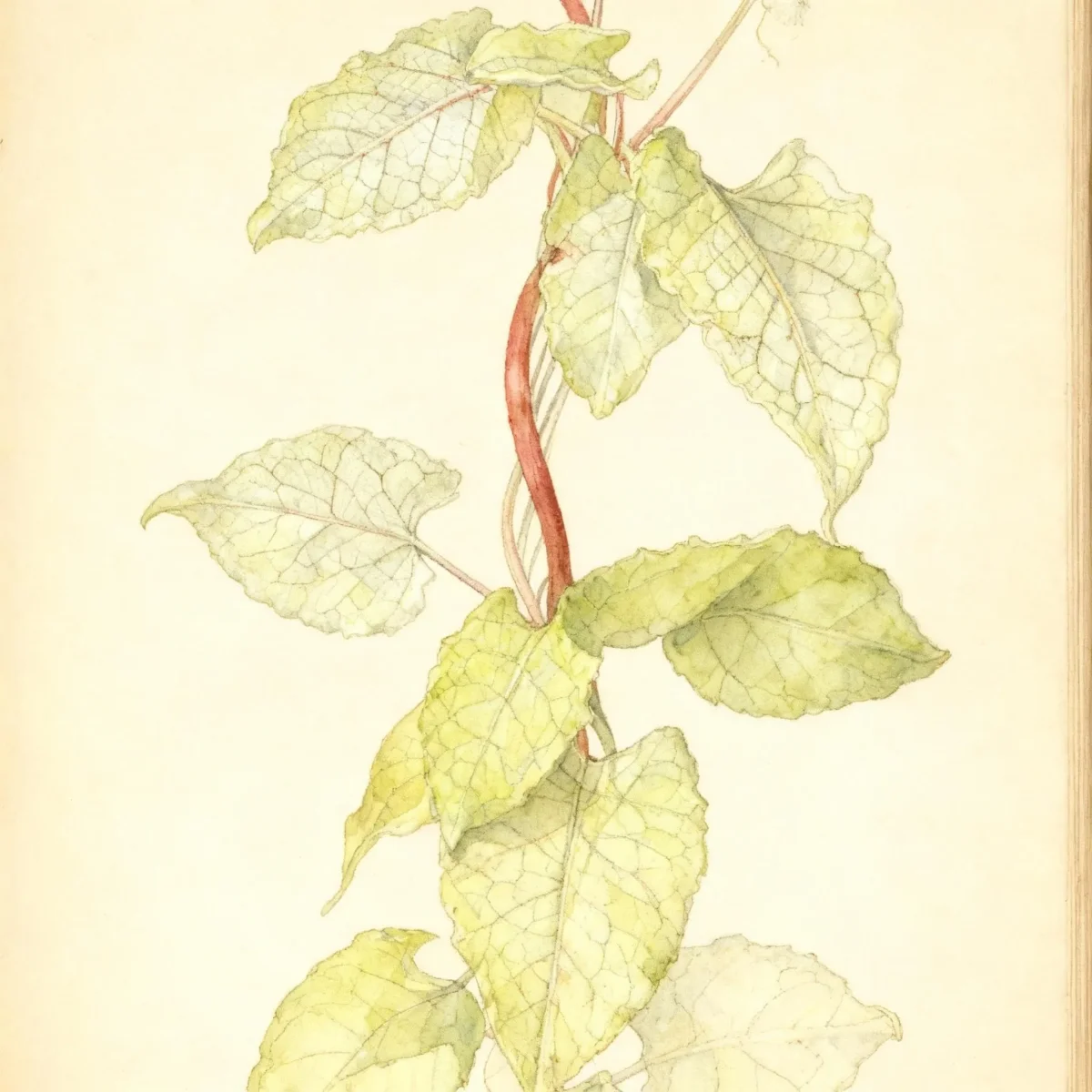
Knotweed (Persicaria virginiana)
Discover Knotweed, Persicaria virginiana, a vigorous perennial thriving in sun to part shade, valued for foliage interest and drought resilience.

Bloom Boldly, No Matter the Season - Sweatshirt
Cozy organic cotton sweatshirt featuring our exclusive Purple Coneflower design. Perfect for gardeners who bloom year-round.
Inspired by the beautiful Knotweed
Limited first batch (50) — join the waitlist for early access
Waitlist closes Feb 15, 2026.
Complete Plant Information
Field Guide Continues
Ready for care notes, companion picks, and planting tips?
The map is just the start. The full guide below covers growth habits, seasonal performance, and landscape uses.
Overview
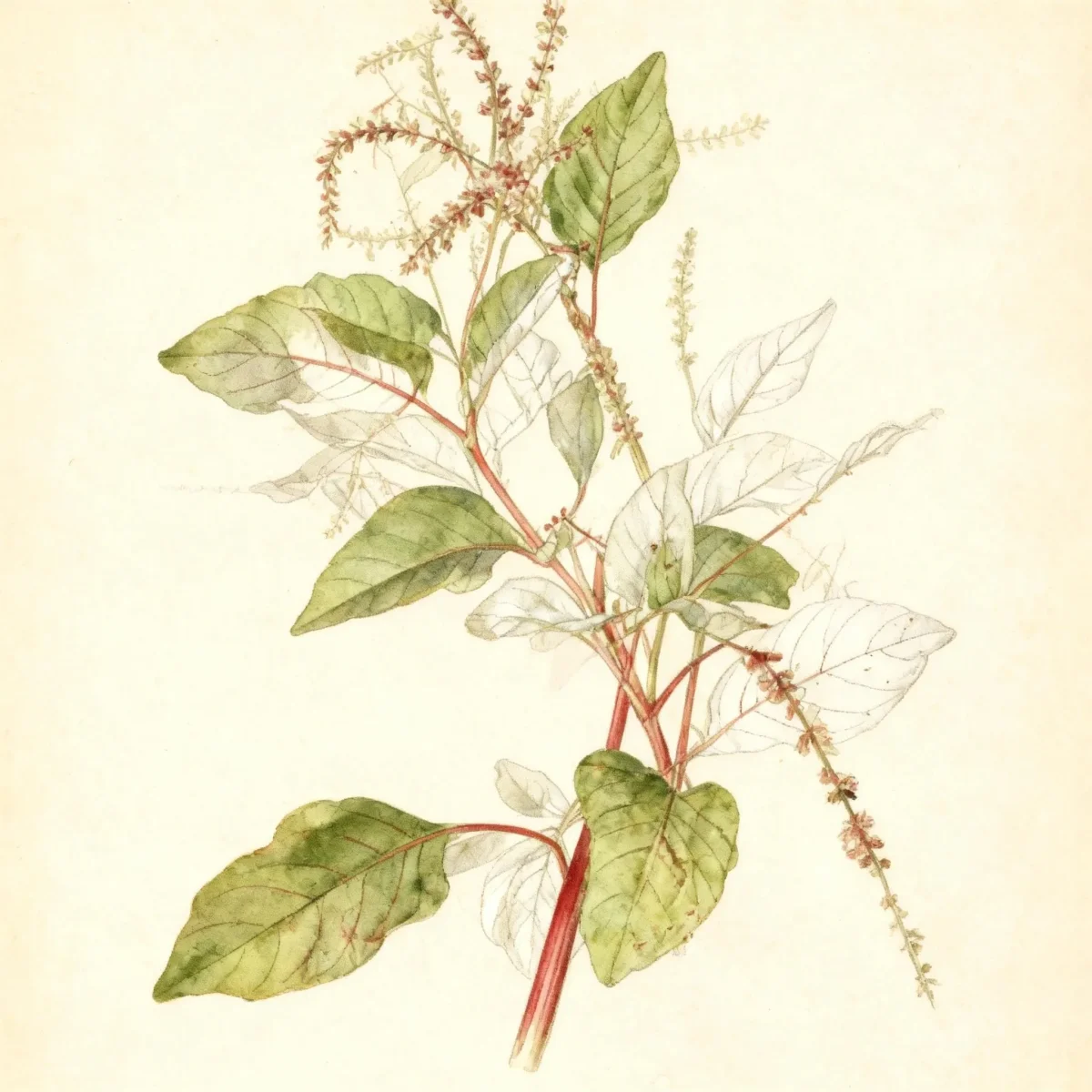
Persicaria virginiana, commonly known as Knotweed, is a remarkably adaptable and vigorous perennial perfect for filling substantial garden spaces. While its small, greenish-white flowers appear in late summer, the primary ornamental value lies in its strong foliage performance, especially in shaded or partially sunny borders. This plant readily establishes itself, forming a dense, spreading mound of medium green leaves.
This species offers excellent performance across various moisture levels, handling everything from drought to wet soil once established—a versatile trait for challenging garden areas. As a robust grower, Knotweed spreads actively through both rhizomes and self-seeding when conditions are optimal. Gardeners should appreciate its low susceptibility to pests and diseases, making Persicaria virginiana a relatively carefree addition.
Known for its sturdy structure, Knotweed can reach heights of three feet, making it excellent for mid-border placement or for naturalizing large, partially shaded areas. Its distinctive sheathed stem joints are a hallmark of the Persicaria genus, adding subtle architectural interest throughout the season.
Fast Facts
- Plant Family: Polygonaceae
- Plant Type: Herbaceous perennial
- Native Range: Japan, Himalayas, northeastern United States
- Hardiness Zones: USDA Zones 4-8
- Size at Maturity:
- Height: 2-3 ft
- Spread: 3-4 ft
- Bloom Time: August to September
- Bloom Description: White to greenish-white, rarely pink
- Sun Exposure: Full sun to part shade
- Water Needs: Medium
- Maintenance Level: Medium
How to Grow
The best time to plant Persicaria virginiana is in spring after the threat of frost has passed, or in early fall. Ensure placement is in average, medium moisture, well-drained soil, though it is quite adaptable. While it prefers part shade, this Knotweed will tolerate full sun, provided soils are kept consistently moist throughout the growing season.
Watering requirements are moderate; established plants handle some drought well due to their robust root systems. Fertilization is rarely necessary unless the soil is extremely poor, as vigorous growth is inherent to this species. Because this plant can spread aggressively by rhizomes, careful siting is crucial; position it where its spreading habit is desired or where physical barriers can control its reach.
Pruning is generally minimal. Deadheading spent flower stalks is optional, as the blooms are not highly showy. Protect established clumps from strong winds if positioned in a very exposed area. In colder zones (4-5), mulch lightly around the base in late fall to help protect shallow roots.
Landscape Uses
Persicaria virginiana is ideally suited for large-scale landscape applications, particularly where a dense, naturalized effect is desired. Its height and spread make it a strong candidate for massing in woodland gardens or shady borders, creating unified blocks of textured foliage. Avoid placing it near delicate, slow-growing perennials that might be overwhelmed by its vigor.
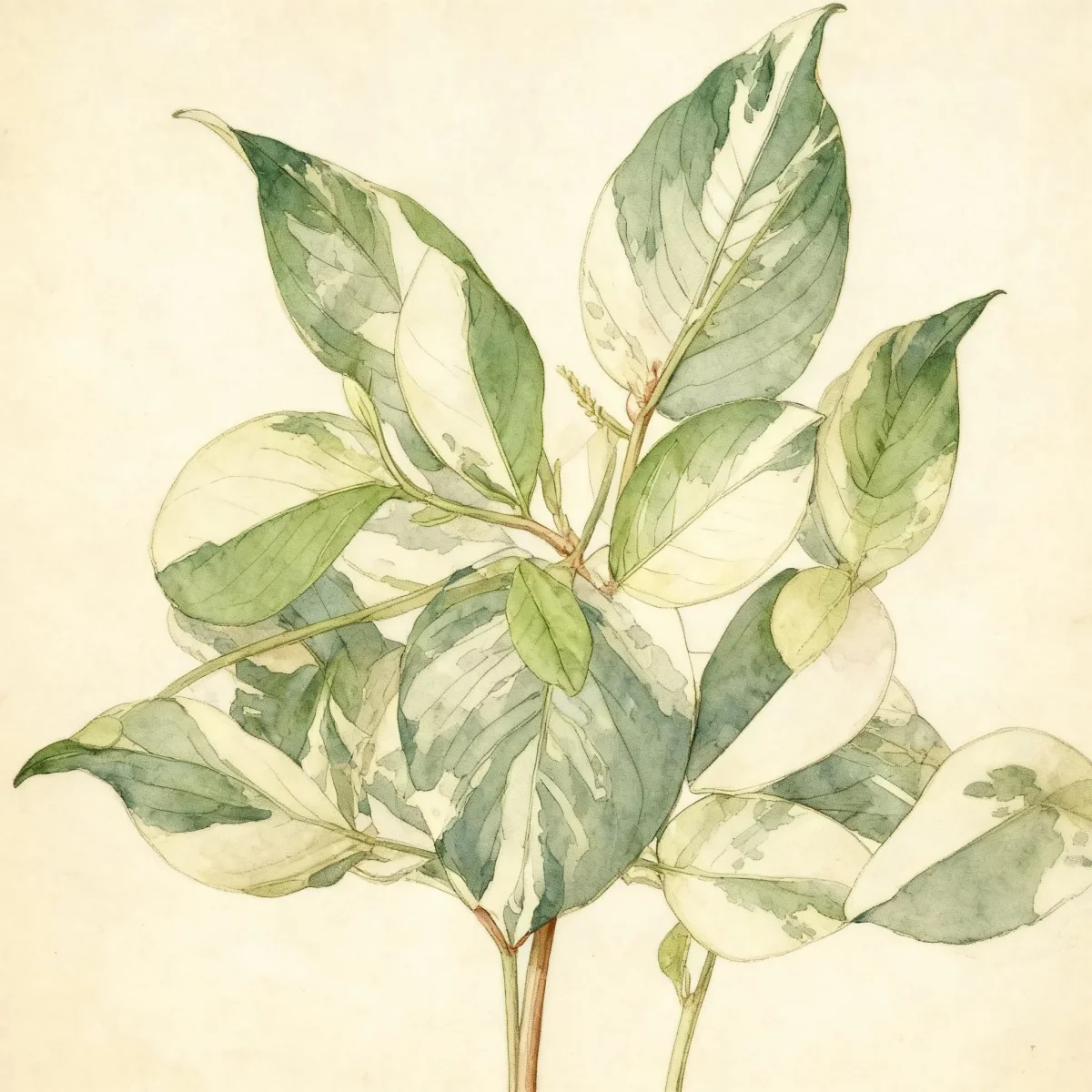
Consider using Knotweed in cottage gardens where its untamed nature complements the aesthetic, or for naturalizing sloped areas or under mature trees where grass struggles. While it is a bold statement plant, variegated cultivars offer excellent contrast when placed near dark green groundcovers or upright, fine-textured ferns which appreciate similar moisture levels and light requirements.
Standout Features
Flower Qualities
- Showy
Noteworthy Characteristics
Persicaria virginiana is a vigorous perennial native to Missouri. It typically forms a spreading foliage mound 2-3 feet tall and as wide or wider. Tiny, white to greenish-white, beady, jumpseed-like flowers appear on long, slender, wand-like stems in mid to late summer. Sheathed stem joints are a distinctive characteristic of all plants in this genus, and variegated cultivars are often grown for their superior foliage displays.
Tolerances
- Deer
- Drought
- Wet Soil
Potential Problems
Persicaria virginiana generally avoids serious insect or disease problems, contributing to its low maintenance profile. The primary cultural challenge is managing its aggressive spreading habit. Control its spread by planting it only in areas where significant ground coverage is acceptable, or by installing a physical root barrier if inserting it into a mixed border.
If the plant begins invading unwanted areas, control can be achieved through diligent division in early spring or summer, removing the large root masses. Ensure adequate air circulation, especially if the plant is in dense shade and getting too much moisture, though disease is rare.
Frequently Asked Questions
What hardiness zones is Knotweed suitable for?
Knotweed, Persicaria virginiana, is reliably hardy across USDA Zones 4 through 8.
How large does Knotweed grow?
This herbaceous perennial typically reaches a height between 2 and 3 feet and spreads outward to a width of 3 to 4 feet at maturity.
When does Knotweed bloom?
Persicaria virginiana produces its faint white to greenish-white flowers starting in August and continuing through September.
What sun exposure does Knotweed need?
For best results, provide Knotweed with a location receiving full sun to part shade, ensuring medium soil moisture levels are maintained regardless of light intensity.
Conclusion
Knotweed (Persicaria virginiana) provides robust texture and impressive resilience, making it a cornerstone for gardeners seeking reliable performance in challenging sites. Its tolerance for moisture extremes and resistance to most pests solidify its value as a low-stress planting choice. Before integrating this species into your yard, assess your available space and plan to enjoy the spreading foliage of this vigorous Knotweed from late summer onward.
Companion Planting
Selecting appropriate companions is key when growing aggressive spreaders like Knotweed. Plants that thrive in similar medium-moisture, part-shade conditions but possess a more contained growth habit work well. Consider pairing Persicaria virginiana with ferns, such as Japanese Painted Fern (Athyrium niponicum) or large Hosta varieties that offer contrasting leaf shapes.
For areas receiving dappled sunlight, lungwort (Pulmonaria) offers early season blue flowers, creating a sequence of interest before the Knotweed foliage fully dominates. In wetter sections where it tolerates the moisture, Astilbes or native marsh marigolds can serve as effective partners, balancing the vertical form of the Knotweed.
Propagation Tips
The most straightforward method for propagating Persicaria virginiana is through division. This should ideally be done in early spring just as new growth begins to emerge, or alternatively, in early summer before extreme heat sets in. Dig up the established clump and carefully separate the interconnected rhizomatous roots using a sharp trowel or knife.
Ensure each division has a healthy portion of roots and at least one viable growing tip. Replant the new sections immediately into the prepared soil at the same depth they were previously growing. Consistent watering over the first few weeks after division will help the new plants establish quickly and mitigate transplant shock following this vigorous separation.