
Japanese stewartia (Stewartia pseudocamellia)
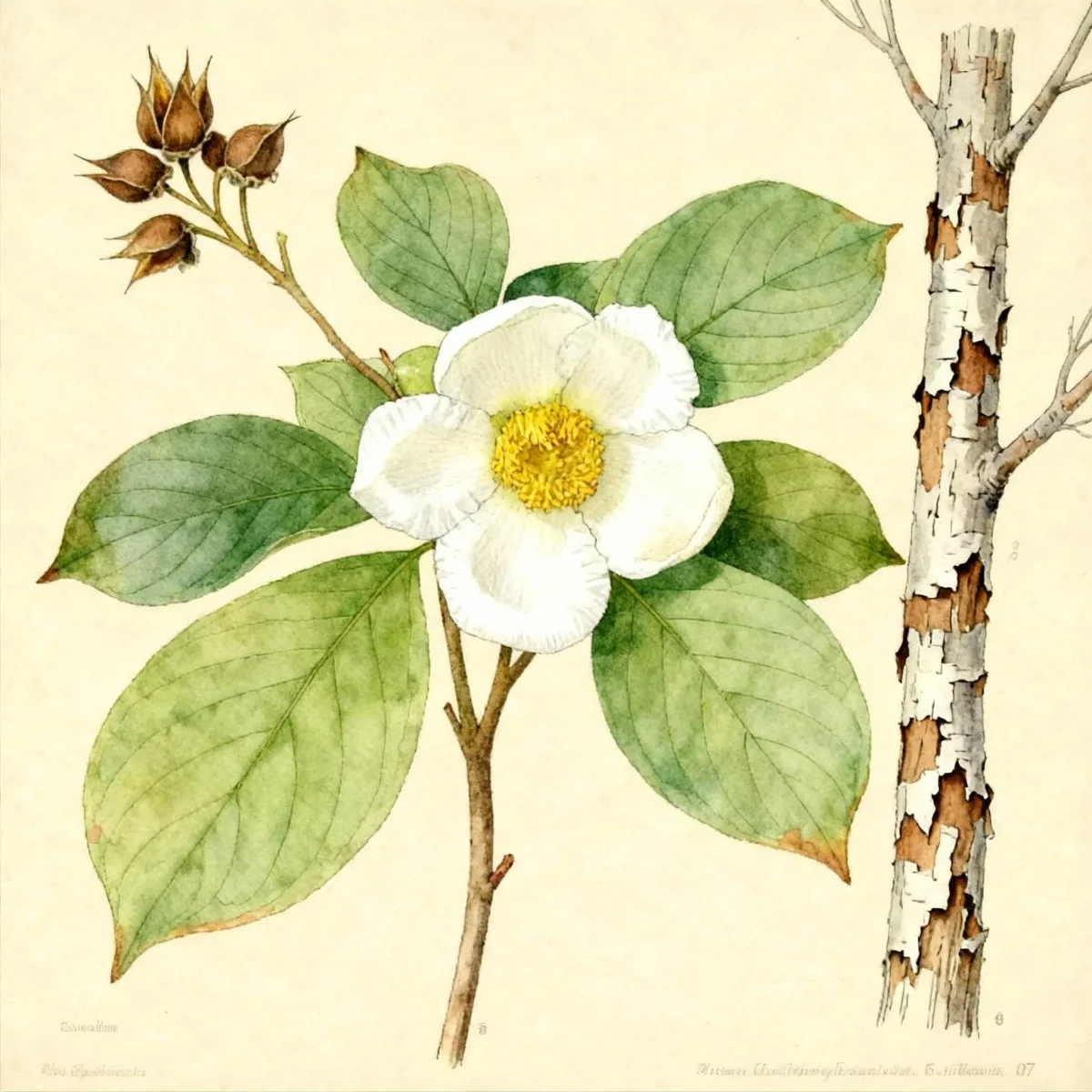
Learn to grow the picturesque Japanese stewartia (Stewartia pseudocamellia), prized for its summer white blooms and stunning exfoliating bark.

Bloom Boldly, No Matter the Season - Sweatshirt
Cozy organic cotton sweatshirt featuring our exclusive Purple Coneflower design. Perfect for gardeners who bloom year-round.
Inspired by the beautiful Japanese stewartia
Limited first batch (50) — join the waitlist for early access
Waitlist closes Feb 15, 2026.
Complete Plant Information
Field Guide Continues
Ready for care notes, companion picks, and planting tips?
The map is just the start. The full guide below covers growth habits, seasonal performance, and landscape uses.
Overview
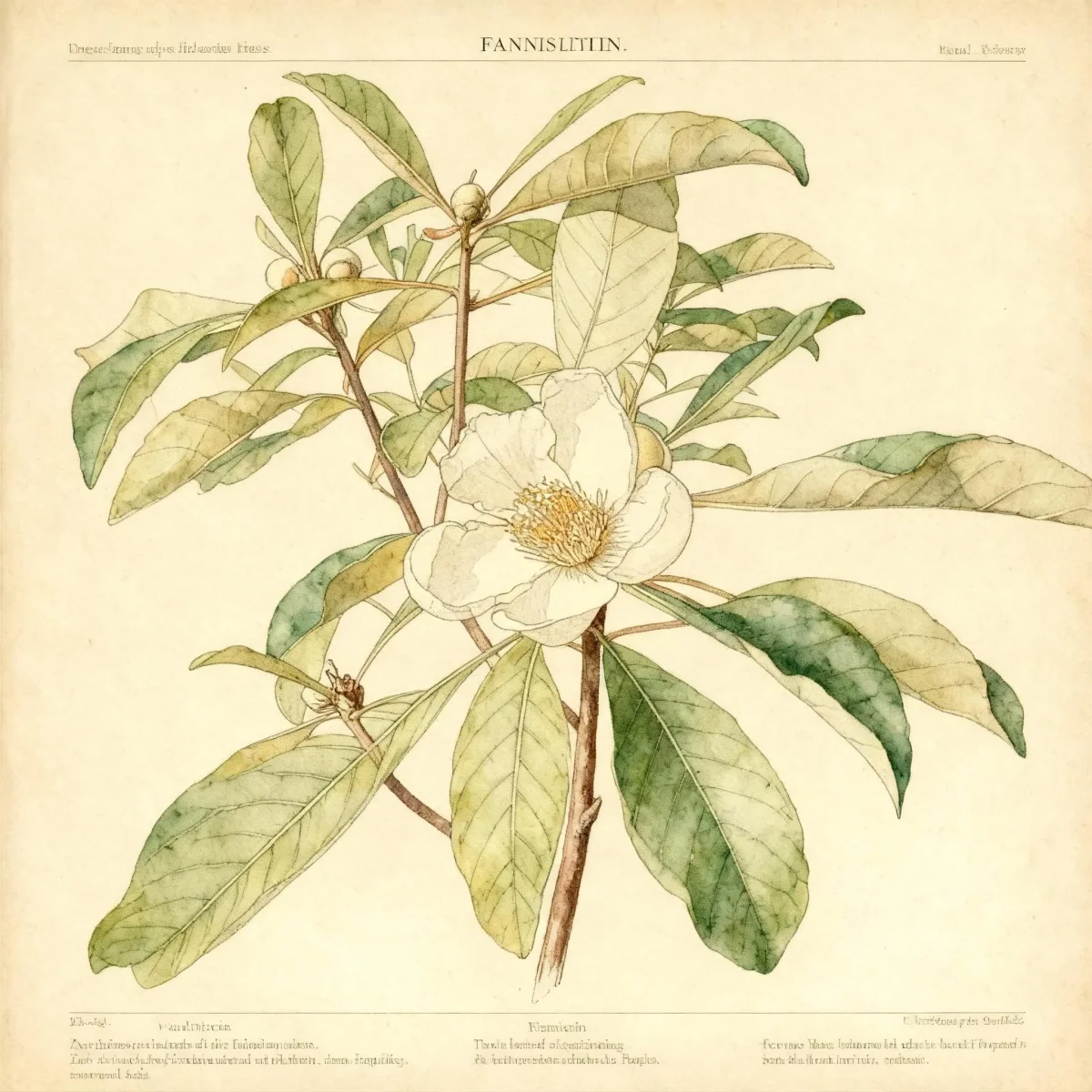
The Japanese stewartia (Stewartia pseudocamellia) is a highly prized, slow-growing deciduous tree celebrated for its multi-season interest, making it an exceptional specimen plant. While native to the mountains of Japan, this species thrives across temperate gardens, offering unique structure even when dormant. Its resemblance to the Camellia family is evident in its elegant summer flowers.
This small tree typically reaches 20 to 40 feet tall, developing an attractive, slightly narrower pyramidal habit over time. Gardeners value Stewartia pseudocamellia for its distinctive, exfoliating bark, which reveals patches of reddish-brown, adding significant color throughout the winter landscape. Establishment can be slow, but the reward is a sophisticated, low-maintenance addition to the garden space.
The stunning bloom period occurs in mid-summer when few other flowering trees are active, showcasing cup-shaped, pure white flowers with striking orange-yellow anthers. As the growing season concludes, the dark green foliage transforms into rich shades of red and burgundy, ensuring continuous visual appeal until the onset of winter.
Fast Facts
- Plant Family: Theaceae
- Plant Type: Tree
- Native Range: Japan
- Hardiness Zones: USDA Zones 5-8
- Size at Maturity:
- Height: 20-40 ft
- Spread: 15-30 ft
- Bloom Time: June to July
- Bloom Description: White
- Sun Exposure: Full sun to part shade
- Water Needs: Medium
- Maintenance Level: Low
How to Grow
The Japanese stewartia establishes best when planted in spring or early fall, avoiding periods of extreme heat. Success hinges on locating the right soil: Stewartia pseudocamellia demands organically rich, moderately acidic, well-drained sandy loams. Importantly, avoid heavy clay, overly dry conditions, thin rocky soils, or any site with poor drainage, as this tree struggles significantly under such stress.
Consistent moisture is crucial for established and young Stewartia pseudocamellia. Water regularly, especially during dry spells, as this species is intolerant of drought. While it tolerates full sun, opting for afternoon shade is highly recommended in regions experiencing hot, humid summers to prevent leaf scorch. Young plants are slow to establish, so patience and reliable watering are key during the first few years.
Fertilization is generally unnecessary if the soil is rich and well-amended. Pruning should be minimal, focusing only on removing crossed or damaged branches to maintain its natural, upright form. If growing in the colder reaches of Zone 5, site your Japanese stewartia where it is protected from harsh winter winds.
Landscape Uses
The architectural beauty and multi-season color make Stewartia pseudocamellia an excellent choice for thoughtful placement within the landscape design. It performs beautifully as a specimen tree, allowing its exfoliating bark and graceful, pyramidal canopy to be admired year-round, whether near a lawn or patio area. Consider using it as an anchor in woodland garden settings where it benefits from dappled light.
When selecting companions, choose plants that share its preference for slightly acidic, consistent moisture conditions, such as rhododendrons, azaleas, or Japanese maples. Planting groups of these trees creates layered texture and color interest. Because its roots are generally fine and fibrous, it integrates well into borders or shrub borders without becoming overly aggressive.
For high visual impact, situate the Japanese stewartia where the setting sun can dramatically illuminate its white summer flowers or where its winter bark texture can be appreciated from a nearby window.
Standout Features
Flower Qualities
- Showy
Noteworthy Characteristics
Stewartia pseudocamellia, commonly called Japanese stewartia, is a small, slow-growing, pyramidal, deciduous tree native to the mountains of Japan and the Korean peninsula. Specimens in the wild can reach 50-60’ tall, but in cultivation typically mature over time to 20-40’ tall with a slightly narrower canopy width. Cup-shaped, camellia-like white flowers (to 2.5” diameter) with showy orange-yellow anthers appear in early summer, followed by foliage that turns attractive shades of reddish-orange and burgundy in autumn. The exfoliating, reddish-brown bark provides excellent year-round interest, rivaling that of a mature birch or maple.
Tolerances
Potential Problems
The Japanese stewartia is generally regarded as quite resilient, exhibiting no serious insect or disease problems under optimal conditions. Maintaining the correct soil structure—acidic, well-drained, and moist—is the primary prevention strategy against potential stress-related issues. Over-watering (poor drainage) or drought stress are the most common cultural problems that can induce issues.
Frequently Asked Questions
What hardiness zones is Japanese stewartia suitable for?
The Japanese stewartia (Stewartia pseudocamellia) is reliably hardy in USDA Zones 5 through 8.
How large does Japanese stewartia grow?
This small tree typically reaches mature heights between 20 and 40 feet, with a spread ranging from 15 to 30 feet wide.
When does Japanese stewartia bloom?
Stewartia pseudocamellia offers white blooms primarily in the peak summer months, specifically from June through July.
What sun exposure does Japanese stewartia need?
The ideal placement for this tree is in full sun to partial shade, though afternoon shade is preferred in hot climates.
Conclusion
The Stewartia pseudocamellia stands out as a premier specimen tree, bringing elegant white summer blooms, brilliant fall color, and captivating exfoliating bark to the garden. By carefully providing the acidic, consistently moist, and well-drained soil it requires, you can ensure this long-lived Japanese stewartia flourishes for decades. Check your microclimate and zone compatibility before selecting a planting site for this exceptional woody perennial.
Companion Planting
Successful companion planting for the Japanese stewartia focuses on materials that appreciate similar soil pH and moisture levels. Consider placing smaller acid-loving shrubs, such as various Rhododendron cultivars or Azaleas, beneath its canopy to create a layered woodland aesthetic. These companions thrive in the dappled light that Stewartia pseudocamellia offers when situated with afternoon protection.
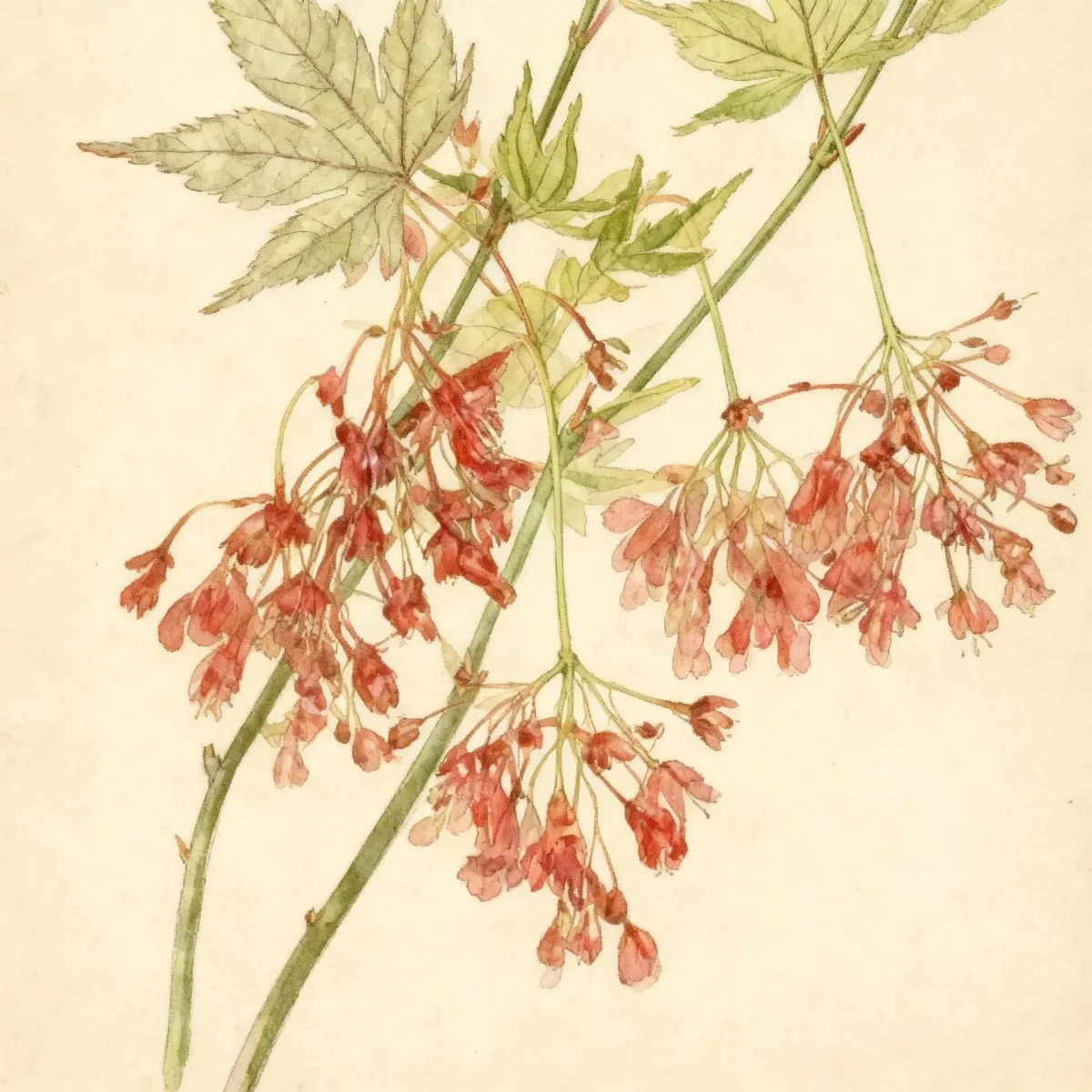
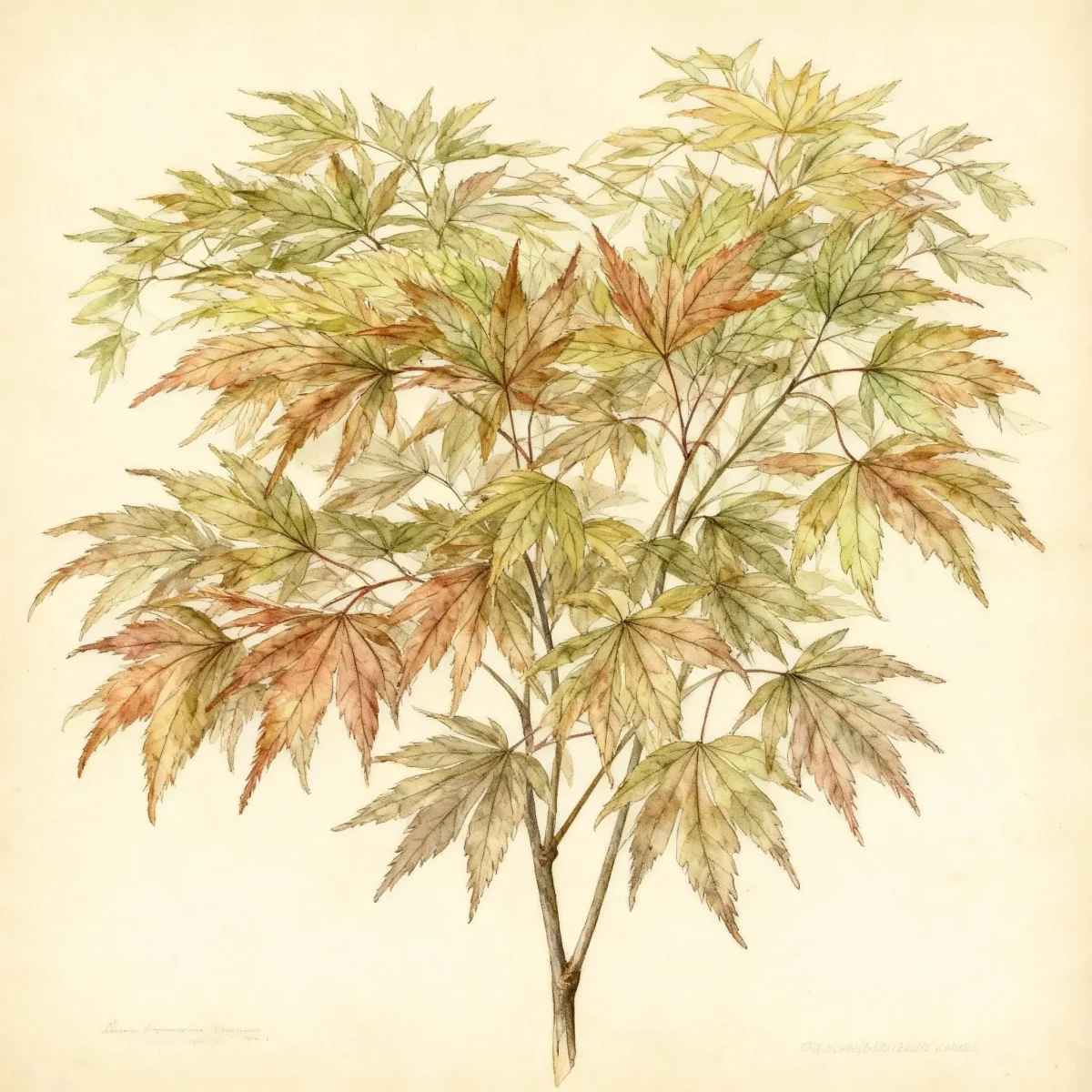
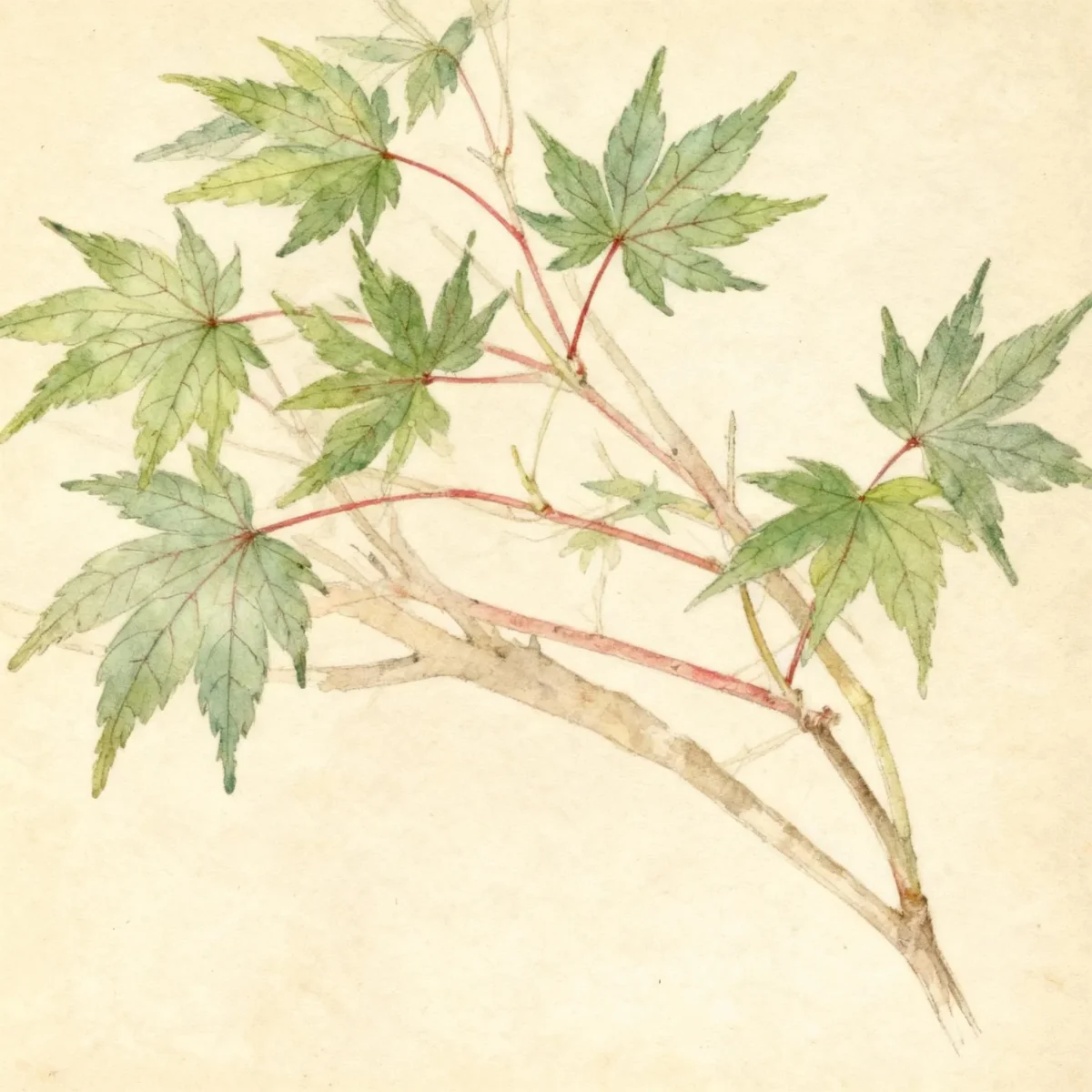
Another excellent pairing is the Japanese Maple (Acer palmatum). Not only do they share a preference for slightly acidic, moist soil, but their leaf shapes and bloom times contrast beautifully, highlighting the structural elegance of the stewartia. Ensure adequate spacing is maintained, as both trees benefit from good air circulation around their lower limbs.
Design Ideas for Winter Interest
Because the exfoliating bark of Stewartia pseudocamellia offers such strong visual appeal in the dormant season, plan hardscape elements to maximize its viewing potential. Position the tree near entryways, patios, or next to large windows where the reddish-brown, patchy bark pattern can be easily observed during winter months when its deciduous leaves have dropped.
To enhance the winter display, underplant the area with low-growing, deeply colored groundcovers that contrast with the peeling bark, such as dark green Helleborus or Aucuba japonica cultivars, which maintain structure when the Japanese stewartia is bare. Good low-voltage landscape lighting strategically placed to uplight the trunk further accentuates this unique textural feature.