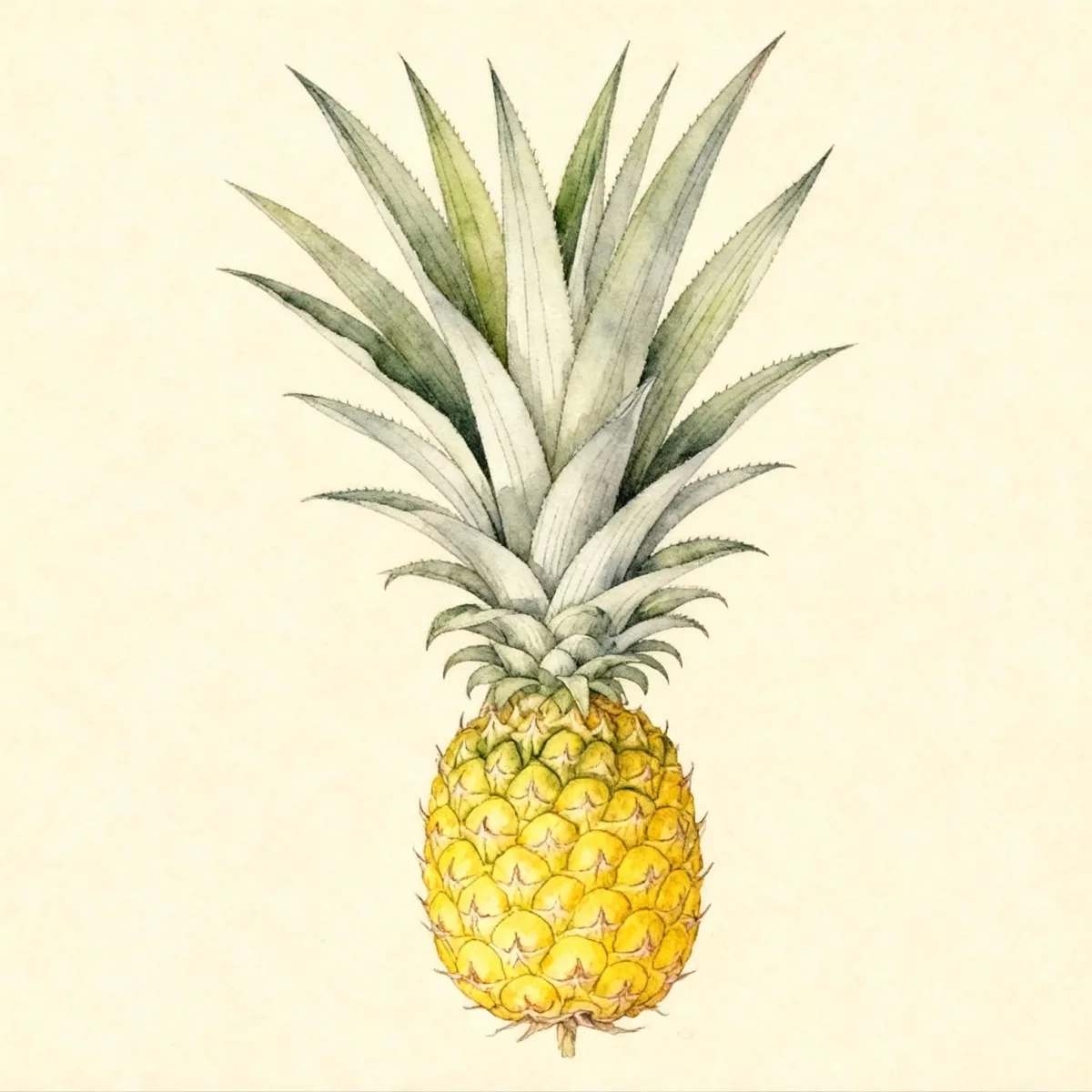
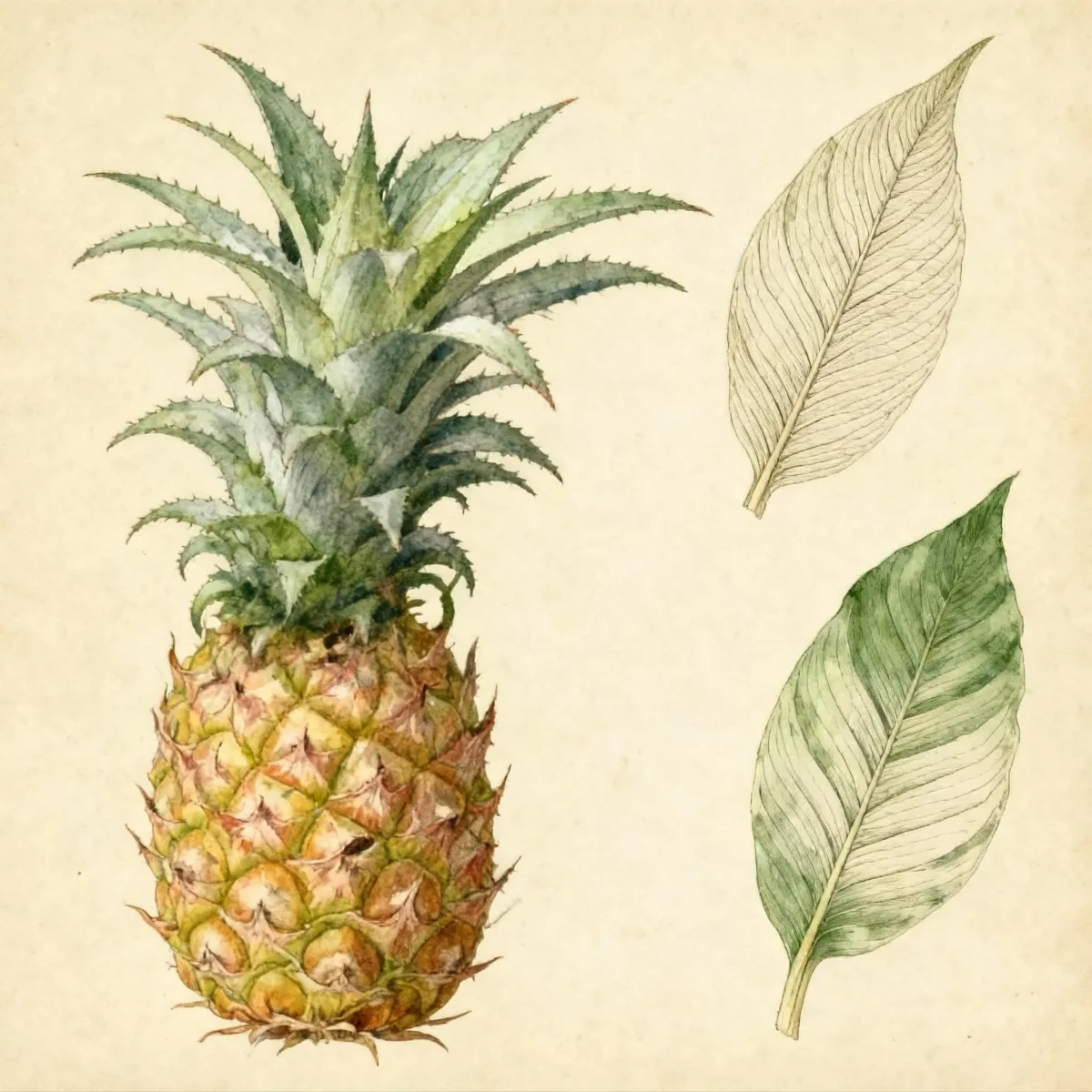
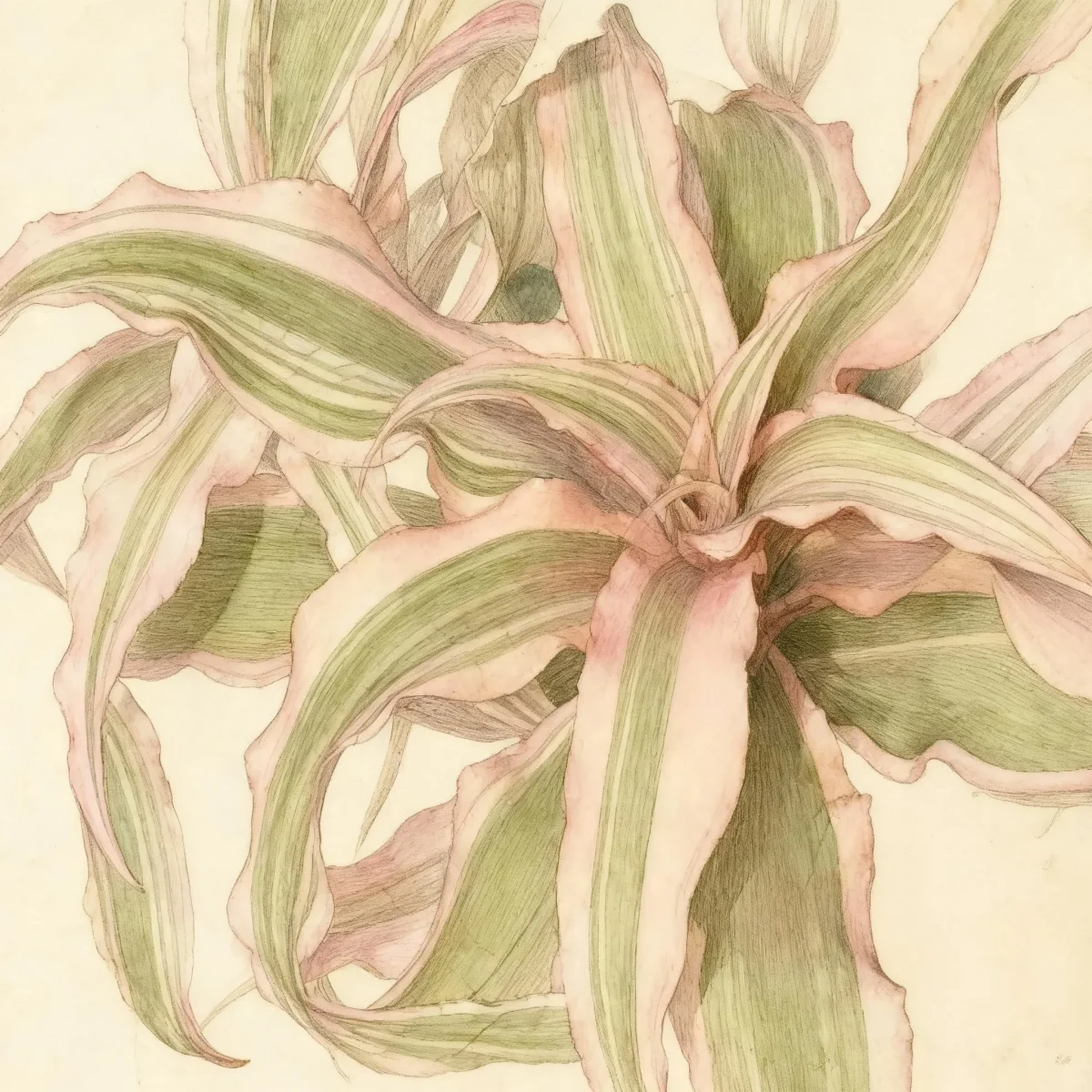
Variegated pineapple (Ananas comosus var. Variegatus)
Ananas comosus var. variegatus offers exceptional ornamental foliage. This Variegated pineapple thrives in warm climates.

Bloom Boldly, No Matter the Season - Sweatshirt
Cozy organic cotton sweatshirt featuring our exclusive Purple Coneflower design. Perfect for gardeners who bloom year-round.
Inspired by the beautiful Variegated pineapple
Limited first batch (50) — join the waitlist for early access
Waitlist closes Feb 15, 2026.
Complete Plant Information
Field Guide Continues
Ready for care notes, companion picks, and planting tips?
The map is just the start. The full guide below covers growth habits, seasonal performance, and landscape uses.
Overview
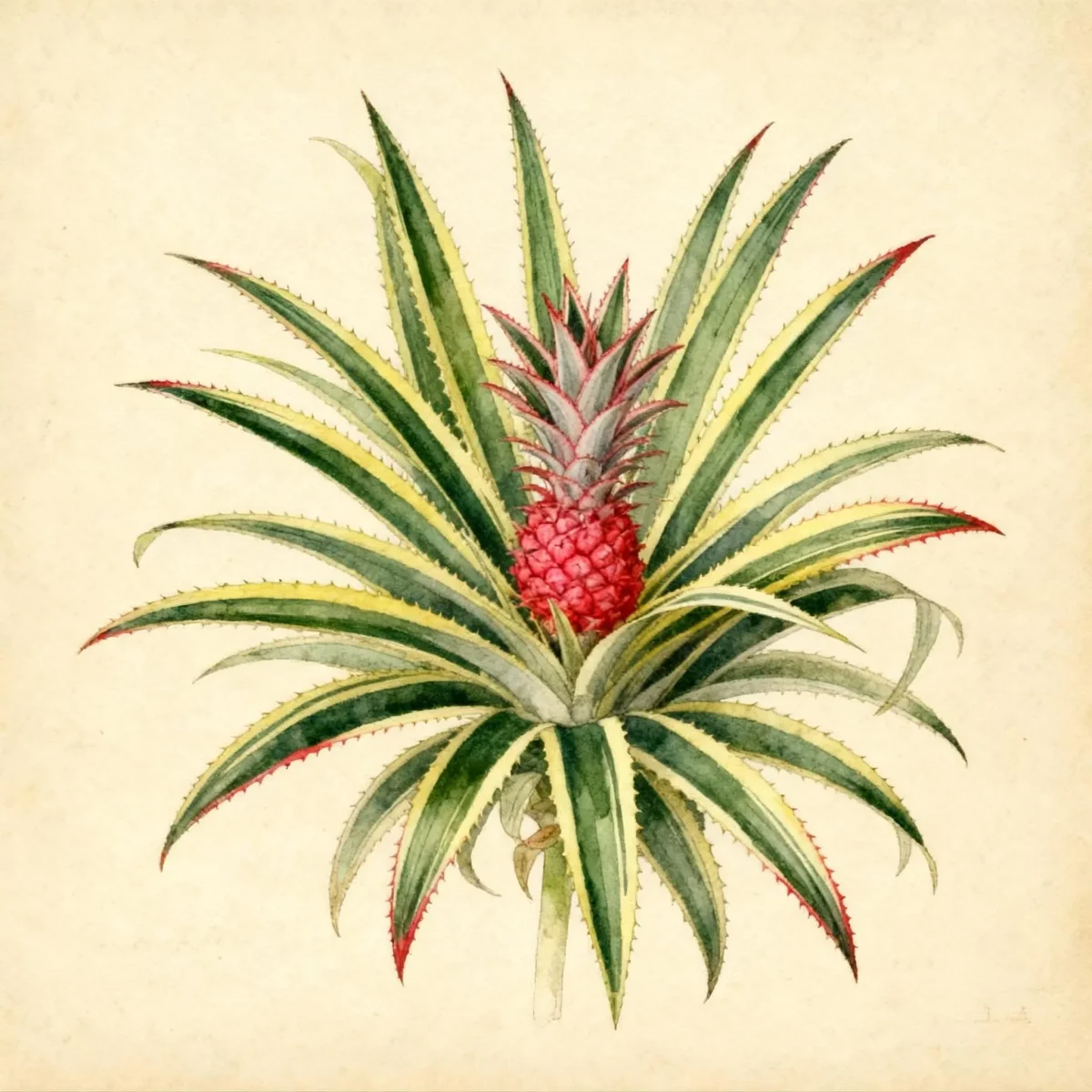
The Variegated pineapple (Ananas comosus var. variegatus) is highly valued in horticulture not for its fruit, which is generally less flavorful than standard varieties, but for its stunning, highly ornamental foliage. This terrestrial bromeliad produces rigid, strap-shaped leaves that feature distinct yellowish-white variegation along the margins, often blushed with red tones, creating a vibrant focal point. While it is botanically the same species as the common pineapple, Ananas comosus var. Variegatus serves primarily as an eye-catching accent plant in tropical or subtropical landscapes.
Growing this cultivar requires specific tropical conditions; it performs best when temperatures consistently remain between 65 and 95°F, though it can tolerate brief dips near freezing in protected settings. Its shallow root system requires attention to soil drainage to prevent common issues like root rot. Gardeners in temperate zones frequently treat Ananas comosus var. variegatus as an exotic houseplant or seasonal patio feature, moving it indoors when nights drop below 60°F. This high-maintenance plant rewards dedicated care with year-round visual interest, making it a unique addition to any specimen collection.
Fast Facts
- Plant Family: Bromeliaceae
- Plant Type: Fruit
- Native Range: Tropical America
- Hardiness Zones: USDA Zones 10-12
- Size at Maturity:
- Height: 2-3 ft
- Spread: 2-4 ft
- Bloom Time: Seasonal bloomer
- Bloom Description: Red
- Sun Exposure: Full sun
- Water Needs: Medium
- Maintenance Level: High
How to Grow
Planting Ananas comosus var. variegatus requires acidic, loose, sandy, organically rich, and extremely well-drained soil to succeed outdoors. In tropical zones, plant crowns, slips, or suckers when active growth starts, ensuring the site receives dependable full sun exposure. For gardeners outside established tropical areas, propagation through the leafy crown of a purchased fruit is a popular method; ensure the crown dries for a day or two after removal before rooting it in a moist potting mix or water until roots emerge.
Water needs are best classified as medium. The soil should remain consistently moist, particularly for indoor or container-grown plants, but never waterlogged, which is critical to avoid the onset of wilt and root rot. During the growing season (outdoors or inside a warm greenhouse), maintain humidity and ensure that temperatures consistently stay above 60°F; indoor plants may need supplemental light to maintain the vibrant variegation seen on the Variegated pineapple foliage.
Management requires vigilance against common pests, including scale, thrips, and mealybugs, which can quickly stress these bromeliads. Pruning is minimal, usually involving removing damaged outer leaves or spent flower spikes. Remember that containers must be protected and brought inside when night temperatures threaten to dip below 60°F to protect the foliage of this tropical beauty.
Landscape Uses
The primary function of Ananas comosus var. variegatus in the landscape is ornamental display, thanks to its striking striped foliage. In frost-free environments (Zones 10-12), this Variegated pineapple excels as a specimen plant where its rosette form can be appreciated up close, or used sparingly within borders to provide vertical texture against lower-growing groundcovers. Its need for excellent drainage often pairs well with other xeriscape-friendly or succulent-like plants that share a similar soil profile.
In more temperate regions, the best use for this plant is in containers. Position pots in the sunniest available spot on a patio during summer months. When planting in containers, use a specialized bromeliad or succulent mix that guarantees fast drainage. Overwintering indoors requires finding a bright, warm spot where the plant can continue to display its exceptional variegated leaves, effectively turning it into a dramatic houseplant until warmer weather returns where it may produce its showy red flowers.
Standout Features
Flower Qualities
- Showy
Fruit Qualities
- Showy
- Edible
Noteworthy Characteristics
Ananas comosus, commonly called pineapple, is a terrestrial bromeliad that was originally discovered growing in tropical areas of South America (principally Brazil). The Var. Variegatus form is primarily grown for ornamental purposes; while its fruit is not particularly tasty, its foliage is exceptional, featuring gray-green strap-shaped evergreen leaves variegated lengthwise on the margins with yellowish white stripes tinged with red.
Tolerances
As a shallow-rooted tropical, Ananas comosus var. variegatus has limited tolerance for adverse conditions, requiring protection from frost.
Potential Problems
Wilt and root rot are significant threats to the health of the Variegated pineapple, usually resulting from excessively moist or poorly draining soil conditions. Regular inspection below the leaf bases for standing water is crucial. Furthermore, watch carefully throughout the growing season for common pests such as nematodes, scale insects, thrips, and mealybugs; early detection and prompt treatment with appropriate horticultural oils or insecticides are necessary to keep the gorgeous foliage pristine.
Frequently Asked Questions
What hardiness zones is Variegated pineapple suitable for?
Ananas comosus var. variegatus is typically hardy in USDA Zones 10 through 12.
How large does Ananas comosus var. variegatus grow?
This plant generally reaches a height between 2 and 3 feet, with a spread ranging from 2 to 4 feet at maturity.
What sun exposure does Ananas comosus var. Variegatus need?
This plant thrives best when provided with full sun exposure.
When does Variegated pineapple bloom?
It is classified as a seasonal bloomer, producing red flowers when conditions are ideal.
Conclusion
The visual appeal of Ananas comosus var. variegatus, defined by its dramatic variegated foliage, makes it a superb choice for adding exotic flair to warm gardens or sunny indoor spaces. While requiring high maintenance, especially regarding correct watering and overwintering in cooler climates, the payoff is a plant that offers year-round tropical texture far beyond what the standard fruit-bearing varieties provide. Before planting, always confirm your local USDA zone compatibility or plan for robust winter container protection for your Variegated pineapple.
Propagation Tips
Propagating Ananas comosus var. variegatus is an accessible way to multiply your collection, mirroring the methods used for standard pineapples. The most straightforward method involves using the leafy crown removed from purchased fruit; after stripping off lower leaves to expose two inches of stem and allowing it to dry for a couple of days, place the base in water until roots begin to form, or directly into a well-draining medium. Slips, which form on the short stalk below the fruit (peduncle), and suckers, which emerge from the main stem, are also effective propagation materials for creating new specimens of Ananas comosus var. variegatus.
Ensure that any cutting or propagation material is taken from a healthy mother plant to maximize success. If rooting in soil, select a sandy, loose mix to prevent rot, and keep the medium lightly moist until active growth indicates successful root establishment. This process allows gardeners to easily increase their collection of this highly desirable Variegated pineapple cultivar.
Container Growing
Growing Ananas comosus var. variegatus in containers is often the most practical solution for gardeners living outside subtropical boundaries, as it simplifies the necessary winter protection. When selecting a pot, choose one that allows for horizontal spread (2-4 ft) and ensure it has generous drainage holes, fitting the plant’s requirement for well-drained soil to prevent water accumulation around its shallow roots. Use a bromeliad or cactus mix, amended with extra sand or perlite, to create the necessary airy, acidic environment.
Containers allow the gardener precise control over soil moisture and temperature, both critical factors for this high-maintenance tropical. During the summer, place the container where it receives full sun exposure. As temperatures begin to fall below 60°F at night, the Variegated pineapple must be moved into a bright, warm indoor location, ideally where humidity is also maintained, to sustain the quality of its striped leaves until the danger of frost has passed again.