Wollemi pine (Wollemia nobilis)
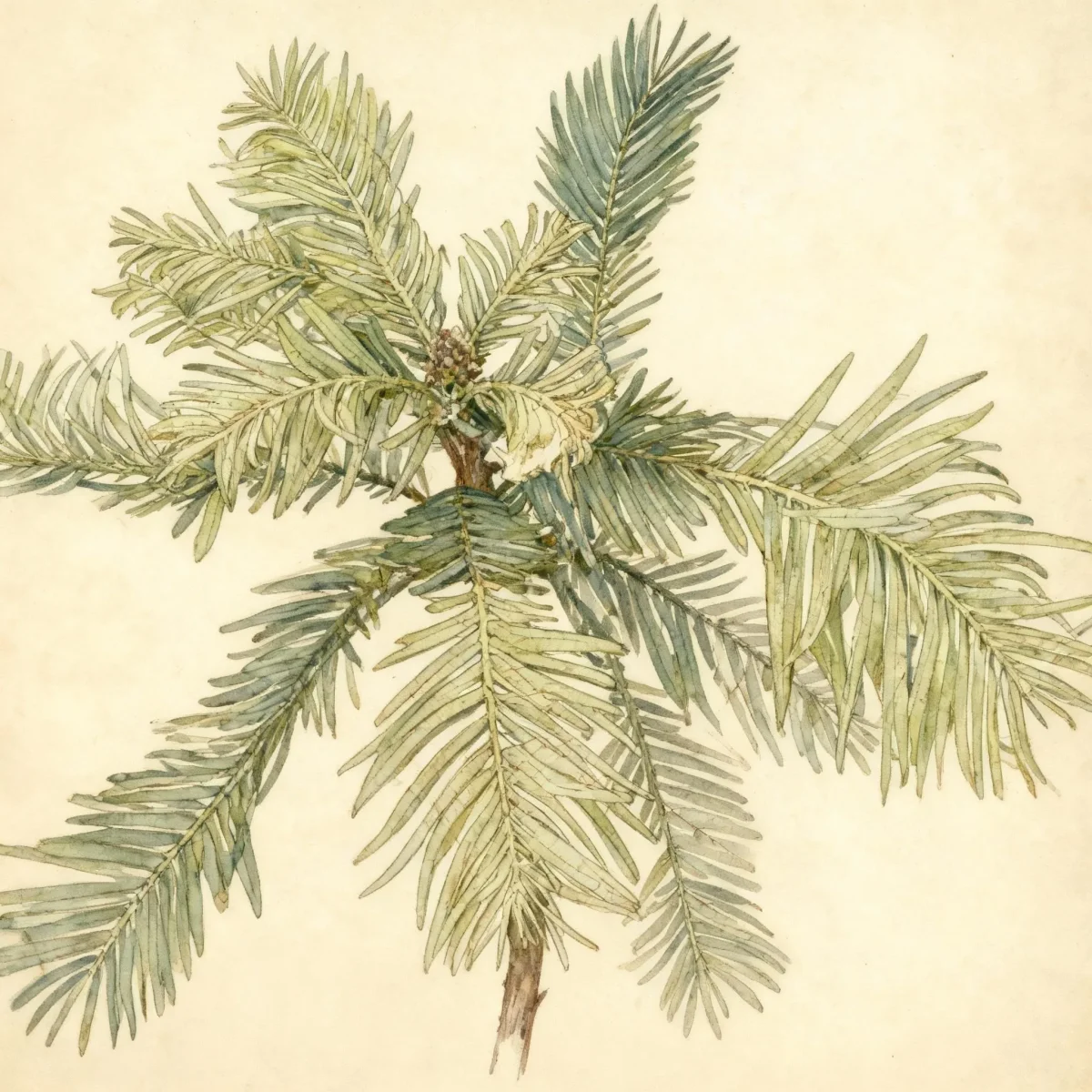
The Wollemi pine (Wollemia nobilis) is a living fossil conifer, prized for its unique foliage and rarity in cultivation.

Bloom Boldly, No Matter the Season - Sweatshirt
Cozy organic cotton sweatshirt featuring our exclusive Purple Coneflower design. Perfect for gardeners who bloom year-round.
Inspired by the beautiful Wollemi pine
Limited first batch (50) — join the waitlist for early access
Waitlist closes Feb 15, 2026.
Complete Plant Information
Field Guide Continues
Ready for care notes, companion picks, and planting tips?
The map is just the start. The full guide below covers growth habits, seasonal performance, and landscape uses.
Overview
The discovery of the Wollemi pine (Wollemia nobilis) in 1994 captivated the botanical world, reviving a species previously known only through ancient fossils. This rare, majestic conifer offers exceptional aesthetic value in temperate gardens, acting as a remarkable living specimen tree. While it is scientifically distinct, its common name highlights its unique status as a relic species.
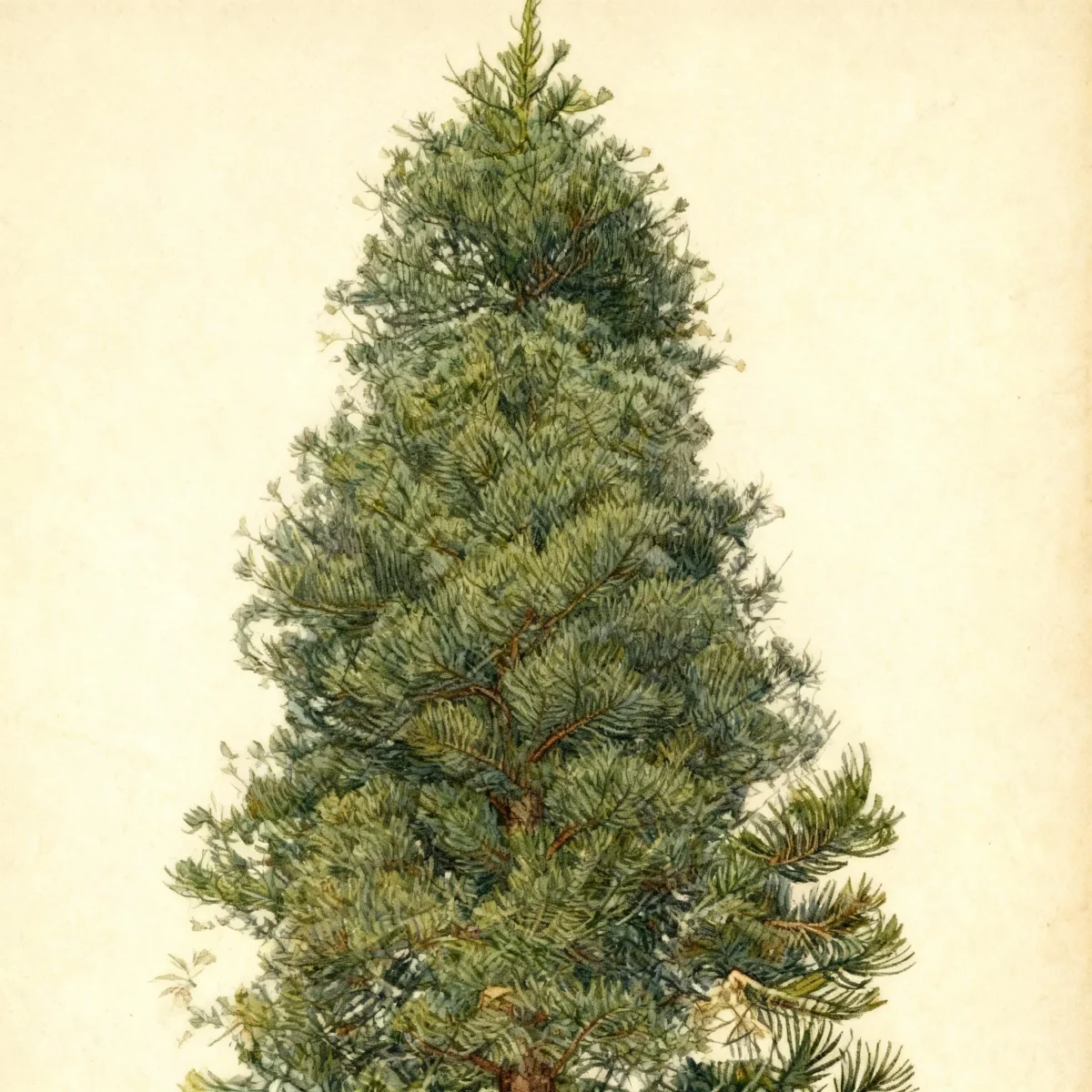
As a needled evergreen belonging to the ancient Araucariaceae family, the Wollemi pine develops into a tall, stately tree over many decades. Successful cultivation requires protecting it from harsh conditions, emphasizing well-drained soil and filtered light to mimic its sheltered native habitat in New South Wales, Australia.
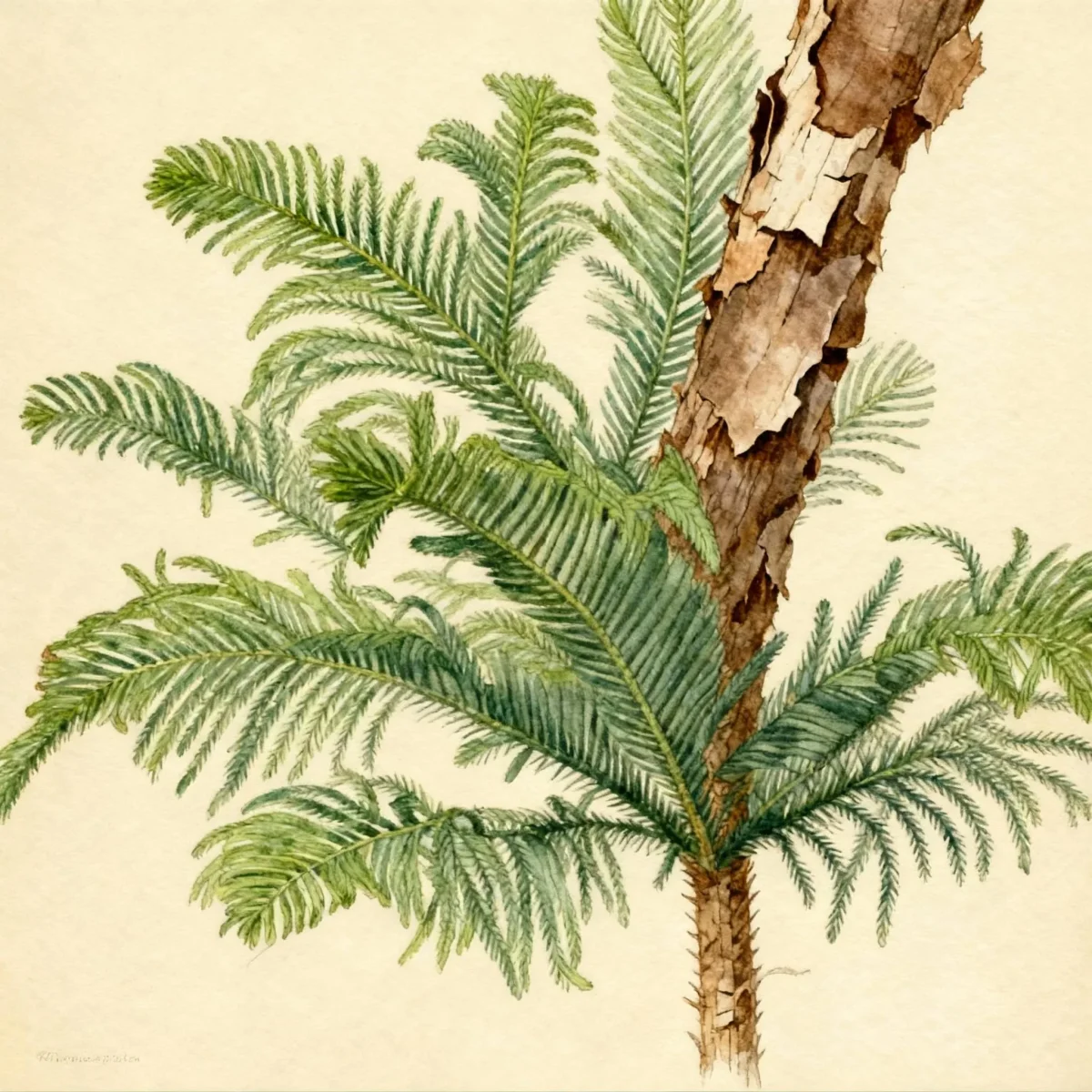
Gardeners seeking an extremely unique specimen will value the Wollemia nobilis for its striking foliage texture contrast—stiff, flattened adult leaves alongside soft juvenile ones. Although it is an endangered tree in the wild, its availability through controlled propagation allows select enthusiasts to integrate this piece of prehistoric botany into protected landscape settings.
Fast Facts
- Plant Family: Araucariaceae
- Plant Type: Needled evergreen
- Native Range: New South Wales
- Hardiness Zones: USDA Zones 9-11
- Size at Maturity:
- Height: 80-130 ft
- Spread: 40-65 ft
- Bloom Time: Non-flowering
- Bloom Description: Non-flowering
- Sun Exposure: Part shade
- Water Needs: Medium
- Maintenance Level: Medium
How to Grow
Cultivating the Wollemia nobilis successfully begins with meticulous site selection. Aim for locations providing consistent moisture without waterlogging, as the Wollemi pine demands acidic, well-drained, sandy loams. Planting is best done when established plants are available, ensuring they receive part shade, particularly shielding them from intense afternoon sun exposure.
Consistent moisture is key, especially during active growth phases. Water regularly to keep the soil damp but never saturated; this satisfies the plant’s medium water needs. Fertilizing is seldom necessary if the foundational soil is rich, but monitoring pH levels to maintain acidity is beneficial for long-term health.
Protection from strong winds is vital, as the tall structure can be susceptible to damage. Since this is an endangered species, propagation is usually managed through specialized tip cuttings or seeds from controlled stock, which serious hobbyists can attempt under protected conditions. In zones near the lower limit (Zone 8), ensure planting sites offer maximum thermal buffering during winter months.
Landscape Uses
The sheer rarity and incredible vertical presence of the Wollemi pine dictate its appropriate landscape role: specimen planting. This magnificent tree demands attention and should be situated where its unique silhouette and foliage can be appreciated year-round, perhaps near a primary entrance or within a dedicated formal garden area.
Given its needs for specific soil and moisture, companion planting should focus on species that share similar preferences for acidic, well-drained conditions and thrive in part shade settings. Avoid placing incompatible vigorous root systems nearby that might compete aggressively for resources needed by the slow-growing Wollemia nobilis.
Due to its endangered status and potential vulnerabilities, the best practice for private growers is to treat the Wollemi pine as a focal point, often requiring an element of protection, similar to how established botanical gardens display this treasure. Plan for its substantial mature spread when positioning it away from structures.
Standout Features
Noteworthy Characteristics
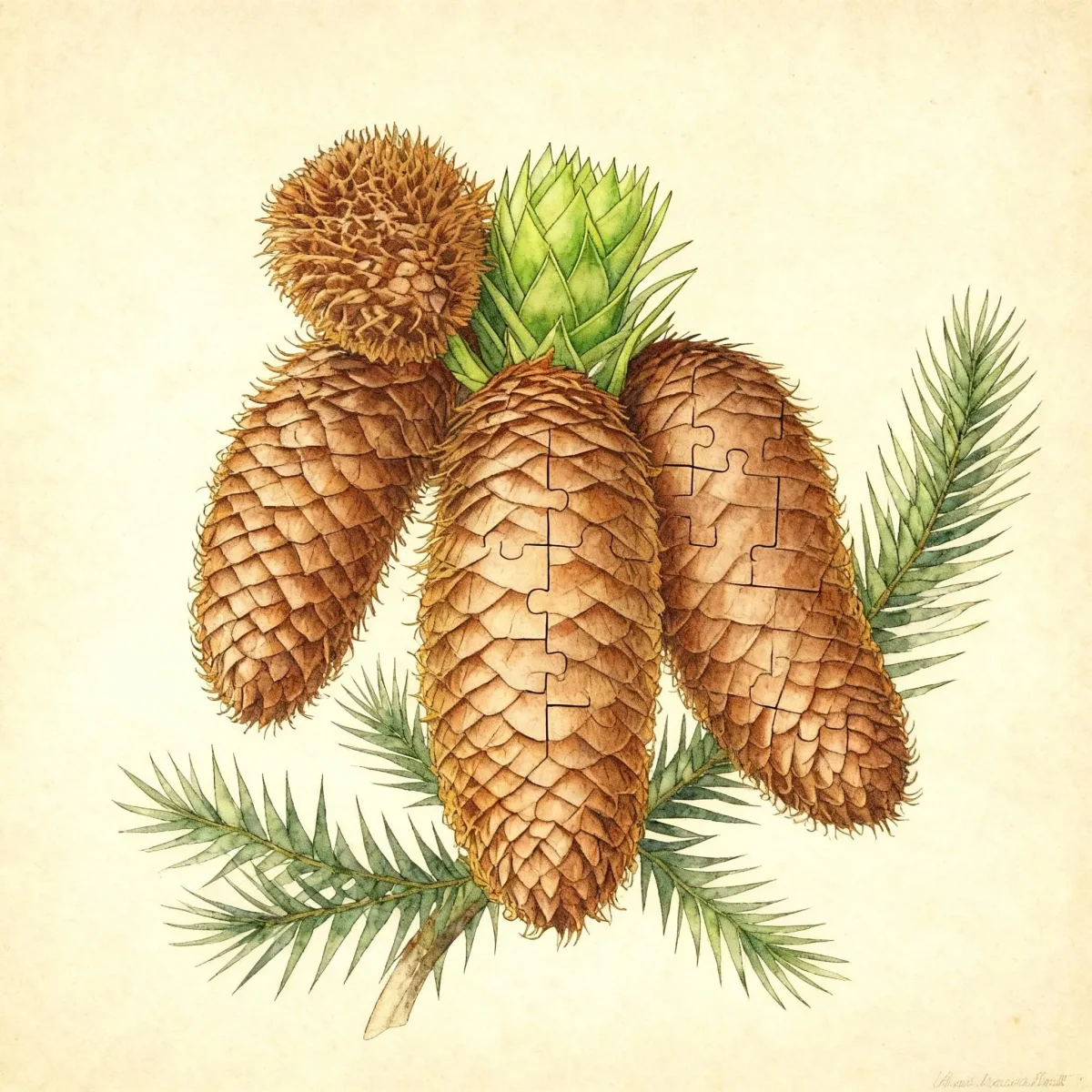
The Wollemia nobilis is an evergreen tree conifer revered globally, not only for its ancient lineage but for its unusual growth habit. It features stiff, flattened leaves arranged spirally, giving it a fern-like, prehistoric appeal. While cones are present, this species is not grown for standard floral display, emphasizing foliage texture and overall architectural form.
Propagation Tips
Propagating the Wollemia nobilis is generally recommended for experienced growers, though possible via seed or tip cuttings. When taking cuttings, ensure they include stem tissue and basal material, rooting them in a sterile, well-draining mix under high humidity to mimic nursery conditions. Success rates vary, reinforcing why conservation remains critical for this species.
Companion Planting
When selecting companions for the Wollemi pine, focus on groundcovers or understory plants that appreciate comparable conditions: bright, indirect light and consistently moist, acidic soil. Consider ferns or other Australian natives like certain low-growing Banksia species (if locally suitable) that do not overwhelm the pine’s space as it matures. Selecting companions that are not overly aggressive ensures the slow development of the Wollemi pine is unimpeded.
Tolerances
- Grow in acidic, well-drained, sandy loams with consistent moisture during the growing season. Best in part shade locations with protection from wind and afternoon sun.
Potential Problems
The primary concern regarding the Wollemia nobilis is its extreme lack of genetic diversity. Because the natural population is so small, a single widespread pathogen could prove catastrophic for all existing specimens. Growers must be vigilant regarding soil-borne diseases, most notably Phytophthora cinnamomi, which was observed causing dieback in the native population.
To mitigate risk, strict quarantine protocols should be followed when purchasing or planting new stock to prevent introducing foreign pathogens. Always ensure your planting site has exceptional drainage; standing water is an invitation for root rot and stress, making the tree more vulnerable to opportunistic diseases. Avoid unnecessary soil compaction around the base of the Wollemi pine.
Frequently Asked Questions
What hardiness zones is Wollemi pine suitable for?
The Wollemi pine is listed as winter hardy in USDA Zones 9 through 11, although growers in Zone 8 might find success with significant winter protection.
How large does Wollemia nobilis grow?
In maturity, the Wollemia nobilis is a very tall tree, typically reaching heights between 80 and 130 feet, with a corresponding spread of 40 to 65 feet.
What sun exposure does Wollemia nobilis need?
This conifer prefers part shade conditions and requires protection from intense, direct afternoon sun to prevent leaf scorching.
When does Wollemi pine bloom?
The Wollemi pine is classified as non-flowering, though male and female cones appear on the same tree (monoecious).
Conclusion
The Wollemi pine represents one of nature’s greatest archaeological finds available to the modern gardener, offering unparalleled unique texture and stature. Successfully growing the Wollemia nobilis requires adhering strictly to its needs for well-drained, acidic soil and filtered light. Before acquiring this magnificent specimen, carefully assess your site conditions, ensuring you can provide the protected microclimate necessary for this ancient Wollemi pine to thrive.