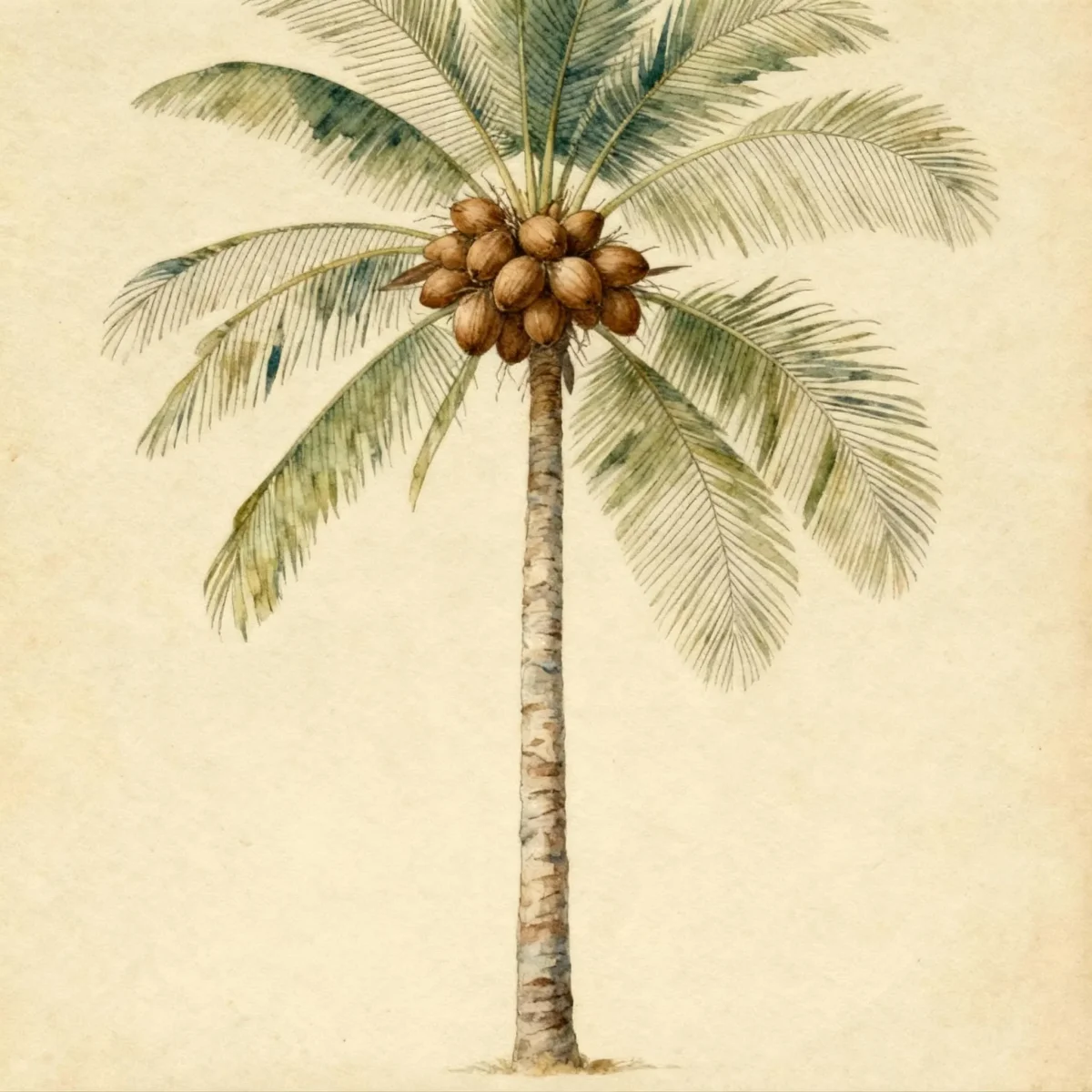

Bird-catcher tree (Pisonia grandis)
Discover Pisonia grandis, the spectacular Bird-catcher tree, thriving in tropical zones 11-12 with full sun needs.
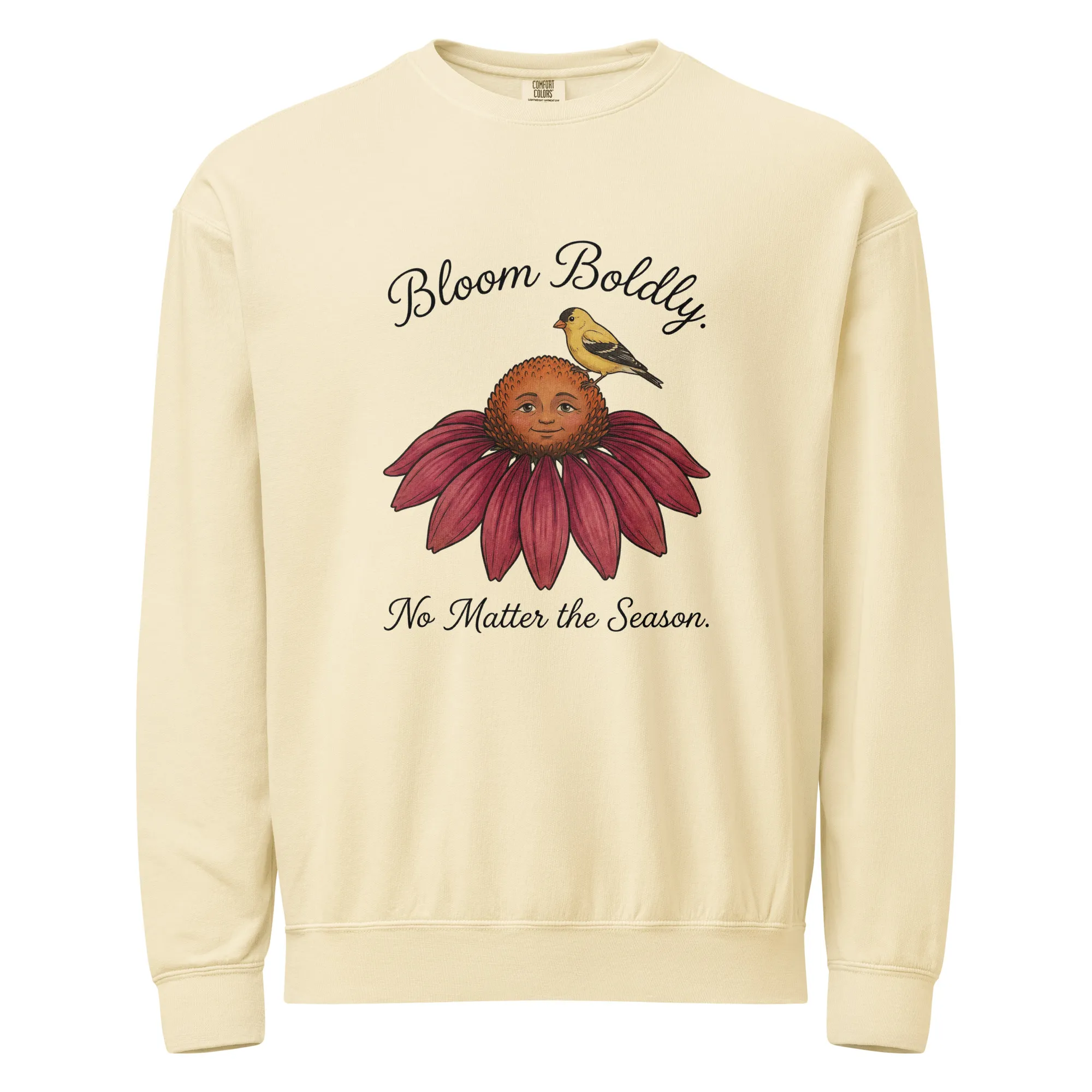
Bloom Boldly, No Matter the Season - Sweatshirt
Cozy organic cotton sweatshirt featuring our exclusive Purple Coneflower design. Perfect for gardeners who bloom year-round.
Inspired by the beautiful Bird-catcher tree
Limited first batch (50) — join the waitlist for early access
Waitlist closes Feb 15, 2026.
Complete Plant Information
Field Guide Continues
Ready for care notes, companion picks, and planting tips?
The map is just the start. The full guide below covers growth habits, seasonal performance, and landscape uses.
Overview
The Pisonia grandis, widely known as the Bird-catcher tree, is a substantial, soft-wooded broadleaf evergreen native to the tropical islands of the Indian and Pacific Oceans. Its impressive size, often reaching 60 to 80 feet, makes it a dramatic focal point in suitable tropical landscapes. This member of the Bougainvillea family creates dense stands that are often important ecological niches in their native coral cay environments.
Gardeners seeking a grand, fast-growing shade tree for permanently warm climates will appreciate the fast growth rate and large, light-green foliage of Pisonia grandis. While its flowers are modest greenish-white, the tree possesses a remarkable reproductive strategy that explains its common name.
Caution is advised as the seed fruits are notoriously sticky, leading to the unique moniker Bird-catcher tree. This characteristic influences where it should be sited in managed garden spaces. It provides significant vertical structure and deep shade where frost is never a concern.
Fast Facts
- Plant Family: Nyctaginaceae
- Plant Type: Broadleaf evergreen
- Native Range: Indian and Pacific Ocean
- Hardiness Zones: USDA Zones 11-12
- Size at Maturity:
- Height: 60-80 ft
- Spread: 50-70 ft
- Bloom Time: July to August
- Bloom Description: Greenish-white
- Sun Exposure: Full sun
- Water Needs: Medium
- Maintenance Level: Medium
How to Grow
Plant Pisonia grandis only in locations truly sheltered from frost, as it is intolerant of cold temperatures below Zone 11. The ideal planting time is typically the start of the rainy season to establish the root system without excessive supplemental watering. Success hinges on providing sandy, acidic, well-drained soils; soggy or heavy clay soils will inhibit healthy growth.
Water needs are medium, requiring consistent irrigation, especially when the tree is young or during extended dry spells outside of its humid native environment. Mature trees, once established, require less frequent deep watering. Little specific fertilizing information is documented, but general feeding suitable for tropical broadleaf trees can support its rapid growth.
Pruning, if necessary, should be minimized due to the tree’s notoriously brittle branches. When structural pruning is required, ensure cuts are clean and performed when handling minimal debris, given the sticky nature of the developing fruits. Always site the Bird-catcher tree away from pathways or areas where falling sticky fruit could cause nuisance.
Landscape Uses
The Bird-catcher tree is specifically recommended for large, open areas in frost-free climates that can accommodate its massive mature size. Its primary value lies in creating immediate, substantial shade and strong vertical presence. Due to its size and somewhat brittle nature, it excels where it will not threaten structures or walkways.
For the best results, plant Pisonia grandis in locations sheltered from strong winds, which can damage its relatively soft wood. It pairs effectively with understory tropical plantings that tolerate deep shade beneath its canopy once mature, such as large philodendrons or shade-loving ferns, provided the area receives adequate moisture. Consider its unique characteristics; while visually striking, gardeners must acknowledge the potential stickiness of the fruit when designing the immediate surroundings.
Standout Features
Flower Qualities
- Showy
Noteworthy Characteristics
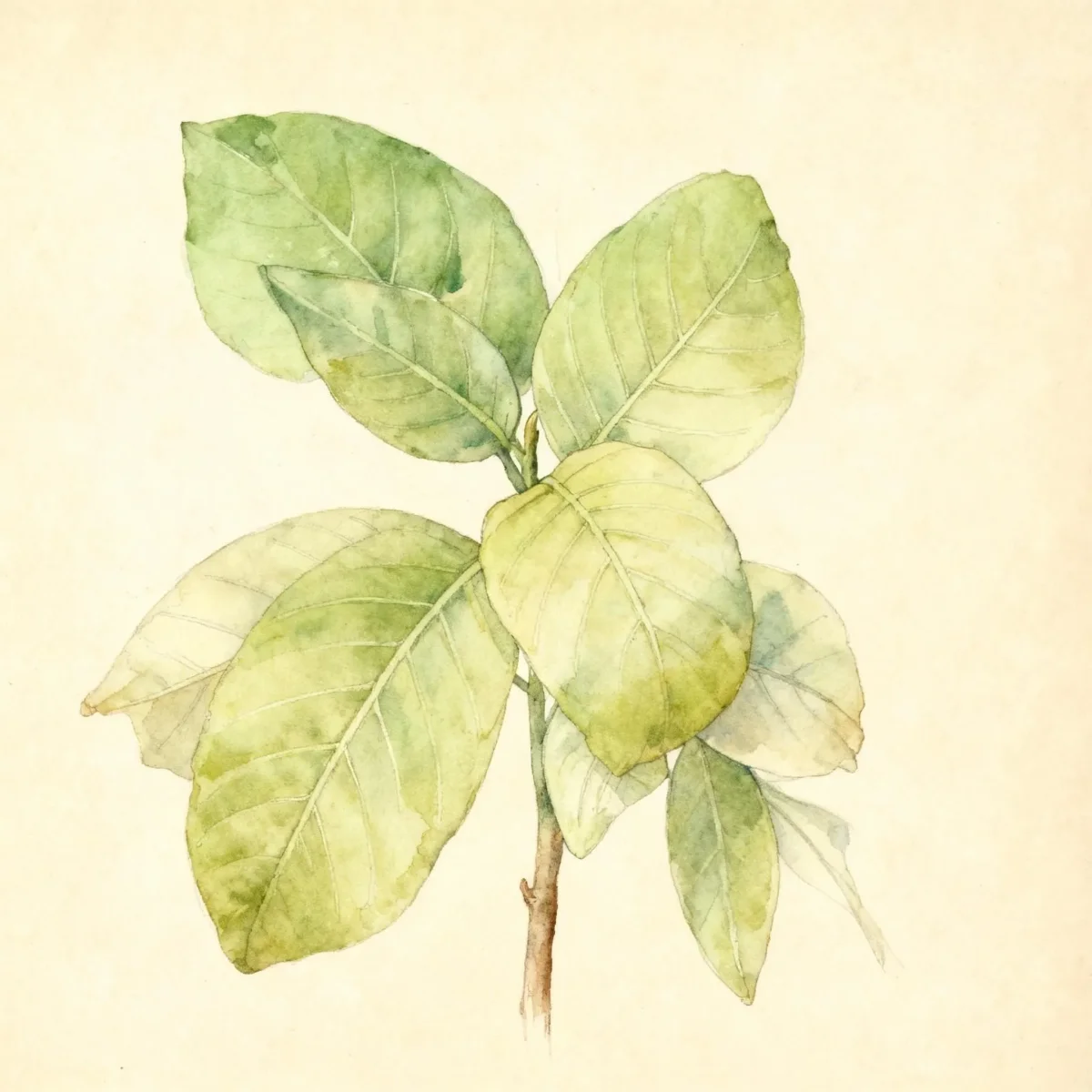
The Pisonia grandis, commonly known as the Bird-catcher tree, is a fascinating soft-wooded species characterized by its brittle branches and height, frequently reaching 60-80 feet. A key feature is its sticky cylindrical fruits, which famously trap small birds by adhering to their feathers, providing a mechanism for seed dispersal via larger birds carrying the fruit long distances. This species thrives in dense stands on tropical coral cays and features long-petioled, elliptical, light green leaves up to 12 inches long.
Tolerances
No specific tolerance data was provided beyond its hardiness zone limitations.
Potential Problems
The Bird-catcher tree (Pisonia grandis) generally exhibits low susceptibility to common garden pests and diseases, which is a significant advantage for tropical gardening. Gardeners should focus more on managing its physical traits rather than fighting pervasive insects or pathogens.
The biggest cultural challenge is managing its brittle wood and the extremely sticky nature of its mature fruits. Falling branches in high winds can be a concern, necessitating careful siting away from high-traffic zones or structures.
Frequently Asked Questions
What hardiness zones is Pisonia grandis suitable for?
The Pisonia grandis is suited for tropical environments, specifically USDA Hardiness Zones 11 through 12.
When does Bird-catcher tree bloom?
The tree typically blooms during the summer months, specifically from July to August, producing greenish-white flowers.
How large does Bird-catcher tree grow?
The Pisonia grandis matures into a significant specimen, often achieving heights between 60 and 80 feet, with an equally impressive spread of 50 to 70 feet.
What sun exposure does Pisonia grandis need?
This species requires full sun exposure to develop optimally in its tropical environment.
Conclusion
The Pisonia grandis, or Bird-catcher tree, offers exceptional scale and rapid canopy development for gardeners operating within its restricted, frost-free tropical range. Its unique reproductive characteristics and substantial size guarantee a place as a notable specimen tree. Before planting, confirm your location is firmly within USDA Zones 11-12 and ensure you have ample space sheltered from strong winds.
Companion Planting
For successful co-planting near the Pisonia grandis, focus on other tropical species that share its requirements for well-drained, acidic soil and high moisture levels. Since the mature canopy will cast significant shade during the summer, select large, established tropical shrubs or understory plants that can handle dappled light. Good companions might include large-leafed Elephant Ears (Colocasia) or shade-tolerant palms like the Areca Palm (Dypsis lutescens).
Ensure that any companion plants selected do not have dense, low-growing habits immediately next to the trunk, as this can impede air circulation around the base of the soft-wooded Bird-catcher tree. Avoid planting delicate, low-growing herbaceous perennials directly beneath it until the canopy has fully developed, as root competition may become significant.
Wildlife Benefits
While the reproductive strategy of the Bird-catcher tree is famous for trapping small birds, Pisonia grandis plays a vital role in the ecosystems of its native Pacific islands. The dense thickets it naturally forms are highly favored nesting sites for many species of seabirds.
Beyond nesting, the large, elliptic leaves provide essential windbreak and shelter for smaller fauna adapted to coastal, exposed tropical environments. Gardeners who embrace this tree can indirectly support local bird populations seeking secure roosting spots, provided they manage the sticky fruit responsibly outdoors.