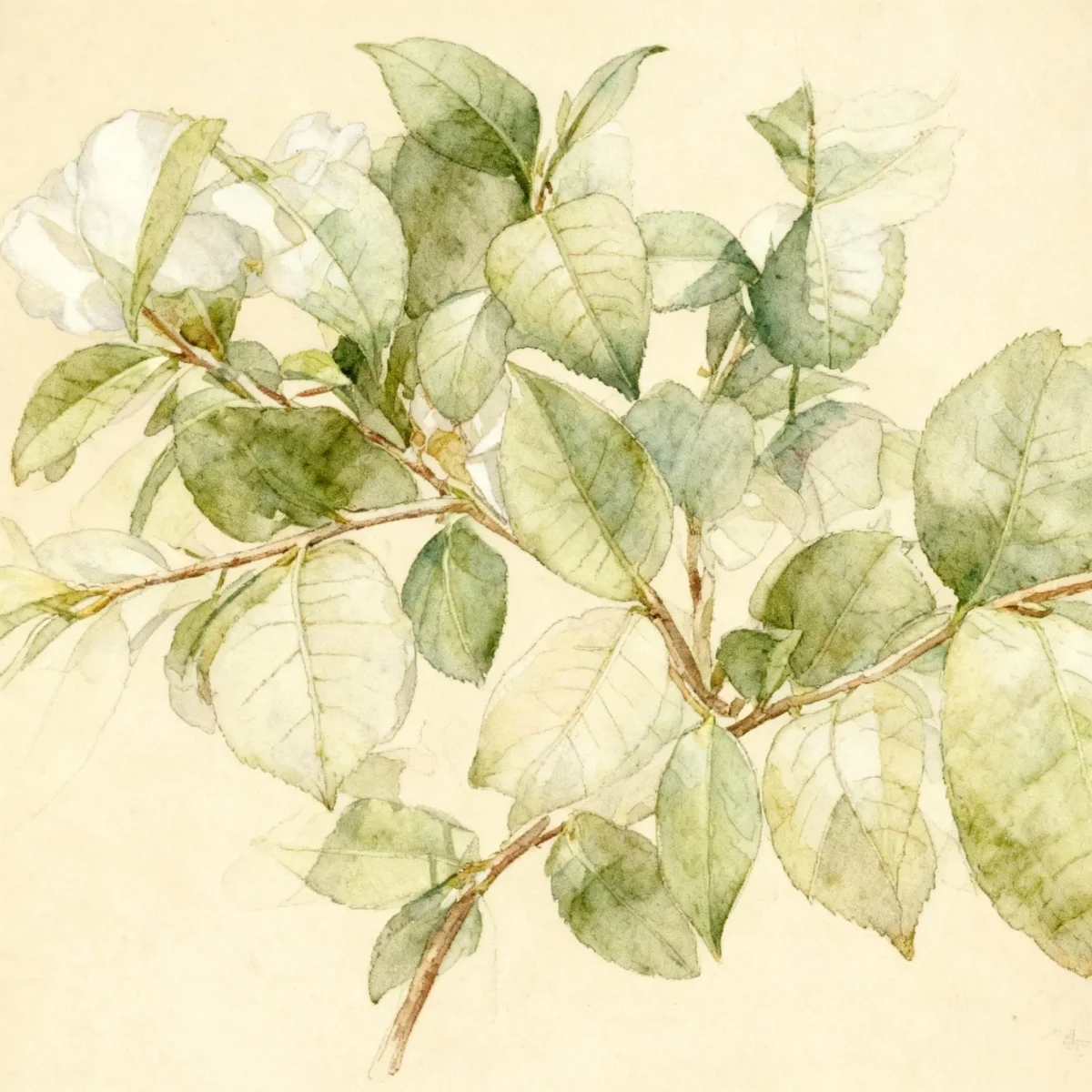
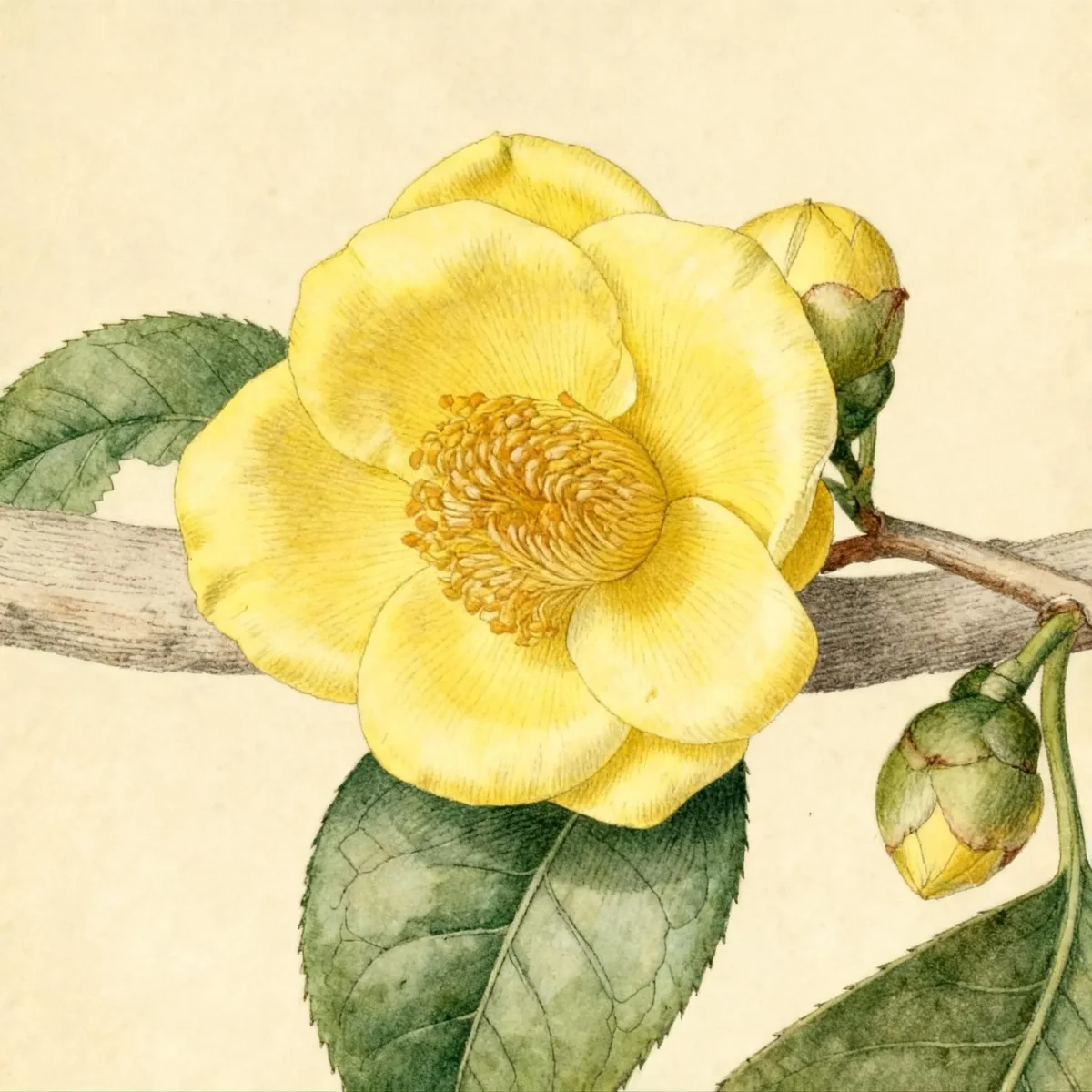
Yellow camellia (Camellia petelotii var. Petelotii)
Discover Camellia petelotii var. petelotii, the rare Yellow camellia, offering unique winter bloom in USDA Zones 8-10.

Bloom Boldly, No Matter the Season - Sweatshirt
Cozy organic cotton sweatshirt featuring our exclusive Purple Coneflower design. Perfect for gardeners who bloom year-round.
Inspired by the beautiful Yellow camellia
Limited first batch (50) — join the waitlist for early access
Waitlist closes Feb 15, 2026.
Complete Plant Information
Field Guide Continues
Ready for care notes, companion picks, and planting tips?
The map is just the start. The full guide below covers growth habits, seasonal performance, and landscape uses.
Overview
The Camellia petelotii var. petelotii, commonly known as the Yellow camellia, is a truly distinctive addition to the winter garden, famous for introducing the first reliably yellow flowers to the genus. Native to the dense forests of Southern China, this broadleaf evergreen shrub provides structural interest with its glossy foliage year-round. Its value lies in its seasonal performance, delivering fragrant, golden blooms when most other plants are dormant.
Growing typically between 6 to 10 feet tall, the Yellow camellia prefers a gently shaded environment, mimicking its understory origins. While it is sought after for its striking color, successful cultivation of Camellia petelotii var. Petelotii requires attention to soil acidity and moisture consistency. Gardeners rewarding this minimal effort will enjoy a unique flowering specimen during the coldest months.
Providing year-round dark green texture, this camellia functions well as an accent or structured hedge, offering an unusual splash of warmth during winter. As the first true yellow-flowering camellia introduction, Camellia petelotii var. petelotii remains a highly prized find for collectors and dedicated temperate gardeners.
Fast Facts
- Plant Family: Theaceae
- Plant Type: Broadleaf evergreen
- Native Range: Southern China
- Hardiness Zones: USDA Zones 8-10
- Size at Maturity:
- Height: 6-10 ft
- Spread: 4-7 ft
- Bloom Time: December to March
- Bloom Description: Yellow
- Sun Exposure: Part shade
- Water Needs: Medium
- Maintenance Level: Medium
How to Grow
Planting your Camellia petelotii var. petelotii should ideally occur in the cooler parts of its growing season, allowing the roots to establish before summer heat or deep winter cold. This evergreen shrub thrives in organically rich, acidic, well-drained soils. Ensure the planting depth is correct; the soil level in the garden should match the level it occupied in its pot to prevent crown rot.
Consistent moisture is crucial for this Yellow camellia; do not allow the soil to dry out completely, though it must remain well-drained. Established plants need only moderate, even moisture throughout the year. For optimal performance, site Camellia petelotii var. Petelotii where it receives protection from harsh, direct afternoon sun and intense early morning rays; dappled light under tree canopies is often ideal. Protection from strong winds is also highly recommended.
After flowering concludes, prune lightly to thin crowded branches and maintain desired size and shape. Applying a root mulch, such as shredded bark or leaves, helps conserve soil moisture and regulate soil temperature. For gardeners facing cold winters outside Zones 8-10, growing this species in a container allows for overwintering in a cool, bright location where temperatures stay between 45-60°F.
Landscape Uses
The Camellia petelotii var. petelotii offers exciting winter-to-spring color, making it an excellent specimen plant in woodland gardens or positioned beneath taller deciduous trees that offer summer shade. It performs beautifully when used strategically in shrub borders, providing necessary broadleaf evergreen structure when deciduous plants are bare. This camellia can also function effectively as a formal or informal hedge, bringing unexpected splashes of yellow to property lines during winter.
When grouping this plant, pair it with other acid-loving, shade-tolerant evergreens like evergreen azaleas or rhododendrons, ensuring they share similar moisture requirements. The deep green, glossy leaves create a rich backdrop that highlights the unique golden blooms of the Yellow camellia. It adapts readily to container culture, making it perfect for patios where its fragrant blooms can be enjoyed up close.
For a truly naturalistic effect, consider placing the Camellia petelotii var. petelotii near structures that reflect or buffer its winter light exposure, mimicking the filtered light it prefers in its native habitat. Whether used as a striking border element or carefully positioned as a focal point, this camellia fulfills a vital seasonal niche.
Standout Features
Flower Qualities
- Showy
- Fragrant
Noteworthy Characteristics
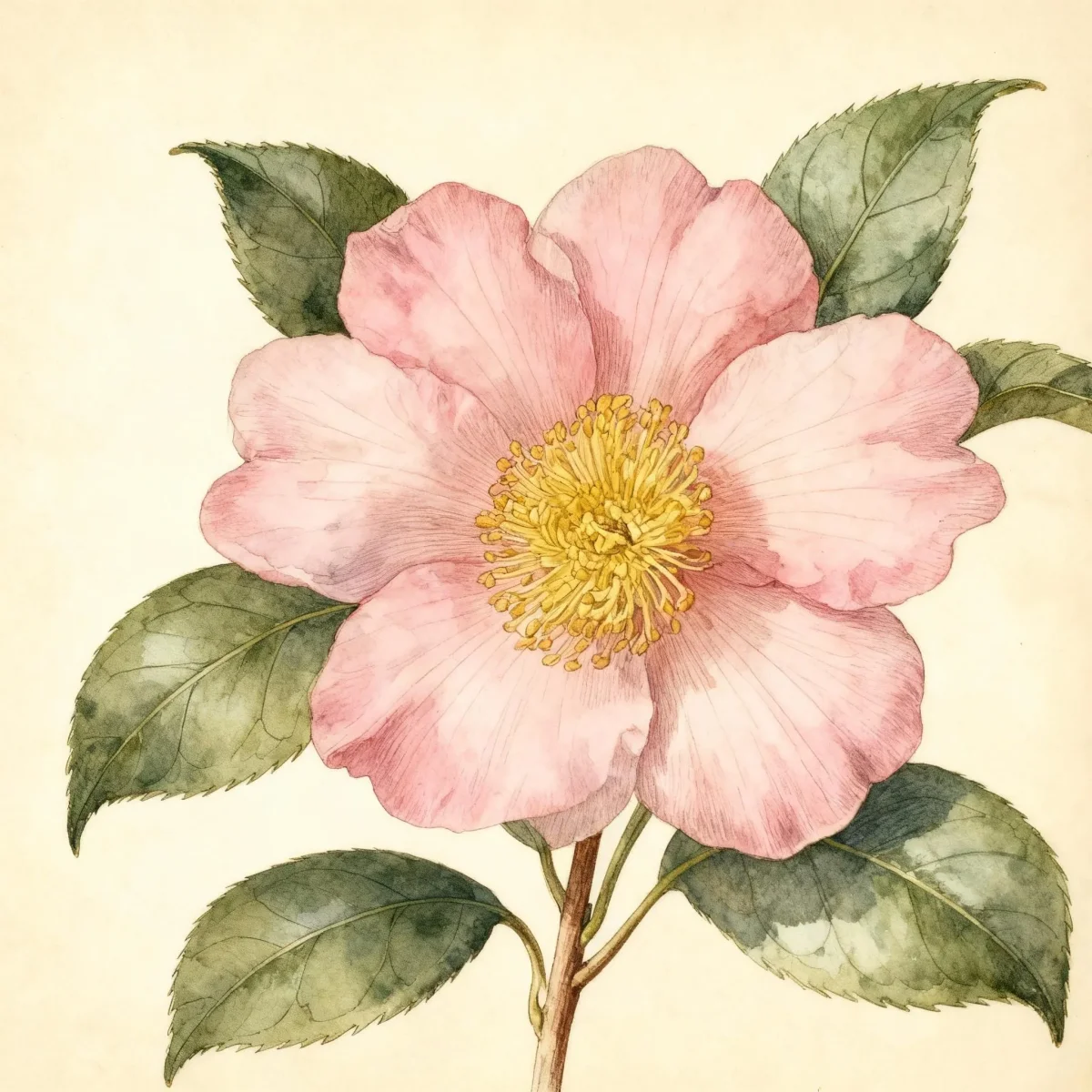
Camellia petelotii var. Petelotii is celebrated as the plant that introduced yellow flowers to the camellia genus, originating from dense forests in Southern China and Viet Nam. It typically develops into a shrub reaching 6 to 10 feet high, bearing solitary, fragrant, golden-yellow flowers up to 2 inches across with 8 to 12 petals. Its glossy, evergreen leaves mature from purple tints to a dark, rich green, contrasting beautifully with the mid-winter blooms.
Potential Problems
Camellias generally face susceptibility to several fungal issues, including petal blight, anthracnose, root rot, and various leaf spots. If you observe petal blight, characterized by browning moving from the edges toward the center of the flower, immediately discard all infected plant matter. Chlorosis, which manifests as yellow leaves accompanied by distinct green veins, signals an iron deficiency that can be rectified by applying iron chelates to the soil.
Scale insects can be persistent pests, though aphids, spider mites, and planthoppers should also be monitored. Regular inspection and prompt, targeted treatment are essential for maintaining the vibrant health of your Camellia petelotii var. petelotii.
Tolerances
Frequently Asked Questions
What hardiness zones is Yellow camellia suitable for?
The Camellia petelotii var. petelotii is reliably hardy in USDA Zones 8 through 10, thriving best where winter temperatures do not drop too severely.
How large does Yellow camellia grow?
This broadleaf evergreen typically reaches a height between 6 and 10 feet, with a spread ranging from 4 to 7 feet at maturity.
When does Camellia petelotii var. petelotii bloom?
This unique camellia variety provides its golden winter interest, blooming reliably from December through March.
What sun exposure does Camellia petelotii var. petelotii need?
The ideal location for this shrub is in part shade, where it can be protected from intense direct sun exposure, especially in the hottest afternoon hours.
Conclusion
The introduction of the Camellia petelotii var. petelotii, the rare Yellow camellia, offers gardeners an unparalleled opportunity to enjoy true golden color during the late winter months. Its glossy evergreen foliage ensures garden structure even when dormant, making Camellia petelotii var. petelotii highly valuable for year-round appeal. Before planting, verify that your site offers the acidic soil and dappled shade required for success in your hardiness zone.
Companion Planting
When selecting companions for your Yellow camellia, focus on plants that share its preference for well-drained, acidic soil and partial shade conditions. Shade-loving woodland perennials create a lush base layer beneath the shrub’s canopy. Consider groundcovers like Hellebores (Lenten Rose), which bloom around the same time, offering structural contrast to the yellow flowers of Camellia petelotii var. petelotii.
Ferns, such as Japanese Painted Ferns or Autumn Ferns, thrive in similar filtered light conditions and provide textural softness around the base of the shrub. These companions enhance that native woodland feel while ensuring competition for resources remains manageable. Avoid plants that require heavy, alkaline soil or full, intense sun exposure, as these conditions will quickly stress the camellia.
Seasonal Care Calendar
Spring is the time for light pruning immediately following the last bloom, focusing on shape refinement and removing any winter-damaged wood. This is also an excellent moment to supplement soil nutrition, ensuring a consistent source of iron is available if leaching occurs. As summer approaches, vigilance regarding consistent watering becomes paramount, especially for newly planted specimens.
In the fall, before major temperature drops, apply a protective layer of organic mulch around the root zone to insulate the soil for the coming winter. Watering should continue steadily into early winter, especially in drier climates, until the ground freezes solid. Avoid heavy fertilization late in the season, which can encourage tender new growth susceptible to frost damage.