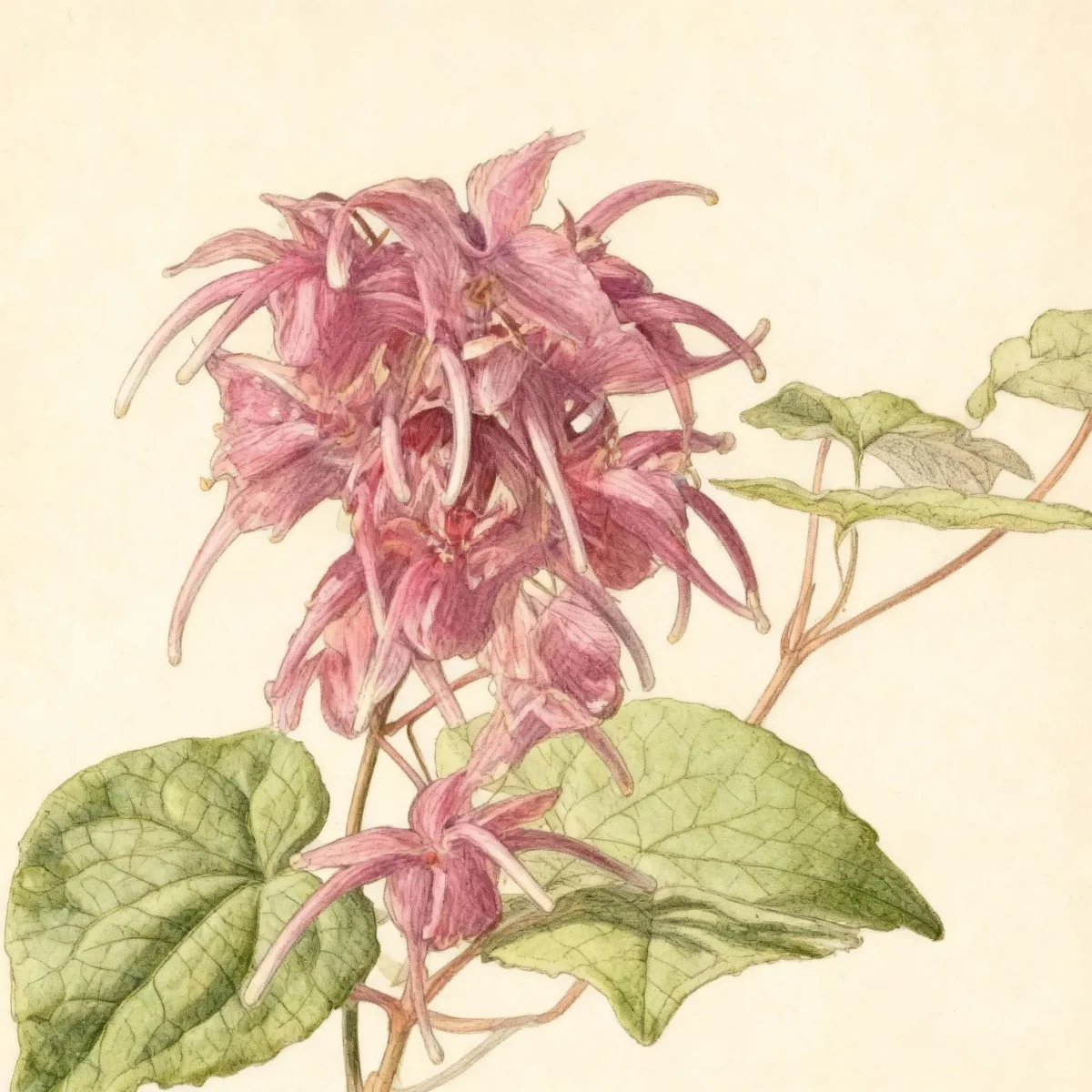
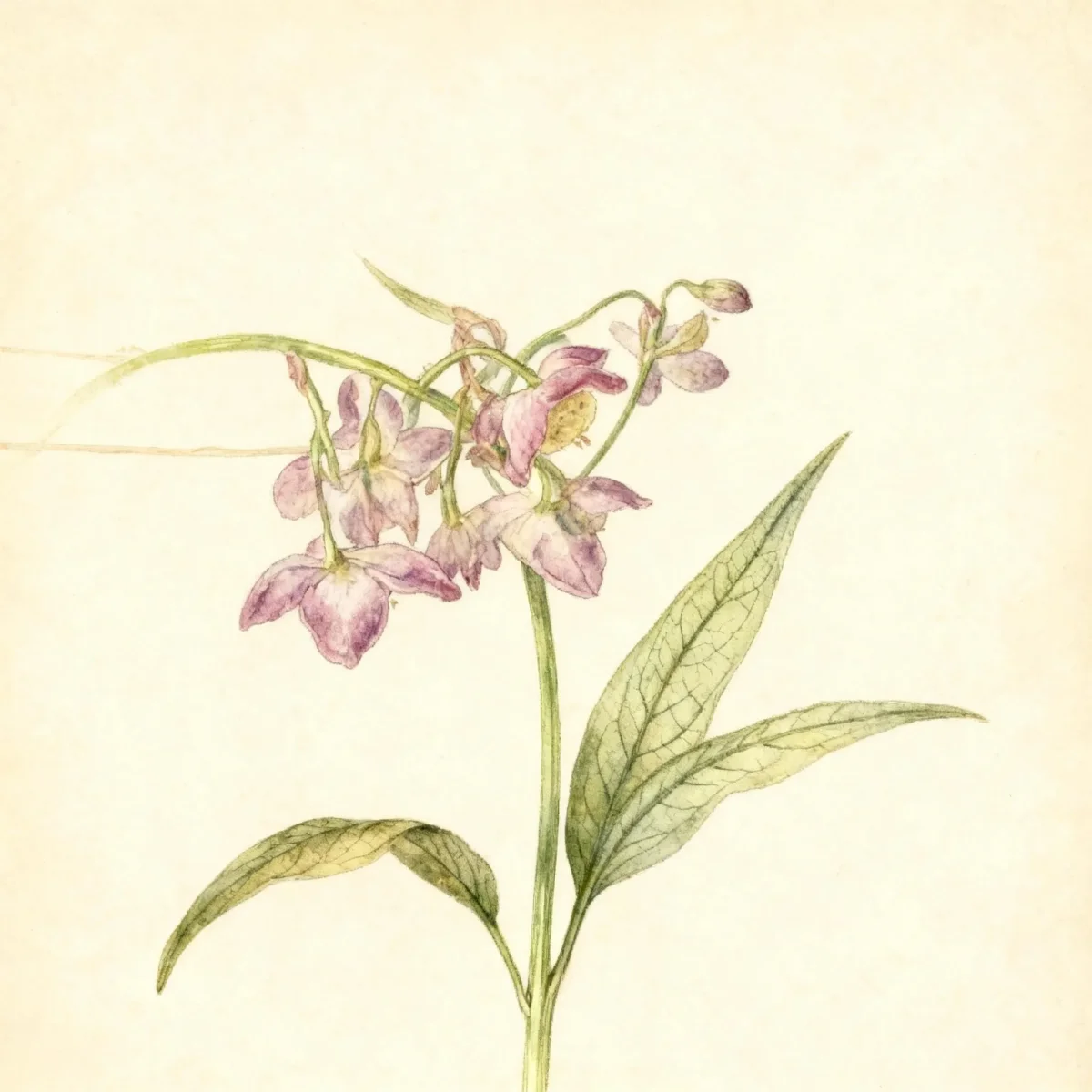
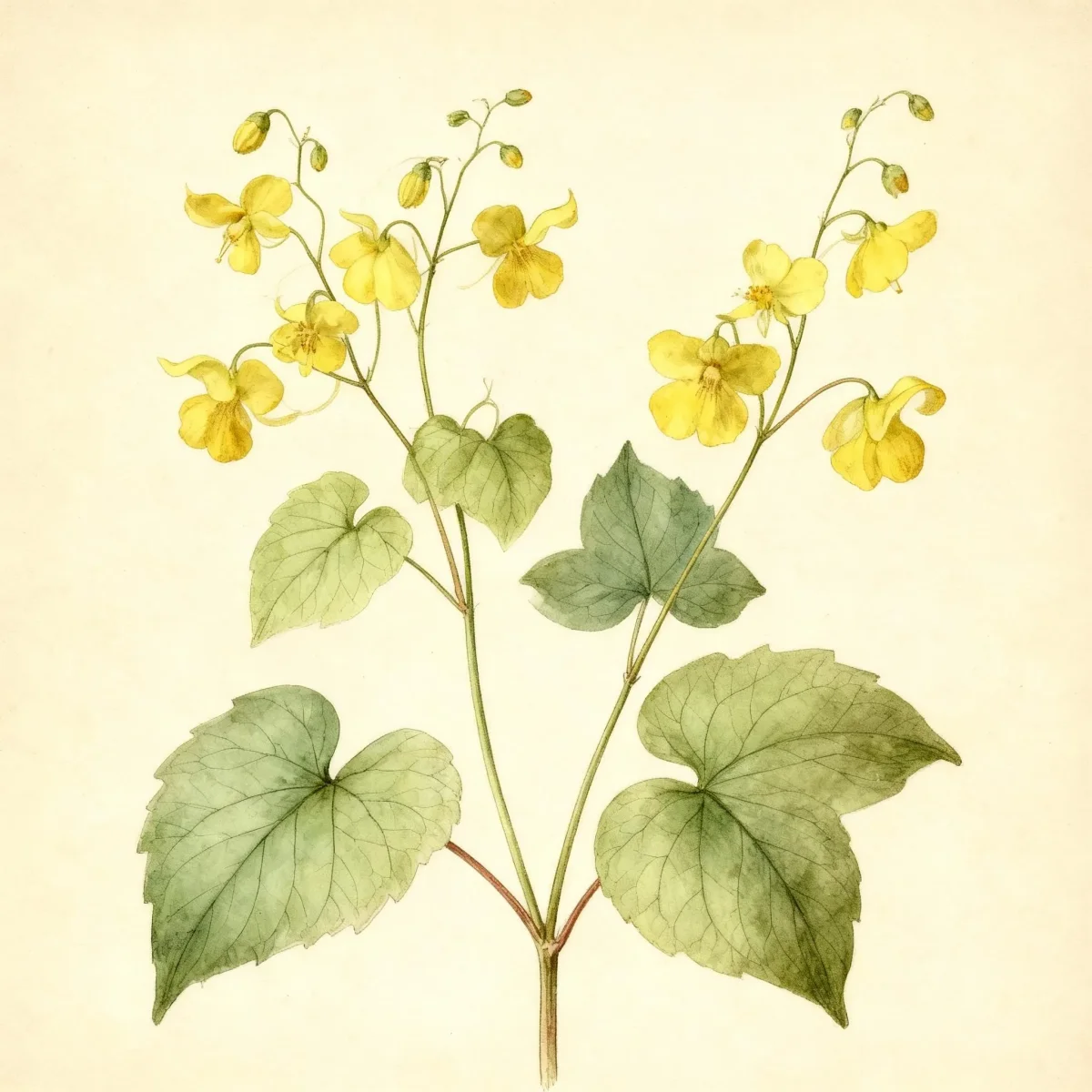
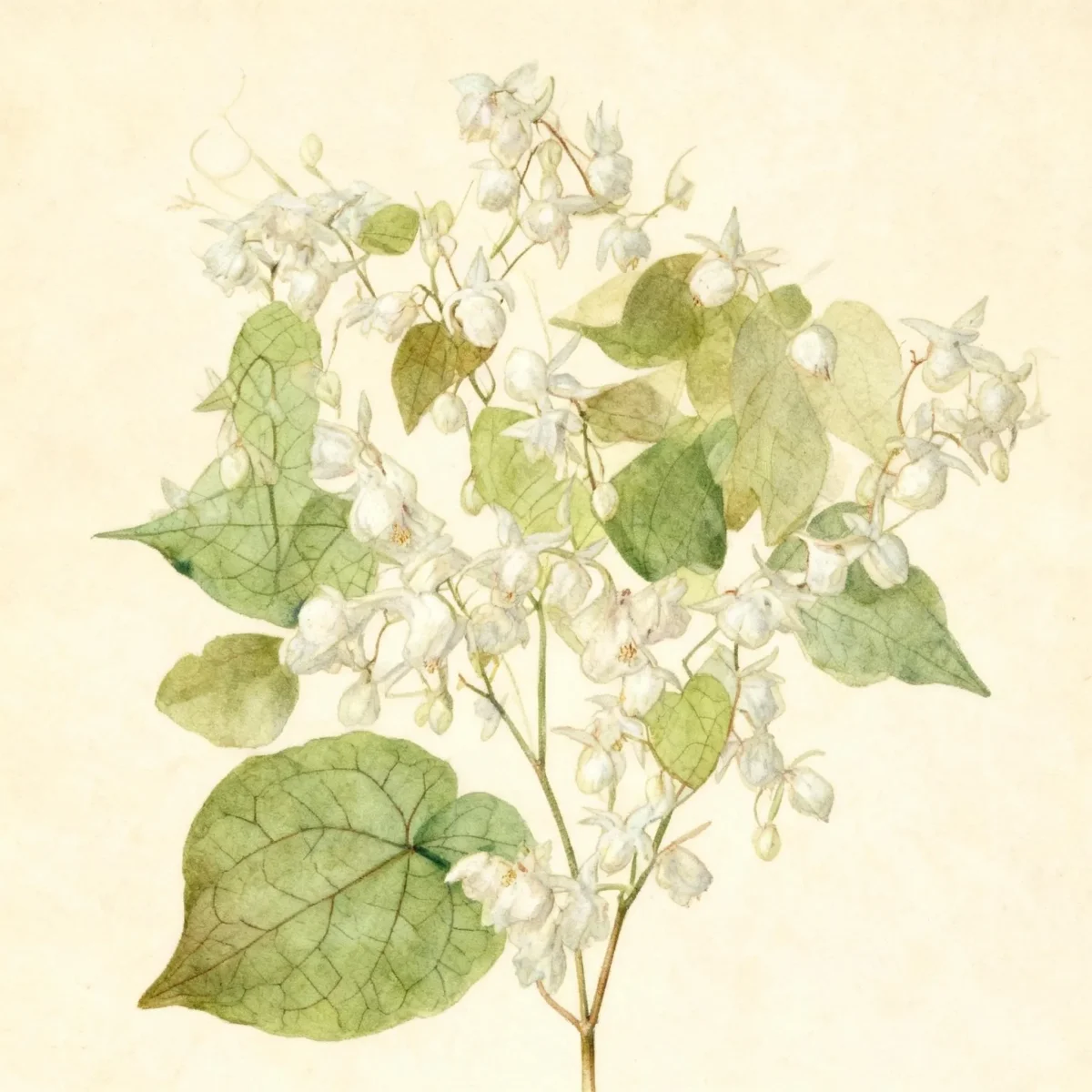
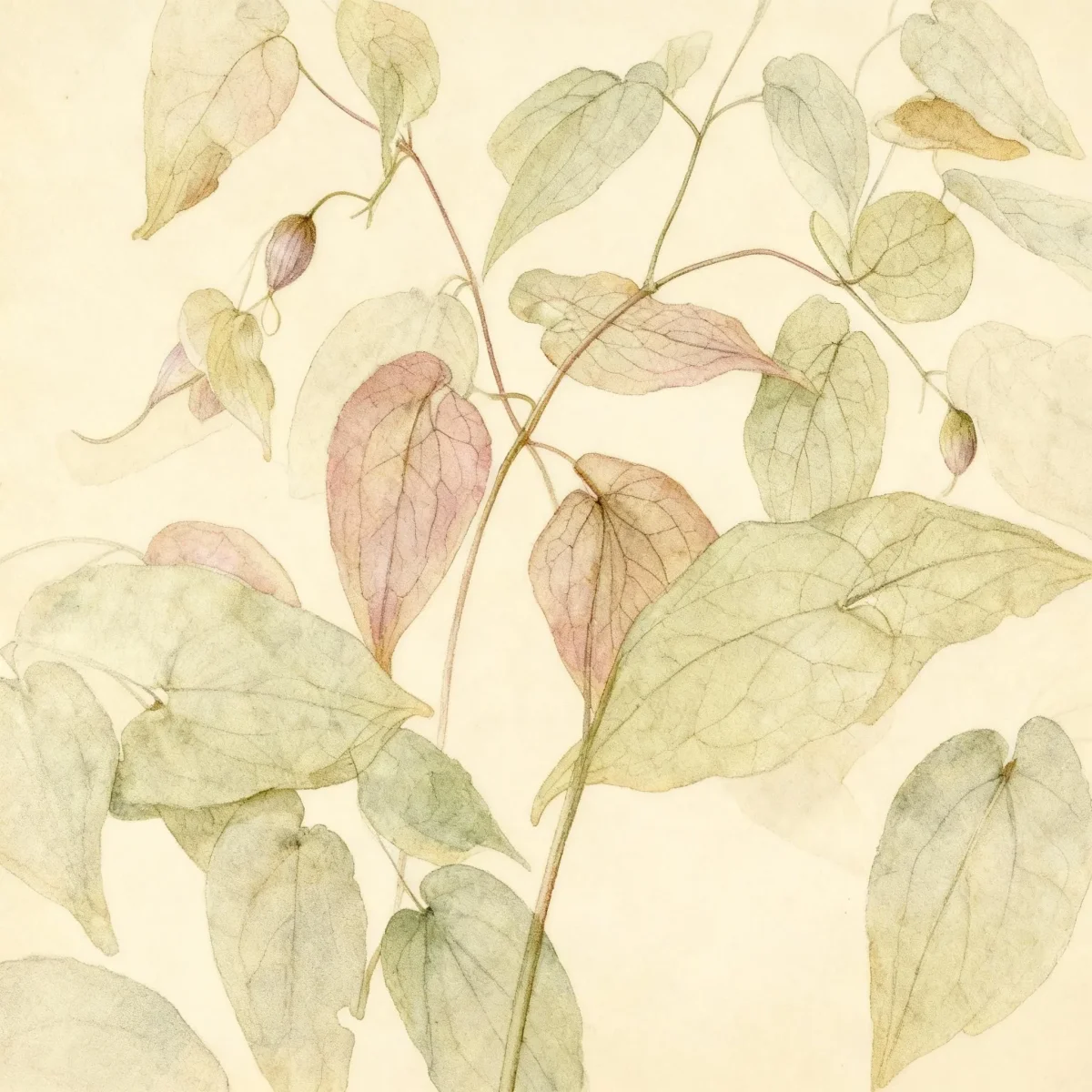
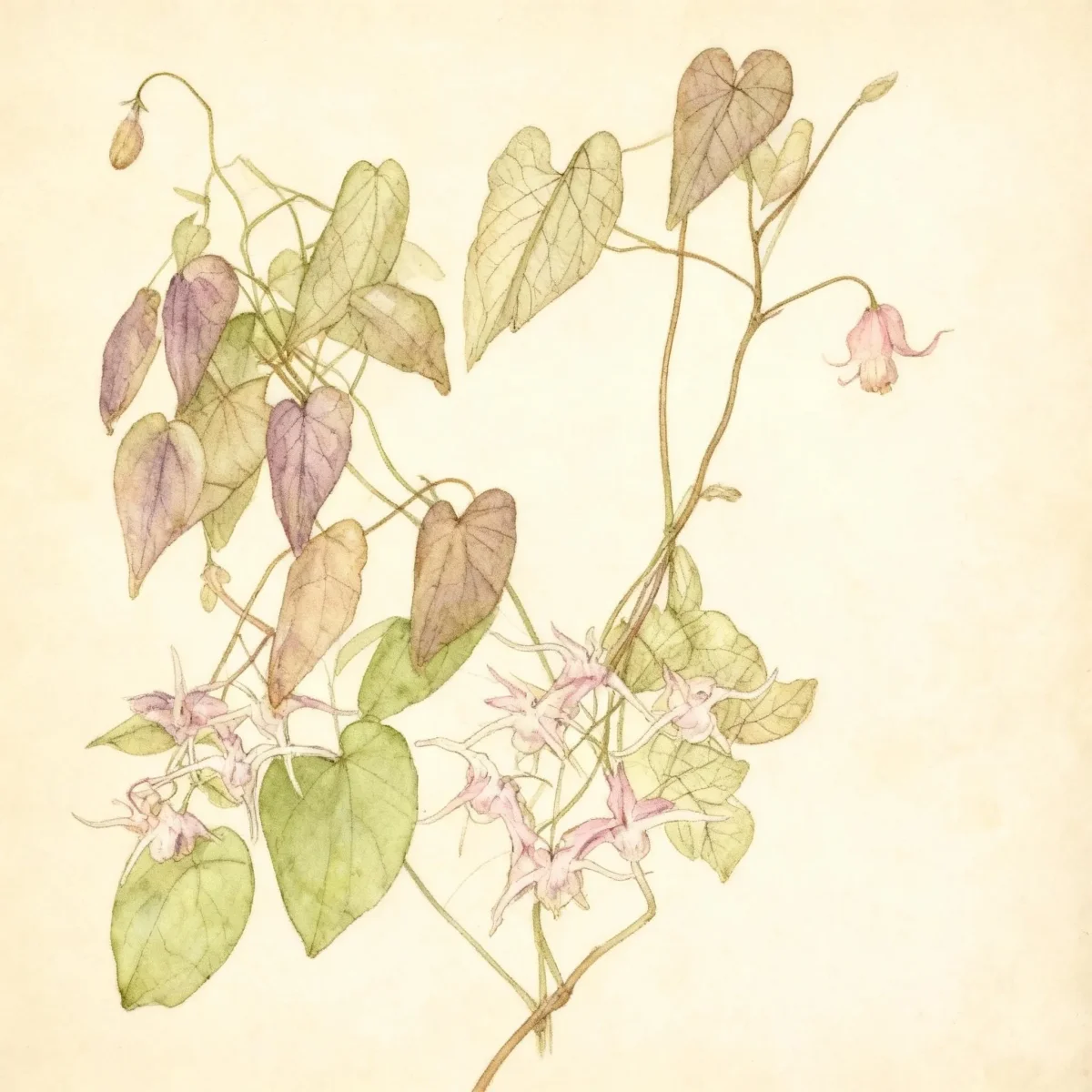
Bishop's hat (Epimedium brachyrrhizum)
Epimedium brachyrrhizum (Bishop's hat) offers rose-pink spring blooms and durable foliage, thriving in dry, shady garden spots.

Bloom Boldly, No Matter the Season - Sweatshirt
Cozy organic cotton sweatshirt featuring our exclusive Purple Coneflower design. Perfect for gardeners who bloom year-round.
Inspired by the beautiful Bishop's hat
Limited first batch (50) — join the waitlist for early access
Waitlist closes Feb 15, 2026.
Complete Plant Information
Field Guide Continues
Ready for care notes, companion picks, and planting tips?
The map is just the start. The full guide below covers growth habits, seasonal performance, and landscape uses.
Overview
Epimedium brachyrrhizum, commonly known as Bishop’s hat, is a standout choice for difficult dry shade conditions where many other perennials struggle. This low-growing ground cover forms attractive colonies slowly via creeping rhizomes, providing reliable texture throughout the season. Its primary aesthetic appeal arrives in the spring when clumps of foliage are topped by charming, spider-like rose-pink flowers.
Native to wooded slopes in China, Epimedium brachyrrhizum is valued for its low maintenance requirements once established. It excels at stabilizing soil and suppressing weeds in dappled light areas. Gardeners appreciate this specific species because it often displays some of the largest flowers within the entire Epimedium genus.
For gardeners seeking tough, attractive woodland plants, few competitors match the resilience and refined beauty offered by Bishop’s hat. Its ability to handle drought and heavy shade makes planning shade gardens much simpler, securing its spot as an indispensable perennial.
Fast Facts
- Plant Family: Berberidaceae
- Plant Type: Herbaceous perennial
- Native Range: China
- Hardiness Zones: USDA Zones 5-9
- Size at Maturity:
- Height: 0.5-1 ft
- Spread: 0.5-1 ft
- Bloom Time: April to May
- Bloom Description: Rose-pink
- Sun Exposure: Part shade to full shade
- Water Needs: Dry to medium
- Maintenance Level: Low
How to Grow
Planting Epimedium brachyrrhizum is best done in spring or fall when soil temperatures are moderate. Ensure the planting site offers average, acidic, well-drained soil. While it needs well-drained conditions, this plant prefers loose, organically rich loams that hold some moisture; however, established plants are remarkably drought-tolerant due to their rhizomes.
Water needs are dry to medium. During establishment, provide consistent moisture, especially if planting in part shade demanding morning sun or dappled light. Once settled, Epimedium brachyrrhizum tolerates considerable dryness, making it perfect for dry shade under mature trees. Avoid planting in alkaline soils, which this perennial strongly rejects.
Maintenance is generally low. Foliage may appear deciduous in colder zones (5-7), requiring you to cut back any remaining old leaves in late winter just before new growth emerges. In warmer regions or if the plant retains its leaves, minimal intervention is needed. Propagate these attractive colonies by dividing the creeping rhizomes in early spring or fall.
Landscape Uses
Bishop’s hat is ideally suited as a dependable ground cover or border edger in difficult, shady locations. Due to its tough nature, it’s excellent for massing in naturalized areas, woodland gardens, or beneath mature trees where root competition limits other plantings. The slow spread of Epimedium brachyrrhizum allows it to form neat, long-lasting colonies rather than aggressive patches.
Use this perennial along winding paths or at the front of shaded borders, capitalizing on its neat habit and early spring color. Because it tolerates dry soil and erosion, consider planting on gentle slopes within mixed shade borders to stabilize the area while maintaining visual continuity.
This plant pairs wonderfully with other shade lovers whose needs overlap, such as Hosta, Ferns, or Brunnera, but it distinctly outcompetes them in areas of established dryness. The texture of the mature dark green leaves of Epimedium brachyrrhizum provides a substantial backdrop for more fleeting spring bulbs.
Standout Features
Flower Qualities
- Showy
Noteworthy Characteristics
Epimedium brachyrrhizum, commonly called bishop’s hat, fairy wings or short-root barrenwort, is a low-growing, short-rhizomed, clump-forming perennial that typically grows to 8-10” tall. It is noted for having some of the largest flowers in the genus, with foliage emerging tinged with rose or purple before maturing to dark green. The specific epithet brachyrrhizum refers to its short root structure.
Tolerances
- Rabbit
- Deer
- Drought
- Heavy Shade
- Erosion
- Dry Soil
- Shallow-Rocky Soil
Potential Problems
This plant generally exhibits no serious insect or disease problems, lending to its low maintenance rating. The primary disease concern is Mosaic virus, which is transmitted through aphid feeding. Ensure good air circulation and monitor for aphid infestations, treating them promptly if observed, to prevent viral spread.
Healthy establishment within appropriate soil conditions (avoiding heavy clay or alkaline sites) is the best preventative measure against stress-related issues. If foliage appears scorched, this is almost always an indicator of too much afternoon sun exposure, not a disease issue.
Frequently Asked Questions
What hardiness zones is Bishop’s hat suitable for?
Epimedium brachyrrhizum performs reliably across USDA Zones 5 through 9.
How large does Epimedium brachyrrhizum grow?
This perennial maintains a low profile, typically reaching heights between 0.5 and 1 foot tall, with a similar spread of 0.5 to 1 foot.
When does Bishop’s hat bloom?
The flowering period for Epimedium brachyrrhizum occurs from April into May, showcasing distinctive rose-pink blossoms.
What sun exposure does Epimedium brachyrrhizum need?
This plant prefers part shade to full shade; prolonged afternoon sun will likely burn the attractive foliage.
Conclusion
The resilience, low maintenance, and unique spring display of rose-pink flowers secure the value of Epimedium brachyrrhizum for any challenging landscape. If you have dry, shaded areas, this Bishop’s hat variety is an exceptional choice for long-term ground cover. Confirm your site falls within USDA Zones 5-9 and aim to plant during the active growing season for best results.
Companion Planting
When selecting companions for Epimedium brachyrrhizum, focus on plants that appreciate similar dry shade throughout the late spring and summer. Hellebores (Helleborus) are excellent partners, offering contrasting evergreen foliage and blooms that often precede the Epimedium. Similarly, native woodland ferns, such as Christmas Fern, thrive under the same canopy and provide delicate textural contrast to the leathery leaves of Bishop’s hat.
Remember that since this plant spreads slowly via rhizomes, it benefits from being planted near slower-growing, substantial perennials. Avoid highly vigorous ground covers that might smother the developing colonies of Epimedium brachyrrhizum before they have a chance to fully establish their presence.
Seasonal Care Calendar
Late Winter is crucial for deciduous varieties of Bishop’s hat; cut back old, spent foliage before new growth erupts to allow the spring flowers their moment of glory. Spring provides the main show with the rose-pink flowers, followed by the fresh emergence of leaflets tinged with purple. Minimal watering is required during summer unless exceptional drought persists, thanks to its rhizomatous moisture retention. As temperatures fall, note whether your specific plant retains its leaves through winter (more common in Zone 8/9) or goes fully dormant (more common in Zone 5/6).