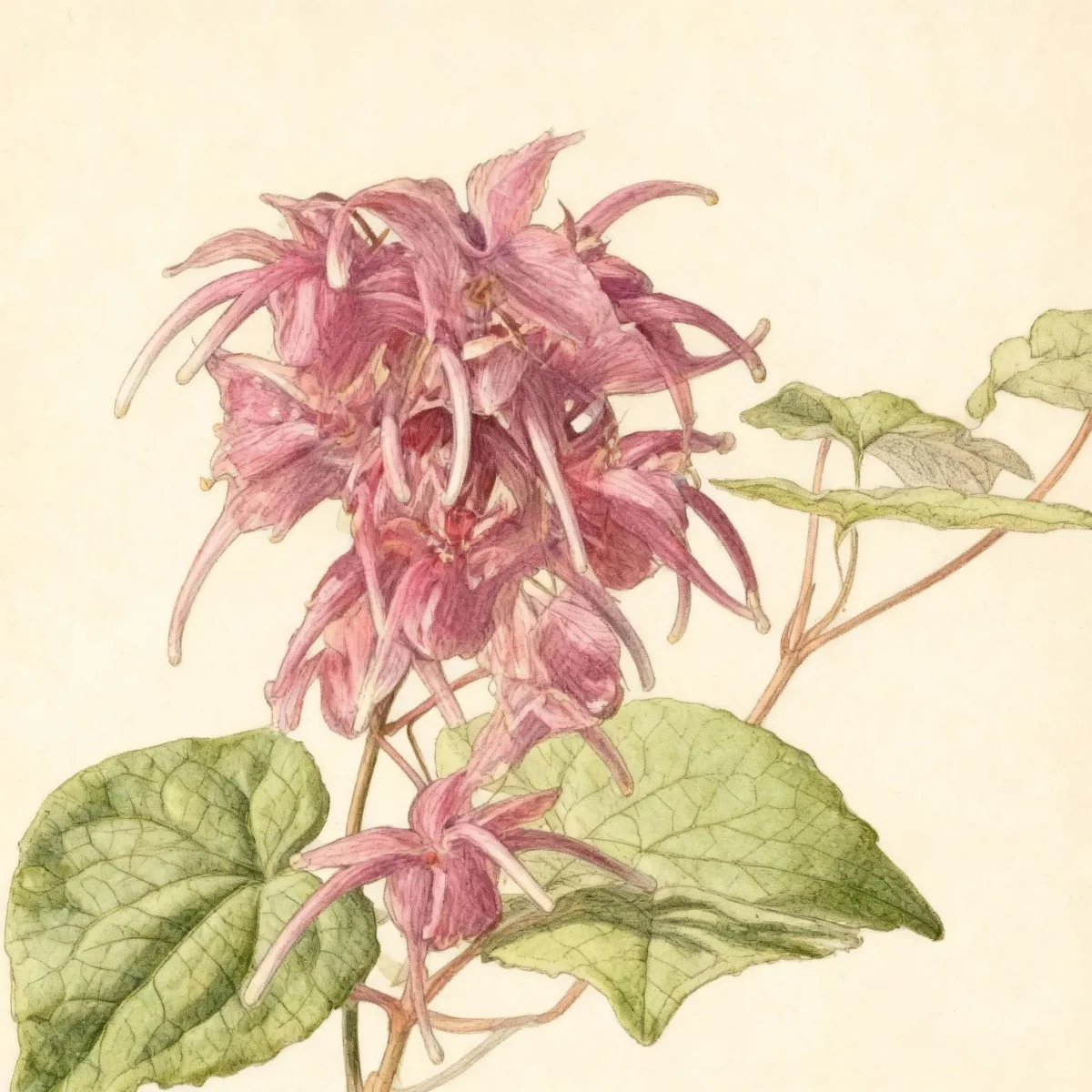
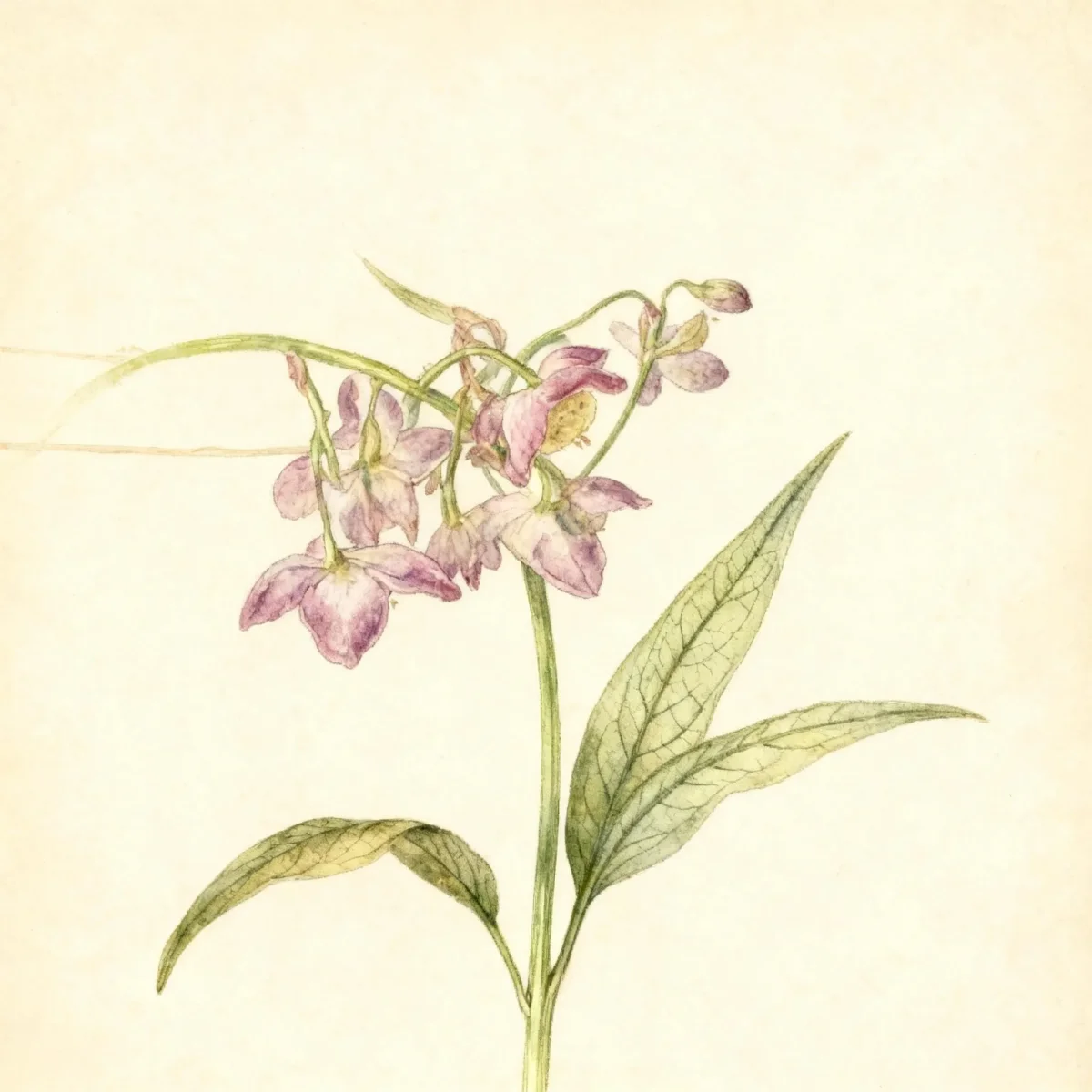
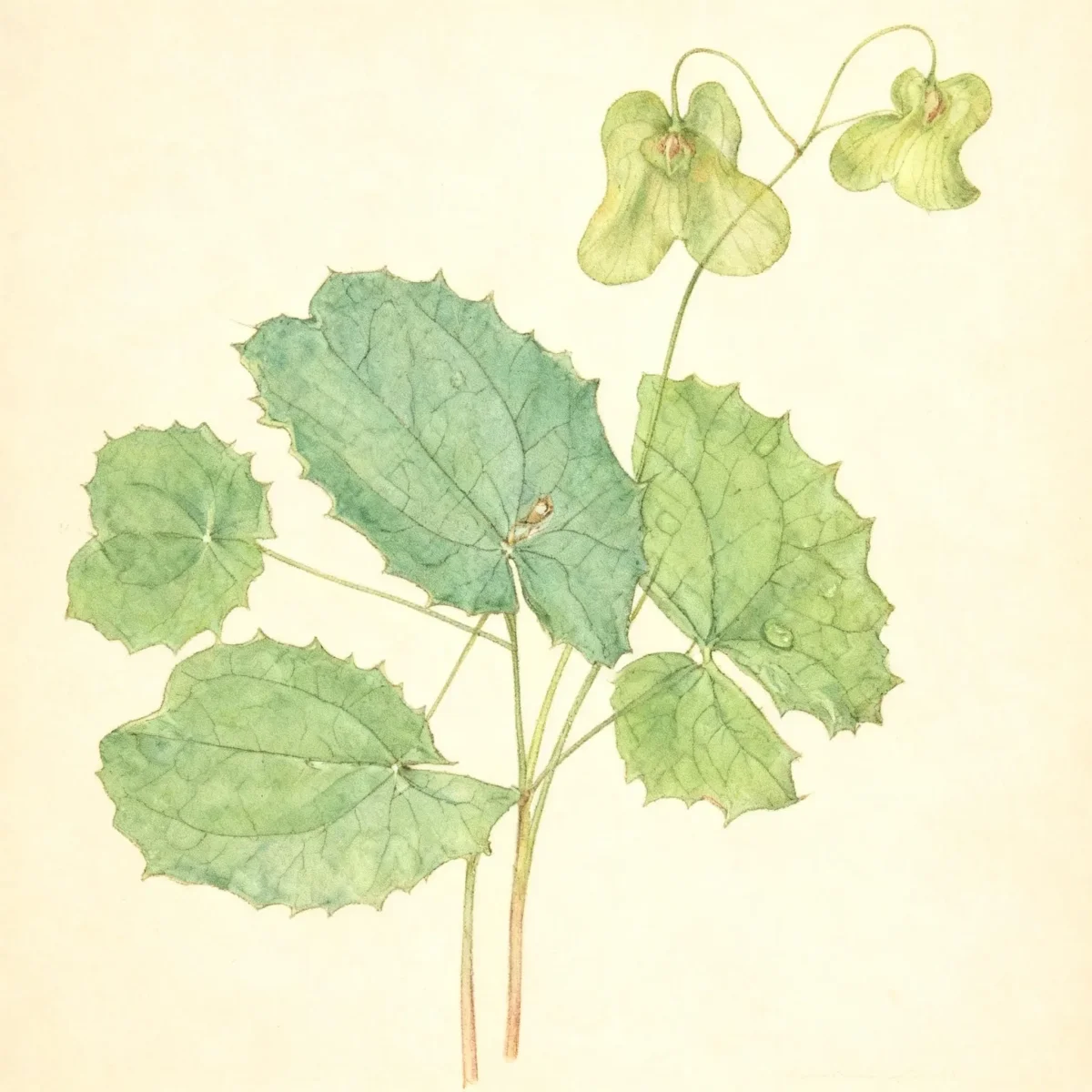
Bishop's hat (Epimedium ilicifolium)
Epimedium ilicifolium (Bishop's hat) is a low-maintenance, evergreen perennial offering unique yellow blooms and holly-like foliage in shade.

Bloom Boldly, No Matter the Season - Sweatshirt
Cozy organic cotton sweatshirt featuring our exclusive Purple Coneflower design. Perfect for gardeners who bloom year-round.
Inspired by the beautiful Bishop's hat
Limited first batch (50) — join the waitlist for early access
Waitlist closes Feb 15, 2026.
Complete Plant Information
Field Guide Continues
Ready for care notes, companion picks, and planting tips?
The map is just the start. The full guide below covers growth habits, seasonal performance, and landscape uses.
Overview
The Epimedium ilicifolium, widely recognized by the common name Bishop’s hat, is a stand-out choice for gardeners seeking reliable, attractive ground cover for deeply shaded areas. Its appeal lies in the distinctive, sharp-edged, holly-like foliage which remains evergreen, offering winter interest where other plants fail. Blooming in early spring, the delicate, spider-like yellow flowers float above this foliage mound, leading to its other common moniker, fairy wings.
This herbaceous perennial spreads slowly via short creeping rhizomes, eventually forming neat colonies perfect for filling voids beneath mature trees or along shady woodland paths. Despite being native to China where it was discovered relatively recently in 1998, Epimedium ilicifolium has proven exceptionally robust, requiring minimal gardener intervention once established.
It offers fantastic structural interest due to its unique leaf texture, classifying it as an excellent low-maintenance solution for difficult, dry shade sites. For those cultivating shade gardens, Epimedium ilicifolium delivers year-round appeal with minimal fuss.
Fast Facts
- Plant Family: Berberidaceae
- Plant Type: Herbaceous perennial
- Native Range: China
- Hardiness Zones: USDA Zones 5-9
- Size at Maturity:
- Height: 0.75-1 ft
- Spread: 1-1.5 ft
- Bloom Time: April
- Bloom Description: Yellow
- Sun Exposure: Part shade to full shade
- Water Needs: Medium
- Maintenance Level: Low
How to Grow
For the best performance, plant Bishop’s hat in the fall or early spring using fertile, well-drained soil amended heavily with organic matter. While the genus is famous for handling dry shade, Epimedium ilicifolium thrives best in rich, loose loams that receive consistent moisture, ideally sited in full shade or dappled light. Avoid planting where it receives harsh afternoon sun, as this will almost certainly scorch the attractive foliage.
Watering should be consistent until the drifts are fully established, aiming for medium soil moisture levels. Rhizomes provide some drought resistance once mature, aligning with its drought tolerance rating, but supplemental water during prolonged dry spells keeps the foliage looking its best. Fertilizing is rarely necessary if the initial soil was enriched with compost; excessive feeding can reduce flowering.
Maintenance for Epimedium ilicifolium is wonderfully low. Pruning is generally only needed to remove any older, damaged leaves in early spring before the new flower spikes emerge, though its evergreen nature often means less cleanup is required than many deciduous perennials. Clumps spread slowly, requiring no dividing for many years.
Landscape Uses
Epimedium ilicifolium excels as dependable ground cover, rapidly colonizing shaded floors to suppress weeds beneath taller plantings. Its suitability for naturalizing means it blends seamlessly into woodland or wild garden settings where its clump-forming habit creates soft textural carpets. Use this Bishop’s hat variety as an attractive edger along shady walkways or to soften the transition between lawn and woodland borders.
Leverage the distinctive foliage by planting Epimedium ilicifolium alongside plants that offer contrasting leaf shapes or color, such as hostas with smooth, bold leaves or ferns with fine, airy fronds. It is exceptionally effective when massed on slopes or in deep shade beneath evergreen trees where root competition can be intense. Providing year-round structure and spring bloom, it is a vital building block for any successful shade garden design.
Standout Features
Flower Qualities
- Showy
Noteworthy Characteristics
Epimedium ilicifolium, commonly known as holly-leaf fairy wings, is an alpine evergreen perennial in the barberry family that grows in a foliage clump to 12” tall spreading by short creeping rhizomes to 18” wide. Each flower spike rises above the foliage mound in early spring (April) bearing 25-30 large spider-type yellow flowers; the specific epithet means with leaves like holly. These easy-to-grow plants are frequently called Bishop’s hat because the four-spurred flowers of some genus members resemble a clergyman’s biretta.
Tolerances
- Drought
Potential Problems
This species of Epimedium ilicifolium is generally resilient, boasting no serious insect or disease problems under proper growing conditions. The primary concern involves mosaic virus, which is transmitted passively by aphids feeding on the plant. To prevent this issue, it is crucial to manage aphid populations early, especially when new growth first emerges.
Since Epimedium ilicifolium tolerates dry shade well, ensure planting sites have adequate drainage to prevent root rot, which is a more common issue than pest infestation. If mosaic virus is suspected, infected plants should be carefully removed and discarded to stop potential spread within the colony.
Frequently Asked Questions
What hardiness zones is Bishop’s hat suitable for?
Epimedium ilicifolium is suitable for USDA Hardiness Zones 5 through 9, providing reliable perennial coverage across a wide range of temperate climates.
How large does Epimedium ilicifolium grow?
This perennial typically reaches a mature height between 0.75 and 1 foot tall, with a spread ranging from 1 to 1.5 feet wide via creeping rhizomes.
What sun exposure does Epimedium ilicifolium need?
Epimedium ilicifolium thrives best in part shade or full shade conditions; exposure to intense afternoon sun will usually result in foliage burn.
When does Bishop’s hat bloom?
This variety blooms reliably in April, producing attractive yellow flowers elevated above the evergreen foliage clump.
Conclusion
The Epimedium ilicifolium, or Bishop’s hat, offers invaluable evergreen structure, drought tolerance, and unique spring flowers, making it an essential element for difficult, shady garden locations. Its low maintenance requirements ensure long-term success with minimal effort, confirming its status as a favorite shade perennial. Before planting, check your local USDA zone compatibility and prepare a rich, well-draining soil to give your new colony the best start.
Companion Planting
Selecting companions for Epimedium ilicifolium should focus on plants that share similar cultural needs for part shade and rich soil. Consider pairing the delicate, spiky flowers and holly-like leaves with the broad texture of Hosta varieties known for blue or gold foliage, which contrast beautifully with the yellow spring blooms of Bishop’s hat. Ferns are excellent neighbors, particularly Japanese Painted Ferns or Autumn Ferns, whose fine texture balances the density of the Epimedium.
Aim for companions that emerge slightly later or bloom at different times to extend visual interest throughout the season. Since Epimedium ilicifolium spreads slowly but steadily, ensure companions are not overly aggressive, allowing the Bishop’s hat sufficient room to form its attractive colony over time. Ground covers like Tiarella (Foamflower) also thrive in similar conditions and complement the overall woodland aesthetic.
Propagation Tips
The primary method for increasing your Epimedium ilicifolium supply is division, which is best performed in the early spring before active new growth begins, or in early fall. Gently dig up sections of the established clump, ensuring each division retains healthy roots and some crown material. These divisions can be immediately replanted into a prepared site at the same depth they were growing previously.
Because Epimedium ilicifolium spreads by creeping rhizomes, care must be taken when dividing to ensure you capture enough root structure for successful re-establishment. While slow to establish from seed, division allows gardeners to quickly expand the coverage of this wonderful ground cover, providing more of that desirable holly-leaf texture in shady spots the following year.