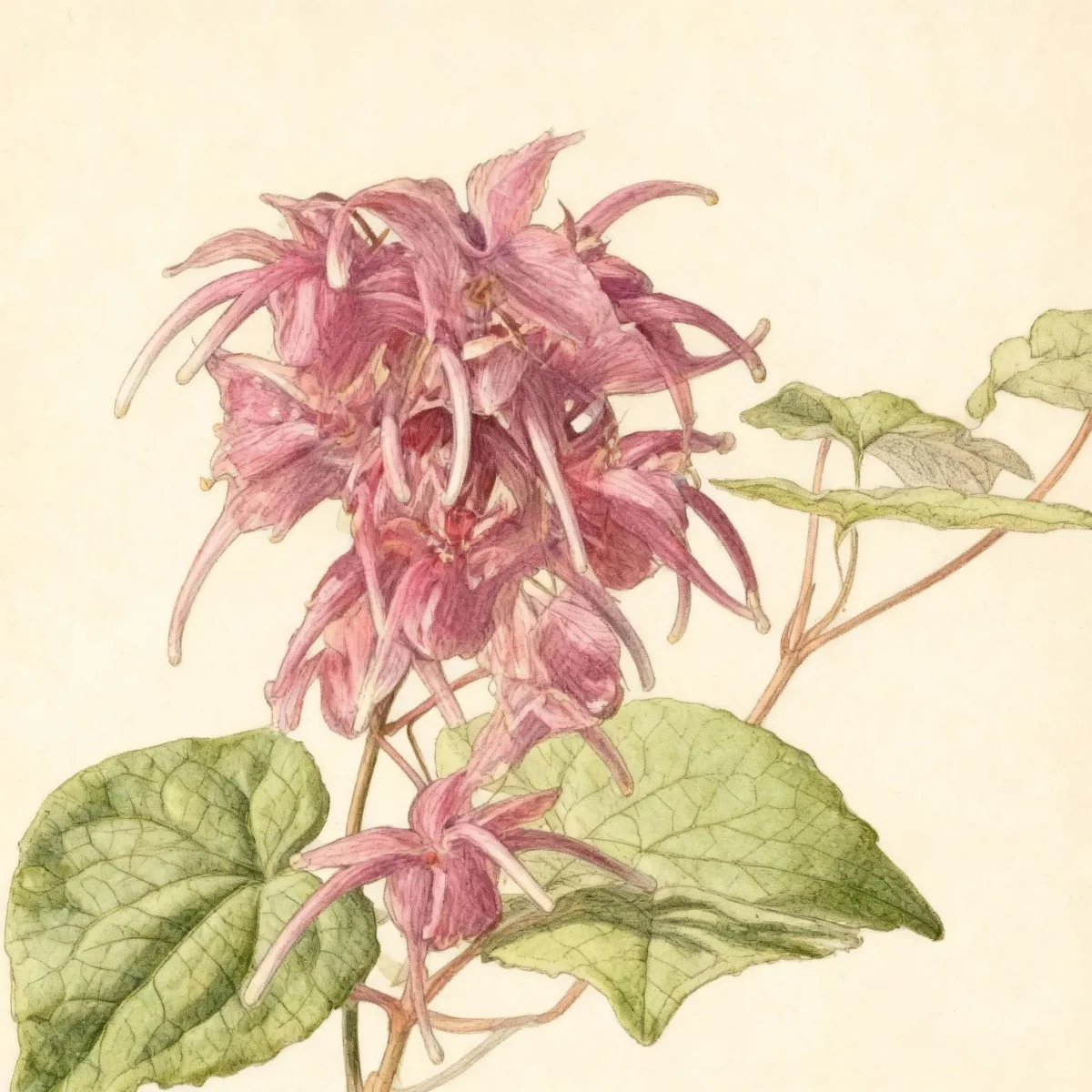
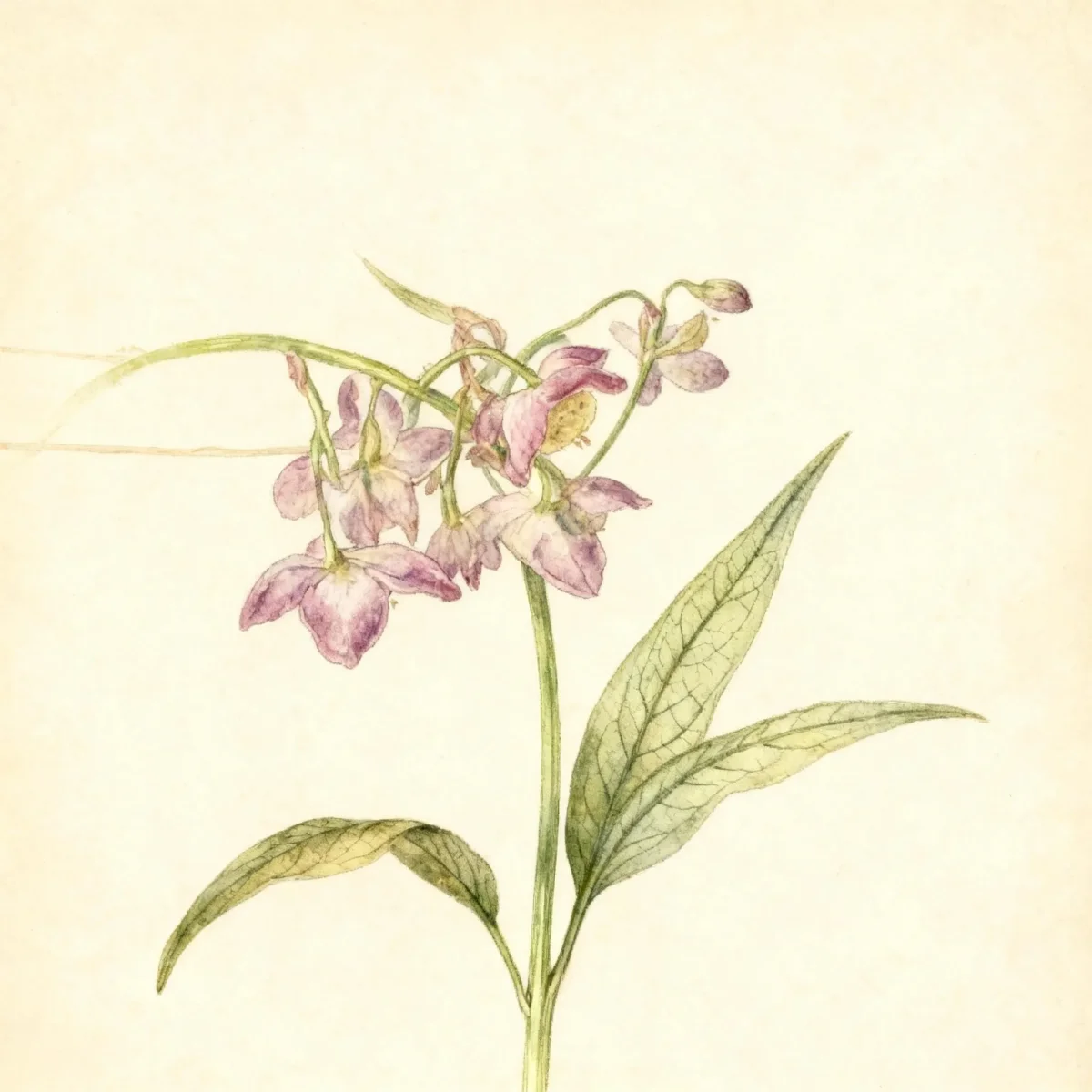
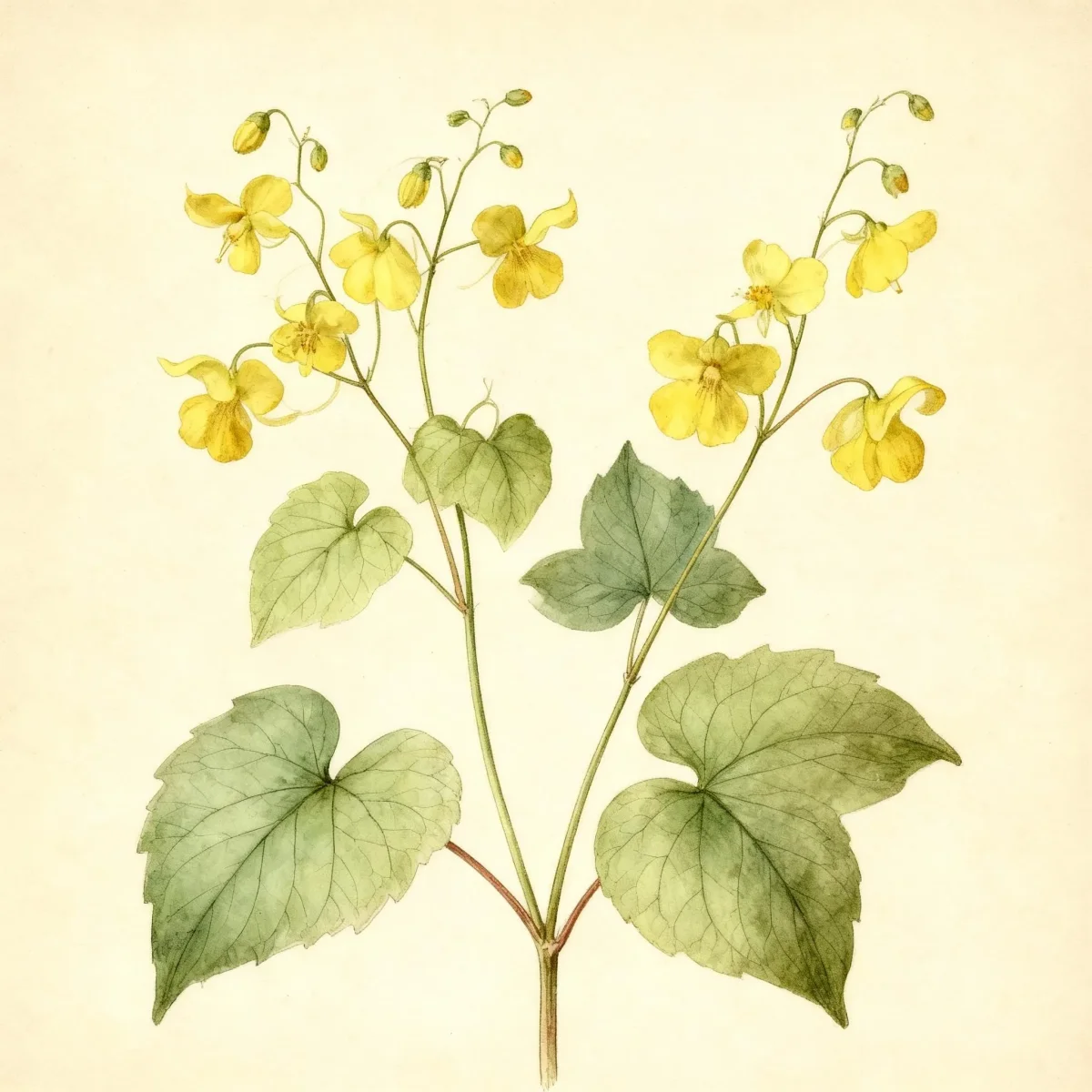
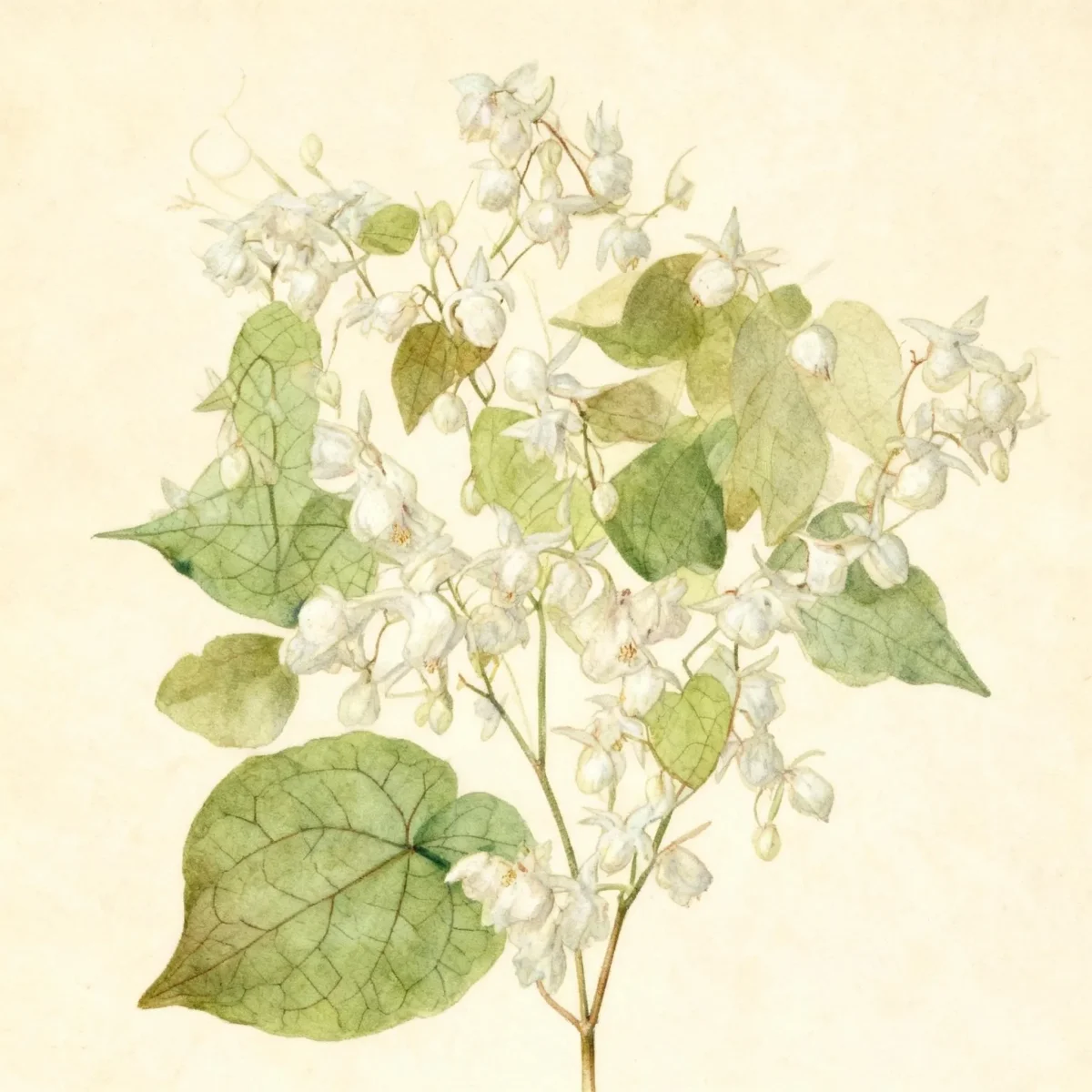
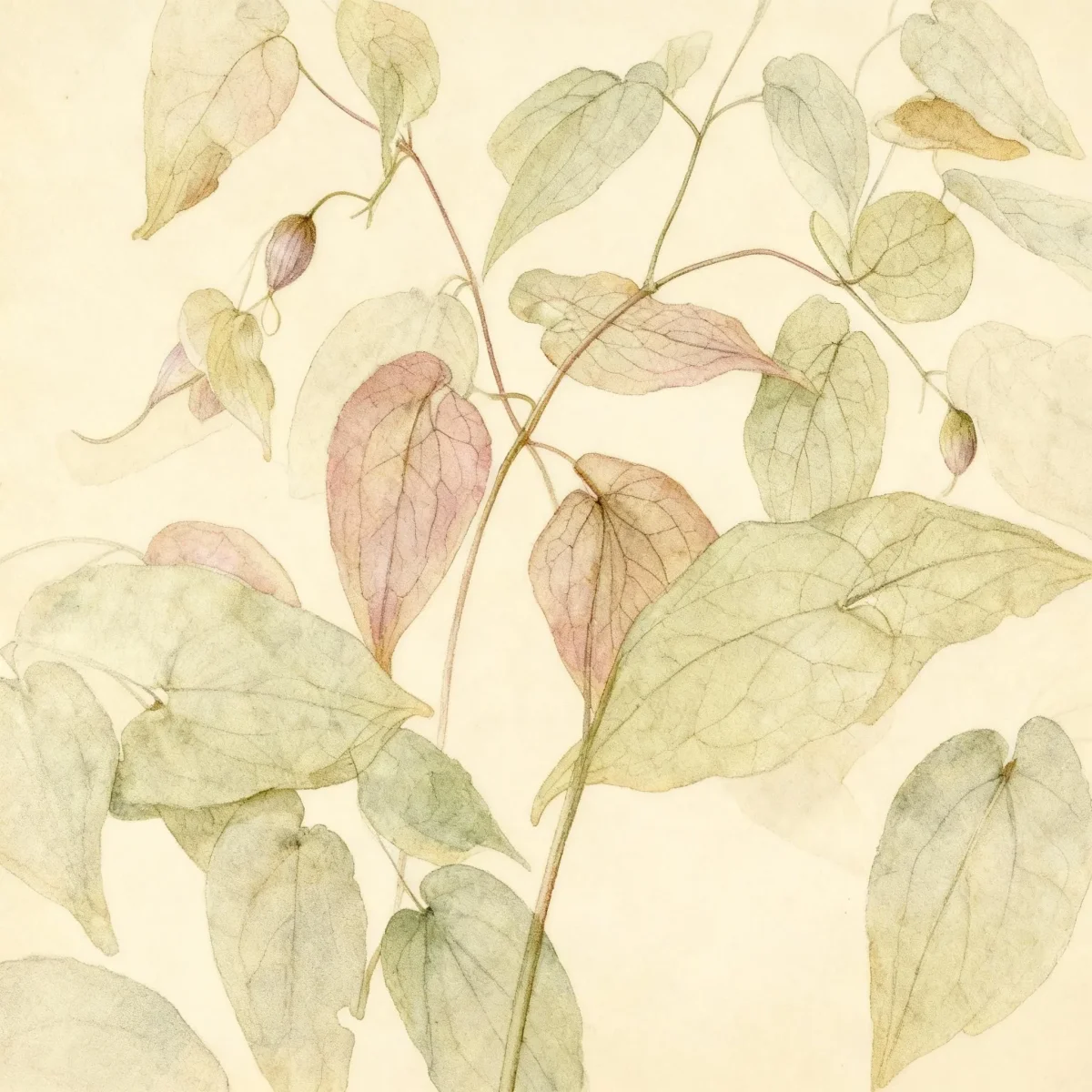
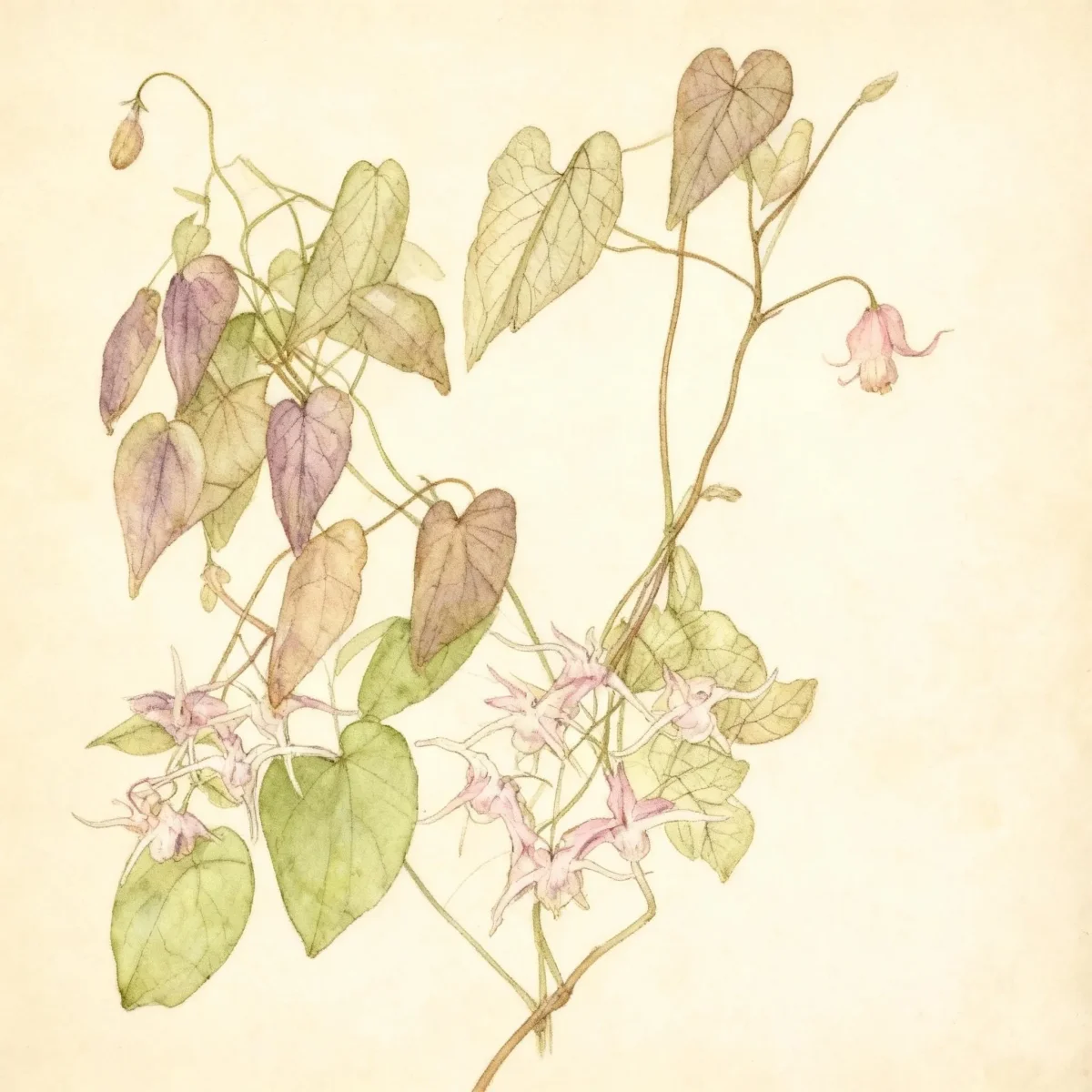
Bishop's hat (Epimedium stellulatum)
Epimedium stellulatum, or Bishop's hat, is a low-maintenance perennial offering star-like white flowers and excellent dry shade tolerance.


Bloom Boldly, No Matter the Season - Sweatshirt
Cozy organic cotton sweatshirt featuring our exclusive Purple Coneflower design. Perfect for gardeners who bloom year-round.
Inspired by the beautiful Bishop's hat
Limited first batch (50) — join the waitlist for early access
Waitlist closes Feb 15, 2026.
Complete Plant Information
Field Guide Continues
Ready for care notes, companion picks, and planting tips?
The map is just the start. The full guide below covers growth habits, seasonal performance, and landscape uses.
Overview
Bishop’s hat (Epimedium stellulatum) is a highly valuable, low-growing perennial prized for its resilience in challenging, shady environments. This charming woodland native produces striking star-like white flowers early in the season, often preceding the emergence of its attractive foliage. Its ability to thrive where many other plants fail makes Epimedium stellulatum an essential component of the shade garden.
This species forms dense clumps slowly via creeping rhizomes, eventually creating an excellent mat ideal for ground cover applications. Epimedium stellulatum is notable for its low maintenance requirements once established, demanding minimal attention beyond cutting back old growth in late winter in colder climates. Gardeners rely on Bishop’s hat for reliable performance and year-round texture.
The delicate, airy blooms give rise to its common name, sometimes referred to as Fairy wings, contrasting beautifully with its shield-shaped leaflets. For gardeners seeking dependable coverage for dry shade or under mature trees, Epimedium stellulatum is a proven, low-growing solution.
Fast Facts
- Plant Family: Berberidaceae
- Plant Type: Herbaceous perennial
- Native Range: China
- Hardiness Zones: USDA Zones 4-8
- Size at Maturity:
- Height: 0.75-1.5 ft
- Spread: 0.75-1.5 ft
- Bloom Time: April to May
- Bloom Description: White
- Sun Exposure: Part shade to full shade
- Water Needs: Dry to medium
- Maintenance Level: Low
How to Grow
Plant Bishop’s hat in the early spring or fall when soil temperatures are moderate and moisture is available. The key to success with Epimedium stellulatum is excellent drainage; avoid heavy, waterlogged clay, and especially avoid alkaline soils. Locate it in part shade, preferring dappled light or morning sun, as intense afternoon sun exposure will scorch the attractive foliage. Incorporate plenty of organic matter when planting to create the loose, rich loam this species prefers.
While establishing, provide consistent moisture to help the rhizomes take hold. Once established, Epimedium stellulatum exhibits excellent drought tolerance due to its ability to store moisture below ground. For mature plants, watering deeply but infrequently during dry spells is generally sufficient. Fertilization is rarely necessary if the soil is amended with compost annually.
Pruning is minimal. In colder climates where the foliage becomes tattered over winter, cut all dead material back in late winter just before the new growth emerges. This practice keeps the appearance neat and allows the spring flowers of Epimedium stellulatum to shine unobstructed. Propagation is easily achieved through division of the rhizomes in early spring or fall.
Landscape Uses
The primary role of Bishop’s hat in landscape design is as a steadfast ground cover for shady sites. Its slow but steady spreading via rhizomes makes it perfect for naturalizing under large deciduous trees where turf struggles to survive. It excels when massed throughout woodland gardens, creating an evergreen (in milder zones) carpet that suppresses weeds effectively.
Consider using this perennial as a low border or edger along shaded pathways, where its texture and early flowers provide definition. Because Epimedium stellulatum tolerates dry shade and erosion, it is an ideal choice for difficult, sloped areas where root competition from mature plantings is high. Pair its fine texture with larger-leaved shade plants like Hosta or Tiarella for pleasing contrast.
Flower Qualities
- Showy
Noteworthy Characteristics
Epimedium stellulatum, commonly called bishop’s hat, fairy wings or short-root barrenwort, is a low-growing, short-rhizomed, clump-forming perennial that typically grows to 10-14” tall. Star-like white flowers adorn wiry stems rising above the foliage in spring, featuring outward-spreading petaloid sepals with a contrasting clump of yellow center stamens. The specific epithet stellulatum comes from the Latin meaning small star, accurately describing the delicate appearance of the blooms.
Tolerances
- Rabbit
- Deer
- Drought
- Heavy Shade
- Erosion
- Dry Soil
- Shallow-Rocky Soil
Potential Problems
This group of perennials is remarkably resistant to most common garden pests and diseases, representing a great low-risk planting choice. The primary concern for Epimedium stellulatum involves viral issues; specifically, mosaic virus transmission, which is carried by aphids.
Managing aphid populations through regular inspection and treatment with horticultural oil or insecticidal soap can prevent the spread of this virus into new or existing colonies of Bishop’s hat. Ensure good air circulation, although its low growth habit typically minimizes air flow issues. Proper cultural care, particularly avoiding overly wet conditions, further enhances the plant’s overall health.
Frequently Asked Questions
What hardiness zones is Epimedium stellulatum suitable for?
Epimedium stellulatum is reliably hardy across USDA Zones 4 through 8.
How large does Bishop’s hat grow?
When mature, this herbaceous perennial typically reaches a height between 0.75 and 1.5 feet tall, spreading to a similar dimension.
What sun exposure does Epimedium stellulatum need?
This plant requires part shade to full shade conditions; avoid placing it where it receives harsh afternoon sun, as foliage burn is likely.
When does Bishop’s hat bloom?
The white flowers appear prominently on wiry stems during the spring months, usually spanning from April to May.
Conclusion
The rugged adaptability and aesthetic grace of Epimedium stellulatum secure its position as an indispensable shade garden staple. Its low maintenance needs, coupled with its drought tolerance and striking white spring blossoms, make Bishop’s hat an exceptional performer. Plan your planting schedule now, ensuring well-drained, slightly acidic soil to establish a thriving colony of this resilient perennial.
Propagation Tips
Since Epimedium stellulatum spreads slowly by creeping rhizomes, division is the most effective way gardeners can increase their supply. Perform divisions in either early spring before the new flower shoots gain significant height, or in the fall after the summer growth cycle has finished. Dig around the clump and gently separate sections of the root mass, ensuring each division has several healthy buds attached. Replant immediately at the same depth as the mother plant to minimize transplant shock.
Companion Planting
When integrating Epimedium stellulatum into your woodland garden design, consider companions that share its cultural needs for shade and dry-to-medium moisture. Plants like Helleborus (Lenten Rose) bloom concurrently or slightly earlier, offering excellent color contrast while sharing similar soil preferences. For textural layering beneath taller shrubs, combine this ground cover with ferns that prefer drier soil conditions, such as certain varieties of Dryopteris, creating a harmonious, low-maintenance understory planting.