Glossy abelia(Abelia × grandiflora)
A gardener's guide to glossy abelia, including its arching 3- to 6-foot habit, long bloom, winter dieback, pruning, and best landscape uses.
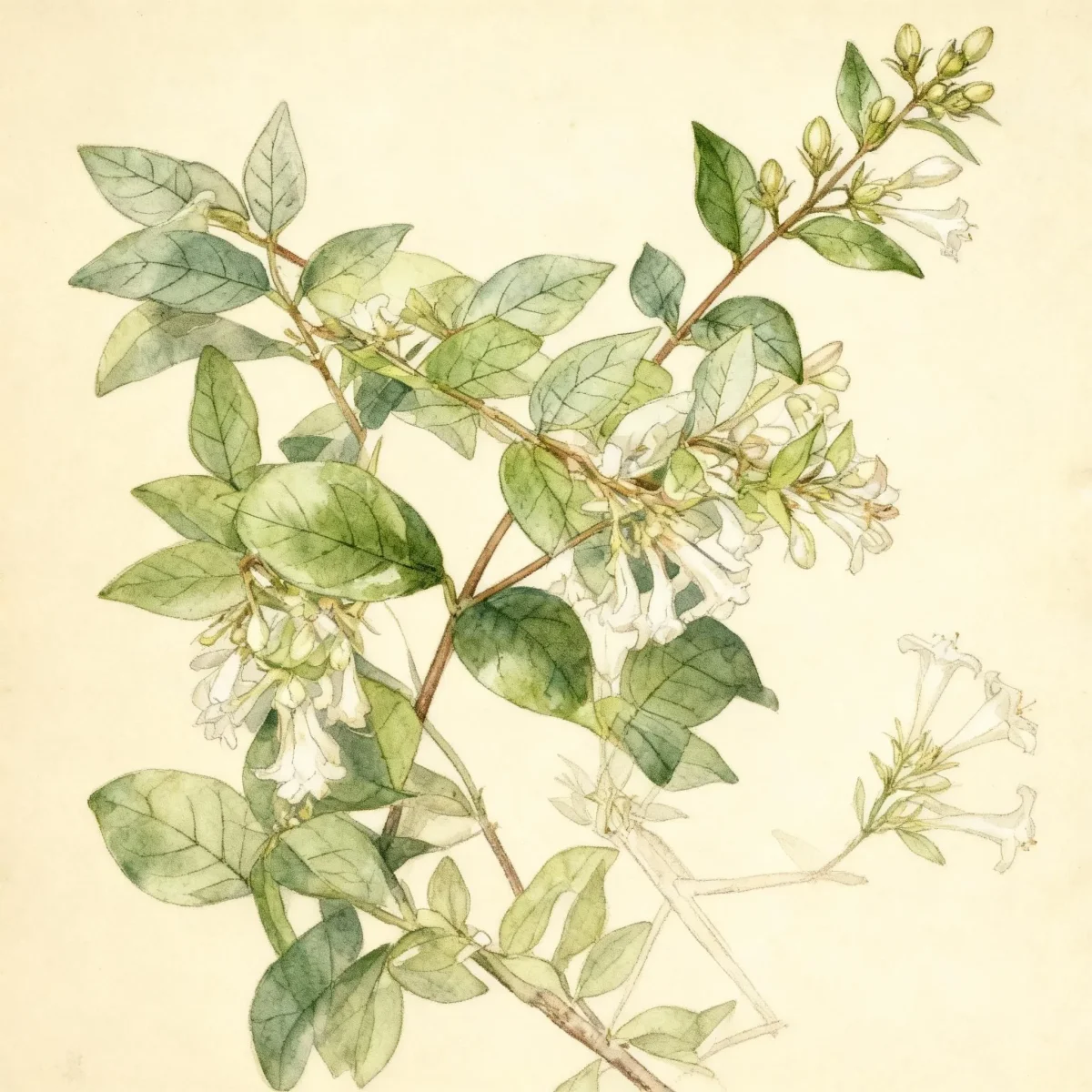
Complete Plant Information
- Hardiness zones
- USDA 5–9
- Plant type
- Deciduous shrub
- Plant family
- Caprifoliaceae
- Sun exposure
- Full sun to part shade
- Water needs
- Medium
- Maintenance
- Low
- Height
- 3–6 ft (91–183 cm)
- Spread
- 3–6 ft (91–183 cm)
- Bloom time
- May to September
- Flower color
- White/flushed pink
- Flower qualities
- Showy, Fragrant
- Fruit qualities
- Not recorded
- Tolerances
- Erosion
- Garden uses
- Hedge, Naturalize
- Native range
- Origin unknown
Field Guide Continues
Ready for care notes, companion picks, and planting tips?
The map is just the start. The full guide below covers growth habits, seasonal performance, and landscape uses.
A long-blooming shrub that looks best unsheared
Glossy abelia is a rounded, multi-stemmed hybrid shrub with arching branches, small shiny leaves, and clusters of white, pink-flushed tubular flowers. Bloom can continue from May into September because the plant flowers on new growth. Mature plants typically reach 3 to 6 feet in height and spread, although winter damage can keep them much shorter near the cold edge of their range.
This is a good shrub for an informal hedge, a sunny mixed border, or a bank where graceful growth matters more than a rigid outline. It is a poor candidate for a narrow formal hedge: repeated shearing removes flowers and turns arching branches into a dense outer shell. In warmer climates it may retain much of its foliage; in colder gardens it behaves as deciduous and may die back substantially.
For a smaller variegated selection, compare ‘Miss Lemon’ glossy abelia. If a compact shrub with deep blue late-summer flowers would suit the color plan better, ‘Dark Knight’ bluebeard shares a preference for sun but has a different form and foliage.
Give the arching stems enough space
Choose full sun for the most flowers and the densest habit. Part shade is tolerated, but bloom and leaf color may be reduced. The soil should drain freely while holding moderate moisture. Glossy abelia can adapt after establishment, but a newly planted shrub should not be expected to thrive on rainfall alone during a hot, dry first summer.
Plant in spring or fall, keeping the root flare level with the soil surface. Water the root ball and surrounding soil slowly, then mulch without burying the stems. Measure from the center of the plant to nearby paths, windows, and neighboring shrubs using a mature radius of up to 3 feet. This prevents a future cycle of hard pruning.
The stated hardiness range is USDA Zones 5 through 9. Check your location with the interactive hardiness zone map. Zone 5 is the risky edge: even when roots survive, exposed stems may be killed by winter cold. A protected site and adequate autumn moisture can help, but they cannot make every winter mild.
Pruning follows its new-wood bloom cycle
Wait until late winter or early spring to assess cold damage. Remove dead stems to healthy wood, then thin a few of the oldest branches at ground level if the shrub has become congested. Because flowers form on the current season’s growth, this timing preserves the coming bloom better than repeated summer clipping.
An old, overgrown plant can often be renewed gradually by removing a portion of the oldest stems over several years. Avoid cutting only the outside into a ball. The aim is to keep light and air moving through the shrub while allowing young branches to arch.
Deep watering during extended drought supports flowering. Routine heavy fertilizer is unnecessary and may produce floppy shoots. A modest compost mulch and attention to soil moisture are more useful in most established beds.
Serious pest and disease issues are uncommon. When leaves yellow or branches decline, check winter injury, drainage, drought, and physical damage before assuming an insect is responsible. Remove broken wood cleanly and avoid keeping the root zone constantly wet.
Practical design combinations
Use glossy abelia as the middle layer between a taller evergreen backdrop and lower perennials. Its small leaves pair well with broad foliage, and its pale flowers leave room for stronger summer colors. On a slope, plant in a broad group rather than a single row, leaving access for watering and pruning while the roots establish.
Common questions
Is glossy abelia evergreen?
It depends on winter climate. It may be semi-evergreen in warm areas but is deciduous, and often partly stem-killed, in colder zones.
When should it be pruned?
Prune in late winter or early spring, after the worst cold and before vigorous new growth. It flowers on new wood.
Can it make a privacy screen?
It can form a 3- to 6-foot informal screen in suitable climates, but leaf loss and winter dieback make it unreliable for year-round privacy.
Recommended Companion Plants
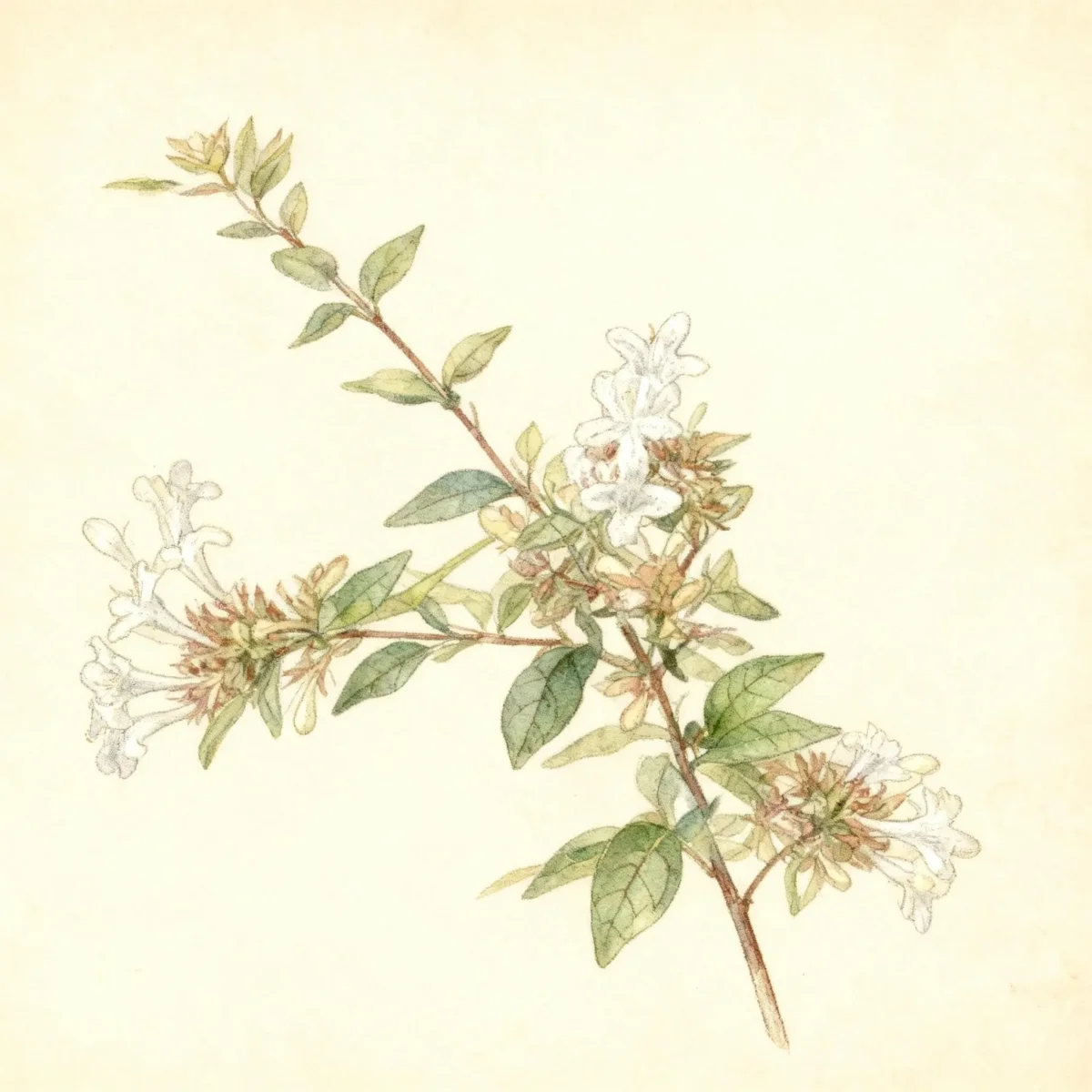
Glossy abelia
Abelia × grandiflora 'Sherwoodii'
- USDA zones
- 5–9
- Light
- Full sun to part shade
- Water
- Medium
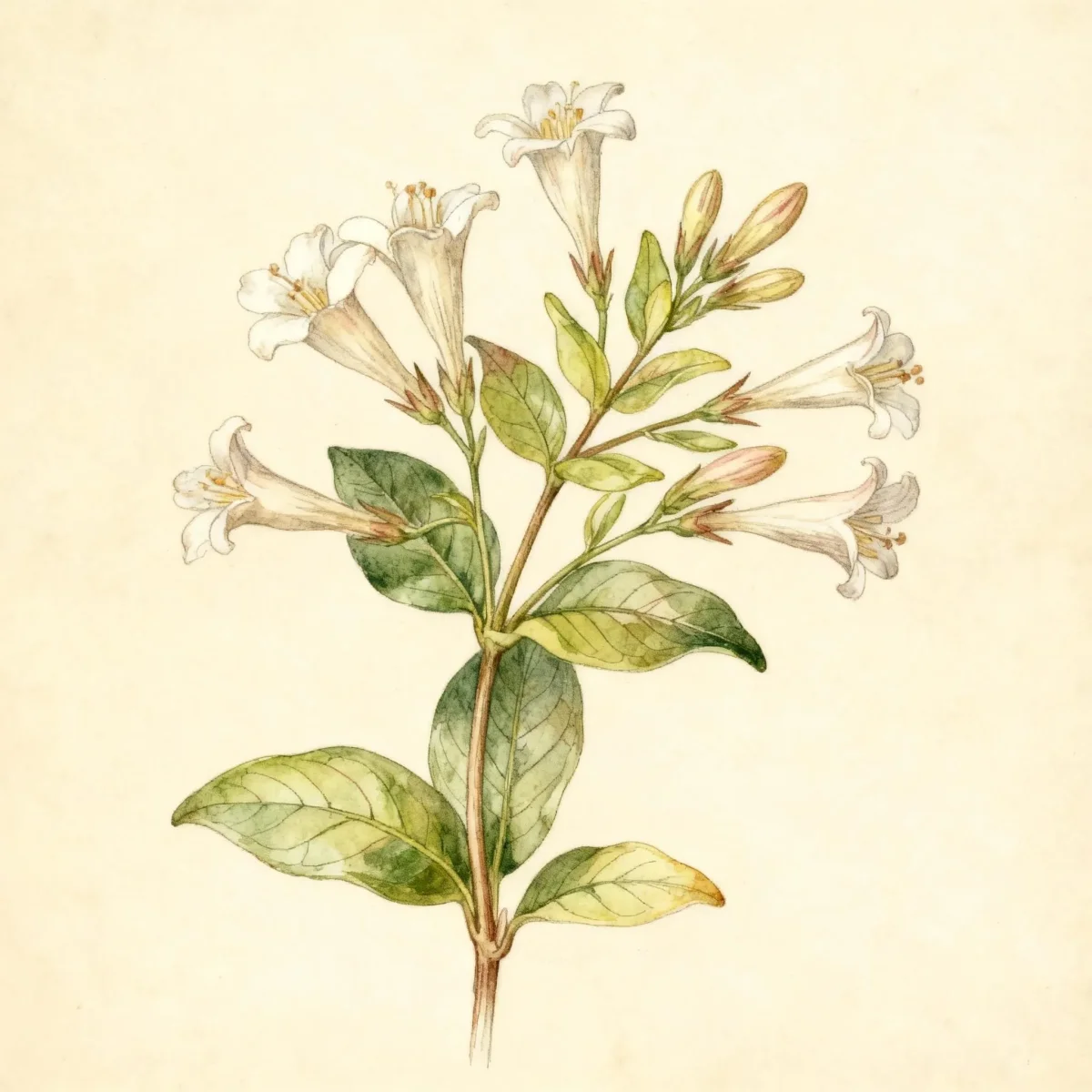
Glossy abelia
Abelia × grandiflora 'Minipan' GOLDEN ANNIVERSARY
- USDA zones
- 6–9
- Light
- Full sun to part shade
- Water
- Medium
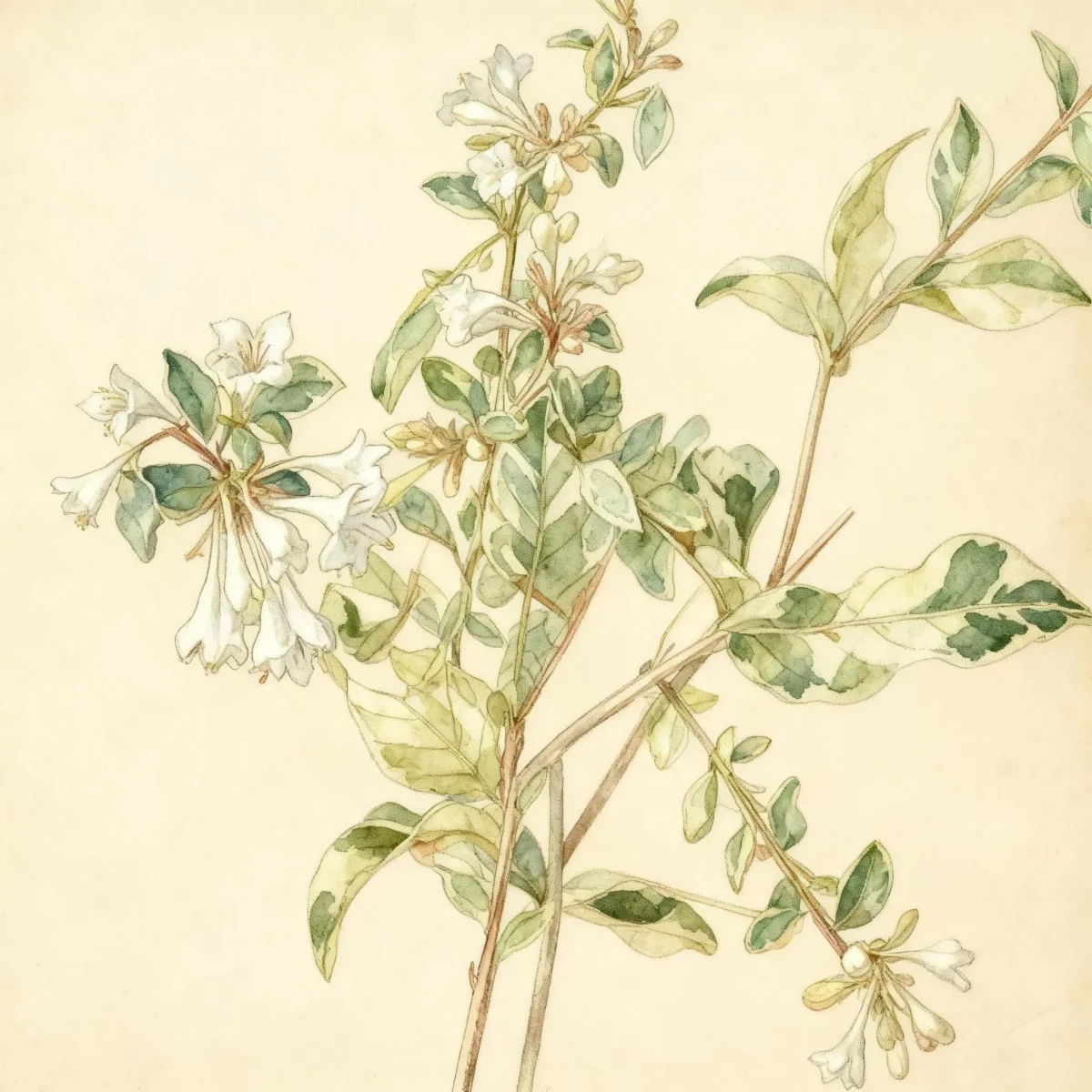
Glossy abelia
Abelia × grandiflora 'Panache' SILVER ANNIVERSARY
- USDA zones
- 6–9
- Light
- Full sun to part shade
- Water
- Medium

Glossy abelia
Abelia × grandiflora 'Kaleidoscope'
- USDA zones
- 5–9
- Light
- Full sun to part shade
- Water
- Medium
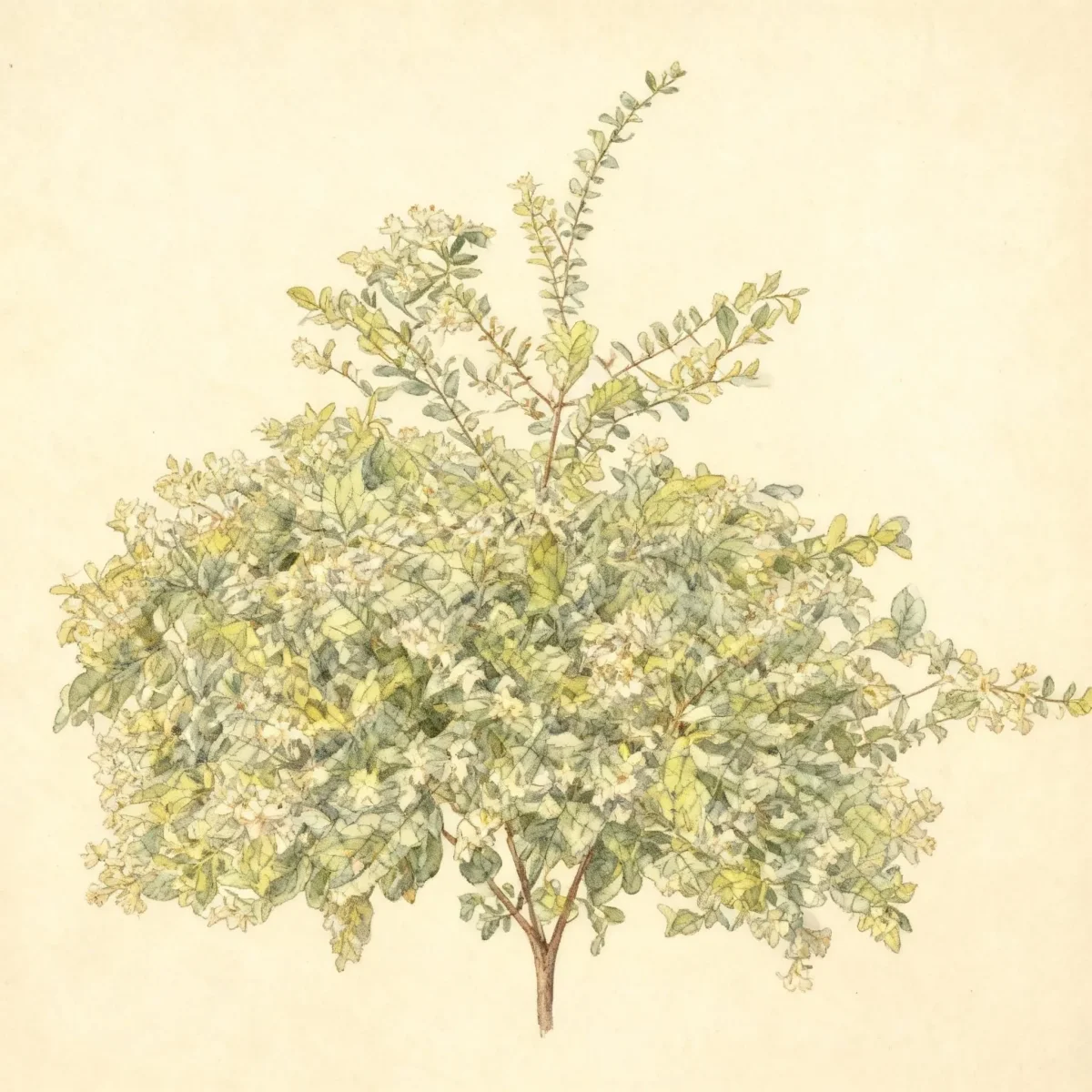
Glossy abelia
Abelia × grandiflora 'Hopleys' MISS LEMON
- USDA zones
- 6–9
- Light
- Full sun to part shade
- Water
- Medium
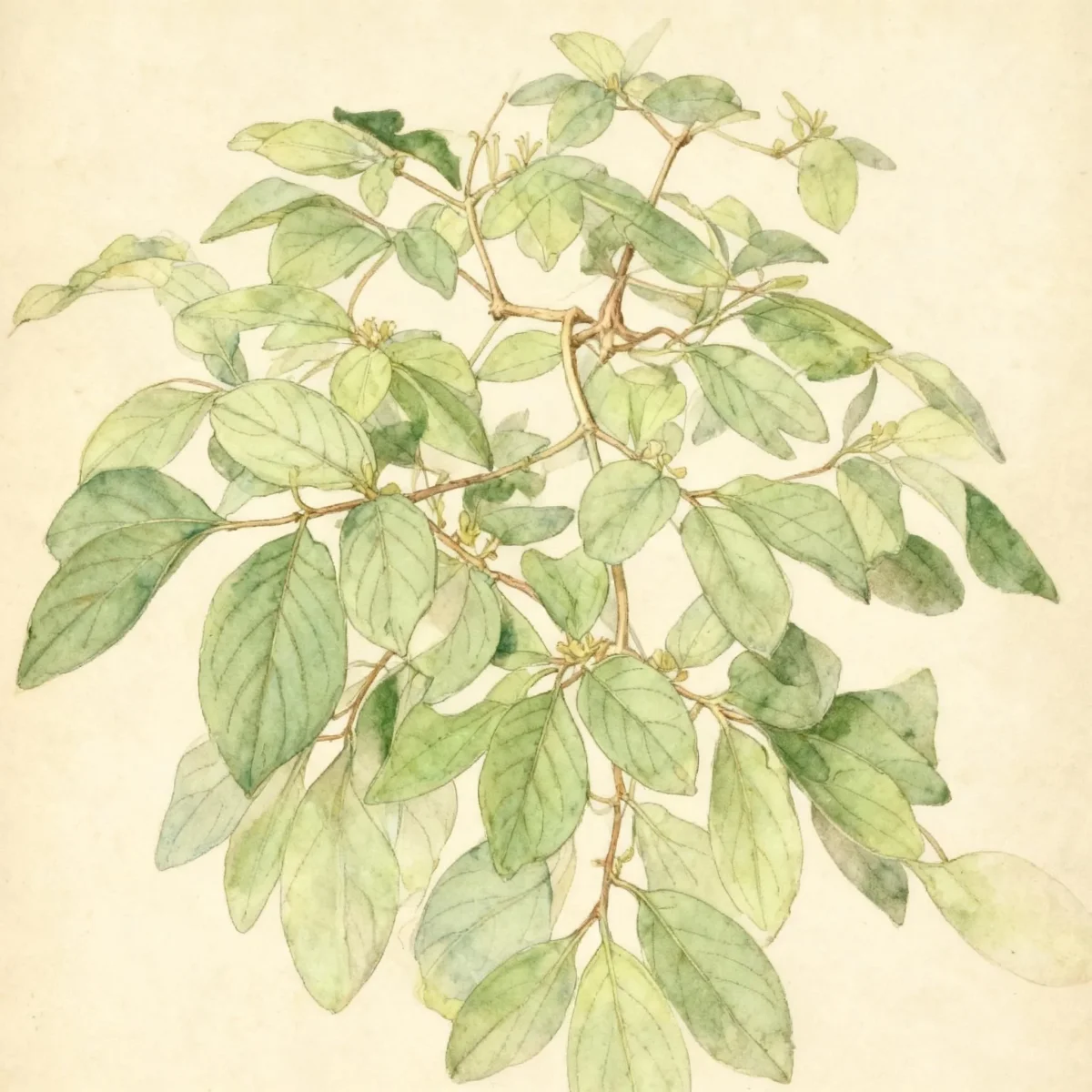
Fly honeysuckle
Lonicera xylosteum 'Emerald Mound'
- USDA zones
- 4–6
- Light
- Full sun to part shade
- Water
- Medium
Keep Learning
Test what you know with a garden quiz
You have the plant facts and care notes. Continue with a related challenge, or browse the complete quiz library.
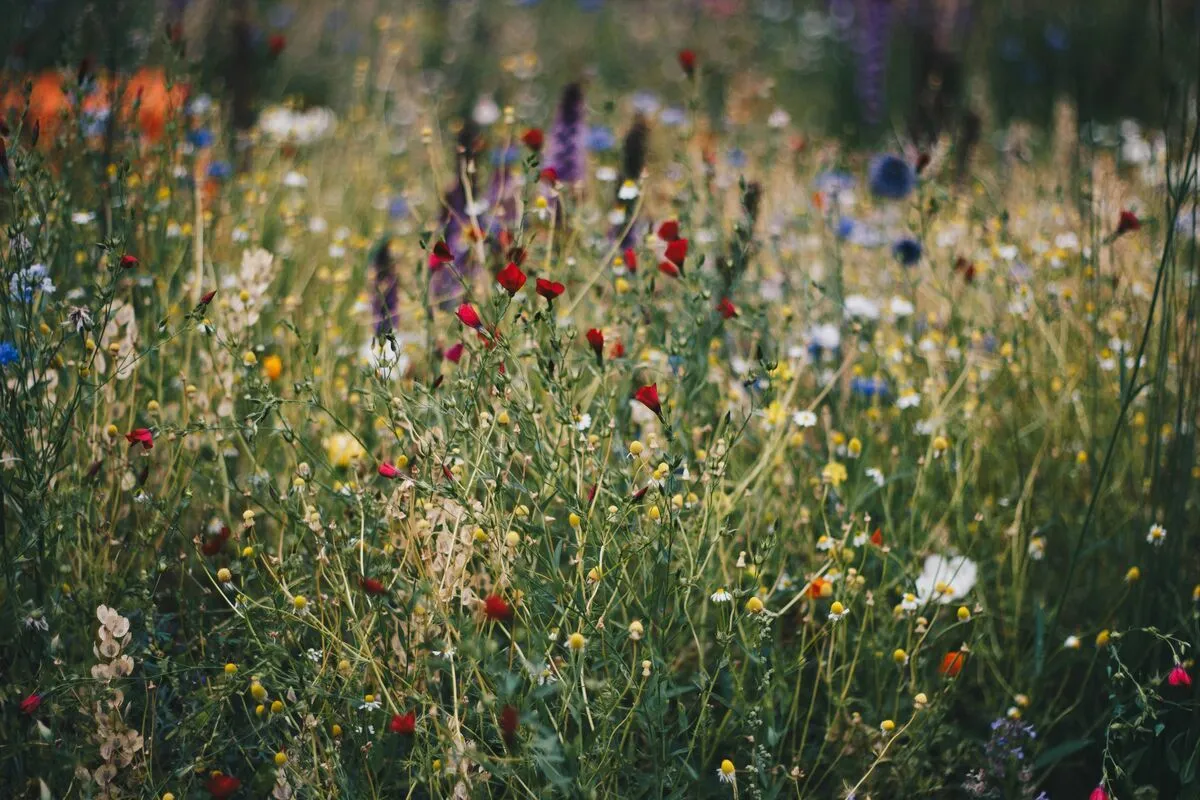
Can You Identify These Common Garden Plants? Test Your Plant Knowledge
Think you know your roses from your peonies? Test your plant identification skills with our comprehensive garden plant quiz featuring 10 challenging questions.
Start quiz
USDA Garden Zone Map Quiz
Use this USDA garden zone map quiz to check whether you can read hardiness zones and choose plants with more confidence.
Start quizBrowse the full quizzes section
Explore plant identification, zone strategy, and seasonal gardening challenges.
View all quizzes