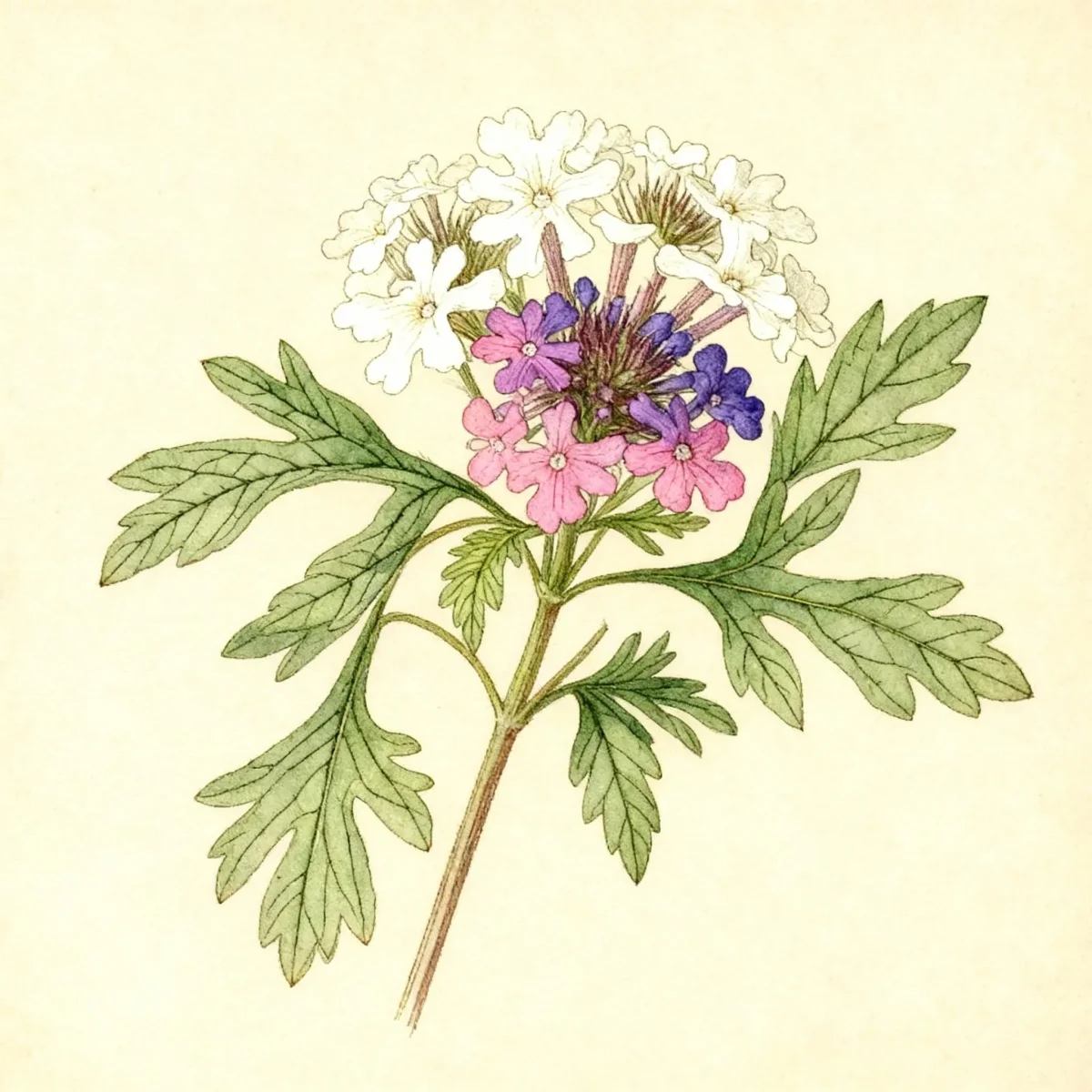
Sweet almond bush (Aloysia virgata)
Discover Aloysia virgata, the Sweet almond bush, valued for its incredibly fragrant white blooms from July to frost in sunny, dry-tolerant gardens.


Bloom Boldly, No Matter the Season - Sweatshirt
Cozy organic cotton sweatshirt featuring our exclusive Purple Coneflower design. Perfect for gardeners who bloom year-round.
Inspired by the beautiful Sweet almond bush
Limited first batch (50) — join the waitlist for early access
Waitlist closes Feb 15, 2026.
Complete Plant Information
Field Guide Continues
Ready for care notes, companion picks, and planting tips?
The map is just the start. The full guide below covers growth habits, seasonal performance, and landscape uses.
Overview
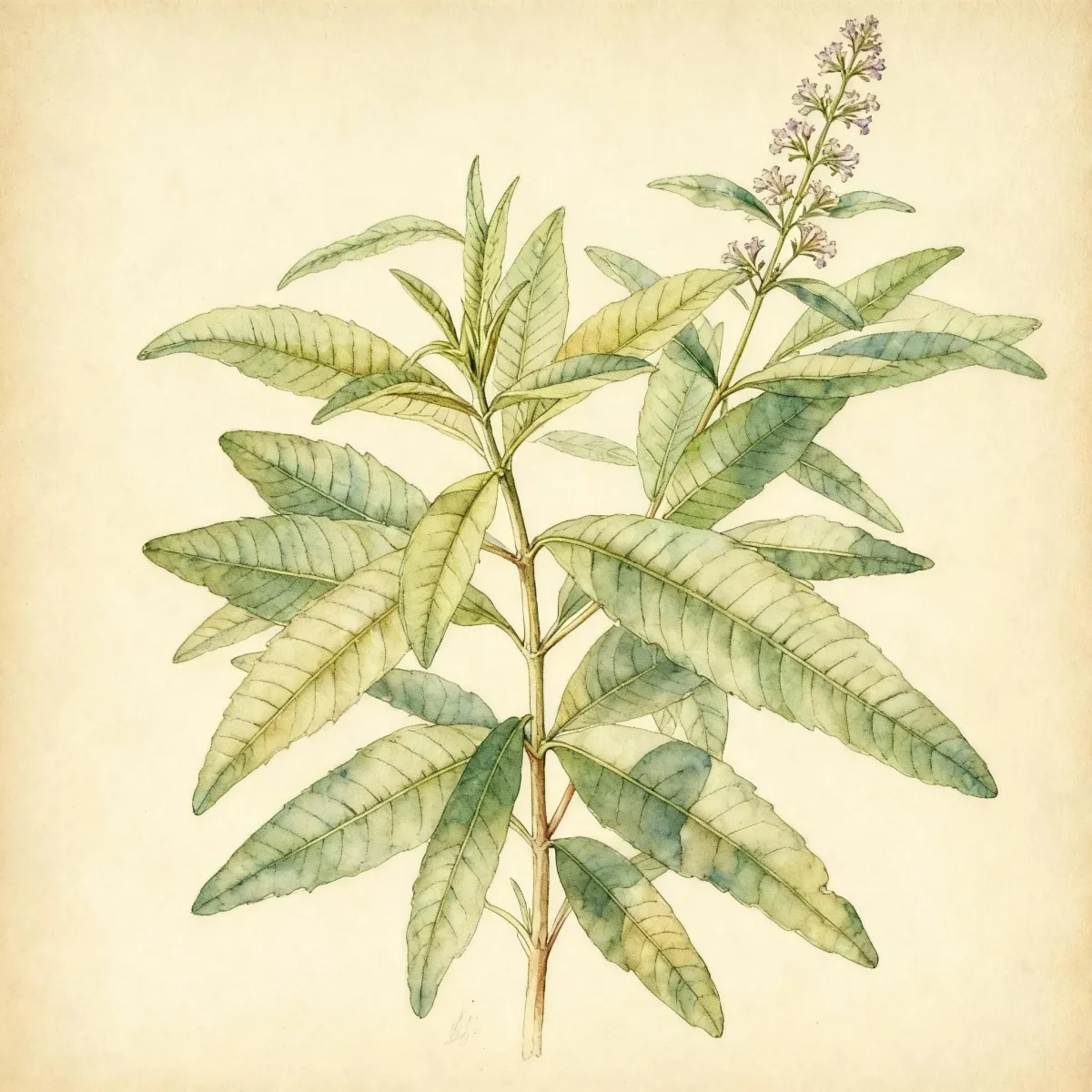
The Sweet almond bush, scientifically known as Aloysia virgina, is a highly sought-after woody shrub or small tree prized above all else for its remarkable fragrance. On warm summer evenings, the sweet odor, reminiscent of almonds, can diffuse throughout the entire garden space, making this plant a sensational sensory addition. Native to South America, this fast-growing species offers lush, slightly glossy foliage complementing its prolific white bloom display.
Cultivation of Aloysia virgata depends significantly on local climate, ranging from a perennial or shrub in warmer zones to a tender container plant in regions with hard freezes. To maintain vigor and maximize flowering, gardeners must commit to its high maintenance requirements, particularly regarding pruning. When situated ideally in full sun and well-draining soil, the Sweet almond bush provides stunning summer impact.
When hardy, this plant can achieve considerable stature, reaching up to 15 feet tall with an upright, slightly arching habit. Its value lies in its rapid growth and the powerful olfactory experience delivered consistently from mid-summer until the first frost arrives, cementing its place as a memorable garden specimen.
Fast Facts
- Plant Family: Verbenaceae
- Plant Type: Herbaceous perennial
- Native Range: South America
- Hardiness Zones: USDA Zones 8-11
- Size at Maturity:
- Height: 5-15 ft
- Spread: 3-8 ft
- Bloom Time: July to frost
- Bloom Description: White
- Sun Exposure: Full sun
- Water Needs: Dry to medium
- Maintenance Level: High
How to Grow
Planting Aloysia virgata should occur when all danger of frost has passed in the spring, allowing the plant the entire growing season to establish its root system. It demands full sun exposure for the best bud production and prefers medium to dry, well-draining soil. While it tolerates occasional drought and even poor soils, its best growth and flowering occur when planted in fertile substrates that prevent water stagnation, which can lead to root rot.
Care revolves around consistent pruning, as the plant is extremely sensitive to temperature and blooms only appear on new growth. Vigorous pruning during the growing season keeps the size in check, encourages bushier habits, and drastically increases the number of fragrant blooms. Deadheading spent flower spikes regularly maintains continuous flowering right up until the first frost event.
Seasonal strategy depends heavily on your zone. In Zones 10-11, where it acts as a perennial shrub or small tree, routine shaping prunes are crucial. In cooler Zones 8-9, treat it like a herbaceous perennial, cutting back hard after the first frost damages the foliage. For gardeners outside Zone 7, Aloysia virgata must be grown in containers, brought indoors before the first chill, and kept either dormant (cool and dark) or semi-active (warm and sunny) over winter.
Landscape Uses
The versatility of the Sweet almond bush allows it to function effectively in several landscape roles where sun exposure is high. Where reliably hardy, it excels as a large, informal shrub or even pruned into a small, multi-trunked summer tree specimen. Its height makes it suitable for the middle or back layers of a border, providing vertical interest and powerful evening fragrance that influences adjacent seating areas.
For smaller spaces, Aloysia virgata performs admirably as a specimen plant in containers, especially near patios or windows where its scent can be appreciated up close. Consider pairing it with drought-tolerant companions that share its love for heat and sun, such as Mediterranean herbs or structural ornamental grasses, to create a low-water, high-impact display during the hottest months. Hard pruning encourages a denser form, perfect for shaping into less formal screens or focal points requiring consistent management.
Standout Features
Flower Qualities
- Fragrant
Noteworthy Characteristics
The common name refers to the fragrance of the blooms, which has a sweet odor reminiscent of almonds. Grown for its extremely fragrant white blooms, which emerge from the ends of new growth on clusters of flowering spikes. Aloysia virgata, commonly known as sweet almond bush is fast growing, woody shrub or small tree native to northern Argentina.
Tolerances
- Drought
Potential Problems
Aloysia virgata generally exhibits few serious issues when grown outdoors in its preferred zones. The primary horticultural concern revolves around improper soil management or environmental stress. Overwatering or planting in heavy, poorly draining soil is a common mistake that rapidly leads to root rot, causing decline or death.
When this plant is grown indoors, particularly if kept active through the winter in warm interior environments, it becomes highly susceptible to common houseplant pests. Be vigilant for infestations of white fly, spider mites, and aphids, as these pests thrive in dry indoor air.
Management is straightforward: ensure exemplary drainage outdoors at all times. Indoors, increased humidity or regular wiping of leaves can deter pests, and prompt application of insecticidal soap is necessary if infestations occur. Remember that even mild outside frosts can cause complete defoliation, so monitoring temperature forecasts is essential for protection.
Frequently Asked Questions
What hardiness zones is Sweet almond bush suitable for?
The Sweet almond bush (Aloysia virgata) is reliably winter hardy in USDA Zones 8 through 11.
When does Sweet almond bush bloom?
This plant produces its fragrant white blooms from July continuously until the first frost arrives, provided it is deadheaded regularly.
How large does Sweet almond bush grow?
When given ideal conditions in warmer zones, Aloysia virgata can reach heights between 5 and 15 feet, with spreads ranging from 3 to 8 feet.
What sun exposure does Sweet almond bush need?
Aloysia virgata requires full sun to achieve its best growth and most prolific flowering.
Conclusion
The exceptionally fragrant blooms and rapid growth make the Sweet almond bush (Aloysia virgata) a show-stopping addition to warm-climate gardens, offering an intense sensory element throughout the peak summer season. While requiring a high maintenance level that includes diligent pruning, the reward is worth the effort for gardeners seeking powerful perfume paired with dry-tolerant performance. Before planting, confirm your USDA Hardiness Zone compatibility or plan for overwintering containers indoors.
Companion Planting
Selecting companions that thrive alongside Sweet almond bush in full sun and tolerate dry conditions is key to a successful, low-water landscape. Look toward aromatic Mediterranean herbs like lavender (Lavandula) or rosemary (Salvia rosmarinus). These plants share similar needs for excellent drainage and intense sunlight, and their textural differences provide attractive contrast to the upright, thin branches of Aloysia virgata.
Consider pairing it with structural, drought-tolerant perennials that bloom later or offer contrasting foliage color. Plants like certain varieties of rock rose (Cistus) or Sedums work well aesthetically and culturally. Since the fragrance of the Sweet almond bush is so dominant, select companions whose own scents are subtle or which serve as strong visual anchors rather than competing aromatically near primary gathering spaces.
Seasonal Care Calendar
Spring is the crucial awakening time for Aloysia virgata. If the plant died back due to winter cold (Zones 7-8), cut back the dead material hard, as new fragrance-producing growth will emerge from the base or the woody structure. Apply a balanced, slow-release fertilizer once new vegetative growth begins to speed up development.
Summer is the continuous performance phase. Watering should be managed carefully; allow the soil to dry out between deep waterings once the plant is established, reflecting its dry tolerance. The primary summer task is relentless deadheading of faded flower spikes to encourage the continuous flush of fragrant white blooms until frost threatens.
In autumn, particularly in borderline hardiness zones, monitor nighttime temperatures closely. If frost is imminent in Zones 8-9, be prepared to cut the plant back significantly to encourage better survival or to prepare it for overwintering indoors if planted in a container.