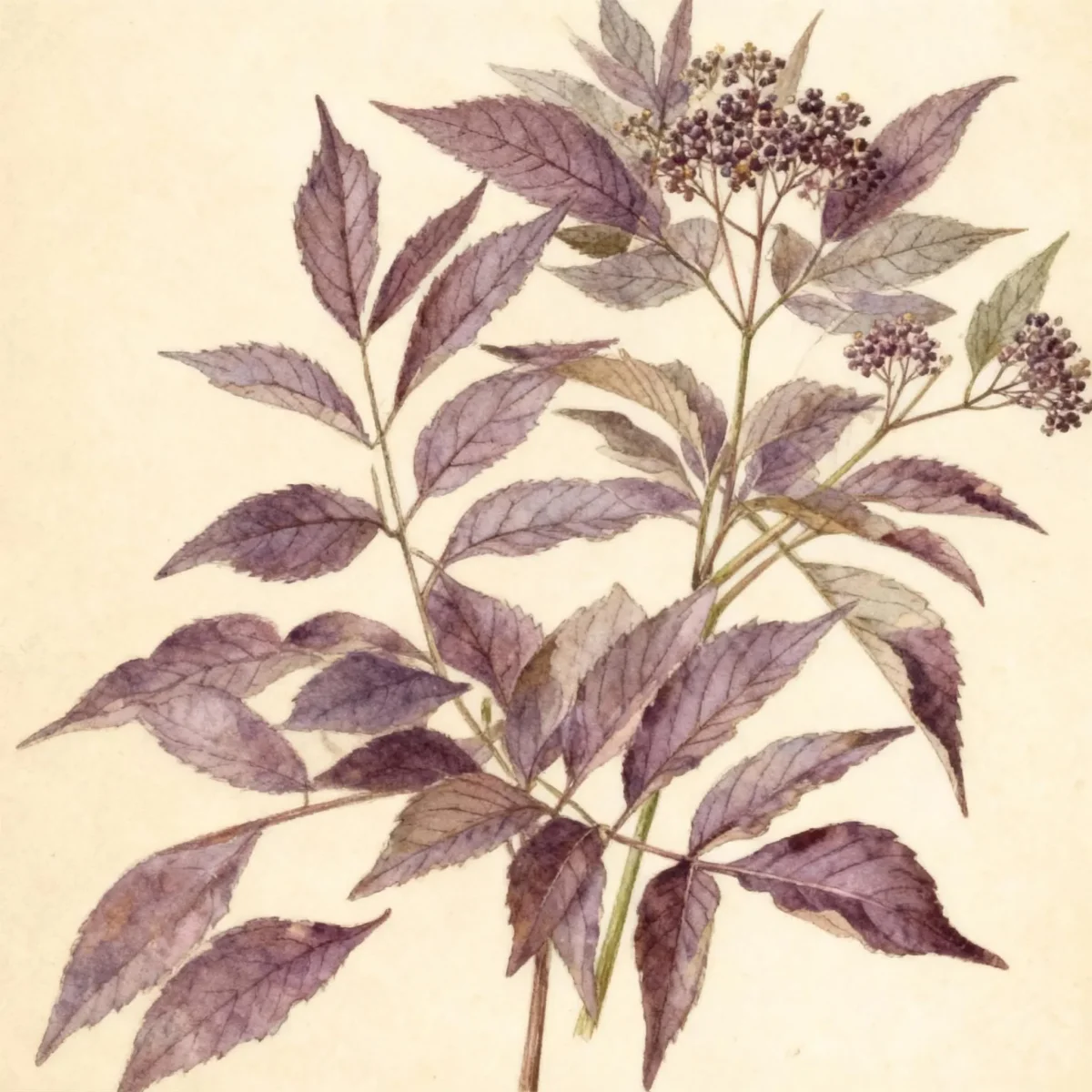
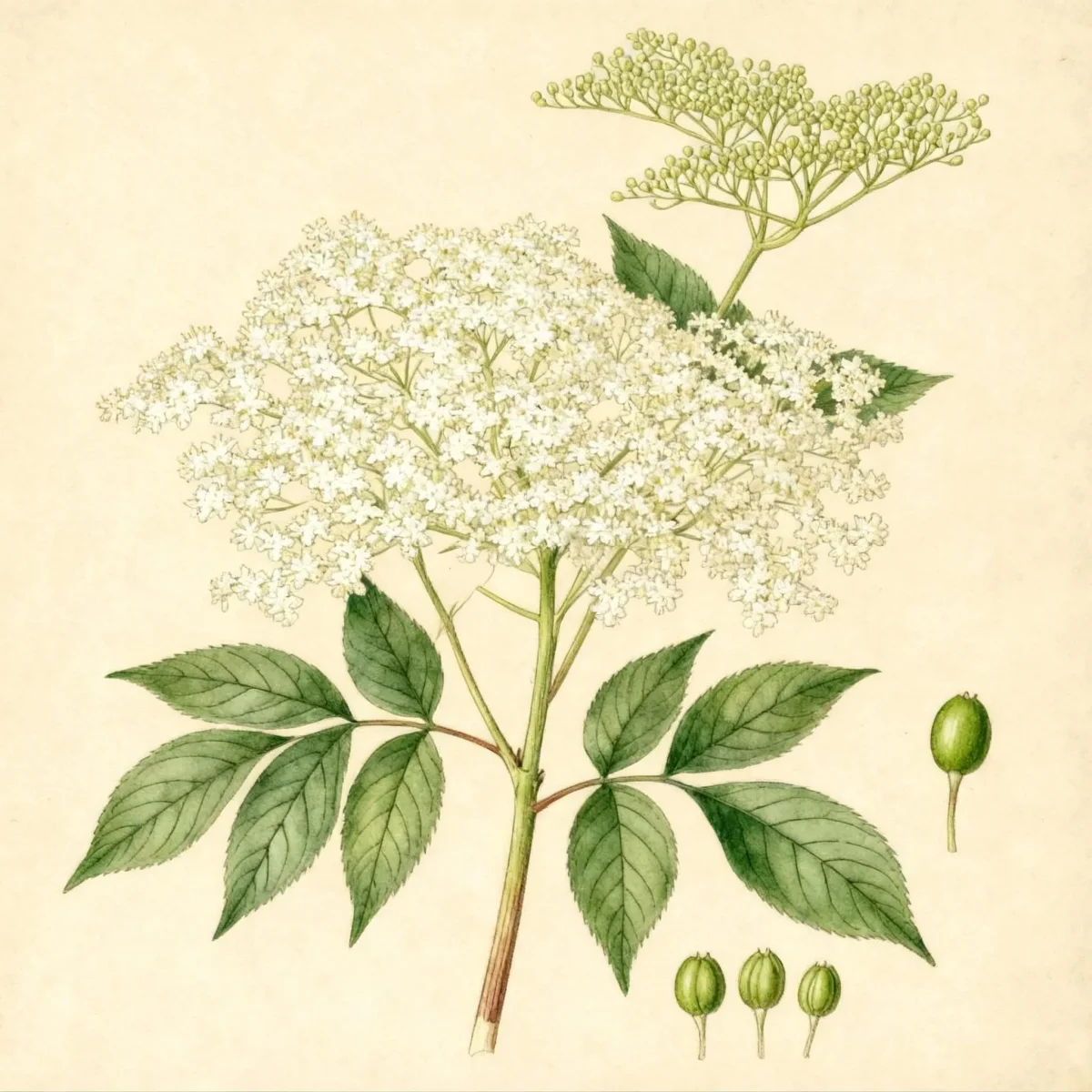
Viburnum (Viburnum obovatum 'Reifler's Dwarf')
Viburnum obovatum 'Reifler's Dwarf' is a robust, low-maintenance shrub offering white blooms, evergreen interest, and suitability for wet soils.

Bloom Boldly, No Matter the Season - Sweatshirt
Cozy organic cotton sweatshirt featuring our exclusive Purple Coneflower design. Perfect for gardeners who bloom year-round.
Inspired by the beautiful Viburnum
Limited first batch (50) — join the waitlist for early access
Waitlist closes Feb 15, 2026.
Complete Plant Information
Field Guide Continues
Ready for care notes, companion picks, and planting tips?
The map is just the start. The full guide below covers growth habits, seasonal performance, and landscape uses.
Overview
Viburnum obovatum ‘Reifler’s Dwarf’ is a highly versatile and rewarding shrub, noted for thriving in difficult, moist soil conditions where many other landscape plants falter. As a cultivar of Small leaf viburnum, this selection offers a more manageable size than the naturally large species, although it still develops into a substantial screen or specimen plant over time. Gardeners value this Viburnum for its early spring white blooms and its foliage, which remains semi-evergreen or evergreen depending on winter temperatures.
This shrub is native to swamp margins and banks, making it an exceptional choice for rain gardens or areas with consistently wet soil profiles. While considered a deciduous shrub overall, its evergreen tendency in warmer regions like Zones 8 and 9 provides attractive winter texture. Expect low maintenance from this hardy plant once established.
The dwarf nature of Viburnum obovatum ‘Reifler’s Dwarf’ allows it to be integrated into larger foundational plantings or used as an informal screen, providing year-round structure and seasonal interest with its early flowers and subsequent autumn fruit display.
Fast Facts
- Plant Family: Adoxaceae
- Plant Type: Deciduous shrub
- Hardiness Zones: USDA Zones 6-9
- Size at Maturity:
- Height: 10-12 ft
- Spread: 10-12 ft
- Bloom Time: March to April
- Bloom Description: White
- Sun Exposure: Full sun to part shade
- Water Needs: Medium to wet
- Maintenance Level: Low
How to Grow
Planting Viburnum obovatum ‘Reifler’s Dwarf’ is best done in spring or fall to allow roots to establish before summer heat or winter cold. Choose a site that accommodates its eventual 10 to 12-foot spread. It thrives in average, medium to wet, well-drained soils, tolerating even wet soils common in its native habitat along stream banks. While it tolerates close to full shade, best growth and moisture tolerance are achieved in full sun to part shade conditions.
Watering needs for this Viburnum are medium to wet; consistent and even moisture encourages the best vigor. Although it tolerates wet soils, excellent drainage prevents potential issues like crown gall. Fertilizing is rarely necessary; focus instead on maintaining consistent moisture, especially during the first few growing seasons. Pruning should be minimal, primarily to maintain shape or remove suckers if aggressive spreading is unwanted.
For gardeners in USDA Zone 6, sited plants should receive extra consideration; choose protected locations and apply a winter mulch to buffer fluctuating cold temperatures. In hotter climates, afternoon shade is beneficial to prevent leaf scorch. Remember that plants may spread by suckers to form thickets under ideal, moist growing conditions.
Landscape Uses
This Viburnum excels where moisture management is a concern, making it perfect for naturalizing areas or softening the edges of water features. Its mature size allows the standard form to function beautifully as an informal hedge, a dense privacy screen, or a background planting along borders. The formal cultivar, Viburnum obovatum ‘Reifler’s Dwarf’, is especially well-suited for foundation plantings where space is somewhat restricted but dense screening is still required.
Pairing this Viburnum with other moisture-loving, shade-tolerant natives creates cohesive woodland or waterside gardens. Consider combining it with ferns, hostas, or other shrubs that appreciate consistent moisture, such as dogwoods or some holly varieties, ensuring they do not compete heavily for space given this plant’s wide spread.
The added benefits of early flowers and semi-evergreen foliage mean that this shrub offers interest across all four seasons, transitioning well from mass plantings to specimen use in larger landscapes.
Standout Features
Flower Qualities
- Showy
Fruit Qualities
- Showy
Noteworthy Characteristics
Viburnum obovatum, commonly called small-leaf viburnum, is characterized by its very small leaves—only 1 to 2 inches long—which contrast nicely against its substantial 10-12 foot stature, occasionally growing taller. It is distinguished as one of the earliest Viburnums to bloom in spring, displaying tiny white flowers in dome-shaped clusters during March and April, followed by blue-black fruits in the fall. The cultivar ‘Reifler’s Dwarf’ provides the same benefits in a more compact package, reaching only 4 to 5 feet tall initially after five years.
Tolerances
- Rabbit
- Deer
Potential Problems
Viburnum obovatum ‘Reifler’s Dwarf’ generally exhibits low maintenance and avoids the most serious pest and disease pressures common to other shrubs. However, gardeners should remain vigilant for potential cosmetic issues. Watch for mites, which can stress foliage, especially during hot, dry spells, though the plant prefers wet soil.
Potential disease issues include bacterial leaf spot, which appears as spots on the foliage, and occasionally mildews. In rare cases, crown gall may develop, particularly if the plant is stressed or wounded near the soil line. Inspect plants regularly for aphid, scale, thrips, or whitefly activity, which are occasional insect visitors.
Management should focus on good air circulation when planting and maintaining soil health. If minor leaf spotting or mildew appears, ensure sufficient sunlight or prune densely packed interior branches to increase airflow.
Frequently Asked Questions
What hardiness zones is Viburnum obovatum ‘Reifler’s Dwarf’ suitable for?
This robust Viburnum is reliably hardy in USDA Zones 7-9, and likely Zone 6 if provided protection and winter mulch.
How large does Viburnum grow?
The standard form of Viburnum obovatum reaches heights of 10 to 12 feet with an equal spread, though the ‘Reifler’s Dwarf’ cultivar remains smaller initially.
What sun exposure does Viburnum need?
It performs well in full sun to part shade, though it can tolerate close to full shade, appreciating afternoon shade protection in very hot climates.
When does Viburnum bloom?
This early bloomer lights up the garden in March to April with masses of small white flowers.
Conclusion
Viburnum obovatum ‘Reifler’s Dwarf’ stands out as an essential, low-maintenance shrub for gardeners needing reliable structure and seasonal flowers, especially in moist landscapes. Its resistance to common pests and its adaptability regarding sun exposure make this Viburnum a truly rewarding addition. Before planting permanently, always confirm that your local conditions align with USDA Zones 6-9 compatibility.
Companion Planting
When selecting companions for Viburnum, focus on species that share its preference for medium to wet soils and thrive in partial shade. Native irises, cardinal flower (Lobelia cardinalis), and various moisture-loving sedges make excellent groundcovers or mid-layer plantings beneath the relatively small leaves of this Viburnum. These combinations create a lush, naturalized aesthetic reminiscent of the plant’s native swamp margin habitat.
For structural contrast, consider plants with finer textures or different seasonal highlights. Deciduous ferns that die back in winter allow the evergreen aspects of the Viburnum to shine during the colder months. Avoid pairing it with broadleaf evergreens that require extremely dry, sharp drainage, as the soil preference of this Viburnum is decidedly moist.
Wildlife Benefits
Viburnum species, including ‘Reifler’s Dwarf’, contribute positively to local ecosystems. While the fragrance is not noted as a primary draw, the early bloom sequence beginning in March or April provides an important source of nectar and pollen for emerging spring pollinators when few other shrubs are flowering. The small, egg-shaped blue-black fruits that mature in September or October are an excellent food source for birds later in the season. Furthermore, its dense growth habit offers excellent cover and nesting sites for small wildlife.