Catchfly (Viscaria vulgaris)
Viscaria vulgaris is a low-maintenance, drought-tolerant perennial featuring sticky stems and reddish-purple blooms perfect for sunny, dry rock gardens.
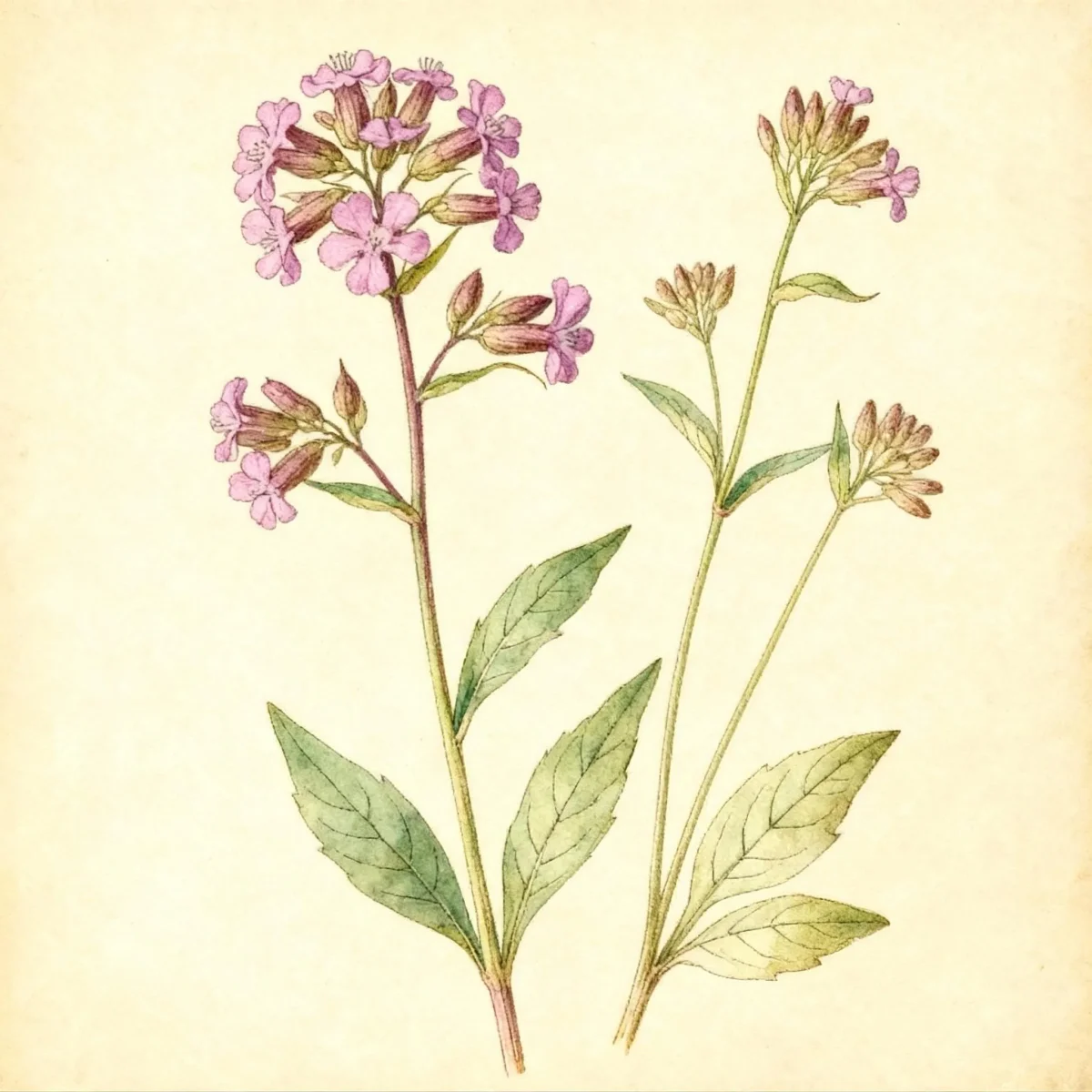

Bloom Boldly, No Matter the Season - Sweatshirt
Cozy organic cotton sweatshirt featuring our exclusive Purple Coneflower design. Perfect for gardeners who bloom year-round.
Inspired by the beautiful Catchfly
Limited first batch (50) — join the waitlist for early access
Waitlist closes Feb 15, 2026.
Complete Plant Information
Field Guide Continues
Ready for care notes, companion picks, and planting tips?
The map is just the start. The full guide below covers growth habits, seasonal performance, and landscape uses.
Overview
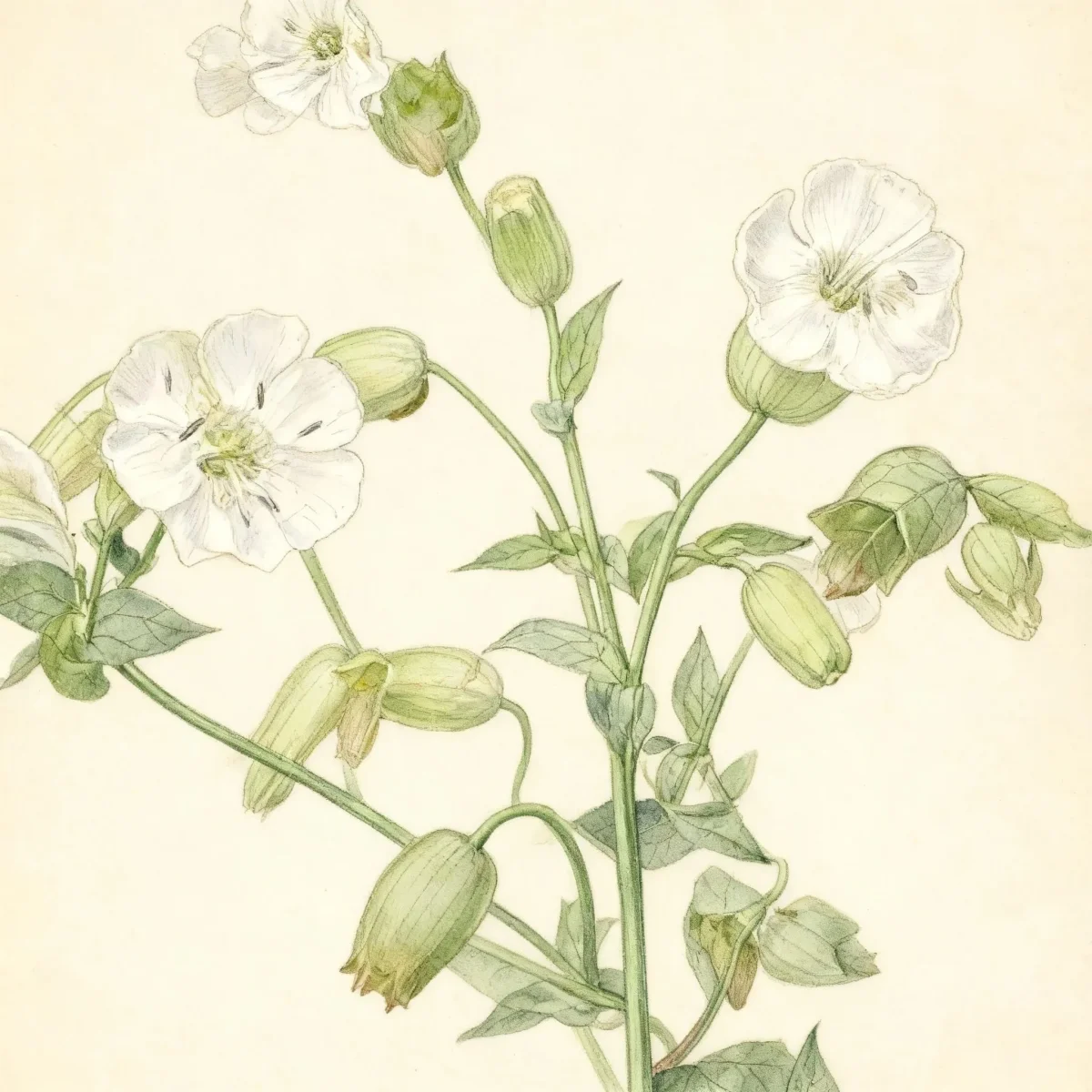
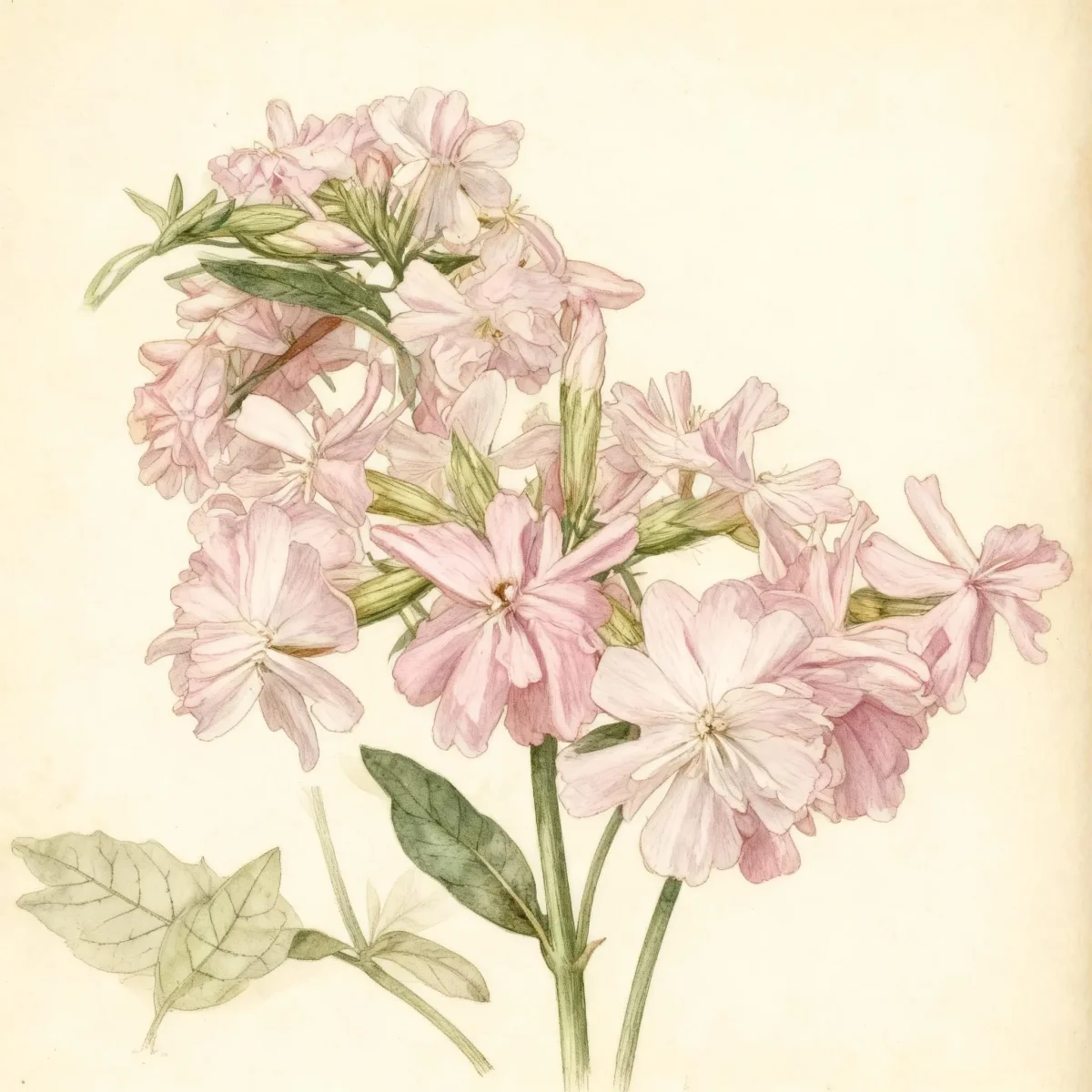
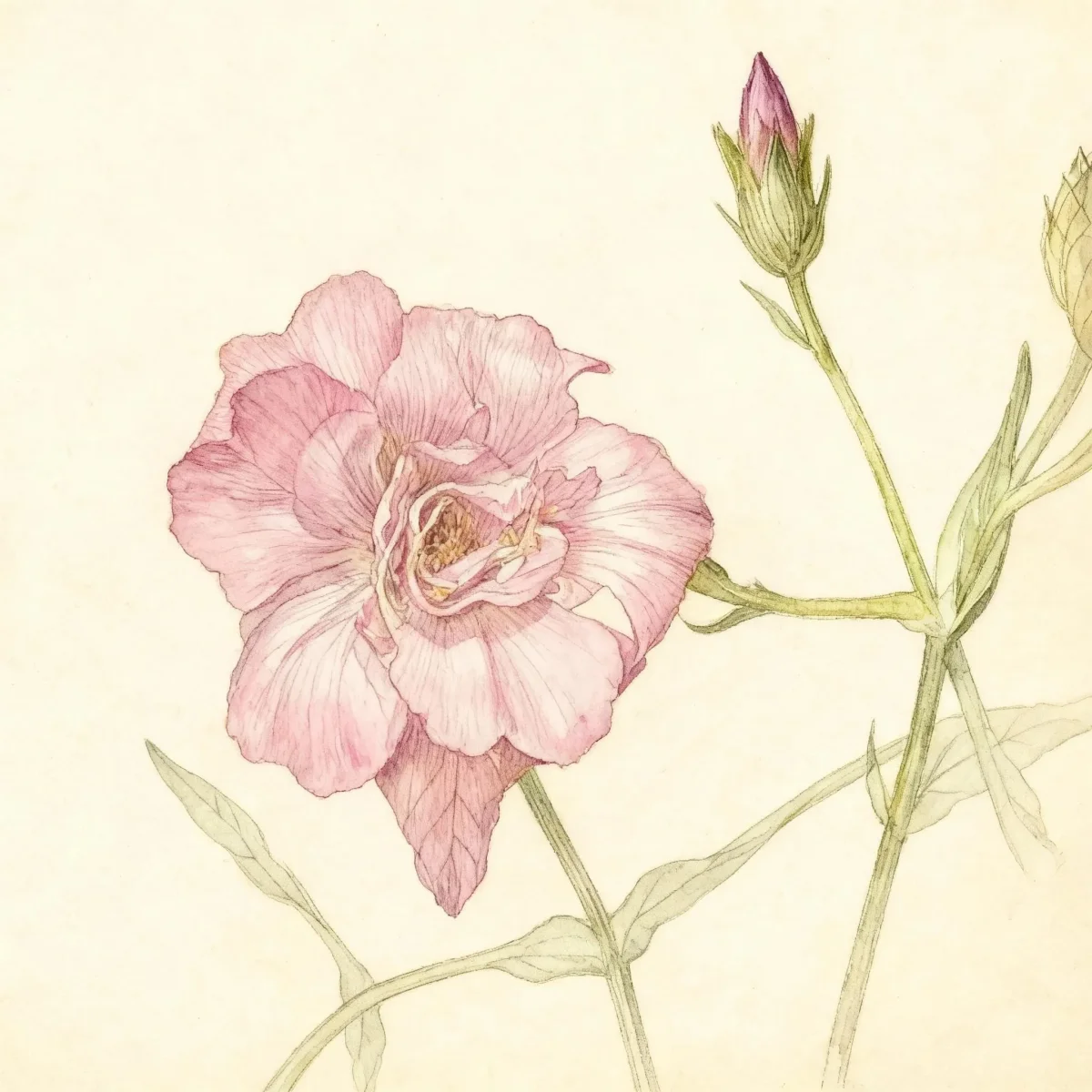
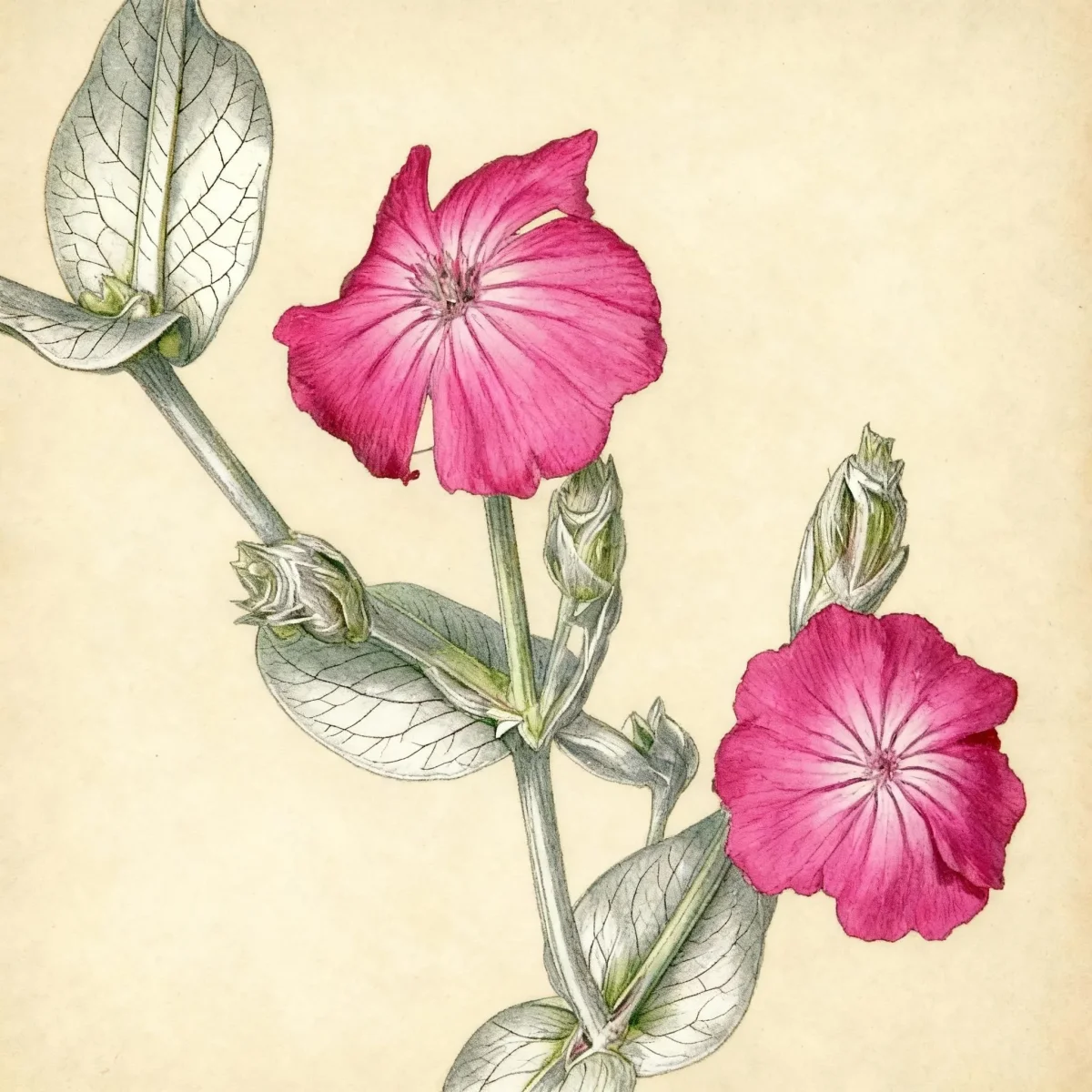
Viscaria vulgaris, often recognized by its unique sticky stems, adds reliable texture and color to dry-garden settings. This herbaceous perennial produces star-shaped magenta flowers, providing a burst of reddish-purple color from late spring into early summer. Though sometimes classified as Silene viscaria by modern authorities, gardeners still value Viscaria vulgaris for its hardiness and minimal care requirements.
Native to the dry meadows and roadsides of Eurasia, this plant thrives where many others struggle. It forms charming tufts of grass-like foliage from which slender flowering stalks rise, culminating in bright blooms. The distinctive feature of Viscaria vulgaris is the viscous sections just below the flower cluster, which historically gave it the common name catchfly, as it traps small insects.
For gardeners seeking drought tolerance combined with aesthetic appeal, Viscaria vulgaris is an excellent choice. It excels in sunny, well-drained locations and is considered low maintenance, though its lifespan in the garden is often short—usually around three to four years—making its self-seeding habit quite beneficial for continuity.
Fast Facts
- Plant Family: Caryophyllaceae
- Plant Type: Herbaceous perennial
- Native Range: Eurasia
- Hardiness Zones: USDA Zones 3-8
- Size at Maturity:
- Height: 1-1.5 ft
- Spread: 0.75-1 ft
- Bloom Time: May to June
- Bloom Description: Reddish-purple
- Sun Exposure: Full sun
- Water Needs: Dry to medium
- Maintenance Level: Low
How to Grow
The key to successfully establishing Viscaria vulgaris lies in excellent soil drainage. Plant in spring or fall in a location receiving full sun, although some afternoon shade is appreciated in the hottest southern climates. The ideal planting medium is moderately fertile but must drain sharply; this plant tolerates poor soils but requires sharp drainage to prevent root rot, which is essential for the health of Viscaria vulgaris.
Watering requirements are minimal once established, favoring dry to medium conditions. Aim for even moisture during the initial establishment period, but afterward, this plant tolerates periods of drought quite well due to its adaptability to dry soil. Fertilization is rarely necessary; overly fertile soils can encourage lush foliage at the expense of robust flowering.
Maintenance is wonderfully low. Minimal pruning is required beyond removing spent flower stalks if re-seeding is not desired. Be aware that plants are naturally short-lived, but they often compensate by seeding happily in the garden when conditions are optimal, ensuring a steady presence year after year.
Landscape Uses
Viscaria vulgaris is perfectly suited for xeriscaping and rock gardens where it can benefit from baking in the sun and enjoying sharp drainage. Groupings of these plants create bright drifts of color against the neutral backdrop of stone or gravel pathways. The upright, linear foliage provides excellent contrast to wider, mounding perennials.
This catchfly performs exceptionally well in dry border areas or within a cottage garden scheme, particularly where a vertical accent is needed among lower-growing companions. Consider pairing Viscaria vulgaris with other sun-loving, drought-tolerant species such as Sedums, Thyme, or Artemisia that share similar cultural needs. Its unique sticky property also offers an interesting point of observation for children and garden visitors.
Standout Features
Flower Qualities
- Showy
Noteworthy Characteristics
The genus Lychnis viscaria is commonly known as a reddish-purple flowered catchfly native across dry Eurasian habitats. From its basal tufts of grass-like leaves rise flower stalks bearing star-shaped magenta flowers in panicles blooming from late spring to early summer. A key identifier is the sticky substance coating the stems just below the flower cluster, which historically earned it the common name “catchfly” because it traps insects.
Tolerances
- Drought
- Dry Soil
Potential Problems
Viscaria vulgaris generally exhibits few serious issues regarding pests or diseases, which contributes to its low-maintenance rating. Gardeners should remain vigilant, however, for common early-season garden nuisances such as slugs and snails, which might be attracted to the young foliage. Implementing cultural controls like sharp drainage and avoiding excessive mulch around the crown can help prevent fungal issues that sometimes plague moisture-sensitive perennials.
Frequently Asked Questions
What hardiness zones is Viscaria vulgaris suitable for?
Viscaria vulgaris performs best in USDA Hardiness Zones 3 through 8, offering considerable cold tolerance throughout much of the temperate growing regions.
How large does Viscaria vulgaris grow?
This perennial typically reaches a height between 1 and 1.5 feet, with a relatively narrow spread of 0.75 to 1 foot, making it suitable for tighter spaces.
When does Viscaria vulgaris bloom?
The flowering period for Viscaria vulgaris is typically from May to June, displaying attractive reddish-purple blossoms.
What sun exposure does Viscaria vulgaris need?
This plant thrives best in full sun, though locating it where it receives light afternoon shade is recommended in the warmest parts of its zone range.
Conclusion
Viscaria vulgaris offers reliable, low-effort beauty, characterized by its distinctive sticky stems and vibrant mid-season blooms. Its exceptional drought tolerance makes it a stalwart performer in dry, sunny locations, fulfilling the needs of the discerning, practical gardener. Before planting, check your local hardiness rating and ensure your soil offers the sharp drainage essential for the long-term success of Viscaria vulgaris.
Companion Planting
When selecting partners for Viscaria vulgaris, focus on plants that share its partiality for sun and dry, well-drained conditions. Pairing it with silvery-leaved perennials like Lamb’s Ears (Stachys byzantina) or upright ornamental grasses can enhance its vertical accent while maintaining a unified texture profile. Alternatively, edging a dry border with creeping Thyme or low-growing Sedums provides a colorful, mat-forming contrast near the base of the taller catchfly stems.
Propagation Tips
Since Viscaria vulgaris plants are known to be short-lived, encouraging self-seeding is the easiest way to maintain a colony. Allow spent flower heads to mature fully and drop their seeds onto the surrounding soil in late summer. If you choose to collect seeds, store them dry and plant them immediately the following spring, or sow them directly into prepared, well-drained soil beds during early fall stratification. Division is generally not recommended due to the plant’s tendency to resent disturbance and its typically short lifespan.