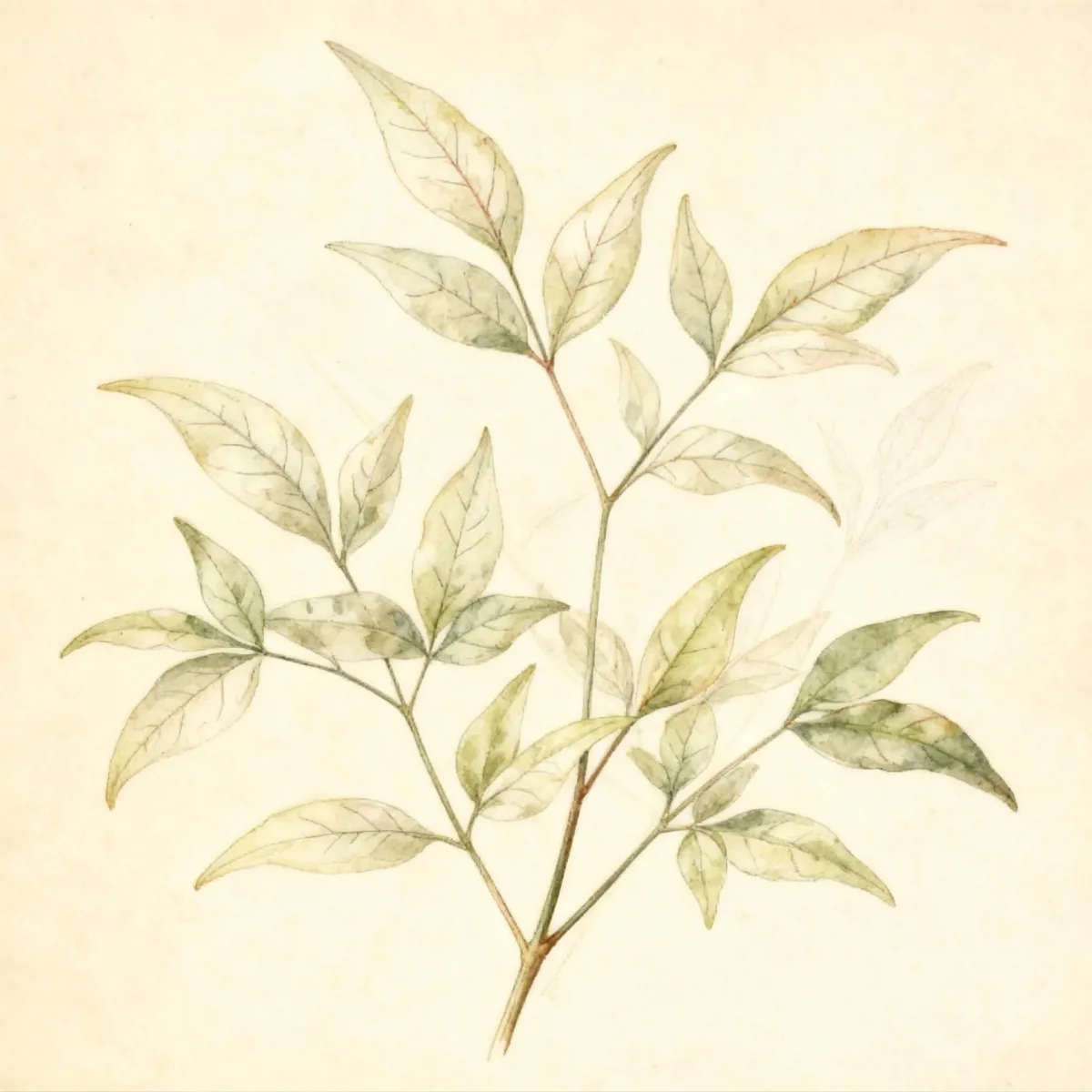
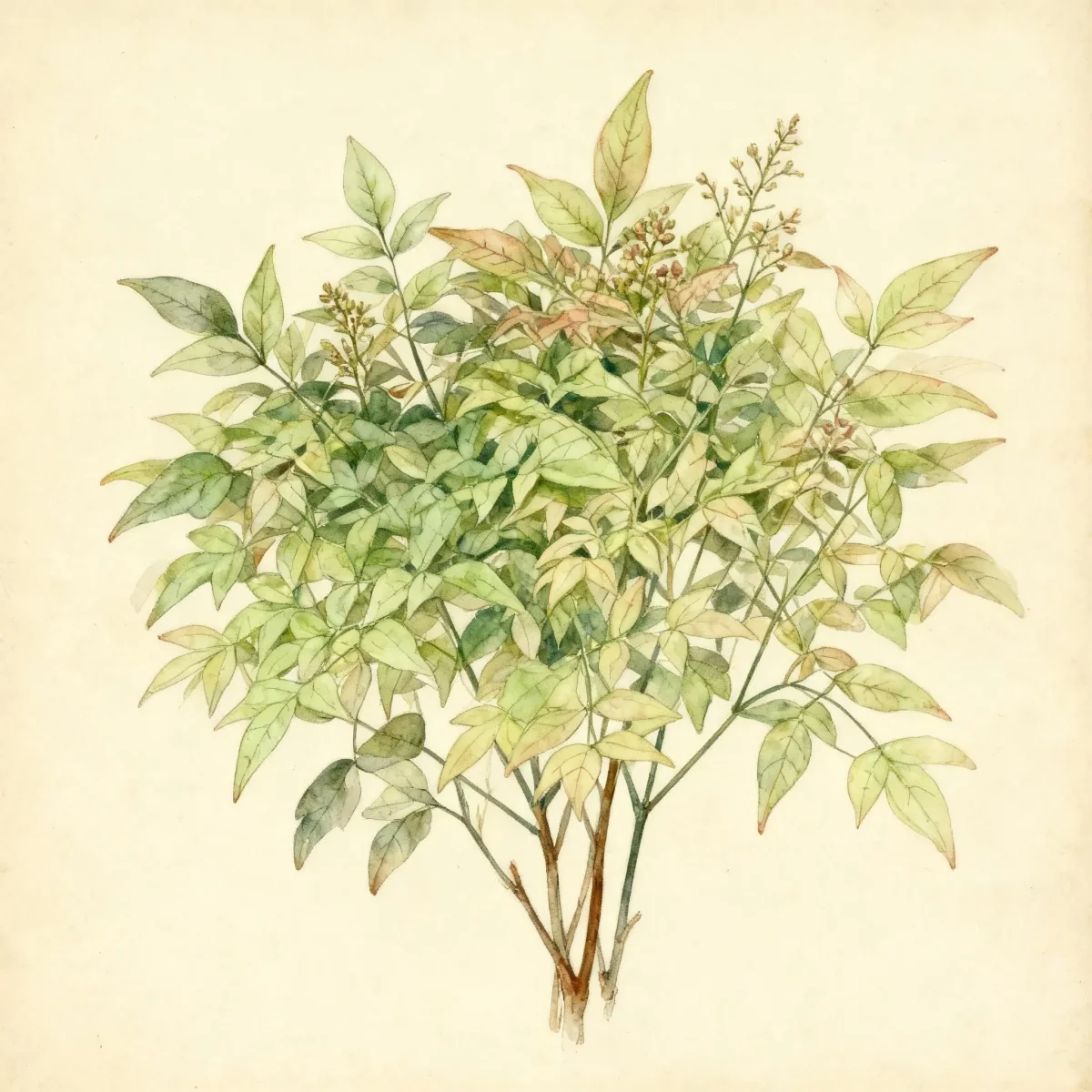
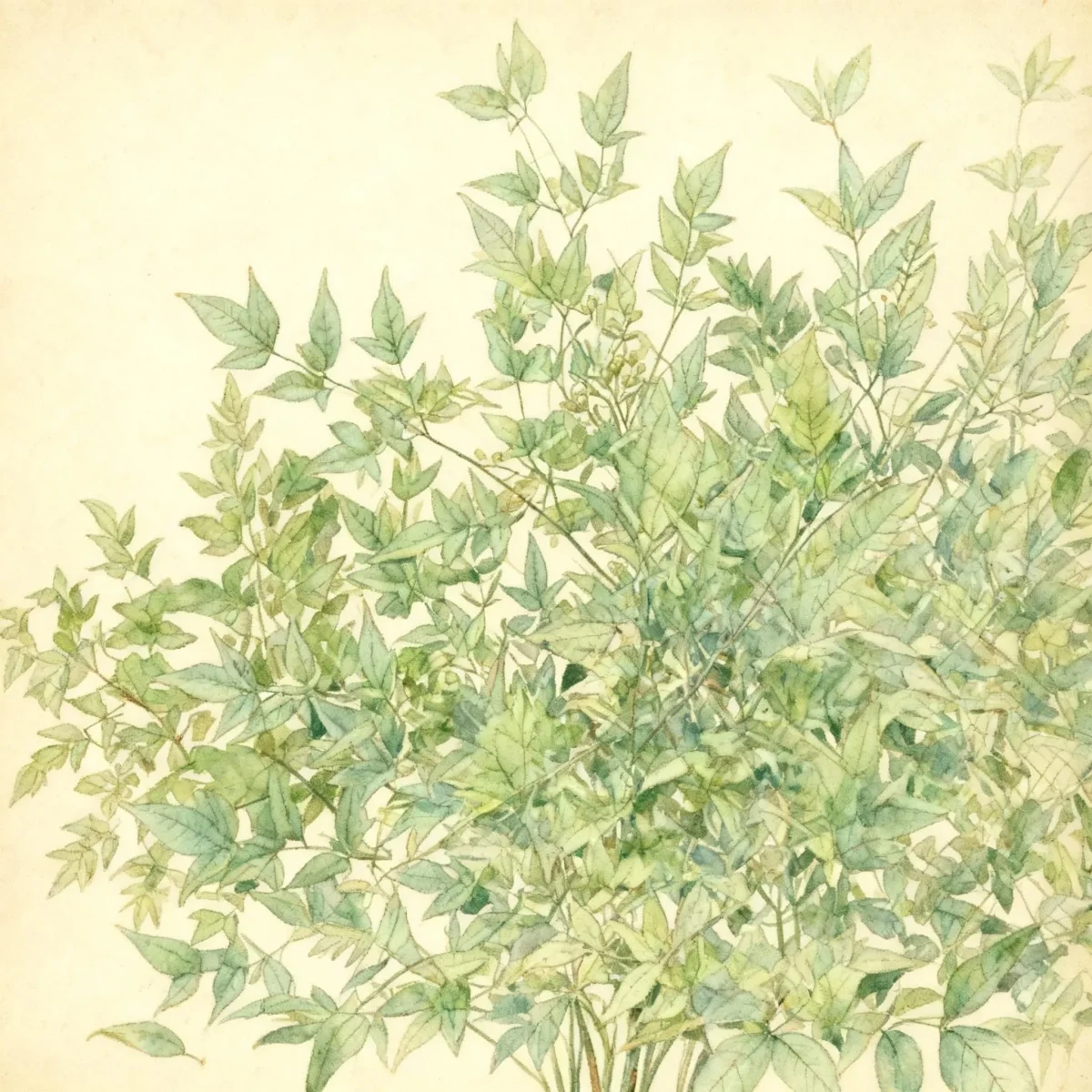
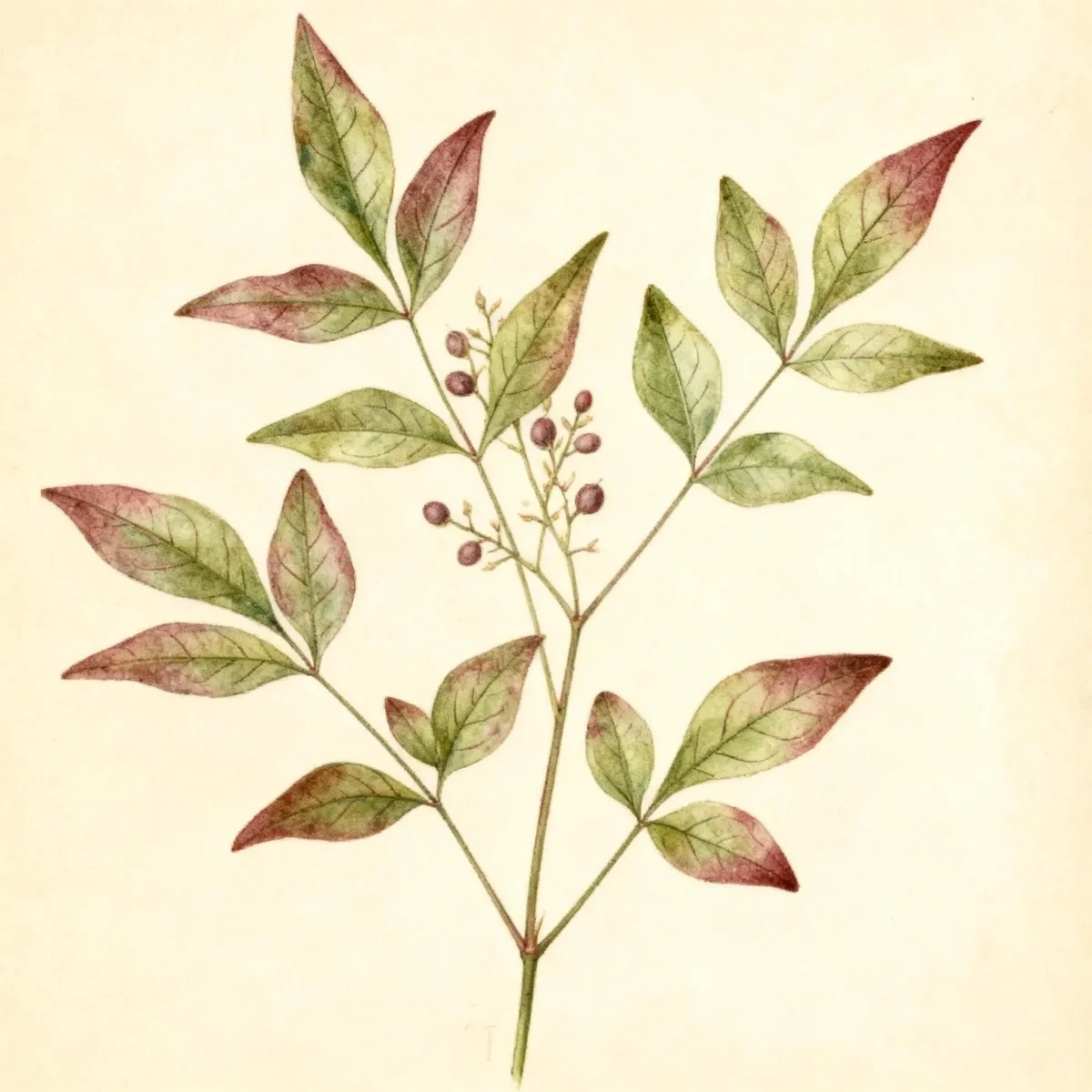
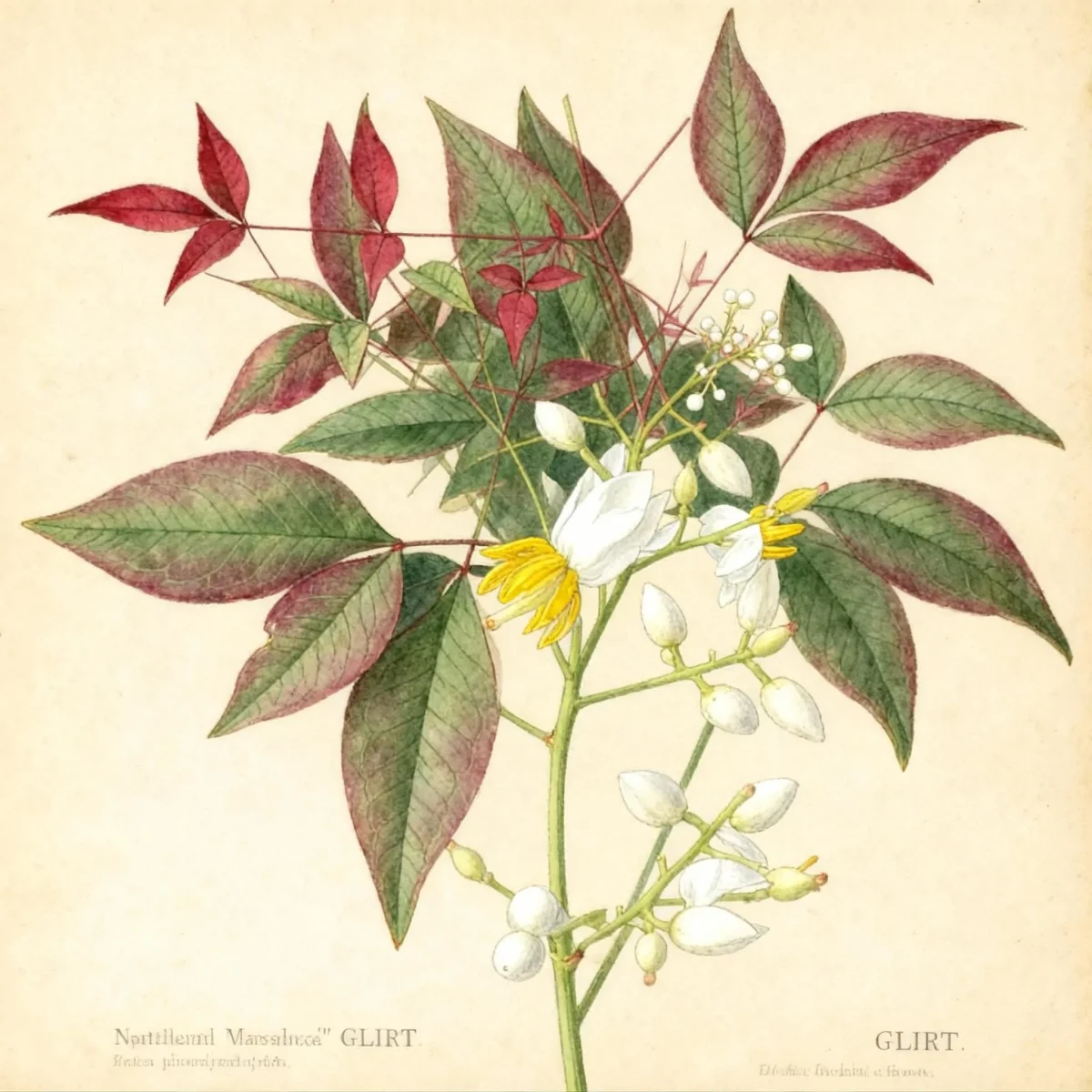
Heavenly bamboo (Nandina domestica 'Emerald Sea')
Nandina domestica 'Emerald Sea', or Heavenly bamboo, is an upright evergreen offering great foliage and persistent red berries. Hardy in Zones 6-9.
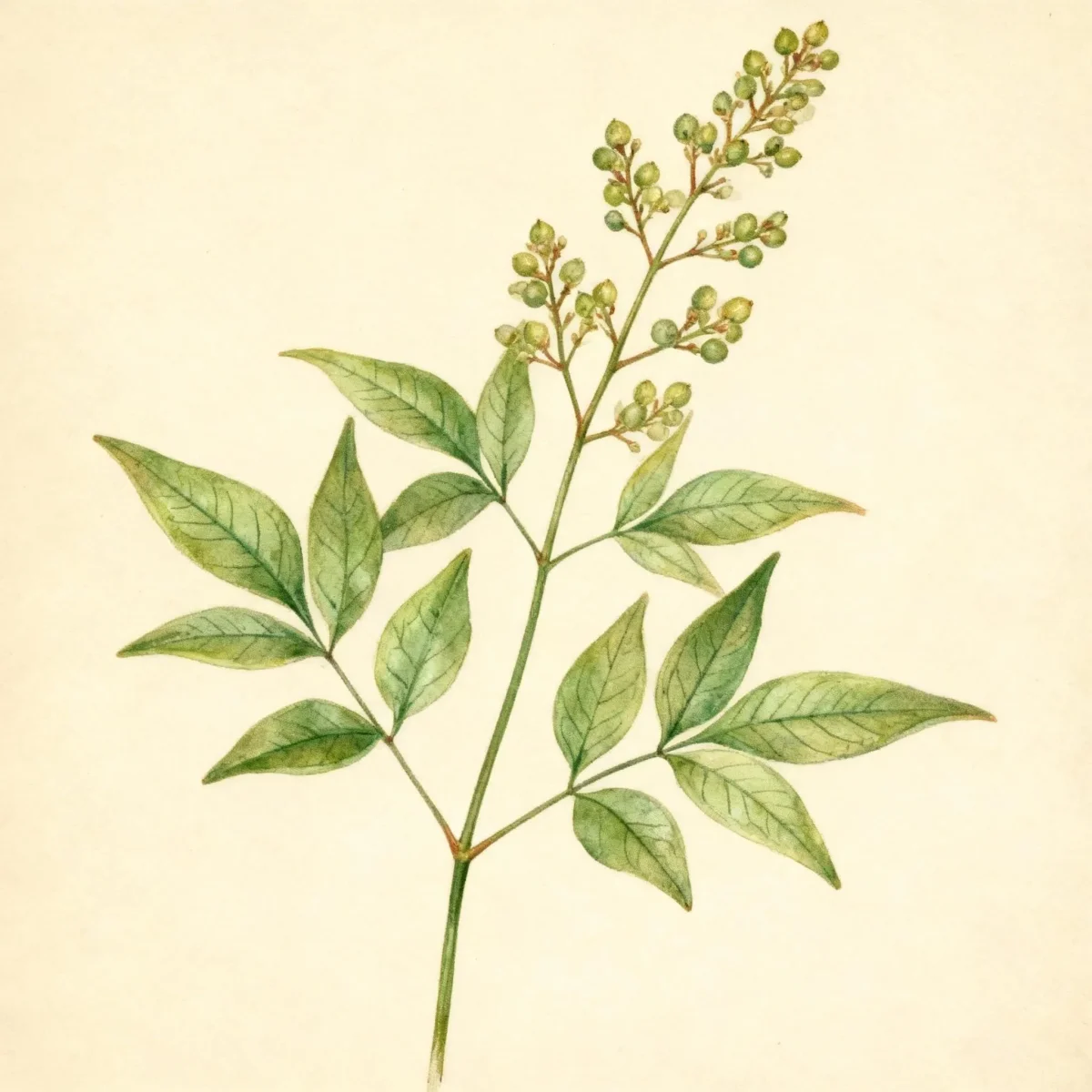

Bloom Boldly, No Matter the Season - Sweatshirt
Cozy organic cotton sweatshirt featuring our exclusive Purple Coneflower design. Perfect for gardeners who bloom year-round.
Inspired by the beautiful Heavenly bamboo
Limited first batch (50) — join the waitlist for early access
Waitlist closes Feb 15, 2026.
Complete Plant Information
Field Guide Continues
Ready for care notes, companion picks, and planting tips?
The map is just the start. The full guide below covers growth habits, seasonal performance, and landscape uses.
Overview
Nandina domestica ‘Emerald Sea’ is prized for its strongly upright, cane-like stems and attractive compound foliage, earning it the common name Heavenly bamboo. This broadleaf evergreen provides exceptional ornamental value, particularly through its striking red berries that persist well into the winter months in warmer climates. It offers reliable structure and seasonal interest, making it a staple in managed landscapes.
The value of this selection lies in its dual-season appeal: delicate white blooms followed by vibrant persistent fruit displays. While native to East Asia, Nandina domestica ‘Emerald Sea’ thrives across a wide array of conditions, though its evergreen nature is most reliable in warmer regions. Gardeners appreciate its medium stature, making it excellent for screening or accent planting.
Successfully cultivating Heavenly bamboo ensures year-round visual appeal. Although generally resilient, understanding its specific soil and winter hardiness requirements is essential for maximizing its performance as a visually interesting shrub. Planning its placement correctly ensures the best foliage color and fruit production.
Fast Facts
- Plant Family: Berberidaceae
- Plant Type: Broadleaf evergreen
- Hardiness Zones: USDA Zones 6-9
- Size at Maturity:
- Height: 4-5 ft
- Spread: 2-3 ft
- Bloom Time: May to June
- Bloom Description: White
- Sun Exposure: Full sun to part shade
- Water Needs: Medium
- Maintenance Level: Medium
How to Grow
Plant Nandina domestica ‘Emerald Sea’ in the spring or fall, allowing roots time to establish before seasonal extremes. It performs best in average, medium moisture, well-drained soils. While it tolerates a wide range of soil types, it prefers rich, humusy conditions. Provide consistent watering, especially when the plant is young, though established Heavenly bamboo exhibits good drought tolerance.
For optimal growth, site the shrub where it receives full sun or partial shade. Foliage generally develops best when sun is present, though some afternoon shade is appreciated in the hottest climates. If you seek abundant fruiting, ensure plants are grouped closely together, as single specimens may fruit poorly.
In colder regions within its range (near Zone 6), the plant may become semi-evergreen or deciduous, potentially losing foliage or having stems die back below 10°F. In these borderline areas, provide winter protection, such as a thick layer of organic mulch around the base. Pruning mainly involves removing dead or damaged wood, typically done in late winter or early spring before new growth begins.
Landscape Uses
Nandina domestica ‘Emerald Sea’ is incredibly versatile, fitting well into numerous landscape designs. Its upright, somewhat formal habit makes it an excellent choice for use as an informal hedge in warmer zones where it retains its evergreen structure year-round. Beyond hedging, mass plantings or grouping the shrub highlight its interesting foliage and consistent structure, especially when placed near foundations or in shrub borders.
Consider using contrasting textures nearby; the fine texture of Heavenly bamboo pairs well with broader-leafed evergreens or deciduous shrubs. Its ability to handle some shade allows it to function effectively in open woodland garden settings where dappled light prevails. The ornamental appeal lasts all year, providing a dependable element of structure even when other perennials have died back.
Standout Features
Flower Qualities
- Showy
Fruit Qualities
- Showy
Noteworthy Characteristics
Nandina domestica, commonly called heavenly bamboo, is a broadleaf evergreen shrub that is ornamentally grown for its interesting foliage and its often spectacular fruit display. This is a rhizomatous, upright evergreen shrub that typically grows to 4-8’ tall and to 2-4’ wide, though the ‘Emerald Sea’ cultivar is more controlled. Flowers are followed by sprays of spherical, two-seeded, red berries which persist from fall to spring, providing significant winter interest in the landscape.
Tolerances
- Drought
- Heavy Shade
Potential Problems
The primary concern when integrating Nandina domestica ‘Emerald Sea’ is its invasive potential in certain regions, particularly the southeastern US. Always check local ordinances regarding planting non-native invasives. Culturally, foliage may exhibit chlorosis (yellowing) if planted in highly alkaline soils; amend the soil heavily with organic matter if necessary. While generally resists pests, diligent monitoring will prevent minor issues from escalating.
Frequently Asked Questions
What hardiness zones is Heavenly bamboo suitable for?
Nandina domestica ‘Emerald Sea’ is reliably hardy in USDA Zones 6 through 9. Performance in Zone 6 should be monitored, as stem dieback can occur during severe cold snaps.
How large does Nandina domestica ‘Emerald Sea’ grow?
This shrub typically reaches a mature height between 4 and 5 feet tall, with a moderate spread ranging from 2 to 3 feet wide, maintaining a relatively narrow profile.
What sun exposure does Heavenly bamboo need?
It prefers full sun to part shade. While it tolerates some shade, the foliage display and fruit set are generally maximized when the plant receives adequate light throughout the day.
When does Nandina domestica ‘Emerald Sea’ bloom?
The plant produces small, whitish flowers from May through June, which subsequently develop into the attractive, showy red berries.
Conclusion
Nandina domestica ‘Emerald Sea’ remains a top choice for gardeners seeking reliable structure, interesting foliage, and vibrant winter color from their plantings. Its adaptability across sun conditions makes the selection of Heavenly bamboo a sound decision for borders or mass plantings. Consult your local extension office regarding cold hardiness before planting this evergreen shrub in the colder edges of Zone 6.
Companion Planting
When designing a border around Nandina domestica ‘Emerald Sea’, look for plants that offer textural or color contrast during the dormant season. Hostas or ferns make excellent companions in partial shade locations, complementing the fine texture of the Heavenly bamboo’s leaves when both are actively growing. In sunny areas, deciduous shrubs that offer bright fall color, such as certain varieties of native sumac, will create dynamic seasonal change around the evergreen framework provided by the Nandina.
Seasonal Care Calendar
Spring is the ideal time for cleanup and light pruning of Nandina domestica ‘Emerald Sea’, focusing on removing any winter-damaged stems before new growth begins in earnest. Throughout the summer, maintain medium moisture levels with supplemental watering during extended dry spells, particularly if the shrub is in full sun. In fall, appreciate the developing red berries; no major intervention is required unless deer pressure is high, in which case netting might be needed. In winter, especially in Zone 6, apply a generous layer of mulch to help insulate the root system against sudden freezes.