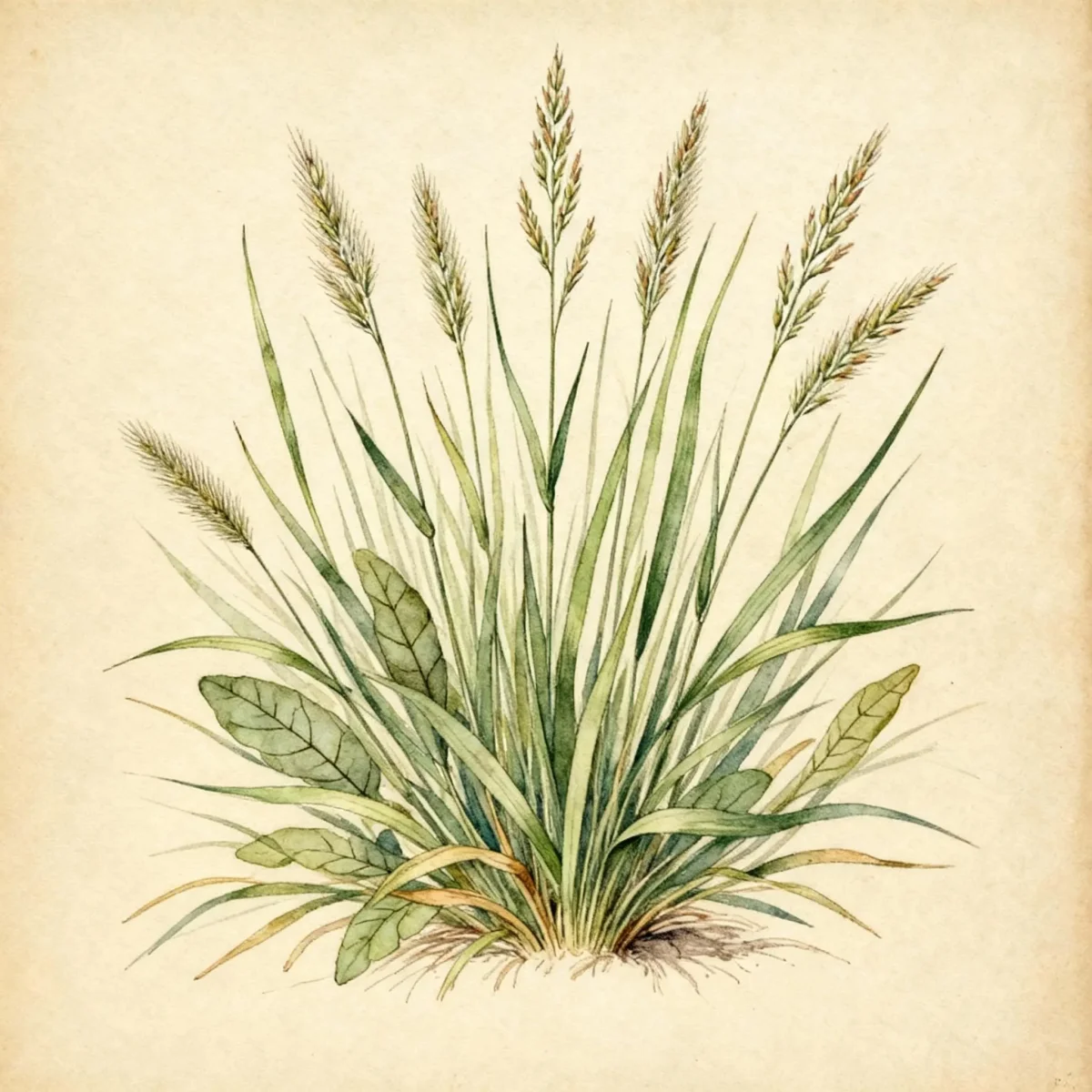
Tufted hair grass (Deschampsia cespitosa 'Pixie Fountain')
Deschampsia cespitosa 'Pixie Fountain' is an elegant ornamental grass perfect for shade, offering silvery plumes and low maintenance Tufted hair grass.

Bloom Boldly, No Matter the Season - Sweatshirt
Cozy organic cotton sweatshirt featuring our exclusive Purple Coneflower design. Perfect for gardeners who bloom year-round.
Inspired by the beautiful Tufted hair grass
Limited first batch (50) — join the waitlist for early access
Waitlist closes Feb 15, 2026.
Complete Plant Information
Field Guide Continues
Ready for care notes, companion picks, and planting tips?
The map is just the start. The full guide below covers growth habits, seasonal performance, and landscape uses.
Overview
Deschampsia cespitosa ‘Pixie Fountain’ is a prized cultivar of Tufted hair grass, valued by gardeners for its delicate, airy bloom structure, which softens the edges of shaded garden beds. This cool-season ornamental grass forms dense tussocks of thin, arching, dark green blades, providing fine texture year-round. The main attraction of Deschampsia cespitosa ‘Pixie Fountain’ is the summer display of numerous flower stems bearing silvery white panicles that mature to a lovely brown.
A significant benefit of this variety is its adaptability to partial shade, making it a reliable choice where many other ornamental grasses would struggle to flower. Its low maintenance requirements and ability to offer textural contrast ensure it remains a staple in woodland and shade garden designs. Gardeners seeking reliable structure and ethereal flowering in moderately shady locations should highly consider adding this compact Tufted hair grass to their landscape plan.
Fast Facts
- Plant Family: Poaceae
- Plant Type: Ornamental grass
- Hardiness Zones: USDA Zones 2-7
- Size at Maturity:
- Height: 1.5-2 ft
- Spread: 1-1.5 ft
- Bloom Time: July to September
- Bloom Description: Silvery white maturing to brown
- Sun Exposure: Part shade
- Water Needs: Medium
- Maintenance Level: Low
How to Grow
The best time to establish Deschampsia cespitosa ‘Pixie Fountain’ is when planting consistently moist soil is available. This ornamental grass thrives best when situated in average, medium, well-drained soils; however, it strongly prefers those soils to be organically rich and consistently moist. While it tolerates part shade well, be mindful that moving the clump into deep shade will significantly reduce its flowering performance.
Maintenance for Tufted hair grass is generally quite low. Provide medium water, ensuring the soil does not dry out completely, especially during establishment. Fertilization is rarely necessary if the soil is organically rich. The primary cultural task involves cutting the old foliage down to the ground late in the winter months, just before the new shoots begin to emerge in spring.
Flowering stems can either be left standing through winter for residual interest or removed in the fall to achieve a tidier appearance. Note that the semi-evergreen foliage might maintain some green color during milder winters, such as those experienced in St. Louis, adding continuous visual appeal.
Landscape Uses
As a recommended use, this cultivar excels when massed throughout woodland gardens or naturalized areas where its fine texture and subtle, ethereal summer bloom can create a cloud-like effect above the dark foliage. Deschampsia cespitosa ‘Pixie Fountain’ also functions effectively as a specimen plant or in small groups within shaded borders or large rock gardens.
It is particularly effective planted near moist margins, such as ponds or streams, where it echoes the natural, airy feel of streamside plantings. This Tufted hair grass mixes beautifully with other shade-loving perennials, complementing the bold leaves of Hostas and the varied textures of native ferns. Its compact size also makes it useful for defining edges or softening transitions in layered shade plantings.
Standout Features
Flower Qualities
- Showy
- Good Cut
- Good Dried
Noteworthy Characteristics
Deschampsia cespitosa, commonly called tufted hair grass, is a clump-forming, cool season grass which is often grown as an ornamental. It typically forms a low, dense tussock (to 16” tall) of very thin (1/5” wide), arching, flat to inrolled, dark green grass blades (to 2’ long). Numerous flower stems rise in summer from the foliage mound to a height of 3’ bearing wide, airy panicles (to 20” long) of tiny, variably-colored flowers (tones of gold, silver, purple and green) which form a cloud over the foliage that is particularly attractive when backlit. Flower panicles turn yellowish-tan after bloom as the seed ripens and may remain attractive through much of the winter. One of the few ornamental grasses that grows well in shade.Genus name honors Louis August Deschamps (1765-1842) French surgeon and naturalist.Specific epithet means tufted.Common name is in obvious reference to the hair-like grass blades which grow in tufts.‘Pixie Fountain’ was introduced by Jelitto Seeds of Louisville, Kentucky. It is a dwarf tufted hair grass that grows in dense clumps that are 1.5 to 2 ft. Tall and 1 to 1.5 ft. Wide. It has silver-green foliage and bright silvery-white flowers that mature to a rich brown and are pretty in cut or dried flower arrangements
Tolerances
- Black Walnut
- Air Pollution
Potential Problems
This variety of Tufted hair grass experiences no serious insect or disease problems under normal growing conditions. Effective management relies primarily on proper cultural care, ensuring sharp drainage and adequate moisture without waterlogging. Avoid planting in overly dry, hot locations, as stress can occasionally lead to browning of the leaf tips.
Frequently Asked Questions
What hardiness zones is Tufted hair grass suitable for?
Deschampsia cespitosa ‘Pixie Fountain’ is highly adaptable across cool climates, suitable for USDA Zones 2 through 7.
How large does Deschampsia cespitosa ‘Pixie Fountain’ grow?
This dwarf cultivar typically reaches a mature height between 1.5 and 2 feet tall, with a spread of 1 to 1.5 feet wide, forming a neat, dense clump.
When does Tufted hair grass bloom?
The delicate flowering begins in July and can continue through September, showcasing silvery white plumes that gradually mature to shades of brown.
What sun exposure does Deschampsia cespitosa ‘Pixie Fountain’ need?
This plant is best sited in part shade, though it requires adequate light to produce its best silvery flowering displays.
Conclusion
The Deschampsia cespitosa ‘Pixie Fountain’ offers undeniable value through its fine texture and tolerance for partial shade, providing an airy elegance unmatched by many other grasses. This low-maintenance Tufted hair grass is an exceptional textural element for borders and woodland plantings. Before planting, confirm your site offers moist, well-drained soil and fits within USDA Zones 2-7 for best performance.
Companion Planting
Selecting companions that share the Part Shade to moderate light requirements of Deschampsia cespitosa ‘Pixie Fountain’ will enhance the overall design. Excellent partners include woodland staples that offer bold form, contrasting nicely with the fine texture of the grass. Consider pairing it with Astilbe, which enjoys similar moist soil conditions and provides colorful, reliable summer spikes.
Ferns are indispensable companions for Tufted hair grass, particularly species like the Japanese Painted Fern or Ostrich Fern, offering varied leaf shapes and textures beneath the light floating plumes of the ornamental grass. For ground cover in the understory, low-growing Vinca or Ajuga can help suppress weeds while keeping the soil consistently cool and moist, benefiting the entire planting community.
Design Ideas for Shaded Borders
Using Deschampsia cespitosa ‘Pixie Fountain’ in shaded borders creates a beautiful sense of movement, especially when planted near a walkway where subtle breezes can activate the airy flower heads. Plant them in drifts rather than single specimens to maximize the shimmering, cloud-like effect, reminiscent of mist hanging in water meadows.
When planting along the edge of a wooded path, utilize the suggested use as Ground Cover, allowing the clumps to softly transition into the surrounding mulch or natural ground. Because the bloom matures to brown and can remain attractive through winter, ensure taller, later-blooming perennials overlap its sightline to maintain interest once the grass goes dormant or semi-dormant.