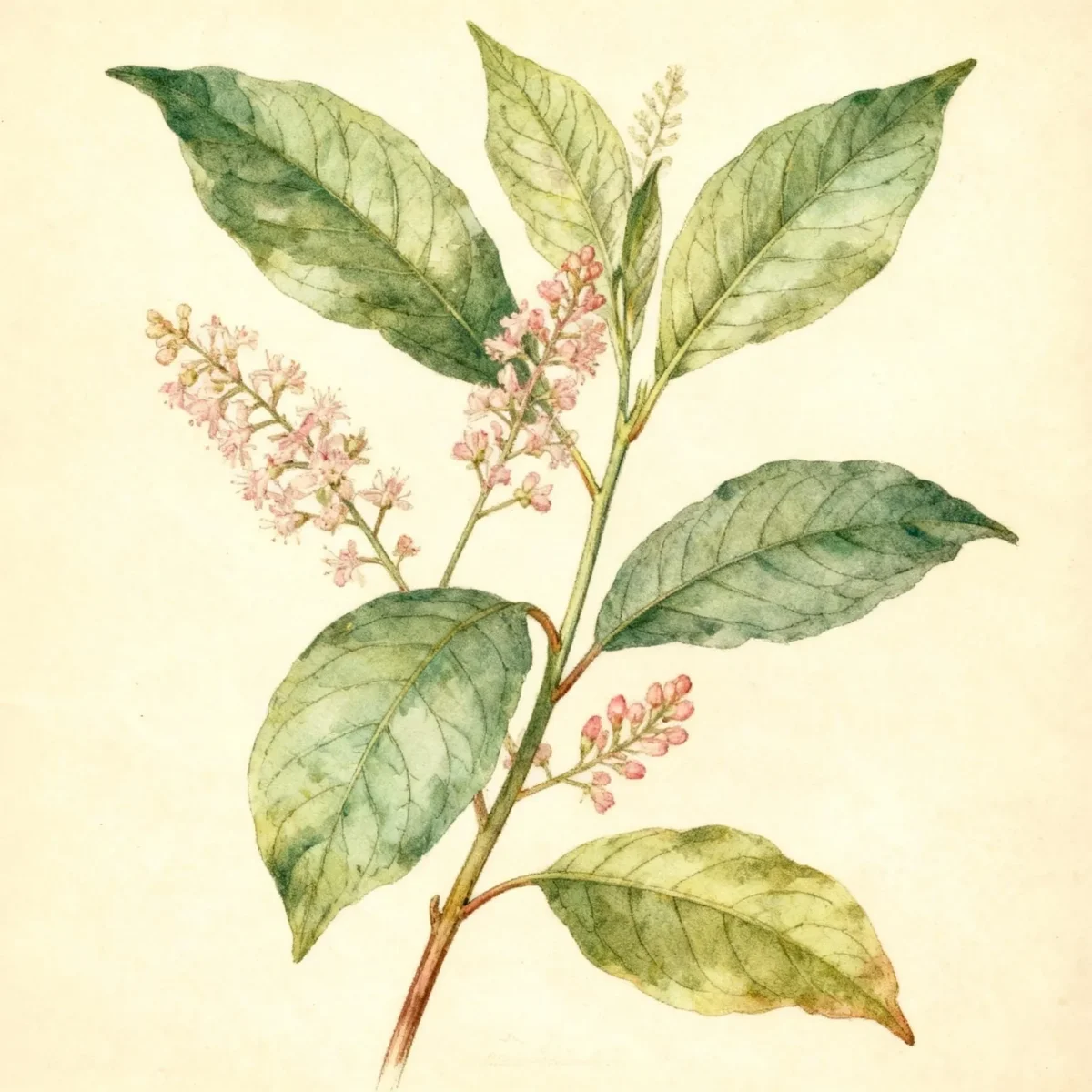
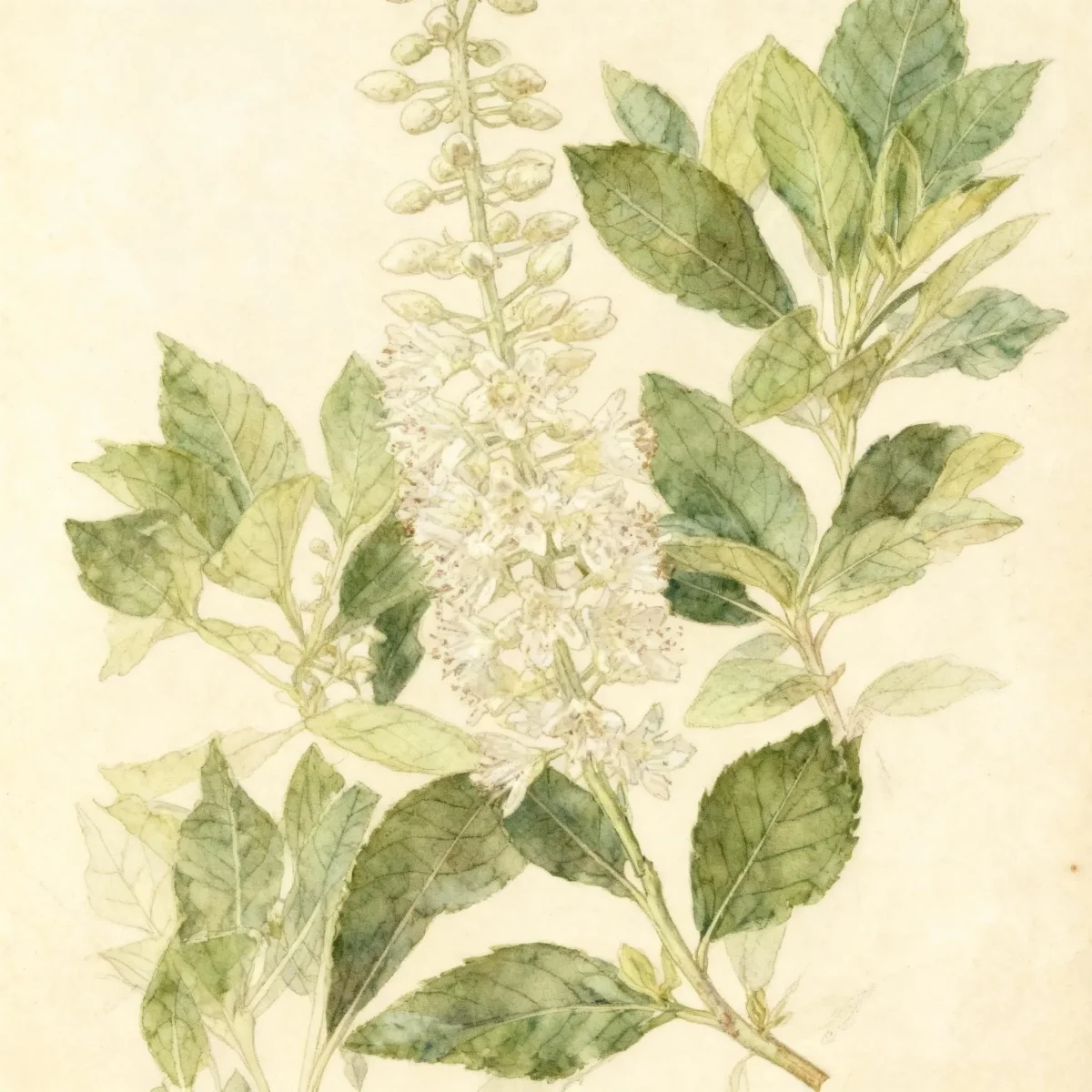
Woolly white alder (Clethra tomentosa 'Cottondale')
Clethra tomentosa 'Cottondale' (Woolly white alder) offers crucial late-season white flowers, thriving in moist to wet soils across USDA Zones 7-9.
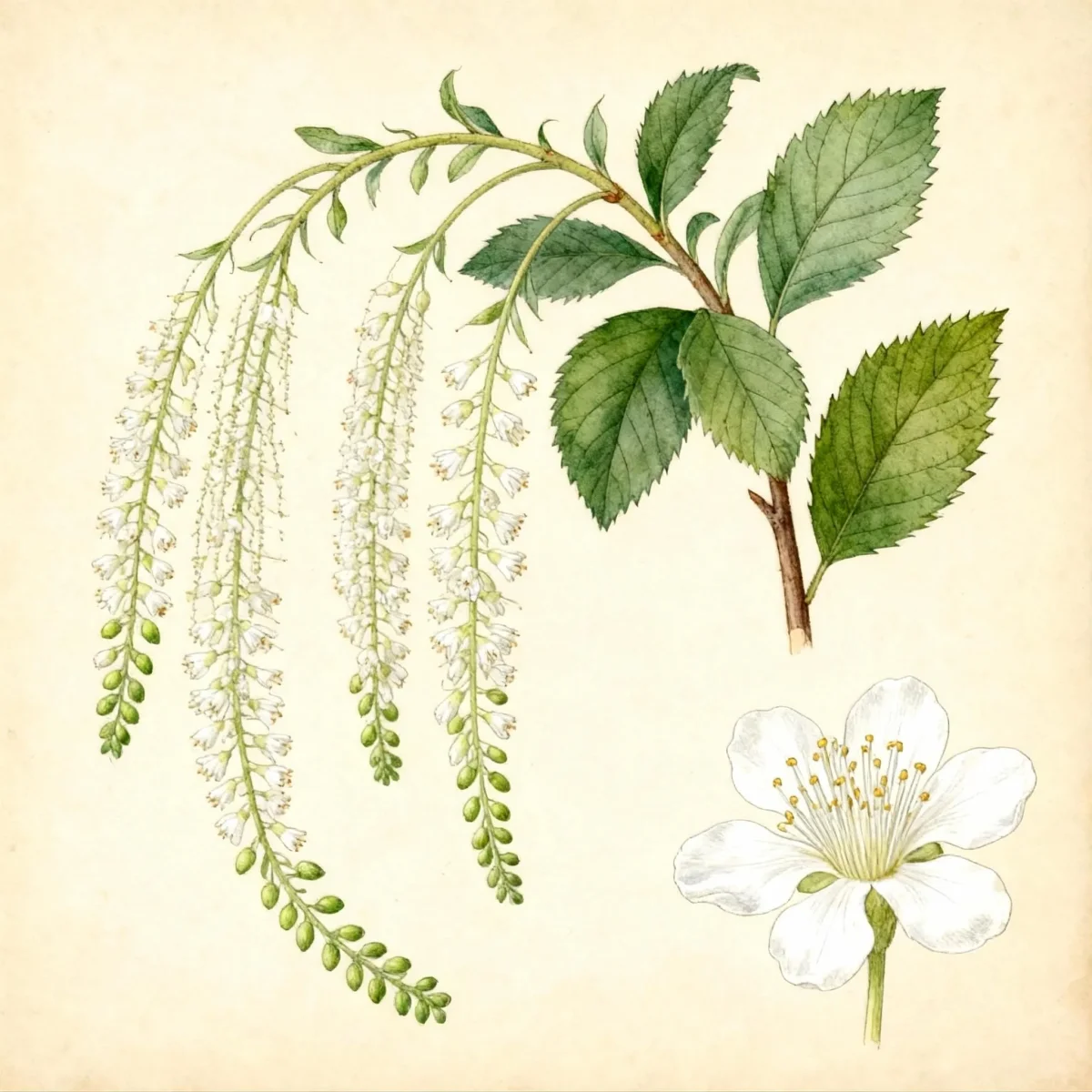

Bloom Boldly, No Matter the Season - Sweatshirt
Cozy organic cotton sweatshirt featuring our exclusive Purple Coneflower design. Perfect for gardeners who bloom year-round.
Inspired by the beautiful Woolly white alder
Limited first batch (50) — join the waitlist for early access
Waitlist closes Feb 15, 2026.
Complete Plant Information
Field Guide Continues
Ready for care notes, companion picks, and planting tips?
The map is just the start. The full guide below covers growth habits, seasonal performance, and landscape uses.
Overview
The Woolly white alder, expertly cultivars as Clethra tomentosa ‘Cottondale’, is a highly valued deciduous shrub, especially appreciated for its late-season floral display. It fills the summer garden gap, offering masses of sweetly fragrant white flowers when many other shrubs have finished blooming. This cultivar is noted for its slightly denser branching and longer flower racemes compared to the species.
Clethra tomentosa ‘Cottondale’ provides excellent texture and reliable late summer color, attracting significant attention from butterflies and bees. As a suckering shrub native to damp southeastern United States habitats, it thrives where many woodland plants struggle—in consistently moist to wet acidic soils.
Its compact nature and attractive yellow-to-golden fall foliage further cement its position as a versatile garden workhorse. Gardeners frequently select the Woolly white alder for its tolerance of moisture and its ability to contribute fragrance and structure deep into the summer months.
Fast Facts
- Plant Family: Clethraceae
- Plant Type: Deciduous shrub
- Hardiness Zones: USDA Zones 7-9
- Size at Maturity:
- Height: 3-6 ft
- Spread: 3-6 ft
- Bloom Time: July to September
- Bloom Description: White
- Sun Exposure: Full sun to part shade
- Water Needs: Medium to wet
- Maintenance Level: Medium
How to Grow
Plant Clethra tomentosa ‘Cottondale’ during the cooler, wetter parts of the year—early spring or fall—to allow it time to establish roots before summer heat arrives. This shrub prefers consistently moist and acidic, sandy soils, though it handles average conditions well. While it thrives best with part shade and sufficient moisture, it notably tolerates clay soils and even full shade, though flowering may be diminished there.
Watering for the Woolly white alder must be consistent; these plants should never be allowed to dry out completely, especially when young or during hot spells. Fertilization is rarely required if the soil base is adequate and rich in organic matter. Pruning is generally minimal, typically addressed in late winter only if shaping is necessary.
A specific cultural note for establishing a tidy look is to promptly remove any root suckers that emerge outside the desired planting area. If a naturalized effect is sought, allowing suckers to develop will help the Clethra tomentosa ‘Cottondale’ spread gradually. Propagation is achievable through cuttings.
Landscape Uses
The unique ability of Summer sweets, including the cultivar Woolly white alder, to bloom profusely in the shade during late summer makes them indispensable for foundation plantings and woodland borders. Clethra tomentosa ‘Cottondale’ performs admirably when massed in large groups to create a long-lasting screen or informal hedge. Its resistance to wet feet also makes it suitable for stabilizing stream banks or bordering pond peripheries where moisture is abundant.
For smaller gardens, the compact size of this shrub is a significant advantage. Plant near patios or seating areas to maximize enjoyment of the intensely sweet, showy flowers in July and August. It pairs well with moisture-loving, acid-tolerant species such as rhododendrons, azaleas, or various ferns, creating layered interest throughout the growing season.
Standout Features
Flower Qualities
- Showy
- Fragrant
Noteworthy Characteristics
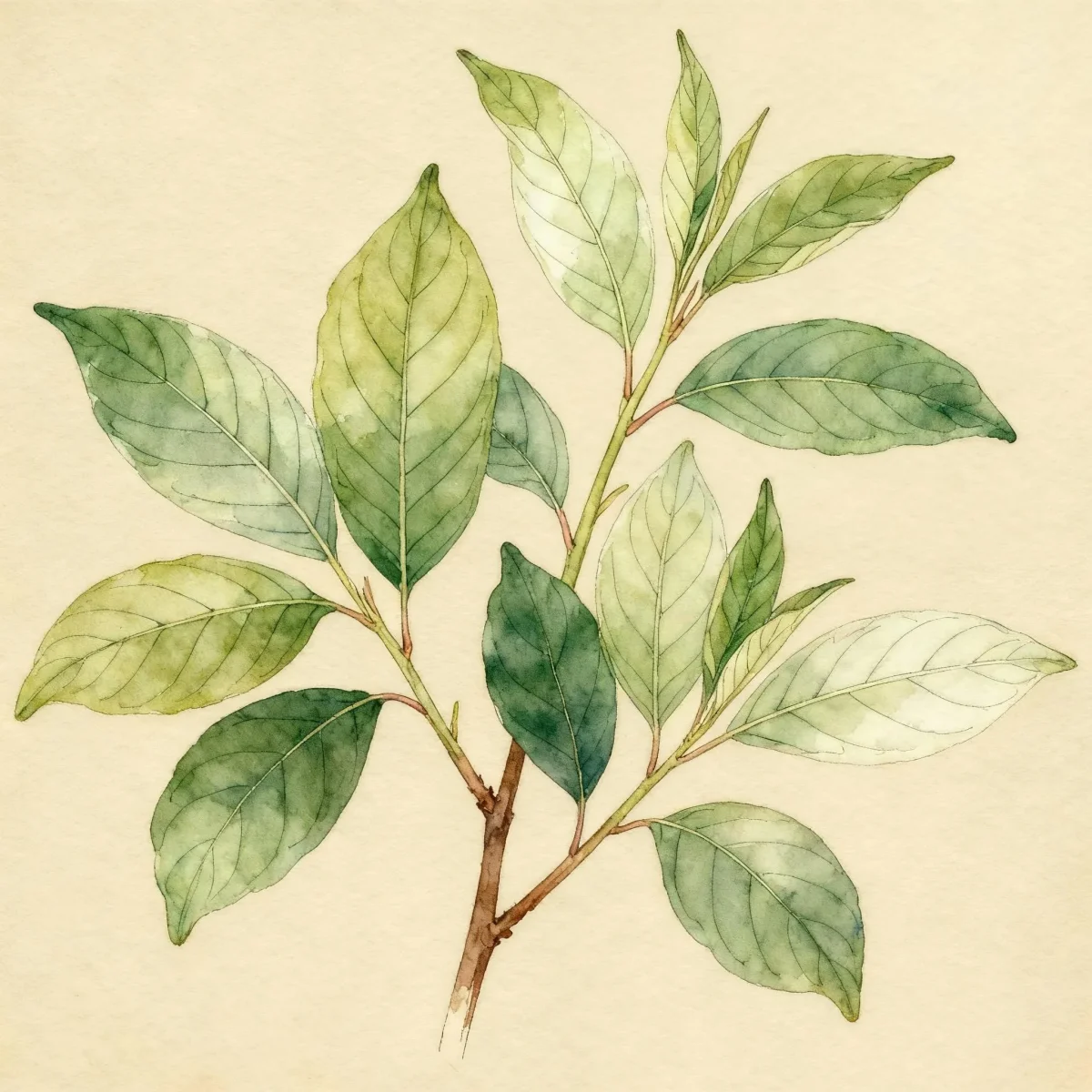
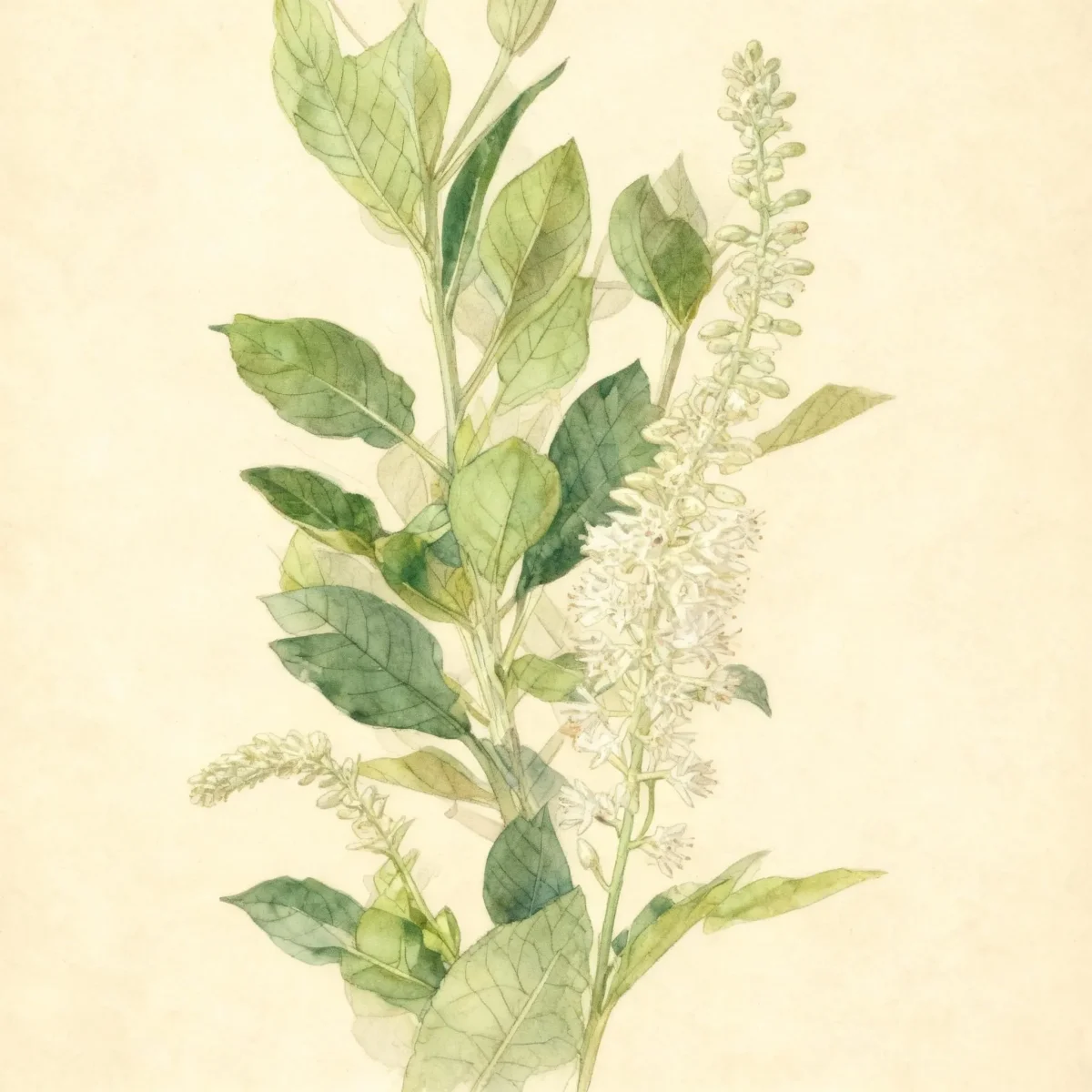
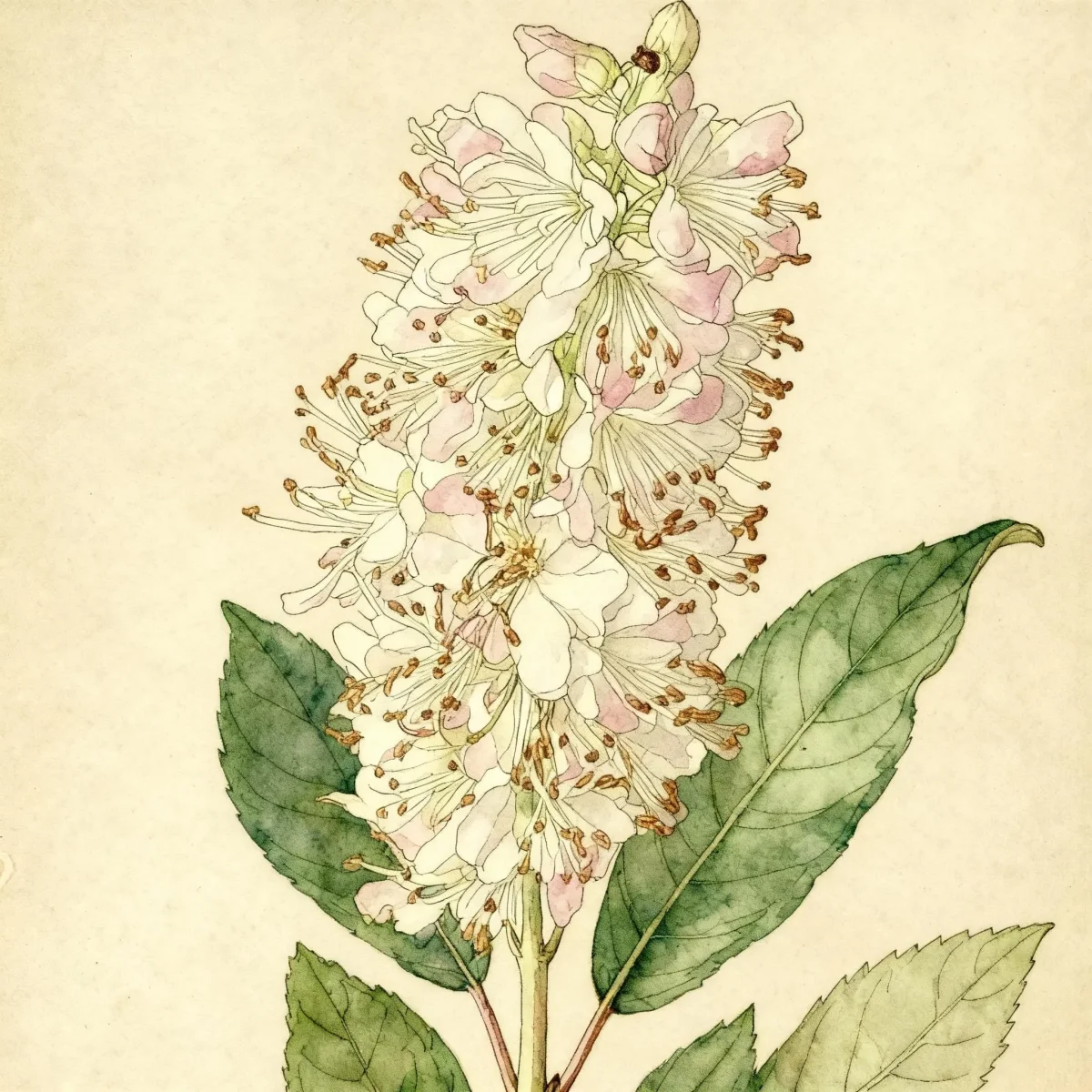
The Woolly white alder is distinguished by its fuzzy young shoots and glossy dark green leaves that transition to attractive yellow-golden shades in autumn. It produces long, drooping panicles of intensely fragrant white flowers from mid-July through September, offering vital late-season nectar for pollinators. The cultivar ‘Cottondale’ features especially long flower racemes, sometimes reaching up to 16 inches.
Tolerances
- Erosion
- Wet Soil
Potential Problems
Overall, Clethra tomentosa ‘Cottondale’ is remarkably pest- and disease-resistant, requiring little chemical intervention. The most likely issue to arise is minor infestations of spider mites, which typically only target the plant when growing conditions become excessively dry. Maintain consistent soil moisture, particularly during hot summer weather, to discourage these pests and ensure the health of your Woolly white alder.
Frequently Asked Questions
What hardiness zones is Woolly white alder suitable for?
This shrub is best suited for USDA Hardiness Zones 7 through 9.
How large does Clethra tomentosa ‘Cottondale’ grow?
Maturity generally sees Clethra tomentosa ‘Cottondale’ reaching heights and spreads between 3 to 6 feet.
When does Woolly white alder bloom?
The fragrant white blooms appear reliably from July through September.
What sun exposure does Clethra tomentosa ‘Cottondale’ need?
It performs best with full sun to part shade exposure, thriving where it receives consistent moisture.
Conclusion
The Woolly white alder (Clethra tomentosa ‘Cottondale’) offers unmatched mid-to-late summer fragrance and reliable white blooms, making it a staple for moist, partly shaded areas. Its attractive foliage and tolerance for difficult soil conditions ensure its success where other flowering shrubs might fail. Check your local hardiness zone compatibility and plan to plant this durable, fragrant shrub in the spring or fall for the best establishment.
Companion Planting
When selecting companions for Clethra tomentosa ‘Cottondale’, focus on plants that share its affinity for acidic soil and moist conditions. Hostas and ferns are excellent choices when planting in shadier spots beneath this shrub, providing contrasting foliage textures. For sunnier, wetter edges, consider planting Iris species, particularly moisture-loving Siberians, or native moisture-tolerant grasses that complement the shrub’s structure without competing aggressively for moisture near the surface roots.
Wildlife Benefits
The late-season bloom period of the Woolly white alder provides a critical nectar source when other garden flowers are waning. The sweet, white flowers are highly attractive to a wide range of beneficial native bees and butterflies that are actively foraging before the cooler weather sets in. Establishing a group of Clethra tomentosa ‘Cottondale’ can significantly boost the biodiversity and ecological function of late-summer landscapes.