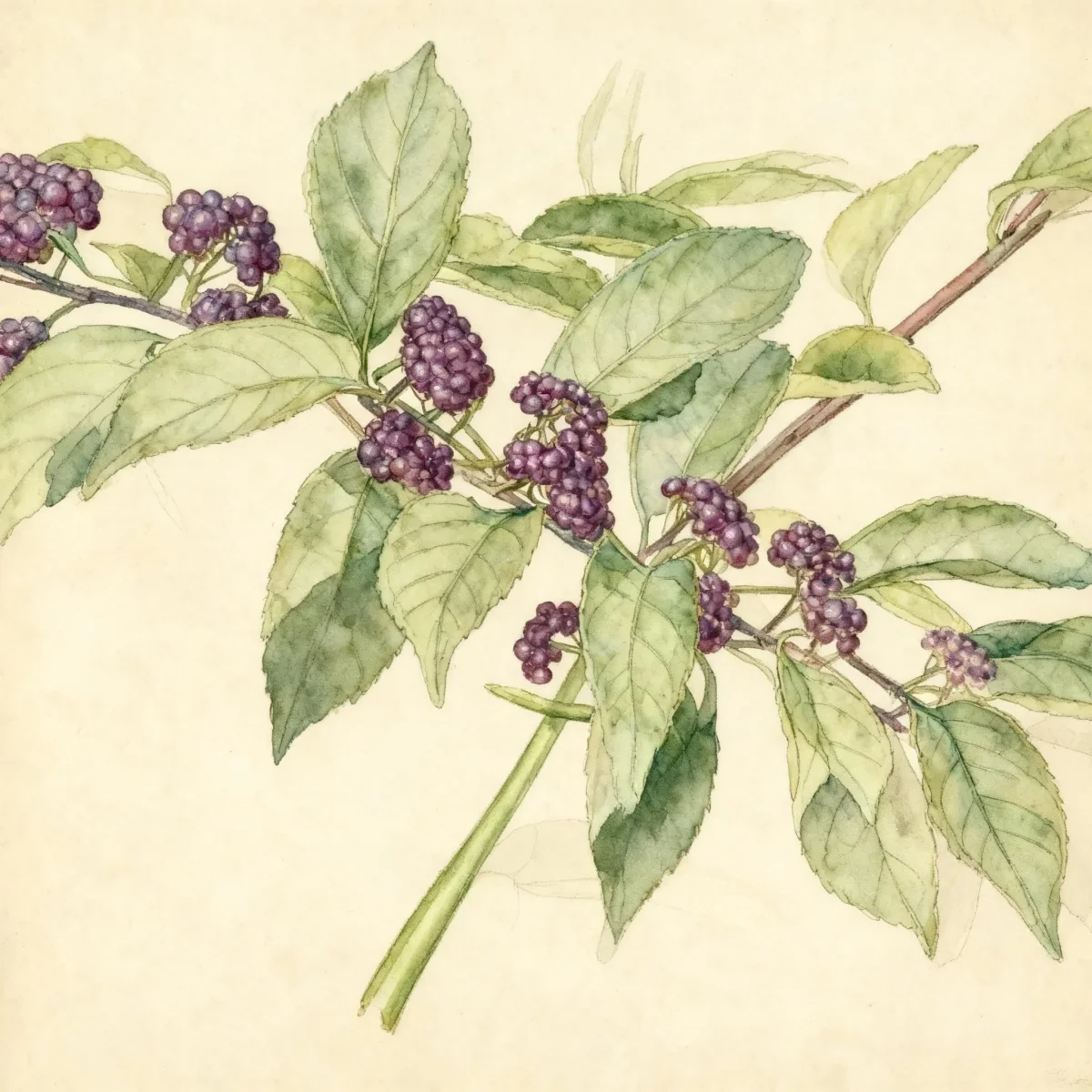
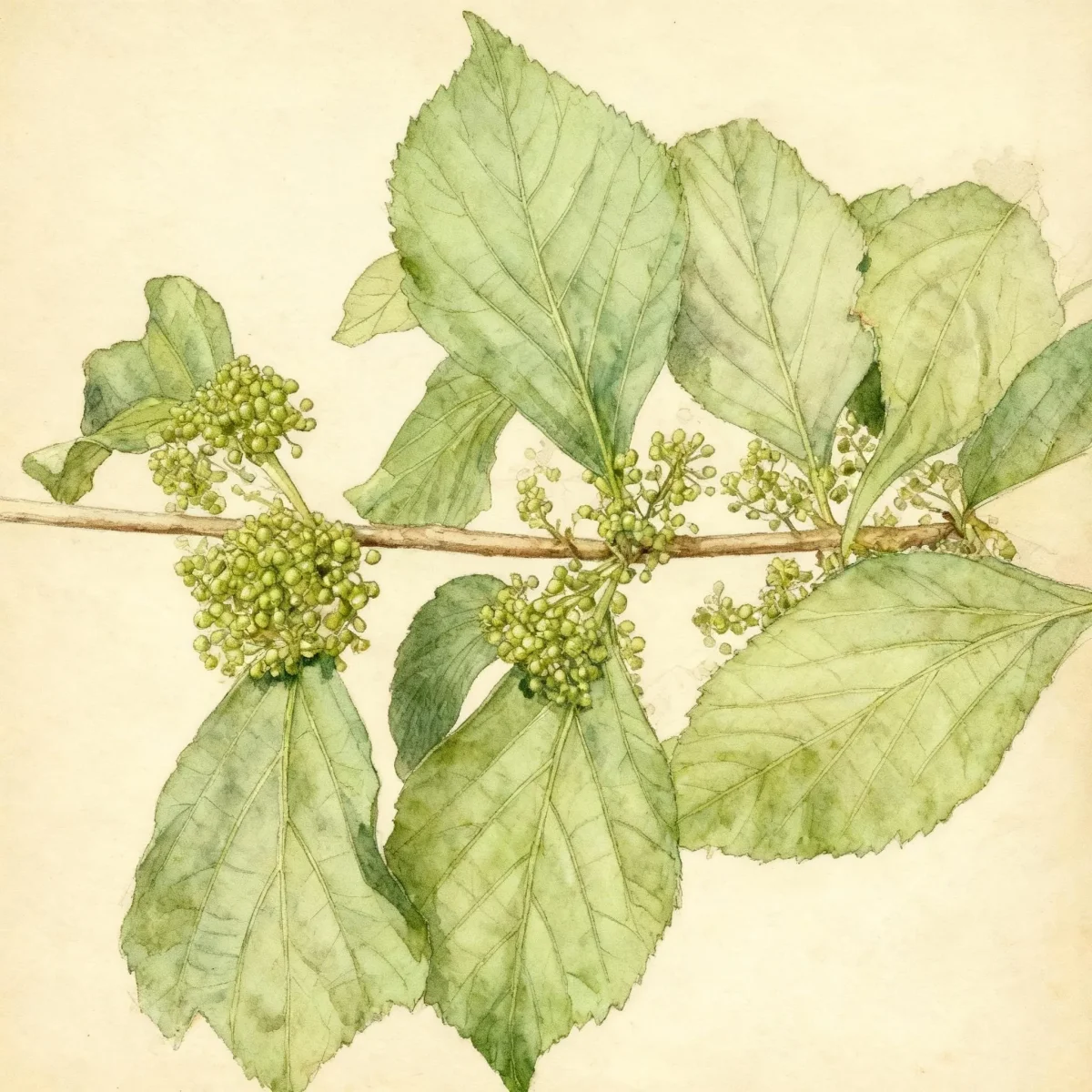
Shikoku beautyberry (Callicarpa shikokiana)
Discover Callicarpa shikokiana, the Shikoku beautyberry, prized for its ornamental fall berries. This 4-6 ft deciduous shrub thrives in zones 6-10.
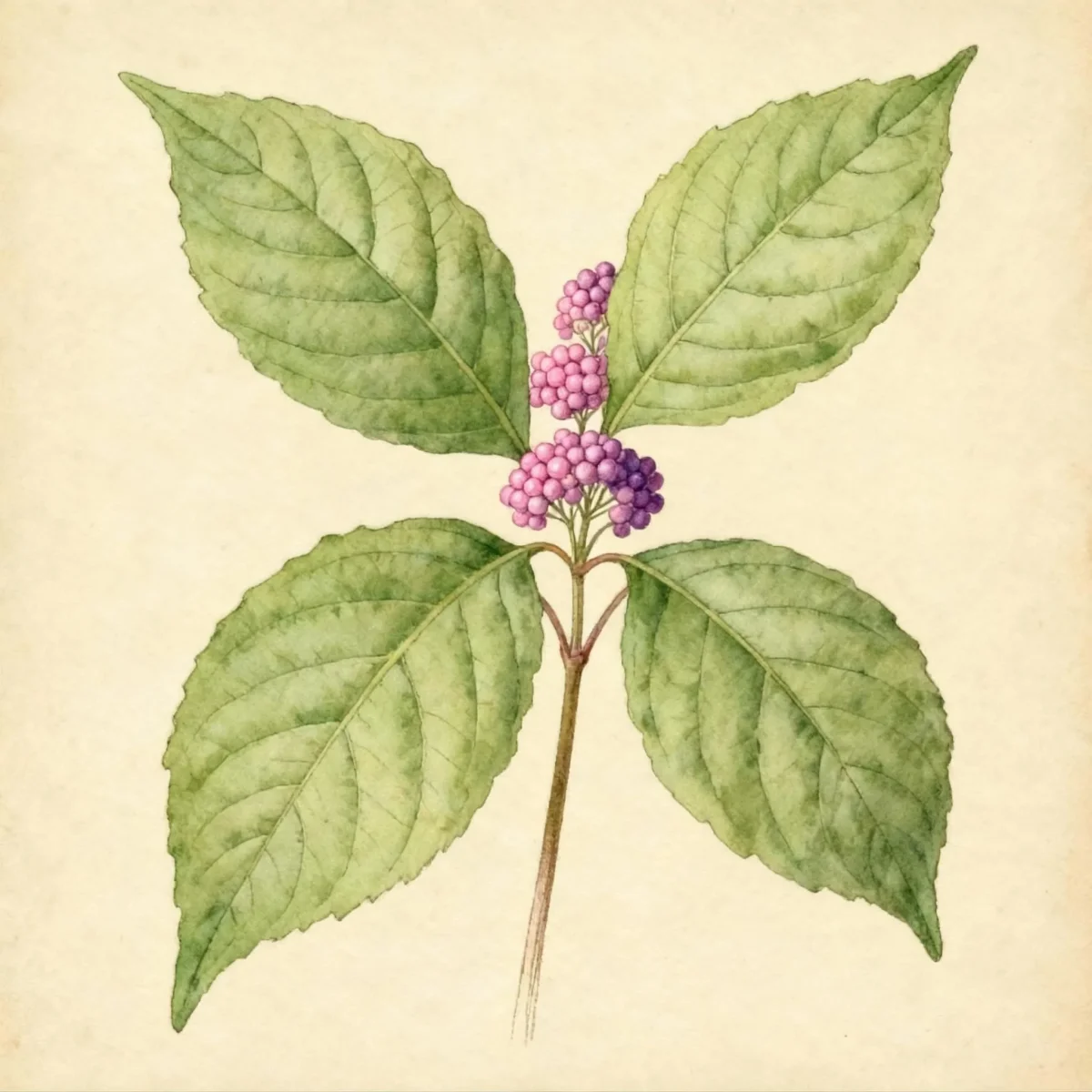

Bloom Boldly, No Matter the Season - Sweatshirt
Cozy organic cotton sweatshirt featuring our exclusive Purple Coneflower design. Perfect for gardeners who bloom year-round.
Inspired by the beautiful Shikoku beautyberry
Limited first batch (50) — join the waitlist for early access
Waitlist closes Feb 15, 2026.
Complete Plant Information
Field Guide Continues
Ready for care notes, companion picks, and planting tips?
The map is just the start. The full guide below covers growth habits, seasonal performance, and landscape uses.
Overview
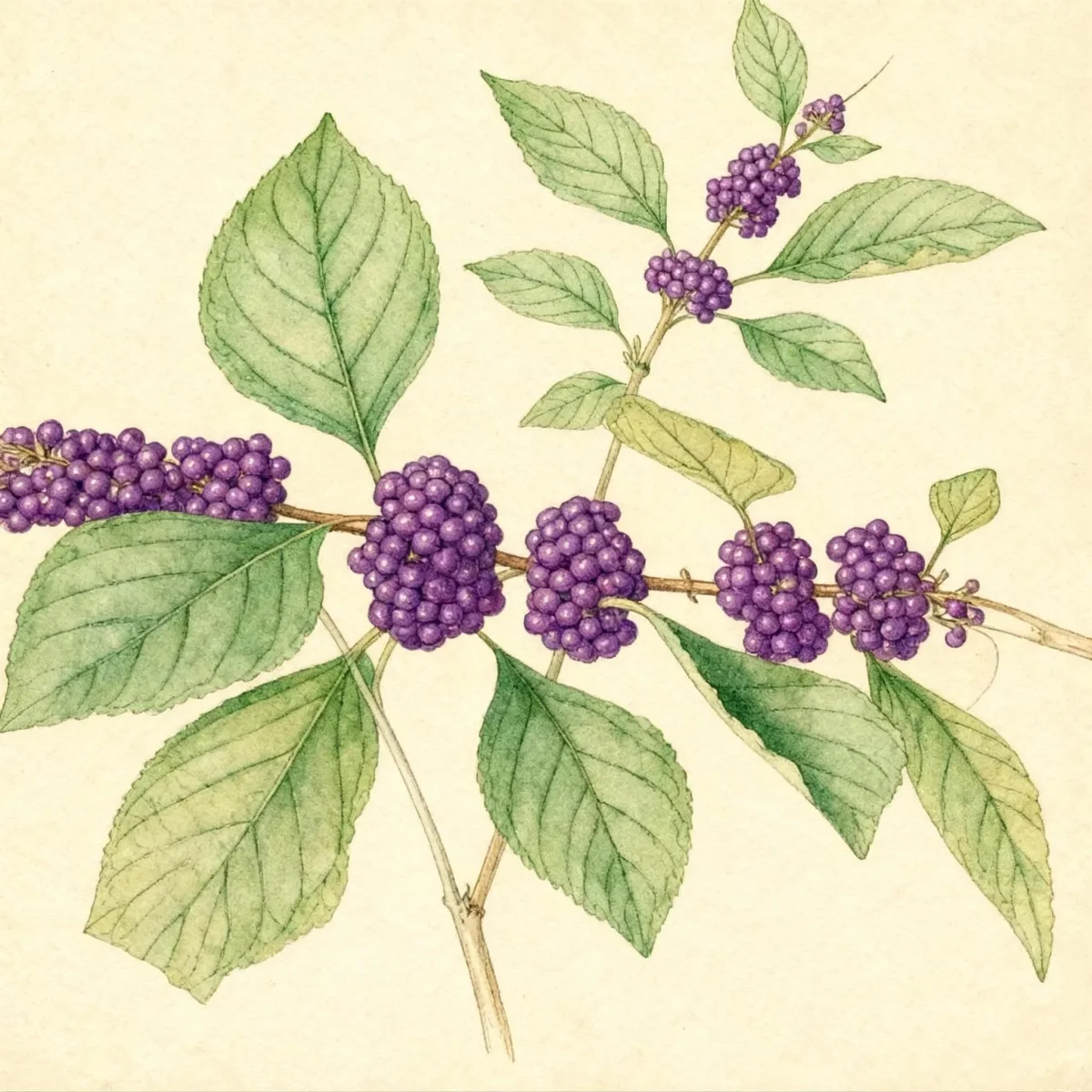
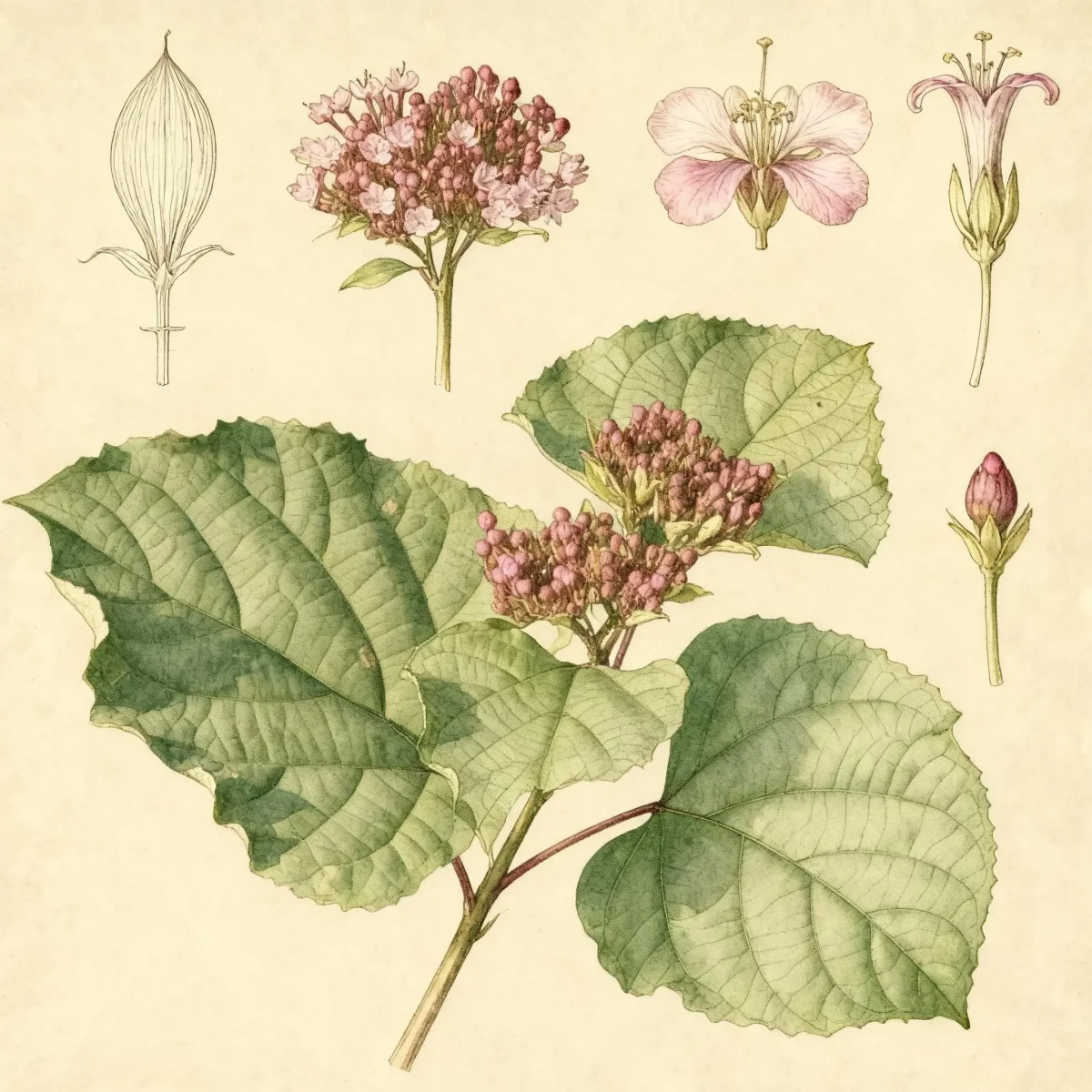
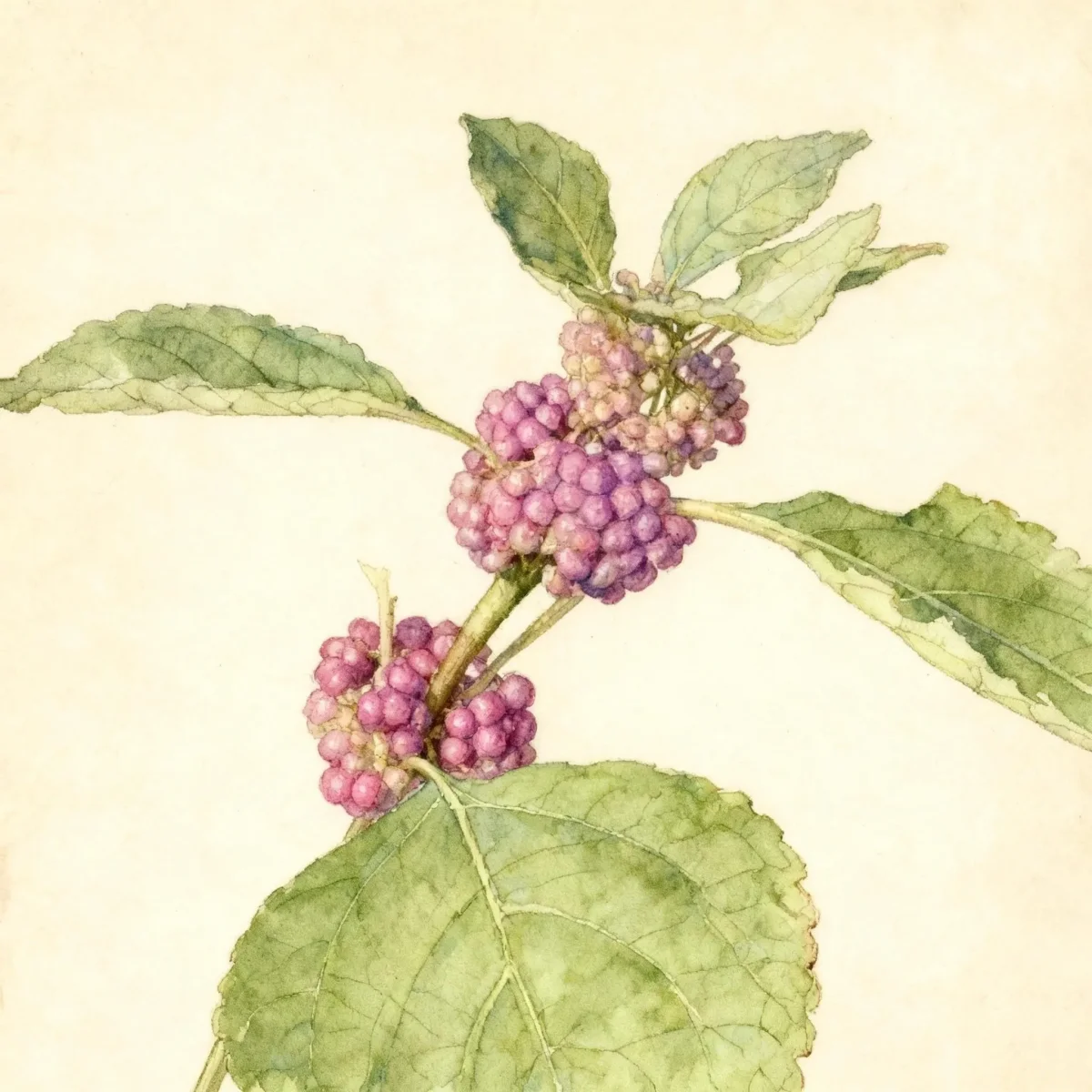
The Shikoku beautyberry, Callicarpa shikokiana, is a fantastic choice for gardeners seeking late-season color and structure. While its pale pink flowers in summer are modest, the true appeal of this deciduous shrub lies in the stunning, showy clusters of purple berries that mature in the fall. Typically reaching a manageable height and spread of 4 to 6 feet, Callicarpa shikokiana offers good coverage for hedges or mixed borders without becoming overly large. Native to Japan, this beautyberry requires consistent care but rewards the dedicated gardener with wildlife appeal and an outstanding autumnal display.
Fast Facts
- Plant Family: Lamiaceae
- Plant Type: Deciduous shrub
- Native Range: Japan
- Hardiness Zones: USDA Zones 6-10
- Size at Maturity:
- Height: 4-6 ft
- Spread: 4-6 ft
- Bloom Time: June to July
- Bloom Description: Pale pink
- Sun Exposure: Full sun to part shade
- Water Needs: Medium
- Maintenance Level: Medium
How to Grow
Plant Callicarpa shikokiana in average, medium-moisture, moderately fertile, well-drained soils. For the best flowering and fruiting display, ensure the plant receives full sun; excessive shade can lead to leggy stems lacking vigor. While Callicarpa shikokiana shows some drought tolerance once established, maintain consistent moisture, especially during dry spells.
Pruning should be performed as needed in late winter or early spring before bud break. Flowers bloom on new wood, so timely pruning is essential for maximizing the subsequent berry crop. A recommended practice for promoting compactness and better flowering involves a hard prune back to about 6 inches annually.
Be prepared for potential winter dieback in the northern reaches of its range, USDA Zone 6. If stems freeze back, new growth will emerge reliably from the roots in spring, though this may affect the current year’s fruit set. For the most prolific berry production, planting several Shikoku beautyberry shrubs together encourages necessary cross-pollination.
Landscape Uses
The structure and late-season interest provided by the Shikoku beautyberry make it highly versatile in landscape design. It excels when massed or grouped, creating a solid impact that highlights the vibrant fall fruits. This plant is explicitly recommended for use as a hedge, providing seasonal screening accented by purple jewels instead of just green foliage.
Incorporating Callicarpa shikokiana into mixed borders adds textural variety, pairing well with shrubs that offer contrasting berry colors, such as red-berried Ilex verticillata or orange-fruited Pyracantha. It also functions beautifully as an underplanting layer beneath larger, open woodland trees, provided it still receives adequate light to prevent legginess.
Standout Features
Flower Qualities
- Showy
Fruit Qualities
- Showy
Noteworthy Characteristics
Callicarpa shikokiana, commonly called Shikoku beautyberry, is a deciduous shrub that typically grows to 4-6’ tall and as wide with a somewhat sprawling habit. It is native to Japan. As the common name of beautyberry suggests, the best ornamental feature of most shrubs in the genus Callicarpa is the showy display of fleshy, globe-shaped, berry-like fruits which mature in expanded axillary clusters along the stems in fall. The berries are in fact the ornamental standout of this plant, being very attractive at the peak of ripeness (October), and are highly attractive to birds.
Tolerances
No specific tolerances were listed for this variety.
Potential Problems
Winter dieback is a consideration for those growing Callicarpa shikokiana in colder areas near its hardiness limit, although this usually does not prevent future fruiting once the shrub rebounds. Gardeners should also monitor for common shrub afflictions, including some susceptibility to leaf spot, various stem diseases, and black mold. Maintaining good air circulation via proper pruning helps mitigate fungal issues.
Frequently Asked Questions
What hardiness zones is Shikoku beautyberry suitable for?
The Shikoku beautyberry is hardy for gardeners in USDA Zones 6 through 10.
How large does Callicarpa shikokiana grow?
This deciduous shrub reaches a mature height and spread between 4 and 6 feet tall and wide.
What sun exposure does Shikoku beautyberry need?
It performs best in full sun, which promotes optimal flowering and fruiting, though it can tolerate light shade. Be aware that too much shade may cause the stems to become leggy.
When does Callicarpa shikokiana bloom?
Callicarpa shikokiana produces pale pink flowers that bloom from June into July.
Conclusion
The vibrant contrast of deep purple berries against late-season foliage makes the Shikoku beautyberry (Callicarpa shikokiana) an invaluable addition to any garden focused on autumn interest. Its moderate size and relatively low maintenance, provided pruning and sun needs are met, make it highly practical. Before planting, confirm your local USDA zone falls within 6 to 10 and choose a sunny location to maximize the ornamental payoff of this unique beautyberry.
Wildlife Benefits
The brilliant purple drupes of Callicarpa shikokiana are highly regarded by local bird populations, providing a crucial late-season food source as other garden offerings diminish. Planting these shrubs liberally ensures a generous harvest of berries, benefiting feathered friends throughout the fall migration and into early winter.
Companion Planting
When designing borders around your Shikoku beautyberry, select plants that share similar tolerances for sun and medium moisture levels but offer different seasonal highlights. Good companions include late-flowering perennials like Asters or Sedum ‘Autumn Joy’, which maintain color into the fall. For an enhanced fruit display, integrate shrubs with different colored berries, such as the true red of winterberry holly (Ilex verticillata), ensuring continuous interest after the Callicarpa shikokiana berries have ripened.