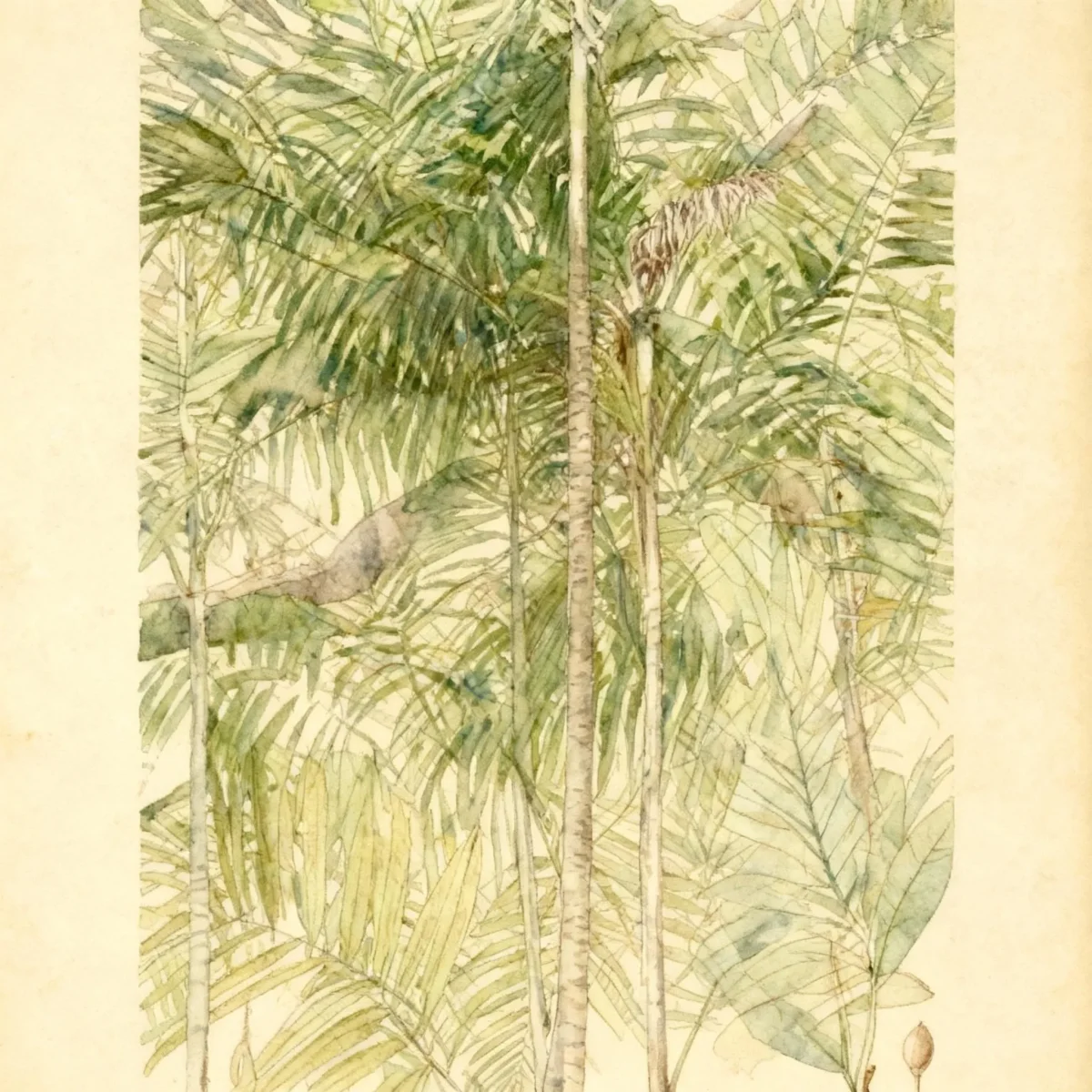
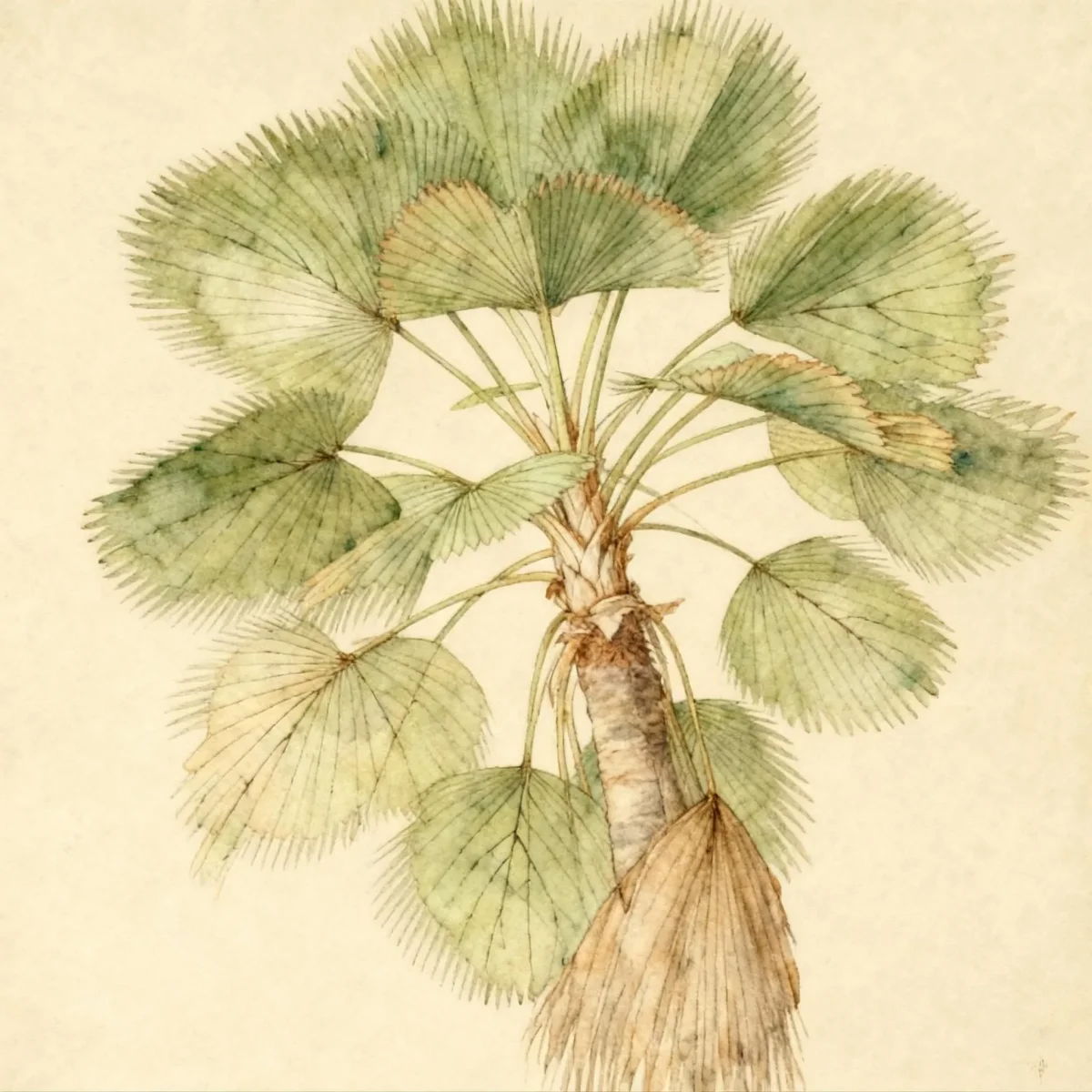
Windmill palm (Trachycarpus wagnerianus)
Grow the resilient Windmill palm (Trachycarpus wagnerianus) for its compact, evergreen structure. Hardy in Zones 7-9, this low-maintenance palm thrives in full sun.

Bloom Boldly, No Matter the Season - Sweatshirt
Cozy organic cotton sweatshirt featuring our exclusive Purple Coneflower design. Perfect for gardeners who bloom year-round.
Inspired by the beautiful Windmill palm
Limited first batch (50) — join the waitlist for early access
Waitlist closes Feb 15, 2026.
Complete Plant Information
Field Guide Continues
Ready for care notes, companion picks, and planting tips?
The map is just the start. The full guide below covers growth habits, seasonal performance, and landscape uses.
Overview
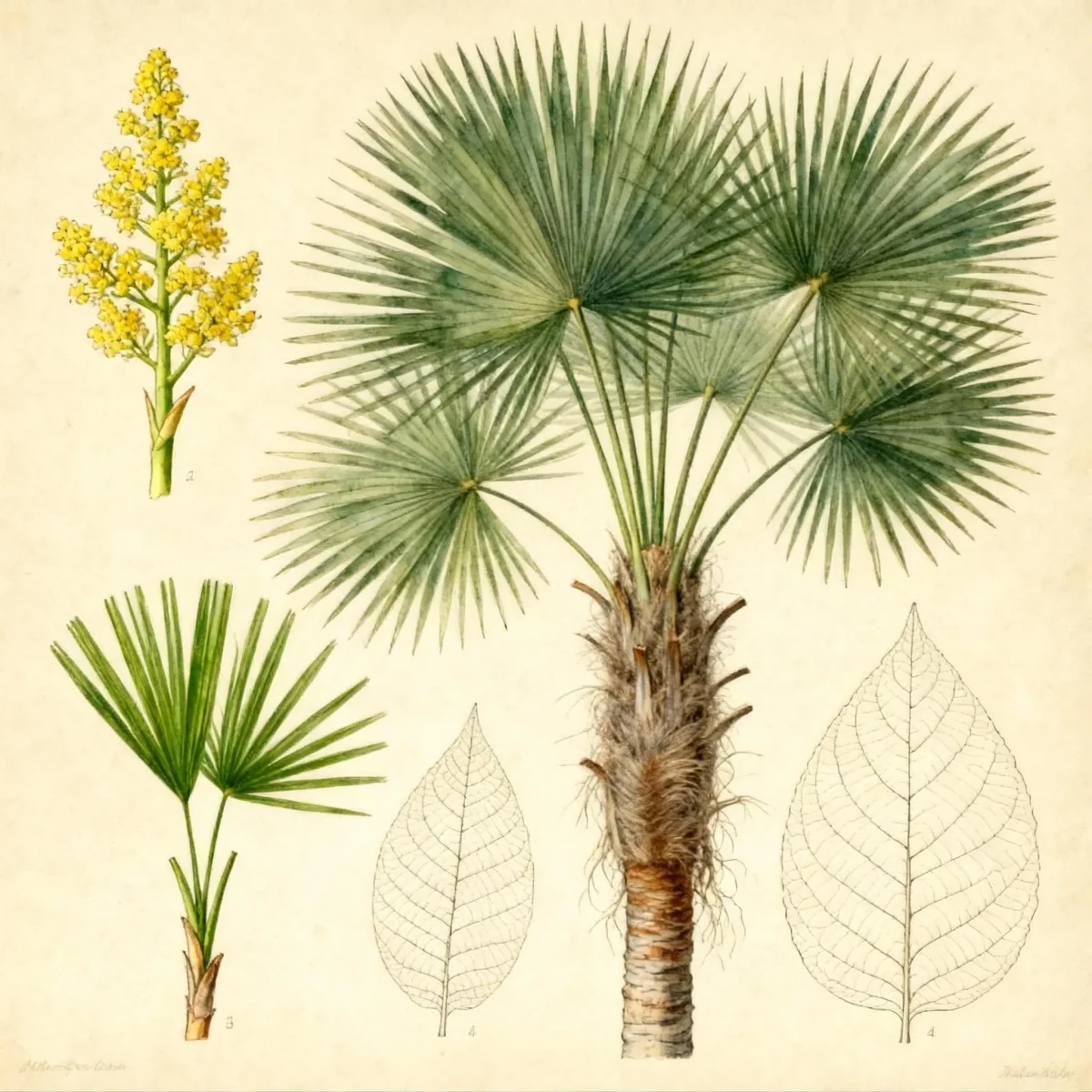
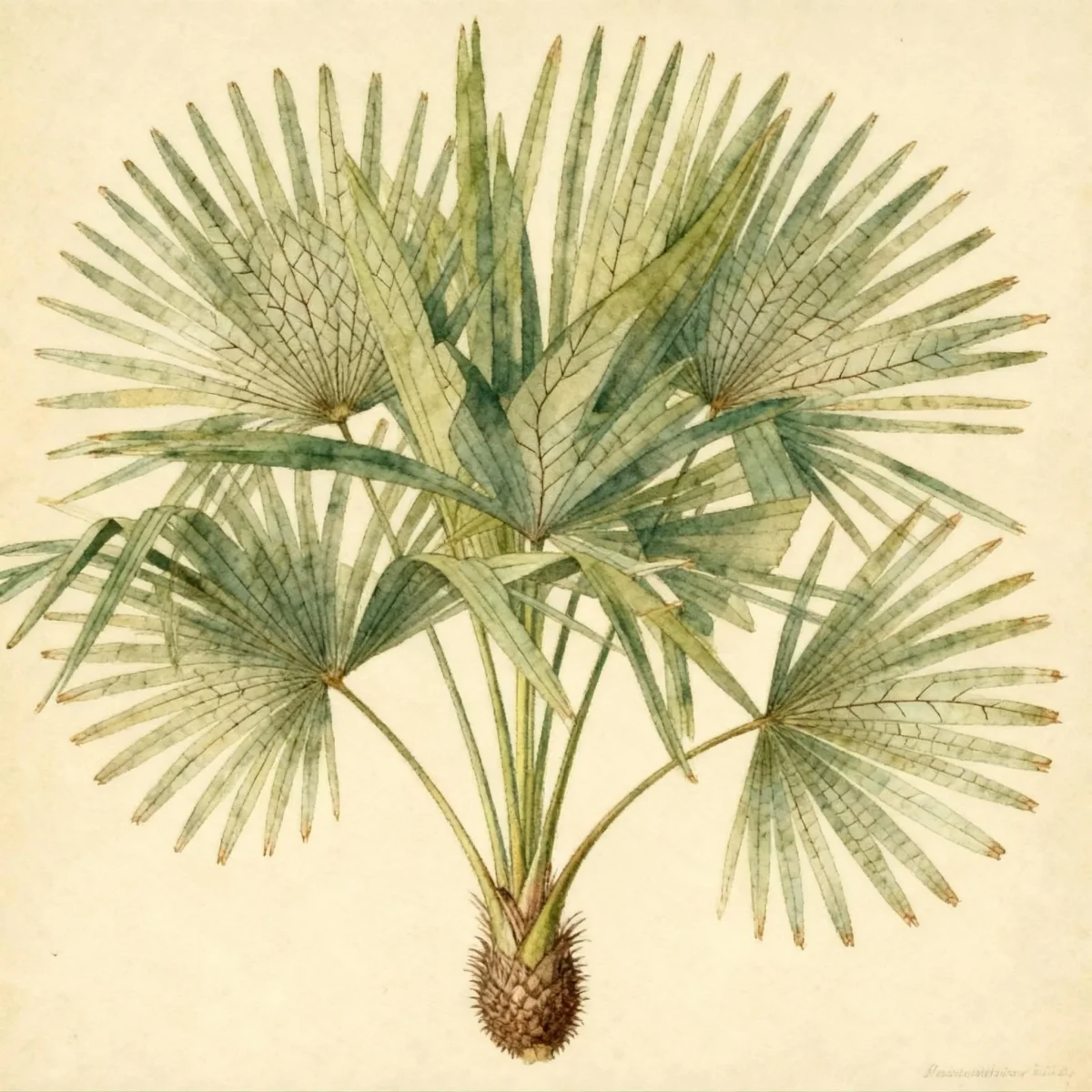
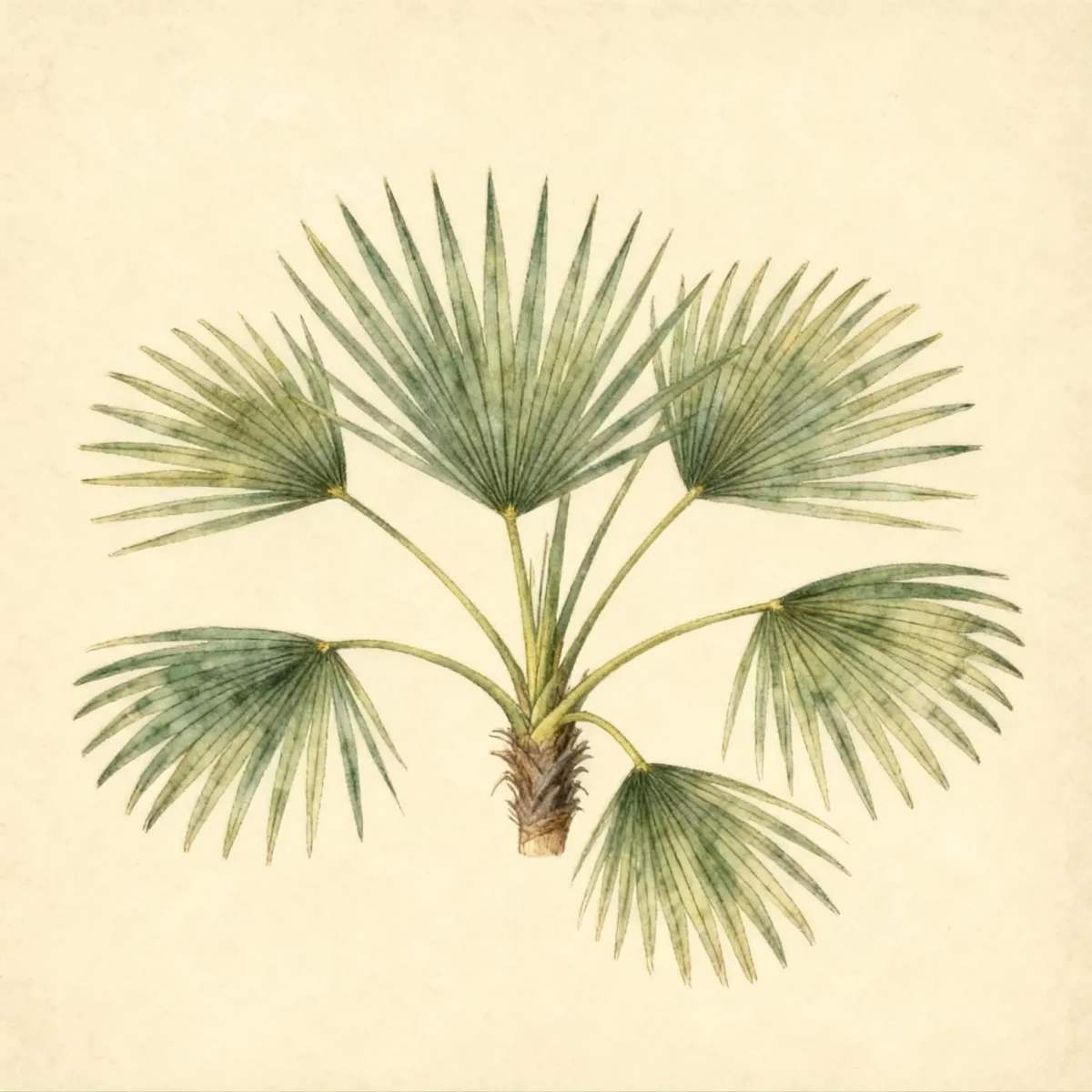
The Windmill palm, scientifically known as Trachycarpus wagnerianus, offers a fantastic tropical aesthetic ideal for temperate climates where other palms struggle. It distinguishes itself with stiff, deeply segmented, fan-shaped leaves held on stout petioles, giving the crown a rounded, tidy appearance unlike many looser palms. This slow-growing species is highly valued for its hardiness, fitting comfortably into USDA Zones 7 through 9.
Despite its somewhat delicate appearance, the Trachycarpus wagnerianus is surprisingly robust once established. It thrives best when provided with consistent moisture and excellent drainage, making soil health a primary consideration for gardeners. Its low maintenance profile combined with dependable winter tolerance makes it a premier choice for adding vertical accent structure to challenging garden spaces.
For gardeners seeking year-round deep green texture that remains manageable in size, the Windmill palm is an excellent investment. Its fibrous, brown trunk adds textural contrast against the deep green foliage, providing architectural interest even during colder months. Ensuring proper site selection that maximizes sun exposure will promote the best overall growth and health for your Trachycarpus wagnerianus.
Fast Facts
- Plant Family: Arecaceae
- Plant Type: Palm or Cycad
- Native Range: China, Japan
- Hardiness Zones: USDA Zones 7-9
- Size at Maturity:
- Height: 12-20 ft
- Spread: 4-6.5 ft
- Bloom Time: May to June
- Bloom Description: Yellow
- Sun Exposure: Full sun to part shade
- Water Needs: Medium
- Maintenance Level: Low
How to Grow
The optimal time for planting your Trachycarpus wagnerianus is during the spring after soils have fully warmed, allowing the Windmill palm maximum time during the growing season to establish roots. Site selection is crucial; this palm prefers evenly moist, well-draining soils. While it tolerates both full sun and partial shade, aim for full sun exposure, especially in its cooler hardiness limits, to ensure vigorous growth. If growing near the cold edge of Zone 7, plant Trachycarpus wagnerianus in a location specifically protected from severe winter winds.
Water needs are best described as medium; water deeply when the top few inches of soil become dry. Avoid letting the soil become waterlogged, as good drainage is paramount to preventing root issues. During the active growing season (spring through early fall), apply a palm-specific fertilizer regularly according to product instructions to support its slower growth rate.
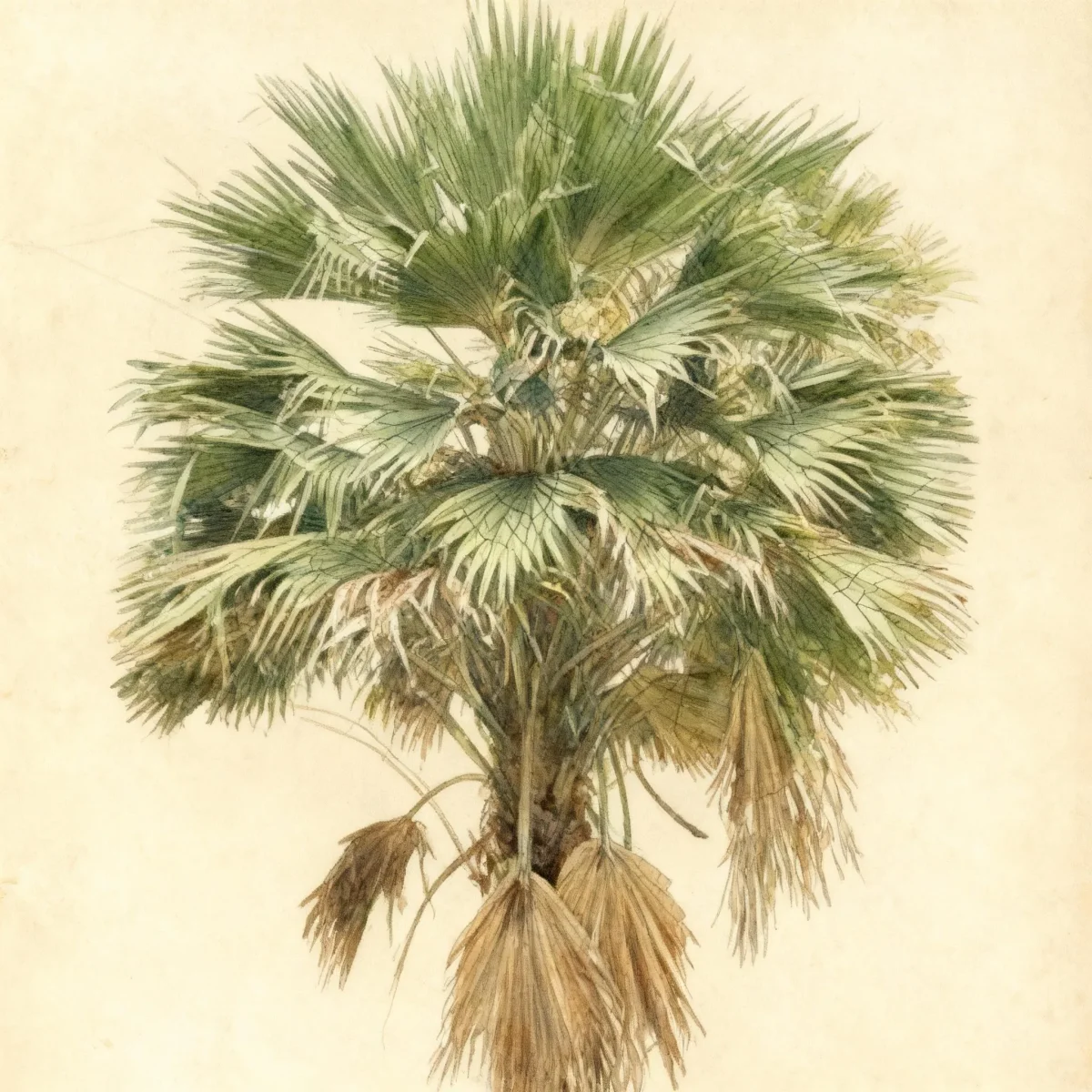
Maintenance for the Windmill palm is generally low. A unique characteristic is that the foliage remains persistent, forming a ‘skirt’ of dead leaves around the trunk if not pruned. Most growers prefer to clean this skirt away for a tidier appearance, though it can offer some slight protection in extreme cold. Handle large, older plants with care if pruning is required.
Landscape Uses
The attractive, structured crown of the Windmill palm makes it highly suitable as an accent piece in tropical or seaside gardens. Its moderate height allows it to integrate well into mixed borders without overwhelming smaller shrubs, creating excellent foreground or mid-ground interest. In lawn areas, a solitary Trachycarpus wagnerianus provides a stunning focal point that immediately draws the eye.
For those designing a coastal landscape, the Windmill palm is an exceptional choice due to its noted tolerance for high winds. Group it with other salt-tolerant, structural plants like Yuccas or certain grasses to enhance the breezy, durable aesthetic of a seaside garden design. When used as an accent, pair it with broadleaf evergreens to contrast the stiff, palmate structure of the palm’s leaf blades.
Even in smaller properties, the slow growth and relatively contained spread of this palm make it more practical than many larger palm varieties. Consider placing one near a patio entrance to welcome guests with an immediate touch of exotic, yet hardy, flair.
Standout Features
Noteworthy Characteristics
Mature plants of the Trachycarpus wagnerianus develop straight, unbranched trunks covered in fibrous brown remnants, topping out at around 20 feet with a crown nearing 6.5 feet wide. The species is identifiable by its stiff, palmate leaves held on stout petioles, giving the entire crown a distinctive rounded look that justifies its common name, windmill palm. The genus name references rough fruit, while the specific epithet honors the German horticulturist Albert Wagner.
Tolerances
- Tolerant of high winds
- Tolerant of coastal environments
Potential Problems
The Windmill palm (Trachycarpus wagnerianus) is highly regarded for having no major pest or disease problems of major concern for home gardeners. This relative resistance significantly contributes to its low maintenance rating. Regular inspection during fertilization cycles is sufficient to catch minor issues like scale early on.
Prevention relies heavily on adherence to proper cultural practices, particularly soil drainage. Avoid overwatering, especially in winter, as consistently wet conditions create the primary pathway for root rot, even in relatively tough palms like this one. Proper zone selection (Zone 7 minimum) is the best defense against damaging cold snaps.
Frequently Asked Questions
What hardiness zones is Windmill palm suitable for?
The Windmill palm (Trachycarpus wagnerianus) is reliably hardy in USDA Zones 7 through 9, though planting towards the colder end of this range benefits from extra wind protection.
How large does Trachycarpus wagnerianus grow?
Mature height for the Trachycarpus wagnerianus typically ranges between 12 and 20 feet tall, with a spread that usually remains contained between 4 and 6.5 feet wide.
When does Windmill palm bloom?
The Trachycarpus wagnerianus produces dense panicles of small, yellow flowers spanning from May through June.
What sun exposure does Trachycarpus wagnerianus need?
This palm performs well with Full sun to part shade exposure, favoring the sunnier side of that spectrum for denser growth.
Conclusion
The Trachycarpus wagnerianus represents an accessible entry point into palm cultivation for many gardeners, blending rugged hardiness with classic tropical architecture. Its low maintenance requirements and ability to withstand wind make it a standout performer. Before planting, confirm that your local conditions fall within USDA Zones 7-9 and ensure you provide the medium water needs and well-draining soil crucial for long-term success with your new Windmill palm.
Companion Planting
When designing a layered garden around your Trachycarpus wagnerianus, choose companions that share similar structural needs for sun and drainage. Drought-tolerant evergreens that contrast the palm’s texture work exceptionally well. Consider plants like Agave, hardy ornamental grasses such as Miscanthus cultivars, or low-growing Juniper varieties to soften the base of the palm’s trunk.
In areas where the palm is slightly protected or slightly shaded, shade-tolerant tropicals that enjoy consistent moisture can be an excellent match. Hostas (in appropriate zones) or evergreen ferns can create a lush understory, complementing the upright habit of the Windmill palm without demanding excessive pruning around its base.
Design Ideas
The uniform crown shape of Trachycarpus wagnerianus lends itself perfectly to formal or contemporary garden layouts where order and clean lines are desired. Plant them lining an entryway or pathway, spaced to allow their trunks room to develop their unique fibrous texture. This repetition of form creates a strong visual rhythm across the landscape.
Alternatively, use the Windmill palm as a singular specimen feature in a lawn setting. This allows observers to appreciate the full structure of the trunk and the symmetry of the rounded crown from all angles. In smaller yards, a single, strategically placed Trachycarpus wagnerianus provides significant vertical impact without dominating the entire space.