Catmint(Nepeta × faassenii 'Purrsian Blue')
Grow Purrsian Blue catmint (Nepeta × faassenii): tidy non-flopping 18-inch mounded habit, periwinkle blooms from May to frost, drought tolerance, USDA zones 3–8.
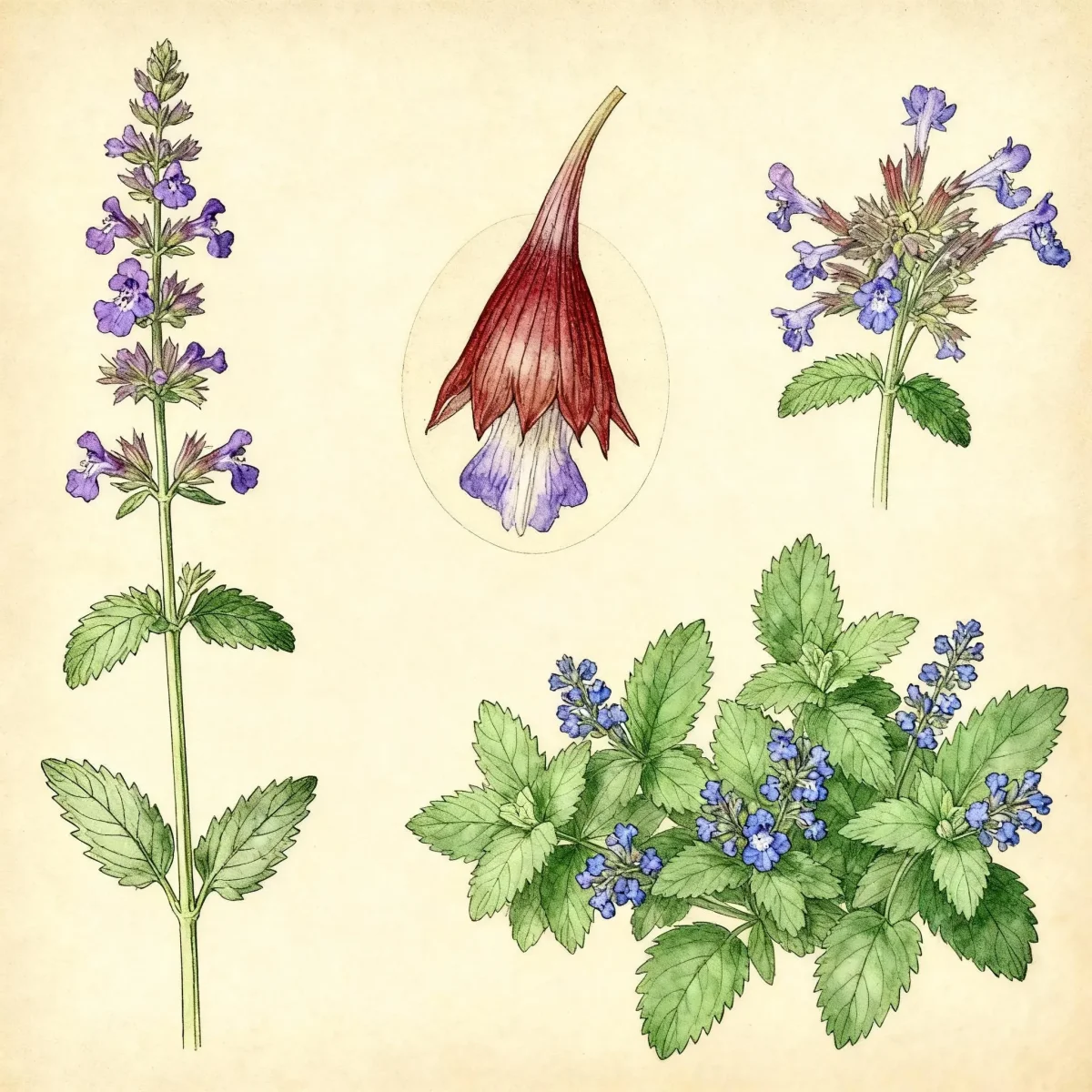
Complete Plant Information
- Hardiness zones
- USDA 3–8
- Plant type
- Herbaceous perennial
- Plant family
- Lamiaceae
- Sun exposure
- Full sun to part shade
- Water needs
- Dry to medium
- Maintenance
- Low
- Height
- 1–1.5 ft (30–46 cm)
- Spread
- 1.5–2.5 ft (46–76 cm)
- Bloom time
- May to September
- Flower color
- Dense spikes of periwinkle-blue florets backed by dark purple-violet calyces
- Flower qualities
- Showy, Long-blooming
- Fruit qualities
- Not recorded
- Tolerances
- Deer, Dry Soil, Shallow-Rocky Soil, Air Pollution, Drought
- Garden uses
- Walkway edging, rock garden, rose companion, pollinator border
- Native range
- Artificial hybrid origin (Nepeta racemosa × N. nepetella)
Field Guide Continues
Ready for care notes, companion picks, and planting tips?
The map is just the start. The full guide below covers growth habits, seasonal performance, and landscape uses.
Overview
Purrsian Blue catmint (Nepeta × faassenii ‘Purrsian Blue’) is a patented, sterile hybrid perennial hardy across USDA Zones 3 through 8. Bred specifically to solve the sprawling, split-center (“doughnut”) flopping habit notorious in older cultivars like ‘Walker’s Low’, it maintains a tidy, dome-shaped mound 14 to 18 inches tall and up to 2.5 feet wide. Beginning in late spring and repeating continuously through September, it produces masses of periwinkle-blue flowers supported by dark smoky-purple calyces that sustain visual color even after individual petals drop.
Because it is a sterile triploid hybrid, it sets no viable seeds and will not weed into lawn turf or garden beds. Its aromatic gray-green foliage naturally repels deer and rabbits.
How to Grow
- Sunlight: Full sun (at least 6 hours direct daily light) produces the tightest mound structure and heaviest bloom. Light partial shade is tolerated in hot southern regions.
- Soil & Lean Fertility: Prefers lean to moderately fertile, sharply draining soil. Highly adaptable to rocky slopes and dry sandy loam. Avoid excessively rich soils or heavy nitrogen fertilizers, which stimulate floppy, weak growth.
- The Midsummer Haircut: To reboot flowering and refresh foliage, shear the entire plant back by one-third to one-half using hedge shears in midsummer immediately following the primary June bloom flush. Within 10 to 14 days, plants produce an immaculate second wave of tight green leaves and fresh flower spikes that bloom until autumn frost.
- Watering: Water regularly during initial establishment. Once established, plants demonstrate outstanding drought tolerance and require minimal supplemental water.
Landscape Uses
- Walkway & Border Edging: Stays in a compact, non-sprawling dome, making it ideal for lining flagstone walkways and flower bed fronts.
- Classic Rose Companion: Soft blue-gray foliage and periwinkle blooms conceal bare lower rose canes while deterring pests.
- Rock Gardens & Xeriscapes: Thrives in dry, gravelly, low-water garden beds and rocky slopes.
Potential Problems
- Center Flopping in High Fertilizer: Over-fertilization or overly rich, soggy soils cause stems to stretch and split open in the center; keep soil lean.
- Cats Grazing: While catmints contain nepetalactone, cats generally show less aggressive rolling on ‘Purrsian Blue’ than true catnip (Nepeta cataria); protect young spring shoots if local felines are active.
- Crown Rot: Saturated, heavy winter soils with poor drainage can cause root crown rot.
Frequently Asked Questions
Does ‘Purrsian Blue’ flop open like other catmints?
No. ‘Purrsian Blue’ was specifically bred to eliminate the open, bare center common in older cultivars, retaining a tight, upright mounded dome all season long.
How often should I shear catmint?
Shear the plant back by half once in midsummer after the main June bloom flush fades. This tidies the clump and triggers continuous reblooming into autumn.
Is ‘Purrsian Blue’ invasive by seed?
No. ‘Purrsian Blue’ is a sterile hybrid that produces no viable seed, eliminating the aggressive self-seeding tendencies of wild nepeta.
Companion Plants
Pair Purrsian Blue catmint with sun-loving perennials that contrast with its cool periwinkle-blue florets:
- Classic Rose Partners: Plant at the base of shrub roses, hybrid teas, or David Austin English roses.
- Yellow & Orange Sun-Lovers: Contrast against coreopsis, black-eyed Susans (Rudbeckia), or daylilies.
- Upright Structural Perennials: Combine with purple coneflowers (Echinacea), salvia, or ornamental grasses.
Sources & Lineage
- Missouri Botanical Garden PlantFinder: Record taxon 298756 (Nepeta × faassenii ‘Purrsian Blue’) — hybrid origin, compact dimensions, and floral longevity.
- Kew Plants of the World Online (POWO): Nepeta × faassenii Bergmans ex Stearn (POWO: 60464967-2) — artificial hybrid parentage (N. racemosa × N. nepetella) and accepted classification.
- Royal Horticultural Society (RHS): Nepeta × faassenii ‘Purrsian Blue’ — trial performance, sterility, and garden use.
Recommended Companion Plants
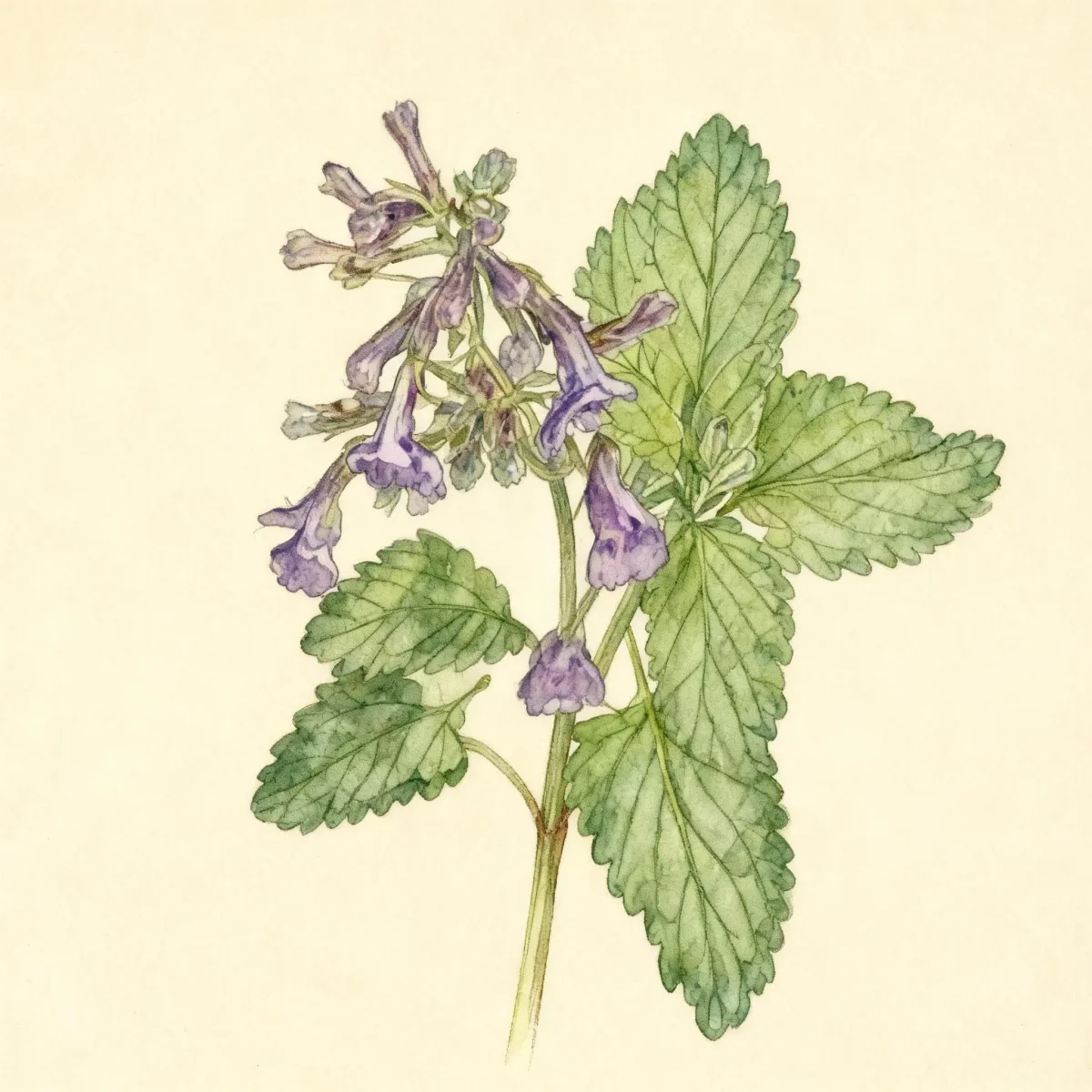
Nepeta
Nepeta × faassenii
- USDA zones
- 3–8
- Light
- Full sun to part shade
- Water
- Dry to medium
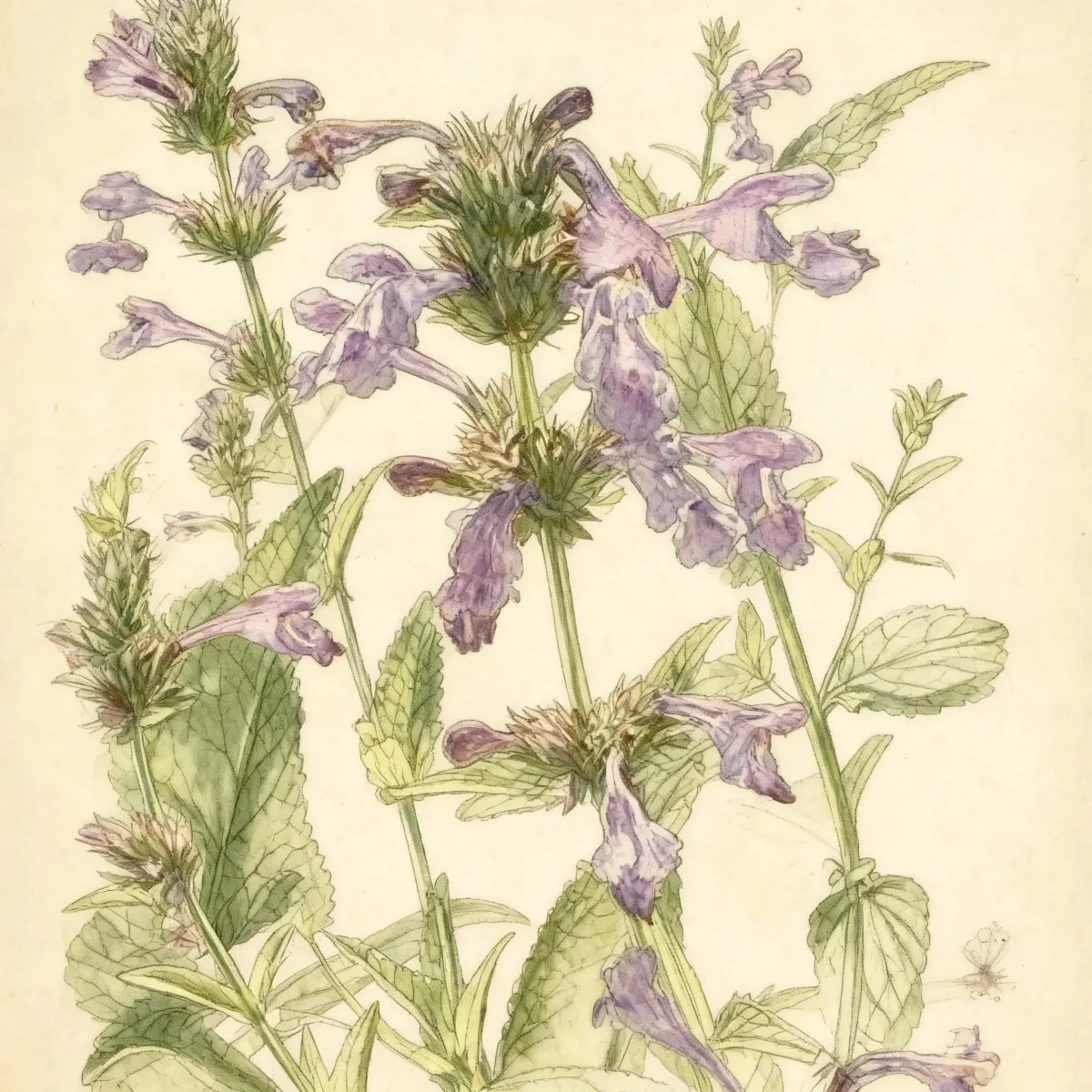
Nepeta
Nepeta sibirica 'Souvenir d'André Chaudron'
- USDA zones
- 3–8
- Light
- Full sun to part shade
- Water
- Dry to medium
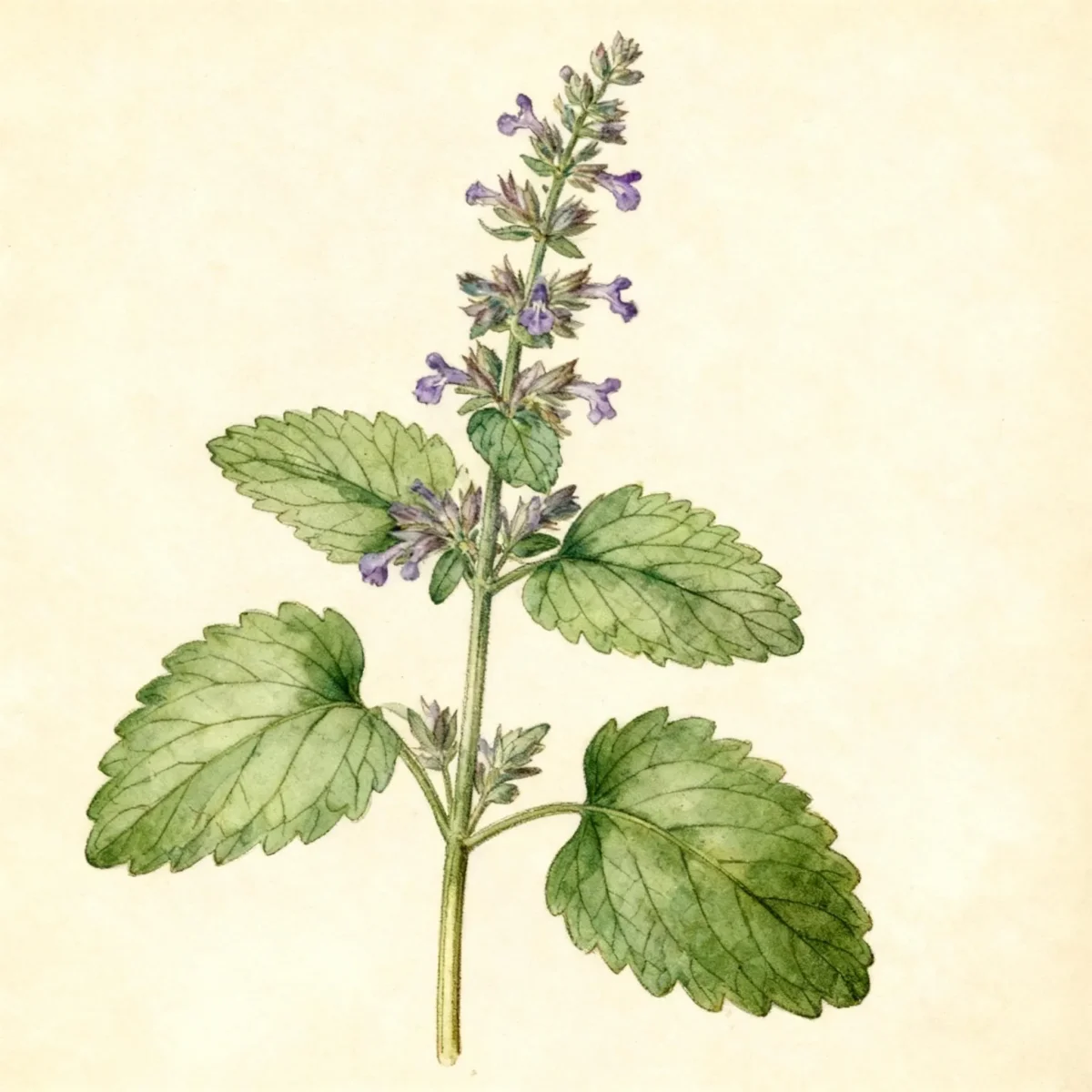
Nepeta
Nepeta racemosa 'Blue Wonder'
- USDA zones
- 3–8
- Light
- Full sun to part shade
- Water
- Dry to medium
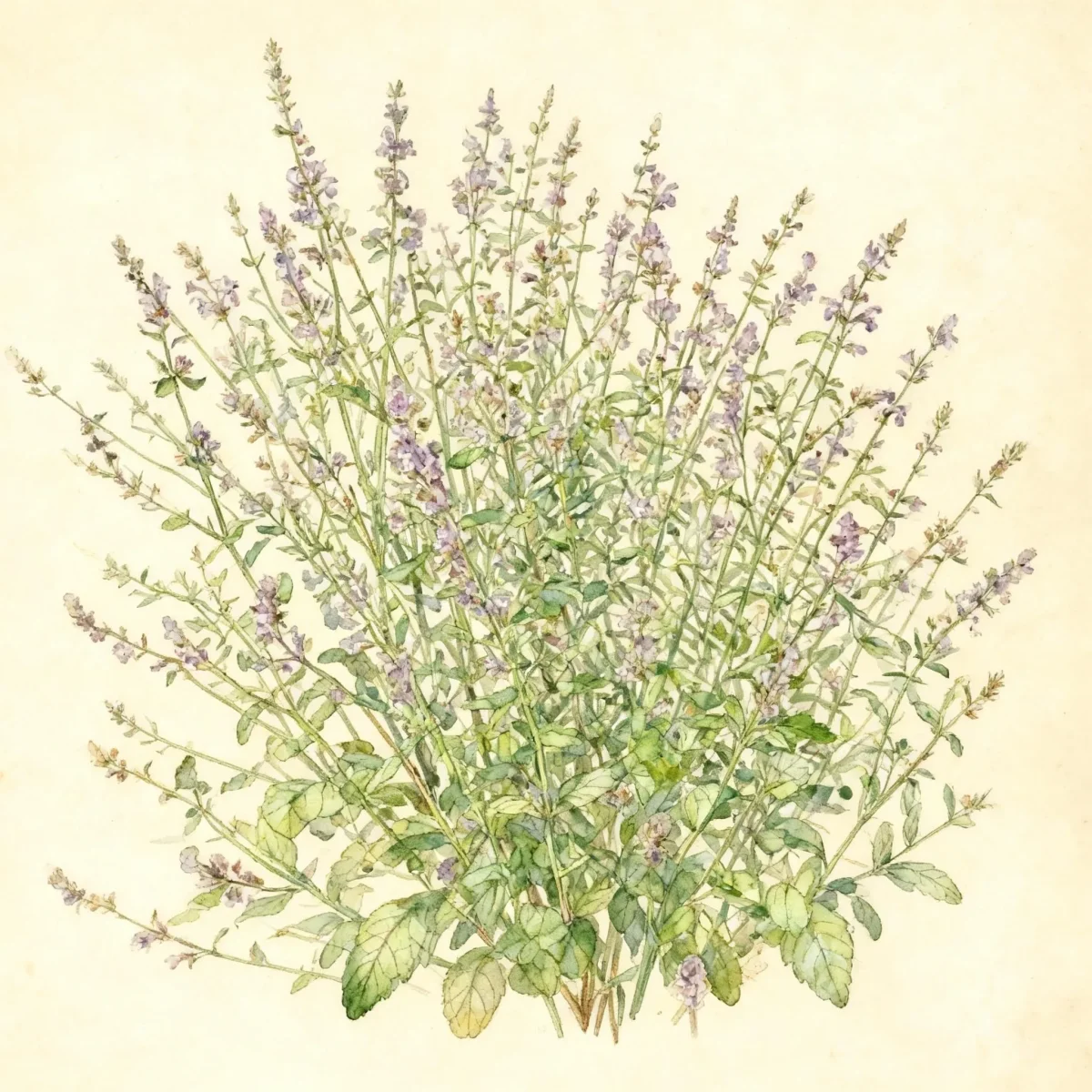
Nepeta
Nepeta 'Six Hills Giant'
- USDA zones
- 4–7
- Light
- Full sun to part shade
- Water
- Dry to medium
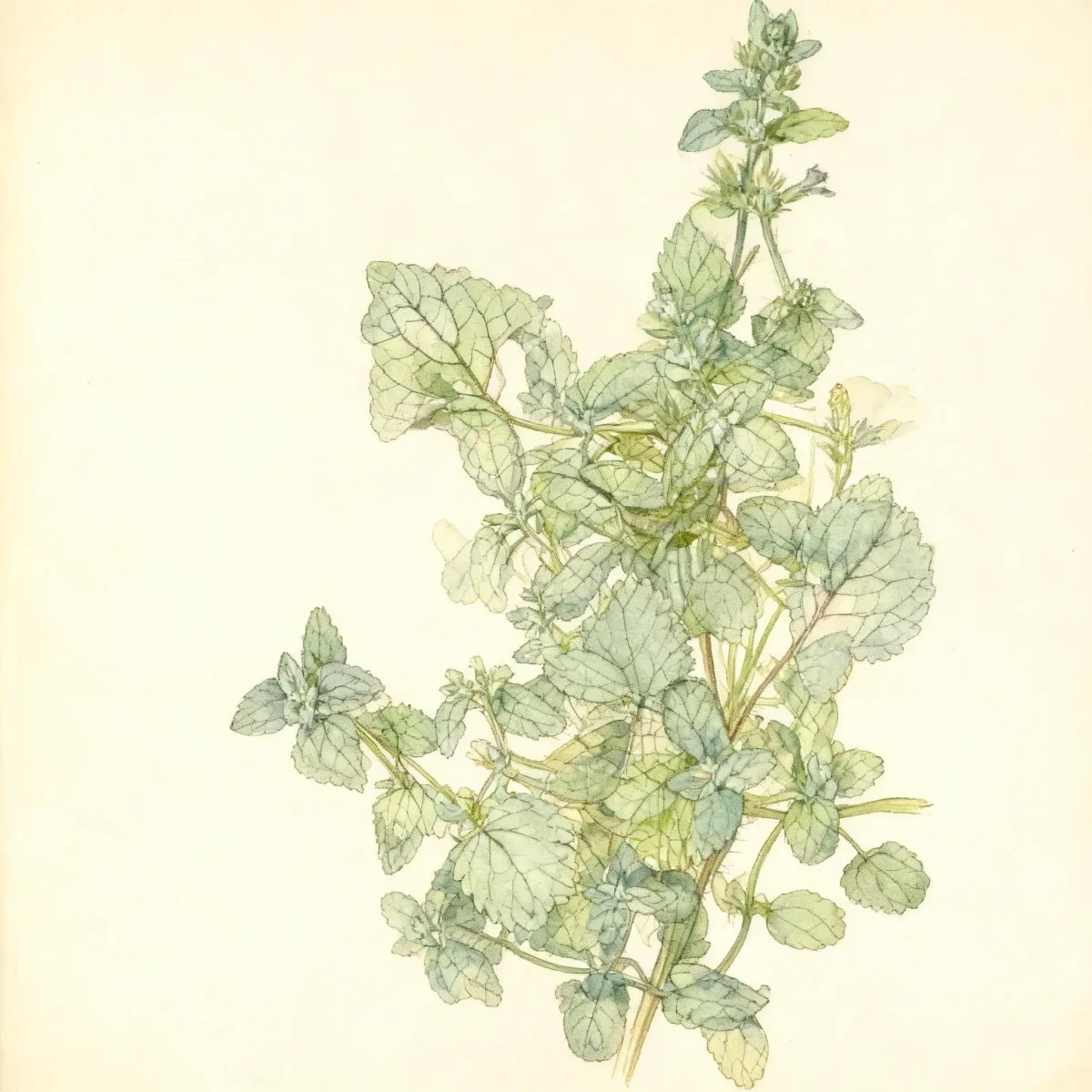
Nepeta
Nepeta × faassenii 'Select Blue'
- USDA zones
- 3–8
- Light
- Full sun to part shade
- Water
- Dry to medium
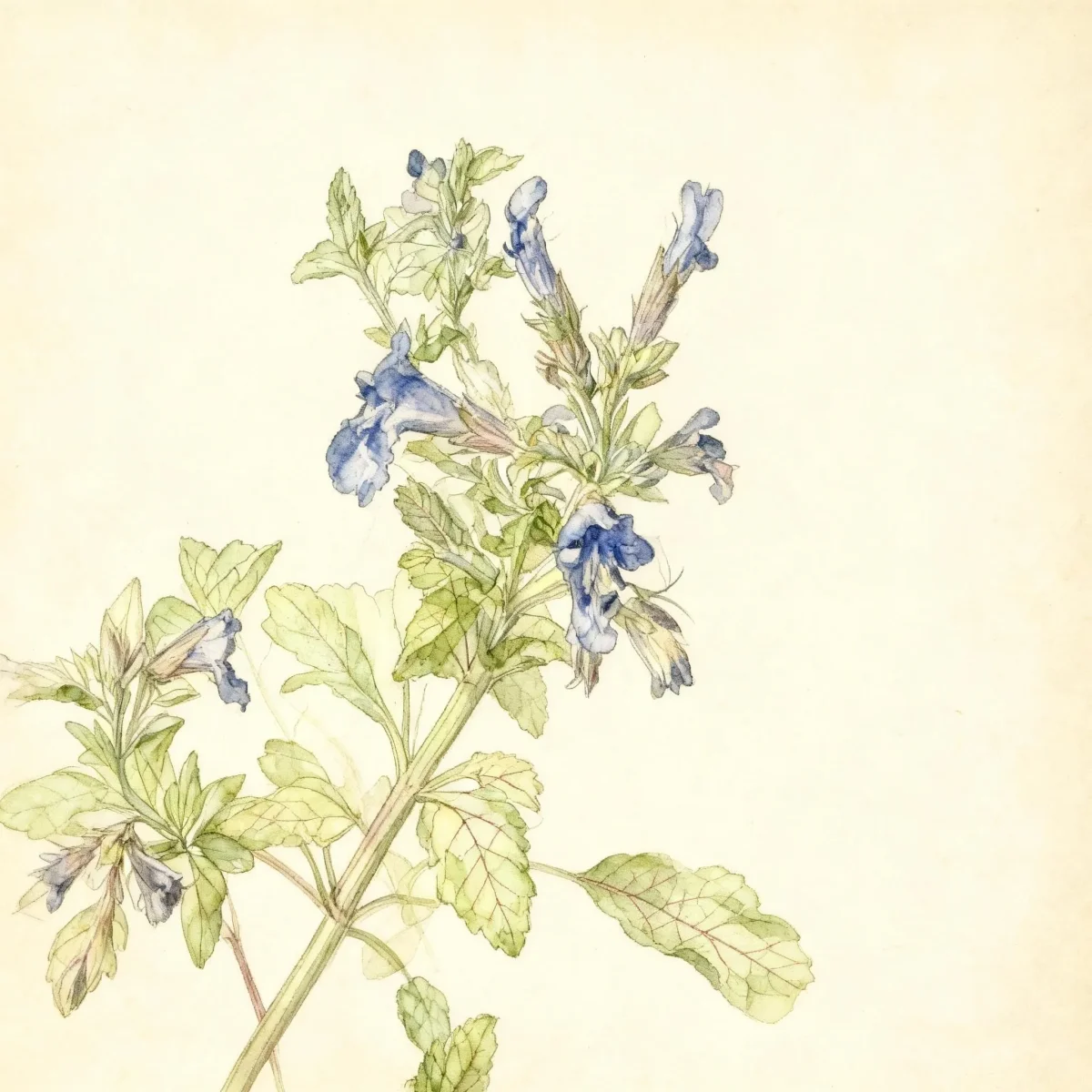
Nepeta
Nepeta × faassenii 'Kit Cat'
- USDA zones
- 3–8
- Light
- Full sun to part shade
- Water
- Dry to medium
Keep Learning
Test what you know with a garden quiz
You have the plant facts and care notes. Continue with a related challenge, or browse the complete quiz library.

Can You Identify These Common Garden Plants? Test Your Plant Knowledge
Think you know your roses from your peonies? Test your plant identification skills with our comprehensive garden plant quiz featuring 10 challenging questions.
Start quiz
USDA Garden Zone Map Quiz
Use this USDA garden zone map quiz to check whether you can read hardiness zones and choose plants with more confidence.
Start quizBrowse the full quizzes section
Explore plant identification, zone strategy, and seasonal gardening challenges.
View all quizzes