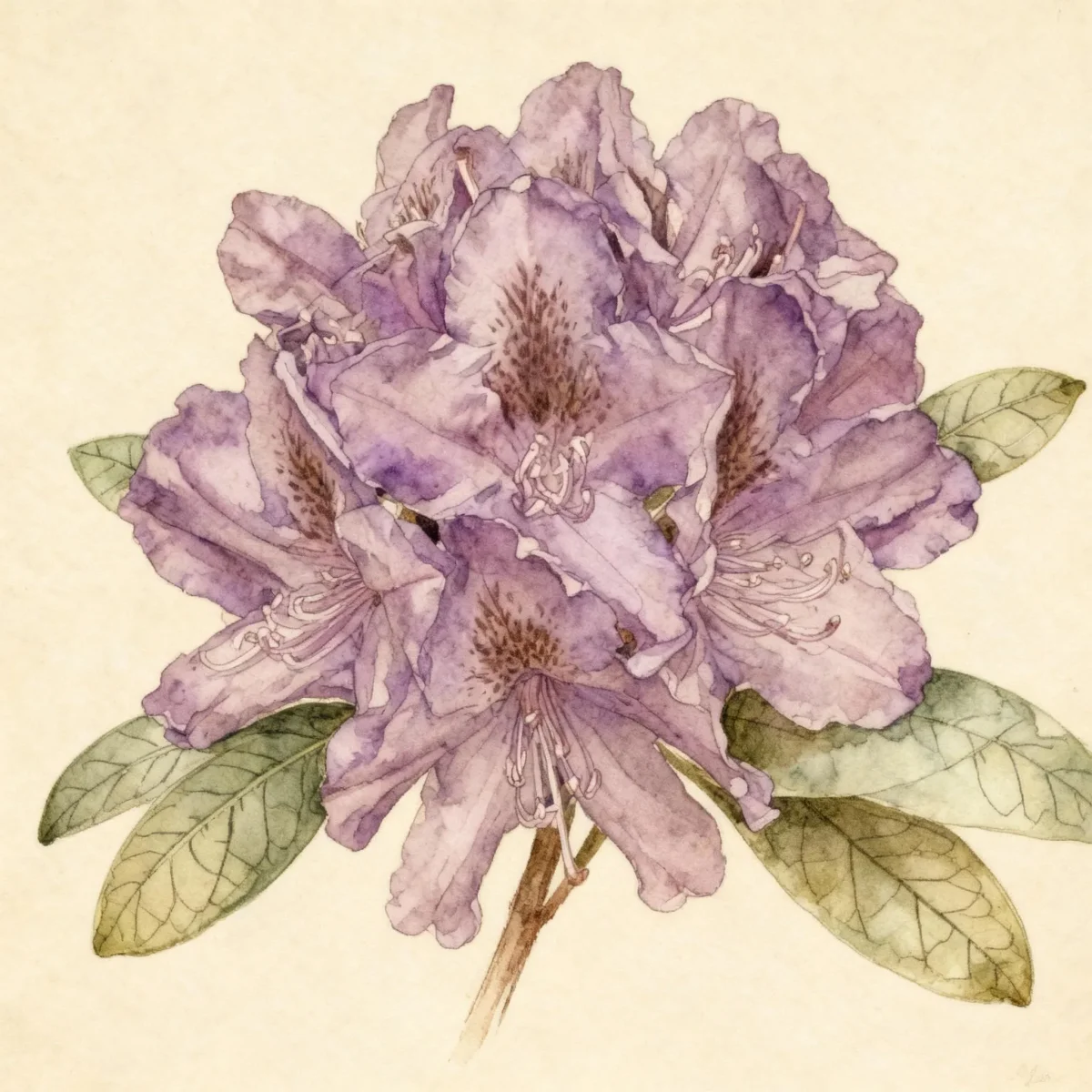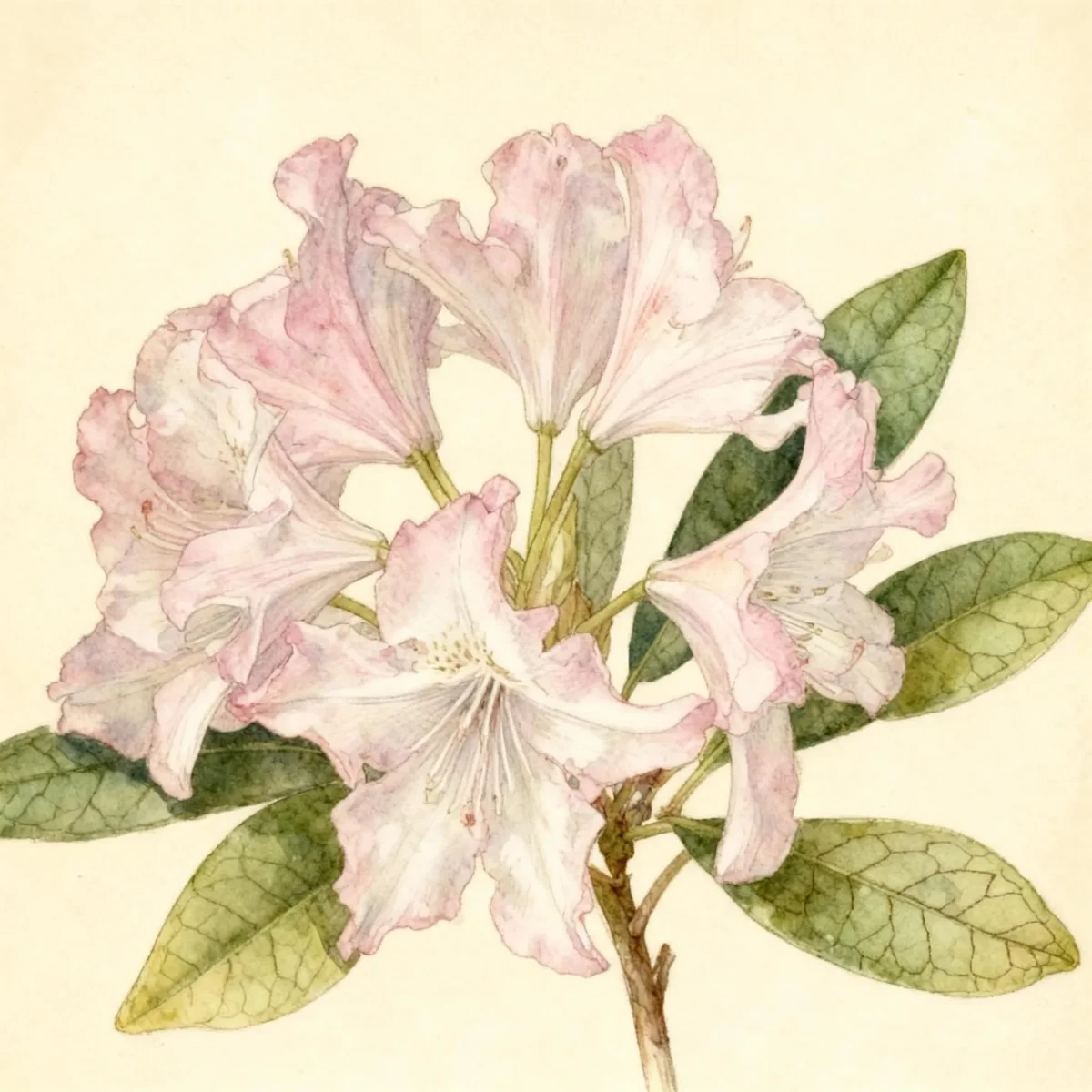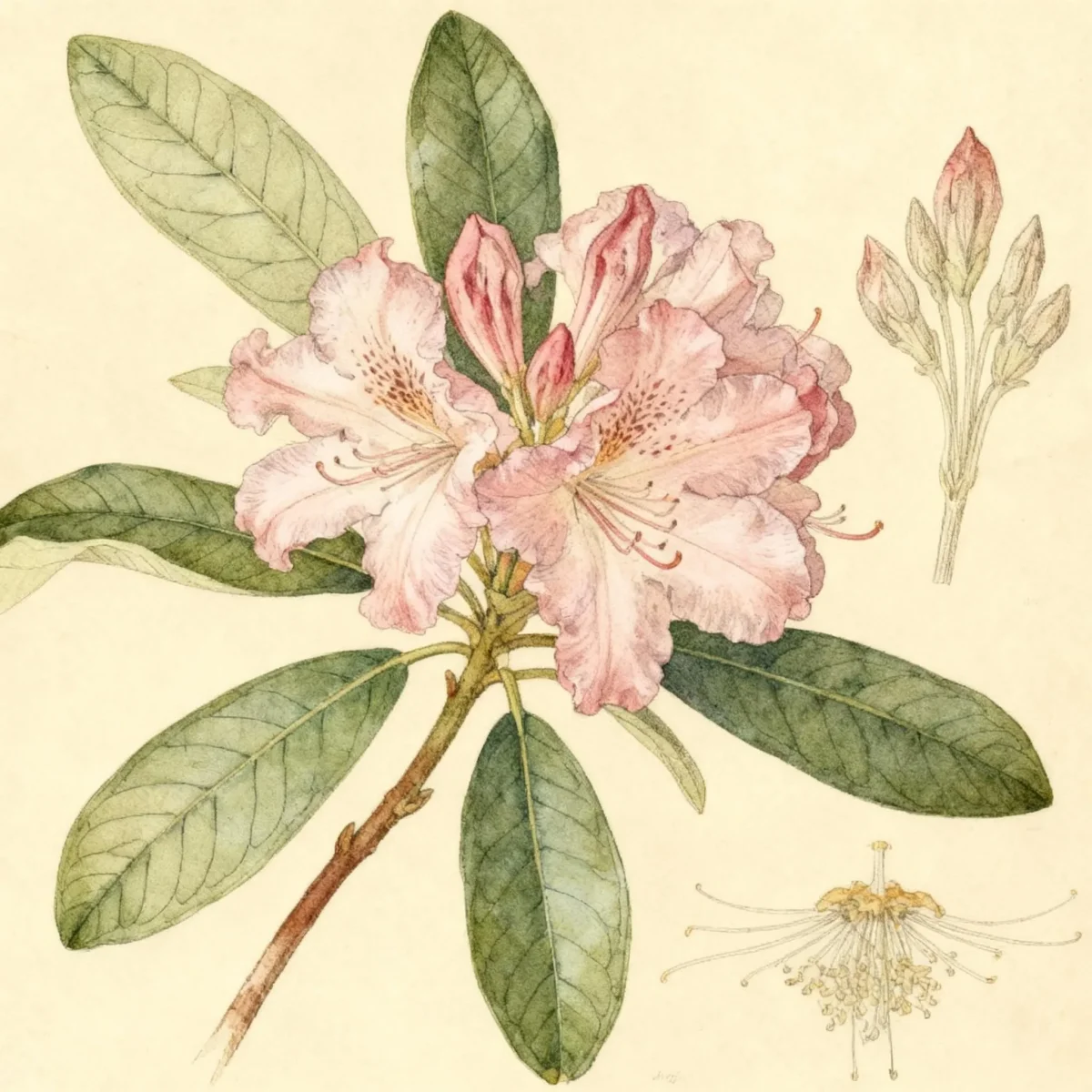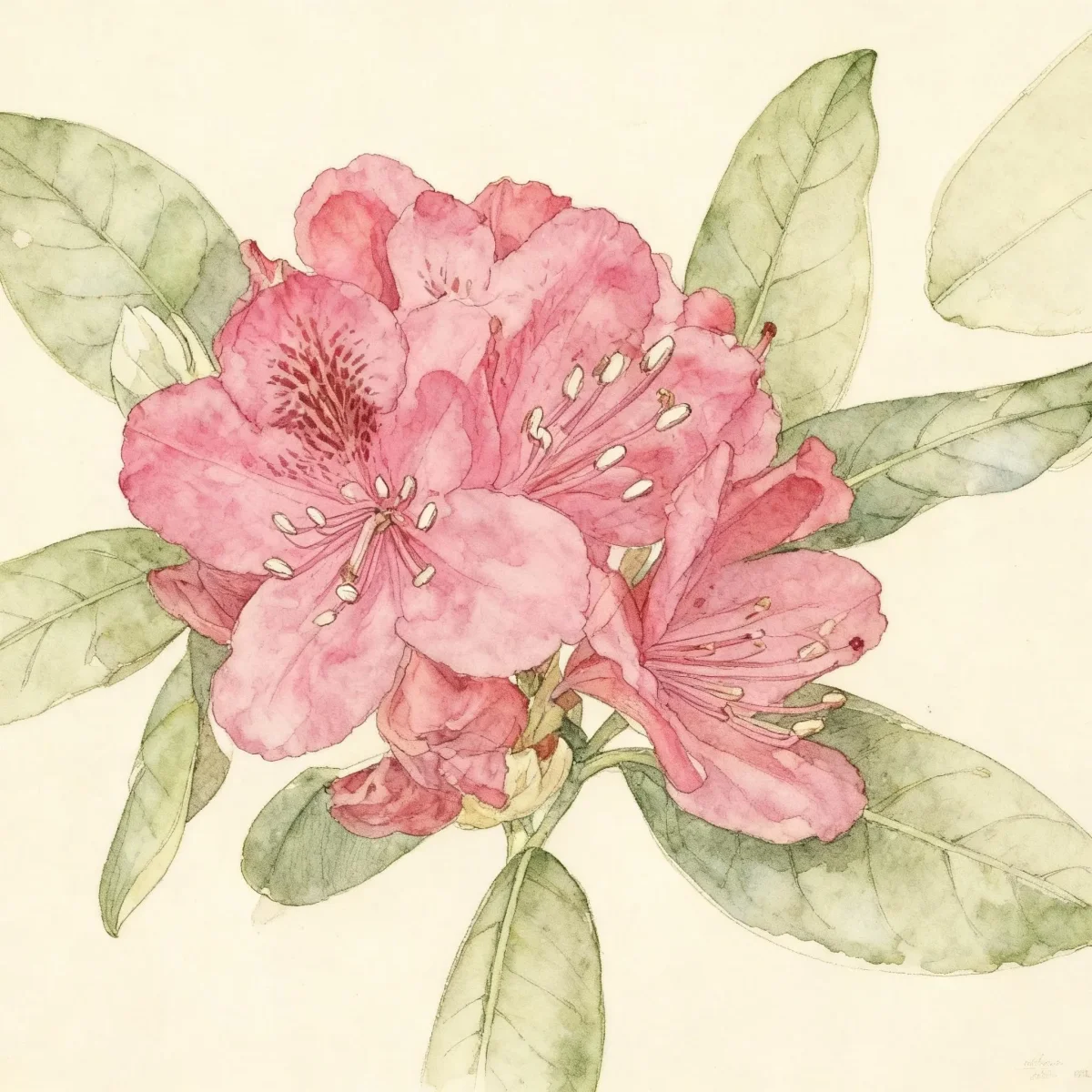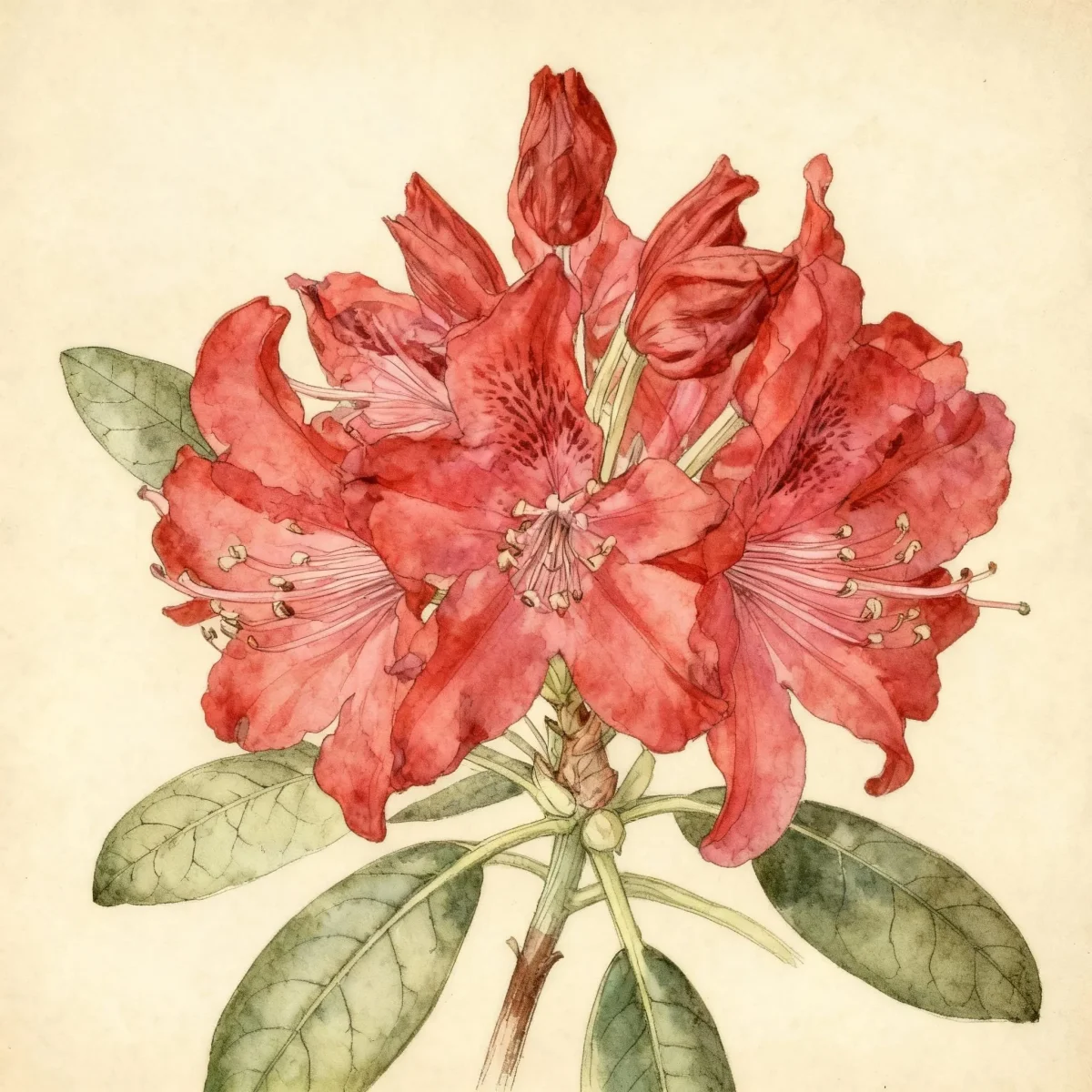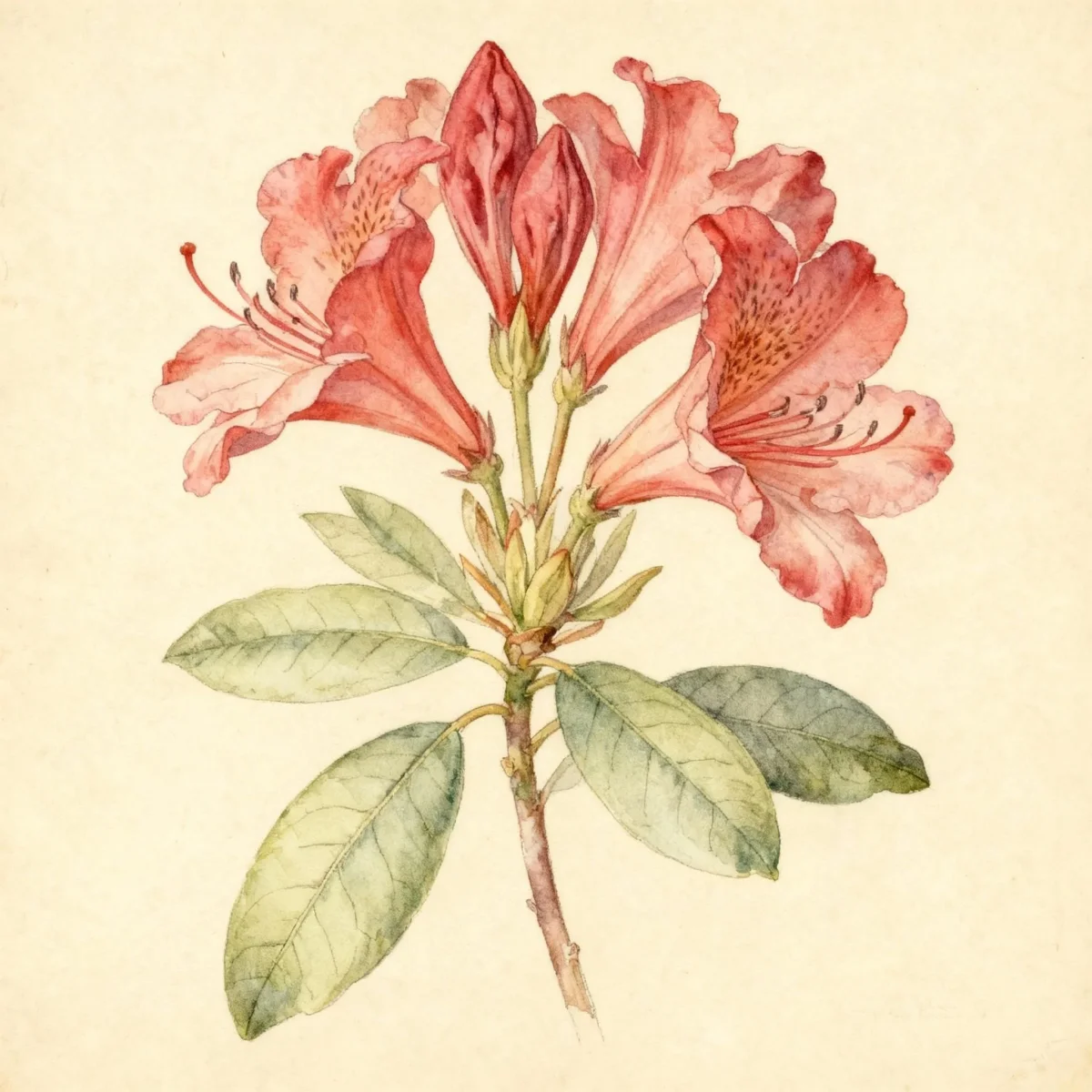

Rhododendron (Rhododendron 'Hawaii')
The Rhododendron 'Hawaii' boasts showy, purplish red to pink blooms in May, thriving in acidic soils in USDA Zones 5-8.
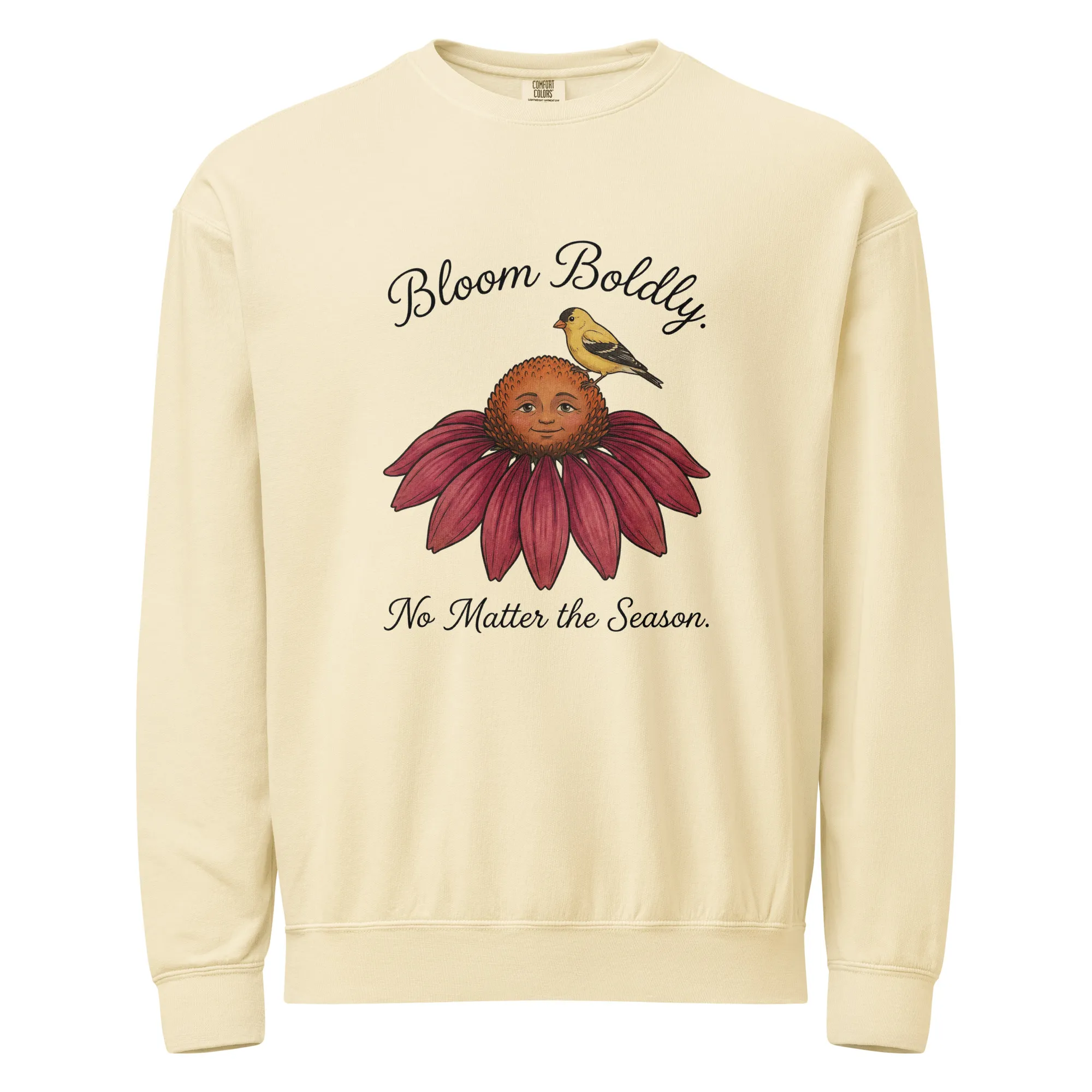
Bloom Boldly, No Matter the Season - Sweatshirt
Cozy organic cotton sweatshirt featuring our exclusive Purple Coneflower design. Perfect for gardeners who bloom year-round.
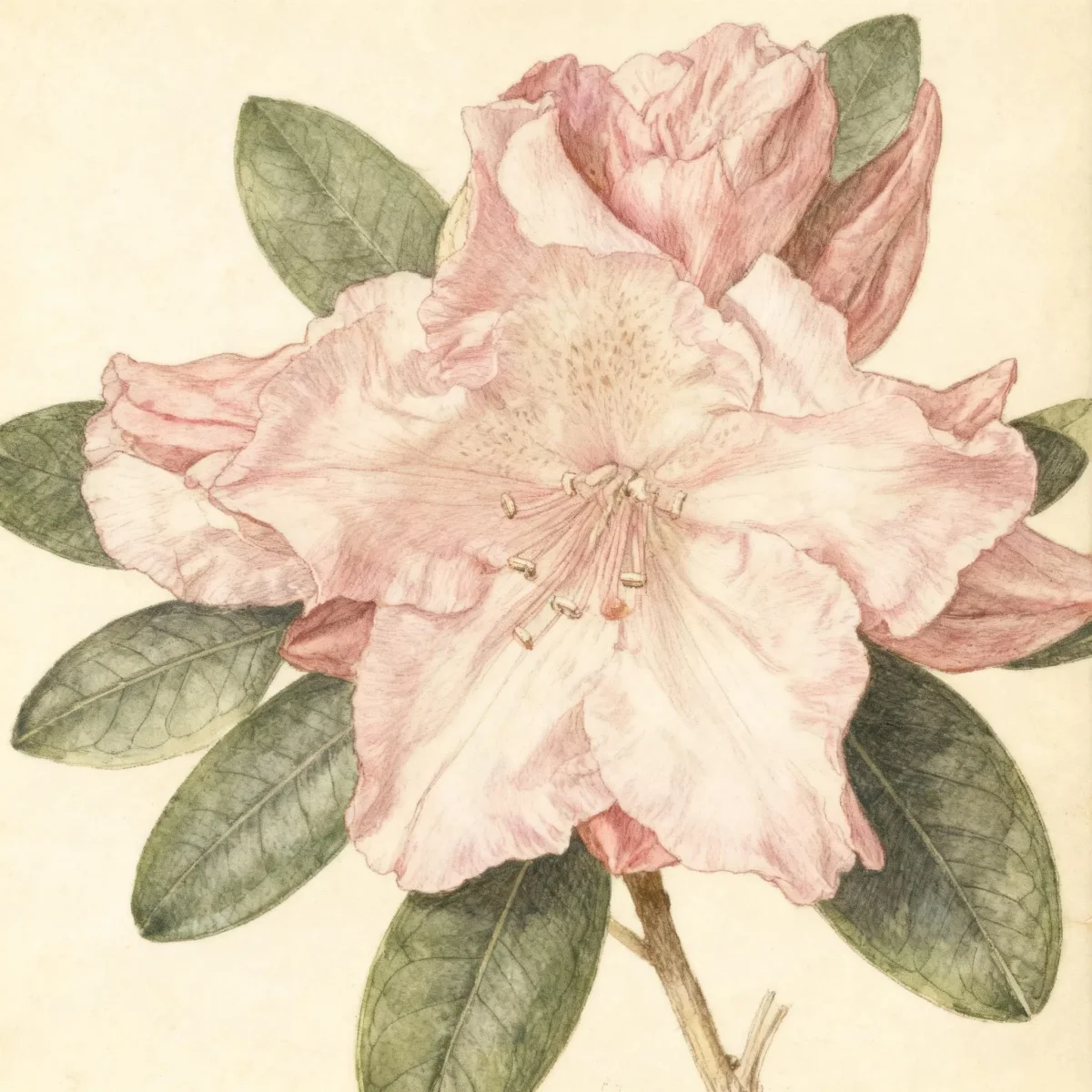
Inspired by the beautiful Rhododendron
Limited first batch (50) — join the waitlist for early access
Waitlist closes Feb 15, 2026.
Complete Plant Information
Field Guide Continues
Ready for care notes, companion picks, and planting tips?
The map is just the start. The full guide below covers growth habits, seasonal performance, and landscape uses.
Overview
Rhododendron ‘Hawaii’ is a standout broadleaf evergreen, prized by gardeners for its vigorous habit and vibrant spring color display. This cultivar, part of the extensive Rhododendron genus, produces trusses of openly funnel-shaped, frilly-edged flowers in a striking purplish-red to pink hue, making it a focal point when blooming in May. As a hybrid developed by Dr. David G. Leach, Rhododendron ‘Hawaii’ offers predictable growth, typically reaching 4 to 5 feet tall and wide, ideal for structured garden designs.
This specific Rhododendron variety introduces reliable texture and color, contrasting beautifully with surrounding plantings throughout the year thanks to its matte green, elliptic leaves. Successful cultivation of Rhododendron ‘Hawaii’ depends heavily on mimicking its native woodland home environment—requiring acidic, humus-rich soil and protection from harsh afternoon sun. Proper siting is key to ensuring the plant stays thriving, delivering its characteristic showy performance season after season.
Fast Facts
- Plant Family: Ericaceae
- Plant Type: Broadleaf evergreen
- Hardiness Zones: USDA Zones 5-8
- Size at Maturity:
- Height: 4-5 ft
- Spread: 4-5 ft
- Bloom Time: May
- Bloom Description: Purplish red to pink
- Sun Exposure: Full sun to part shade
- Water Needs: Medium
- Maintenance Level: Medium
How to Grow
Planting Rhododendron ‘Hawaii’ requires careful attention to drainage and acidity. Aim to plant in acidic, organically rich, humusy soil that retains moisture but drains exceptionally well. Poor drainage is fatal, causing root rot, so consider raised beds in heavy clay sites. Light shade, especially protection from hot afternoon sun, is preferred, though it can handle more sun in cooler northern climates.
Routine care centers on moisture management and soil pH. Water deeply but infrequently to keep the soil consistently medium moist; Rhododendrons hate drying out, but they also dislike “wet feet.” Maintain the ideal soil pH between 5.0 and 5.5 by acidifying with sulfur or iron sulfate as necessary. Avoid cultivating near the shallow, fibrous roots; instead, apply a thick layer of protective mulch, such as pine needles or bark, to stabilize soil temperature and retain moisture.
Prune only as required; the best practice is immediately clipping off spent flower clusters (“deadheading”) after they fade to encourage better energy allocation for the next season. Avoid planting near walnuts, as these trees release juglone, a compound toxic to most Rhododendrons. Protecting your Rhododendron ‘Hawaii’ from strong winds is also crucial for overall plant health.
Landscape Uses
Rhododendron ‘Hawaii’ excels wherever a medium-sized, densely foliaged evergreen provides structure. It is highly effective when used as an accent or specimen plant, drawing the eye with its colorful spring spectacle. Due to its consistent height and spread, it works perfectly within shrub borders, integrating well with mixed plantings that benefit from dappled shade, such as understory trees or along woodland edges.
This cultivar also performs admirably as an informal hedge or in foundation plantings where its evergreen nature provides year-round visual appeal. When designing adjacent plantings, select companions that share similar acidic soil and moisture needs, such as ferns, Japanese maples, or other woodland natives. Using Rhododendron ‘Hawaii’ in mass plantings can create deep blocks of springtime color against a backdrop of taller shade trees.
Standout Features
Flower Qualities
- Showy
Noteworthy Characteristics
Rhododendron is a genus of 500 to 900 species and includes both of what we commonly call rhododendrons and azaleas. The evergreen varieties, like this Rhododendron, produce linear, stiff leaves and large trusses of flowers at the branch tips. Rhododendron ‘Hawaii’ was hybridized by Dr. David G. Leach in 1967 and features a rounded habit with matte green leaves, offering vivid purplish-red to pink flowers about 3 inches across. The genus name is derived from the Greek words rhodo (rose) and dendron (tree).
Tolerances
- Rabbit
Potential Problems
Rhododendrons and azaleas are susceptible to several pests and diseases, though a healthy Rhododendron ‘Hawaii’ in the correct environment experiences fewer issues. Common insect adversaries include scale, lacebugs, and aphids, while fungal issues like root rot, leaf spot, and blight are often signs of cultural stress, particularly poor drainage or improper pH. Chlorosis, characterized by yellowing leaves, is a clear indicator of high soil pH causing iron deficiency, which must be corrected by acidifying the soil. Monitoring leaf health and ensuring excellent soil conditions are the primary methods of prevention for this beautiful Rhododendron.
Frequently Asked Questions
What hardiness zones is Rhododendron ‘Hawaii’ suitable for?
Rhododendron ‘Hawaii’ performs best in USDA Hardiness Zones 5 through 8. Ensure your location falls within this range for reliable overwintering.
How large does Rhododendron ‘Hawaii’ grow?
This cultivar typically matures to a height between 4 and 5 feet, with a corresponding spread also ranging from 4 to 5 feet, maintaining a manageable, slightly rounded habit.
What sun exposure does Rhododendron ‘Hawaii’ need?
Ideally, this Rhododendron requires full sun to partial shade, translating practically to morning sun with protection from intense afternoon heat.
When does Rhododendron ‘Hawaii’ bloom?
The spectacular bloom time for Rhododendron ‘Hawaii’ is in May, producing its distinctive purplish red to pink flowers.
Conclusion
Rhododendron ‘Hawaii’ remains a treasured choice for gardeners seeking reliable structure and bold, early-season color from their broadleaf evergreens. The striking flower display, combined with its manageable size, makes this Rhododendron cultivar an excellent addition to acid-loving plant collections. Before planting, confirm your site offers acidic, well-drained soil and protection from extreme conditions to enjoy the best of Rhododendron ‘Hawaii’.
Companion Planting
Selecting appropriate companions is vital for the success of Rhododendron ‘Hawaii’ because they share exacting soil and moisture preferences. Plants that enjoy acidic, humus-rich, moist conditions are perfect neighbors. Consider pairing this Rhododendron with companion species like Azaleas, Camellias, and native woodland ferns. These companions create a layered, textured look typical of natural woodland gardens, helping to naturally shade the shallow roots of the Rhododendron.
Seasonal Care Calendar
Spring marks the crucial time for Rhododendron care; this is when you should feed established plants with a fertilizer formulated for acid-loving species just as new growth emerges, and deadhead spent blooms immediately after flowering concludes. Summer requires vigilant monitoring of soil moisture; while established plants tolerate medium water needs, drought stress in hot months can severely injure the leaves, so deep, infrequent watering is best. In fall, apply a fresh layer of mulch if needed, ensuring it does not pile up against the plant crown, preparing the Rhododendron ‘Hawaii’ for winter dormancy by maintaining deep root moisture.