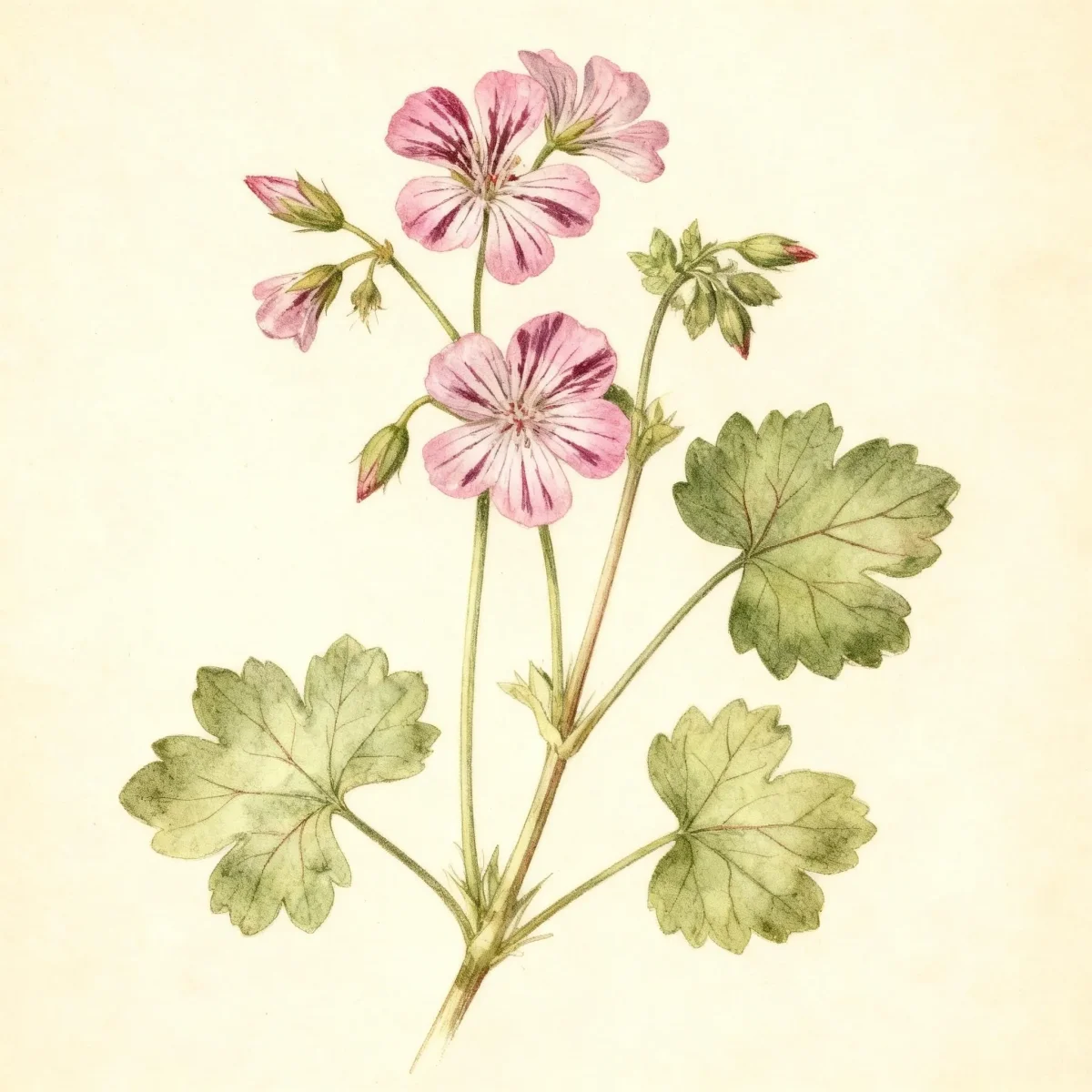
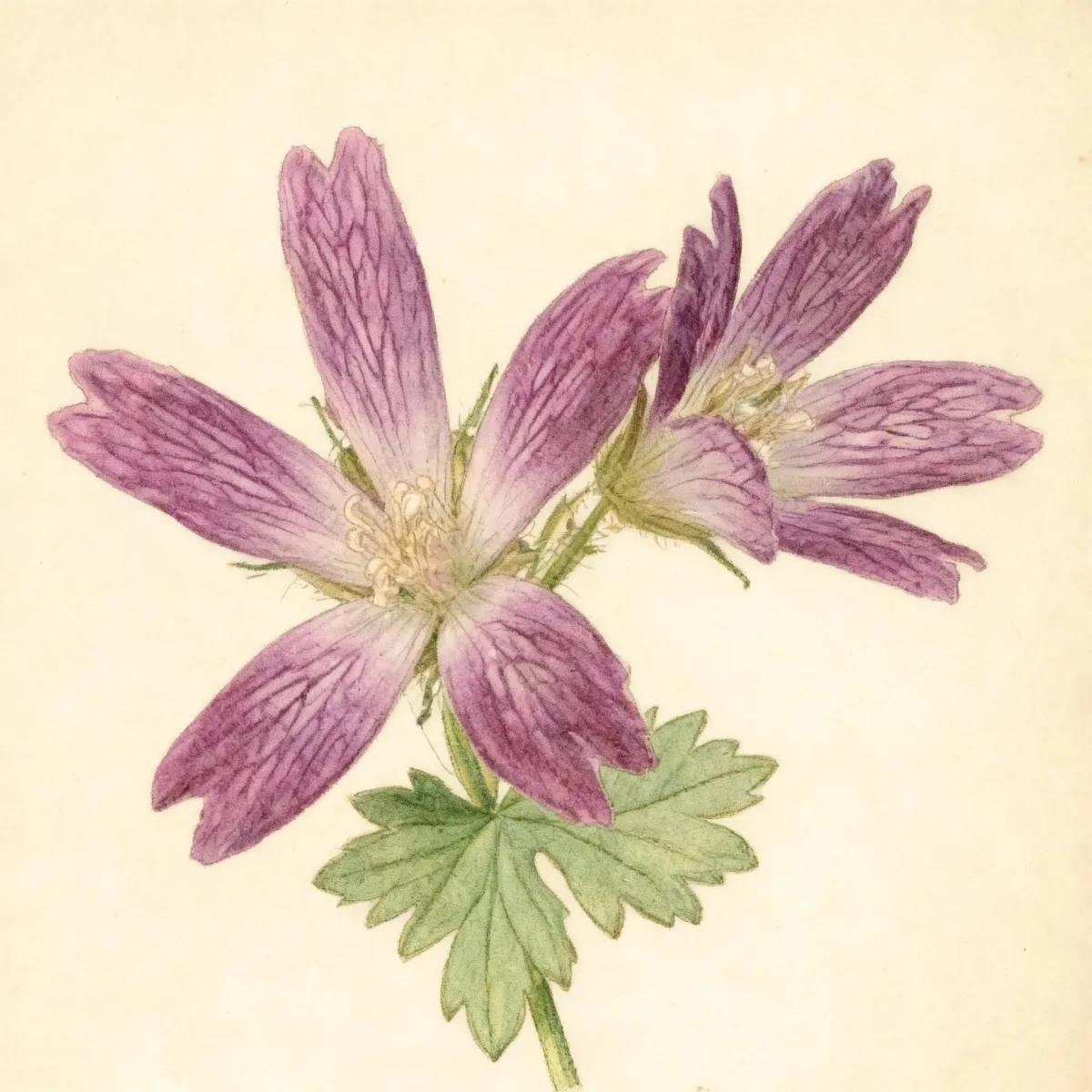
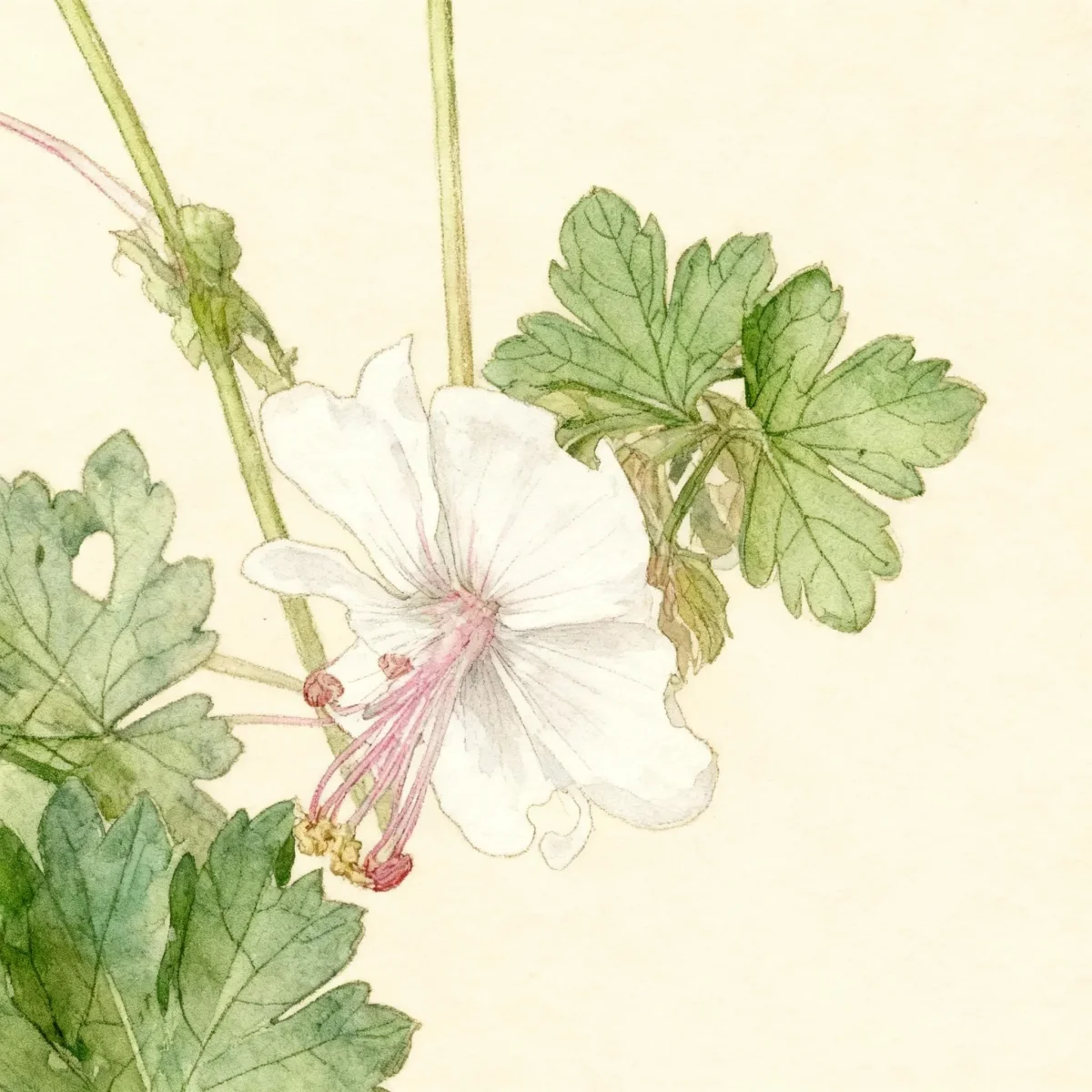
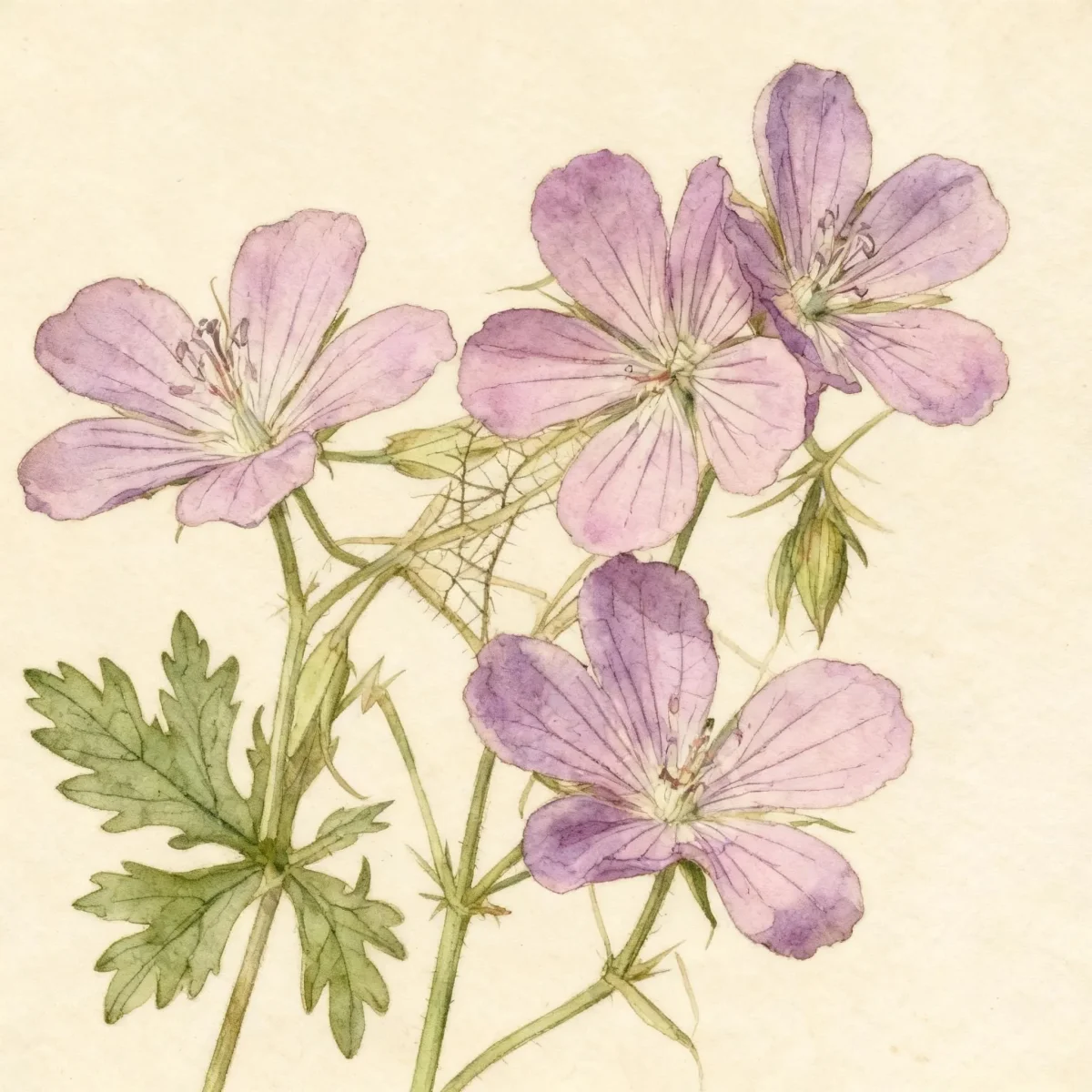
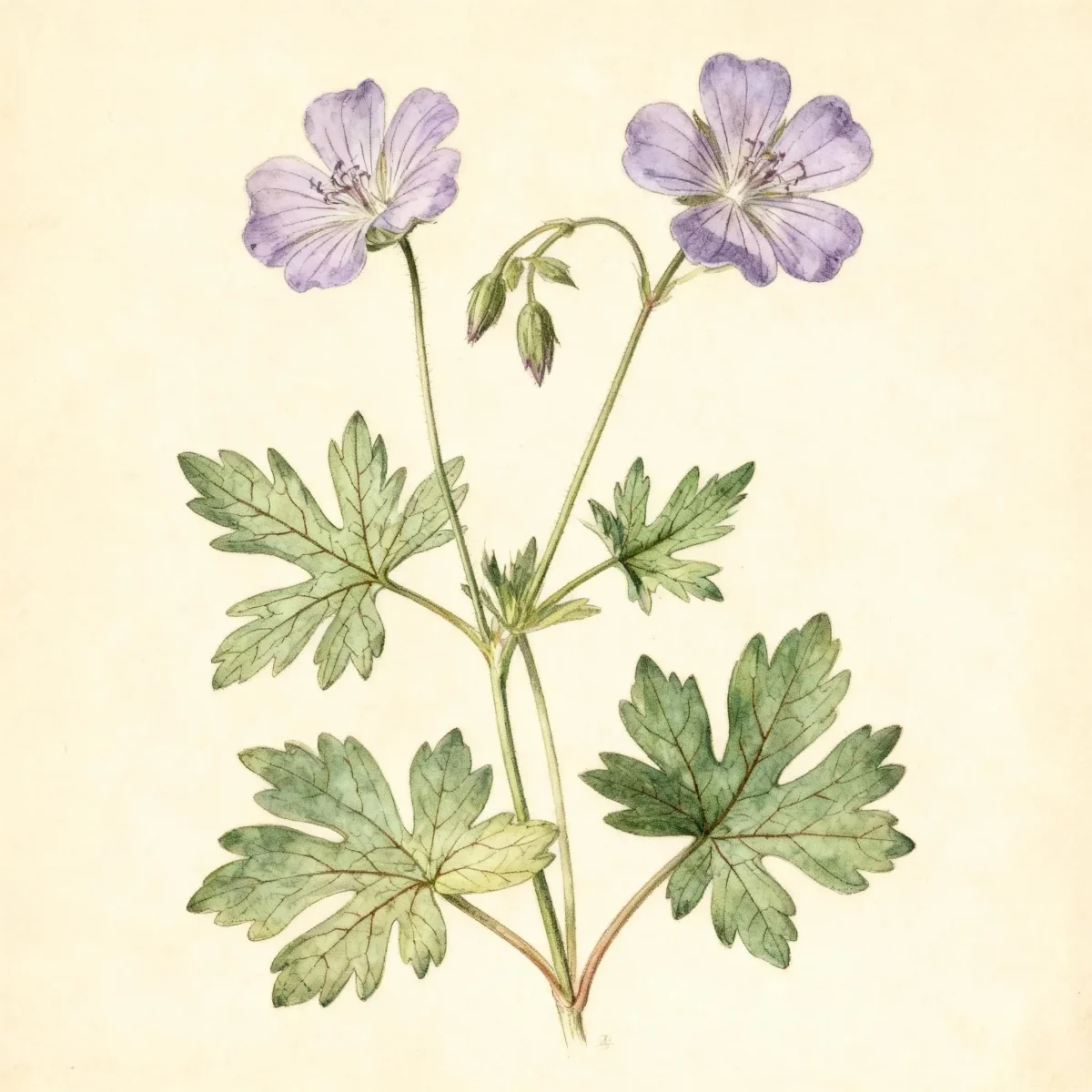
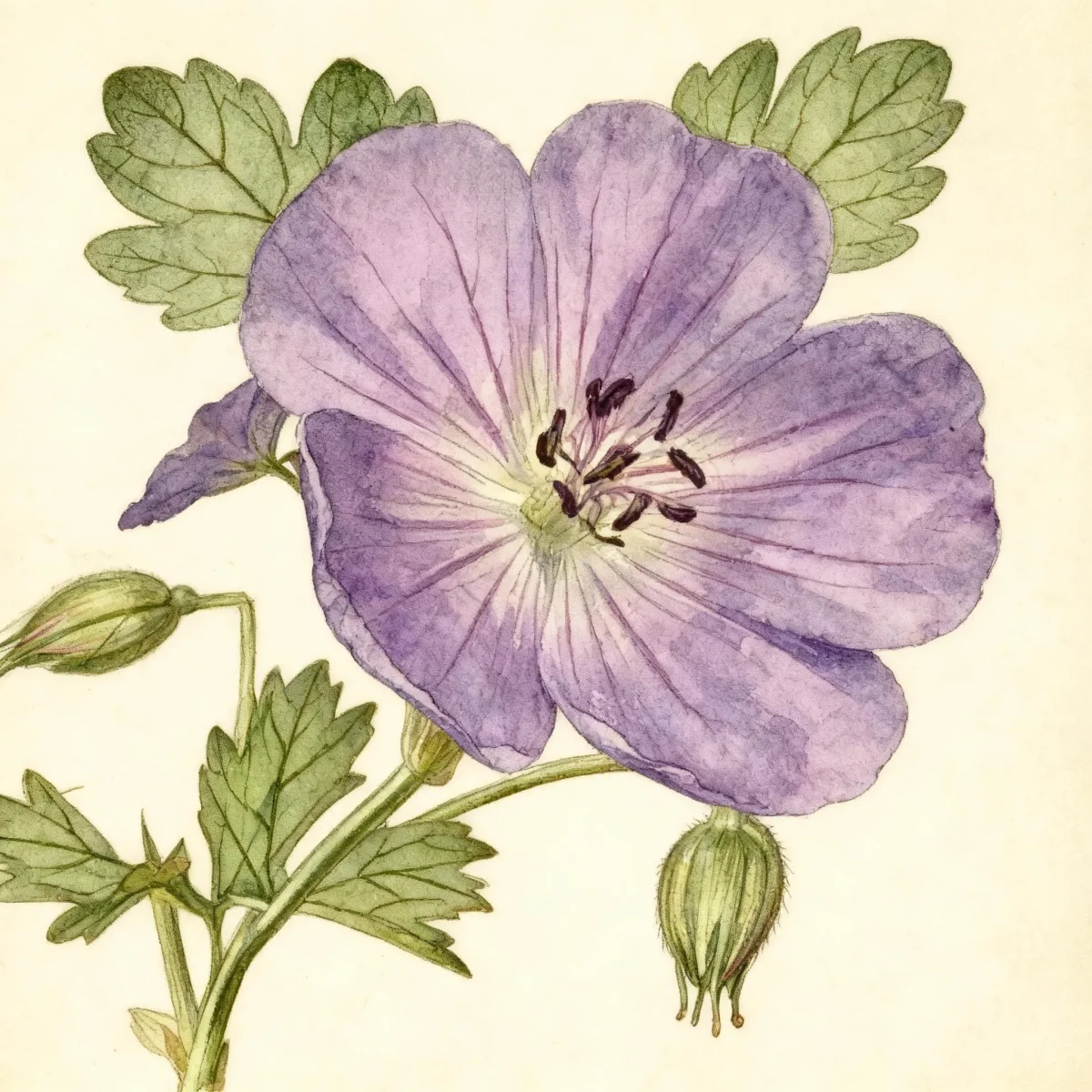
Yellow heron's bill (Erodium chrysanthum)
Discover Erodium chrysanthum, the Yellow heron's bill, a low-maintenance perennial for rock gardens blooming May-Sept.
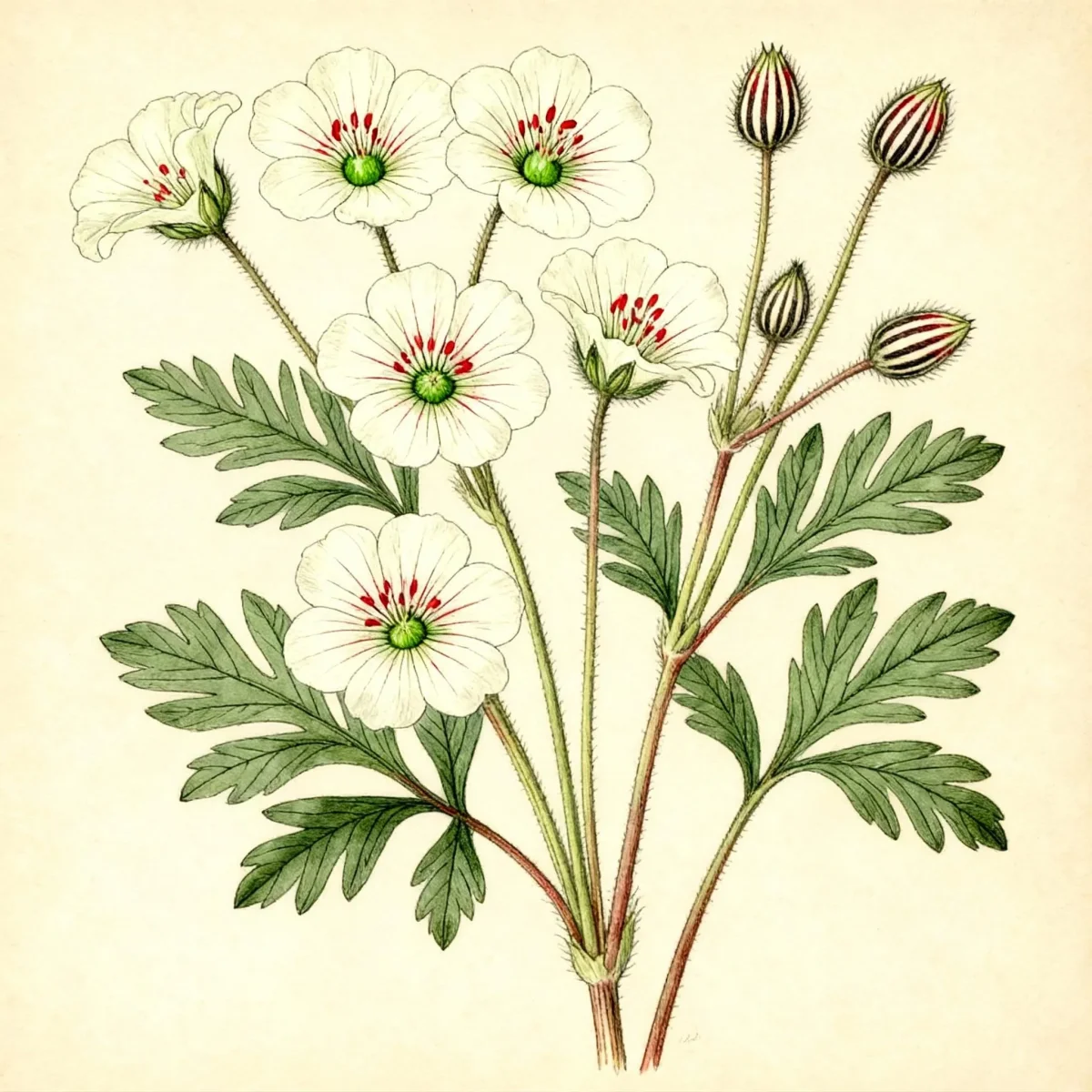

Bloom Boldly, No Matter the Season - Sweatshirt
Cozy organic cotton sweatshirt featuring our exclusive Purple Coneflower design. Perfect for gardeners who bloom year-round.
Inspired by the beautiful Yellow heron's bill
Limited first batch (50) — join the waitlist for early access
Waitlist closes Feb 15, 2026.
Complete Plant Information
Field Guide Continues
Ready for care notes, companion picks, and planting tips?
The map is just the start. The full guide below covers growth habits, seasonal performance, and landscape uses.
Overview
Erodium chrysanthum, widely recognized as the Yellow heron’s bill, brings reliable, low-growing color to the rock garden or border front. This dense, tufted perennial from the Geraniaceae family is cherished for its attractive, finely-dissected foliage that often features a silvery or grayish hue. Gardeners value the Yellow heron’s bill for its extended blooming period, which often spans from late spring right through the heat of summer into early fall.
Native to the alpine regions of Greece, this plant is surprisingly hardy for its origin, thriving best in sharp drainage and full sun exposure. It forms a neat mat, keeping maintenance low while providing excellent ground coverage in well-drained sites. The five-petaled yellow flowers are a delightful contrast to the silvery, fern-like leaves of Erodium chrysanthum.
For gardeners seeking drought-tolerant edging or naturalizing solutions, the Yellow heron’s bill offers a fantastic solution. Its shallow rooting system and preference for lean, gritty soil make it resilient once established, establishing itself as a durable and charming accent plant.
Fast Facts
- Plant Family: Geraniaceae
- Plant Type: Herbaceous perennial
- Native Range: Greece
- Hardiness Zones: USDA Zones 6-8
- Size at Maturity:
- Height: 0.25-0.5 ft
- Spread: 0.5-1.5 ft
- Bloom Time: May to September
- Bloom Description: Yellow
- Sun Exposure: Full sun
- Water Needs: Medium
- Maintenance Level: Low
How to Grow
Planting Erodium chrysanthum should occur either in spring or early fall to allow establishment before intense weather. The single most critical requirement for this alpine native is sharp drainage; it must be grown in gritty, humus-rich soils that are neutral to slightly alkaline. Avoid heavy clay or persistently wet spots, as soggy winter roots invite rot.
Care for the Yellow heron’s bill is generally minimal once established, fitting well into low-maintenance schemes. Although classified as medium water need, it is significantly drought tolerant once its root system has anchored itself. Avoid heavy fertilization, which can promote excessive foliage growth at the expense of flowers and may reduce winter hardiness.
Deadheading spent blooms is not strictly required but can tidy the appearance and encourage continuous flowering through September. In late winter or very early spring, clean up any matted dead foliage to allow fresh growth access to sunlight. Remember that Erodium chrysanthum may survive Zone 5 winters if sited correctly in a protected, dry location.
Landscape Uses
The compact, spreading habit of the Yellow heron’s bill makes it an excellent functional choice for numerous garden applications. It excels as a tight ground cover, suppressing weeds beneath its fine foliage and softening hard edges where plants meet paving stones. Consider using it as a path edger where its low profile won’t obstruct walkways.
Its needs align perfectly with plants suited for xeriscaping or rock gardens, offering color where many larger perennials cannot cope with the lean, often hot, conditions. Pair Erodium chrysanthum with low-growing alpines, creeping thyme, or sedums that share its preference for excellent drainage and sharp winter conditions.
For formal design elements, it is perfect for lining front borders or filling small pockets within trough gardens. Its fine texture contrasts beautifully with plants sporting bolder, coarser leaves, making the silvery, fern-like foliage of the Yellow heron’s bill a key textural element.
Standout Features
Flower Qualities
- Showy
Noteworthy Characteristics
Erodium chrysanthum, commonly known as heron’s bill, stork’s bill, or crane’s bill, is a dense, tufted, evergreen perennial in the geranium family. It typically grows to 6” tall spreading to 16” wide or more and is valued for its attractive fern-like leaves and long late spring to fall bloom of 5-petaled geranium-like yellow flowers. The genus name comes from the Greek erodios meaning heron, referencing the carpels that resemble a heron’s head, while the specific epithet means ‘with golden flowers’.
Tolerances
- Drought
Potential Problems
Erodium chrysanthum generally lacks serious, persistent insect or disease issues when grown in its preferred conditions outdoors. The primary concern relates to environmental stress; root rot is highly likely in poorly drained or overly wet soils, especially during winter dormancy. On occasion, leaf galls can appear, which are usually cosmetic. Under protected cultivation, such as in greenhouses, be vigilant for common pests like aphids and spider mites which may become troublesome.
Frequently Asked Questions
What hardiness zones is Yellow heron’s bill suitable for?
The Yellow heron’s bill (Erodium chrysanthum) is reliably winter hardy in USDA Zones 6 through 8, though careful placement in warmer microclimates might see survival up to Zone 5.
How large does Erodium chrysanthum grow?
This creeping perennial typically reaches a height between 0.25 and 0.5 feet, spreading out to cover an area between 0.5 and 1.5 feet wide.
What sun exposure does Erodium chrysanthum need?
This resilient perennial requires full sun to perform best, ensuring bright light for optimal blooming from May through September.
When does Yellow heron’s bill bloom?
The primary bloom time for Erodium chrysanthum is May to September, featuring distinctive yellow flowers.
Conclusion
The Erodium chrysanthum, or Yellow heron’s bill, offers an exceptional blend of drought tolerance, fine texture, and sustained seasonal color, making it indispensable for lean, sunny garden spaces. Its low-maintenance nature ensures that gardeners can enjoy its silvery foliage and cheerful yellow blooms without extensive seasonal input. Before planting, ensure your site offers sharp, well-drained soil, and check that your USDA zone falls within 6 to 8 compatibility for long-term success.
Companion Planting
When selecting companions for Erodium chrysanthum, prioritize plants that share its love for lean soil and full sun exposure while contrasting its fine texture. Small ornamental grasses, like certain creeping fescues, provide excellent textural contrast without competing aggressively for resources. Consider pairing it with other Mediterranean or alpine herbs such as creeping oregano or prostrate thymes, which also appreciate rapid drainage and handle dry spells.
These pairings ensure that the entire planting scheme remains visually interesting throughout the season while maintaining cultural compatibility. In a rock garden setting, interplant the Yellow heron’s bill near low-growing, slow-spreading stonecrops (Sedum) or tiny Dianthus cultivars that appreciate similar sharp grit. Avoid rich composts or excessive irrigation that these companions would typically demand.
Seasonal Care Calendar
Spring is the ideal time for assessing growth; clip back any foliage that appears too tattered from winter if necessary to open up the crown for air circulation. As the main flush of bloom begins in May, apply a light dressing of gritty compost around the base, if soil amendment is desired at all—heavy feeding is counterproductive.
Summer care focuses primarily on monitoring moisture; while drought tolerant, consistent medium water during extreme dry spells will maximize the long flowering period of the Yellow heron’s bill. No routine pruning is necessary unless individual stems become misplaced, as Erodium chrysanthum naturally maintains a low, tidy profile.
Fall is a time for observation; after the main bloom concludes, the plant may slow down, presenting a neat matt that prepares for winter hardiness. In colder areas (Zones 5/6), ensure the area around the plant is not soggy as the weather turns cold, as this is when the risk of crown rot increases most significantly.