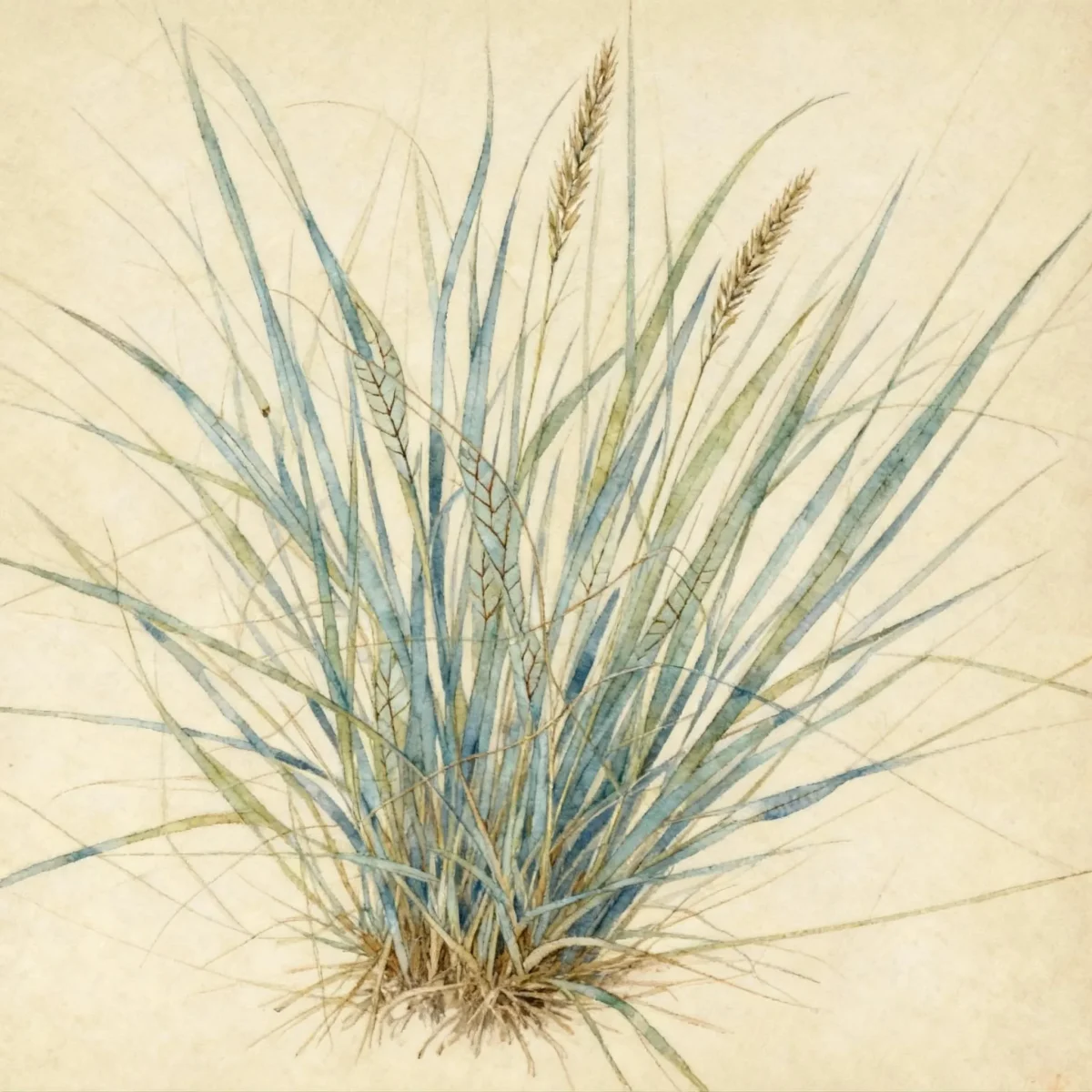
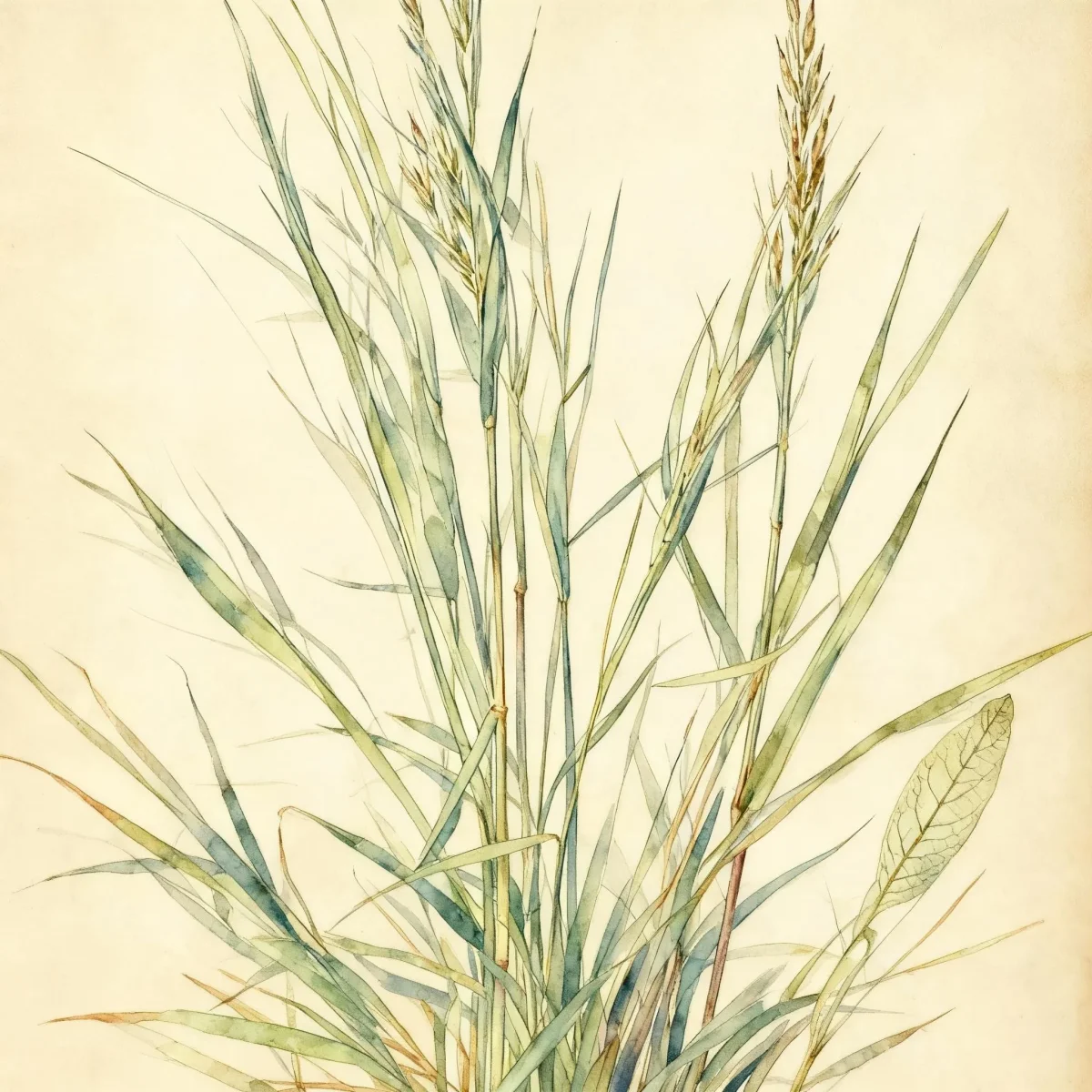
Big blue stem (Andropogon gerardii 'Red October')
Andropogon gerardii 'Red October' is a stunning ornamental grass known as Big blue stem, offering brilliant scarlet fall color and requiring low maintenance.
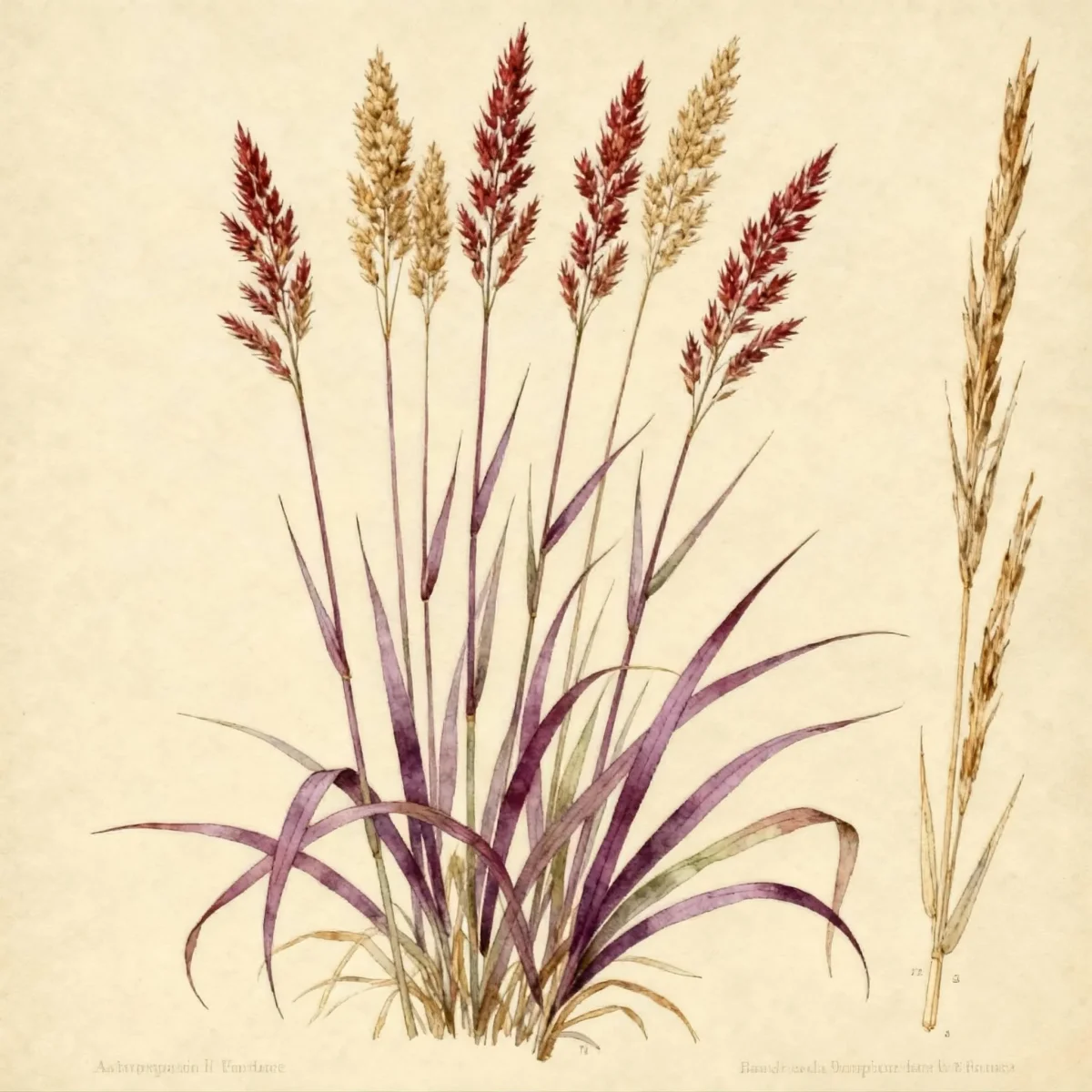

Bloom Boldly, No Matter the Season - Sweatshirt
Cozy organic cotton sweatshirt featuring our exclusive Purple Coneflower design. Perfect for gardeners who bloom year-round.
Inspired by the beautiful Big blue stem
Limited first batch (50) — join the waitlist for early access
Waitlist closes Feb 15, 2026.
Complete Plant Information
Field Guide Continues
Ready for care notes, companion picks, and planting tips?
The map is just the start. The full guide below covers growth habits, seasonal performance, and landscape uses.
Overview
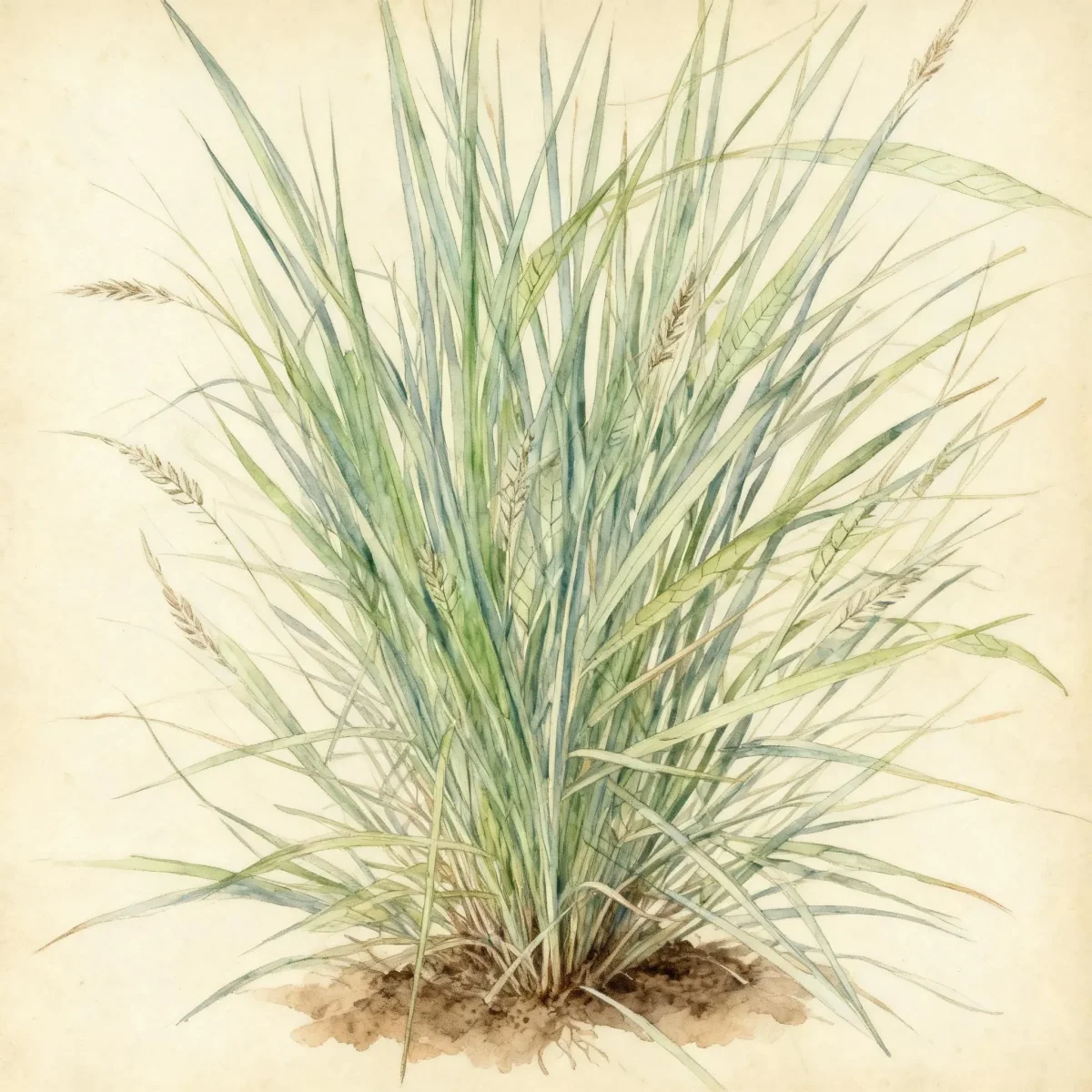
Andropogon gerardii ‘Red October’, commonly known as Big blue stem, is a standout perennial warm-season grass celebrated for its architectural presence and spectacular seasonal color transitions. This cultivar offers deeper green summer foliage followed by a brilliant scarlet red transformation after the first fall frost, making it a highly desirable specimen for native plantings. As a Missouri native, Big blue stem thrives when provided full sun and dry to medium soil conditions, requiring minimal care once its extensive root system becomes established. Gardeners prize Andropogon gerardii ‘Red October’ for its upright, clumping form, which provides excellent structure, screening capability, and visual interest from late summer well into the following spring.
Fast Facts
- Plant Family: Poaceae
- Plant Type: Ornamental grass
- Hardiness Zones: USDA Zones 4-9
- Size at Maturity:
- Height: 4-6 ft
- Spread: 2-3 ft
- Bloom Time: September to February
- Bloom Description: Burgundy red
- Sun Exposure: Full sun
- Water Needs: Dry to medium
- Maintenance Level: Low
How to Grow
Plant Big blue stem in the spring or early summer, allowing it ample time to establish its deep, fibrous root system before facing extreme summer heat or winter dormancy. This species thrives when sited in full sun and performs best in average, well-drained soils, although it tolerates a wide variety of soil types. While it puts on robust growth in moist, fertile conditions, Andropogon gerardii ‘Red October’ exhibits superior drought tolerance when grown in drier, less fertile soils, which also helps maintain its upright habit.
Care is generally minimal once established; supplemental watering is rarely necessary outside of prolonged drought periods. Fertilization is typically not required, as rich soil can encourage weak, floppy growth. The main maintenance task involves a hard cutback in late winter, removing all old stems just before new growth begins to emerge from the base of the clump.
This easy-to-maintain grass is slow to establish but rewards patience with long-term stability, including excellent resistance to erosion. Furthermore, gardeners should note that this variety may self-seed lightly under optimum conditions, which is useful for expanding naturalized areas.
Landscape Uses
The strong vertical accent provided by Big blue stem makes it indispensable for creating prairie or naturalized landscapes. It excels when massed in wildflower meadows where its height can form a dramatic backdrop for shorter perennials. Due to its impressive stature when mature, Andropogon gerardii ‘Red October’ serves exceptionally well toward the rear of border plantings or when utilized as a living screen. Its developing root network also provides significant benefits for stabilizing banks and controlling soil erosion.
Consider pairing this stately grass with plants that share its preference for full sun and well-drained conditions, such as coneflowers (Echinacea), blazing stars (Liatris), or other sturdy native grasses that share tolerance to dry conditions. The late-season burgundy flowers transition beautifully alongside late-season bloomers, ensuring color interest after many herbaceous perennials have faded.
Standout Features
Flower Qualities
- Insignificant
- Good Dried
Noteworthy Characteristics
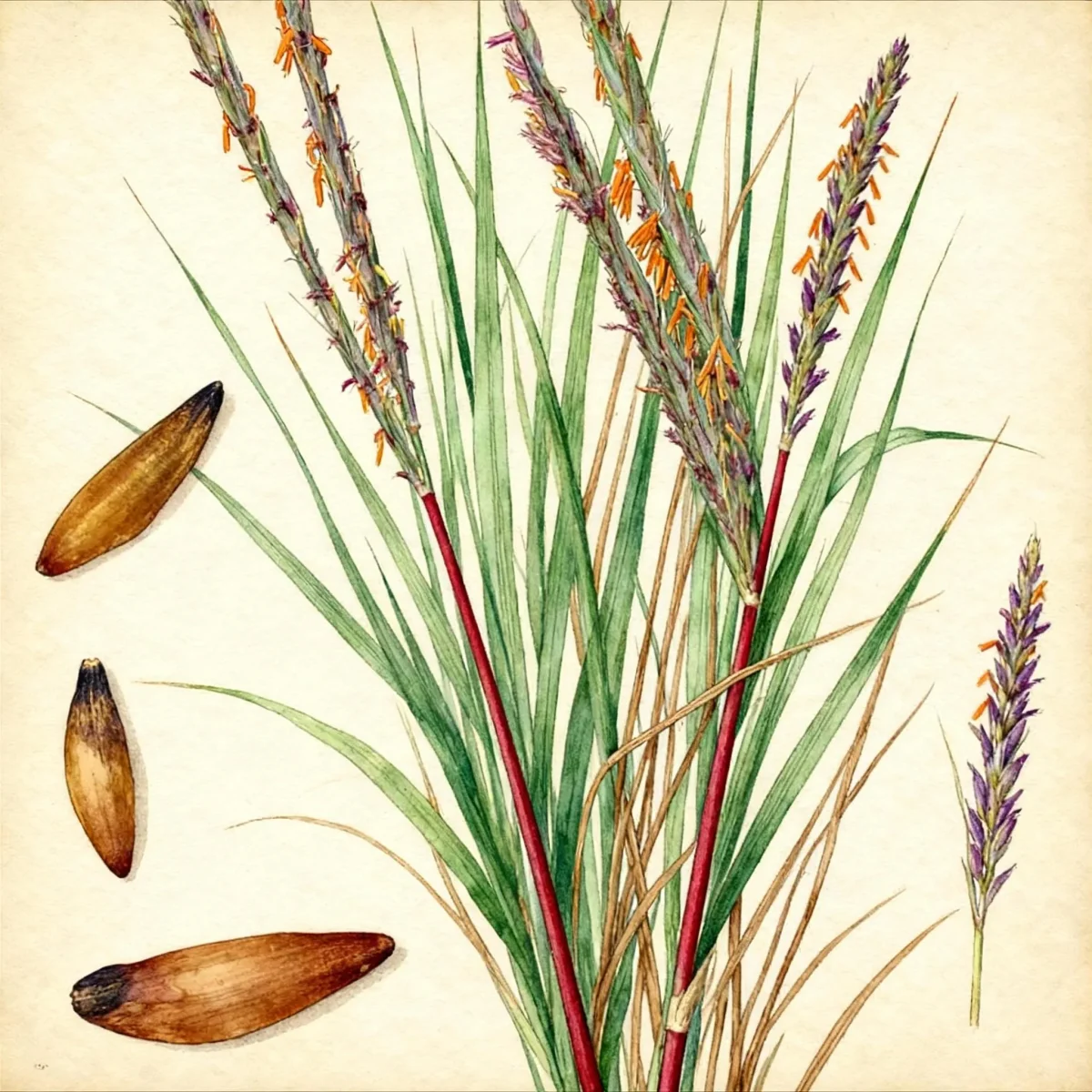
Andropogon gerardii, commonly called big bluestem grass, is a tall, perennial, warm season grass that historically dominated the tallgrass prairie ecosystem. It showcases attractive foliage that shifts from blue-green to reddish bronze, culminating in flower clusters that resemble a turkey’s foot. The cultivar ‘Red October’ is specifically recognized for its brilliant scarlet red fall coloring and clumping form, offering great visual punch when daytime temperatures begin to dip.
Tolerances
- Deer
- Drought
- Erosion
- Dry Soil
- Black Walnut
- Air Pollution
Potential Problems
Andropogon gerardii ‘Red October’ rarely suffers from serious pest or disease issues, making it a highly reliable selection for low-maintenance gardens. Its primary challenge often involves overwatering or planting in overly rich soil, which can cause the tall stems to lodge or flop over. Ensure sharp drainage is present, and avoid planting near aggressive competitive species to allow its slow-starting root system to fully establish without undue stress.
Frequently Asked Questions
What hardiness zones is Big blue stem suitable for?
Big blue stem, including the ‘Red October’ cultivar, is typically resilient across USDA Zones 4 through 9. Always confirm suitability for your specific microclimate.
How large does Andropogon gerardii ‘Red October’ grow?
This ornamental grass generally reaches a mature height between 4 to 6 feet, with a spread of 2 to 3 feet, creating a pleasingly narrow vertical accent.
What sun exposure does Big blue stem need?
Andropogon gerardii ‘Red October’ strongly prefers and requires full sun to develop its best color and maintain strong, upright growth throughout the season.
When does Andropogon gerardii ‘Red October’ bloom?
The burgundy red flower structures emerge in late summer, contributing to the overall appearance from September and often persisting well into February.
Conclusion
The combination of low maintenance requirements, exceptional drought tolerance, and spectacular late-season color cements Andropogon gerardii ‘Red October’ as a cornerstone for modern naturalistic gardens. When you choose Big blue stem, you are investing in a resilient, architecturally strong plant that pays dividends every year. Before planting, verify you can provide the necessary long-term full sun exposure and confirm that the location offers adequate drainage for this spectacular prairie native.
Companion Planting
When designing a border or meadow featuring this magnificent grass, select companions that complement its dry soil preferences and need for bright light. Plants that bloom earlier in the season but provide textural contrast work well next to the looming presence of Big blue stem. Consider early summer bloomers like Rudbeckia (Black-eyed Susan) or Achillea (Yarrow), which tolerate similar light and water regimes, allowing the grass to take center stage as summer fades into its magnificent autumn display.
Seasonal Care Calendar
Late winter (February/Early March) is the ideal time for spring cleanup before new growth begins; cut all old, persistent stems of Andropogon gerardii ‘Red October’ down to about 3-6 inches above the ground. During the active growing seasons of spring and summer, monitor moisture levels, especially during the first establishment year; once established, supplemental watering is rarely needed. In late summer and autumn, cease all fertilization; focus instead on enjoying the seasonal color shift of the foliage and the persistent burgundy red seed heads.