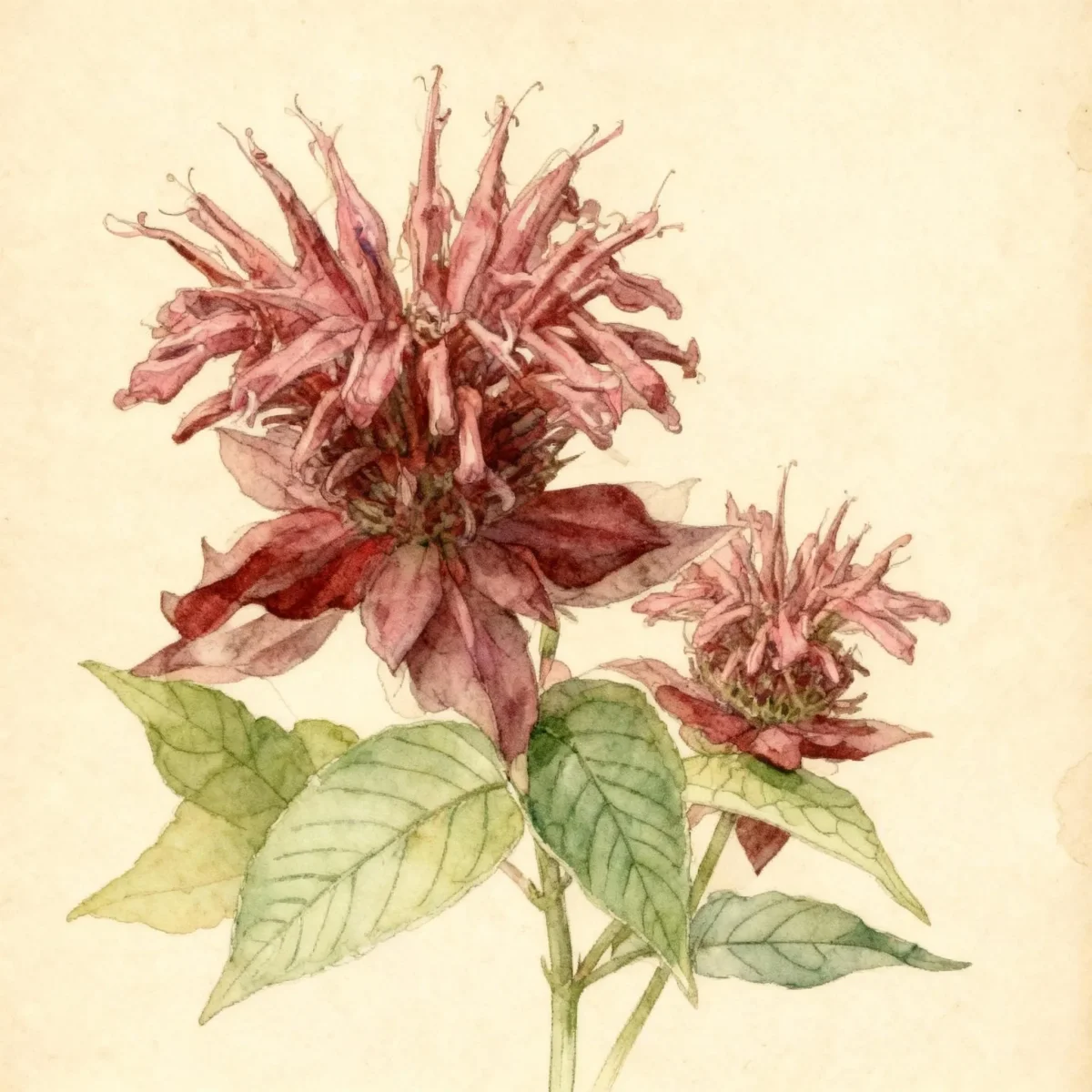
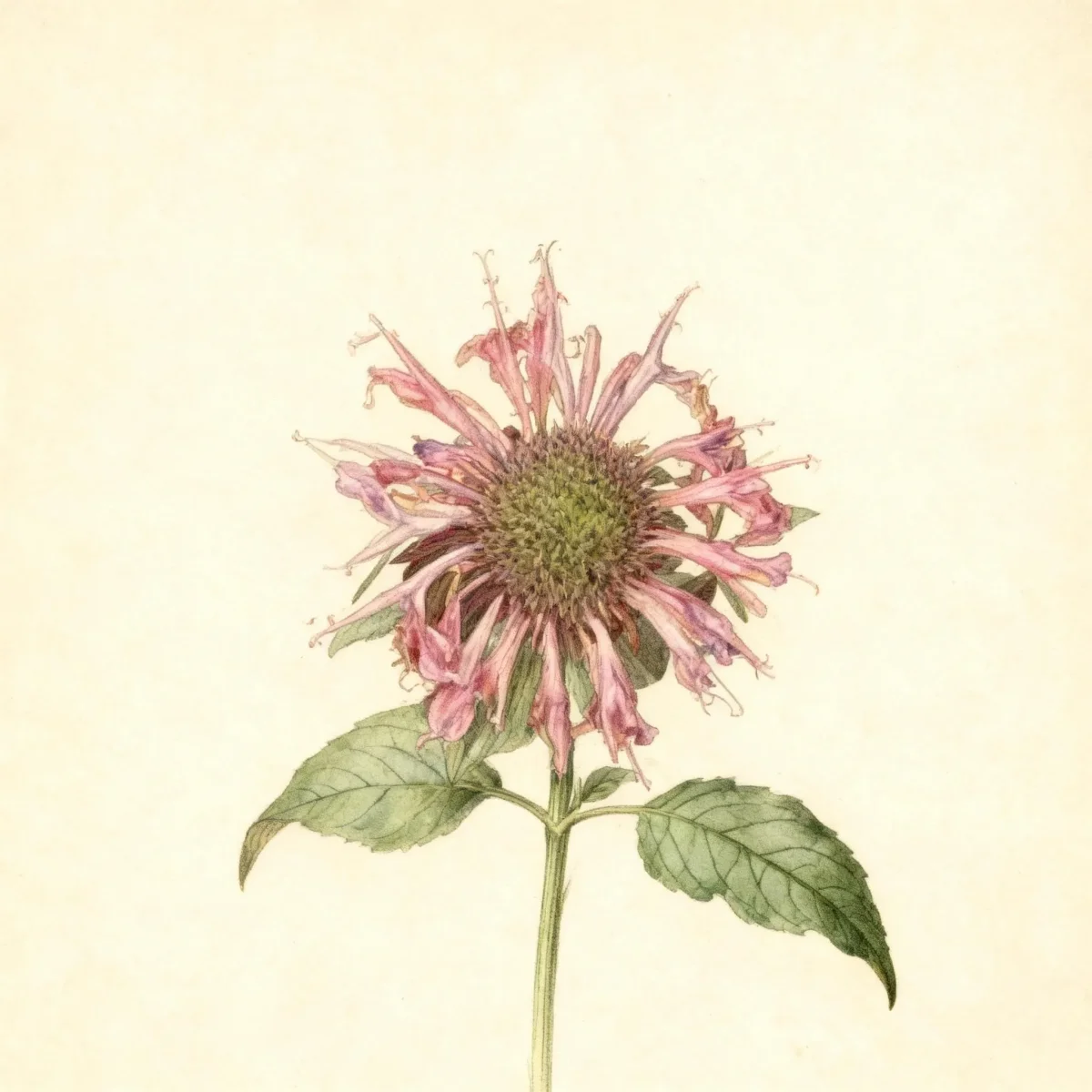
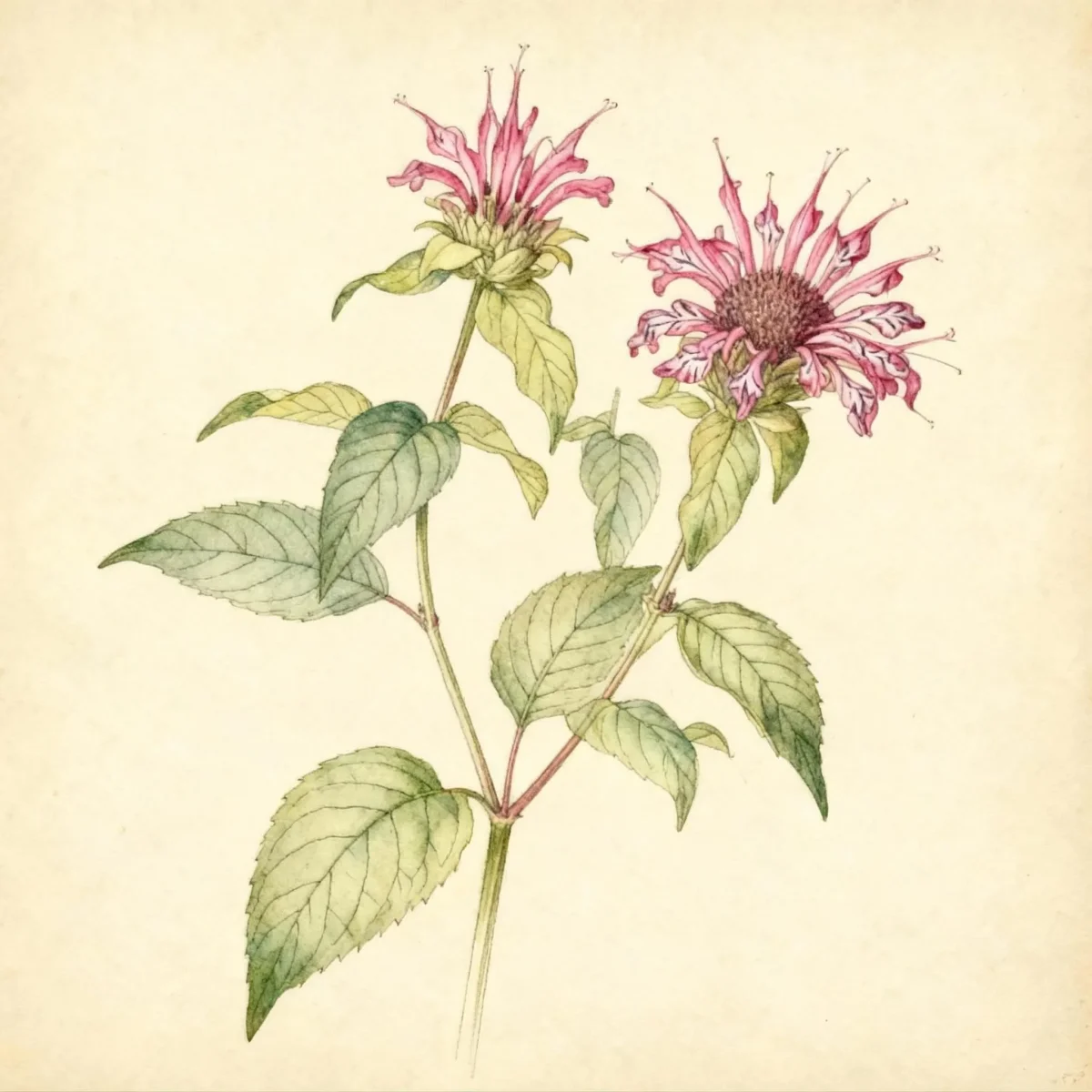
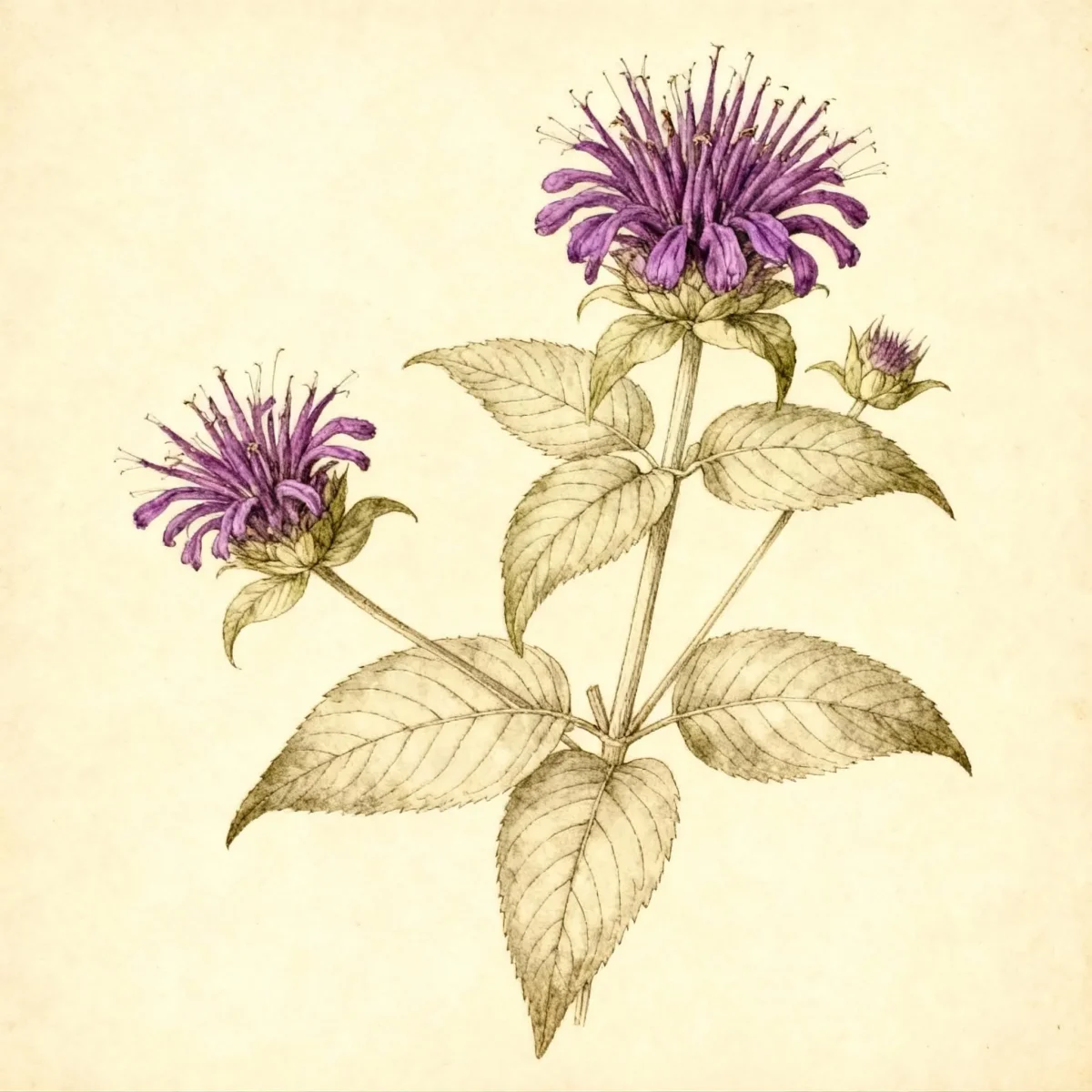
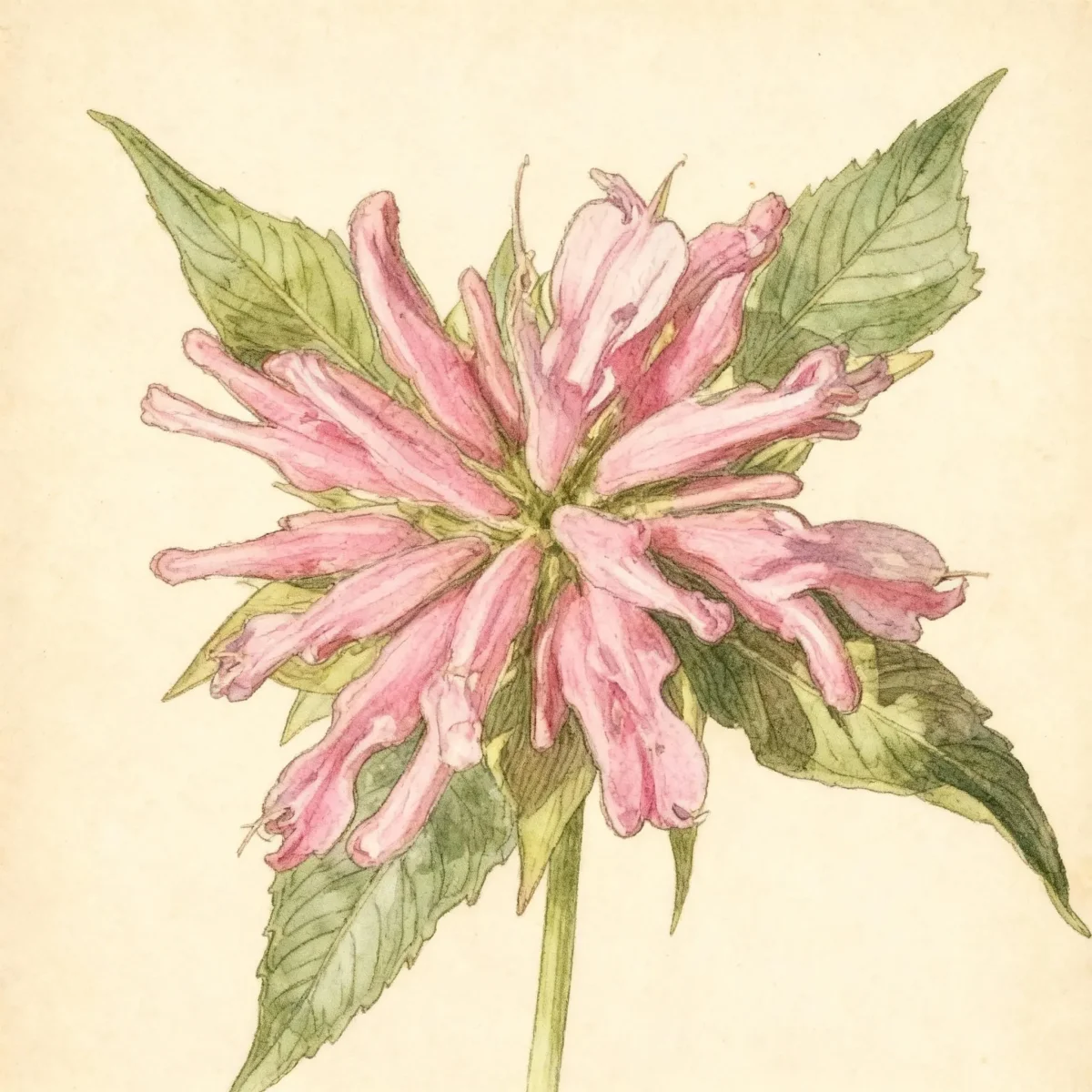
Bee balm (Monarda didyma 'Pardon My Pink')
Monarda didyma 'Pardon My Pink' is a compact, mildew-resistant Bee balm offering showy fuchsia pink flowers perfect for borders.

Bloom Boldly, No Matter the Season - Sweatshirt
Cozy organic cotton sweatshirt featuring our exclusive Purple Coneflower design. Perfect for gardeners who bloom year-round.
Inspired by the beautiful Bee balm
Limited first batch (50) — join the waitlist for early access
Waitlist closes Feb 15, 2026.
Complete Plant Information
Field Guide Continues
Ready for care notes, companion picks, and planting tips?
The map is just the start. The full guide below covers growth habits, seasonal performance, and landscape uses.
Overview
Monarda didyma ‘Pardon My Pink’ is a popular herbaceous perennial cherished for its compact size and vibrant fuchsia pink summer blooms, making it a standout variety of Bee balm. This cultivar offers the classic charm of Monarda in a more manageable form, ideally suited for front-of-border plantings where its fragrance and color can be easily appreciated. It exhibits improved mildew resistance, a notorious challenge for older Monarda varieties.
As a member of the mint family, this plant spreads slowly by rhizomes, forming attractive clumps without becoming overly aggressive, allowing gardeners to maintain neat colonies. Its vibrant flowers are highly attractive to vital pollinators like bees and hummingbirds throughout mid to late summer.
Growing Monarda didyma ‘Pardon My Pink’ successfully relies on providing consistent moisture, though its tolerance extends to heavy clay and wet soil conditions, setting it apart from some drier-loving perennials. It provides excellent vertical interest and scent, establishing itself as a dependable, medium-maintenance perennial for colorful summer gardens.
Fast Facts
- Plant Family: Lamiaceae
- Plant Type: Herbaceous perennial
- Hardiness Zones: USDA Zones 4-9
- Size at Maturity:
- Height: 0.75-1 ft
- Spread: 0.75-1 ft
- Bloom Time: July to August
- Bloom Description: Fuchsia pink
- Sun Exposure: Full sun to part shade
- Water Needs: Medium to wet
- Maintenance Level: Medium
How to Grow
For optimal performance, plant Monarda didyma ‘Pardon My Pink’ where it receives rich, humusy, moisture-retentive soil. While it thrives in full sun, providing some afternoon shade is beneficial, especially in the hottest climates, as it reduces stress which can exacerbate disease susceptibility. It establishes well in average conditions but is notably tolerant of heavy clay and wet soils, making it versatile for rain garden applications.
Watering needs are medium to wet; the soil should not be allowed to completely dry out, as drought-stressed Bee balm plants become more vulnerable to fungal issues. While regular feeding is often unnecessary in rich soils, consistency in moisture is key to maintaining its vigorous, mildew-resistant foliage.
Routine maintenance involves deadheading the spent flower heads, which prolongs the bloom period throughout the summer and prevents unwanted self-seeding. To maintain vigor and control the natural rhizomatous spread, plan to divide the clumps every three to four years. Ensure adequate spacing upon planting to promote good air circulation, which is the primary defense against powdery mildew.
Landscape Uses
The compact stature and bright fuchsia pink flowers of Monarda didyma ‘Pardon My Pink’ make it an excellent choice for the front of perennial borders, where it offers both color and fragrance. It functions beautifully as a pollinator magnet, ensuring consistent activity in your garden from bees and butterflies during the mid to late summer. Consider using this cultivar in naturalized plantings or meadow settings where you wish to incorporate bursts of reliable color and density without overpowering smaller neighbors.
This Bee balm variety integrates well into cottage gardens, providing vertical structure, and is equally happy tucked into a native plant garden setting. Furthermore, its preference for moist conditions allows it to thrive near retention ponds or along streambanks, fitting perfectly into rain garden designs. The flowers are also highly regarded for adding color and structure to fresh-cut arrangements.
Standout Features
Flower Qualities
- Showy
- Fragrant
- Good Cut
Noteworthy Characteristics
Monarda didyma, commonly known as bee balm or Oswego tea, is indigenous to eastern North American bottomlands and moist woodlands. The ‘Pardon My Pink’ cultivar distinguishes itself by being compact (10-12 inches tall) with notably mildew-resistant foliage, a significant improvement over wild types. It produces bright fuchsia pink, two-lipped flowers attractive to hummingbirds and butterflies, blooming reliably from mid to late summer.
Tolerances
- Rabbit
- Deer
- Clay Soil
- Wet Soil
- Black Walnut
Potential Problems
Powdery mildew remains the primary concern when growing any variety of Monarda, including the resilient ‘Pardon My Pink’. This white, powdery substance typically develops in crowded conditions where air circulation is poor, or the plant is stressed by dry soil. To combat this, ensure adequate spacing between plants and maintain consistent moisture levels rather than letting periods of drought stress the foliage unnecessarily. Rust can occasionally appear, but generally, this cultivar’s improved genetics help it resist the worst common infections that plague older Bee balm types.
Frequently Asked Questions
What hardiness zones is Bee balm suitable for?
Monarda didyma ‘Pardon My Pink’ is hardy across a wide range, thriving in USDA Zones 4 through 9.
How large does Monarda didyma ‘Pardon My Pink’ grow?
This compact cultivar typically reaches a height between 0.75 to 1 foot tall, with a similar spread of 0.75 to 1 foot wide.
When does Bee balm bloom?
The fuchsia pink flowers of this Bee balm variety are typically visible from July extending into August, providing consistent mid to late-summer color.
What sun exposure does Monarda didyma ‘Pardon My Pink’ need?
This perennial performs best when situated in full sun, though it appreciates some welcome afternoon shade during the hottest parts of the summer season.
Conclusion
Monarda didyma ‘Pardon My Pink’ offers gardeners a durable, colorful, and pollinator-friendly perennial perfect for moist garden spots. Its compact habit and improved disease resistance provide a reliable source of fuchsia color when many other spring bloomers are fading. Before planting, confirm that your location falls within USDA Zones 4-9 and ensure you can meet its consistent moisture requirements for the best season-long performance.
Companion Planting
Since Bee balm requires medium to wet, moisture-retentive soil and benefits from good air flow, select companions that share similar cultural needs. Plants that thrive in moist soil environments, such as Japanese Iris (Iris ensata), Astilbe, or moisture-loving ornamental grasses like Molinia, are excellent partners. Placing these neighboring plants thoughtfully ensures that you are not planting Monarda didyma ‘Pardon My Pink’ too closely, thus maximizing the air circulation necessary to preempt powdery mildew.
Wildlife Benefits
The tubular, brightly colored flowers of this Monarda cultivar are specifically shaped to attract long-tongued pollinators. They are a significant draw for hummingbirds, which favor the nectar-rich blooms, alongside various species of native bees and butterflies. Massing plantings of Bee balm creates a powerful visual target and provides a concentrated nectar source throughout the mid-summer months, boosting garden biodiversity significantly.