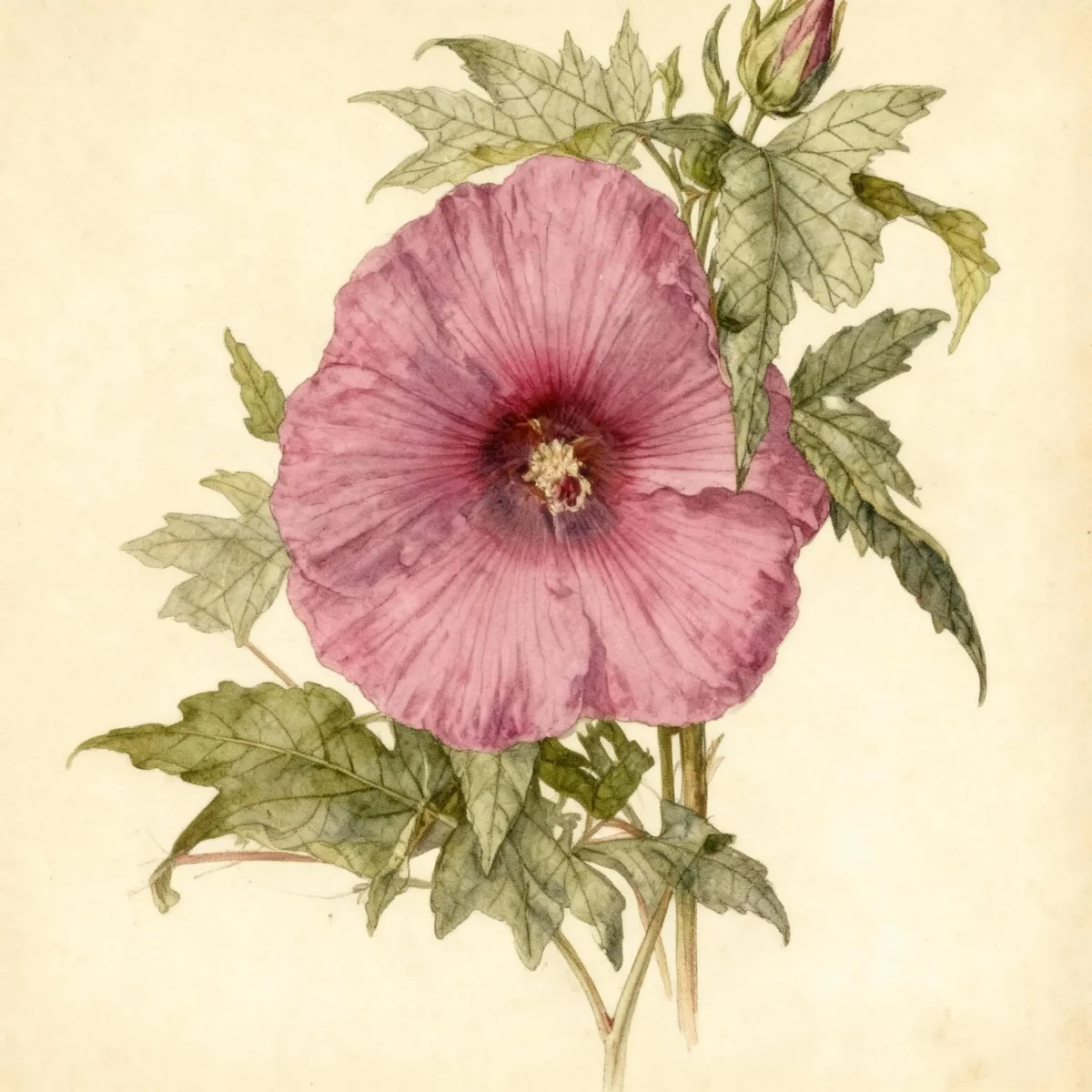
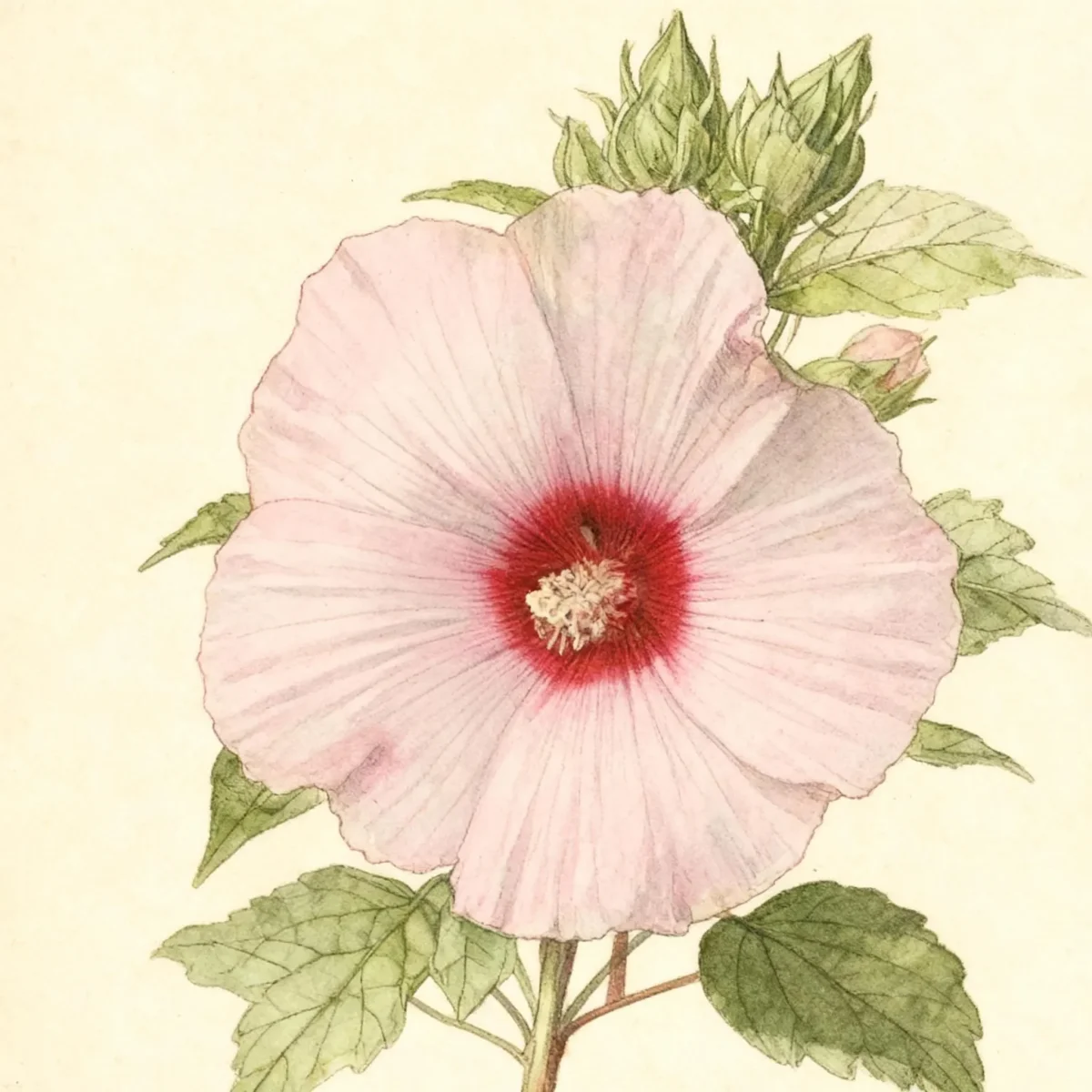
Hardy hibiscus (Hibiscus 'Cherry Cheesecake')
Discover the stunning Hibiscus 'Cherry Cheesecake' Hardy hibiscus, featuring huge white, red-eyed flowers. Zones 4-9, low maintenance.
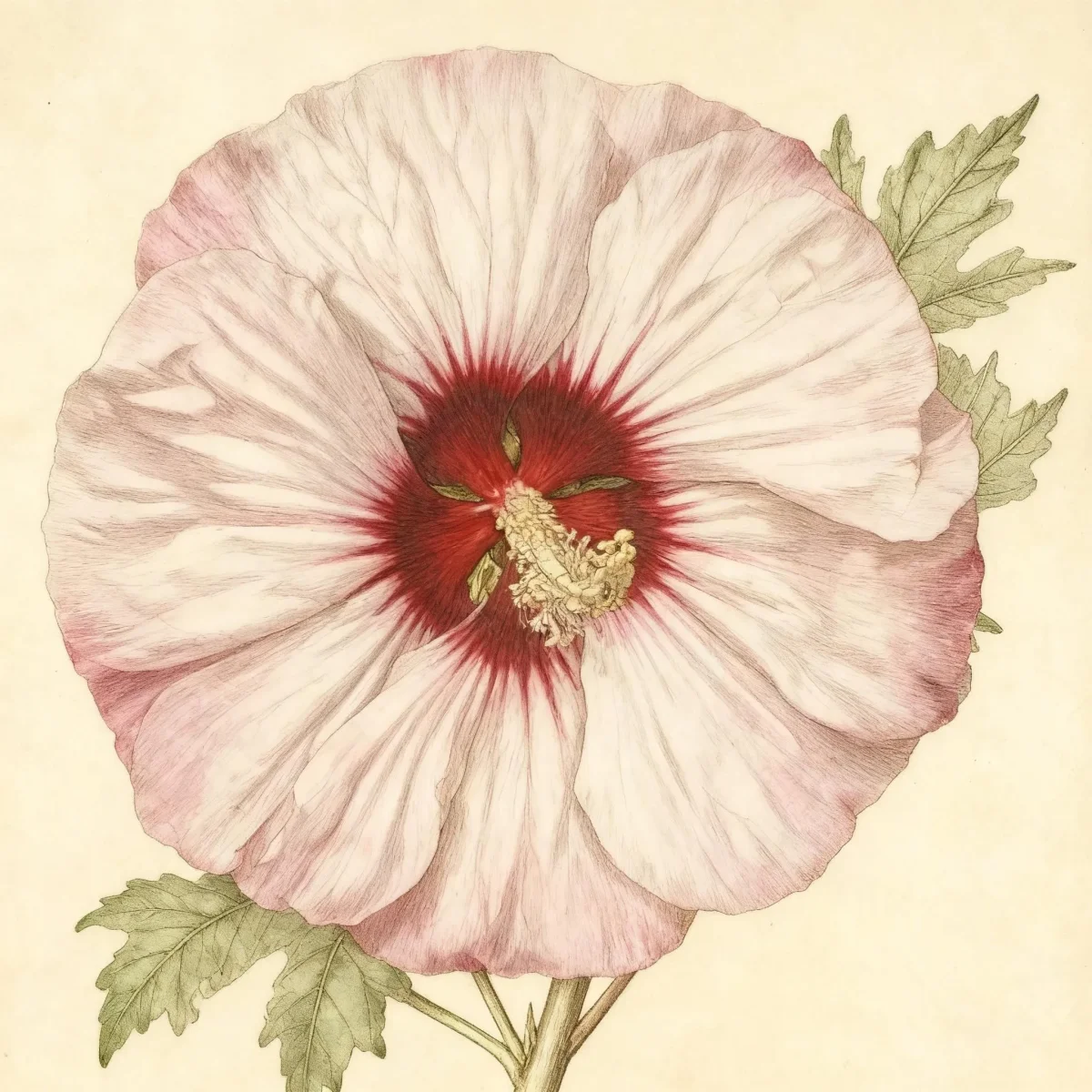

Bloom Boldly, No Matter the Season - Sweatshirt
Cozy organic cotton sweatshirt featuring our exclusive Purple Coneflower design. Perfect for gardeners who bloom year-round.
Inspired by the beautiful Hardy hibiscus
Limited first batch (50) — join the waitlist for early access
Waitlist closes Feb 15, 2026.
Complete Plant Information
Field Guide Continues
Ready for care notes, companion picks, and planting tips?
The map is just the start. The full guide below covers growth habits, seasonal performance, and landscape uses.
Overview
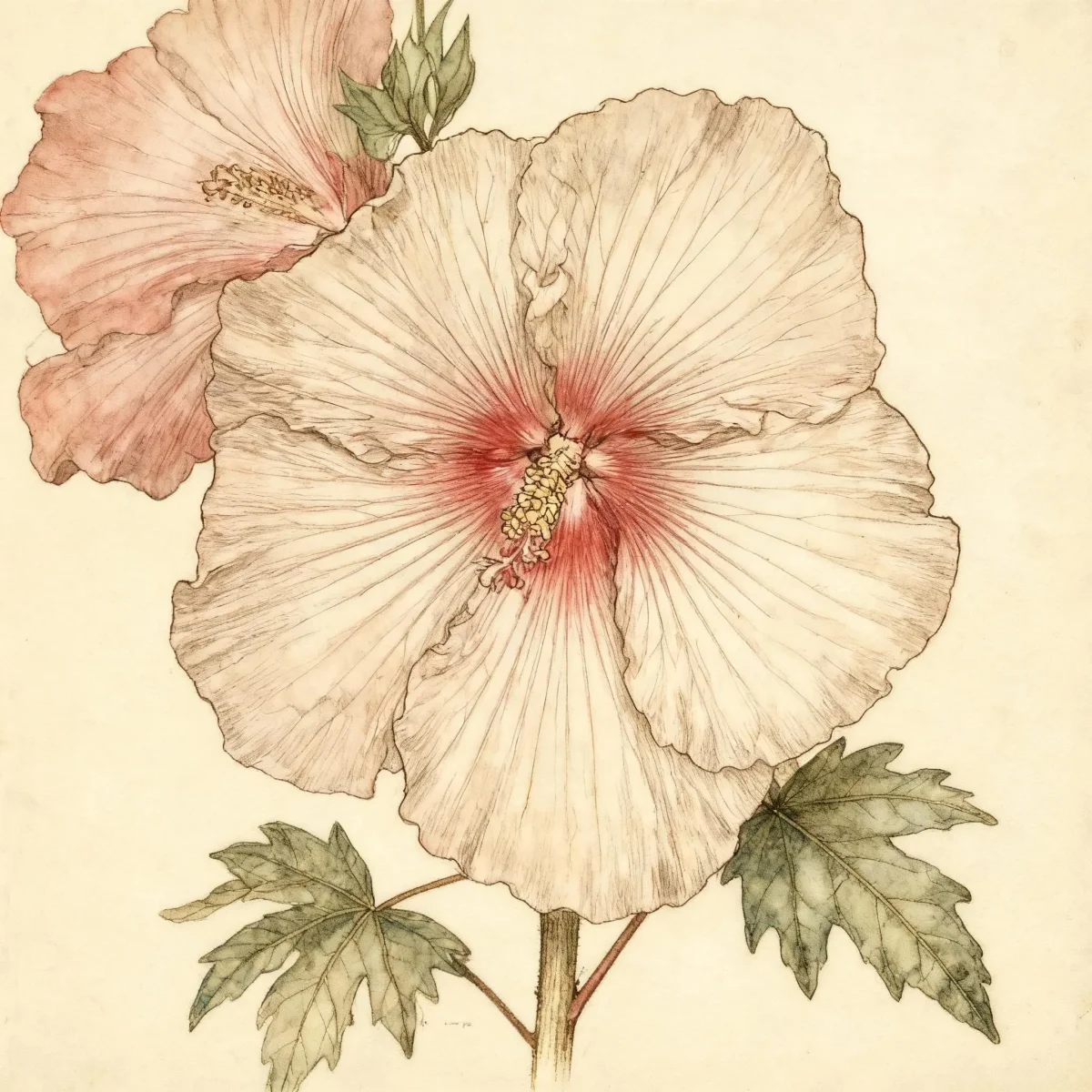
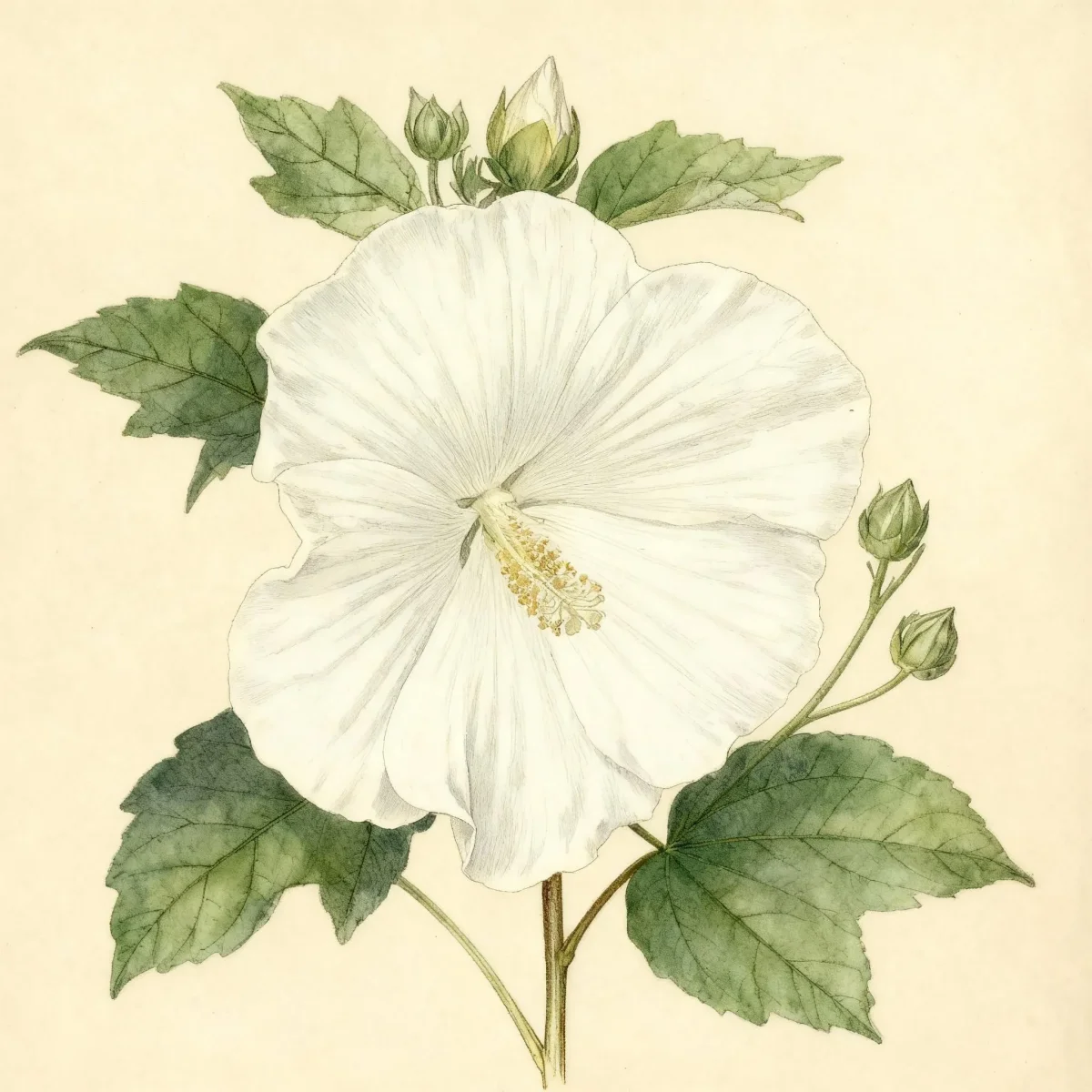
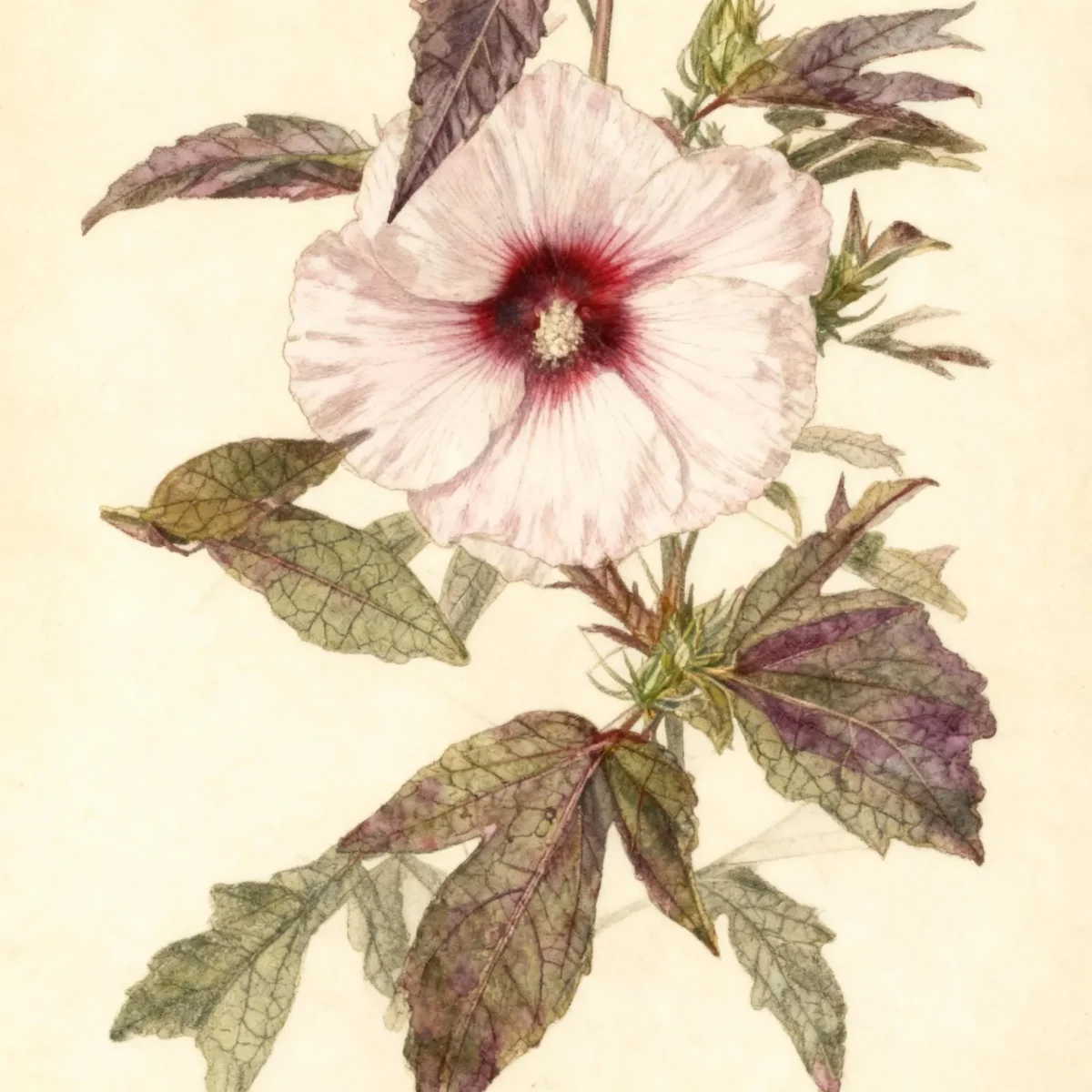
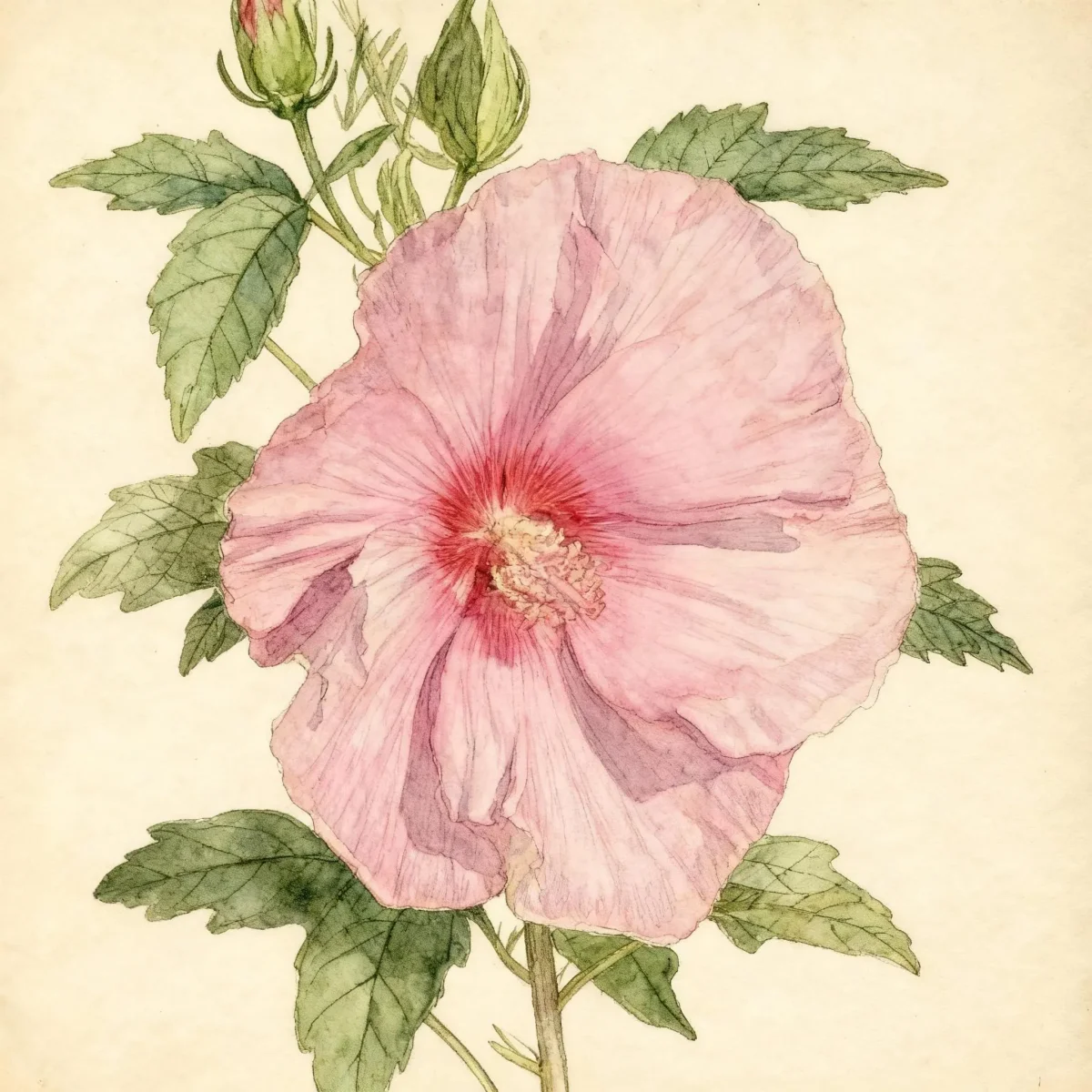
Hibiscus ‘Cherry Cheesecake’ is a spectacular herbaceous perennial renowned for its massive, dinner-plate-sized flowers that bloom profusely from mid-summer into early fall. This specific cultivar, within the Hardy hibiscus group, offers a distinct color pattern: bright white petals dramatically veined with magenta, leading to a deep cherry-red eye. Gardeners value this plant for its vigorous growth habit and its ability to provide tropical appeal without the need for winter protection in cooler climates.
As a hybrid hardy hibiscus, Hibiscus ‘Cherry Cheesecake’ originates from complex breeding involving several U.S. native species, resulting in a sturdy shrub-like perennial that handles diverse conditions. It thrives when given full sun and consistently moist soil, rewarding attentive gardeners with hundreds of blooms over its season. The sheer size and drama of the flowers make this plant an instant focal point in any landscape setting.
This stunning variety is prized for its low maintenance needs once established, offering dramatic visual impact during the hottest part of the year. Whether anchoring a border or serving as a specimen plant, Hibiscus ‘Cherry Cheesecake’ proves resilient and reliable, justifying its popularity among perennial lovers looking for late-season color.
Fast Facts
- Plant Family: Malvaceae
- Plant Type: Herbaceous perennial
- Hardiness Zones: USDA Zones 4-9
- Size at Maturity:
- Height: 4-5 ft
- Spread: 4-5 ft
- Bloom Time: July to September
- Bloom Description: White with magenta veins and a cherry red eye
- Sun Exposure: Full sun
- Water Needs: Medium to wet
- Maintenance Level: Low
How to Grow
Planting Hibiscus ‘Cherry Cheesecake’ is best done in spring after the danger of frost has passed, ensuring the soil is rich in organic matter. While it prefers medium to wet, organically rich soils, it adapts surprisingly well to average garden beds provided moisture is maintained. Site these plants where they receive full sun; while they tolerate some light shade, strong sun promotes the sturdiest stems and best bloom production while also improving air circulation necessary to ward off potential fungal issues.
Consistent deep watering is crucial for this thirsty perennial, especially during dry spells, as allowing the soil to dry out leads quickly to leaf scorch. Although maintenance is generally low, deadheading individual spent flowers immediately helps maintain a tidy appearance. Fertilizing regularly throughout the growing season supports the immense energy demands of producing such large flowers. Stems should be cut back to about 3-4 inches above the ground in late autumn.
Be aware that new growth appears quite late in spring; patience is key when waiting for the hardy hibiscus to emerge. Protect plants from strong winds when possible, as strong gusts can cause physical wind burn on the large leaves and developing buds. Propagation can typically be achieved through division or cuttings.
Landscape Uses
The architectural presence and spectacular summer bloom of Hibiscus ‘Cherry Cheesecake’ make it an ideal choice for dramatic landscape focal points. It excels when used as a specimen plant in the center of a mixed border or massed for a significant color impact near boundaries or large patio areas, functioning effectively almost as a temporary hedge due to its substantial height range of 4 to 5 feet.
This perennial is particularly well-suited for wet areas of the garden, offering robust beauty where other shrubs might struggle. UtilizeHibiscus ‘Cherry Cheesecake’ effectively along the edges of ponds or in designated rain gardens. Its massive blooms pair beautifully with fine-textured foliage plants like ornamental grasses or contrasting dark-leaved perennials that can handle similar moisture requirements.
For striking contrast, plant near plants with deep purple or blue flowers that resonate with the cherry-red eye of the hibiscus bloom. Its preference for moist soil means grouping it with other thirsty, moisture-loving plants ensures uniform care across the design area.
Standout Features
Flower Qualities
- Showy
Noteworthy Characteristics
Hybrid hardy hibiscus cultivars, including this one, are vigorous, woody-based perennials distinguished by their winter hardiness (Zones 4/5) unlike many tropical relatives. Each massive, disc-shaped flower, which can reach 7-8 inches across, features five overlapping petals surrounding a prominent central staminal column, with individual flowers lasting only a single day but continually opening. Hibiscus ‘Cherry Cheesecake’ specifically boasts white petals with magenta tips, ruffled edges, intense magenta veins, and a rich cherry-red center, forming a bushy clump of glossy dark green foliage that matures around 4 to 5 feet tall and wide.
Tolerances
- Deer
- Wet Soil
Potential Problems
While generally robust, Hibiscus ‘Cherry Cheesecake’ can face sporadic fungal issues such as leaf spots, blights, or rusts, alongside occasional canker. Maintaining good air circulation via proper spacing and ensuring soil does not stay waterlogged (though it tolerates wetness) minimizes fungal risk. Insect pests occasionally seen include aphids, whiteflies, and Japanese beetles. If Japanese beetles appear, they must be managed aggressively as they can rapidly defoliate the plant. Leaf scorch is a direct result of insufficient water, emphasizing the need for deep and consistent irrigation throughout the active growing season.
Frequently Asked Questions
What hardiness zones is Hardy hibiscus suitable for?
This Hibiscus ‘Cherry Cheesecake’ variety is reliably cold hardy in USDA Zones 4 through 9.
How large does Hibiscus ‘Cherry Cheesecake’ grow?
At maturity, you can expect this herbaceous perennial to reach between 4 and 5 feet in both height and spread.
What sun exposure does Hardy hibiscus need?
For the best stem strength and most continuous bloom display, this plant requires full sun exposure.
When does Hibiscus ‘Cherry Cheesecake’ bloom?
It provides its stunning floral show from July, continuing well into September.
Conclusion
The Hibiscus ‘Cherry Cheesecake’ offers an exceptional combination of dramatic, large-scale flower size and low maintenance, making the Hardy hibiscus series a staple for late-season perennial gardens. Its remarkable tolerance for wet soils combined with its stunning white and cherry-red coloration ensures it remains a showstopper wherever positioned. Before planting, confirm that your garden falls within USDA zones 4-9 and plan for consistent summer watering to maximize the spectacular performance of this excellent cultivar.
Companion Planting
Selecting companions for Hibiscus ‘Cherry Cheesecake’ should focus on plants that share its preference for medium to wet soil conditions and full sun exposure. Consider pairing it with blue or violet-hued plants to create a complementary color scheme that highlights the red eye of the hibiscus flower. Tall, clumping switchgrasses (Panicum virgatum) or other native grasses provide excellent textural contrast and movement around the broad leaves of the hardy hibiscus.
Bog irises or astilbes (in areas with consistent moisture) make good companions beneath the shrub-like form of the hibiscus. Because Hibiscus ‘Cherry Cheesecake’ blooms late in the season, integrating early or mid-summer bloomers nearby ensures continuous landscape interest before the hibiscus reaches its peak performance window.
Propagation Tips
Hibiscus ‘Cherry Cheesecake’ is reliably propagated asexually to maintain the specific characteristics of this popular cultivar. The notes indicate that successful propagation has been achieved through both stem cuttings and sterile tissue culture. For the home gardener, division is the most practical method; this should be done in early spring just as new growth is beginning to push from the crown. Ensure that each division retains sufficient root mass and at least one strong growing bud to establish successfully in its new location.