Oregon grape(Mahonia gracilipes)
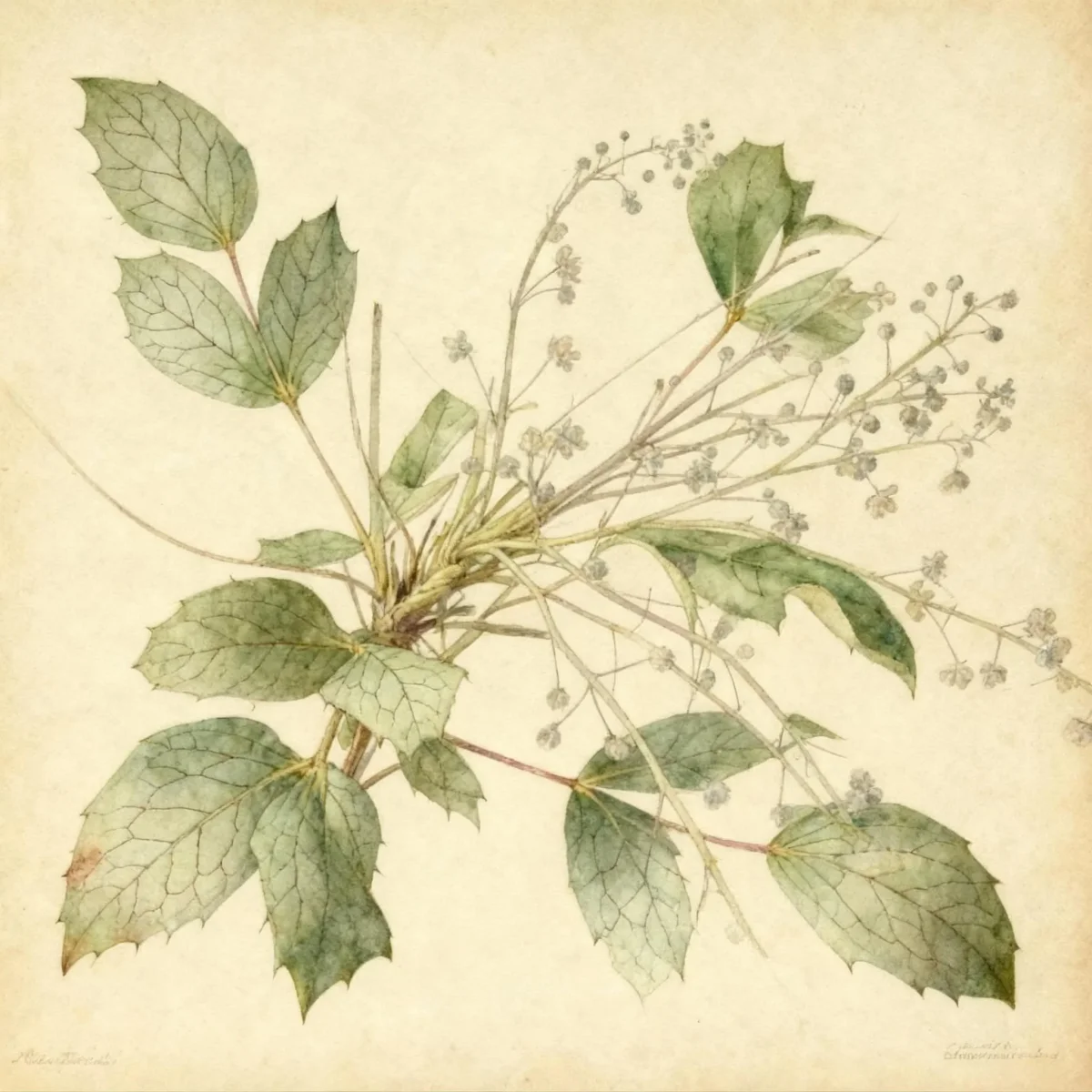
Mahonia gracilipes, the Oregon grape, offers late-season interest with purplish-red blooms and blue-black fruit in zones 7-8.
Complete Plant Information
- Hardiness zones
- USDA 7–8
- Plant type
- Broadleaf evergreen
- Plant family
- Berberidaceae
- Sun exposure
- Part shade to full shade
- Water needs
- Medium
- Maintenance
- Medium
- Height
- 4–5 ft (122–152 cm)
- Spread
- 4–5 ft (122–152 cm)
- Bloom time
- August to October
- Flower color
- Purplish-red with yellow centers
- Flower qualities
- Showy
- Fruit qualities
- Showy
- Tolerances
- Deer, Drought, Heavy Shade
- Garden uses
- Hedge, Naturalize
- Native range
- Southwestern China
Field Guide Continues
Ready for care notes, companion picks, and planting tips?
The map is just the start. The full guide below covers growth habits, seasonal performance, and landscape uses.
Overview
Mahonia gracilipes, commonly referred to as Oregon grape or Chinese mahonia, is a uniquely valuable broadleaf evergreen shrub, especially cherished for its late-season flowering period. Unlike many spring bloomers, this species lights up the garden from August through October, providing crucial visual interest as the season winds down. Its open branching habit and distinctive foliage offer year-round structure in woodland or shaded garden settings.
Native to the forests of Southwestern China, this Mahonia species thrives in conditions mirroring its origin: moist, well-drained soils with protection from harsh elements. Gardeners appreciate the Oregon grape not just for its late blooms, but also for the decorative waxy blue-black fruits that follow, adding texture and color contrast.
Successfully growing Mahonia gracilipes often requires grouping shrubs together for optimal fruit production, making it an excellent choice for informal screens or naturalized areas where its suckering habit can be encouraged. For those seeking structure and late color in the shade, this specific Oregon grape variety proves highly adaptable.
Fast Facts
- Plant Family: Berberidaceae
- Plant Type: Broadleaf evergreen
- Native Range: Southwestern China
- Hardiness Zones: USDA Zones 7-8
- Size at Maturity:
- Height: 4-5 ft
- Spread: 4-5 ft
- Bloom Time: August to October
- Bloom Description: Purplish-red with yellow centers
- Sun Exposure: Part shade to full shade
- Water Needs: Medium
- Maintenance Level: Medium
How to Grow
Plant Mahonia gracilipes during the cooler months—early spring or fall—to allow the roots time to establish before summer stress. Select a location providing part shade, such as morning sun or dappled light, although it can tolerate full sun in cooler northern zones. The soil must be moist and consistently well-drained; amending heavy clay with organic matter will improve structure significantly.
Water needs are medium, requiring consistent moisture, especially when young. Once established, this Oregon grape tolerates periods of soil dryness and drought far better than many shade-loving shrubs. Be mindful of high winds, siting plants in protected areas if possible.
Maintenance is generally medium. Although it is a suckering shrub, prompt removal of unwanted suckers is necessary unless your goal is naturalizing the area. For the best ornamental fruit display on your Mahonia gracilipes, ensure you plant multiples nearby to facilitate cross-pollination.
Landscape Uses
The adaptable culture of Mahonia gracilipes makes it highly versatile in shade gardens. It excels when massed in small groupings within partly shaded woodland areas, creating a textured foundation planting beneath taller canopy trees. While it can be used as an informal hedge or a screen due to its evergreen nature, it truly shines when allowed to naturalize on slopes or along woodland borders.
Consider pairing this Oregon grape with other shade-tolerant textural plants like Hellebores, Hostas, or ferns. Its late summer and fall flowers provide a valuable contrast to the spring bloomers common in these spaces. In foundation plantings, utilize its vertical habit to break up repetitive horizontal lines.
Standout Features
Flower Qualities
- Showy
Fruit Qualities
- Showy
Noteworthy Characteristics
Mahonia gracilipes, commonly known as Chinese mahonia, is a small, open-branching, suckering, evergreen shrub that typically matures to 4-5’ tall and as wide. It is native to forests, forest margins and lower alpine slopes in China (Szechwan and northeastern Yunnan), having been first described in 1887 from a plant found growing on Mount Omei in Szechwan. Pinnate-compound leaves offer visual interest, featuring leaflets that are dull dark green to blue green above and chalky white below. Flowers are followed by ornamentally attractive waxy blue-black fruits, which are prized in the late season.
Tolerances
- Deer
- Drought
- Heavy Shade
Potential Problems
This shrub generally remains free of serious insect or disease issues, contributing to its appeal as a low-stress landscape plant. However, under high humidity or poor air circulation, gardeners may observe fungal issues such as leaf spots, powdery mildew, or rusts. Occasionally, pests like aphids, scale, or whiteflies may attempt colonization. Good cultural practices, including ensuring proper air movement and avoiding overhead watering during humid periods, are the best defense against these minor problems.
Frequently Asked Questions
What hardiness zones is Oregon grape suitable for?
Mahonia gracilipes, or Oregon grape, performs best in USDA Hardiness Zones 7 through 8.
How large does Mahonia gracilipes grow?
This evergreen shrub typically matures to a height and spread between 4 and 5 feet tall and wide, maintaining a relatively compact, open-branching form.
What sun exposure does Mahonia gracilipes need?
Mahonia gracilipes prefers part shade to full shade conditions, thriving best in morning sun or deeply dappled shade throughout the day.
When does Oregon grape bloom?
The bloom time for this specific Oregon grape is unique, occurring late in the season from August to October, featuring distinctive purplish-red flowers with yellow centers.
Conclusion
The Mahonia gracilipes offers significant late-season aesthetic value through its uncommon bloom time and subsequent attractive fruit display, making it a standout choice for shaded layers of the landscape. By providing proper site selection focusing on well-drained soil and grouping plants for better fruiting, gardeners can fully realize the potential of this evergreen Oregon grape. Always check your local USDA hardiness zone compatibility before springtime planting.
Companion Planting
Selecting appropriate companions enhances the aesthetic and ecological value of Mahonia gracilipes plantings. Because this shrub prefers shade and medium moisture, look for woodland edge perennials that share these needs and offer contrasting leaf textures. Good companions include lower-growing ferns, such as Japanese Painted Ferns (Athyrium niponicum), or plants that provide bright spring color before the Mahonia begins to bloom, like Snowdrops (Galanthus).
Avoid placing it directly next to plants that require consistently dry, sunny conditions, as this Oregon grape relies on consistent, though not constant, moisture. The deep green and blue-green foliage of Mahonia gracilipes pairs well with silver or gold-leaved groundcovers for increased year-round brightness in shady corners.
Wildlife Benefits
While the flowers of Mahonia gracilipes are not noted as highly fragrant, they are visited by late-season pollinators looking for nectar sources when fewer alternatives are available. The most significant wildlife contribution comes after the flowers fade. The waxy blue-black fruits that develop are highly attractive to various berry-eating birds late in the fall and into winter.
Planting Mahonia gracilipes near bird feeders or bird baths can help sustain local fauna when native food sources become scarce. Furthermore, as an evergreen shrub, it provides essential dense cover for small wildlife seeking refuge during harsh weather.
Recommended Companion Plants
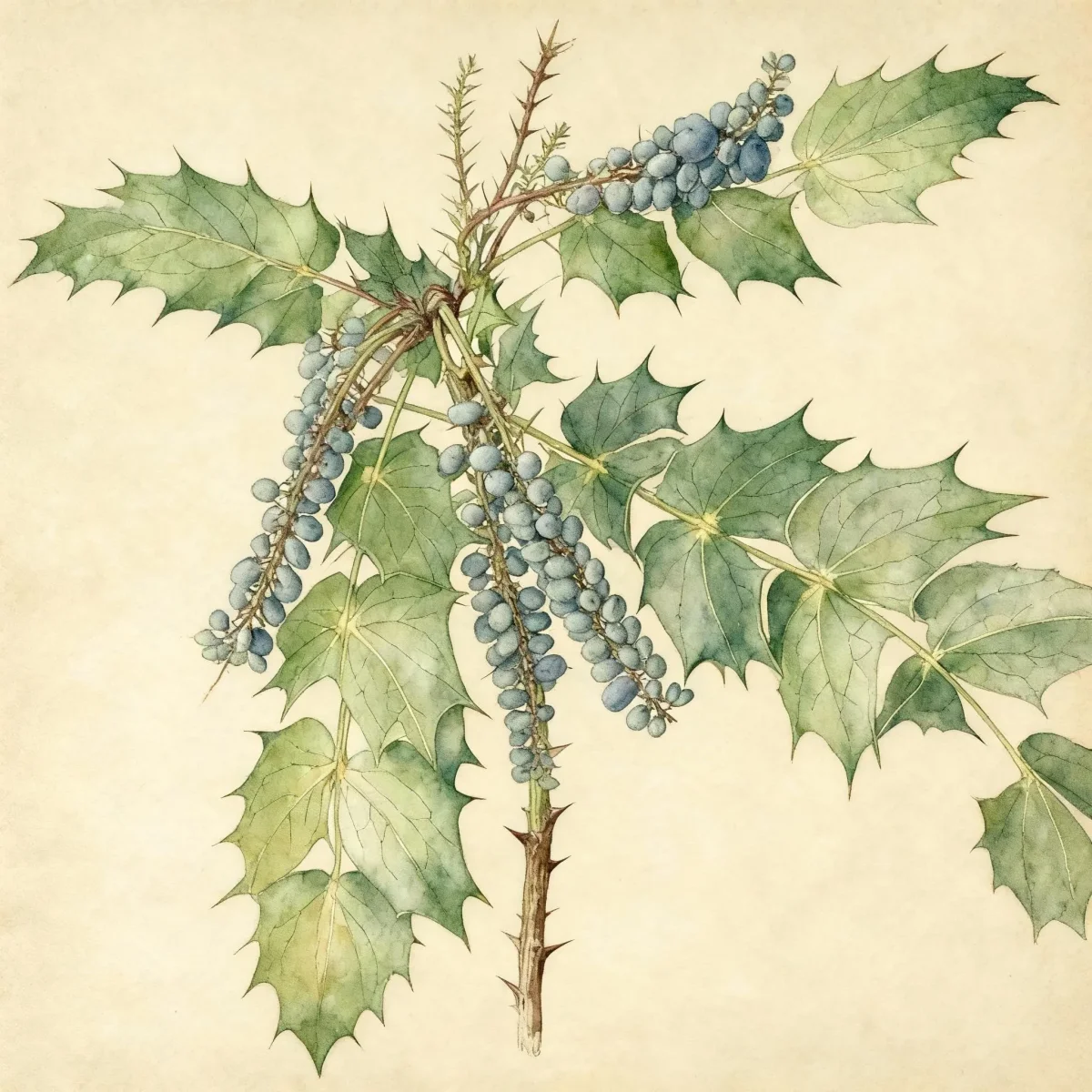
Leatherleaf mahonia
Mahonia bealei
- USDA zones
- 7–9
- Light
- Part shade to full shade
- Water
- Medium
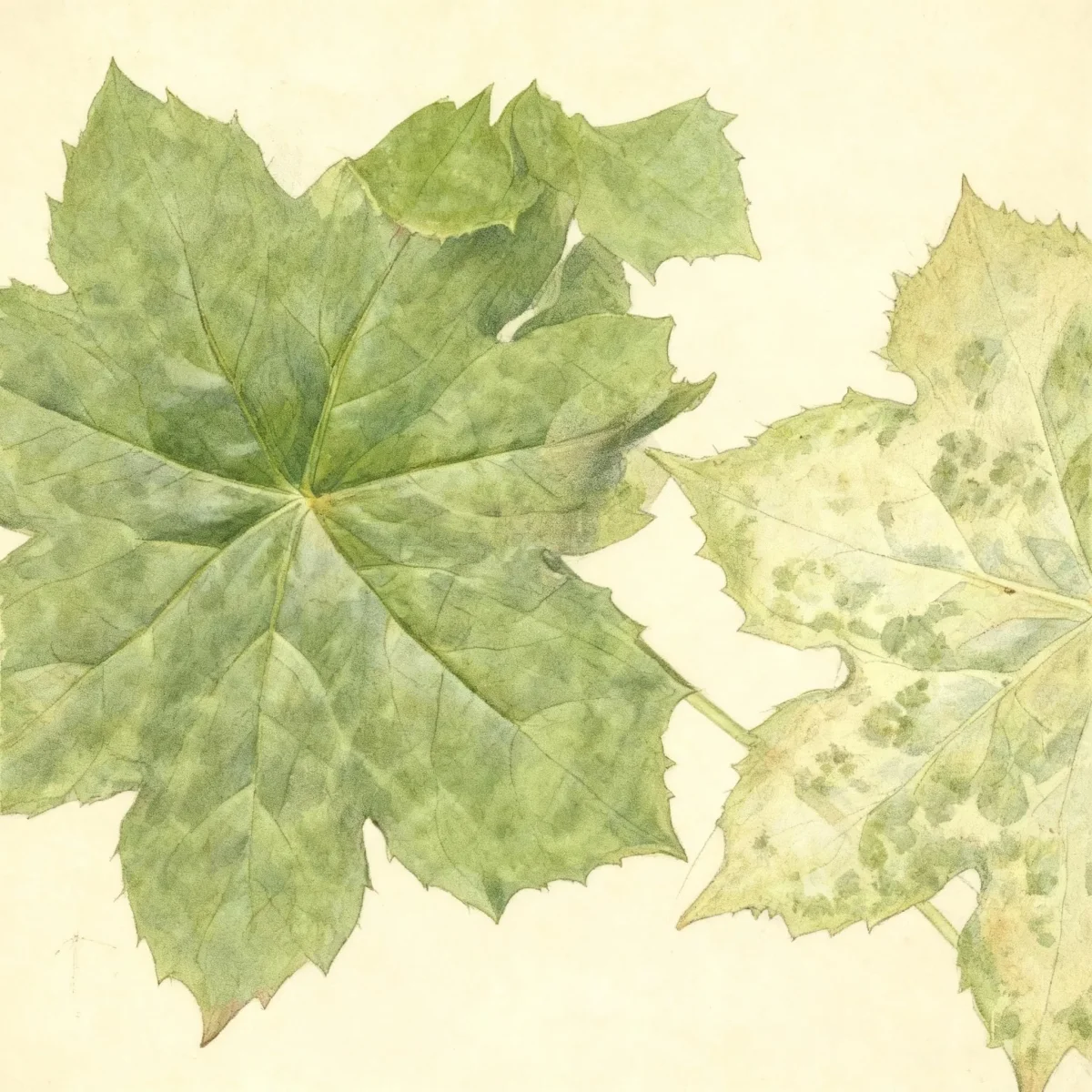
May-apple
Podophyllum 'Spotty Dotty'
- USDA zones
- 6–9
- Light
- Part shade to full shade
- Water
- Medium
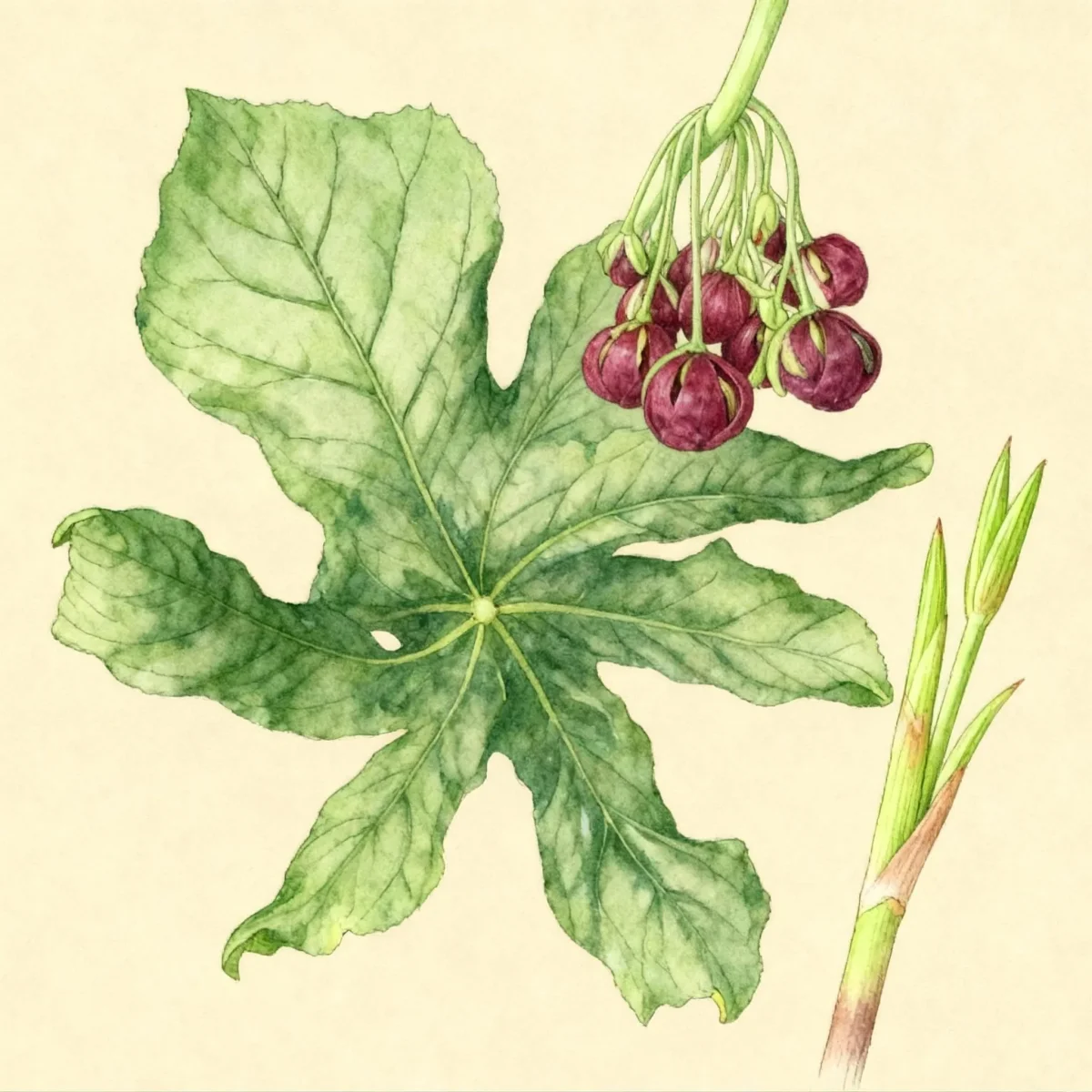
Dysosma
Podophyllum pleianthum
- USDA zones
- 6–8
- Light
- Part shade to full shade
- Water
- Medium
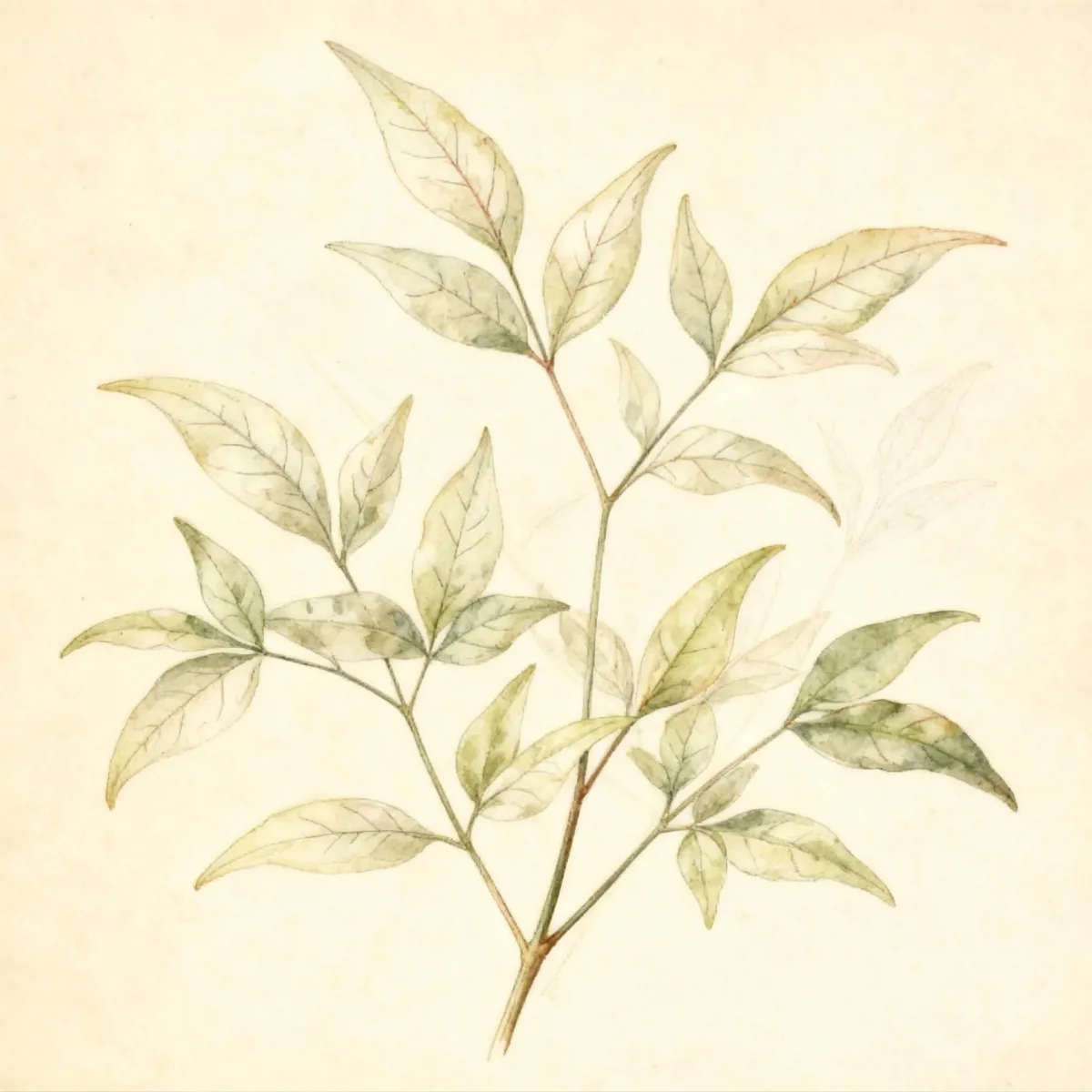
Heavenly bamboo
Nandina domestica 'Moon Bay'
- USDA zones
- 6–9
- Light
- Full sun to part shade
- Water
- Medium
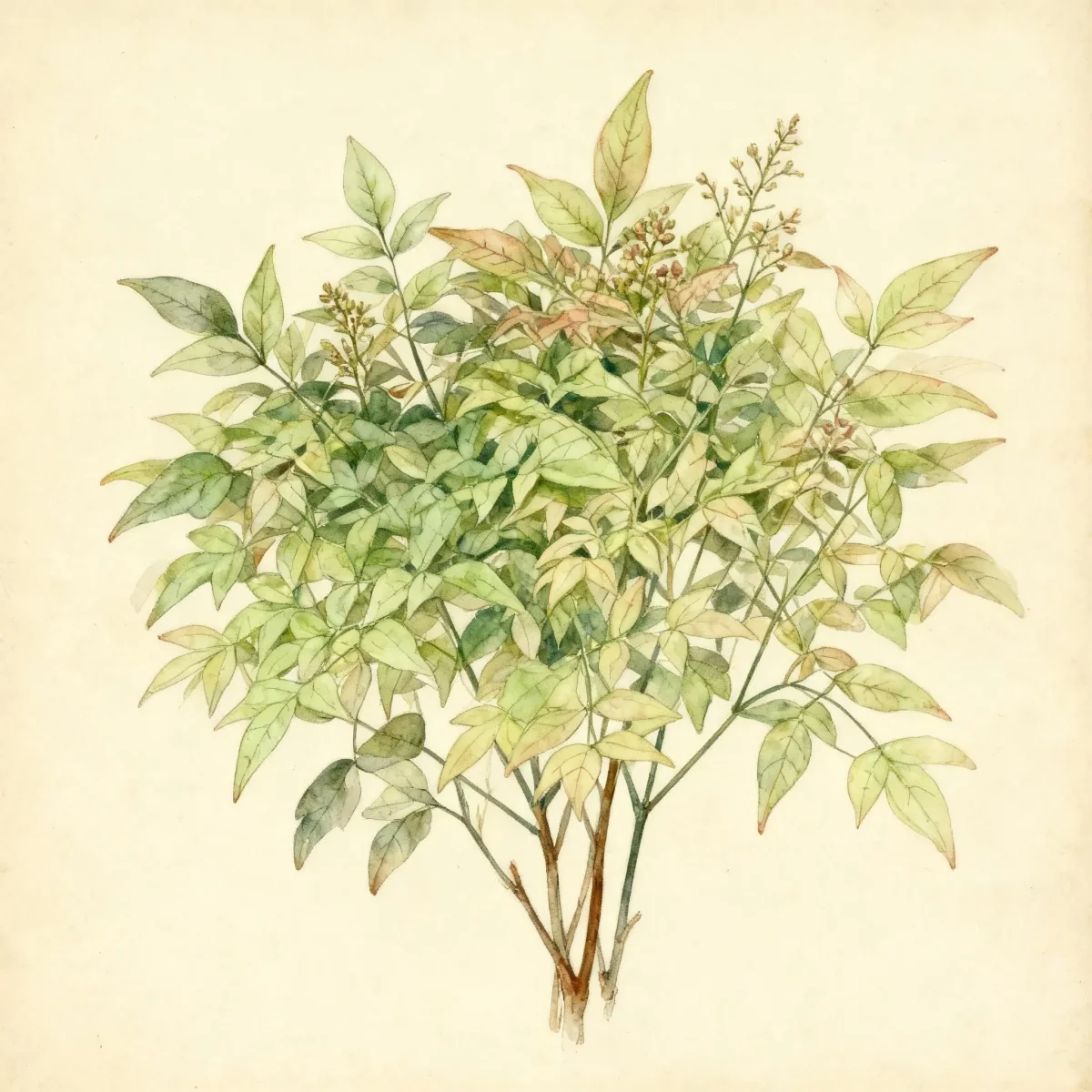
Heavenly bamboo
Nandina domestica 'Harbour Dwarf'
- USDA zones
- 6–9
- Light
- Full sun to part shade
- Water
- Medium
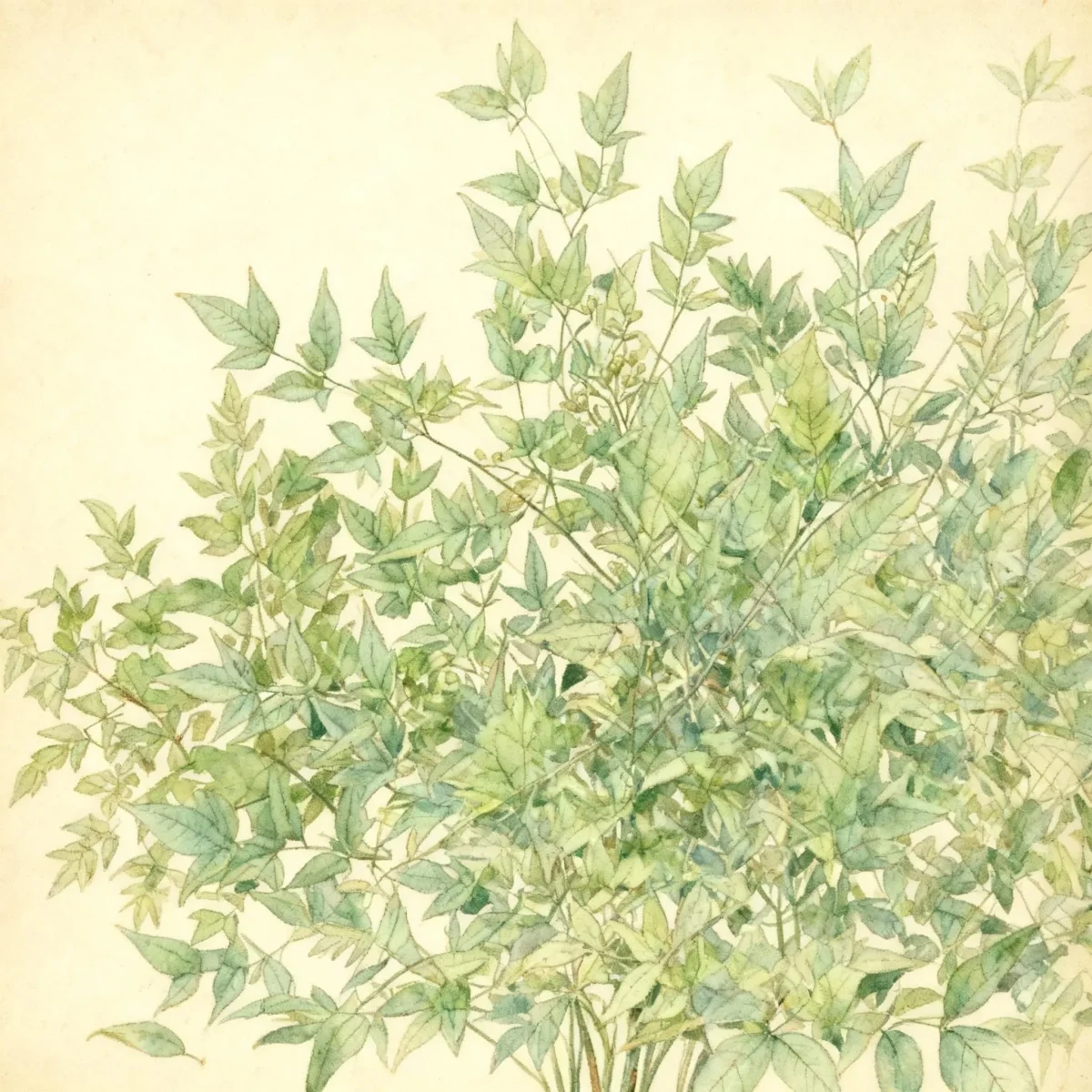
Heavenly bamboo
Nandina domestica 'Pygmaea'
- USDA zones
- 6–9
- Light
- Full sun to part shade
- Water
- Medium
Keep Learning
Test what you know with a garden quiz
You have the plant facts and care notes. Continue with a related challenge, or browse the complete quiz library.

Can You Identify These Common Garden Plants? Test Your Plant Knowledge
Think you know your roses from your peonies? Test your plant identification skills with our comprehensive garden plant quiz featuring 10 challenging questions.
Start quiz
USDA Garden Zone Map Quiz
Use this USDA garden zone map quiz to check whether you can read hardiness zones and choose plants with more confidence.
Start quizBrowse the full quizzes section
Explore plant identification, zone strategy, and seasonal gardening challenges.
View all quizzes