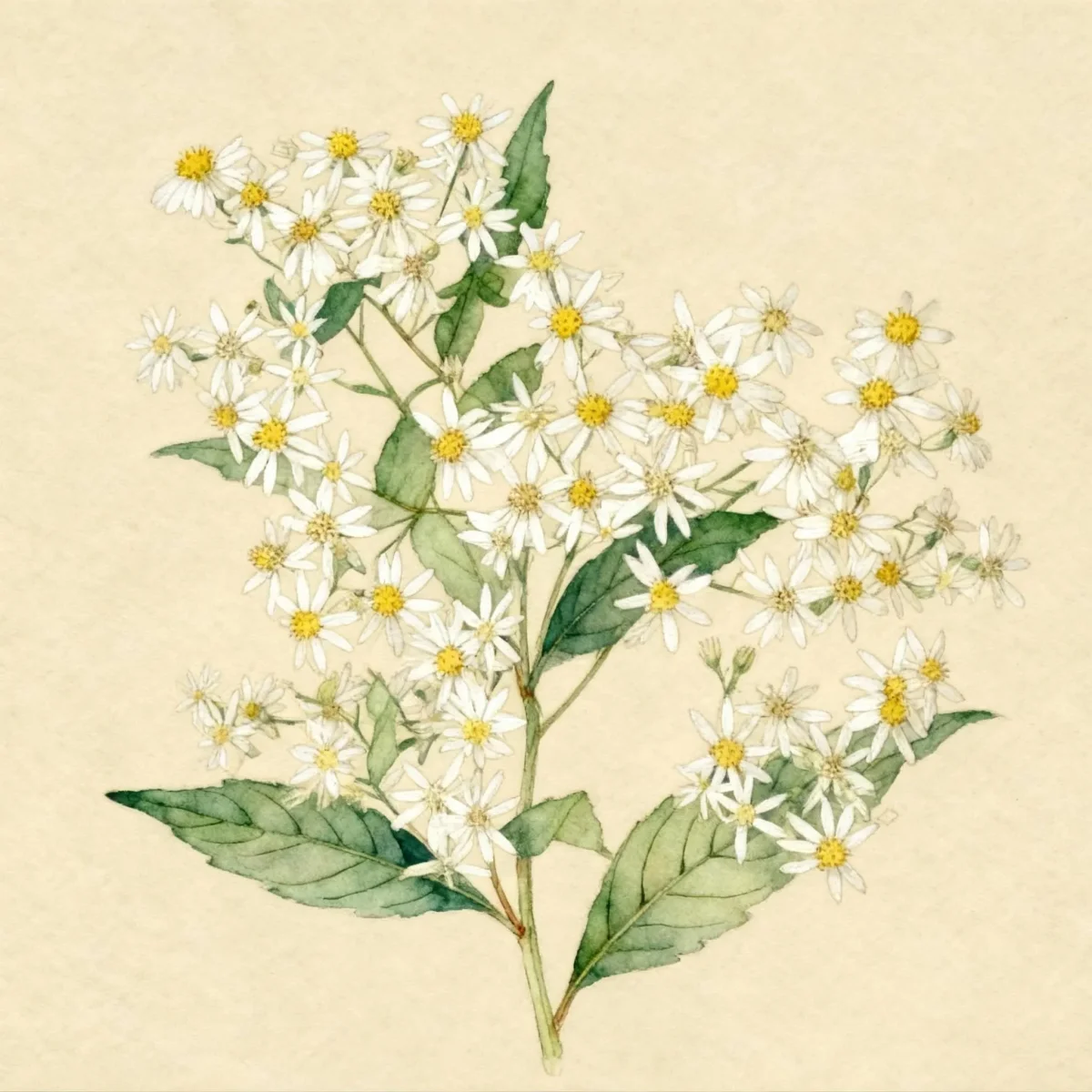
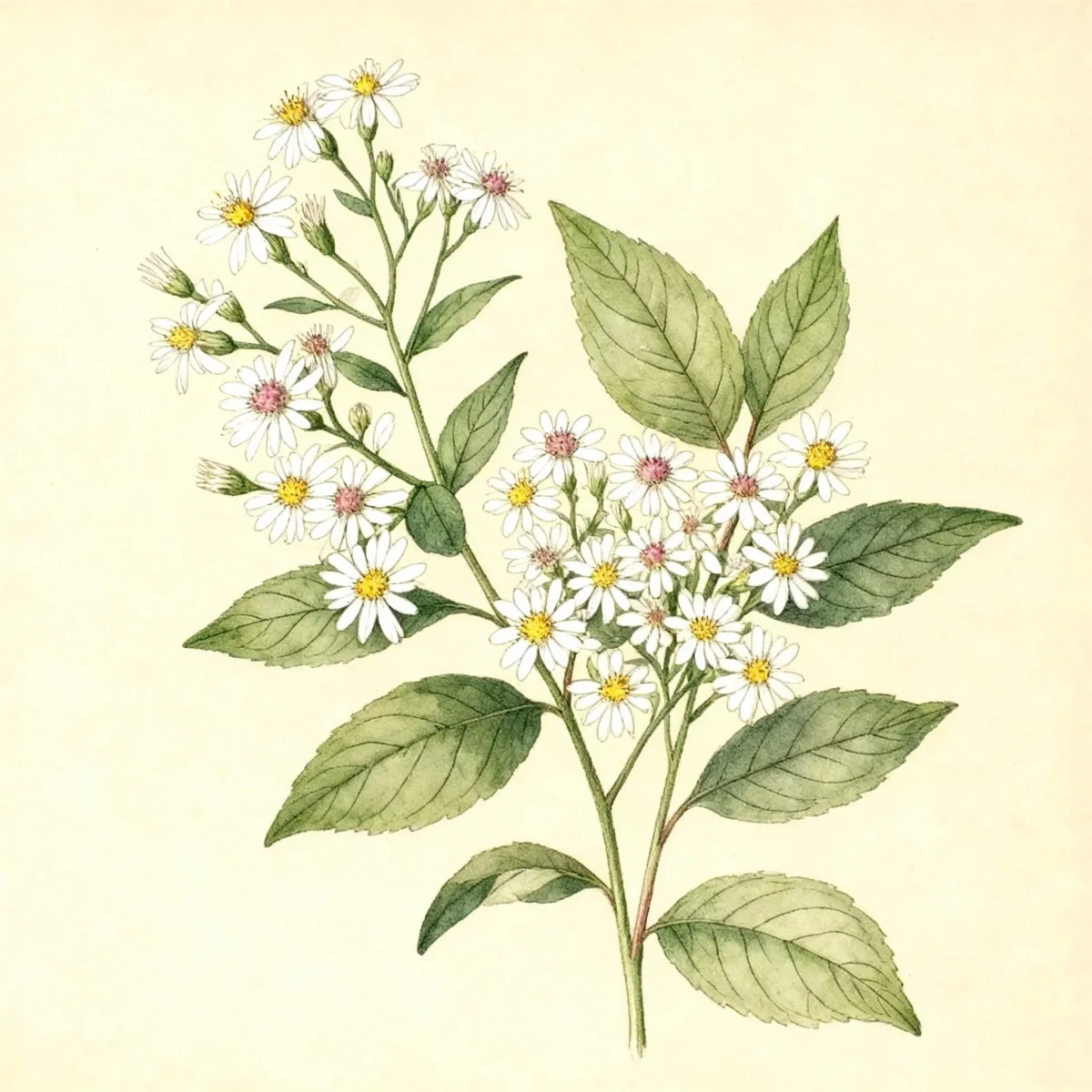
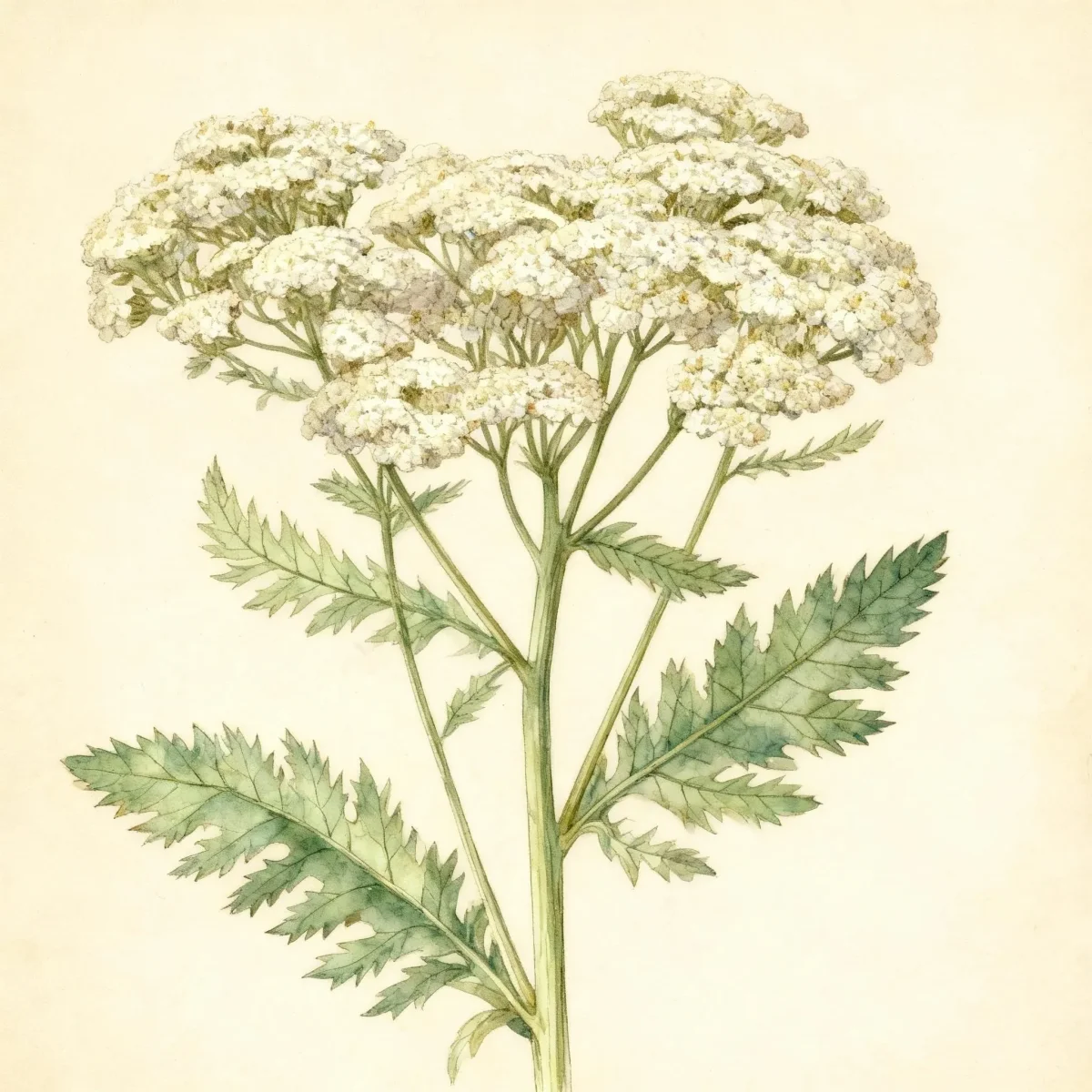
White wood aster (Eurybia divaricata 'Tiney Hiney')
Discover Eurybia divaricata 'Tiney Hiney', a compact White wood aster perfect for dry, shaded woodland gardens. Low maintenance and drought tolerant.
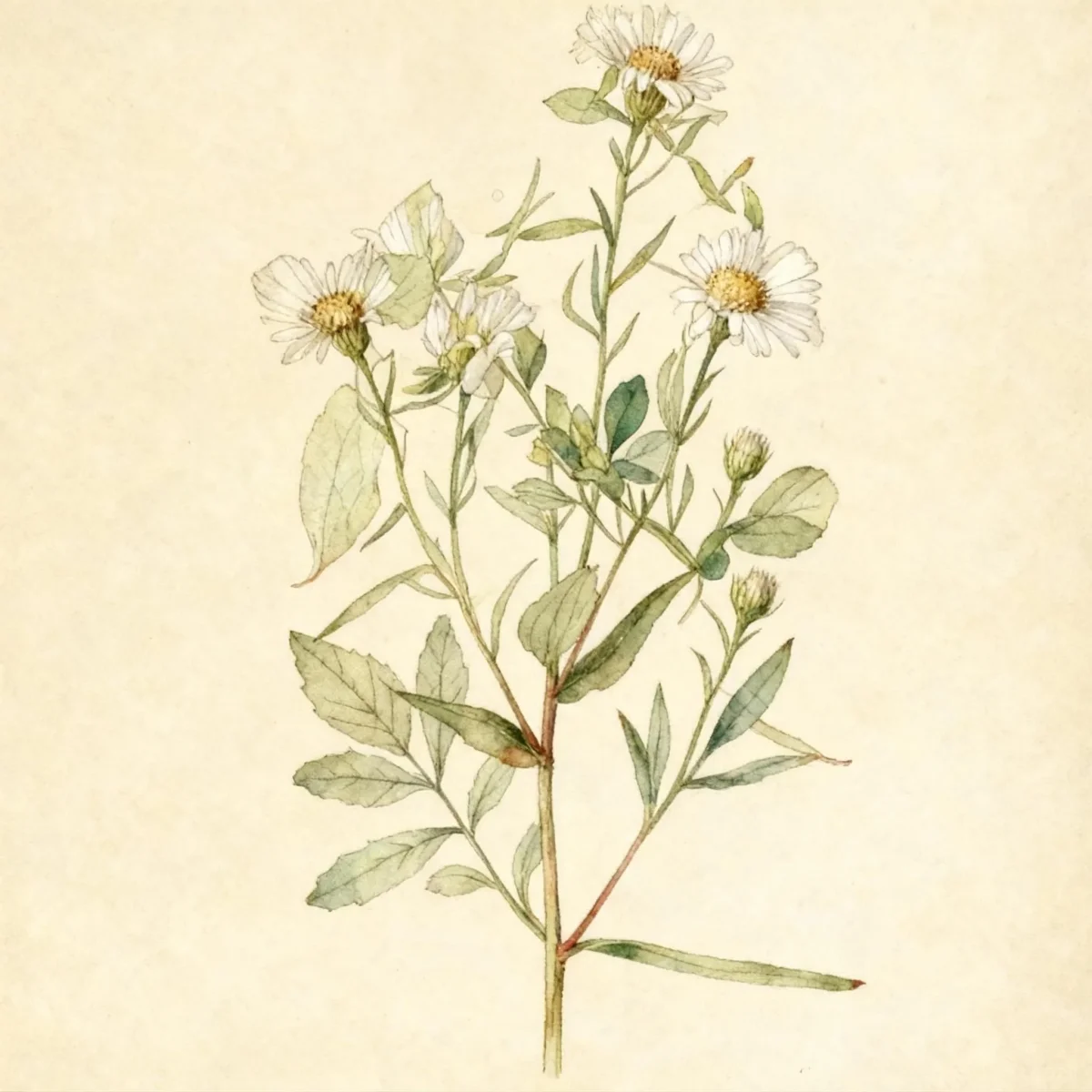

Bloom Boldly, No Matter the Season - Sweatshirt
Cozy organic cotton sweatshirt featuring our exclusive Purple Coneflower design. Perfect for gardeners who bloom year-round.
Inspired by the beautiful White wood aster
Limited first batch (50) — join the waitlist for early access
Waitlist closes Feb 15, 2026.
Complete Plant Information
Field Guide Continues
Ready for care notes, companion picks, and planting tips?
The map is just the start. The full guide below covers growth habits, seasonal performance, and landscape uses.
Overview
Eurybia divaricata ‘Tiney Hiney’, commonly known as White wood aster, is a valuable dwarf native offering late-season color in challenging shady spots. This cultivar is prized for its extremely compact habit, reaching only a few inches tall, differentiating it significantly from the taller species form. It provides essential structure and late nectar well into the fall.
This herbaceous perennial thrives where many other flowering plants struggle, preferring dry to medium moisture conditions in part shade to full shade settings. Gardeners appreciate the low maintenance required for Eurybia divaricata ‘Tiney Hiney’, along with its tolerance for difficult soil types. It is an excellent choice for naturalizing under deciduous trees.
The resulting display features characteristic white-rayed flowers with bright yellow centers appearing from October until the first hard frost, attracting late-season butterflies. Planting Eurybia divaricata ‘Tiney Hiney’ ensures you bring native ecological interest to woodland areas while keeping plant size exceptionally manageable.
Fast Facts
- Plant Family: Asteraceae
- Plant Type: Herbaceous perennial
- Hardiness Zones: USDA Zones 3-8
- Size at Maturity:
- Height: 0-0.25 ft
- Spread: 0.5-1 ft
- Bloom Time: October to frost
- Bloom Description: White with a yellow center
- Sun Exposure: Part shade to full shade
- Water Needs: Dry to medium
- Maintenance Level: Low
How to Grow
The best time to establish White wood aster is in spring, allowing the roots to settle before summer heat. Plant Eurybia divaricata ‘Tiney Hiney’ in average, well-drained soil where it receives part to full shade. While it tolerates dry soil once established, consistent medium moisture is ideal during the first growing season for robust root development.
Maintenance is generally low for this hardy perennial. Avoid over-fertilizing, which can lead to floppy growth, especially in rich garden soil. Ensure good air circulation, as excellent airflow, combined with allowing plants to dry slightly between waterings, helps mitigate the potential for powdery mildew, a minor issue for asters.
Propagation of this cultivar is easily achieved through spring division. If the plant begins to spread wider than desired, division is the simplest method to create new, identical clumps. In early spring, divide the root mass into sections, ensuring each has adequate roots and foliage.
Landscape Uses
Eurybia divaricata ‘Tiney Hiney’ excels in open shade gardens where its diminutive size prevents it from overwhelming surrounding plantings. It is perfectly suited for woodland areas, providing a low, textural groundcover effect beneath taller canopy trees. Its native lineage makes it an excellent component in native plant gardens seeking ecological function.
Consider mass planting this dwarf White wood aster to create a uniform, low drift of fall white blooms. It pairs beautifully with woodland ephemerals that die back in early summer, allowing the foliage of the aster to fill the space later in the season. In cottage gardens, its late bloom offers a final burst of color when many traditional herbaceous borders are fading.
Standout Features
Flower Qualities
- Showy
Noteworthy Characteristics
Eurybia divaricata, native to Eastern U.S. woods, typically features dark, sprawling stems and distinctive heart-shaped, coarsely toothed leaves. The species produces small, abundant white flowers in flat-topped clusters late in the season, providing excellent late-season butterfly interest. The ‘Tiney Hiney’ cultivar is a carefully selected dwarf hybrid, growing only to about 2 inches tall and forming a tight, bun-shaped mound showcasing those classic white and yellow daisy-like flowers.
Tolerances
- Drought
- Heavy Shade
- Dry Soil
- Shallow-Rocky Soil
Potential Problems
This plant generally exhibits few serious insect or disease issues, contributing to its low maintenance rating. The most commonly observed challenge is susceptibility to powdery mildew, which presents as white, dusty patches on the leaves, particularly when air circulation is poor or humidity is consistently high. To prevent this, ensure planting locations have good airflow and avoid overhead watering. Aster wilt can occasionally appear, especially when Eurybia divaricata ‘Tiney Hiney’ is forced to grow in poorly-drained heavy clay soils that remain waterlogged. Proper drainage is key to long-term health.
Frequently Asked Questions
What hardiness zones is White wood aster suitable for?
Eurybia divaricata ‘Tiney Hiney’ is reliably hardy across USDA Zones 3 through 8, making it suitable for most temperate North American gardens.
How large does Eurybia divaricata ‘Tiney Hiney’ grow?
This dwarf cultivar is notably small, reaching a maximum height of about 0.25 feet (or 2 inches tall) and spreading minimally between 0.5 and 1 foot wide.
What sun exposure does White wood aster need?
This plant performs best in part shade to full shade conditions, thriving as an understory plant where it receives protection from the intense afternoon sun.
When does Eurybia divaricata ‘Tiney Hiney’ bloom?
You can expect the White wood aster flowers—white with a yellow center—to appear from October right through until the first frost arrives.
Conclusion
For gardeners needing compact, reliable late-season bloomers for dry, shaded landscapes, Eurybia divaricata ‘Tiney Hiney’ stands out as an outstanding native option. Its low stature and drought tolerance make the White wood aster incredibly versatile beneath established trees. Before planting this season, confirm that your chosen spot offers the part shade and excellent drainage this perennial requires for success.
Companion Planting
When designing a woodland garden around Eurybia divaricata ‘Tiney Hiney’, focus on companions that share its love for shade and dry conditions. Hostas, while needing slightly more moisture, look wonderful providing large foliage texture contrast nearby. Lungwort (Pulmonaria) offers early spring color before the aster begins to develop its fall interest. For native groupings, consider pairing it with smaller native ferns that appreciate similar protection from intense midday sun and dry-tolerant shade plants like Columbine (Aquilegia).
Propagation Tips
Propagation for Eurybia divaricata ‘Tiney Hiney’ is best achieved through vegetative division, ensuring that progeny retains the desirable dwarf characteristics of the parent plant. This should ideally be done in early spring just as new growth begins to emerge. Lift the entire clump gently, taking care not to damage the fibrous root system, and separate sections using a sharp, clean spade or knife. Ensure each new division has a healthy portion of both roots and crown tissue before replanting immediately to preferred locations.