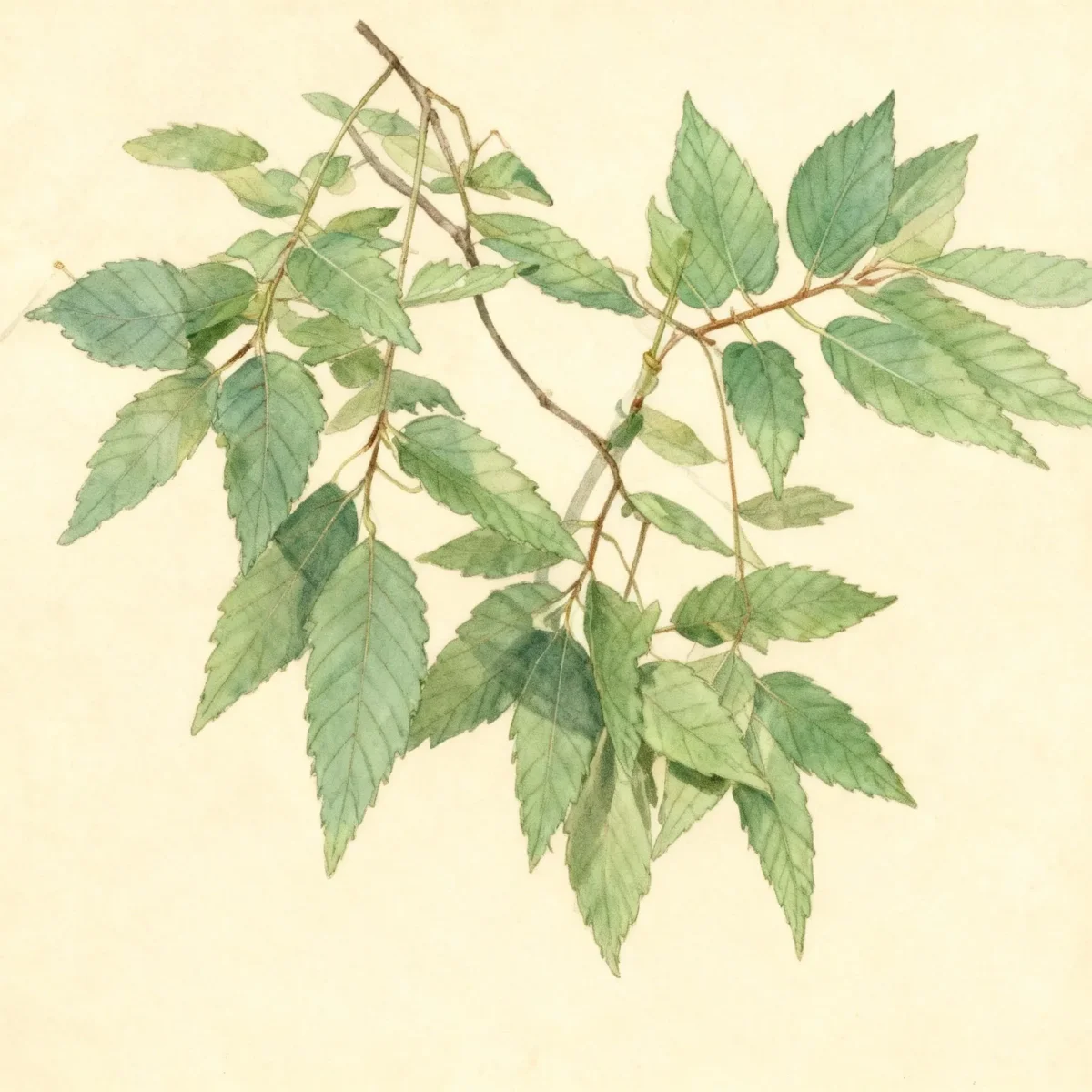
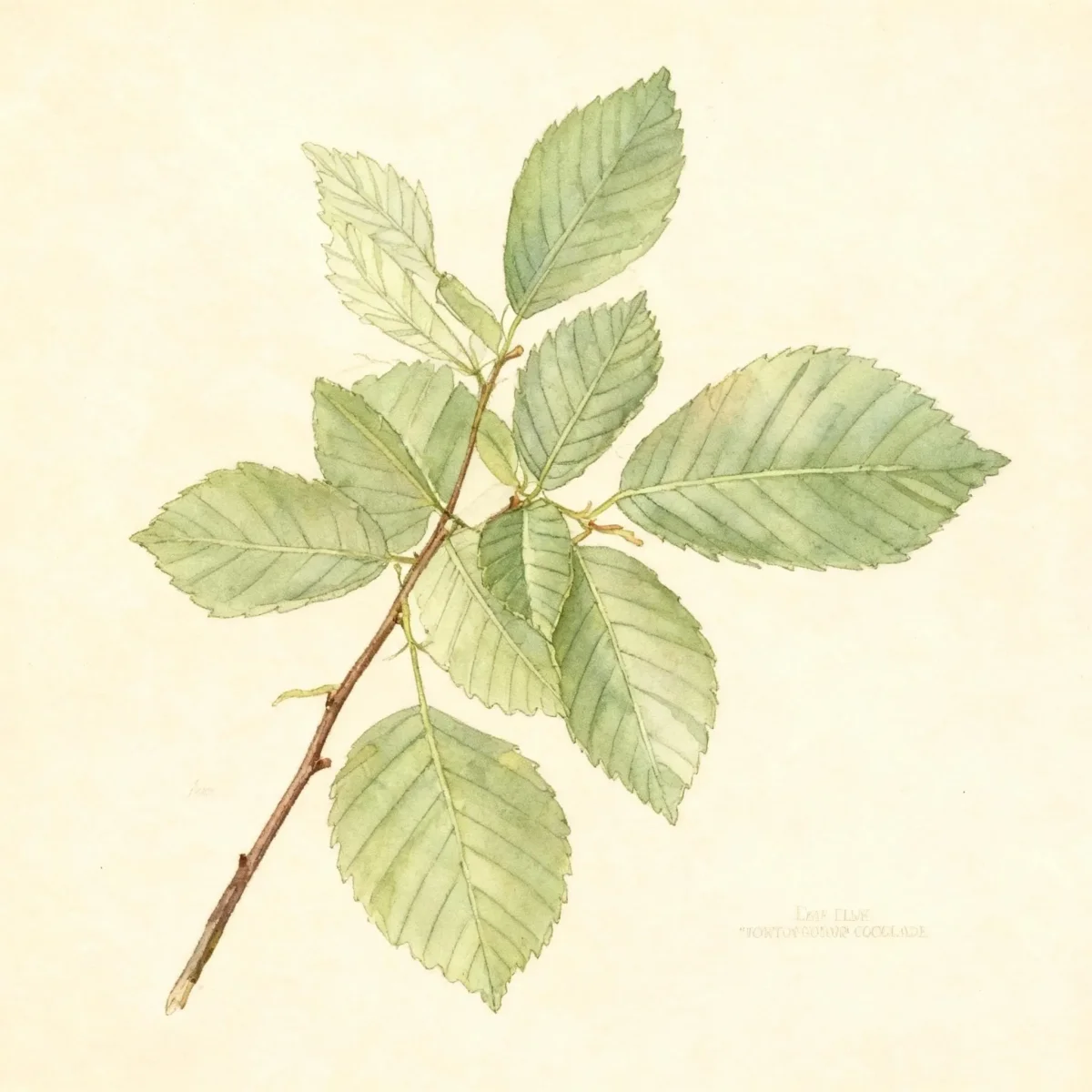
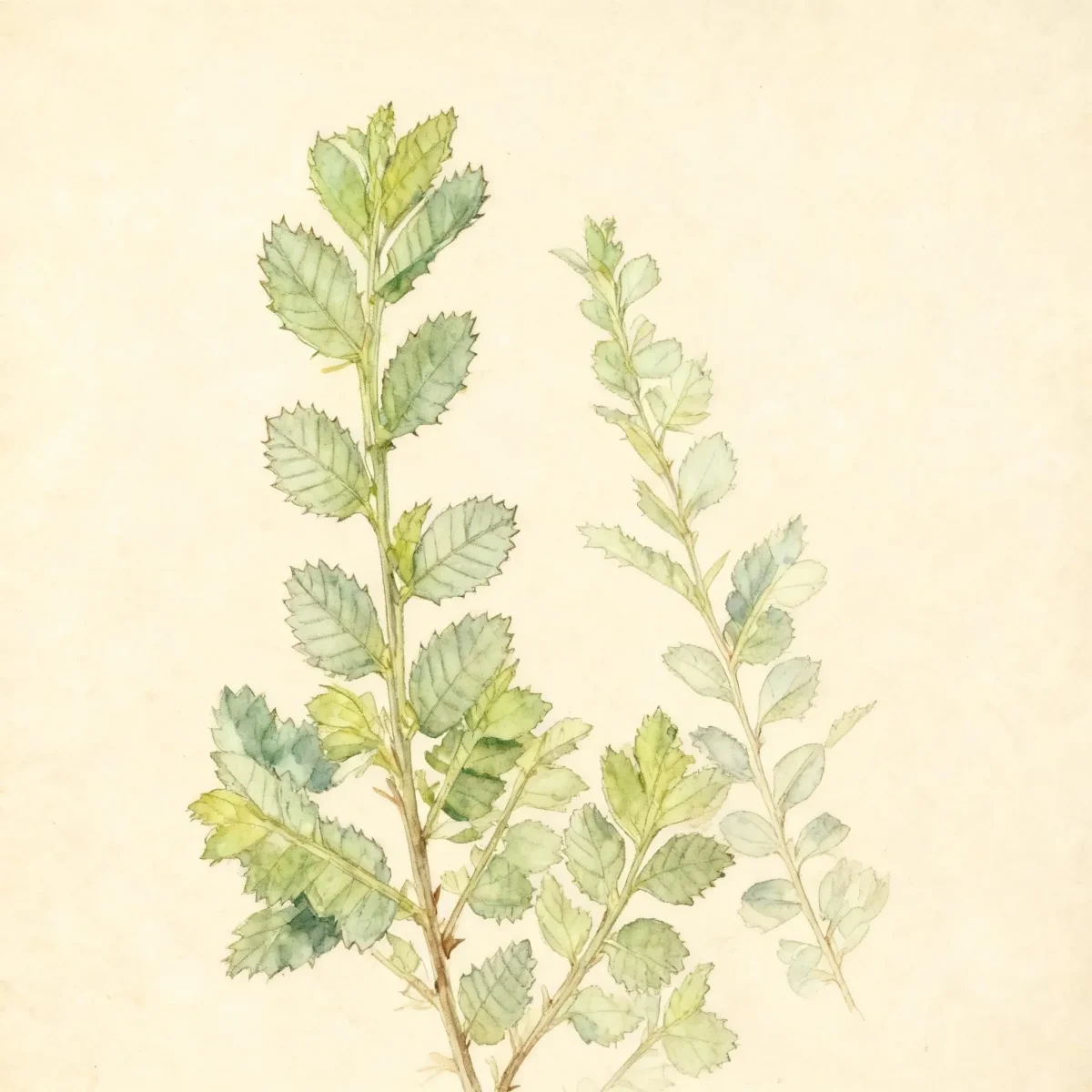
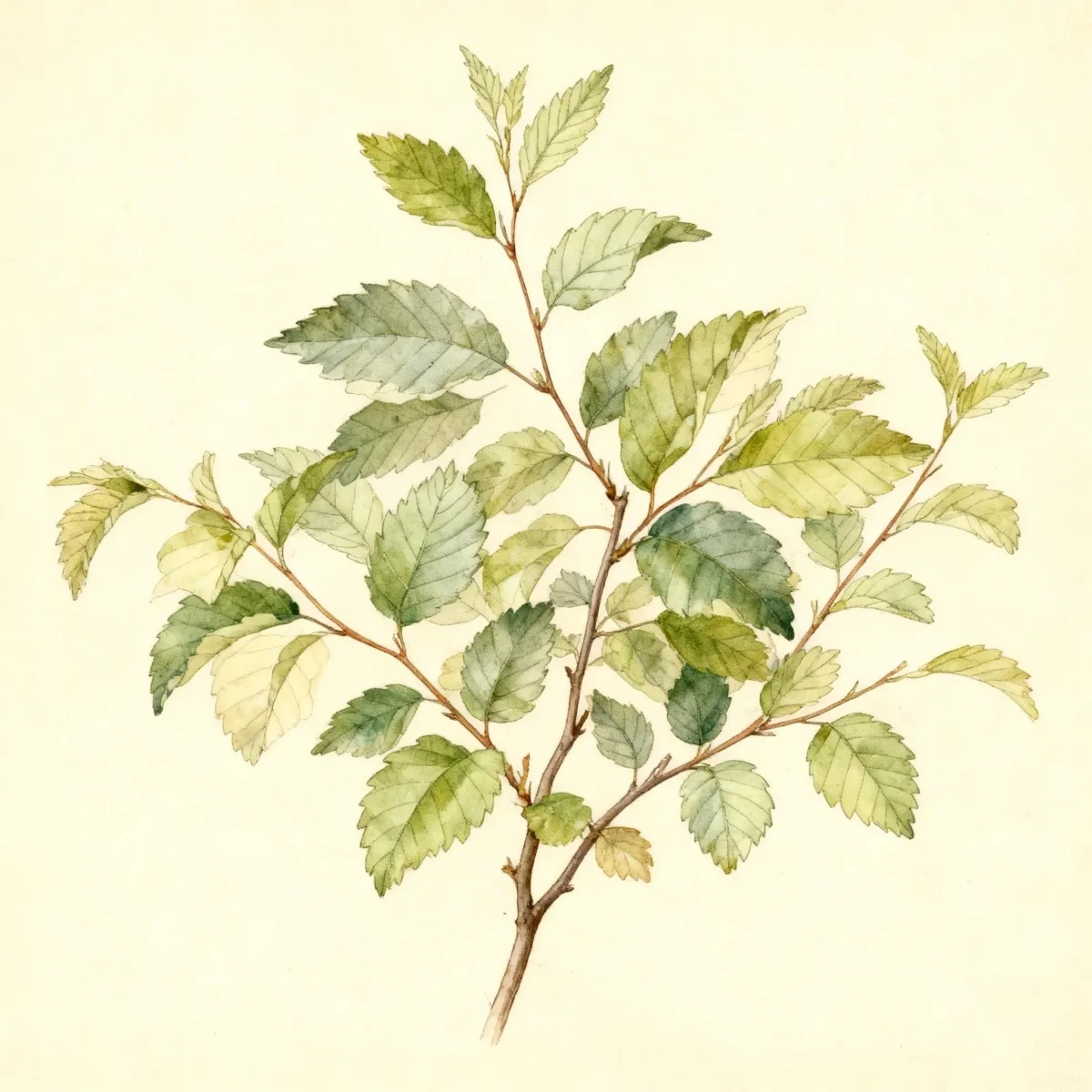
Japanese zelkova (Zelkova serrata 'Goblin')
Zelkova serrata 'Goblin' is a slow-growing dwarf Japanese zelkova, perfect for small spaces, offering easy care and fall color.
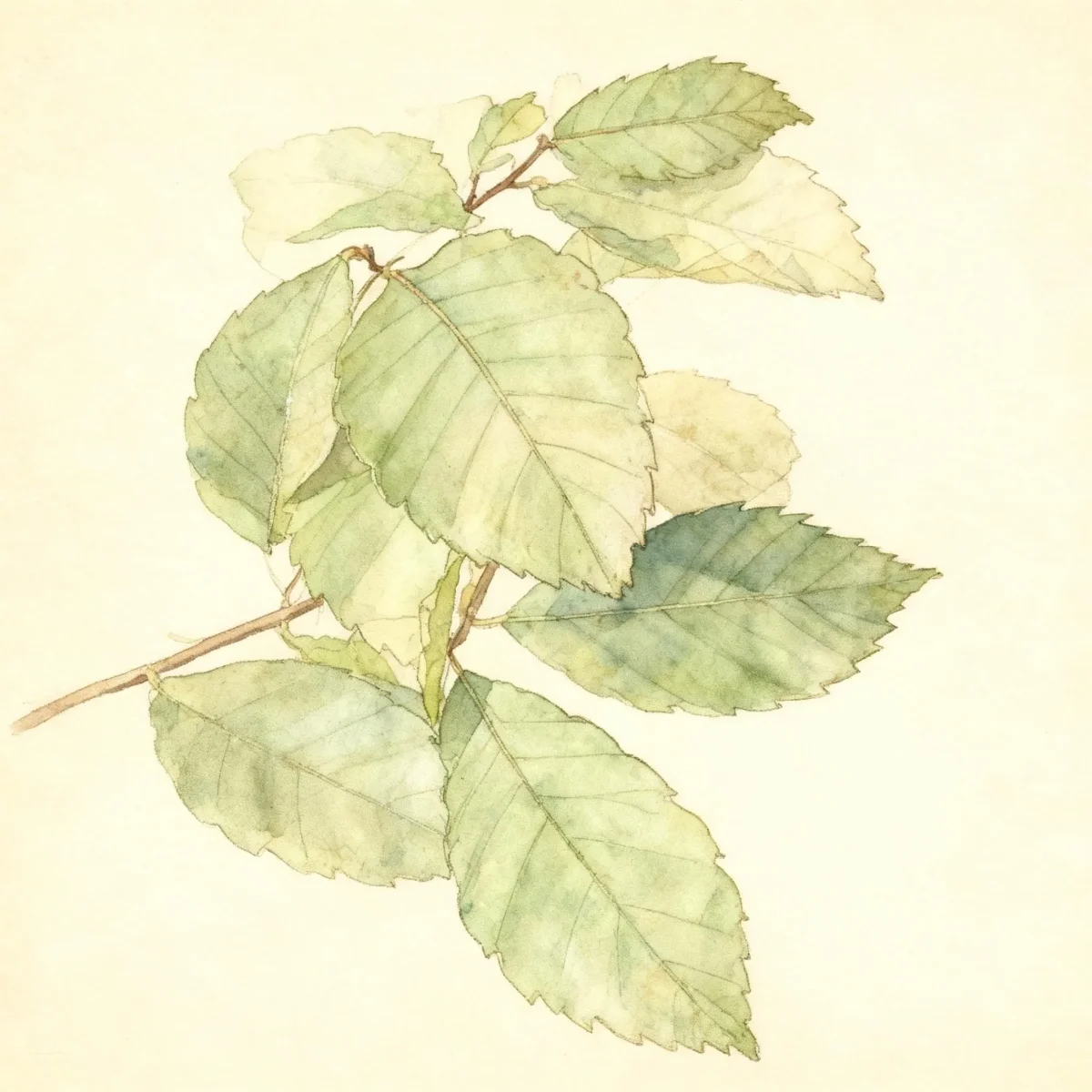

Bloom Boldly, No Matter the Season - Sweatshirt
Cozy organic cotton sweatshirt featuring our exclusive Purple Coneflower design. Perfect for gardeners who bloom year-round.
Inspired by the beautiful Japanese zelkova
Limited first batch (50) — join the waitlist for early access
Waitlist closes Feb 15, 2026.
Complete Plant Information
Field Guide Continues
Ready for care notes, companion picks, and planting tips?
The map is just the start. The full guide below covers growth habits, seasonal performance, and landscape uses.
Overview
Zelkova serrata ‘Goblin’ offers the elegance of the larger Japanese zelkova in a compact, manageable size ideal for modern landscaping. This dwarf shrub maintains a dense, vase-shaped habit, making it a fantastic specimen where space is limited. Gardeners appreciate the low maintenance requirements and the surprising tolerance it shows for less-than-ideal urban conditions.
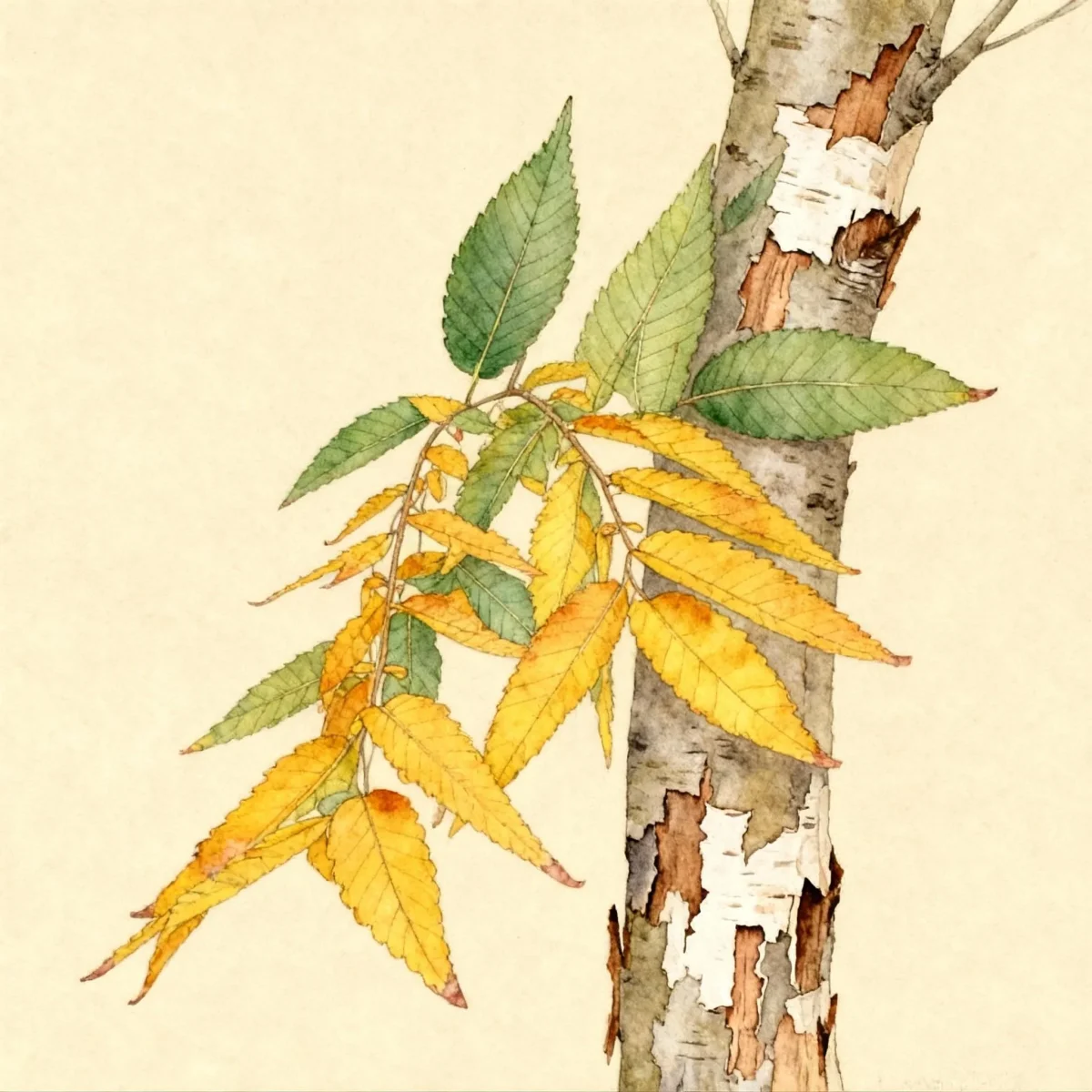
While the full-sized Japanese zelkova is known as an American elm substitute due to disease resistance, the ‘Goblin’ cultivar brings these desirable traits—including attractive exfoliating bark—into a miniature form. It provides good structure throughout the growing season, culminating in pleasant fall color.
This slow-growing variety ensures that homeowners receive long-term architectural interest without the commitment required by massive shade trees. Its adaptability to dry soil and pollution makes Zelkova serrata ‘Goblin’ a reliable choice for tough garden spots.
Fast Facts
- Plant Family: Ulmaceae
- Plant Type: Tree
- Hardiness Zones: USDA Zones 5-8
- Size at Maturity:
- Height: 3-4 ft
- Spread: 3-4 ft
- Bloom Time: March to April
- Bloom Description: Green
- Sun Exposure: Full sun
- Water Needs: Medium
- Maintenance Level: Low
How to Grow
Plant Zelkova serrata ‘Goblin’ during the spring or fall when root establishment is easiest. Locate it where it receives full sun exposure to ensure dense growth and the best fall color display. This cultivar adapts easily to average, medium-wet, well-drained soils, though it prefers rich, moist loams for optimal health.
Provide medium watering, especially during establishment. Once mature, established plants, mirroring the habits of standard Japanese zelkova, show good tolerance for temporary drought conditions. Fertilization is generally unnecessary if planted in rich soil; avoid heavy feeding which can encourage too rapid, leggy growth in this dwarf form.
Maintenance for Zelkova serrata ‘Goblin’ is low. Pruning is minimal, usually limited to removing crossing or damaged branches to maintain its naturally dense, vase-shaped structure. Its generally clean habit means fewer chores addressing dropped debris.
This plant is highly tolerant of urban stressors, including air pollution and dry soil periods. This resilience, combined with its small stature, makes it perfect for foundational plantings or mixed shrub borders where resilience is key.
Landscape Uses
The diminutive size of Zelkova serrata ‘Goblin’ (only 3 to 4 feet tall) opens possibilities where the large Japanese zelkova cannot function. It is highly suggested for use in rock gardens, low foundation plantings that require minimal height, or as a formal specimen in a small courtyard.
Because of its manageable spread, this cultivar excels in large containers or patio planters, bringing year-round structure to hardscaped areas. If used in mass plantings, utilize the attractive, exfoliating bark as a focal point during winter months.
Though specific perennial companions aren’t listed, pairing Zelkova serrata ‘Goblin’ with low-growing perennials that appreciate full sun and well-drained conditions will maximize its impact. Its upright habit contrasts nicely with groundcovers.
Standout Features
Flower Qualities
- Insignificant
Noteworthy Characteristics
Zelkova serrata, commonly called Japanese zelkova, is a medium to large deciduous tree, typically growing to 50-80’ tall with a spreading, generally upward-branching, vase-shaped crown. It is native to Japan, Taiwan and eastern China. It is noted for its graceful shape, clean foliage, attractive bark and resistance to Dutch elm disease. This includes the desirable traits that make the species valuable, contrasting with the dwarf structure of the cultivar. The specific ‘Goblin’ cultivar is a slow-growing dwarf shrub with a dense, vase-shaped habit, featuring attractive, exfoliating bark and narrow leaves that turn orange-yellow to reddish purple in fall, making Zelkova serrata ‘Goblin’ suitable for containers or small spaces.
Tolerances
- Dry Soil
- Air Pollution
Potential Problems
This plant generally experiences no serious insect or disease issues and harbors high resistance to Dutch elm disease, making it a reliable urban choice. However, monitor for signs of phloem necrosis, wilts, or cankers, which can occasionally affect the species.
Watch for minor pest issues common in hot, dry summers, specifically spider mites. Insect visitors like leaf miners, beetles, and scale might infrequently appear but rarely cause significant damage to healthy Zelkova serrata ‘Goblin’ specimens. Good air circulation and proper watering help mitigate pest pressure.
Frequently Asked Questions
What hardiness zones is Japanese zelkova suitable for?
Zelkova serrata ‘Goblin’ is hardy across USDA Zones 5 through 8.
How large does Zelkova serrata ‘Goblin’ grow?
This dwarf cultivar reaches a very manageable height and spread, typically maturing between 3 to 4 feet tall and wide.
What sun exposure does Japanese zelkova need?
This plant requires full sun exposure to thrive and maintain its dense shape.
When does this plant bloom?
The insignificant flowers of Zelkova serrata ‘Goblin’ appear in early spring, generally from March to April, and are green in color.
Conclusion
The Zelkova serrata ‘Goblin’ provides a miniature, low-maintenance specimen tree characterized by attractive peeling bark and good urban tolerance. This durable little Japanese zelkova is an excellent substitute for larger shrubs in constrained garden areas. Check your local USDA zone compatibility before planning your planting this spring or fall.
Companion Planting
Selecting companions for Zelkova serrata ‘Goblin’ should focus on plants that thrive in full sun and require medium moisture. Consider utilizing contrasting textures beneath this shrub, such as low-growing ornamental grasses that appreciate the morning shade potentially offered by the small shrub’s canopy, while still tolerating the area’s generally bright conditions.
Since this plant is noted for its tolerance to dry soil once established, pair it with other drought-tolerant, low-maintenance perennials like Sedum or Coreopsis. Avoid extremely thirsty plants adjacent to the ‘Goblin’ unless you plan to water the area consistently, as the zelkova prefers deep, medium watering over constant surface moisture.
Container Growing
The compact nature of Zelkova serrata ‘Goblin’ makes it perfect for container culture on patios or decks. Use a large, heavy container to prevent tipping, as its vase shape can become top-heavy as it ages.
When planting in a pot, ensure the potting mix is high-quality and drains exceptionally well, which supports the preference of the Japanese zelkova for well-drained conditions. Water medium amounts, but check soil moisture more frequently than you would for an in-ground planting, especially during hot summer periods.
The attractive exfoliating bark remains a focal point even in a container. This selection allows gardeners in Zones 4 or colder to grow the plant as a temporary feature, overwintering the container in a protected spot until spring.