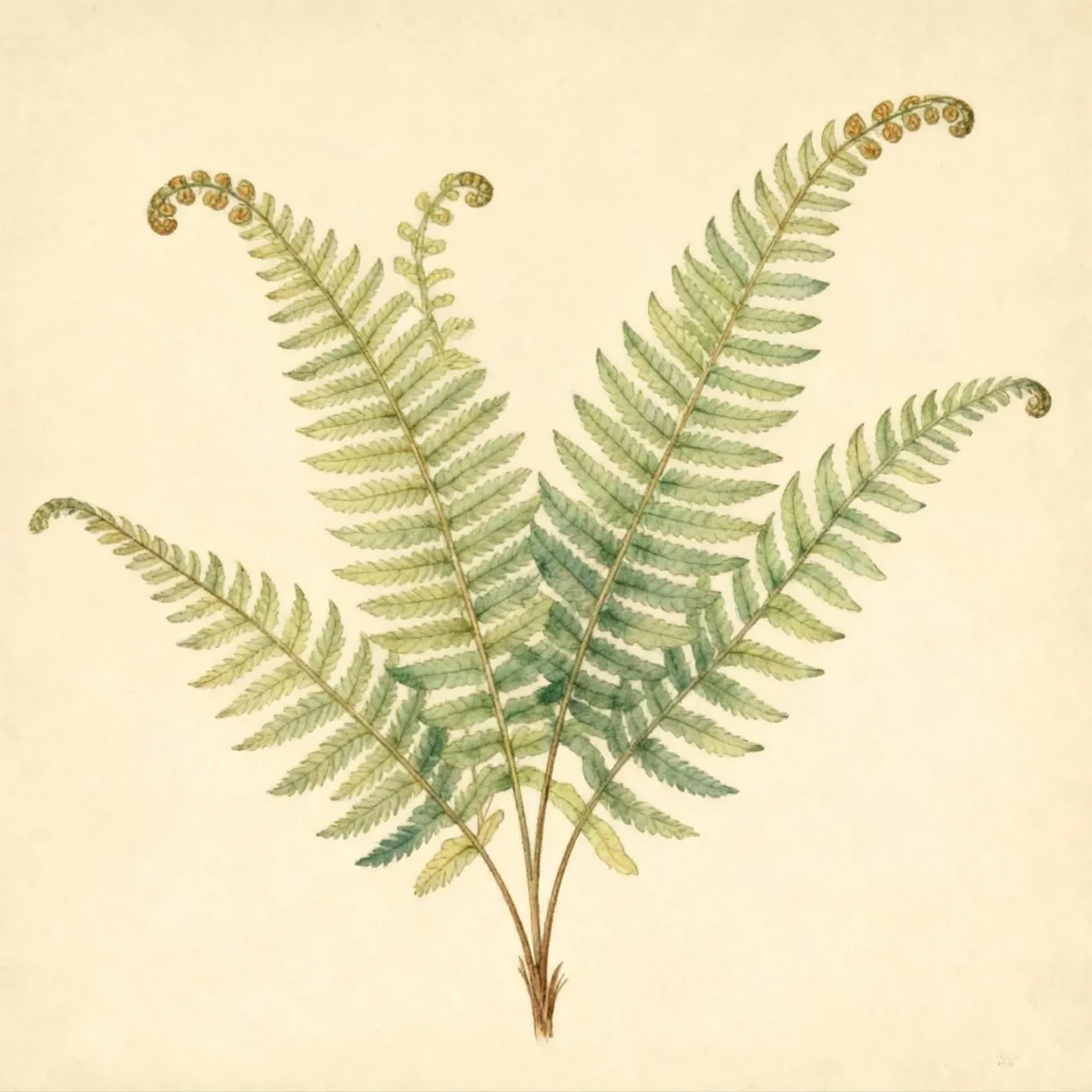
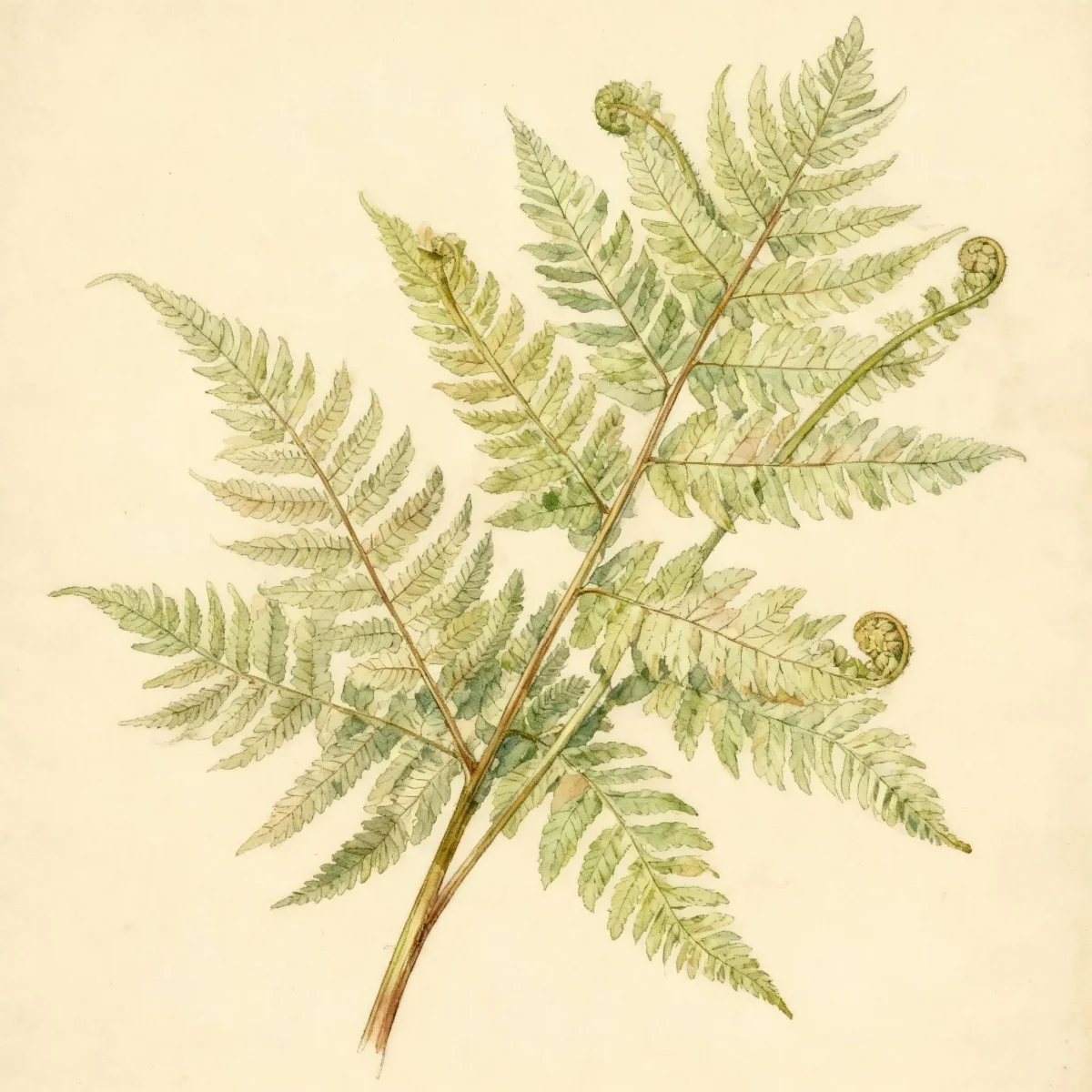
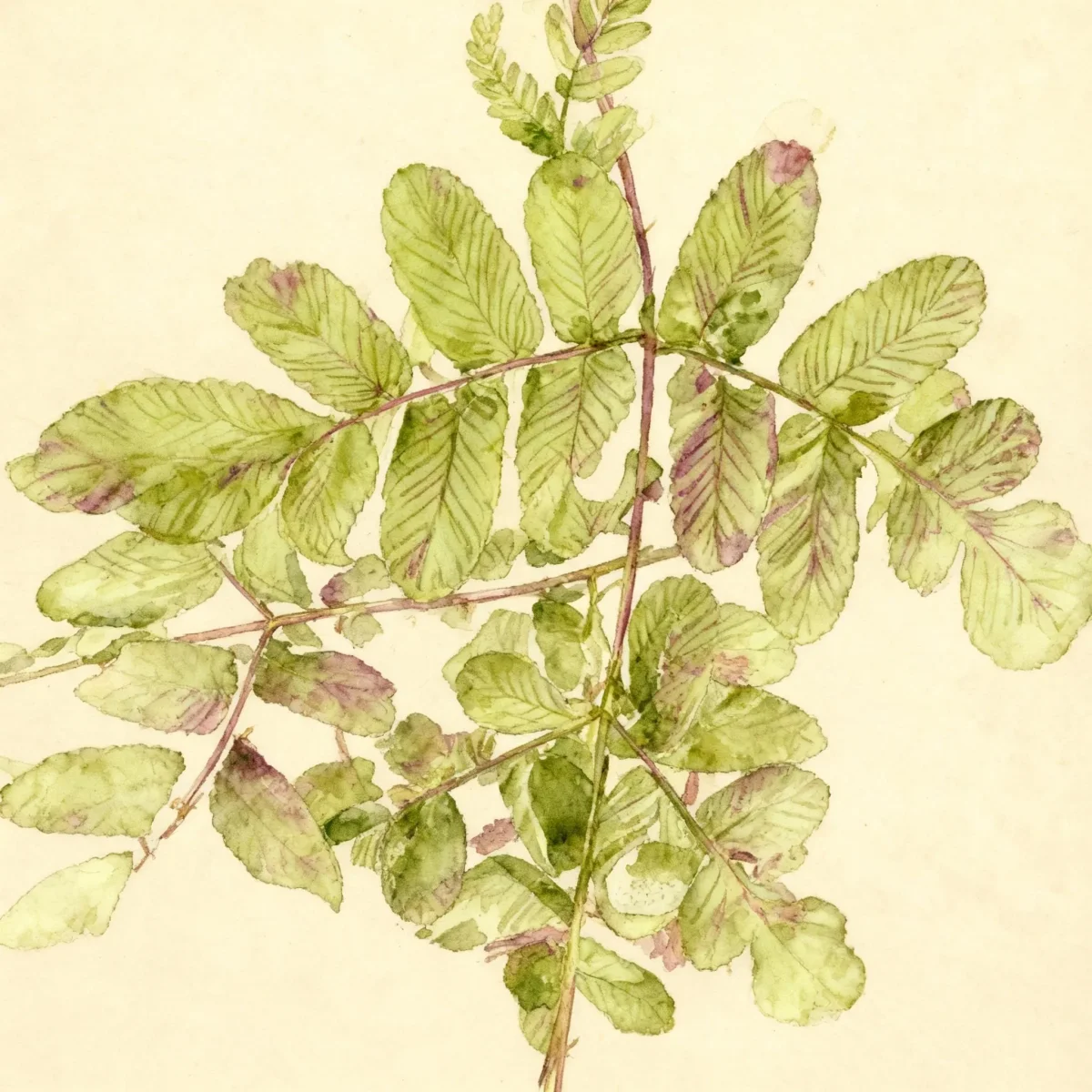
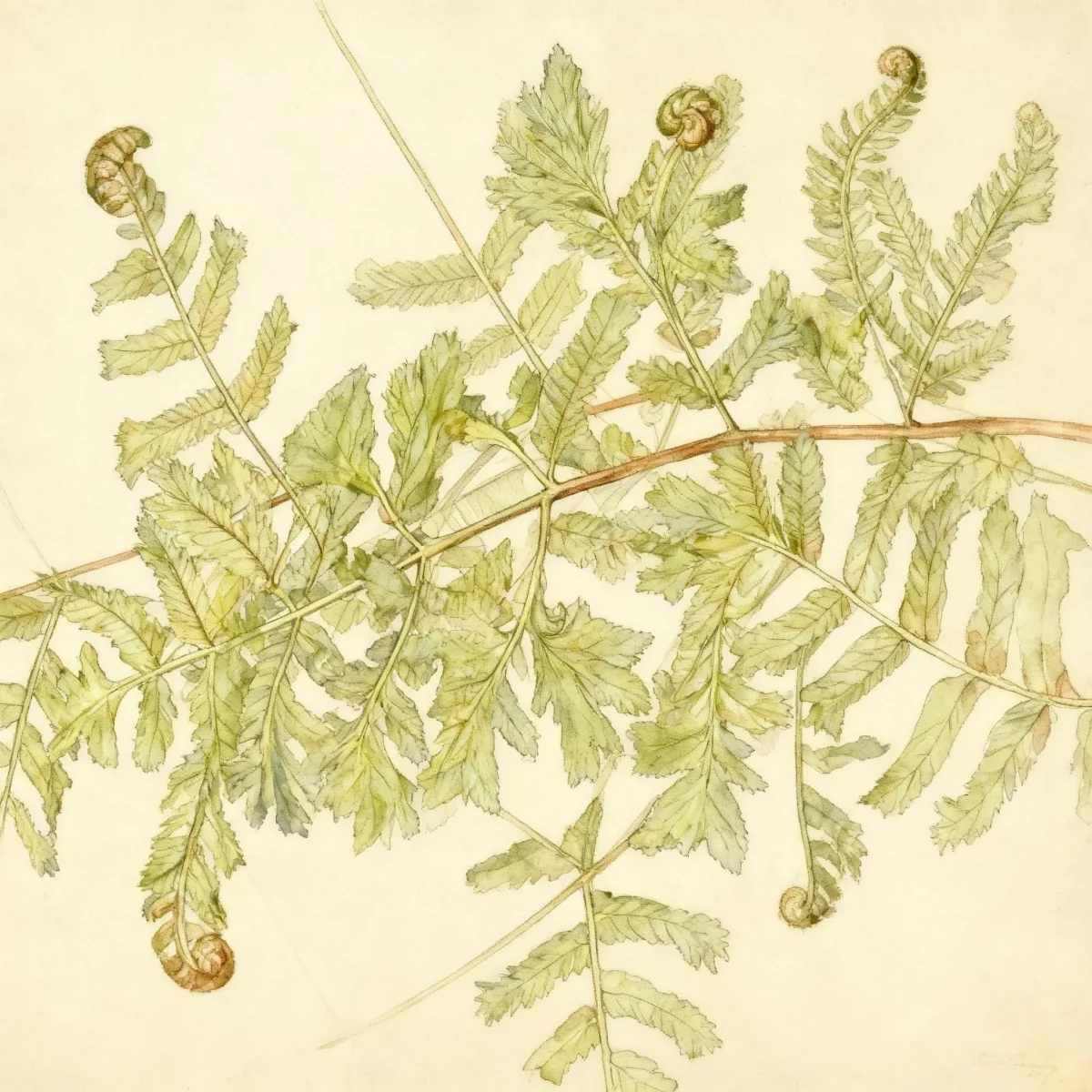
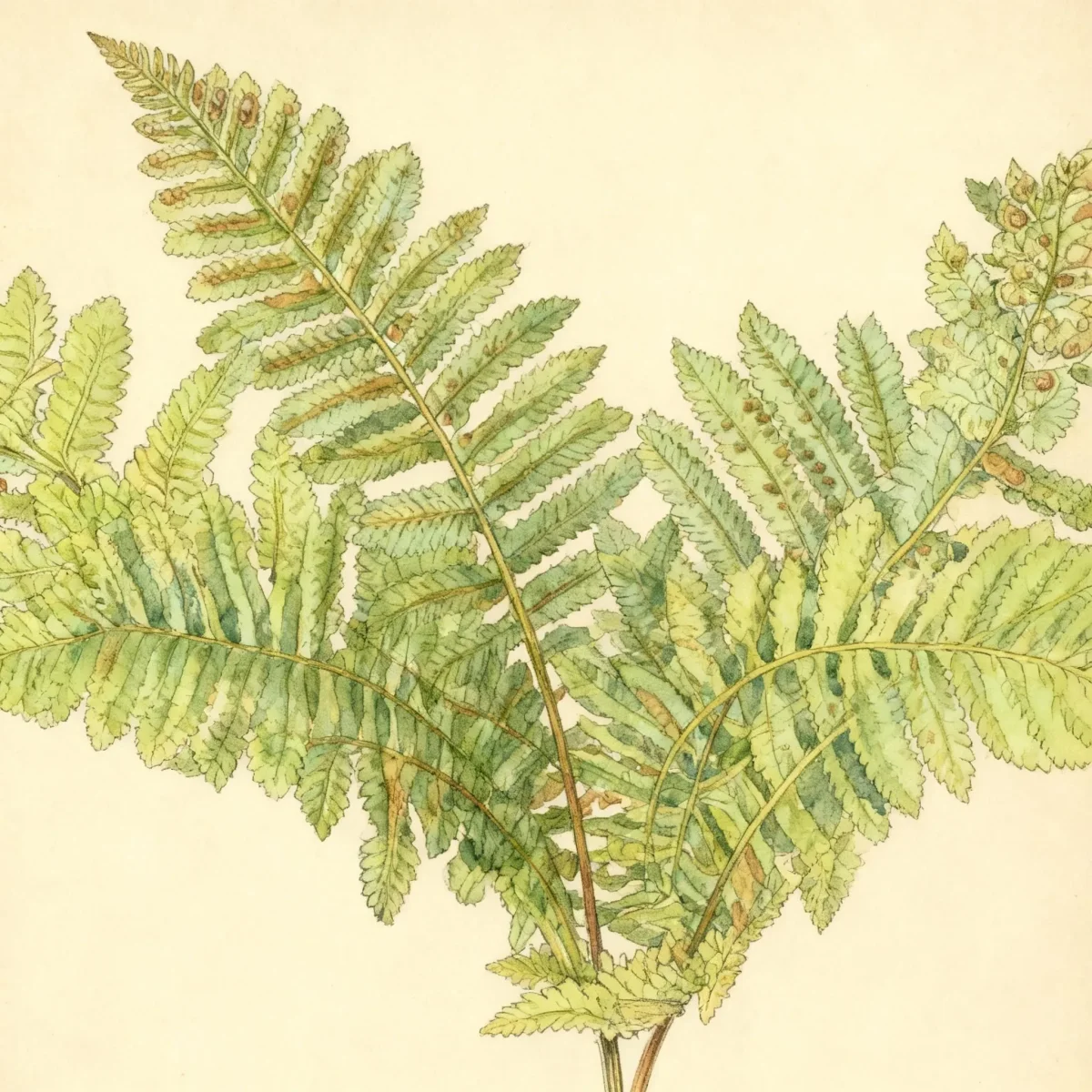
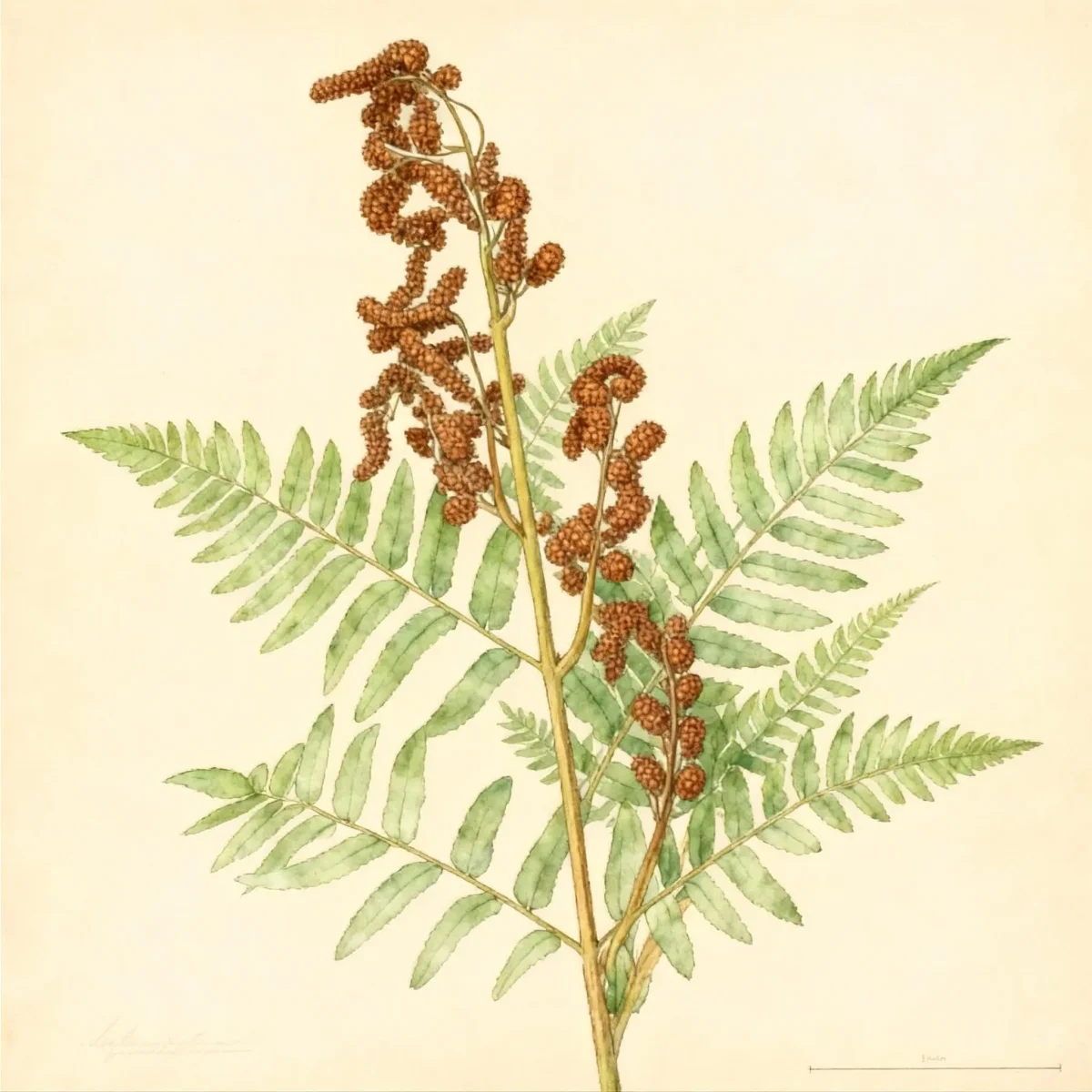
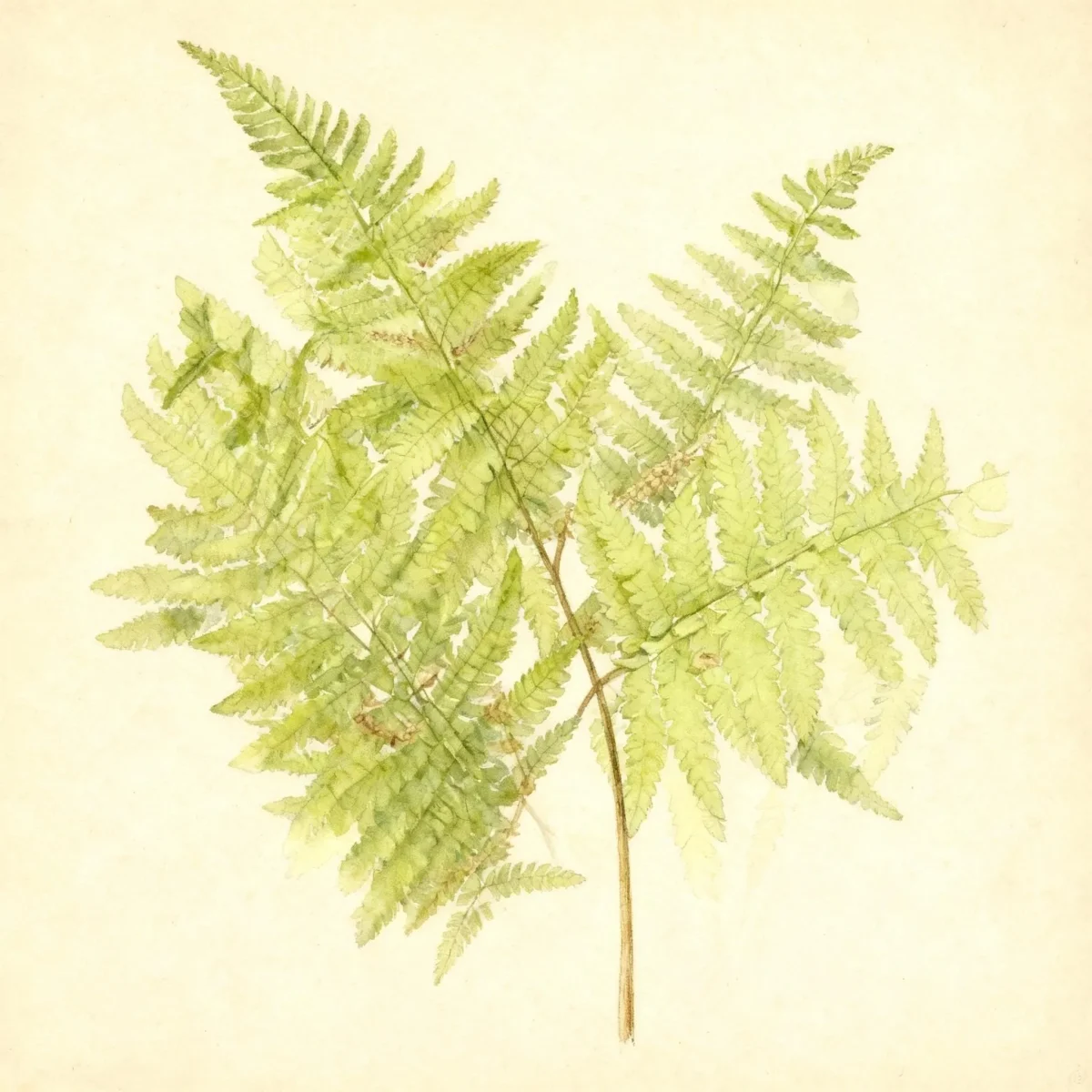
Marsh fern (Thelypteris confluens)
The Marsh fern (Thelypteris confluens) is a low-maintenance, deciduous fern perfect for wet, shady garden areas needing reliable groundcover.
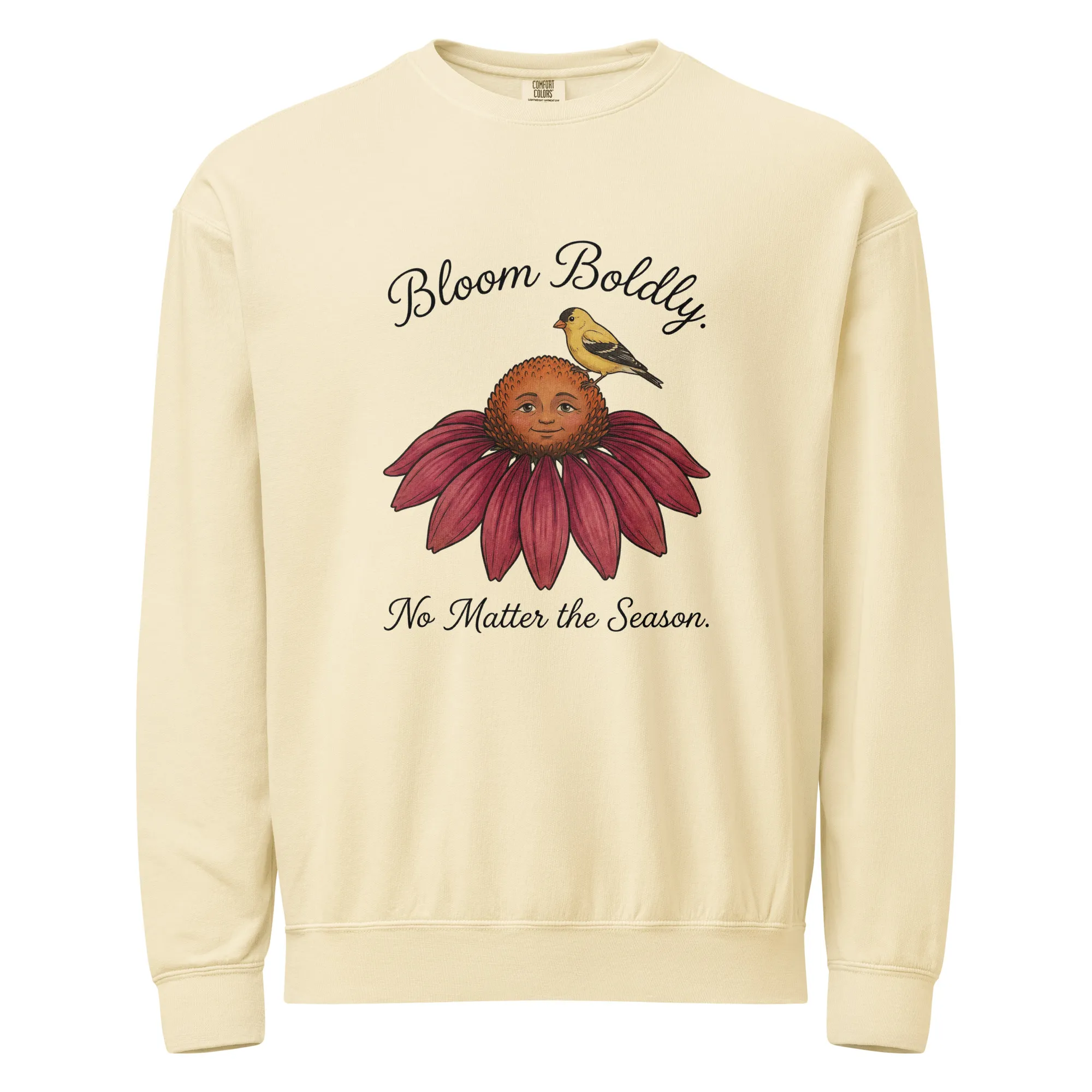
Bloom Boldly, No Matter the Season - Sweatshirt
Cozy organic cotton sweatshirt featuring our exclusive Purple Coneflower design. Perfect for gardeners who bloom year-round.
Inspired by the beautiful Marsh fern
Limited first batch (50) — join the waitlist for early access
Waitlist closes Feb 15, 2026.
Complete Plant Information
Field Guide Continues
Ready for care notes, companion picks, and planting tips?
The map is just the start. The full guide below covers growth habits, seasonal performance, and landscape uses.
Overview
The Marsh fern (Thelypteris confluens) offers reliable texture and greenery for challenging, damp garden locations. This deciduous fern thrives where many other landscape plants struggle, establishing itself beautifully in consistently moist to wet conditions. Its upright, compound fronds provide an elegant, architectural element suitable for softening woodland edges or lining water features.
Valued for its low maintenance needs, the Thelypteris confluens spreads moderately via rhizomes to form attractive, self-sustaining colonies. It is an excellent addition to any garden design requiring dense groundcover beneath taller shade trees or near streams. Gardeners appreciate its adaptability across a wide range of hardy zones, provided its moisture requirements are met.
This species, known commonly as Marsh fern, reliably delivers mid-sized foliage, making it an excellent foundational plant. The structure of its fronds, featuring deeply lobed leaflets and downturned margins on fertile structures, adds fine detail to deep shade settings. Planting Thelypteris confluens ensures a lush, reliably green space.
Fast Facts
- Plant Family: Thelypteridaceae
- Plant Type: Fern
- Native Range: Tropical Africa and Asia
- Hardiness Zones: USDA Zones 3-8
- Size at Maturity:
- Height: 1.5-2 ft
- Spread: 2-3 ft
- Bloom Time: Non-flowering
- Bloom Description: Non-flowering
- Sun Exposure: Part shade to full shade
- Water Needs: Medium to wet
- Maintenance Level: Low
How to Grow
Start by planting the Marsh fern in early spring or fall when soil moisture is optimal. Thelypteris confluens requires fertile, humus-rich loams that remain consistently moist or wet; it tolerates full sun only if the soil does not dry out. Site your ferns where they are protected from harsh, drying winds which can easily damage the delicate frond structure.
Watering is critical for this species; never allow the soil to fully dry out, though you should aim to avoid persistent standing water after establishment. This plant generally requires little supplemental fertilization if planted in rich, organic soil. Pruning is minimal: make sure to cut back all of the old, dead fronds in late winter just before the new growth emerges in spring.
Propagation of Thelypteris confluens is easily achieved through division of the established rhizomes in the spring or by sowing spores. Since this Thelypteris confluens spreads relatively well by rhizomes, ensure you provide adequate space during initial planting if you do not wish for aggressive colonization.
Landscape Uses
The Marsh fern excels in functional, damp areas where turf grass struggles. It is superb when used to naturalize large, shaded slopes or integrated into a dedicated rain garden design, effectively managing moderate levels of runoff while looking beautiful. Its low-growing habit makes it suitable for borders along shaded pathways or softening the base of retaining walls.
When mass planting, Thelypteris confluens creates a unifying groundcover effect, perfect for woodland gardens or beneath mature deciduous canopies. It pairs effectively with other shade-loving moisture-lovers such as hostas, ferns with contrasting textures (like Japanese painted ferns), or moisture-loving perennials like astilbes and ligularias. Consider using it in containers placed in partially shaded, perpetually damp patios.
Standout Features
Noteworthy Characteristics
Thelypteris confluens, commonly called marsh fern, is a deciduous fern that is native to rich muddy soils in open woodlands, marshes, bogs, wet meadows, and along ditches and streams in Canada (Newfoundland to Manitoba) and the eastern and central U.S. (Maine to South Dakota south to Florida and Texas). Marsh fern typically grows to 18-24” tall featuring upright compound leaves (fronds) with pinnate-pinnatifid blades to 18” long and 6” wide. Spores are produced in summer/fall, developing on the lower surface of fertile leaflet lobes which have significantly downturned margins.
Tolerances
- Heavy Shade
- Wet Soil
Potential Problems
This plant suffers from virtually no serious insect or disease problems, contributing significantly to its low-maintenance status. By ensuring proper site selection—specifically high moisture and adequate organic matter—most cultural issues are avoided. Avoid planting in areas with poor drainage where standing water persists, as this can sometimes lead to root issues, though the Marsh fern appreciates saturation it dislikes true stagnation.
Frequently Asked Questions
What hardiness zones is Marsh fern suitable for?
The Marsh fern (Thelypteris confluens) is highly adaptable, thriving in USDA Zones 3 through 8.
How large does Thelypteris confluens grow?
This species typically reaches a mature height between 1.5 to 2 feet tall, with a spread usually ranging from 2 to 3 feet as it colonizes via rhizomes.
What sun exposure does Marsh fern need?
Thelypteris confluens prefers part shade to full shade, though it can manage full sun if the soil is kept consistently moist throughout the growing season.
When does Thelypteris confluens bloom?
As a fern, this plant is non-flowering, reproducing instead via summer and fall spores.
Conclusion
The Marsh fern provides exceptional value for gardeners seeking robust, low-fuss groundcover in boggy or deeply shaded environments. Its tolerance for wet soil and heavy shade, combined with its attractive fern structure, makes Thelypteris confluens an essential component of water-wise or woodland plantings. Before installing, verify that your chosen location offers the consistently moist conditions this fern requires for optimal performance.
Companion Planting
When designing a rain garden or wet woodland border, select companions that share the moisture needs of the Marsh fern. Astilbes and Iris species (such as Iris versicolor) provide varied flower shapes and heights that complement the verticality of the fern fronds. For textural contrast in deep shade, pair Thelypteris confluens with broad-leaved woodland plants like Hosta varieties that prefer similar bright, indirect light conditions.
Seasonal Care Calendar
Spring is the primary season for preparation; cut back all dry, dormant foliage from the previous year before new fiddleheads emerge. Focus water management through the summer, ensuring the soil never dries, especially during heat waves when the fern is trying to hold its 2-foot height. In autumn, allow the fronds of the Thelypteris confluens to naturally die back; they offer some winter protection to the shallow rhizomes. Minimal care is required during winter dormancy.