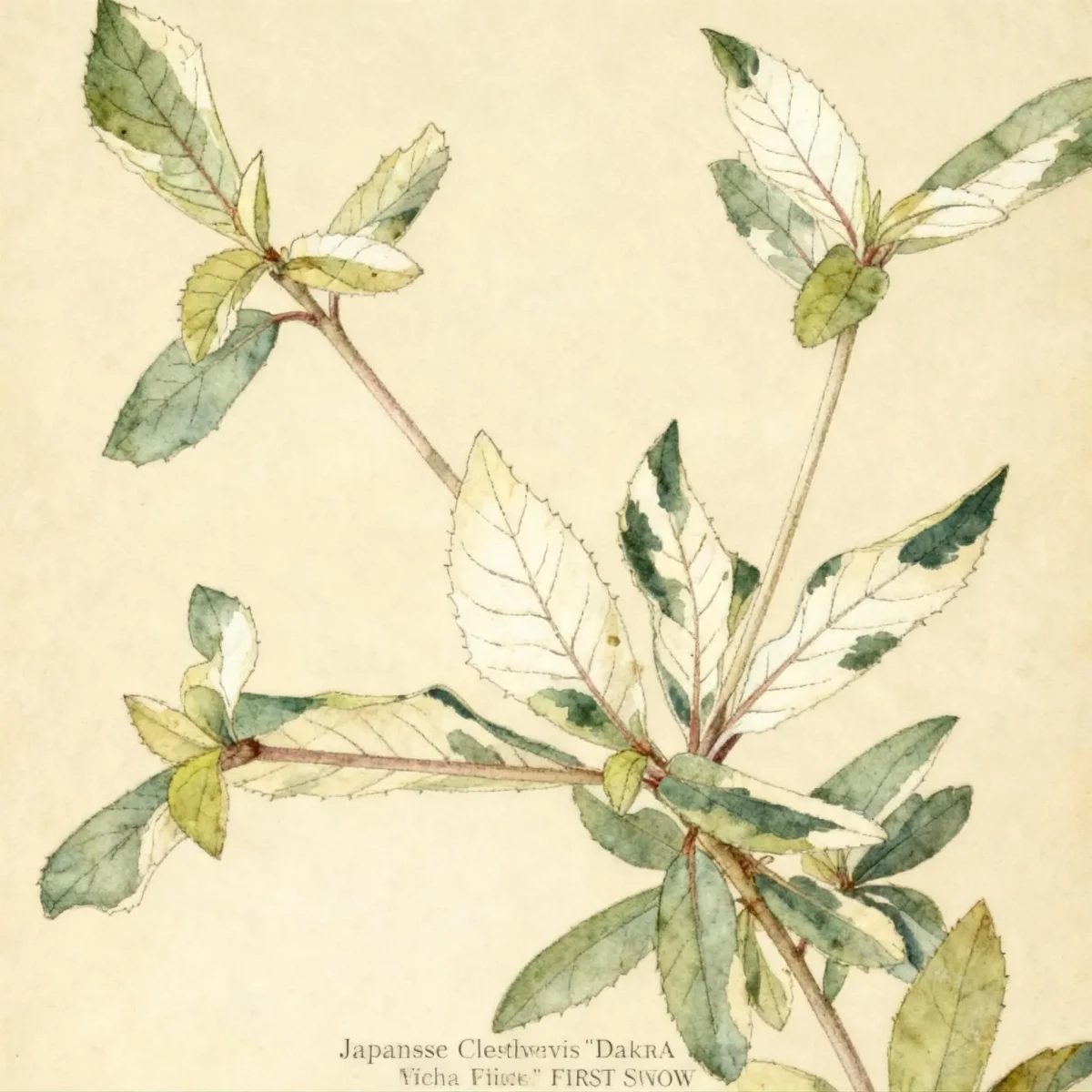
Japanese clethra (Clethra barbinervis 'Takeda Nishiki' FIRST SNOW)
Discover Clethra barbinervis 'Takeda Nishiki' FIRST SNOW (Japanese clethra), prized for fragrant summer blooms, stunning variegated foliage, and winter bark interest.

Bloom Boldly, No Matter the Season - Sweatshirt
Cozy organic cotton sweatshirt featuring our exclusive Purple Coneflower design. Perfect for gardeners who bloom year-round.
Inspired by the beautiful Japanese clethra
Limited first batch (50) — join the waitlist for early access
Waitlist closes Feb 15, 2026.
Complete Plant Information
Field Guide Continues
Ready for care notes, companion picks, and planting tips?
The map is just the start. The full guide below covers growth habits, seasonal performance, and landscape uses.
Overview
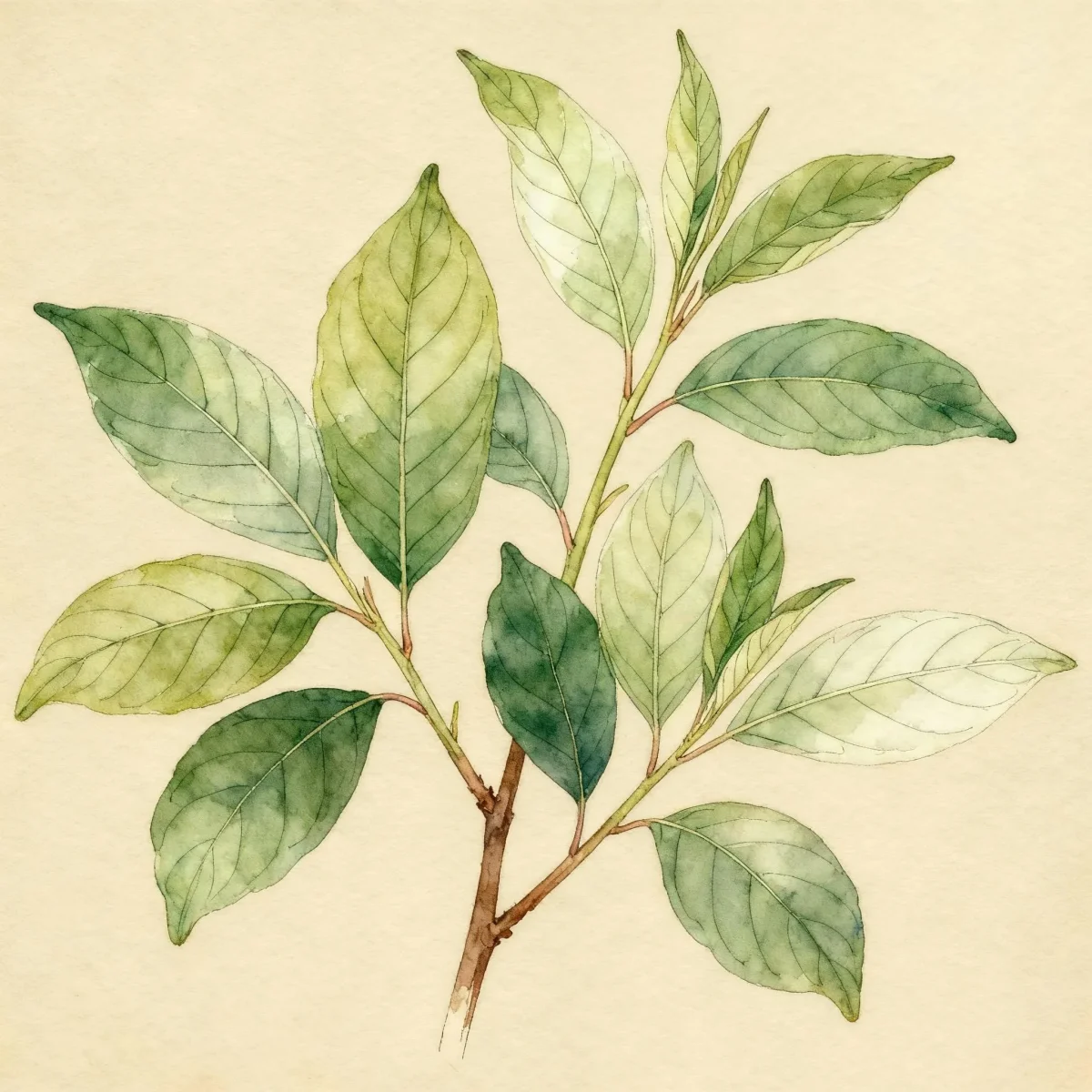
Clethra barbinervis ‘Takeda Nishiki’ FIRST SNOW, commonly known as Japanese clethra, offers outstanding, four-season appeal rarely found in a single deciduous shrub or small tree. Its most celebrated attributes include highly variegated foliage that emerges pink, white, and green, alongside fragrant white flower spikes in mid-summer that beckon pollinators. This plant provides excellent structure and visual interest, particularly as a specimen plant where its peeling, polished bark can be fully appreciated during the winter months.
This cultivar is an upright grower, reaching heights of 10 to 20 feet, distinguishing itself from the standard species with its dramatic leaf coloration. Not only does the foliage impress in spring and summer, but the leaves also transition to vibrant yellow or red hues, ensuring excellent fall color before dormancy. Gardeners seeking reliable performance and high ornamental value should consider establishing Japanese clethra in a prominent location.
The value of Clethra barbinervis ‘Takeda Nishiki’ FIRST SNOW lies in its multi-faceted beauty, from its sweet, fragrant blooms attractive to bees and butterflies to its unique textured bark. Its preference for consistently moist conditions makes it ideal for specific areas of the landscape where average soil moisture is reliably provided.
Fast Facts
- Plant Family: Clethraceae
- Plant Type: Deciduous shrub
- Hardiness Zones: USDA Zones 5-8
- Size at Maturity:
- Height: 10-20 ft
- Spread: 10-15 ft
- Bloom Time: July to August
- Bloom Description: White
- Sun Exposure: Full sun to part shade
- Water Needs: Medium to wet
- Maintenance Level: Medium
How to Grow
When planting Clethra barbinervis ‘Takeda Nishiki’ FIRST SNOW, ensure the location provides average, well-drained soil that retains consistent moisture. While it tolerates full sun, it benefits significantly from part shade, especially in hotter climates, where the variegated foliage will maintain better color and avoid scorching. Soil should ideally be humusy and slightly acidic to ensure optimal nutrient uptake.
Watering is critical for this shrub, requiring medium to wet conditions, especially during establishment. Avoid letting the soil dry out completely, as consistent moisture helps support the lush foliage and summer flowering display. Fertilizing is generally not required if the soil is rich in organic matter; however, an annual spring application of compost can boost performance.
Pruning needs are generally minimal for this specimen. Focus on removing any dead or crossing branches during the dormant season. Gardeners in Zone 5 should take special precautions; ensure planting locations are protected from harsh winter winds, as extreme cold snaps can damage new growth or reduce winter hardiness reliability.
Landscape Uses
Japanese clethra excels where structure, fragrance, and unique foliage are desired features. Its upright habit and eventual size make it an excellent screen or hedge specimen, though it is perhaps best utilized as a striking specimen planting in lawns or near entryways where its variegation and bark can be easily observed. The preference for moisture also leads to great success in rain gardens or along the peripheral edges of ponds.
Because of its mid-to-late summer bloom period, Clethra barbinervis ‘Takeda Nishiki’ can fill a seasonal gap when many other spring-flowering shrubs have finished. Consider pairing it with moisture-loving plants that offer contrasting foliage texture or color, such as hostas in shadier spots or moisture-tolerant spireas in sunnier locations. The combination of fragrant blooms and excellent fall color ensures this tree provides continuous garden impact.
Standout Features
Flower Qualities
- Showy
- Fragrant
Fruit Qualities
- Showy
Noteworthy Characteristics
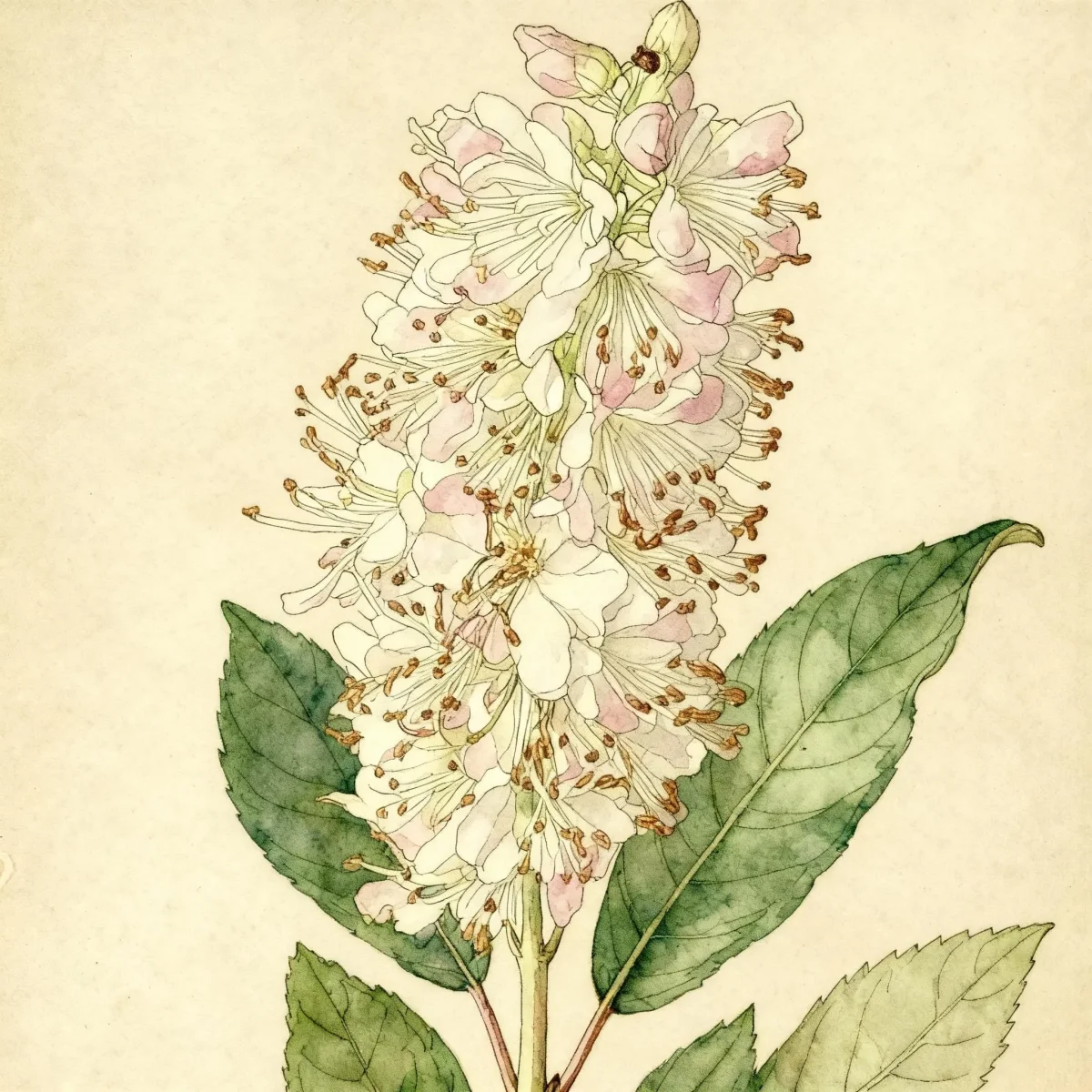
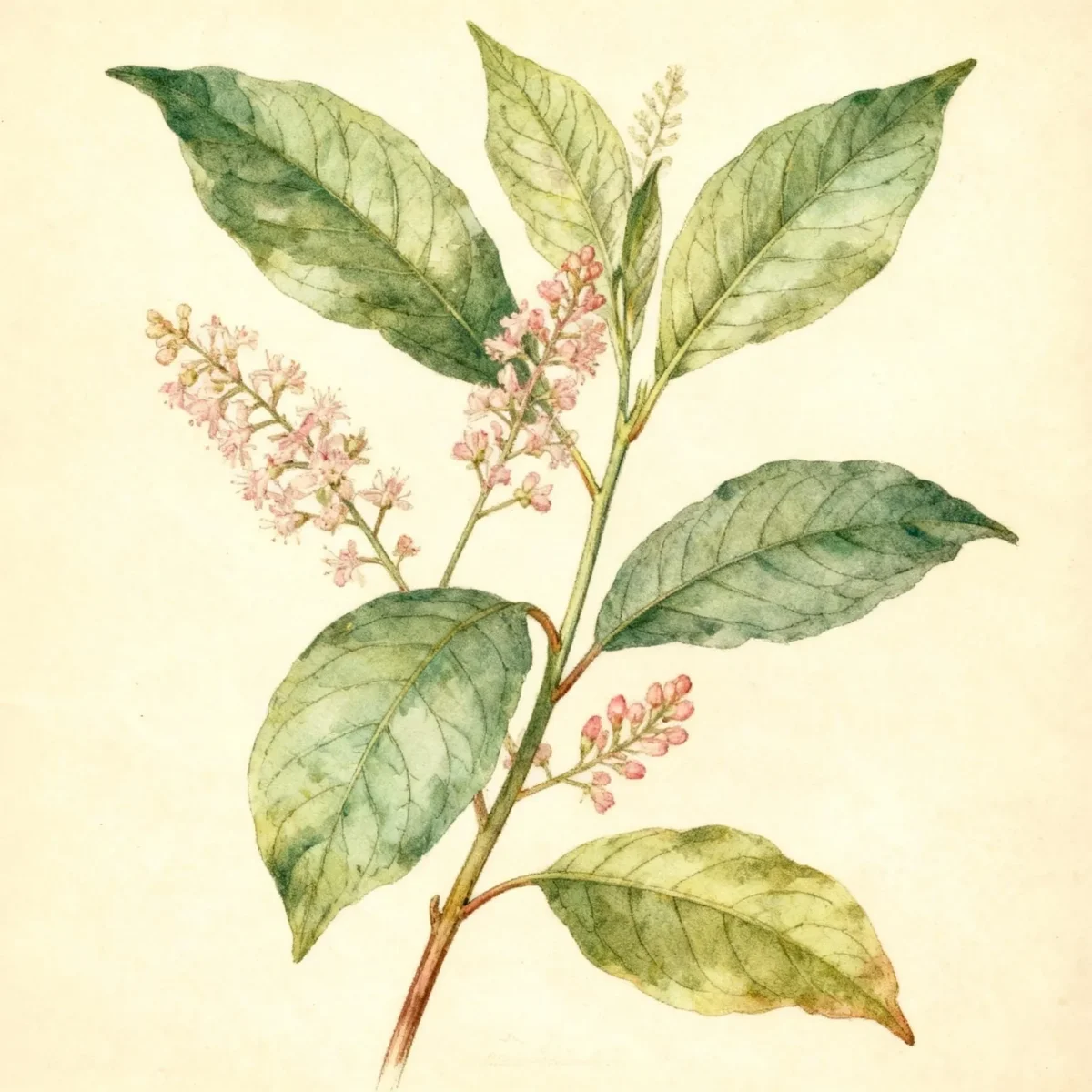
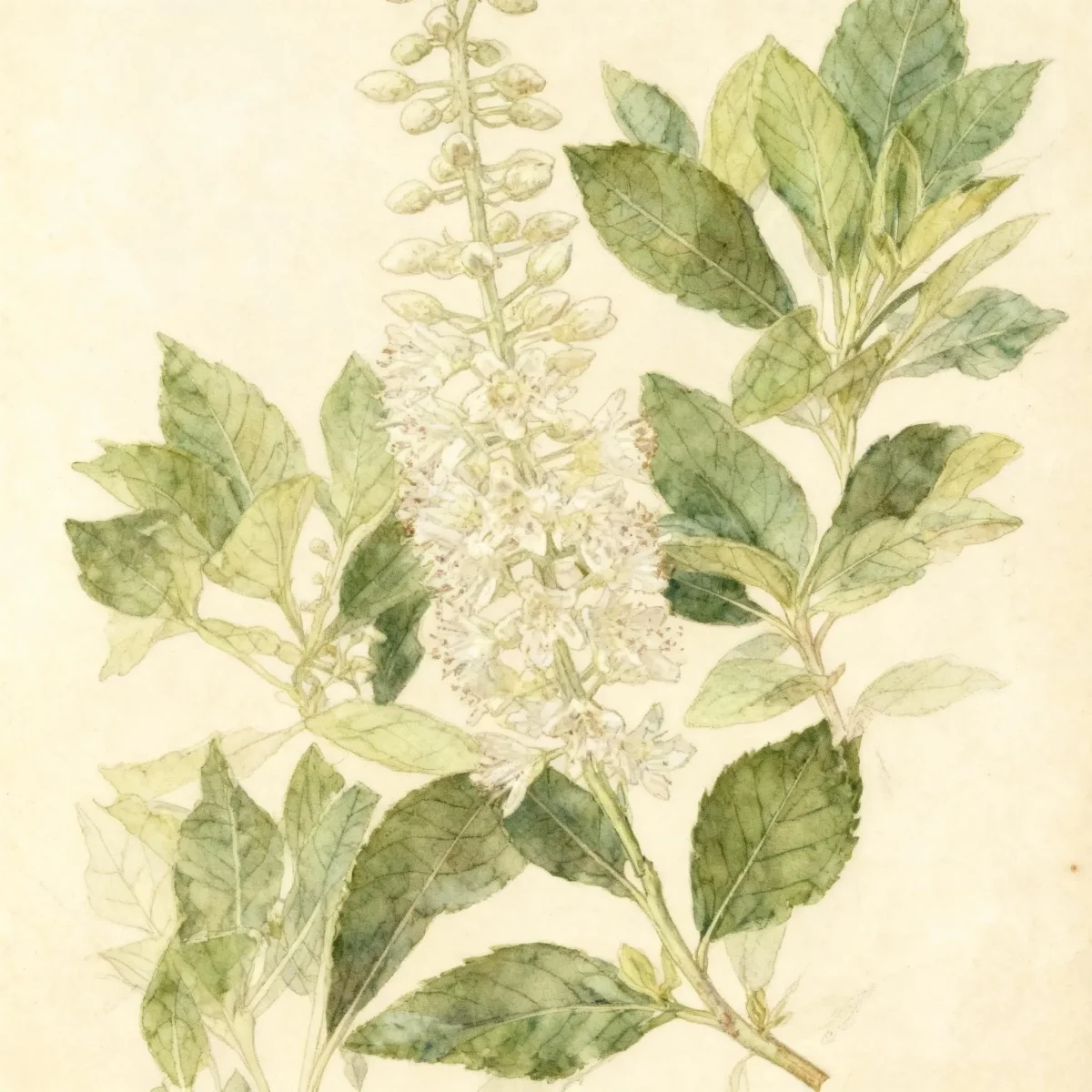
Clethra barbinervis, commonly called Japanese clethra, is a large, upright, deciduous shrub or small tree which typically grows 10-20’ tall and features horizontally drooping, terminal racemes (4-6” long) of pleasantly fragrant white flowers which bloom in mid to late summer and serrated, glossy, dark green leaves which turn bright yellow (sometimes red) in autumn. One of the most striking features of this shrub is the polished, grayish-brown bark which may exhibit exfoliation. ‘Takeda Nishiki’ was first found by Takeda Hisayoshi and his son on Shiko Island, Japan. It is an upright shrub or small tree with highly variegated leaves that are splashed with pink, green and white in spring, mature to green and white in summer and acquire red to gold tones in fall, and mature plants have polished tri-colored bark.
Tolerances
Potential Problems
This plant is generally viewed as having no serious insect or disease problems, making it a very low-maintenance choice once established. Monitor for signs of excessive drought stress, as yellowing or browning leaves can indicate inadequate water supply, especially during intense summer heat. Avoid planting in excessively alkaline soils, as this can impede nutrient uptake, though this is usually manageable with soil amendments.
The primary concern for Clethra barbinervis ‘Takeda Nishiki’ FIRST SNOW relates to cold tolerance in the northern reaches of its range. In Zone 5, choose sheltered locations and ensure adequate mulch over the root zone going into winter to protect against freeze/thaw cycles that can stress the roots of this Japanese clethra cultivar.
Frequently Asked Questions
What hardiness zones is Japanese clethra suitable for?
Clethra barbinervis ‘Takeda Nishiki’ FIRST SNOW is generally suitable for USDA Hardiness Zones 5 through 8. Gardeners in Zone 5 should provide winter protection from harsh winds to ensure reliability.
How large does Clethra barbinervis ‘Takeda Nishiki’ FIRST SNOW grow?
This plant matures into a large shrub or small tree, typically reaching heights between 10 and 20 feet tall, with a comparable spread ranging from 10 to 15 feet wide.
What sun exposure does Japanese clethra need?
This species performs best in locations offering full sun to part shade. Part shade is often preferred to help maintain the integrity of its highly variegated foliage during the hottest parts of the summer.
Does Clethra barbinervis ‘Takeda Nishiki’ FIRST SNOW attract wildlife?
Yes, the pleasantly fragrant white flowers that bloom in July and August are noted as being very attractive to butterflies and bees, providing valuable late-season nectar sources.
Conclusion
Clethra barbinervis ‘Takeda Nishiki’ FIRST SNOW remains an exceptional choice for gardeners seeking year-round interest, balancing fragrant summer blooms with outstanding variegated foliage and striking winter bark texture. This Japanese clethra is relatively trouble-free, provided its need for consistently moist, well-drained soil is met. Before planting, verify your soil pH and moisture levels to give this beautiful cultivar the best start in your landscape.
Companion Planting
Given the preference for medium to wet, consistently moist, slightly acidic soil, Japanese clethra pairs well with other moisture-loving woodland-edge plants. Consider grouping Clethra barbinervis ‘Takeda Nishiki’ FIRST SNOW near moisture-tolerant ferns, such as Japanese Painted Ferns or Cinnamon Ferns, which offer textural contrast without competing heavily for light, especially if the clethra is sited in partial shade.
For flowering interest, Astilbe cultivars thrive in similar damp, humusy soil conditions and will provide plumes of color earlier in the season before the white spires of the Japanese clethra emerge. Also, evergreen rhododendrons or azaleas make excellent companion shrubs, as they share the required slightly acidic soil preference, though you must ensure adequate moisture for all during dry spells.
Wildlife Benefits
Highlighting the significant ecological role of this shrub, the mid-summer bloom period of Clethra barbinervis ‘Takeda Nishiki’ FIRST SNOW is perfectly timed to support late-season pollinators. The racemes of white flowers are known to be highly attractive to both honeybees and native solitary bees seeking nectar when many other flowering plants are winding down.
Furthermore, the resulting dark brown seed capsules persist long after the flowers fade, offering a late-season food source or visual interest for birds throughout the winter months, complementing the exfoliating bark display. Planting this shrub promotes local biodiversity by providing reliable sustenance and structure throughout the year.