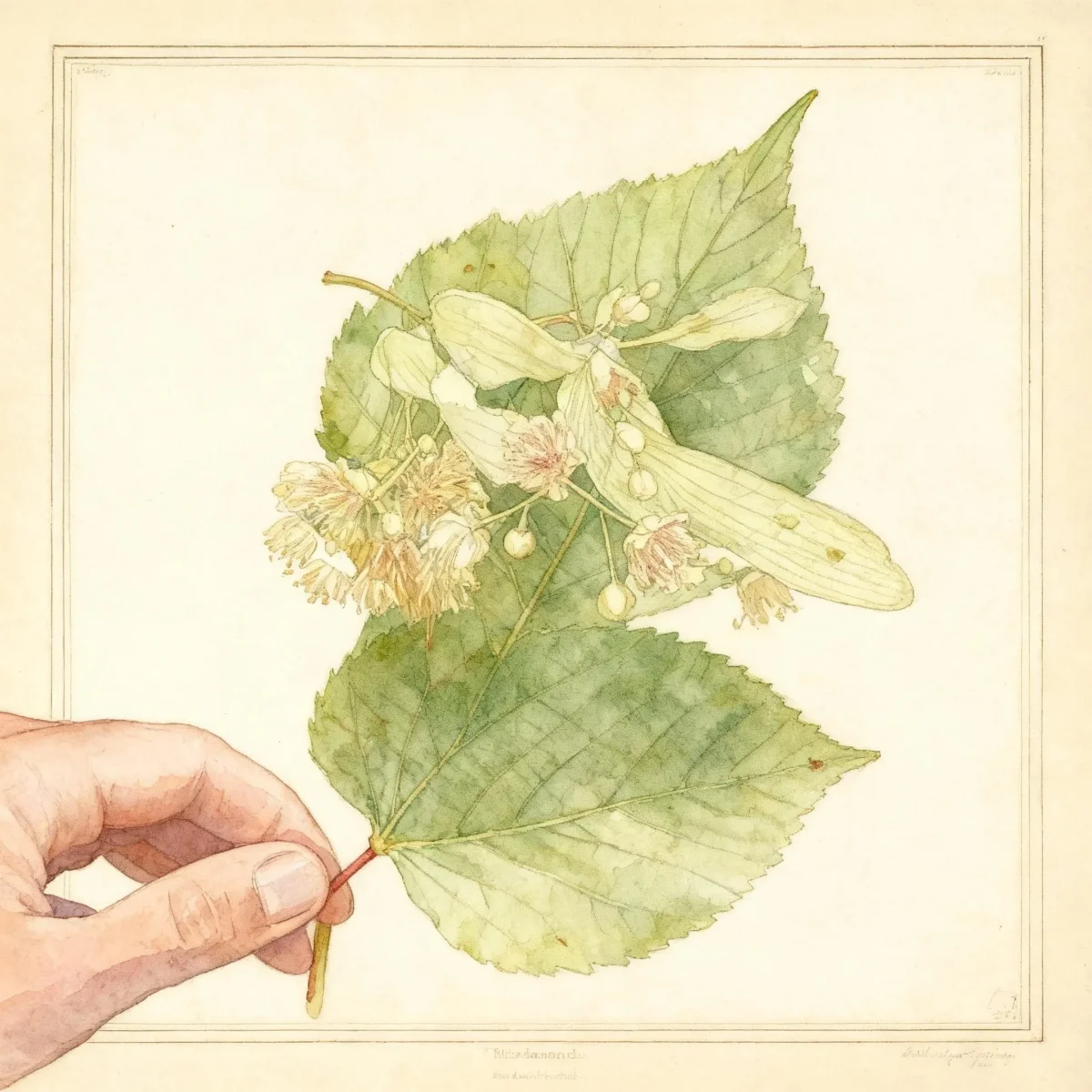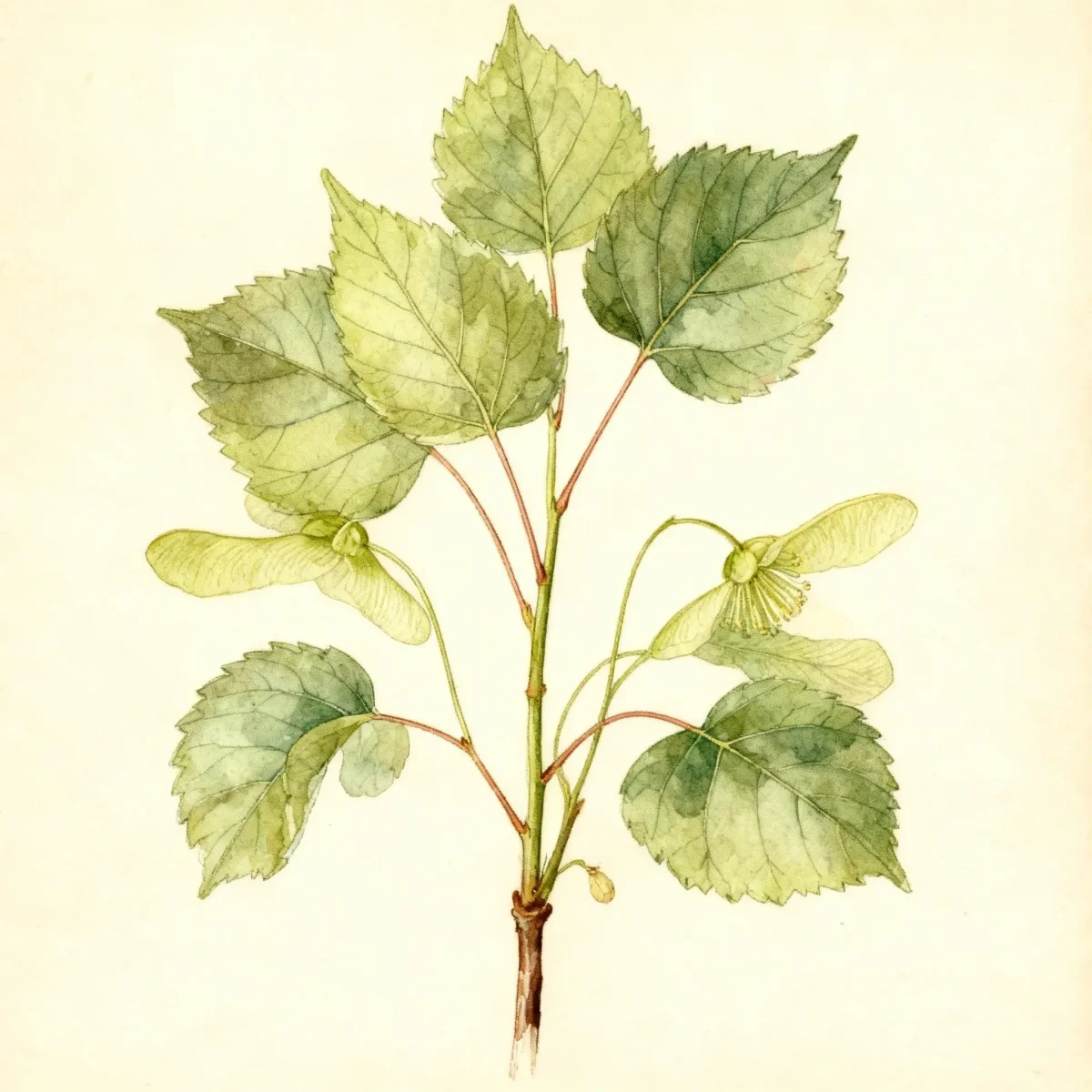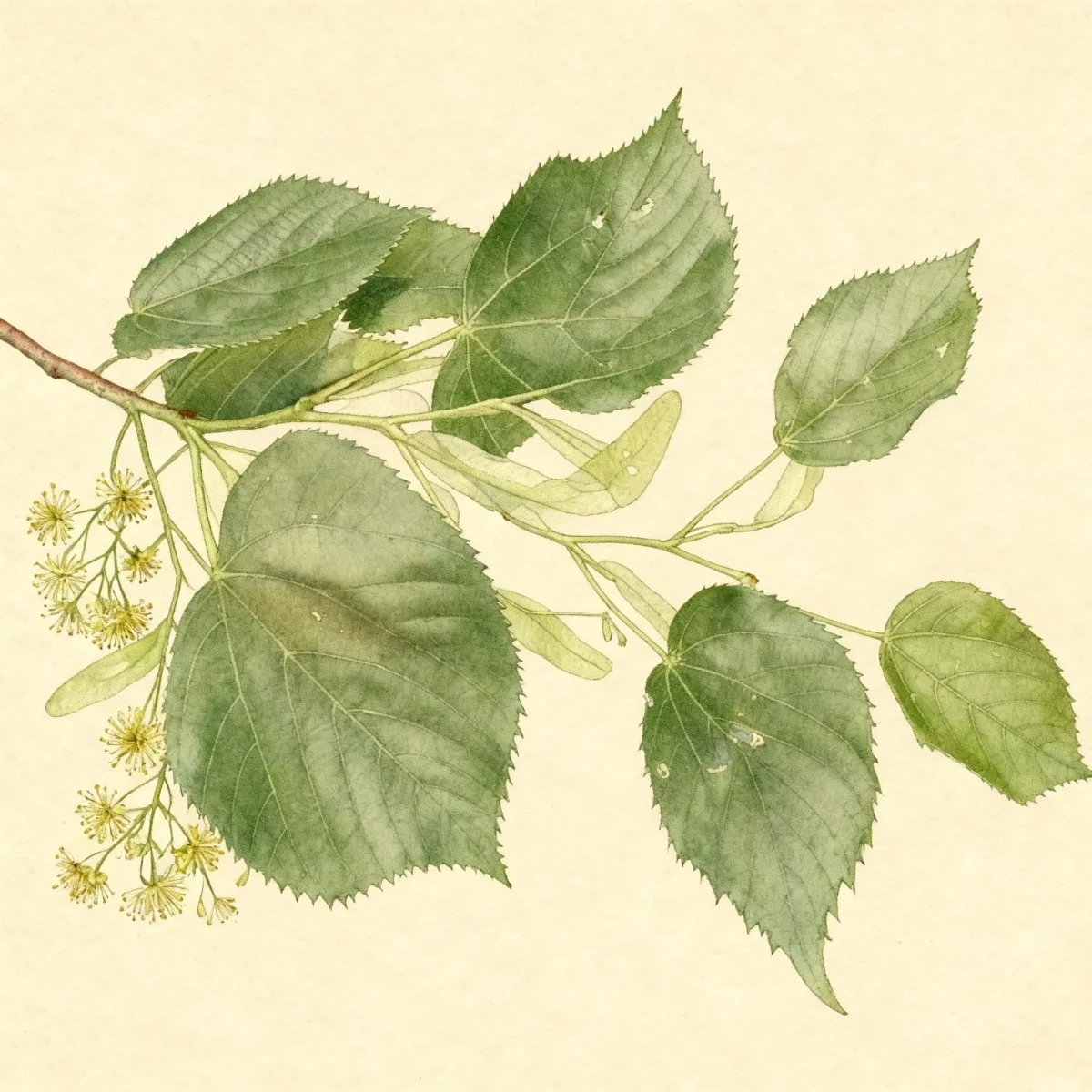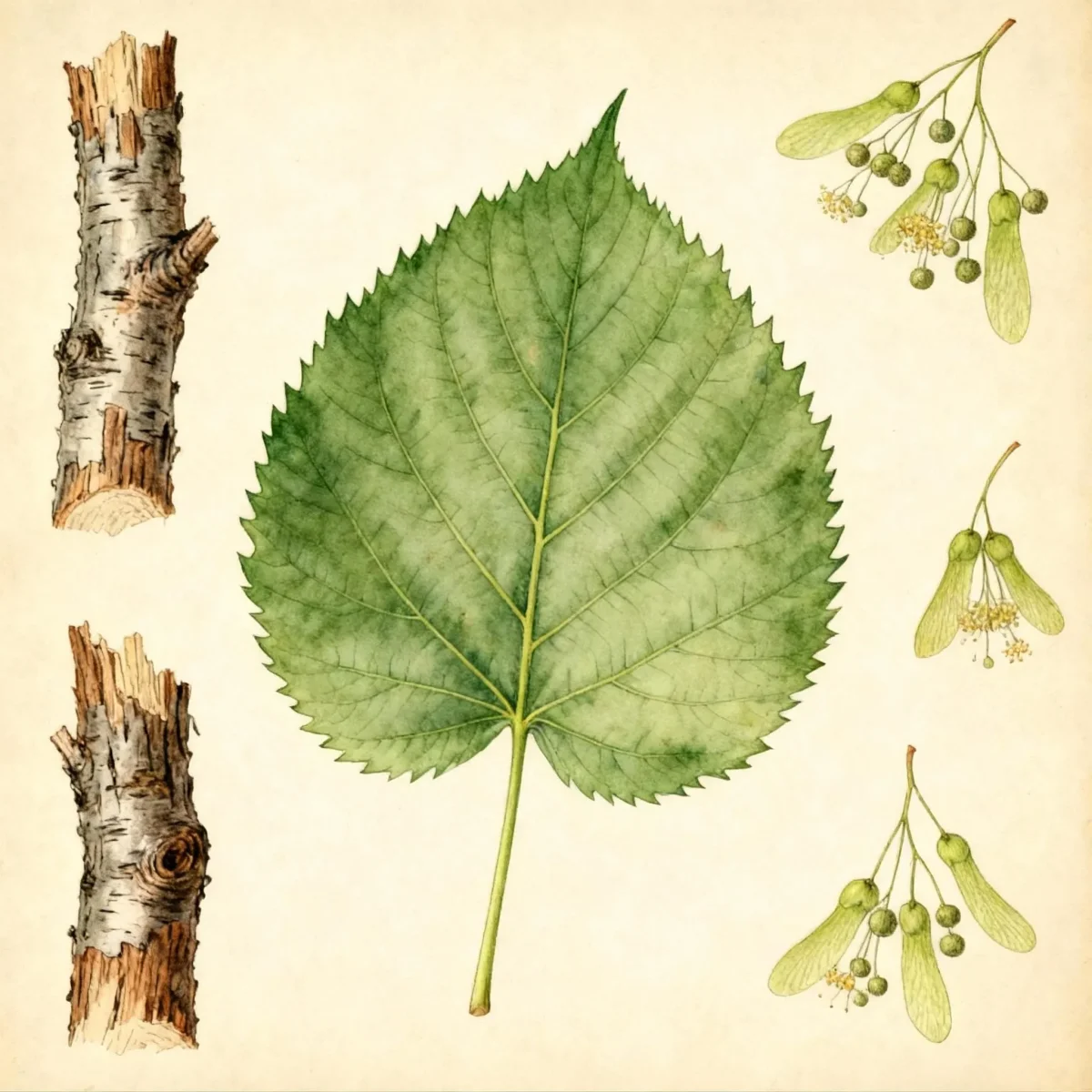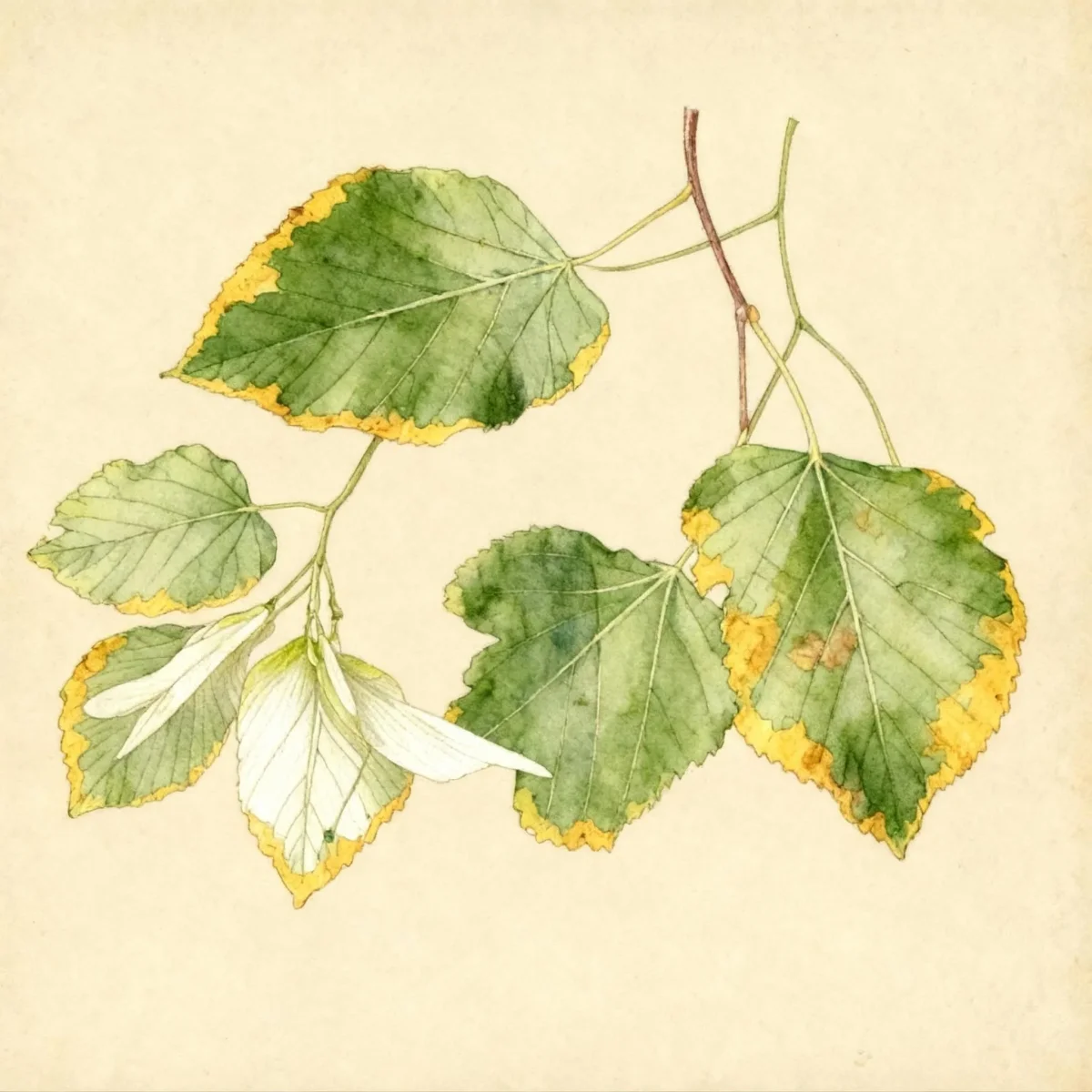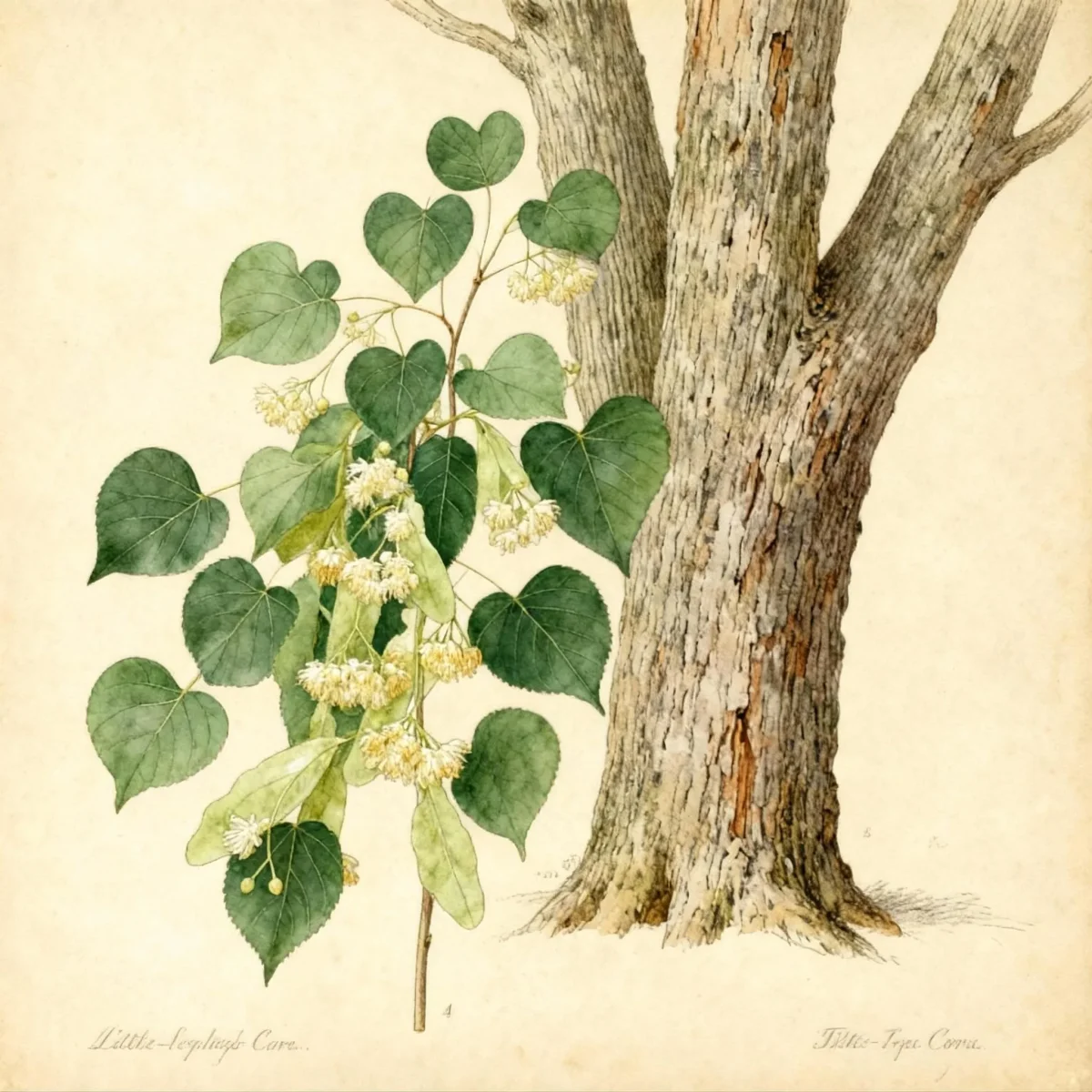

White basswood (Tilia americana var. Heterophylla)
The White basswood, Tilia americana var. heterophylla, offers fragrant June blooms and excellent shade potential as a large, handsome deciduous tree.
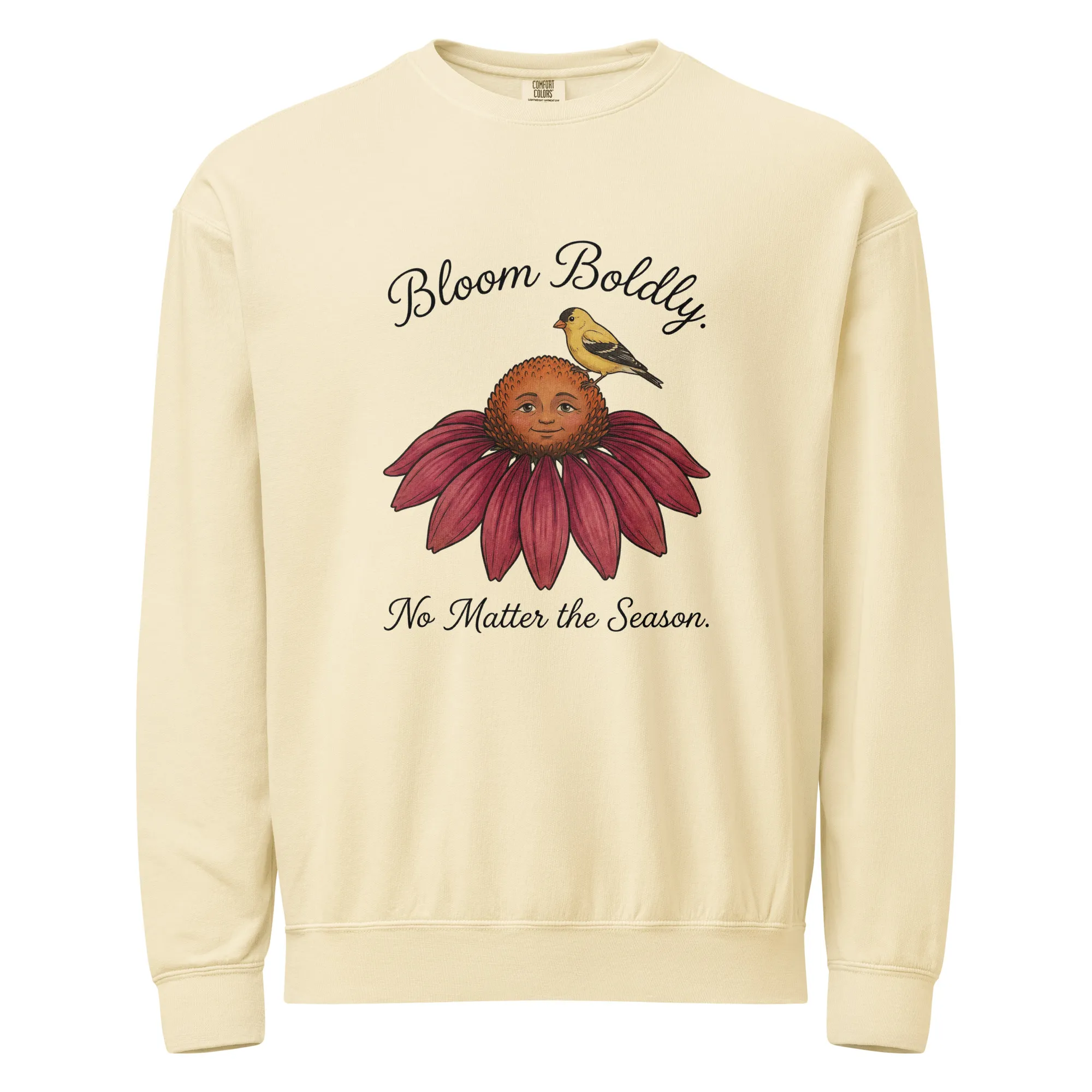
Bloom Boldly, No Matter the Season - Sweatshirt
Cozy organic cotton sweatshirt featuring our exclusive Purple Coneflower design. Perfect for gardeners who bloom year-round.
Inspired by the beautiful White basswood
Limited first batch (50) — join the waitlist for early access
Waitlist closes Feb 15, 2026.
Complete Plant Information
Field Guide Continues
Ready for care notes, companion picks, and planting tips?
The map is just the start. The full guide below covers growth habits, seasonal performance, and landscape uses.
Overview
The White basswood, scientifically known as Tilia americana var. heterophylla, is a magnificent, large deciduous tree native to the Eastern United States. It is prized by gardeners for its substantial presence, offering deep shade and masses of sweetly scented flowers that attract pollinators. This stately tree typically forms an impressive ovate-rounded crown, making it a superb focal point in large landscapes.
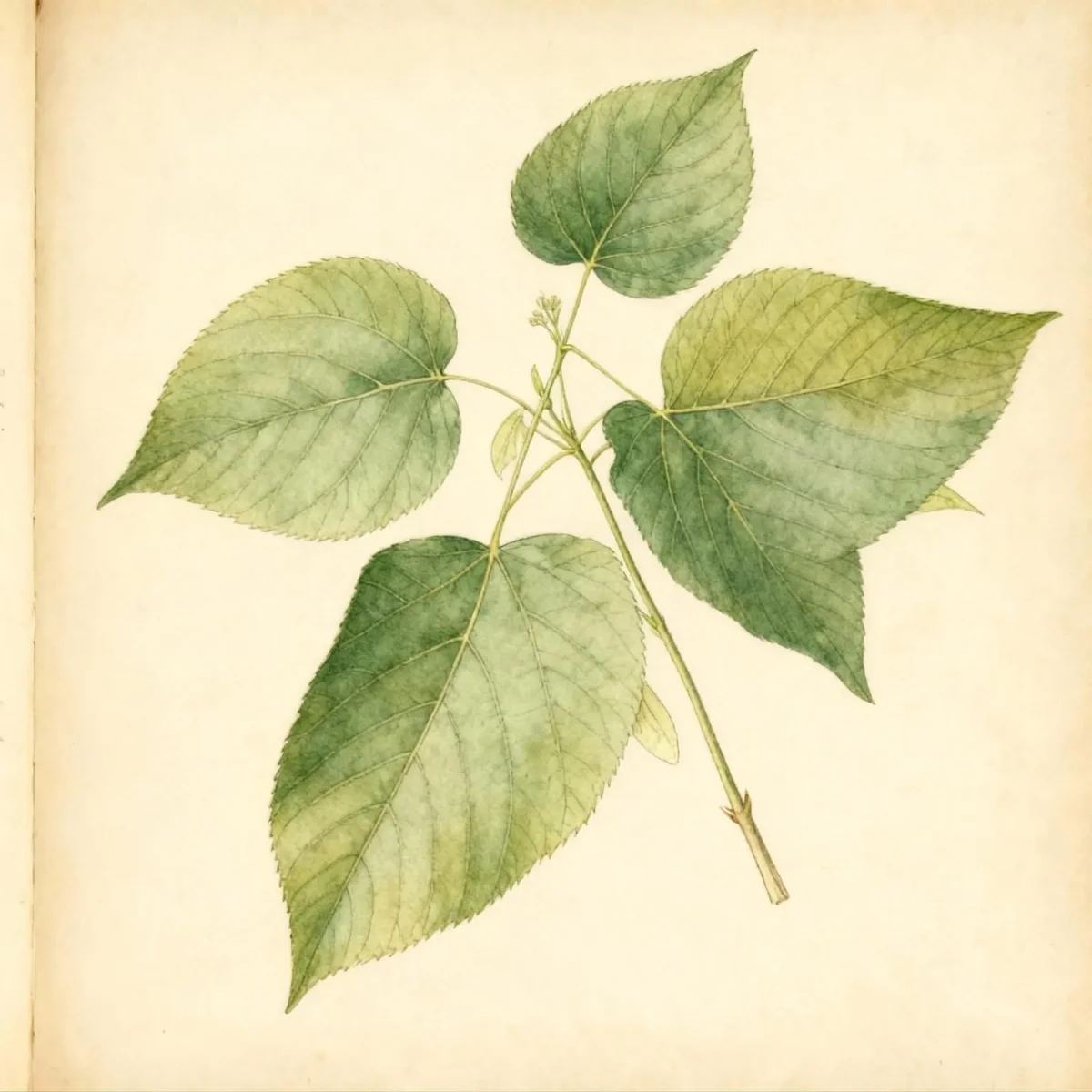
Distinguishing features of Tilia americana var. Heterophylla include large, ovate dark green leaves, often possessing a distinctive whitish underside. While it is closely related to the common American basswood, the variety heterophylla offers slightly different floral arrangements and a more southerly native range. This species is generally low maintenance once established, rewarding the patient grower with robust growth.
Beyond aesthetics, the White basswood has historical significance; its tough inner bark (bast) was historically used for making rope. Its abundant flowers, which bloom in June, produce a pale yellow display and are so fragrant and attractive to bees that humming can often be heard nearby. If you have the space, this tree provides unparalleled structural beauty and ecological benefit.
Fast Facts
- Plant Family: Malvaceae
- Plant Type: Tree
- Native Range: Eastern United States
- Hardiness Zones: USDA Zones 3-7
- Size at Maturity:
- Height: 50-80 ft
- Spread: 30-60 ft
- Bloom Time: June
- Bloom Description: Pale yellow
- Sun Exposure: Full sun to part shade
- Water Needs: Medium
- Maintenance Level: Low
How to Grow
The Tilia americana var. heterophylla establishes best when planted in the spring or fall, avoiding the stress of summer heat. Select a location offering full sun to light afternoon shade; however, remember that heavy urban pollution is poorly tolerated by this variety. This tree thrives in average, medium-moisture, well-drained loams, though it prefers rich, fertile soils if available.
Water needs are categorized as medium. Ensure consistent moisture during the initial establishment period. While Tilia americana var. heterophylla tolerates some drought once mature, avoid letting the soil completely dry out, especially during hot summers. Fertilization is rarely necessary if the planting site is naturally rich; if growth seems slow, apply a balanced slow-release fertilizer in early spring.
Maintenance is generally low. Pruning should primarily focus on removing dead, diseased, or crossing branches when the tree is dormant. Be mindful that this variety is not the best choice for harsh street tree environments due to its noted intolerance for poor air quality, despite its overall hardiness across USDA Zones 3 to 7.
Landscape Uses
The primary designation for White basswood is as a handsome ornamental shade tree, suitable for spacious lawns, parks, and large rural properties. Its massive size and dense canopy mature into an impressive focal point that can define an entire section of the landscape. Given its upright, rounded crown, Tilia americana var. heterophylla excels when placed where its size can be appreciated, such as at the edge of a large woodland planting or as a specimen tree near a large home.
While the species itself generally dislikes intense urban conditions, its sheer presence offers a classical, stately feel that few other native trees can match. It serves well as a backdrop to lower plantings, creating seasonal interest with its fragrant blooms. If utilizing it near structures, ensure adequate distance to accommodate its 30 to 60-foot mature spread.
When comparing to European lindens, note that the White basswood is a fantastic choice when native ecology is the priority, provided you have the necessary space. For smaller properties or severely impacted urban sites, consider smaller cultivated varieties of linden, though they lack the specific leaf characteristics of this native species.
Standout Features
Flower Qualities
- Showy
- Fragrant
Noteworthy Characteristics
Tilia americana var. heterophylla is noted for its fragrant, pale yellow flowers borne in cymes, accompanied by a showy, papery bract perfect for pollination displays. Characteristics include small nutlets that ripen by late summer, mucilaginous sap, and large dark green leaves often contrasted by silvery undersides in this variety. Furthermore, this tree is historically significant for its tough inner bark, which afforded the common name basswood (bastwood).
Tolerances
- Drought
Potential Problems
The White basswood boasts a relatively clean bill of health, suffering from no serious, widespread insect or disease issues. However, gardeners should monitor for less common, yet potential, problems. Occasionally, the tree might develop powdery mildew or leaf spots, which typically do not threaten the tree’s long-term viability.
Verticillium wilt is a less frequent but potentially fatal concern for Tilia americana var. heterophylla, so ensure the planting site has excellent drainage to mitigate soil-borne stress. Insect pests occasionally sighted include borers, caterpillars, and various scale insects. Hot, dry periods can sometimes stress the tree, leading to noticeable damage from spider mites.
Management involves ensuring excellent cultural conditions—namely, proper moisture and drainage—to keep the tree vigorous enough to fight off minor infections. Inspect branches in late winter for signs of borers and address any significant infestations swiftly.
Frequently Asked Questions
What hardiness zones is White basswood suitable for?
The White basswood (Tilia americana var. heterophylla) is well-suited for cultivation across USDA Hardiness Zones 3 through 7.
How large does Tilia americana var. Heterophylla grow?
This tree can achieve substantial dimensions, typically reaching heights between 50 and 80 feet, with a mature spread ranging from 30 to 60 feet wide.
When does White basswood bloom?
This species flowers in June, producing clusters of pale yellow blossoms known for their strong, pleasant fragrance.
What sun exposure does Tilia americana var. heterophylla need?
It prefers conditions ranging from full sun exposure up to partial shade, provided the soil remains consistently medium in moisture.
Conclusion
The Tilia americana var. heterophylla, or White basswood, stands out as a superior choice for large-scale landscape design where shade and fragrance are paramount goals. Its low maintenance needs and impressive stature make it a rewarding specimen tree across USDA Zones 3-7. Before planting, confirm you have adequate space available for its substantial mature size and aim to provide it with fertile, well-drained soil for the best results.
Wildlife Benefits
The flowering period of the White basswood is a major ecological event in the early summer landscape. When the pale yellow flowers open in June, they draw in bees in vast numbers, leading to the production of highly prized honey derived from the nectar. This heavy reliance on pollinators makes it an ideal addition to wildlife gardens or properties where supporting local insect populations is a priority.
The small nutlets that follow the flowers provide another source of food later in the season. While not a primary food source for many large birds, the dense structure of the mature tree offers excellent nesting and roosting cover throughout the year. Selecting Tilia americana var. heterophylla supports local ecosystems where it is native in the Eastern United States.
Companion Planting Ideas
When siting the White basswood, select companions that share its preference for medium moisture and well-drained loams. Avoid water-loving perennials directly at the base while the tree establishes, focusing instead on groundcovers that can tolerate the developing shade. In larger, naturalized settings, native understory shrubs that prefer slightly acidic to neutral soil pH, such as certain viburnums or witch hazel, pair well contextually.
For managed landscapes, consider planting moisture-tolerant ornamental grasses or shade-loving perennials that do not aggressively compete for surface water resources. Because this basswood can reach substantial height (up to 80 feet), it functions best as a backend anchor plant, allowing smaller, sun-loving shrubs to thrive along its periphery where light dappling occurs.