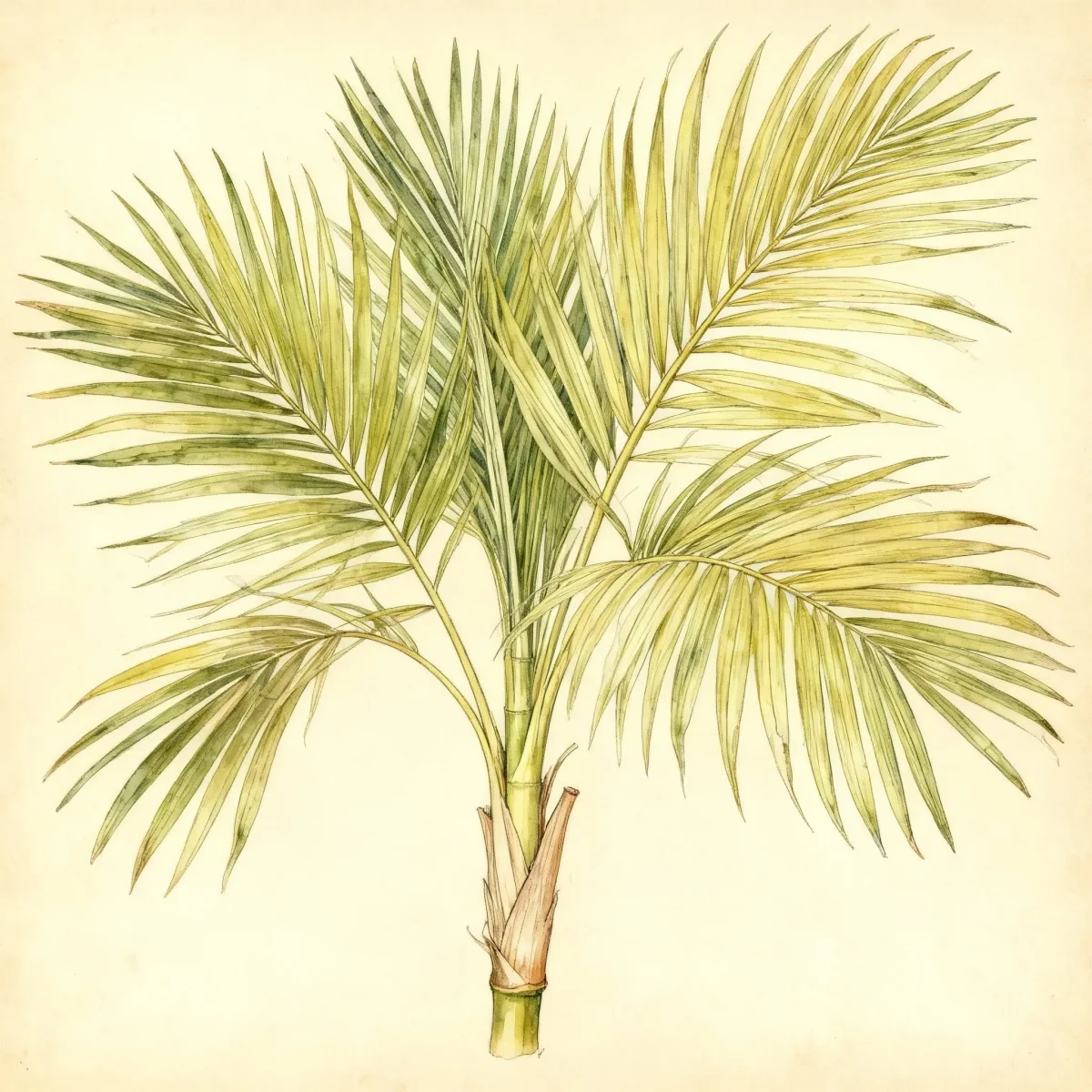
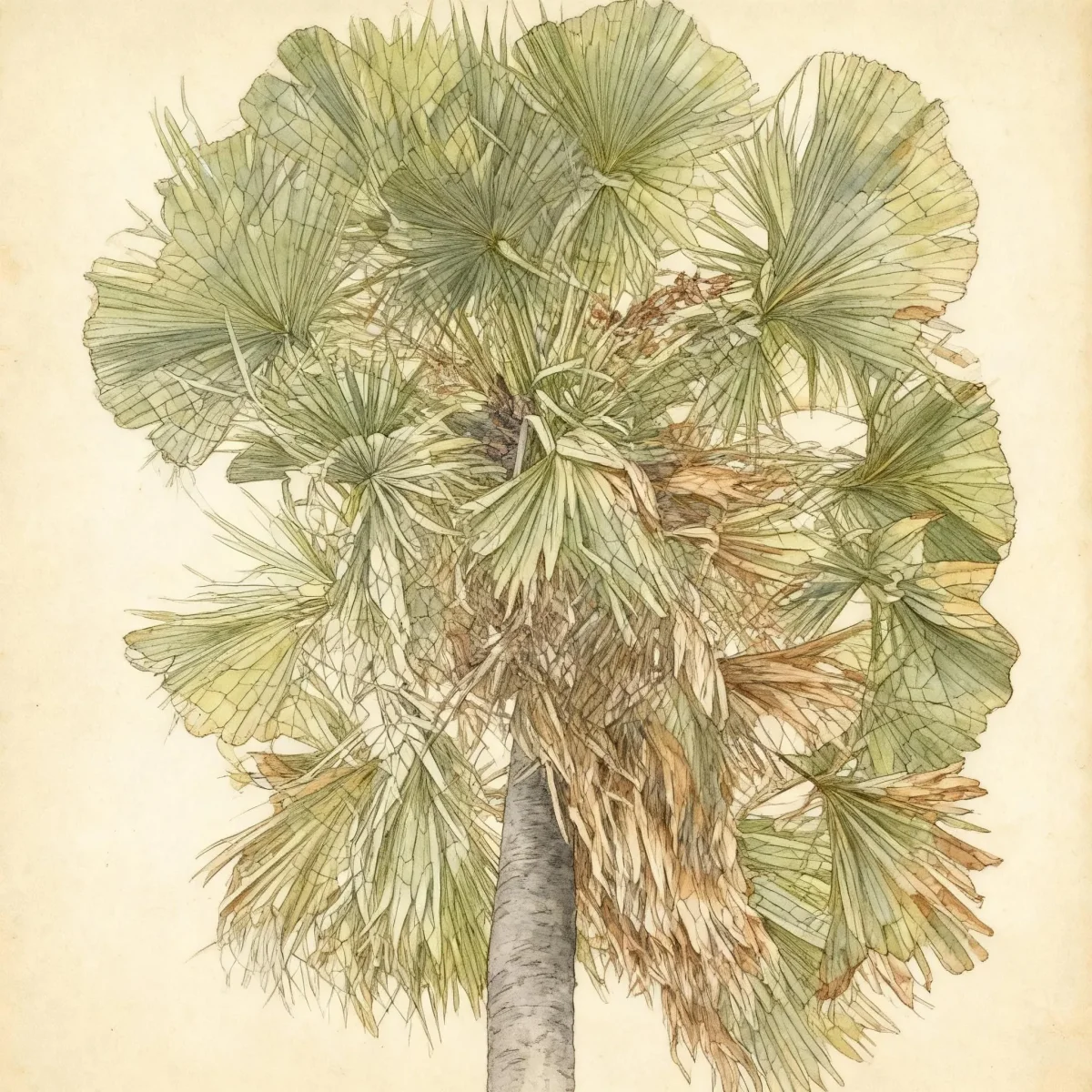
European fan palm (Chamaerops humilis var. Humilis)
Hardy European fan palm, Chamaerops humilis var. humilis, thrives in Zones 9-11, offering striking fan-shaped leaves and reliable structure.
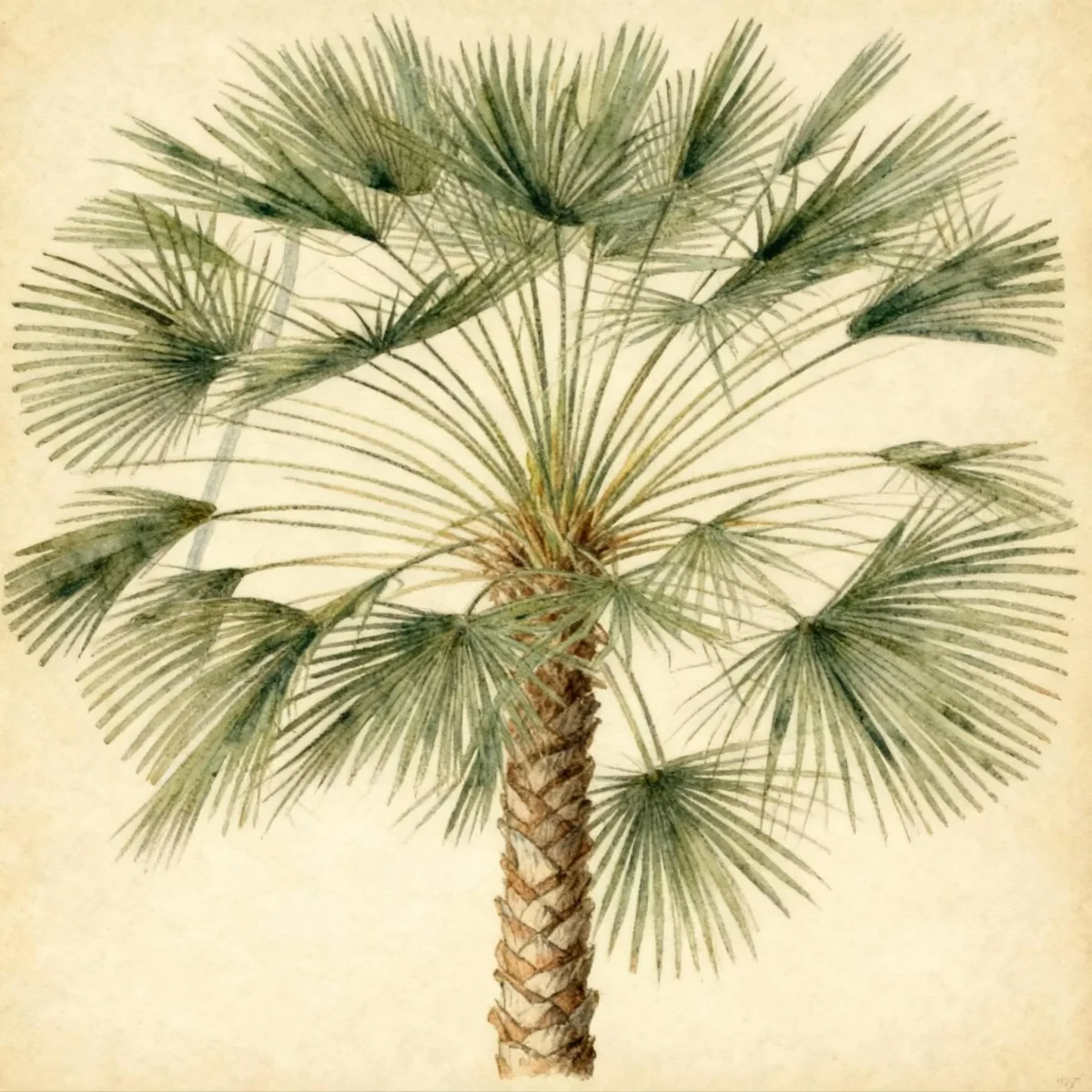

Bloom Boldly, No Matter the Season - Sweatshirt
Cozy organic cotton sweatshirt featuring our exclusive Purple Coneflower design. Perfect for gardeners who bloom year-round.
Inspired by the beautiful European fan palm
Limited first batch (50) — join the waitlist for early access
Waitlist closes Feb 15, 2026.
Complete Plant Information
Field Guide Continues
Ready for care notes, companion picks, and planting tips?
The map is just the start. The full guide below covers growth habits, seasonal performance, and landscape uses.
Overview
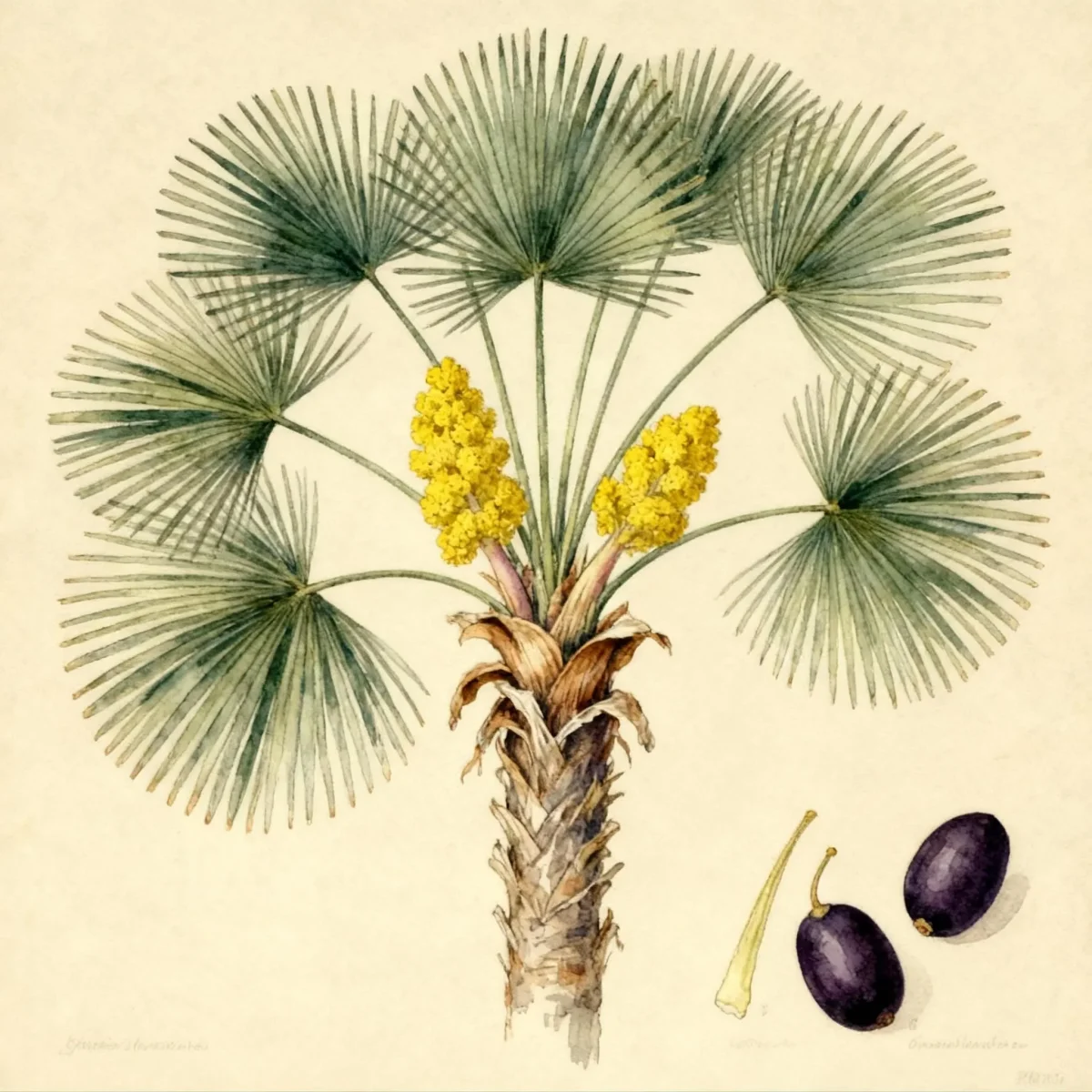
The Chamaerops humilis var. humilis, widely recognized as the European fan palm, is a treasure for temperate and borderline-hardy gardens. It holds the distinction of being the northernmost naturally occurring palm species in the world, instilling a sense of exotic resilience in any landscape. Gardeners prize this palm for its robust, multi-trunked structure and its distinctive, deeply divided, fan-shaped foliage.
This evergreen palm typically matures into a dense shrub or small tree, providing excellent architectural structure year-round. While Chamaerops humilis var. Humilis prefers rich, well-drained soil, its moderate drought tolerance once established adds flexibility to garden design. It offers a unique Mediterranean aesthetic, capable of weathering brief dips in temperature far better than most other palm species.
Whether allowed to sucker naturally for a dense clump or minimally pruned for a single trunk, the European fan palm makes a striking specimen. Its hardiness combined with its stately, upright growth habit ensures it remains a focal point, offering both screening and visual interest across USDA Zones 9 through 11.
Fast Facts
- Plant Family: Arecaceae
- Plant Type: Palm or Cycad
- Native Range: Europe, northern Africa
- Hardiness Zones: USDA Zones 9-11
- Size at Maturity:
- Height: 6-15 ft
- Spread: 6-20 ft
- Bloom Time: April to May
- Bloom Description: Yellow
- Sun Exposure: Full sun to part shade
- Water Needs: Medium
- Maintenance Level: Medium
How to Grow
Planting should occur in spring after the danger of frost has passed, ensuring the location receives full sun for the most compact growth, although part shade is tolerated. The European fan palm demands rich, moist, and crucially, well-drained soils. Avoid overly moist conditions, as root rot is a primary concern. Best growth is observed in climates mimicking its Mediterranean origins.
Watering should be consistent, especially for newly planted specimens, due to its requirement for consistent moisture. While Chamaerops humilis var. humilis develops some drought tolerance as it matures, regular deep watering during dry spells will maintain its vibrant appearance. Fertilization is generally unnecessary if the soil is rich, but a slow-release palm fertilizer can be applied during the growing season if growth appears stunted.
This palm exhibits better winter hardiness than many tropical species, tolerating brief dips down to 15-20°F when mature. In colder regions (below Zone 8b), container growing is an excellent solution; bring these potted Chamaerops humilis var. humilis indoors to a cool, bright, sunny location for overwintering.
Suckers emerging from the base can be left to create a desirable multi-trunk clump, or they can be carefully removed if a single trunk form of the European fan palm is desired. Note that dividing established clumps or removing suckers can be challenging, so training decisions should be made early.
Landscape Uses
The versatility of the European fan palm allows it to fit various design schemes, from formal Mediterranean gardens to modern xeriscapes. Unpruned, it creates a dense, bushy texture ideal for use as a medium-height screen or a robust barrier plant along property lines. When suckers are removed to promote a single trunk aesthetic, it functions elegantly as a specimen plant, drawing the eye upward.
For patios or decks, container culture is highly successful, allowing gardeners in cooler zones to enjoy the structural beauty of the Chamaerops humilis var. humilis. Grouping them in threes or fives near a corner of a structure accentuates their texture and form. They pair well with lower-growing, drought-tolerant Mediterranean materials like lavender, rosemary, or ornamental grasses that appreciate similar sun exposure.
Its architectural, upright irregular form makes it excellent for providing vertical accent interest. Whether used as a background element or foreground focal point, the fan-shaped leaves of the Chamaerops humilis var. Humilis provide superb textural contrast against broadleaf evergreens.
Standout Features
Flower Qualities
- Showy
Noteworthy Characteristics
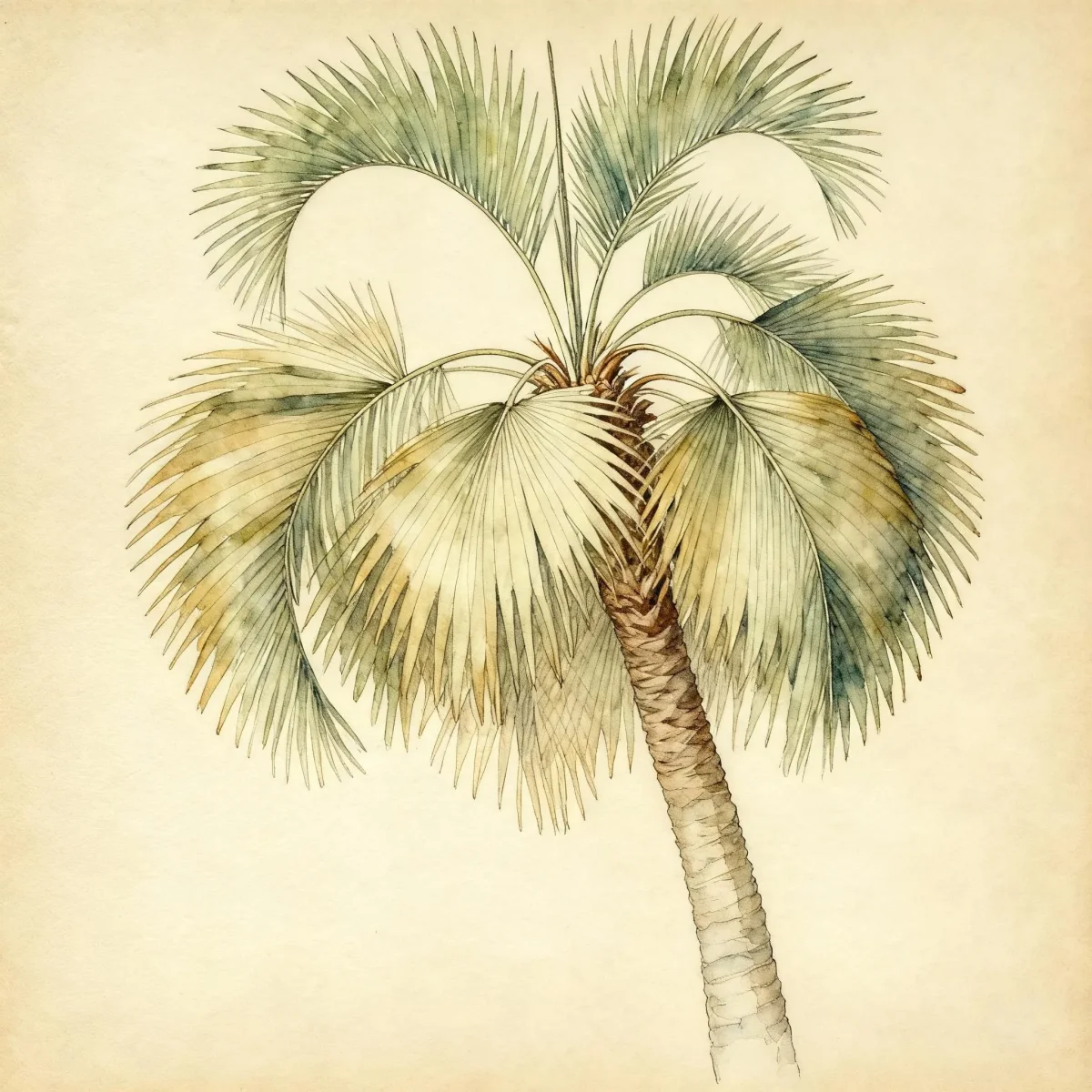
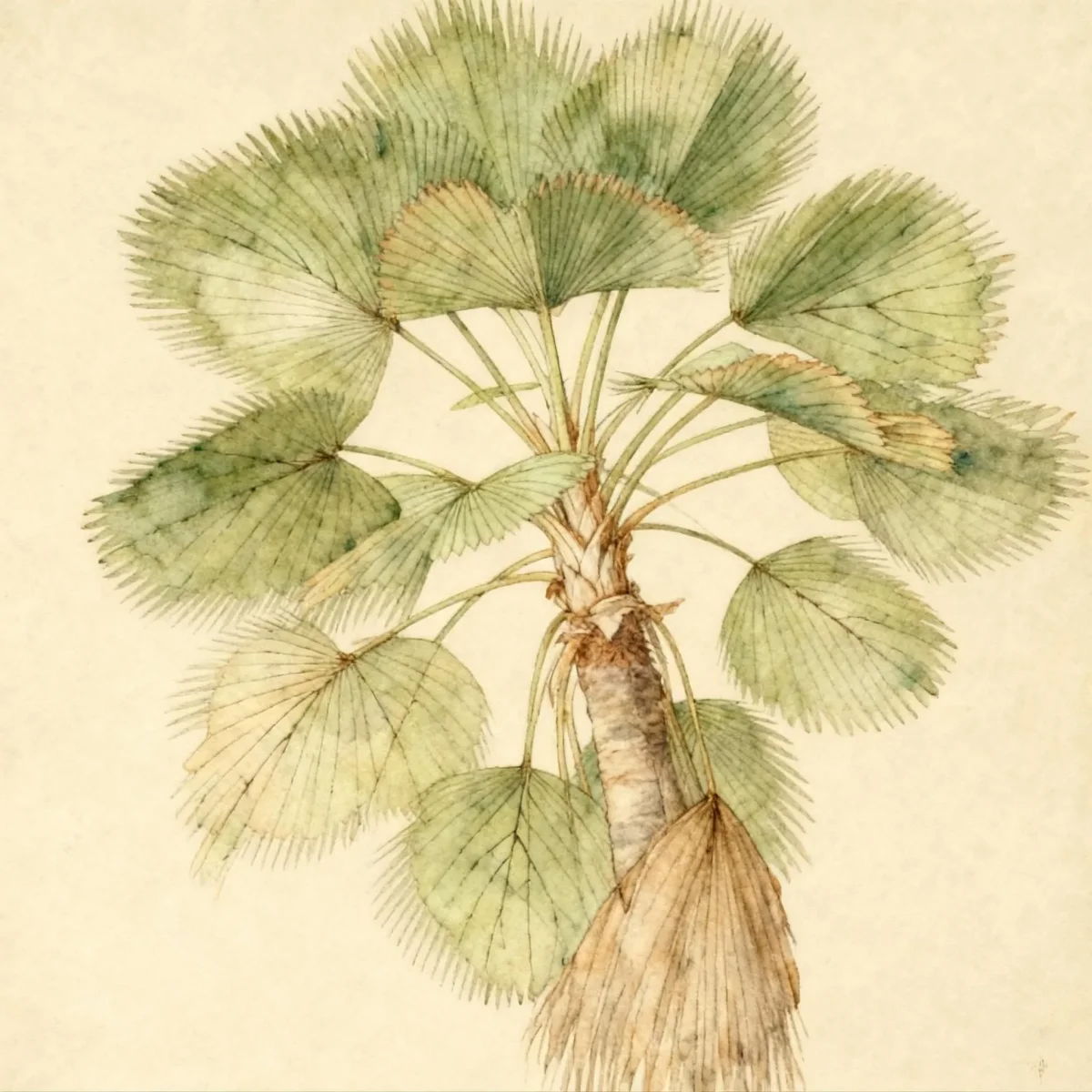
The Chamaerops humilis, commonly known as Mediterranean fan palm or European fan palm, is a single- to multiple-trunked evergreen palm with an upright irregular form that typically matures as a shrub or small tree growing to 6-15’ tall. It often suckers from the base of the main trunk to form a clump of 8-10 trunks, but it can be easily trained to grow with a single trunk by regularly removing the suckers. Huge, distinctive, triangular, fine-textured, palmate-compound leaves are ornamentally attractive, featuring 10-20 narrow, finger-like leaflets arranged in the shape of a fan at the end of a spiny petiole.
Tolerances
Companion Planting
Success with the European fan palm relies on pairing it with plants that share its preference for excellent drainage and full sun exposure. Consider companion plantings that enhance its structural form without competing aggressively for space, especially considering its potential spread of up to 20 feet.
Low-growing, aromatic herbs common to the Mediterranean basin thrive alongside Chamaerops humilis var. humilis. Think of trailing Rosemary, creeping Thyme, or drifts of Russian Sage for textural contrast at the base. These companions also appreciate the sharp drainage that this palm requires.
In container settings, use slower-growing, perhaps contrasting textured plants like succulents or dwarf ornamental grasses to keep the focus on the palm’s foliage without creating an overcrowded pot. Ensure any container mix is lean and fast-draining to mimic the rocky soils this species naturally inhabits.
Seasonal Care Calendar
Spring marks the prime time for both planting new Chamaerops humilis var. humilis and beginning aesthetic management. Inspect trunks for any lingering debris from winter protection and trim away any dead leaf bases if a clean look is desired, though leaving them provides protection. This is also the best time to remove suckers if aiming for a single-trunk specimen.
Summer care centers on monitoring moisture, especially during heatwaves in non-native regions. Apply a 2-3 inch layer of mulch around the base (keeping it away from the trunk itself) to help conserve soil moisture and regulate root temperature. Resume regular watering if you see signs of wilting.
Autumn preparation is vital in zones marginal for this palm. Reduce watering as temperatures cool to help the plant harden off slightly before winter. If growing in a container, plan to move it to its cool, bright overwintering location before the first hard frost threatens temperatures below 20°F.
Potential Problems
The European fan palm is generally resilient, noted for having no truly serious insect or disease issues when grown in appropriate conditions. However, like many palms, stressed or crowded specimens can occasionally attract opportunistic pests.
Monitor closely for common sucking insects such as mealy bugs, scale, and spider mites, particularly if the palm is kept indoors over winter or is experiencing drought stress. Inspect the undersides of the leaves and the crown area regularly.
Management typically involves spot-treating minor infestations with horticultural oil or insecticidal soap, applied directly to the pests. Ensuring the plant remains healthy by meeting its medium water and full sun needs is the best long-term preventative measure against pest outbreaks.
Frequently Asked Questions
What hardiness zones is European fan palm suitable for?
The Chamaerops humilis var. humilis is generally hardy in USDA Zones 9 through 11, tolerating brief cold snaps down to 15-20°F under ideal conditions.
How large does European fan palm grow?
This palm typically reaches heights between 6 to 15 feet, with a spread that can range widely from 6 feet up to 20 feet wide depending on whether it is kept pruned to a single trunk or allowed to form a dense clump.
What sun exposure does Chamaerops humilis var. humilis need?
It prefers a bright, sunny location, thriving best in full sun, but it tolerates part shade, though excessive shade can cause it to lose its compact, desirable shape.
When does European fan palm bloom?
The Chamaerops humilis var. humilis blooms in the spring, appearing between April and May, and the flowers are noted as being bright yellow.
Conclusion
The Chamaerops humilis var. humilis provides exceptional textural interest and reliable, low-growing structure unmatched by most other palms. Its natural hardiness makes the European fan palm an attractive, relatively low-maintenance choice for Mediterranean-style landscaping. Before planting outdoors, always confirm that your garden falls within USDA Zones 9-11 or make plans for suitable winter protection.