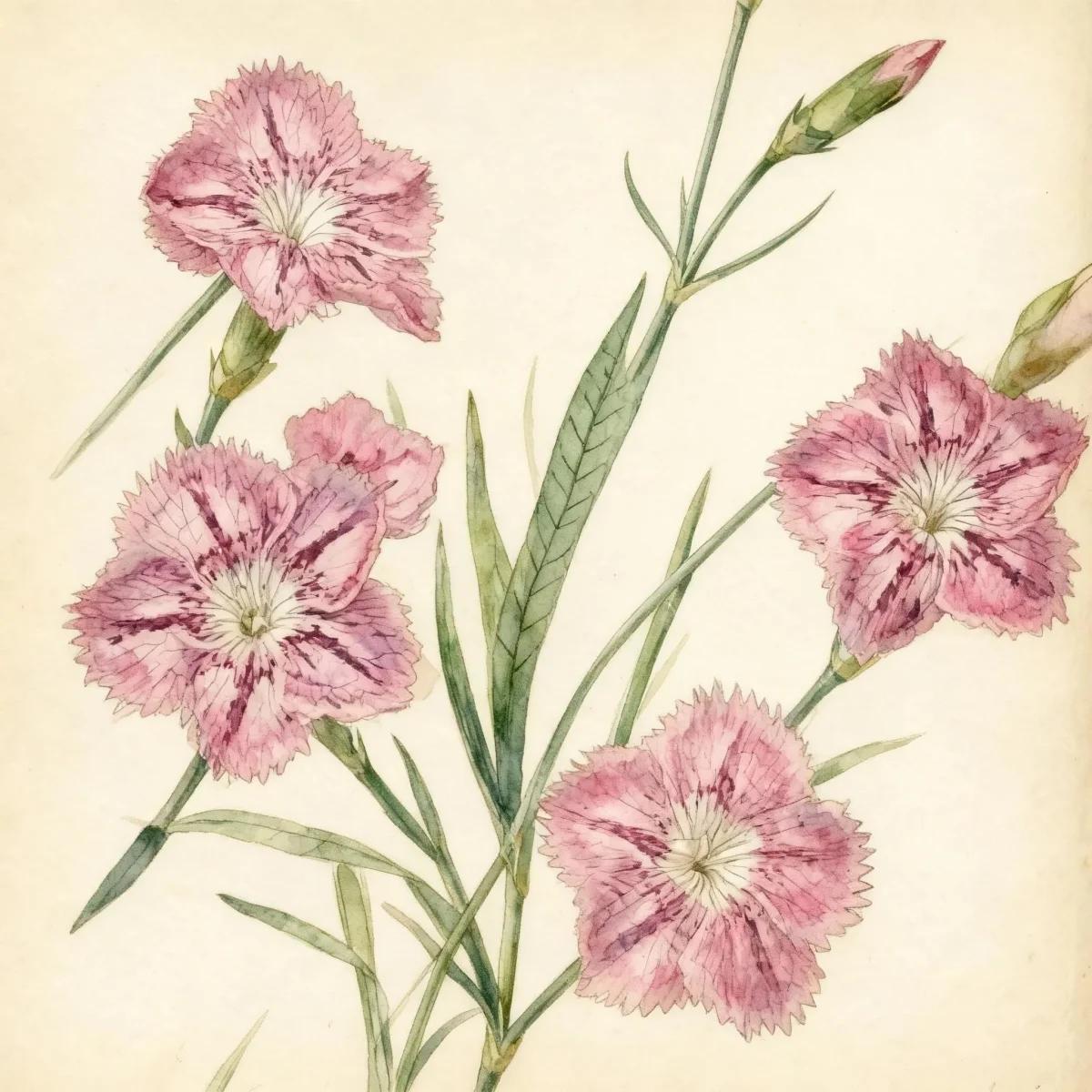
Pink (Dianthus DIAMOND SCARLET IMPROVED)
Dianthus DIAMOND SCARLET IMPROVED, a floriferous bedding Pink, offers fragrant red blooms from May to June across USDA Zones 4-8.


Bloom Boldly, No Matter the Season - Sweatshirt
Cozy organic cotton sweatshirt featuring our exclusive Purple Coneflower design. Perfect for gardeners who bloom year-round.
Inspired by the beautiful Pink
Limited first batch (50) — join the waitlist for early access
Waitlist closes Feb 15, 2026.
Complete Plant Information
Field Guide Continues
Ready for care notes, companion picks, and planting tips?
The map is just the start. The full guide below covers growth habits, seasonal performance, and landscape uses.
Overview
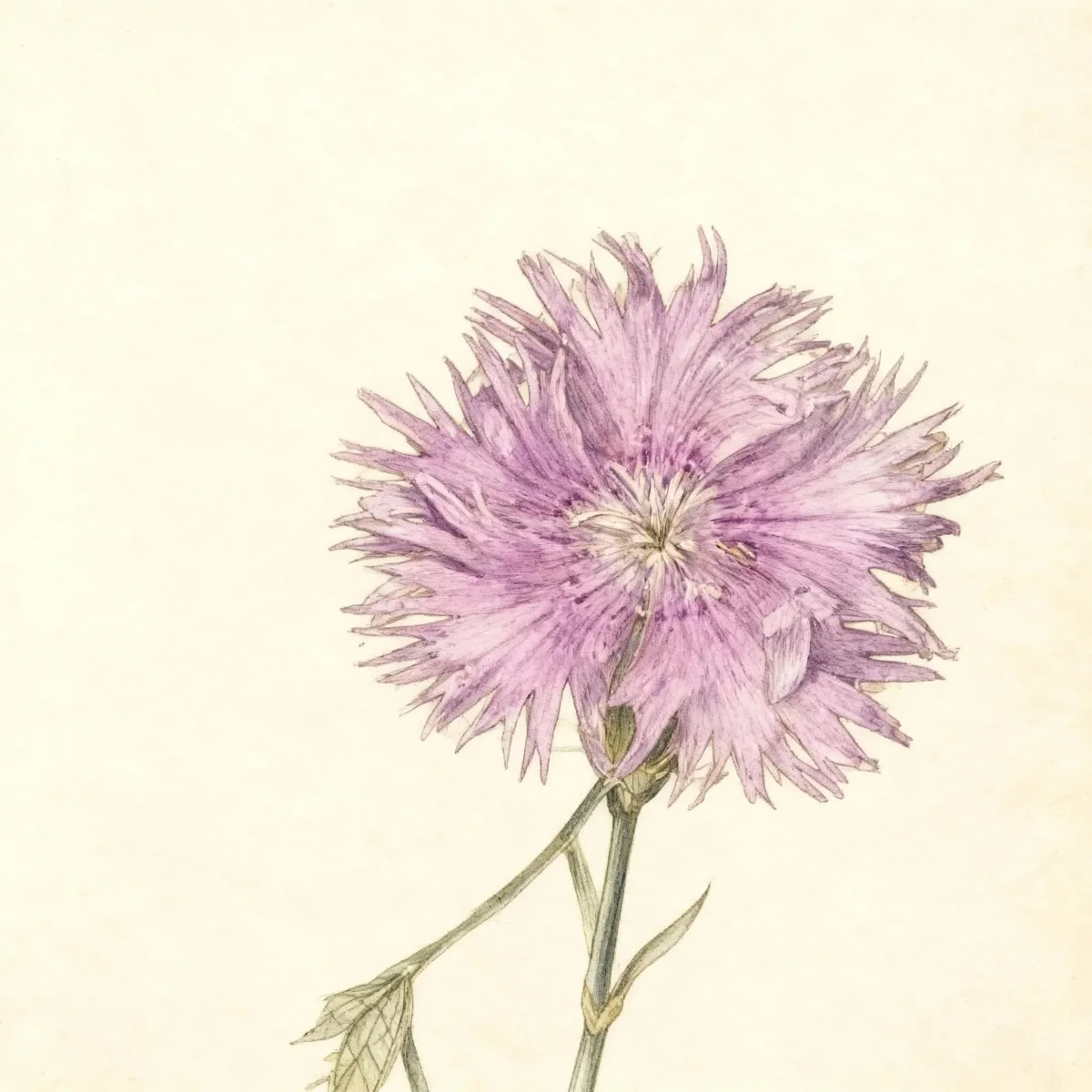
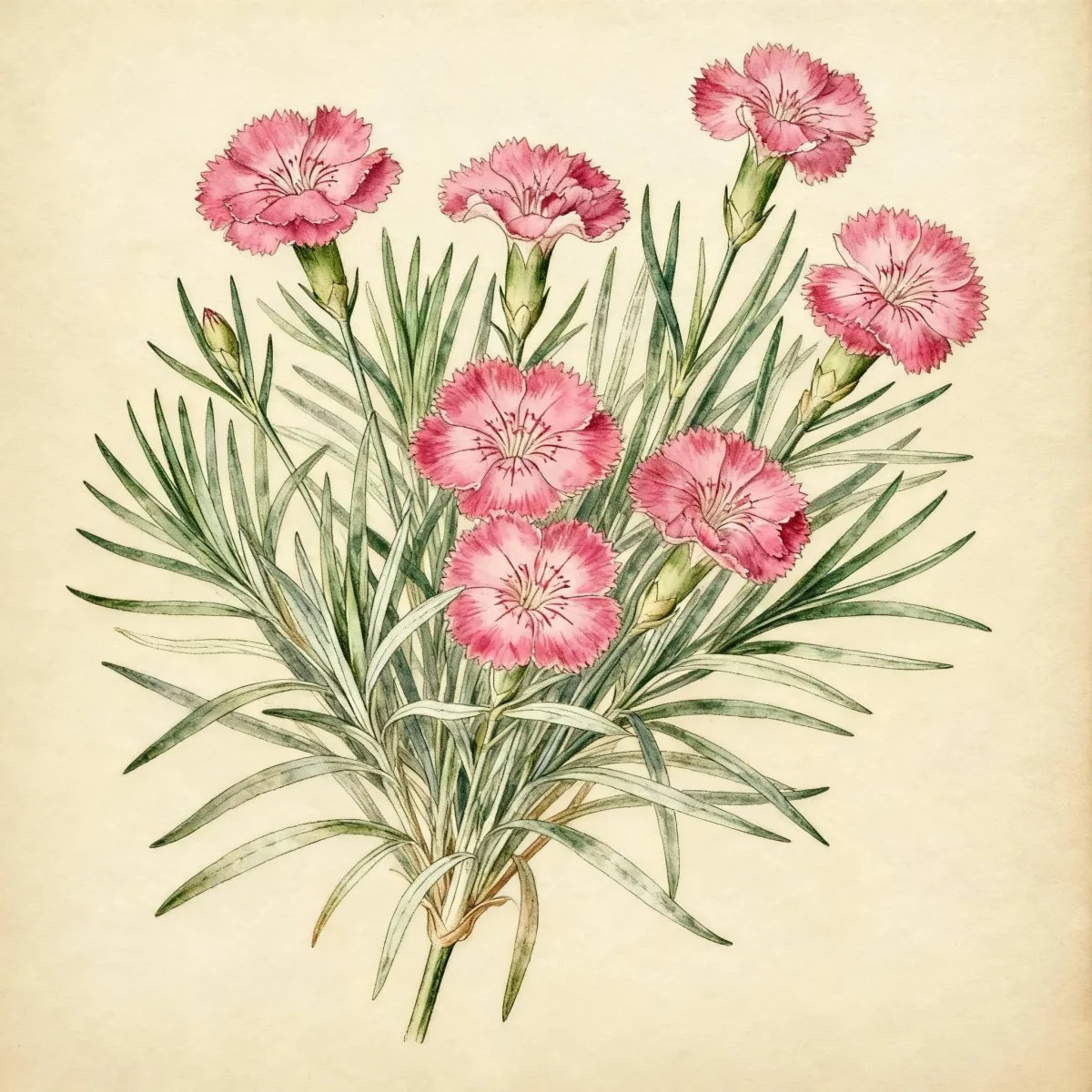
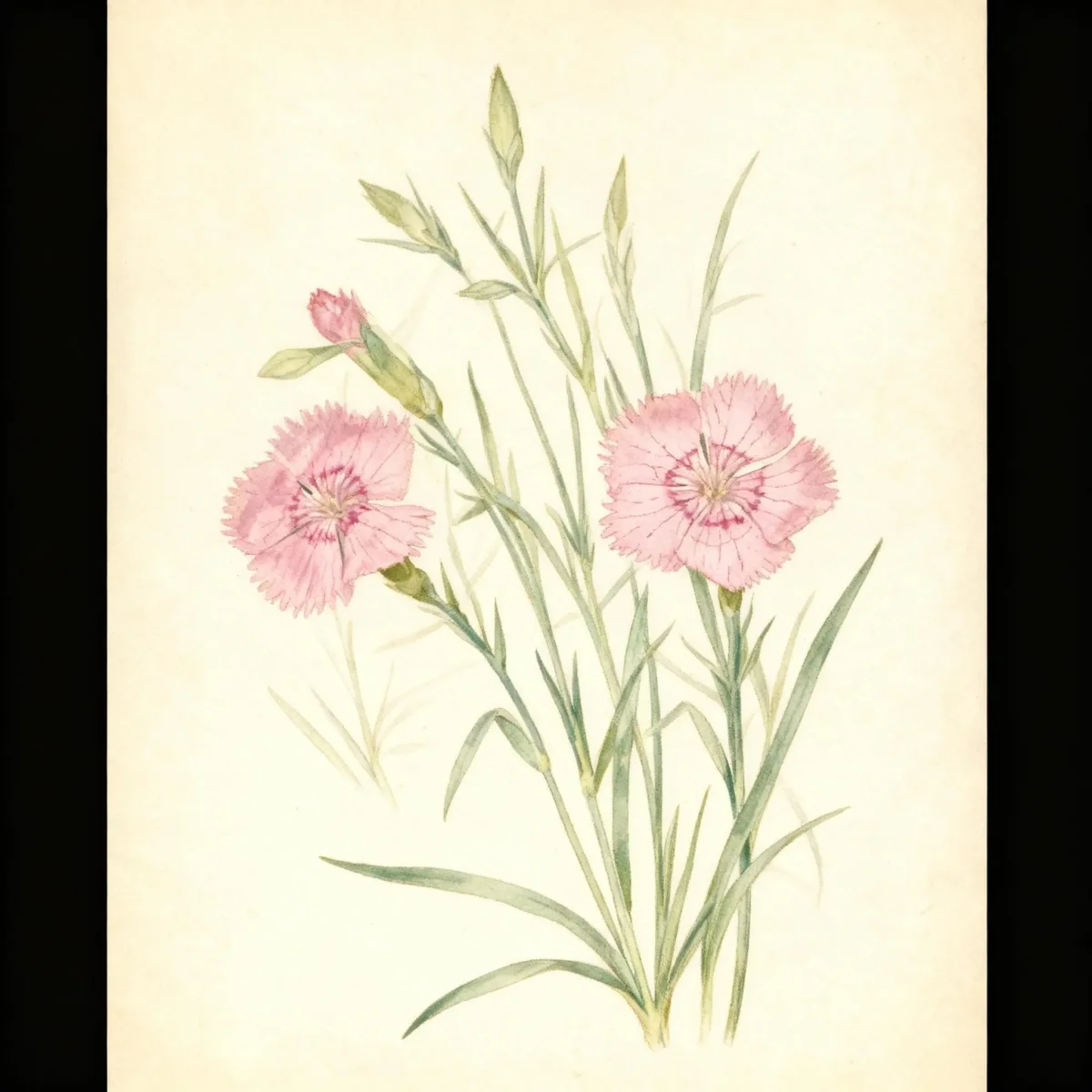
Dianthus DIAMOND SCARLET IMPROVED, commonly known as Pink, is a highly valued bedding selection prized for its abundant, fragrant red flowers. This cultivar is noted for superior performance, often blooming longer than traditional types, making it a fantastic addition for continuous seasonal color in the garden. It presents a compact, bushy habit, reaching under a foot tall, perfect for mass plantings or edging borders.
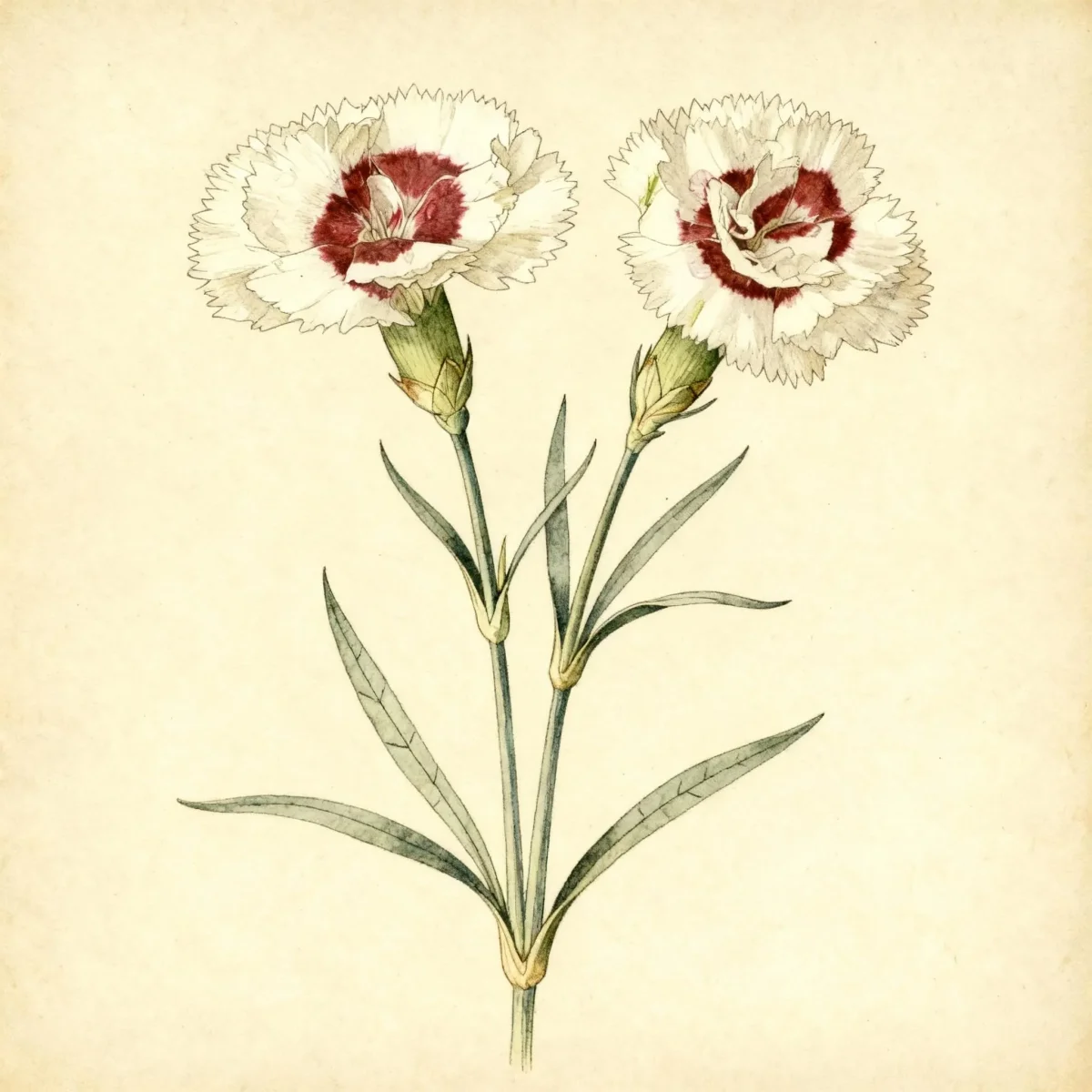
As an interspecific hybrid, this Pink offers gardeners excellent vigor and better tolerance to heat and frost variations compared to its parent species. The genus Dianthus gets its common name, Pink, likely from the deeply fringed petal margins that resemble cuts from pinking shears, rather than flower color. Planting Dianthus DIAMOND SCARLET IMPROVED ensures you benefit from rich color and delightful fragrance across the early summer landscape.
Fast Facts
- Plant Family: Caryophyllaceae
- Plant Type: Annual
- Hardiness Zones: USDA Zones 4-8
- Size at Maturity:
- Height: 0.25-0.5 ft
- Spread: 0.5-0.75 ft
- Bloom Time: May to June
- Bloom Description: Red
- Sun Exposure: Full sun
- Water Needs: Medium
- Maintenance Level: Medium
How to Grow
Dianthus DIAMOND SCARLET IMPROVED thrives when planted in rich, medium-moisture, well-drained soil. While it prefers full sun, providing some afternoon shade in extremely hot climates will maximize flower performance. Ensure the soil pH is neutral to slightly alkaline; amend acidic soils with lime as necessary before planting.
Establish plants from seed or starter plants after the danger of the last spring frost has passed in northern regions, as flowering typically begins 10-12 weeks post-seeding. In warmer zones (USDA 8-9), consider fall planting for vigorous early spring blooms. Maintain consistent moisture, as dianthus prefers evenly damp conditions but absolutely requires good drainage to prevent moisture-related issues.
Regular maintenance involves deadheading spent flowers. Removing faded blooms helps tidy the planting and actively encourages the Dianthus DIAMOND SCARLET IMPROVED to produce more of its showy, fragrant blossoms throughout the season. Minimal pruning otherwise is usually required due to its naturally contained, bushy form.
Landscape Uses
This mat-forming Pink is exceptionally versatile in landscape design. Its compact size makes Dianthus DIAMOND SCARLET IMPROVED ideal for use along border fronts, where its low profile does not obscure taller plants behind it. Consider mass planting this variety to create striking sweeps of bright red color that serve as an effective ground cover in sunny beds or on slopes.
Due to its manageable size and strong color, this dianthus is an excellent choice for rock gardens, where it can spill lightly over stones, or for the edges of pathways. The strong fragrance also makes it a perfect component for dedicated fragrance gardens, ensuring that these qualities can be enjoyed up close. Furthermore, Dianthus DIAMOND SCARLET IMPROVED performs admirably in outdoor pots and containers, either used as a dazzling annual filler or as living edging.
Standout Features
Flower Qualities
- Showy
- Fragrant
Noteworthy Characteristics
Bedding dianthus, commonly recognized as pinks or carnations, frequently originate from Chinese pinks hybridized with sweet William. Dianthus DIAMOND SCARLET IMPROVED is a particularly floriferous and compact hybrid, specifically developed as an early-blooming selection featuring intensely fragrant, 1.5-inch wide, bright red flowers. These plants possess medium green leaves that are notably wider than those found on many perennial dianthus cultivars, contributing to a dense, bushy habit reaching up to 6 inches tall.
Tolerances
- Deer
Potential Problems
Dianthus is significantly vulnerable to crown rot if planted in poorly drained soil that remains perpetually wet. To foster healthy growth and prevent fungal issues like leaf spot, ensure adequate air circulation by avoiding overly crowded plantings, especially during humid summers. Keep an eye out for common pests such as slugs, aphids, and spider mites, and treat wilt or rust promptly—while this Pink is avoided by deer, other garden inhabitants may take notice.
Frequently Asked Questions
What hardiness zones is Pink suitable for?
Dianthus DIAMOND SCARLET IMPROVED thrives in USDA Hardiness Zones 4 through 8.
How large does Dianthus DIAMOND SCARLET IMPROVED grow?
When mature, this bedding dianthus typically reaches heights between 0.25 and 0.5 feet tall, with a spread of 0.5 to 0.75 feet wide.
When does Pink bloom?
This variety generally offers its vivid red bloom display from May into June.
What sun exposure does Dianthus DIAMOND SCARLET IMPROVED need?
For the best flowering performance, this plant requires full sun exposure during the day.
Conclusion
The Dianthus DIAMOND SCARLET IMPROVED offers gardeners reliable, low-growing color combined with a highly desirable fragrance, making it an outstanding annual or short-lived perennial choice. By providing well-drained soil and consistent moisture, you can enjoy the showy red blossoms of this Pink all season long. Check your local growing zone compatibility and plan your planting schedule around the last spring frost to maximize the bloom potential of your Dianthus DIAMOND SCARLET IMPROVED.
Companion Planting
When designing beds featuring Dianthus DIAMOND SCARLET IMPROVED, select companions that share similar cultural needs for sun and medium water. Low-growing annuals like Alyssum create a soft, contrasting white or purple carpet underneath the deep red blooms of the Pink. Taller architectural plants, such as ornamental grasses or Salvias with spikes, can provide necessary vertical contrast without competing aggressively for root space.
Consider pairing this dianthus with other plants that prefer neutral to slightly alkaline soil conditions. Plants that require highly acidic soil should be avoided near your dianthus planting beds to maintain the preferred soil chemistry. Successful companion groups often include rock garden staples like creeping sedums or Aubrieta, as these share the need for sharp drainage.
Seasonal Care Calendar
For northern gardeners, planning starts in early spring by starting seeds indoors about 10–12 weeks before the last frost date to achieve summer bloom. Plant out established seedlings immediately after the danger of frost. Throughout summer, diligent deadheading is the most crucial task to maintain the compact shape and encourage continuous flowering of the DIAMOND SCARLET IMPROVED.
In regions experiencing very hot summers, ensure afternoon shade is available while avoiding overhead watering late in the day, which can increase humidity around the foliage. In fall, especially in warmer zones, a late planting can offer evergreen foliage interest throughout winter, leading to an early flush of flowers as spring begins approaching.