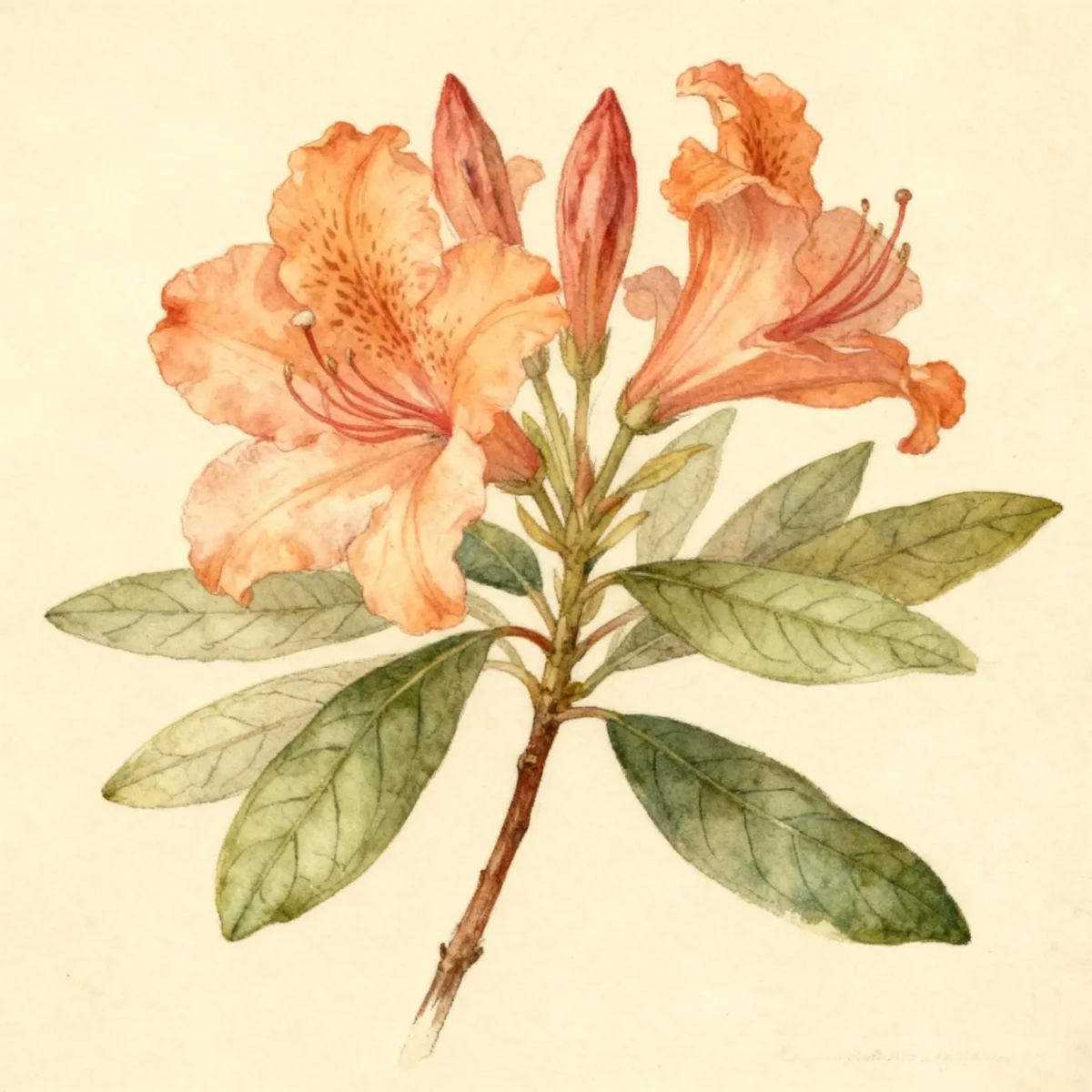
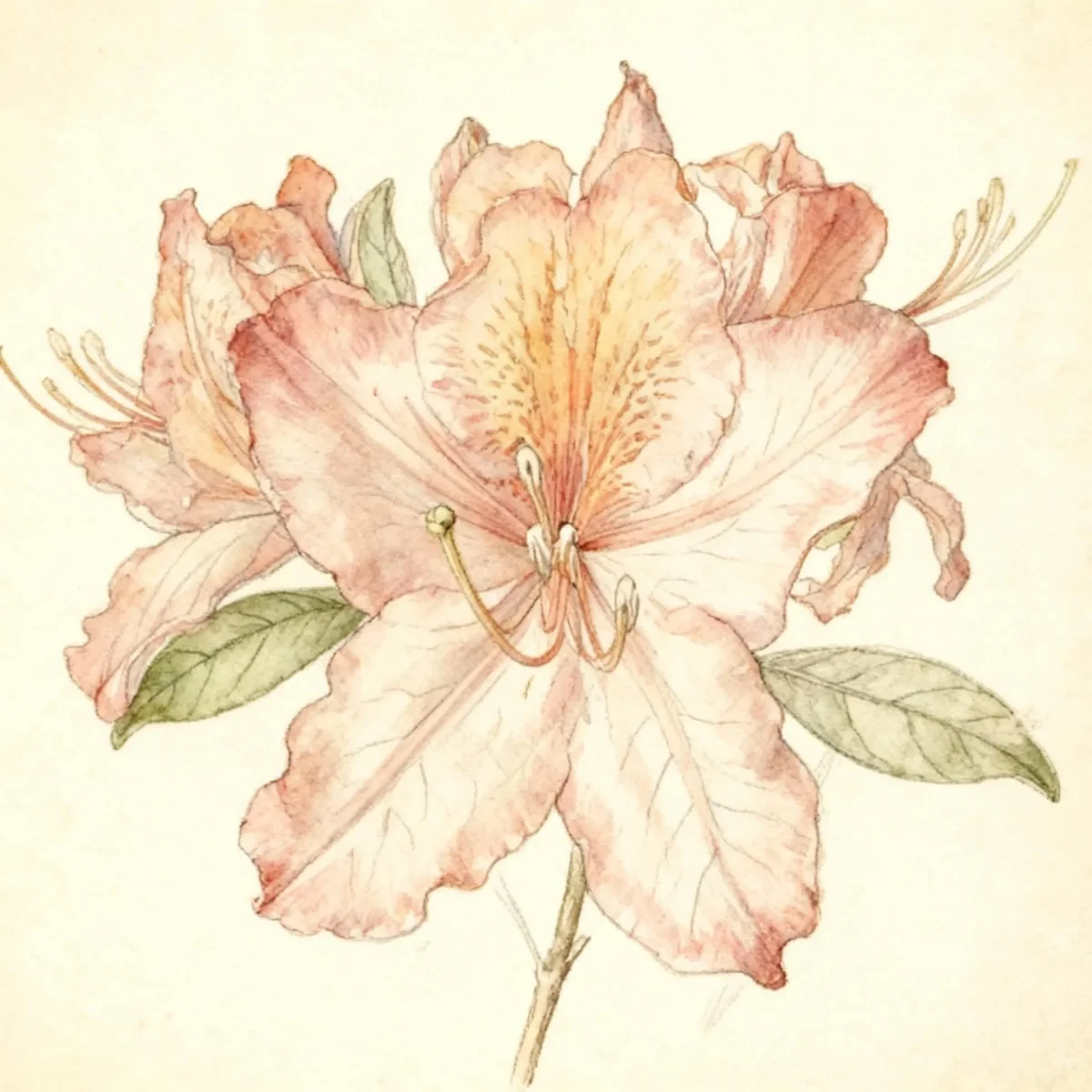
Azalea (Rhododendron 'QbackB' SOLAR FLARE)
Brilliant yellow and orange Azalea, Rhododendron 'QbackB' SOLAR FLARE, thrives in part shade, offering medium maintenance beauty in zones 5-9.
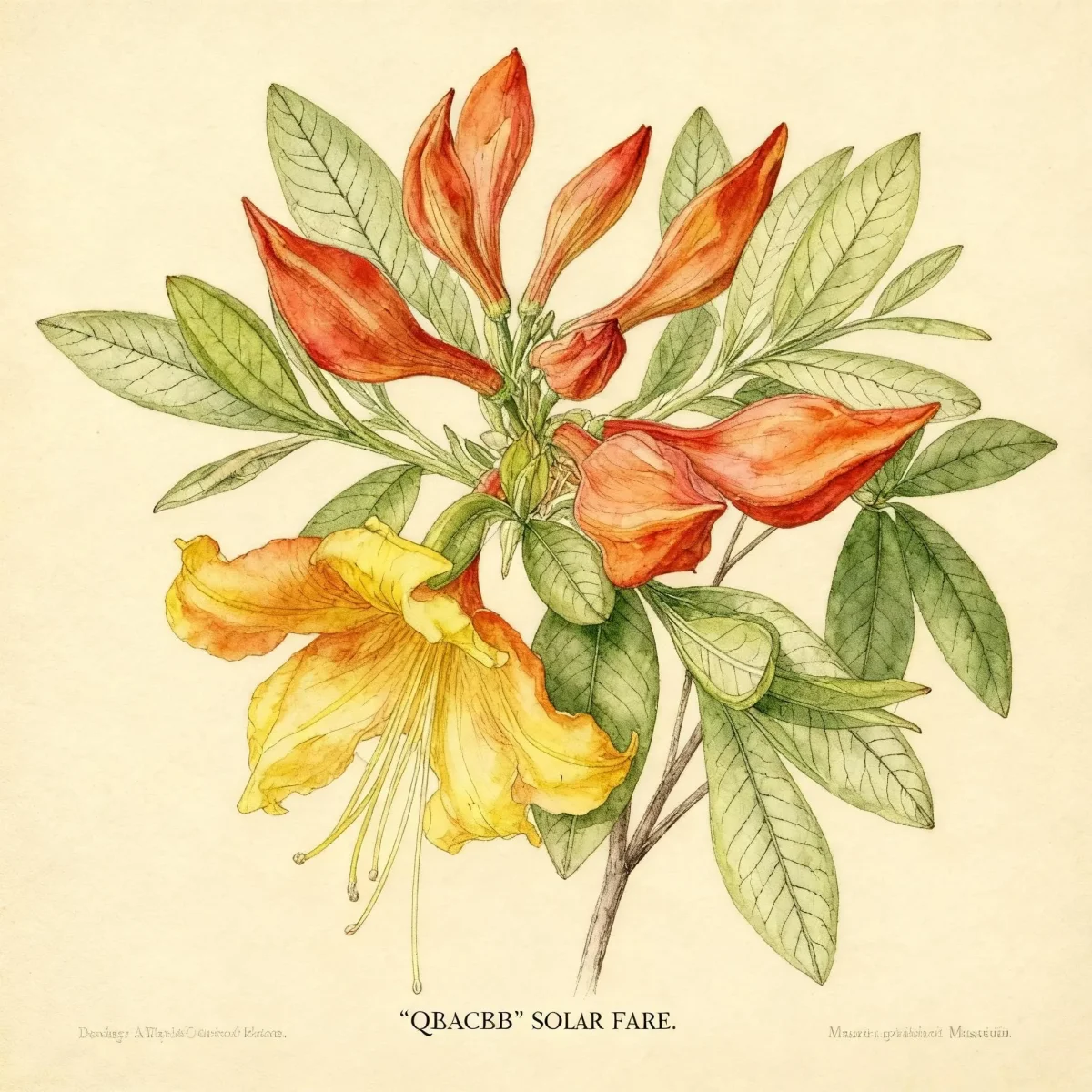

Bloom Boldly, No Matter the Season - Sweatshirt
Cozy organic cotton sweatshirt featuring our exclusive Purple Coneflower design. Perfect for gardeners who bloom year-round.
Inspired by the beautiful Azalea
Limited first batch (50) — join the waitlist for early access
Waitlist closes Feb 15, 2026.
Complete Plant Information
Field Guide Continues
Ready for care notes, companion picks, and planting tips?
The map is just the start. The full guide below covers growth habits, seasonal performance, and landscape uses.
Overview
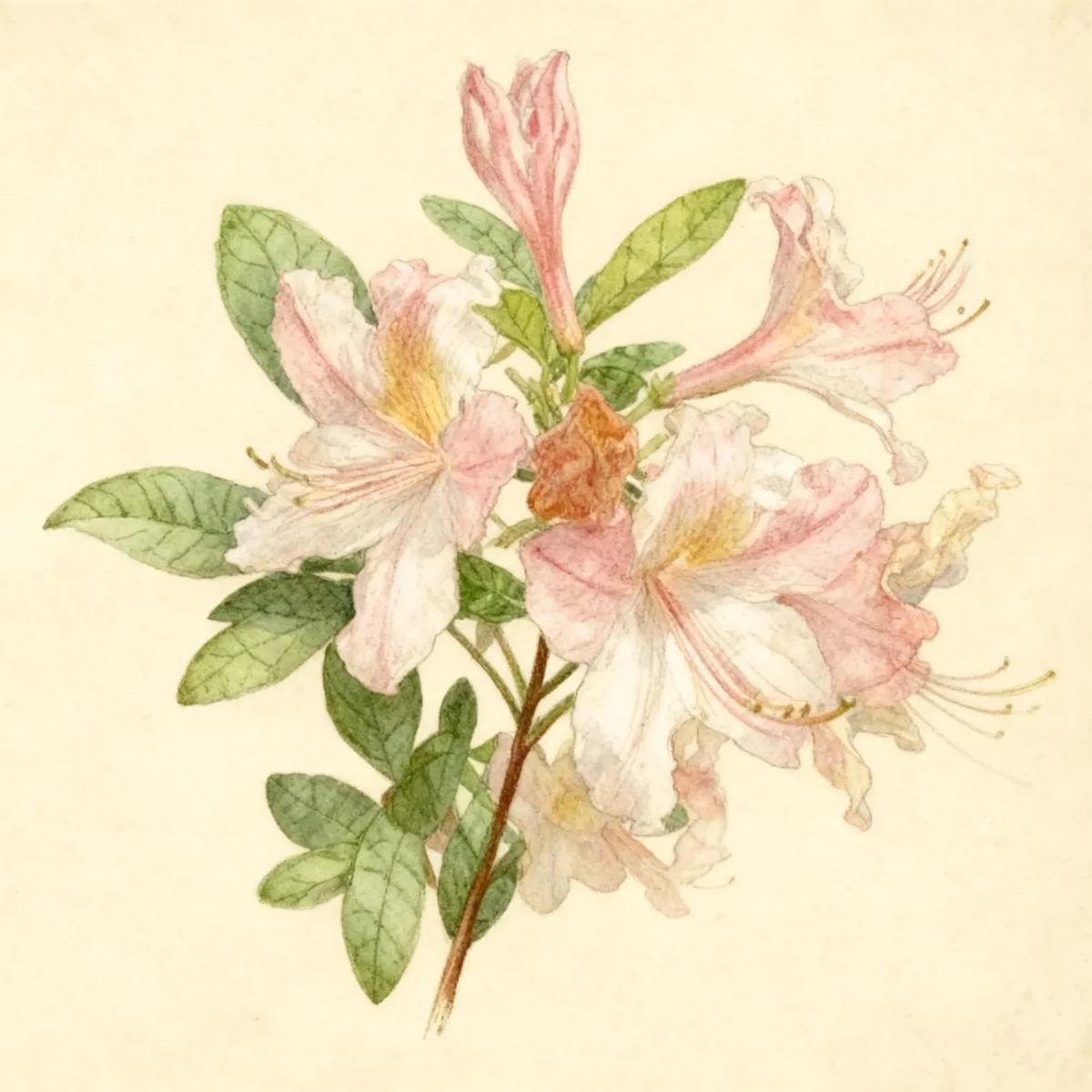
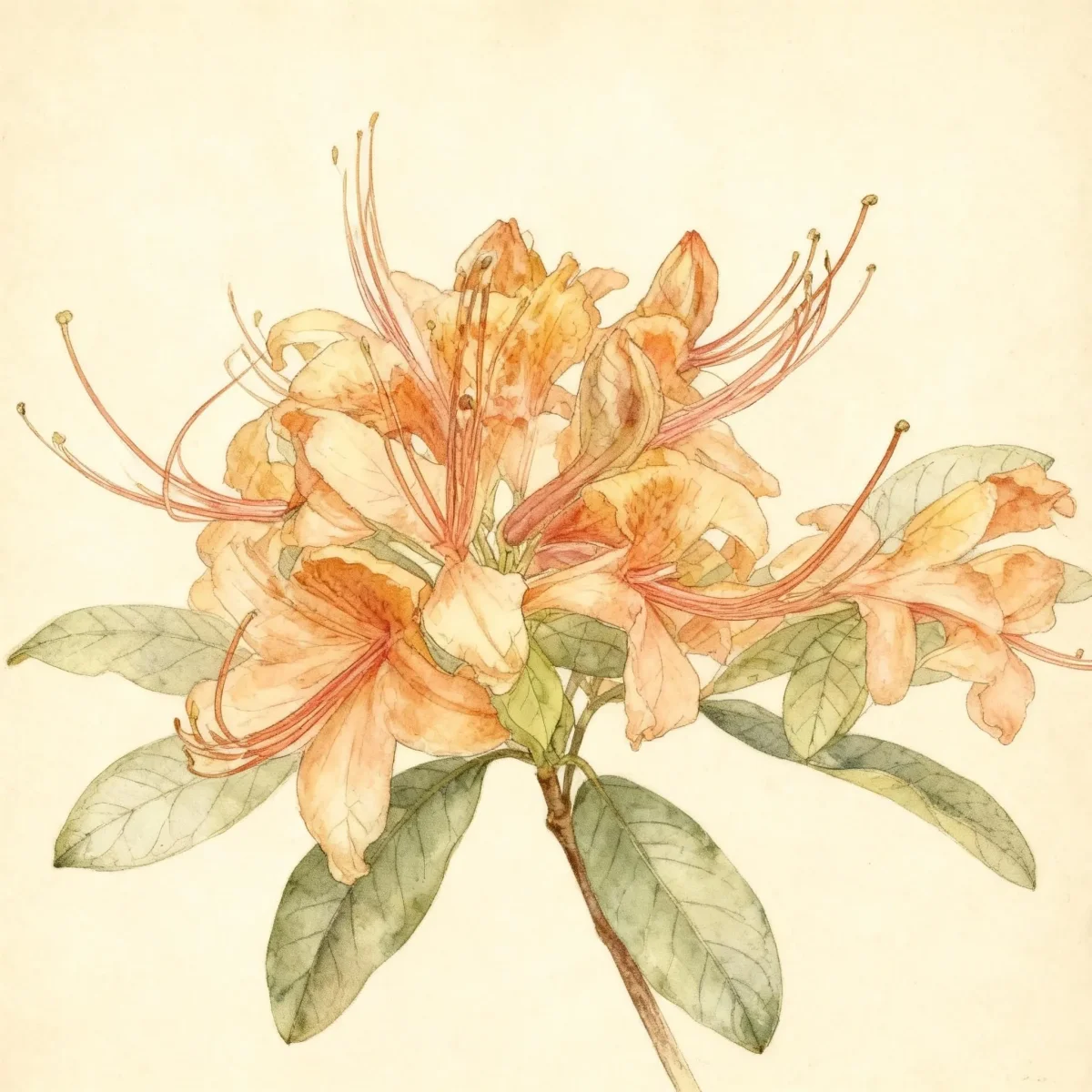
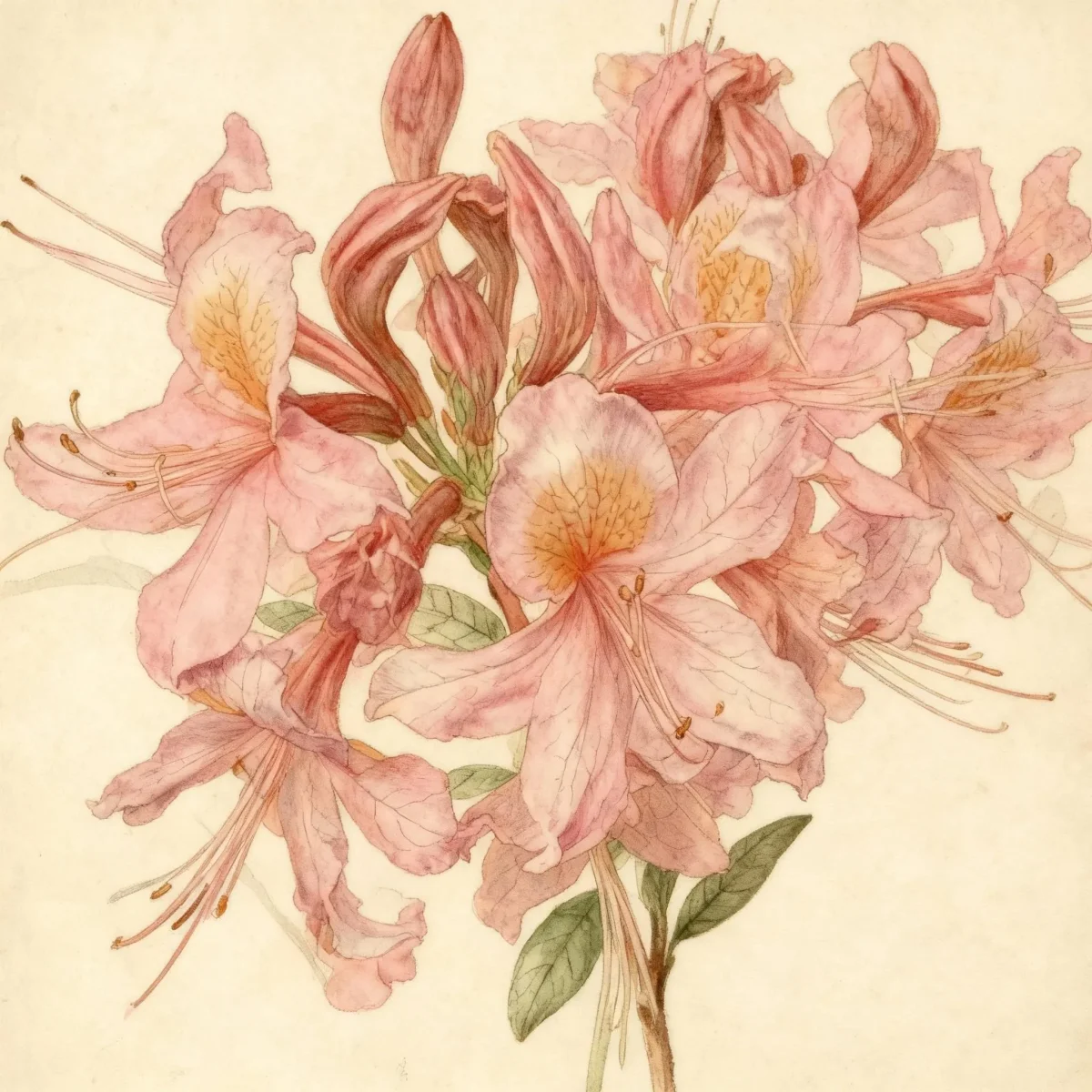
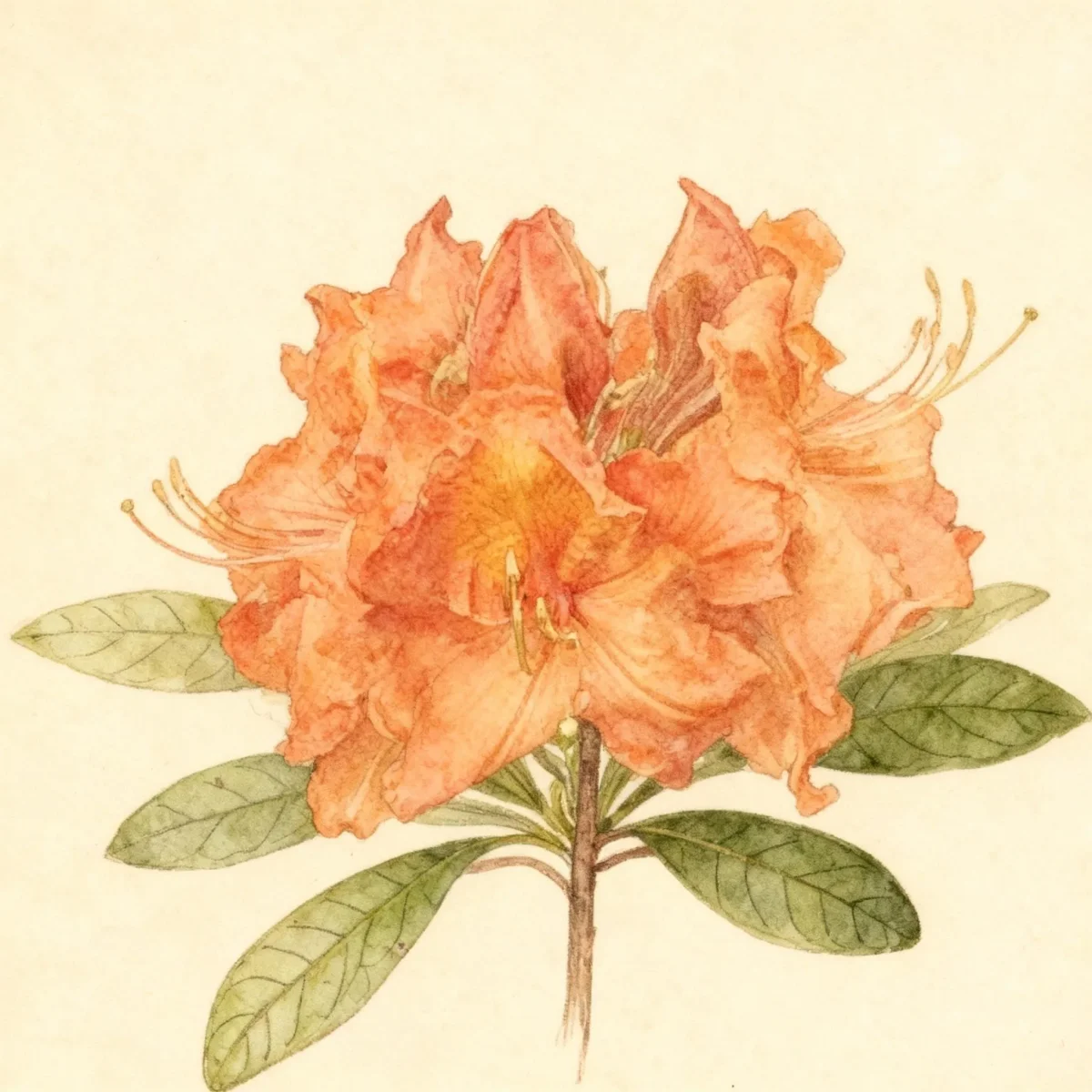
Rhododendron ‘QbackB’ SOLAR FLARE is a spectacular deciduous Azalea prized for its vibrant spring display of yellow flowers heavily flushed with light orange-red tones. This cultivar offers a lavish burst of early-to-mid-season color, making it a standout feature in any woodland or shade garden setting. As a deciduous Azalea, it drops its leaves in the fall, focusing its energy on robust floral production just as new foliage emerges.
This specific Azalea cultivar was developed through intensive hybridization aimed at improving tolerance to heat and humidity while maintaining brilliant coloration. Rhododendron ‘QbackB’ SOLAR FLARE matures into a substantial shrub, typically reaching heights between 6 and 8 feet with a spread of 4 to 5 feet. Understanding its soil and light needs is crucial for maximizing the performance of this distinctive plant.
Whether utilized as a specimen, in mass plantings, or incorporated into mixed borders, this Azalea provides significant visual impact. Gardeners relying on Rhododendron ‘QbackB’ SOLAR FLARE for structure and color will appreciate how well it integrates into established shade garden designs.
Fast Facts
- Plant Family: Ericaceae
- Plant Type: Deciduous shrub
- Hardiness Zones: USDA Zones 5-9
- Size at Maturity:
- Height: 6-8 ft
- Spread: 4-5 ft
- Bloom Time: April to May
- Bloom Description: Yellow and orange
- Sun Exposure: Part shade
- Water Needs: Medium
- Maintenance Level: Medium
How to Grow
The success of Rhododendron ‘QbackB’ SOLAR FLARE hinges on site selection, particularly regarding soil acidity and drainage. Plant in spring or fall in locations offering protection from harsh afternoon sun and strong winds, with north or east-facing slopes being ideal. The ideal growing medium must be acidic (pH 5.0 to 5.5), organically rich, humusy, and exceptionally well-drained; avoid areas where water pools, as poor drainage rapidly causes root rot.
Watering should be consistent, maintaining medium moisture levels, as the shallow, fibrous root systems must never be allowed to dry out. Apply a thick layer of organic mulch, such as pine needles or wood chips, around the base—without piling it against the stems—to conserve moisture and regulate soil temperature. If your native soil is alkaline, amend it regularly using iron sulfate or sulfur to achieve the necessary acidity.
Maintenance is moderate, focusing primarily on soil conditioning and cleanup. Deadhead spent flower clusters immediately after blooming concludes to encourage energy storage for next season rather than seed production. Be mindful not to cultivate or dig deeply near the base of this Azalea, as its roots are shallow and easily damaged. Avoid planting near walnut trees, as they release toxins harmful to nearly all Rhododendrons and Azaleas.
Landscape Uses
Rhododendron ‘QbackB’ SOLAR FLARE excels in layered plantings within woodland and shade gardens where dappled light mimics its native environment. Due to its size, it functions effectively as an anchor plant in mixed borders or as an informal, colorful hedge, especially when used along property lines that receive only soft morning sun. Use it near structures or fences where it receives protection from prevailing winds.
This Azalea pairs beautifully with acid-loving companions that share similar moisture and light requirements. Consider using evergreen rhododendrons as a backdrop to contrast their foliage against the bright spring display of the deciduous varieties. Shade-tolerant perennials like Hostas, Astilbes, or Hellebores make excellent textural contrasts at the base of this vibrant shrub.
For foundation plantings, ensure adequate space for its mature spread of up to 5 feet. Placing Rhododendron ‘QbackB’ SOLAR FLARE where its brilliant yellow-orange blooms are visible from a main window capitalizes on its primary ornamental feature early in the season.
Standout Features
Flower Qualities
- Showy
Noteworthy Characteristics
Rhododendron is a genus of 500 to 900 species and includes both of what we commonly call rhododendrons and azaleas. Deciduous azaleas are multi-stemmed shrubs that drop their leaves in the fall, flowering profusely early in spring before new foliage emerges. Rhododendron ‘QbackB’ SOLAR FLARE, sold as SOLAR FLARE, specifically features flowers noted for their brilliant yellow shading into light orange-red, stemming from breeding efforts focusing on heat tolerance.
Tolerances
- Rabbit
Potential Problems
Rhododendrons and Azaleas, including Rhododendron ‘QbackB’ SOLAR FLARE, are susceptible to various biotic stresses if not properly sited and maintained. Common insect pests include scale, lacebugs, and aphids, while diseases can manifest as leaf spots, rust, or potentially fatal root and crown rots tied to poor drainage. A common nutritional issue is chlorosis, where leaves turn yellow, signaling an iron deficiency often caused by soil pH levels that are too high.
Prevention is key to minimizing issues. Always ensure superior soil drainage by considering raised beds in heavy clay areas, maintain the correct acidic pH range (5.0-5.5), and keep the root zone consistently moist but never waterlogged. A healthy plant situated in its preferred environment—part shade with rich organic matter—will naturally possess stronger defenses against most minor insect infestations.
Frequently Asked Questions
What hardiness zones is Azalea suitable for?
Rhododendron ‘QbackB’ SOLAR FLARE is hardy and adaptable across USDA Zones 5 through 9.
How large does Azalea grow?
This Azalea typically achieves a height between 6 and 8 feet, with a spread ranging from 4 to 5 feet at full maturity.
What sun exposure does Azalea need?
This plant prefers sites offering part shade, thriving best in sun-dappled conditions or high open shade.
When does Azalea bloom?
The blooming period for Rhododendron ‘QbackB’ SOLAR FLARE is generally from April to May, showcasing beautiful yellow and orange flowers.
Conclusion
The Rhododendron ‘QbackB’ SOLAR FLARE Azalea offers dedicated gardeners a reliable source of high-impact spring color, boasting superior breeding for warmer performance compared to many traditional Azaleas. Its deciduous nature showcases spectacular floral displays against the emerging landscape. Before planting, confirm your location falls within USDA Zones 5-9 and that you can provide the necessary acidic, well-drained soil to ensure the longevity of this brilliant fixture.
Companion Planting
Selecting appropriate neighbors is vital when planting Rhododendron ‘QbackB’ SOLAR FLARE, as all members of the Ericaceae family have specific cultural needs. Companion plants should also thrive in acidic soil conditions and prefer dappled shade or filtered light. Excellent partners include native woodland shrubs and perennials that do not compete aggressively for surface moisture.
Consider planting Japanese Maples (Acer palmatum) nearby for overhead light filtering and wonderful complementary structure. Beneath the Azalea, groundcovers like Pachysandra or native ferns offer excellent textural contrast and help shade the shallow roots, keeping them cool during warmer months. Ensure any companions chosen also require medium water, matching the needs of this Azalea.
Soil Acidity Management
Maintaining the correct soil pH is perhaps the single most important cultural task for Rhododendron ‘QbackB’ SOLAR FLARE. Azaleas prefer soil acidity between 5.0 and 5.5; levels creeping higher often result in nutrient lockout, visible as yellowing leaves (chlorosis). Regularly test your soil pH, especially in areas with native alkaline soils.
To lower a pH that is too high, apply soil acidifiers such as elemental sulfur or iron sulfate according to package directions, incorporating materials into the mulch layer rather than digging deeply. Conversely, if the soil is too acidic (below 5.0), use limestone or lime sparingly to raise the pH gradually. Consistent, light adjustments over time are far safer than attempting rapid changes to the soil chemistry.