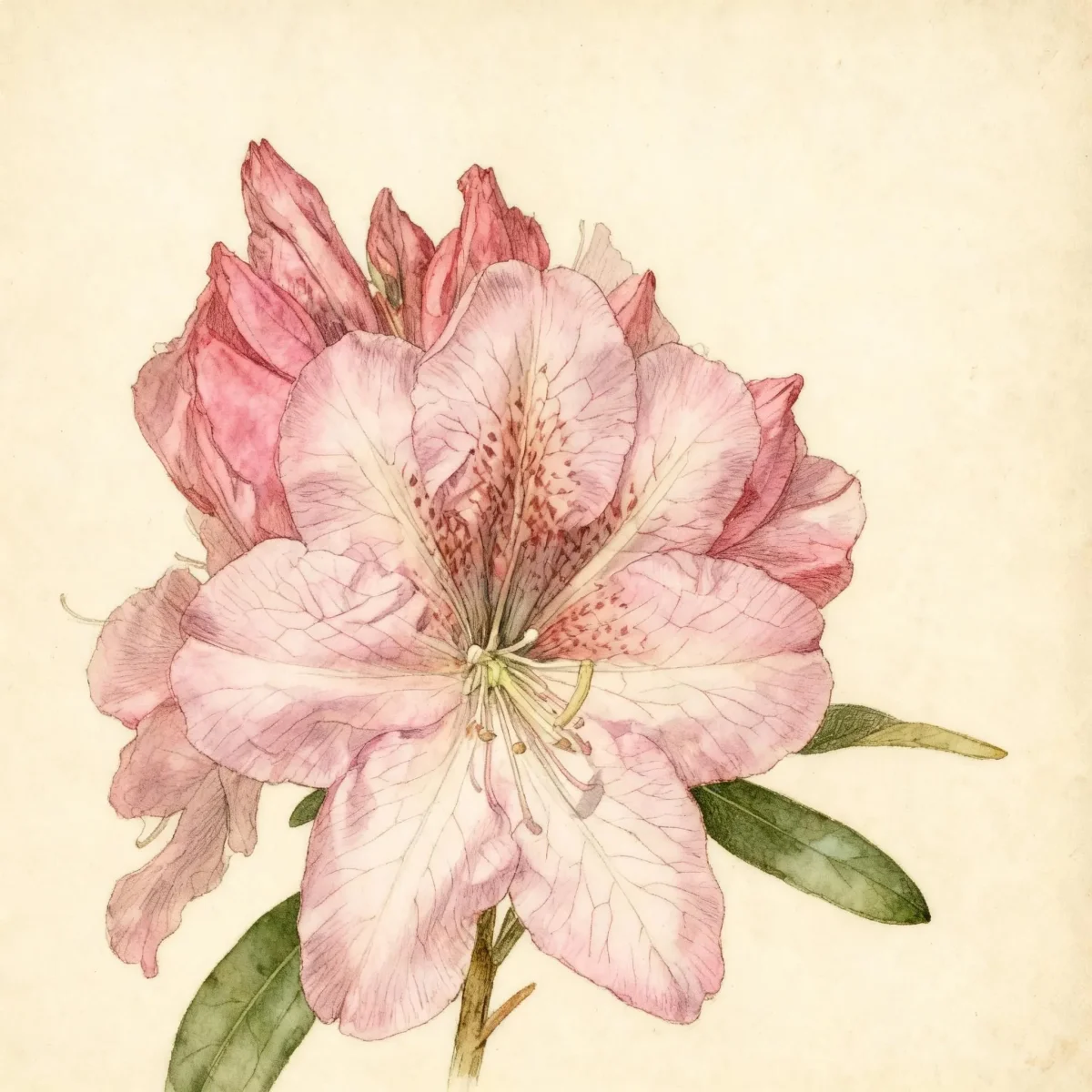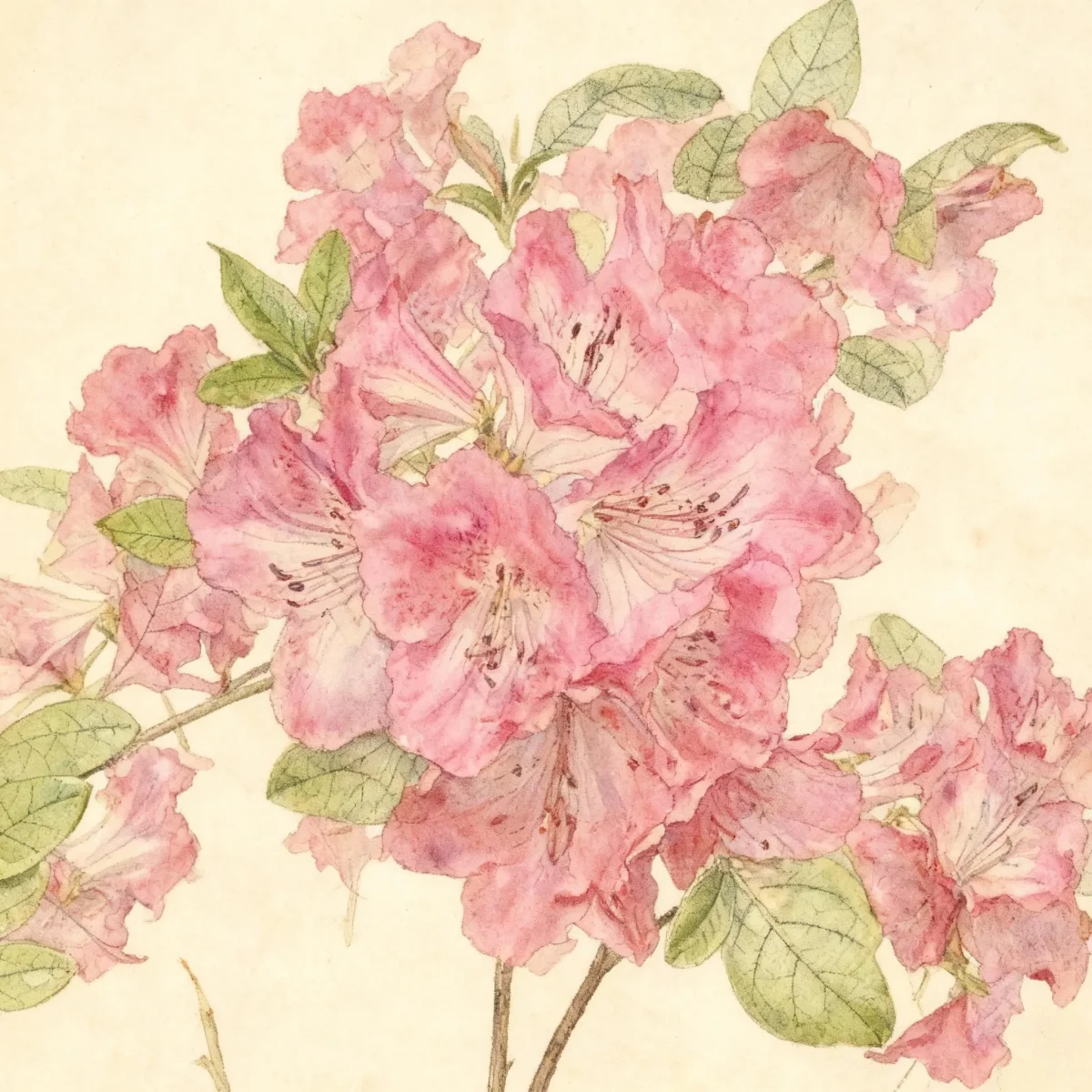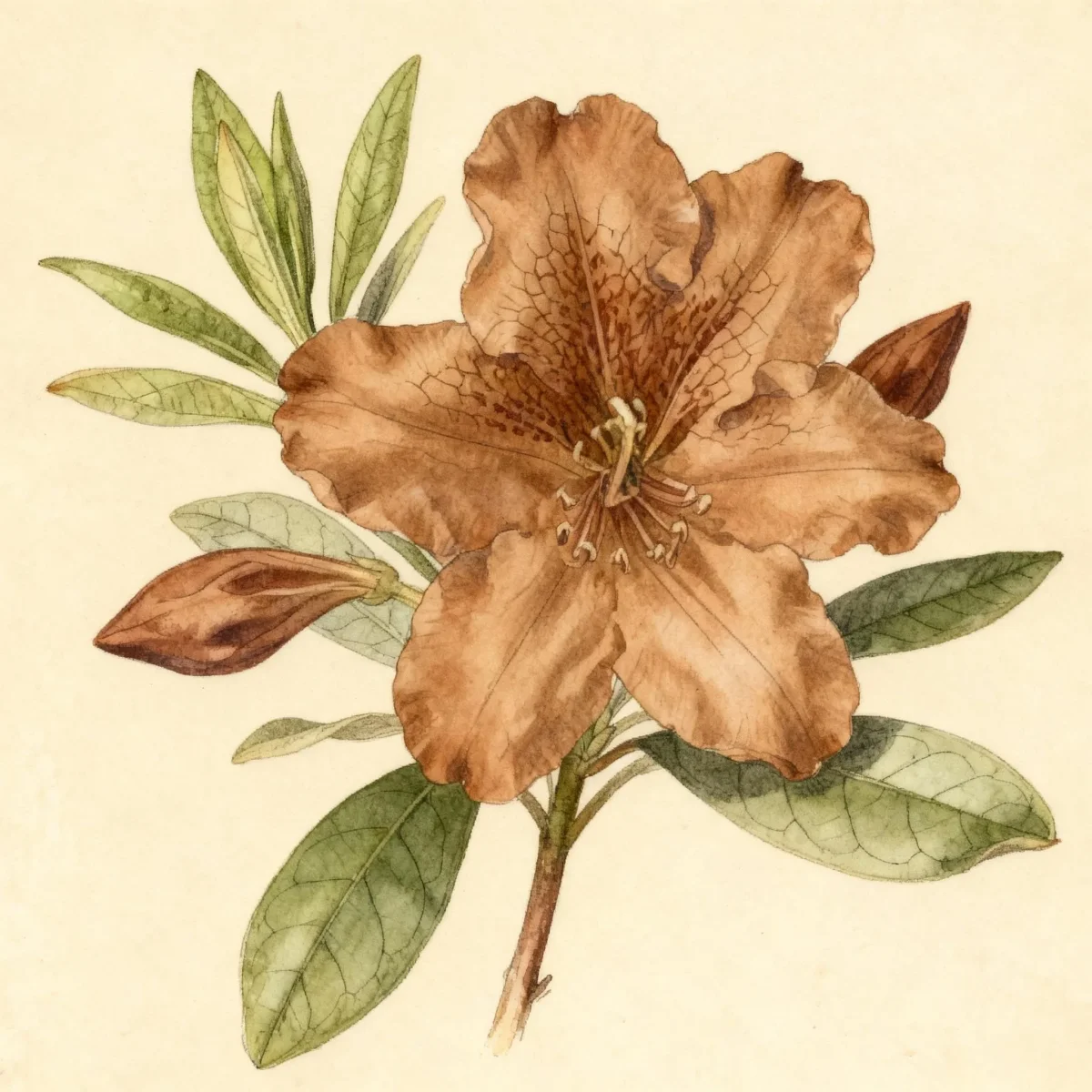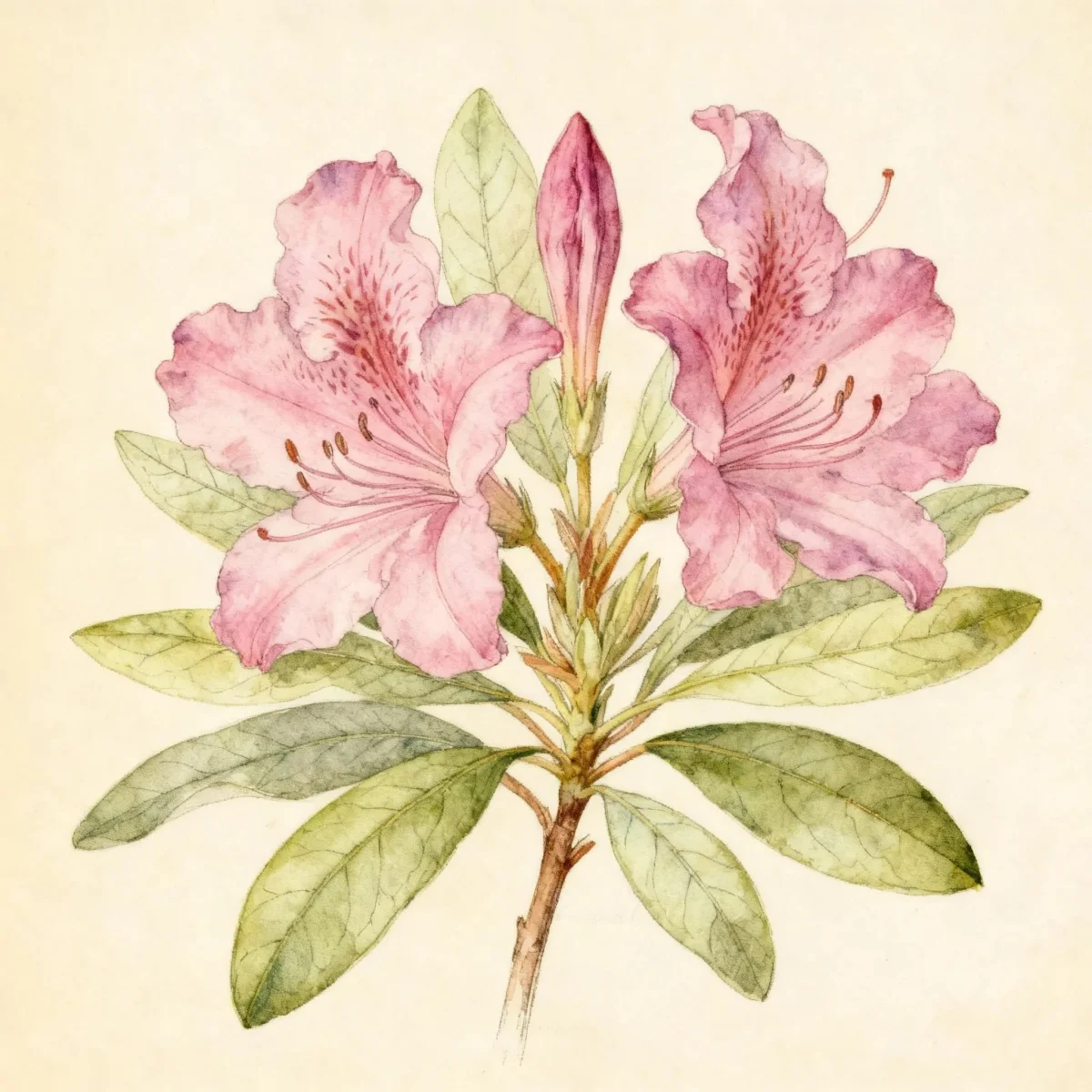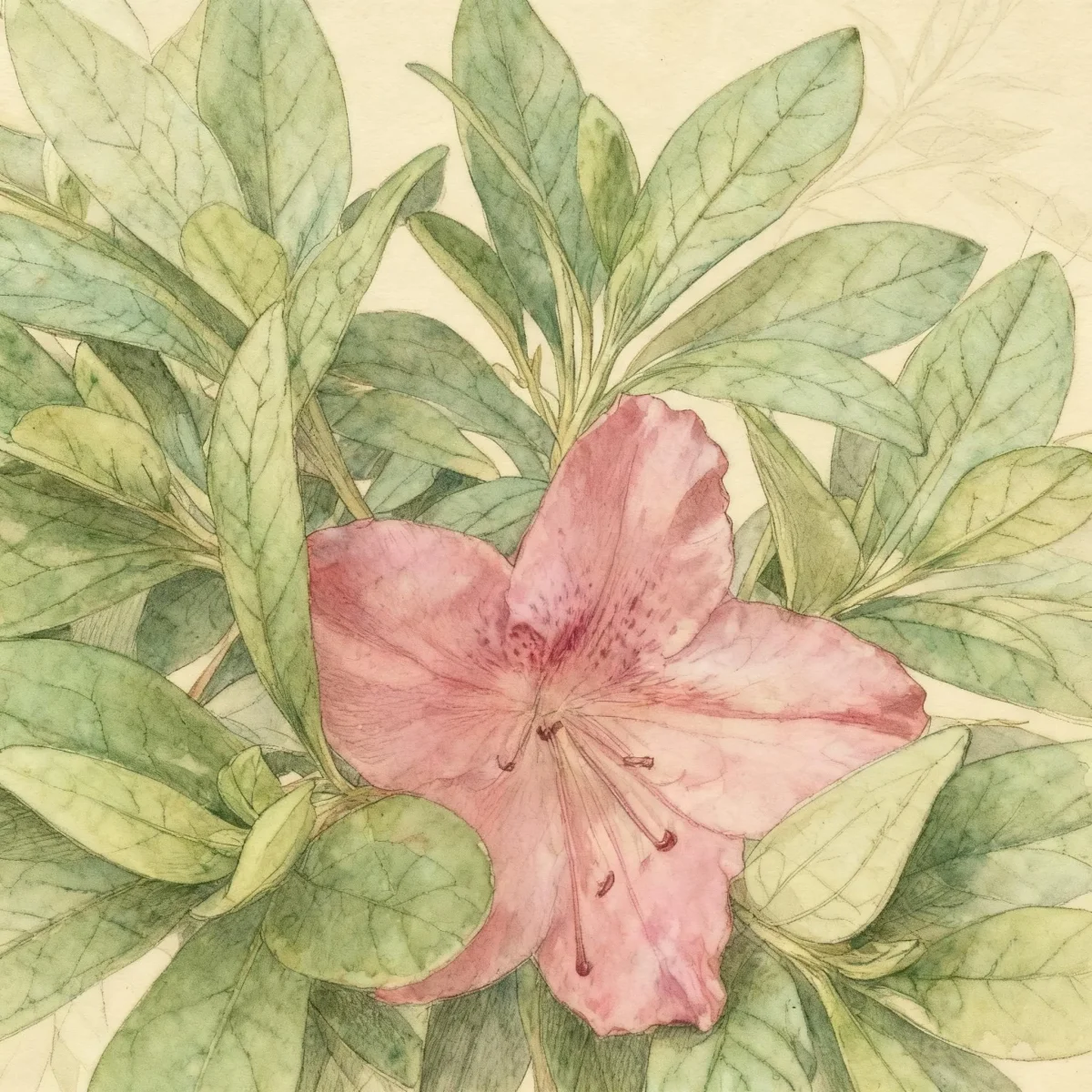

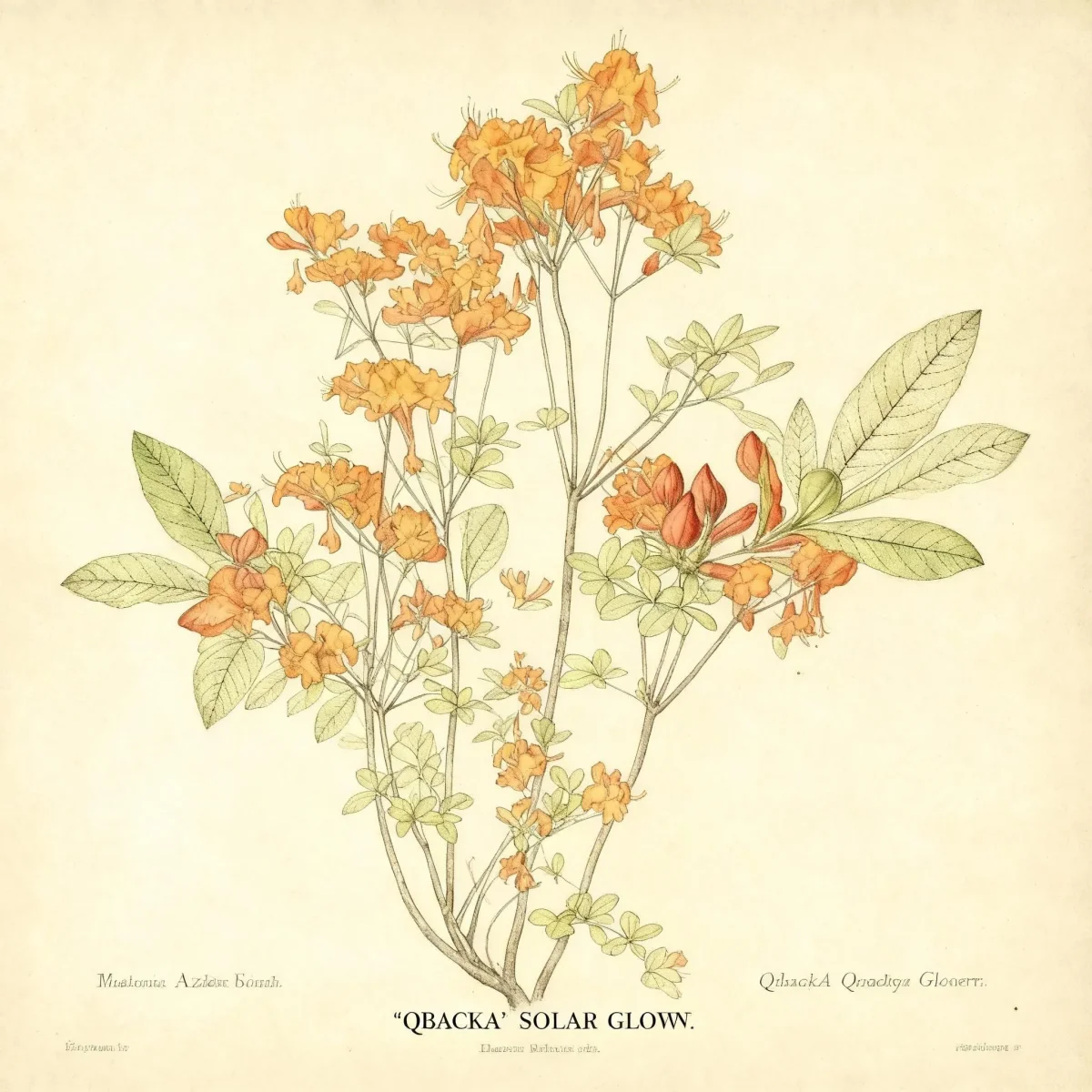
Azalea (Rhododendron 'QbackA' SOLAR GLOW)
Rhododendron 'QbackA' SOLAR GLOW is a showy Azalea producing stunning orange-red spring blooms. Ideal for part shade in Zones 5-8.
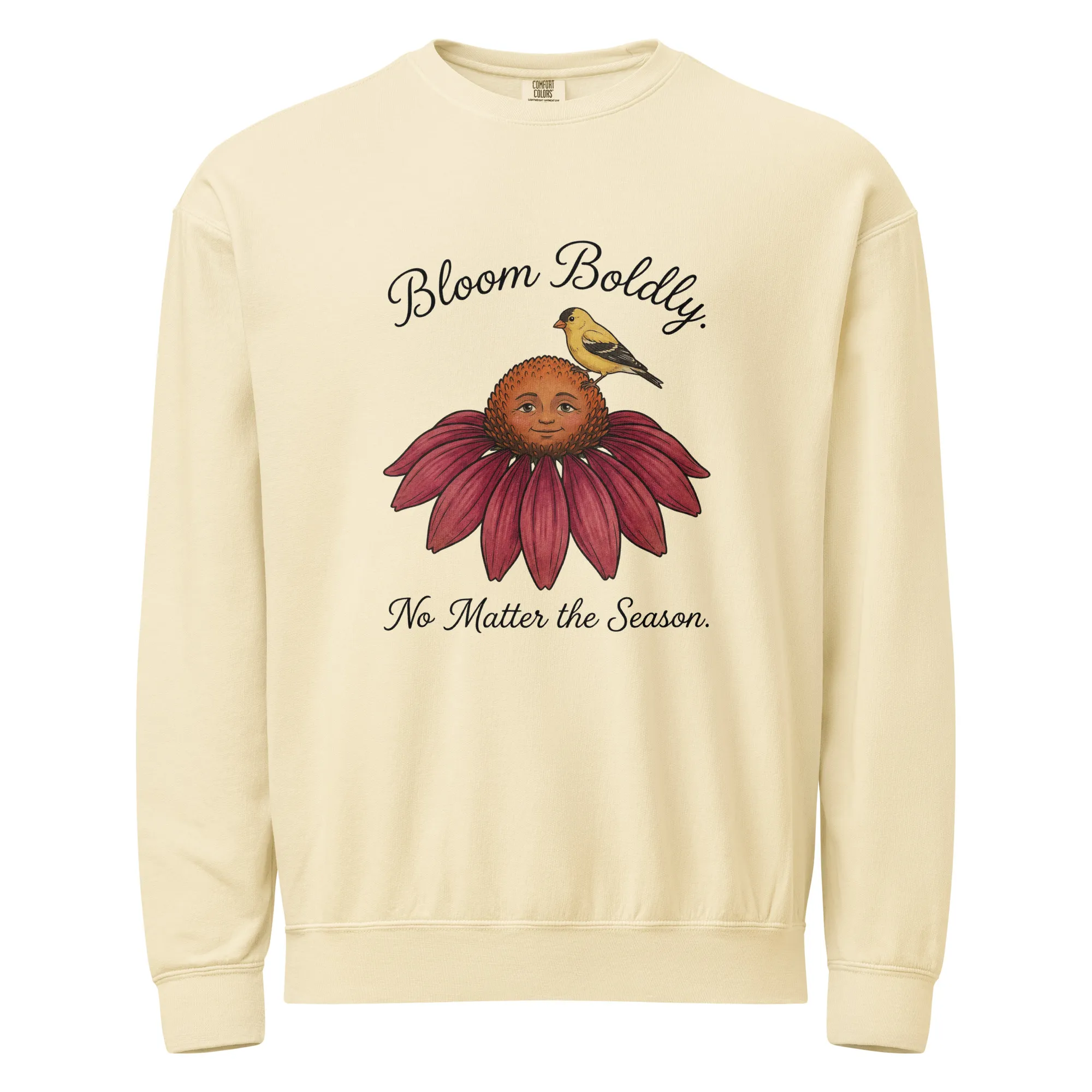
Bloom Boldly, No Matter the Season - Sweatshirt
Cozy organic cotton sweatshirt featuring our exclusive Purple Coneflower design. Perfect for gardeners who bloom year-round.
Inspired by the beautiful Azalea
Limited first batch (50) — join the waitlist for early access
Waitlist closes Feb 15, 2026.
Complete Plant Information
Field Guide Continues
Ready for care notes, companion picks, and planting tips?
The map is just the start. The full guide below covers growth habits, seasonal performance, and landscape uses.
Overview
Rhododendron ‘QbackA’ SOLAR GLOW is a distinctive cultivar treasured for its lavish spring flowering display, offering gardeners brilliant tones of orange-red. As an Azalea, it brings early color to the landscape, often before or just as new foliage emerges in the season. This broadleaf evergreen provides structure and visual interest throughout the year, especially in protected woodland settings.
Ideal for mixed borders or mass plantings, this variety was specifically bred for improved performance concerning heat and humidity tolerance, making it a more reliable choice in temperate climates. Gardeners should prioritize planting Rhododendron ‘QbackA’ SOLAR GLOW where it benefits from dappled shade and protection from harsh, desiccating winds. Proper soil management is key, as this Azalea demands acidic, well-drained conditions to thrive.
The substantial size achieved by Rhododendron ‘QbackA’ SOLAR GLOW—up to 10 feet tall—makes it highly effective as a background specimen or a formal hedge. Its cultural requirements align perfectly with woodland landscapes, where it can anchor shaded areas with its vibrant April bloom.
Fast Facts
- Plant Family: Ericaceae
- Plant Type: Broadleaf evergreen
- Hardiness Zones: USDA Zones 5-8
- Size at Maturity:
- Height: 8-10 ft
- Spread: 5-6 ft
- Bloom Time: April
- Bloom Description: Orange-red
- Sun Exposure: Part shade
- Water Needs: Medium
- Maintenance Level: Medium
How to Grow
The success of Rhododendron ‘QbackA’ SOLAR GLOW hinges on careful site selection and soil preparation. Plant in spring or early fall when temperatures are moderate. The location must provide part shade, ideally receiving morning sun followed by afternoon shade to prevent leaf scorch, especially in hot summers. The species requires acidic, organically rich, humusy soil with excellent drainage. Avoid planting near walnuts due to juglone sensitivity.
For ongoing care, maintain even moisture levels; the soil should be retentive but never waterlogged, as Azaleas hate “wet feet” which leads to root rot. Shallow, fibrous root systems necessitate careful watering—never allow the roots to dry out fully. Avoid cultivating near the base of the plant; instead, apply a 2-3 inch layer of mulch, such as wood chips or pine needles, to conserve moisture and stabilize soil temperatures.
Adjust soil pH annually if necessary; Azaleas perform best between 5.0 and 5.5. Use elemental sulfur or iron sulfate to lower pH, avoiding limestone which raises it. After the bloom period concludes in April, promptly deadhead spent flower clusters to encourage energy redirection toward next year’s buds, rather than seed production. Protecting Rhododendron ‘QbackA’ SOLAR GLOW from strong winds will also help safeguard the foliage and flowers.
Landscape Uses
Rhododendron ‘QbackA’ SOLAR GLOW excels in diverse landscape applications due to its robust evergreen structure and striking floral show. It is highly recommended for use in mass plantings to create impressive drifts of spring color or as stately specimens where its size can be fully appreciated. This Azalea is also an excellent candidate for forming substantial shrub borders or as a formal foundation planting, particularly when dense, year-round screening is desired.
When designing woodland gardens or shade gardens, place this cultivar where it can benefit from filtered light reminiscent of its native habitat. Visually, it pairs well with acid-loving companions like large-leaf rhododendrons, mountain laurels, and various ferns, creating layered textures beneath deciduous trees. Utilizing Rhododendron ‘QbackA’ SOLAR GLOW as a strong vertical element allows it to balance other lower-growing acid-tolerant perennials.
Its capability to function effectively as a hedge makes it suitable for defining property lines or screening less attractive areas, provided the hedge receives adequate afternoon shade protection. Ensure adequate space is given, as this cultivar matures to a significant size (up to 10 feet high and 6 feet wide).
Standout Features
Flower Qualities
- Showy
Noteworthy Characteristics
Rhododendron is a genus of 500 to 900 species and includes both of what we commonly call rhododendrons and azaleas. Much hybridization has resulted in a great number of hybrid cultivars, with deciduous azaleas being deciduous shrubs that drop their leaves in the fall. Rhododendron ‘QbackA’, commonly sold under the trade name of SOLAR GLOW, is a newer cultivar specifically distinguished by its large, fragrant orange and orange-red flowers, engineered by breeder Robert Edward Lee for enhanced heat and humidity tolerance.
Tolerances
- Rabbit
Potential Problems
Rhododendrons and azaleas face susceptibility to various insect and disease issues. Common pests include scale, lacebugs, aphids, and mites, while fungal issues like blights, root rot, and powdery mildew pose threats. Gardeners should be mindful of chlorosis—yellowing leaves—which strongly suggests the soil pH is too high, leading to iron deficiency.
Prevention is centered on cultural excellence; maintaining the correct acidic soil pH and ensuring superb drainage significantly limits disease outbreaks, particularly discouraging fungal root and crown rots. Inspect plants regularly, especially during warm, humid periods, to catch pests like lacebugs early. Healthy Rhododendron ‘QbackA’ SOLAR GLOW specimens, properly sited and cared for, generally resist severe infestations.
Frequently Asked Questions
What hardiness zones is Azalea suitable for?
Rhododendron ‘QbackA’ SOLAR GLOW is suitable for USDA Zones 5-8.
How large does Azalea grow?
This plant typically reaches a mature height between 8 and 10 feet, with a spread ranging from 5 to 6 feet.
When does Azalea bloom?
The Rhododendron ‘QbackA’ SOLAR GLOW blooms in April, showcasing striking orange-red flowers.
What sun exposure does Azalea need?
This Azalea thrives best in part shade conditions, preferring protection from intense afternoon sun.
Conclusion
Rhododendron ‘QbackA’ SOLAR GLOW offers exceptional garden value through its significant presence, fragrant, vibrant orange-red blooms, and increased tolerance to heat compared to older varieties. To ensure your new Azalea thrives for years, confirm your microclimate falls within Zones 5-8 and commit to providing the deep, acidic, well-drained soil it requires. Plan your planting season to take advantage of established soil preparation for this magnificent shrub.
Companion Planting
Selecting appropriate companions enhances the environment for Azalea, particularly by supporting its cultural needs regarding shade and soil acidity. Group Rhododendron ‘QbackA’ SOLAR GLOW with other acid-lovers like Camellia, Pieris, and Kalmia (Mountain Laurel) to simplify soil management across your perennial beds.
For structural companions in woodland settings, consider underplanting with shade-tolerant groundcovers such as Pachysandra or Vinca minor, which help maintain cool, moist soil around the shallow roots. Taller, deciduous companions like Japanese Maples provide the dappled, high shade that protects the broadleaf evergreen foliage of the Azalea from scorch while offering beautiful seasonal contrast.
Seasonal Care Calendar
Early Spring (Pre-Bloom): As new growth begins, verify the soil pH is in the ideal 5.0 to 5.5 range and apply horticultural sulfur if necessary. Ensure mulch is topped up before activity increases.
Late Spring (Post-Bloom): Immediately after the orange-red flowers fade in April, deadhead spent trusses cleanly to promote next season’s bud development. This is the best time for any light shaping to maintain hedge structure.
Summer: Focus diligently on consistent watering. Since the roots must never dry out, supplemental irrigation during dry spells is critical, especially for larger established Rhododendron ‘QbackA’ SOLAR GLOW specimens. Avoid deep cultivation near the base.