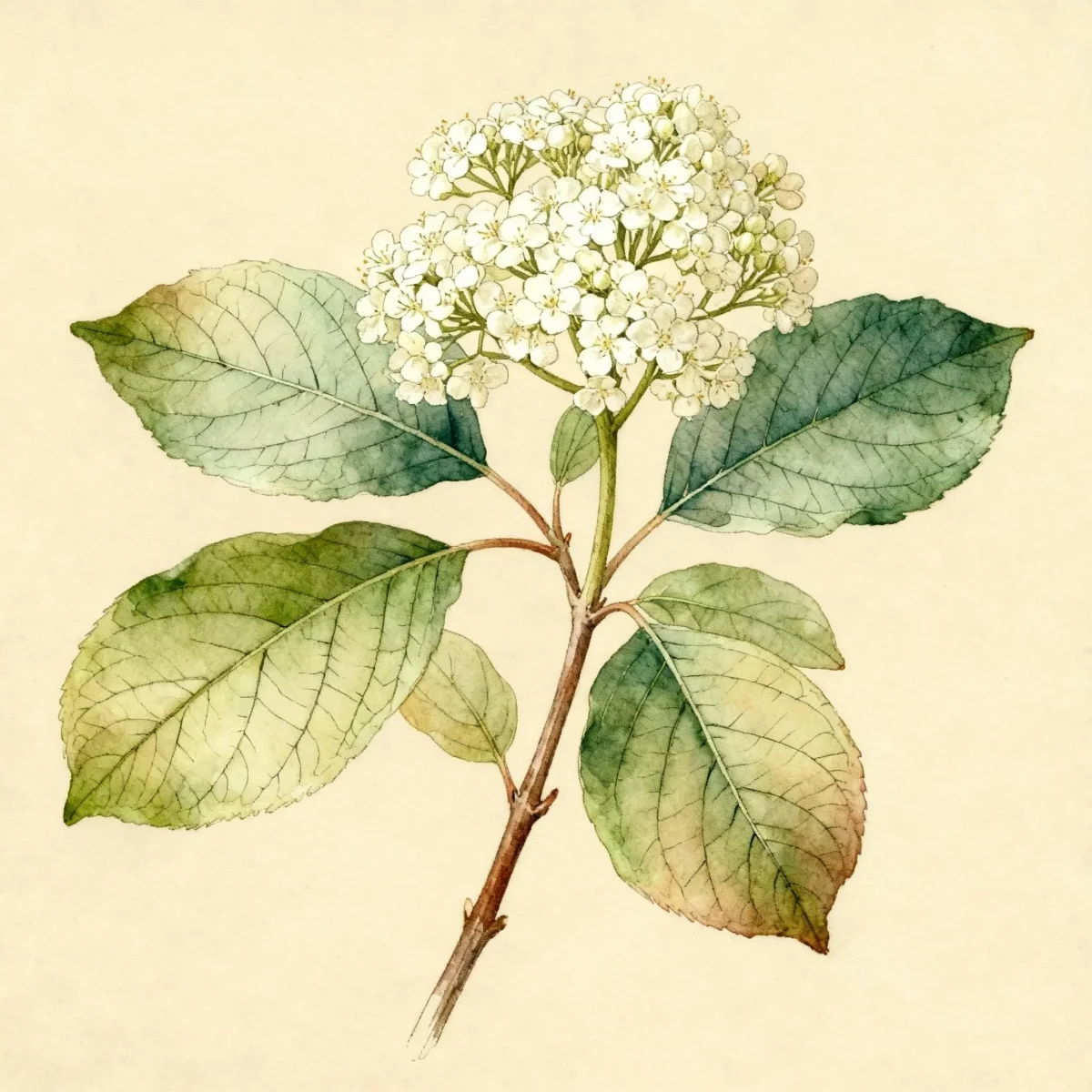
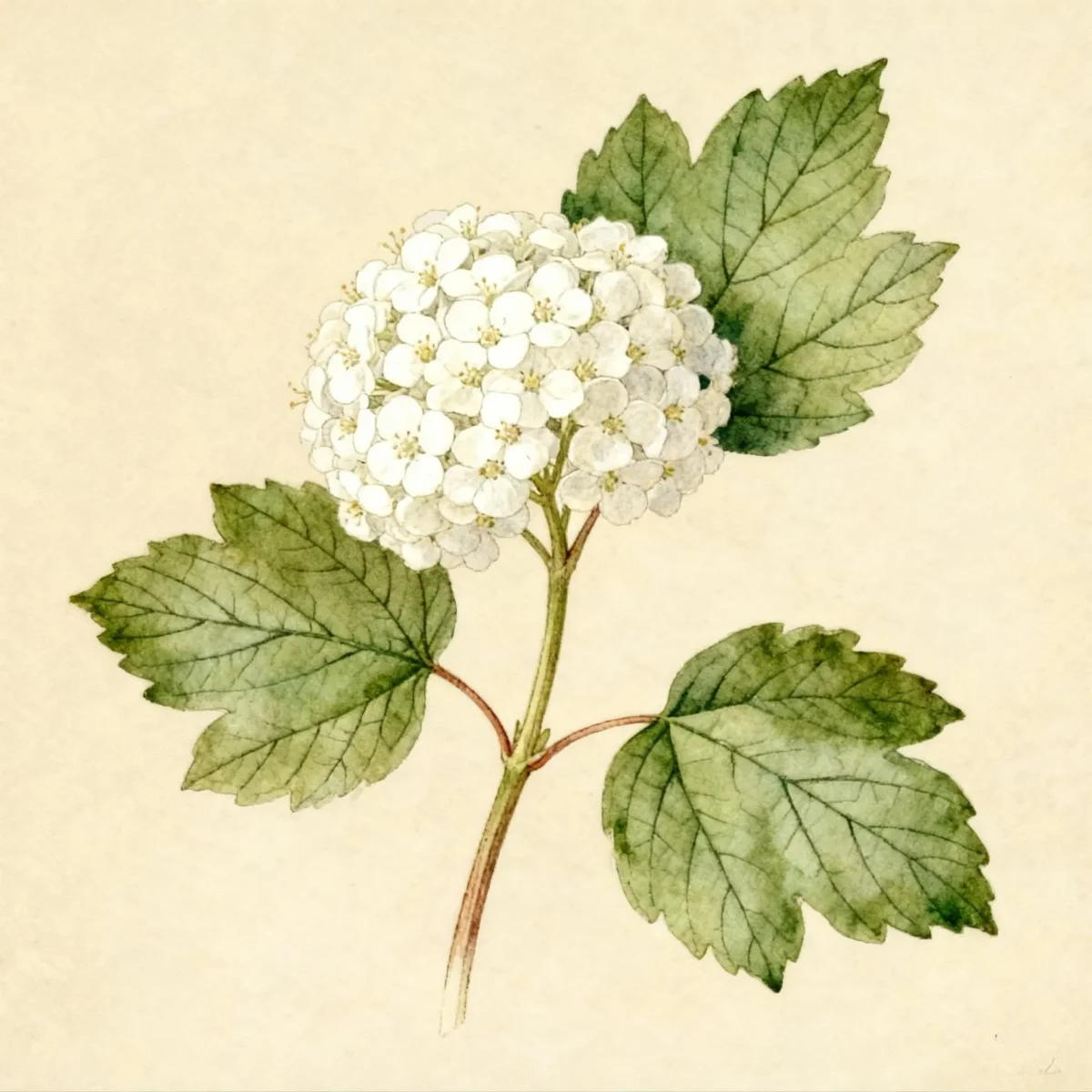
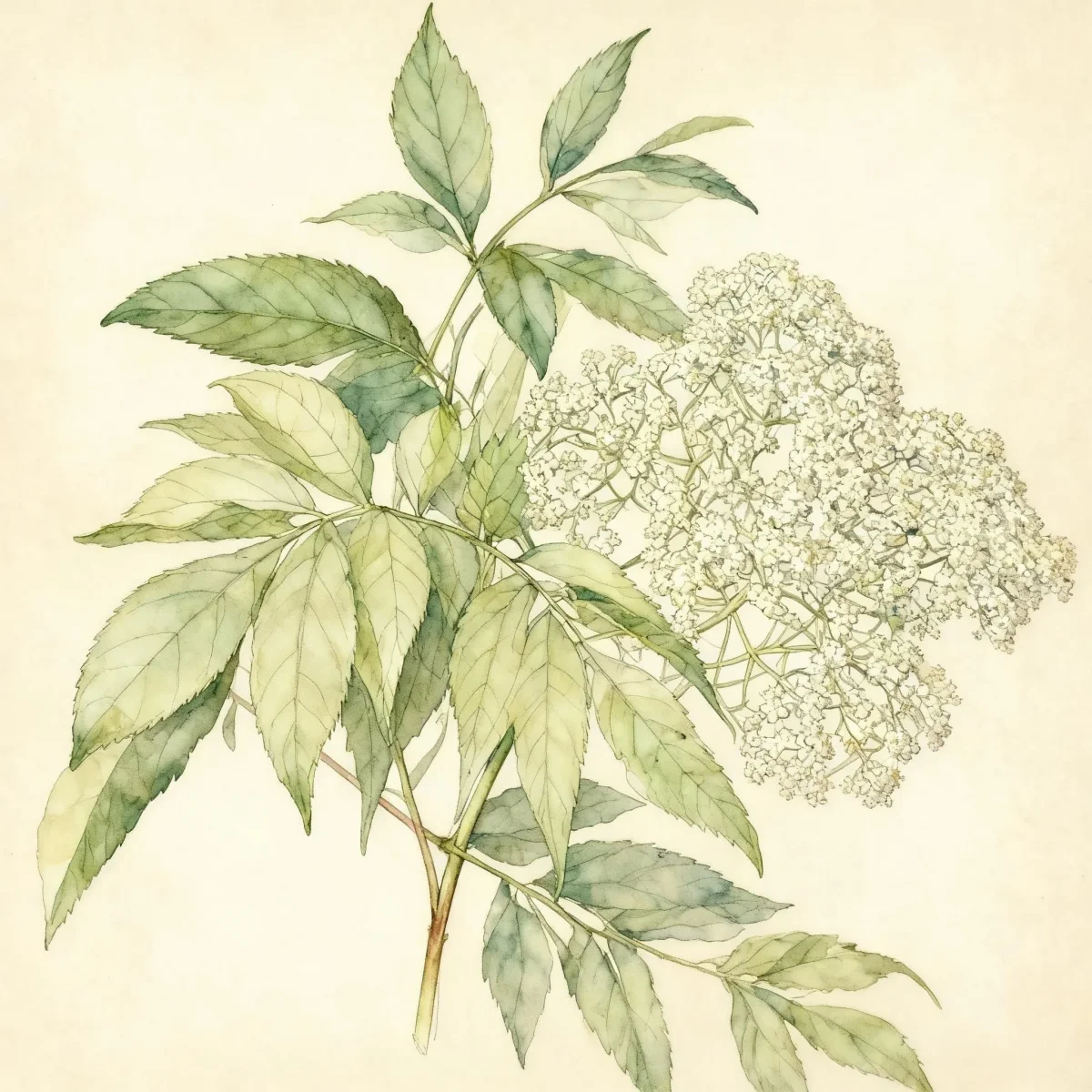
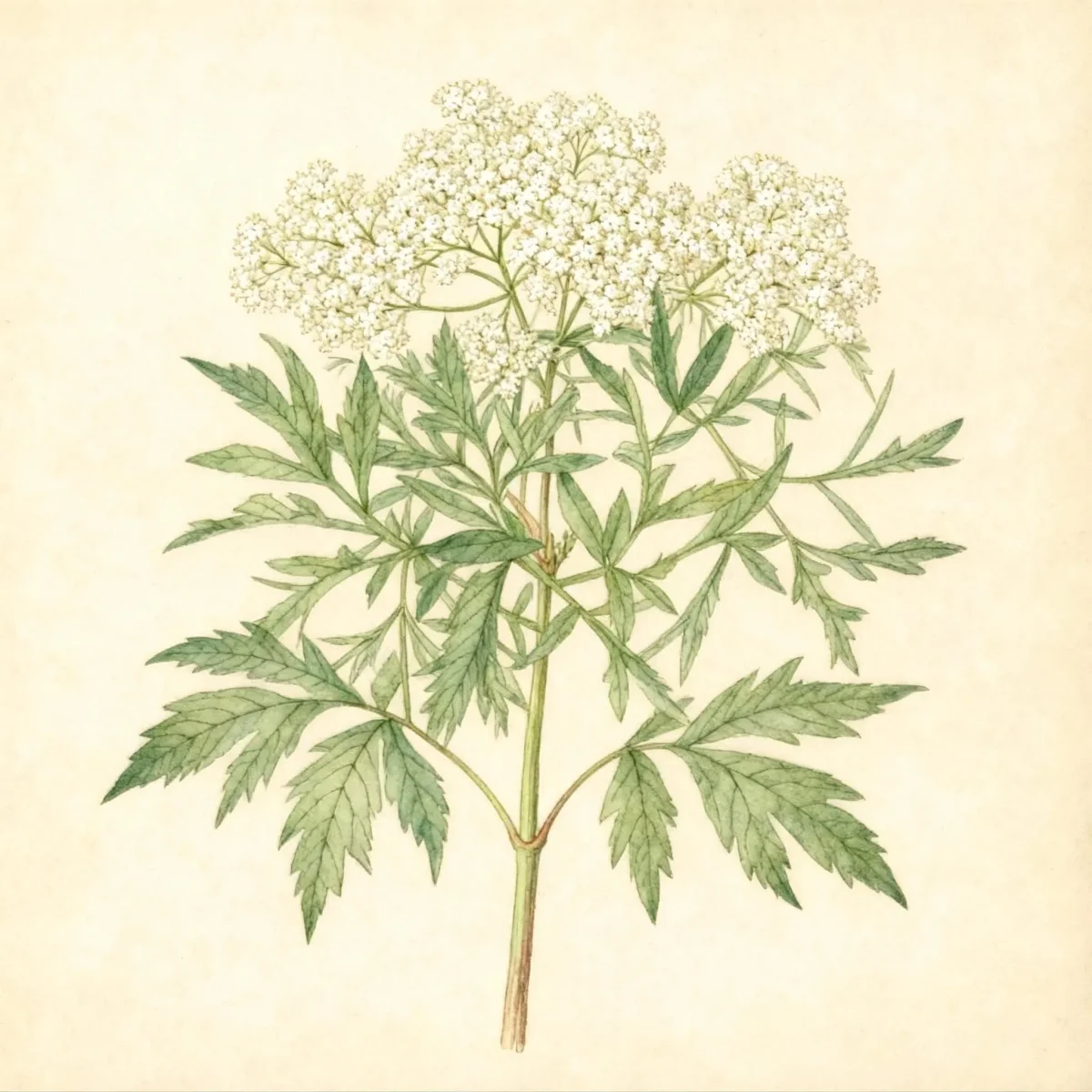
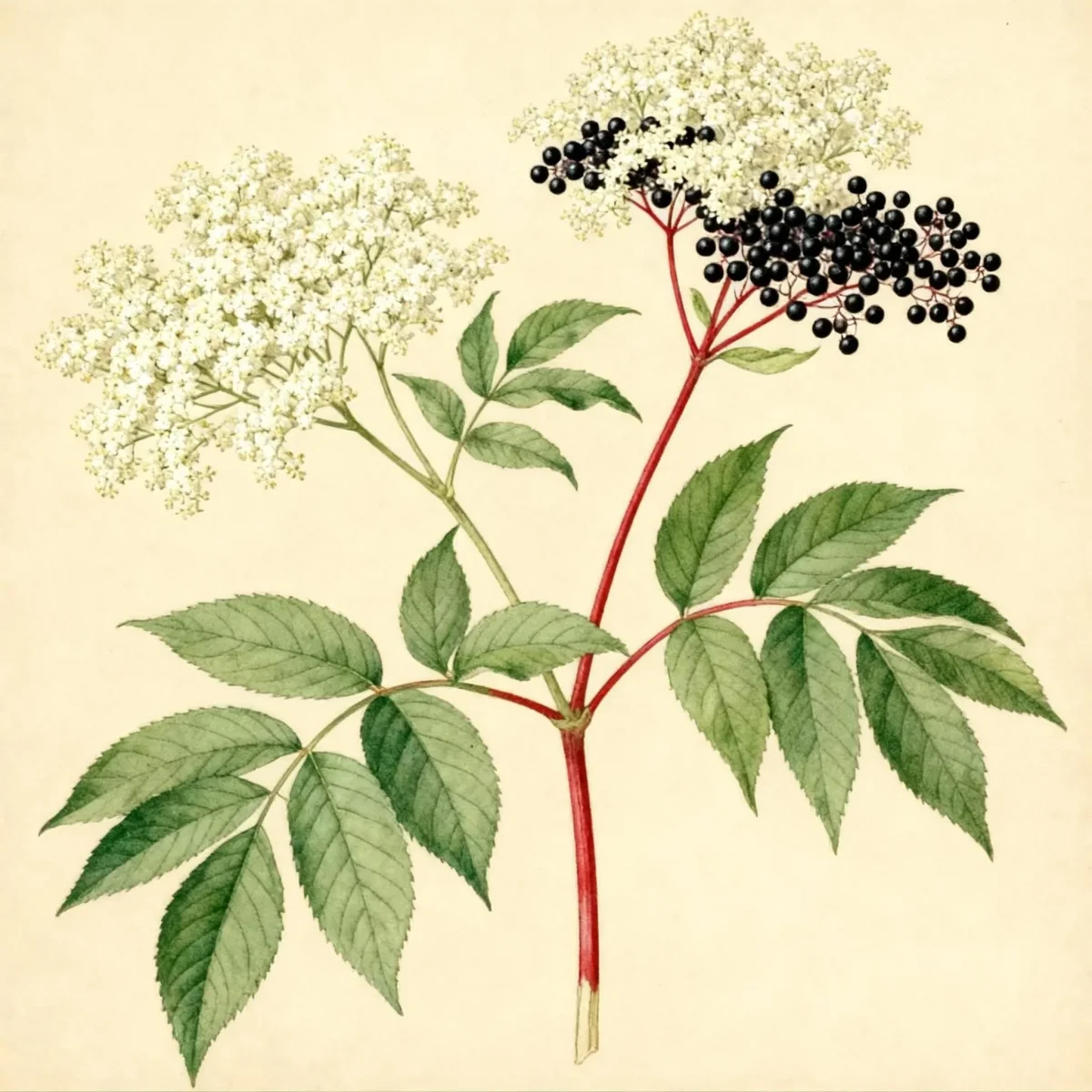
Witherod viburnum (Viburnum cassinoides 'SMNVCDD' LIL DITTY)
Discover Viburnum cassinoides 'SMNVCDD' LIL DITTY, a compact Witherod viburnum offering fragrant spring flowers, great fall color, and edible fruit.
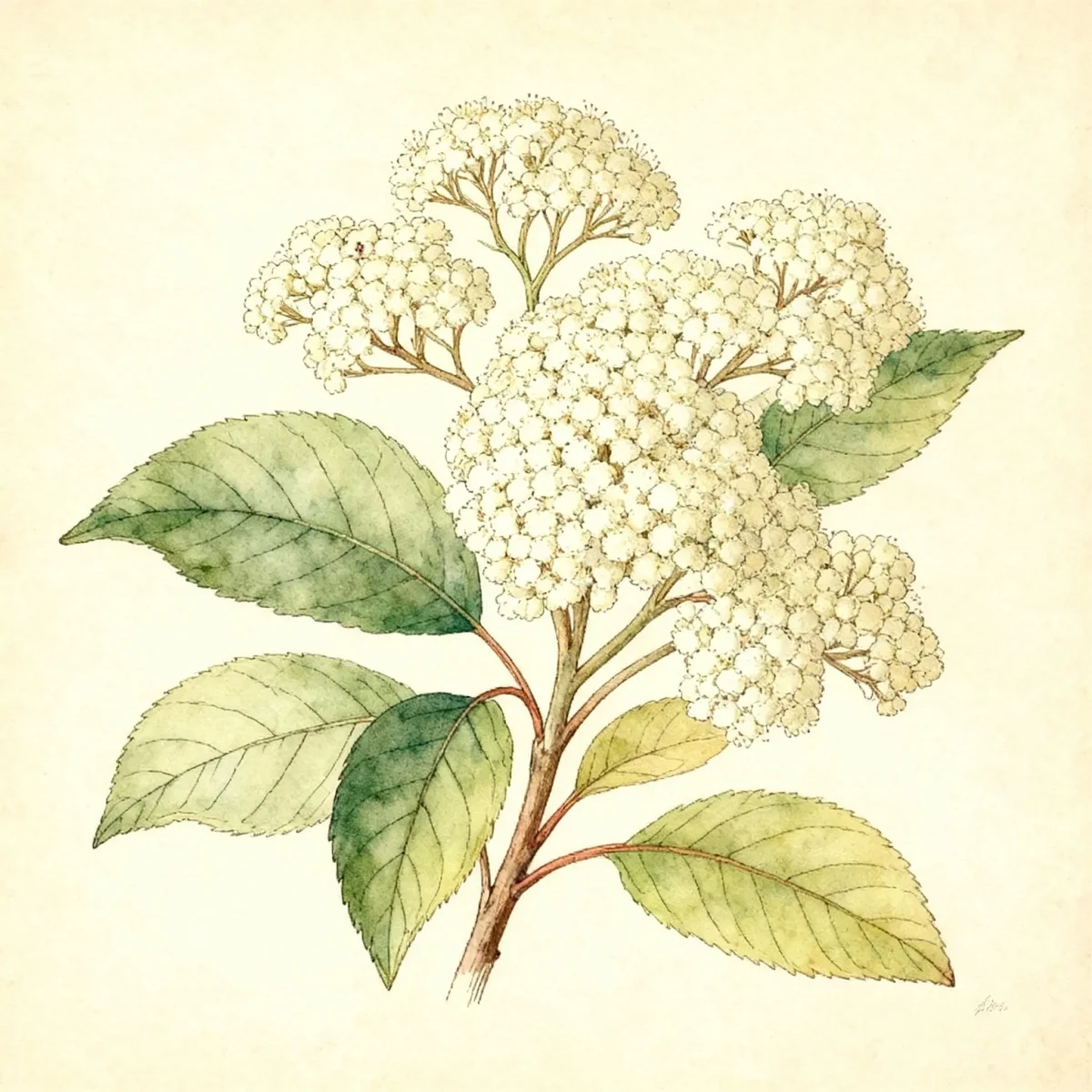

Bloom Boldly, No Matter the Season - Sweatshirt
Cozy organic cotton sweatshirt featuring our exclusive Purple Coneflower design. Perfect for gardeners who bloom year-round.
Inspired by the beautiful Witherod viburnum
Limited first batch (50) — join the waitlist for early access
Waitlist closes Feb 15, 2026.
Complete Plant Information
Field Guide Continues
Ready for care notes, companion picks, and planting tips?
The map is just the start. The full guide below covers growth habits, seasonal performance, and landscape uses.
Overview
Viburnum cassinoides ‘SMNVCDD’ LIL DITTY is a highly valued dwarf cultivar, offering year-round interest in a compact, manageable size perfect for modern landscapes. This selection of Witherod viburnum brings masses of fragrant, creamy white flowers in late spring, setting the stage for attractive, multi-colored fruit displays later in the season. Its dense, upright mounding habit ensures a neat appearance with minimal fuss.
This exceptional shrub features bronze-toned new foliage that matures to deep green before transforming into striking orange-red and red-purple hues in autumn. The Witherod viburnum is celebrated for its longevity of beauty, with berries often persisting after leaf drop, providing essential winter structure and contrast.
As a low-maintenance, deciduous shrub, Viburnum cassinoides ‘SMNVCDD’ LIL DITTY thrives across a wide range of moisture conditions, making it an adaptable choice for gardeners seeking beauty and resilience. Its four-season appeal—flowers, fruit, foliage color, and structure—makes it indispensable for mixed borders and foundation plantings.
Fast Facts
- Plant Family: Adoxaceae
- Plant Type: Deciduous shrub
- Hardiness Zones: USDA Zones 3-8
- Size at Maturity:
- Height: 1-2 ft
- Spread: 1-2 ft
- Bloom Time: May to June
- Bloom Description: Creamy white
- Sun Exposure: Full sun to part shade
- Water Needs: Medium to wet
- Maintenance Level: Low
How to Grow
Plant Viburnum cassinoides ‘SMNVCDD’ LIL DITTY during the spring or fall when temperatures are moderate, allowing the roots time to establish before extreme heat or cold arrive. This compact Witherod viburnum prefers average, medium to wet, well-drained soils, though it tolerates a broad soil spectrum, including boggy conditions, provided drainage is adequate. Locate it where it receives full sun for the best flowering and fall color, though it tolerates partial shade.
Watering should be consistent, especially during the first year of establishment, to maintain medium moisture levels. While naturally adaptable, ensuring steady moisture will prevent stress. Fertilization is rarely necessary if the soil is reasonably fertile. Pruning should be kept to a minimum to maintain the dwarf habit of the ‘LIL DITTY’ cultivar; if needed, perform shaping cuts in late fall once flowering is complete or early spring before new growth begins.
A crucial cultural note for maximizing the showy fruit of this species, which applies even to named cultivars, is planting multiple shrubs close together. For the best cross-pollination and subsequent berry display, plant shrubs in groups rather than using single specimens of Viburnum cassinoides ‘SMNVCDD’ LIL DITTY.
Landscape Uses
The consistent, compact nature of Viburnum cassinoides ‘SMNVCDD’ LIL DITTY makes it an outstanding element for formal and informal designs alike. Its use as an effective hedge is easily accommodated by its small stature (1-2 feet), perfect for low borders along walkways or defining planting beds without overwhelming them. It also shines as an accent specimen where its spring flowers and fall fruit can be individually admired.
Beyond hedges, this shrub excels in shrub borders layered behind shorter perennials, or when incorporated into mass plantings for textural contrast. Because the Witherod viburnum naturally tolerates very moist soil conditions, it is ideally suited for water garden peripheries or rain garden installations where other shrubs might struggle. Its combination of spring flowers, excellent fall color, and persistent winter fruit ensures continuous visual interest.
Standout Features
Flower Qualities
- Showy
- Fragrant
Fruit Qualities
- Showy
- Edible
Noteworthy Characteristics
Viburnum cassinoides is commonly called witherod viburnum, deriving its common name from the flexible nature of its twigs. The cultivar ‘SMNVCDD’, known as LIL DITTY, is a dwarf selection developed for exceptionally vigorous, compact, and uniform growth. Flowers appear in light, flat-topped clusters, followed by fruit that transitions from green to pink, red, and finally blue-black, providing spectacular layered color contrast against the foliage in autumn.
Tolerances
This plant exhibits moderate toughness, particularly concerning moisture levels.
Potential Problems
This reliable shrub generally exhibits low susceptibility to serious pests and diseases. Gardeners should remain vigilant for occasional insect issues such as aphids, borers, scale, or thrips, which can usually be managed with horticultural oil or insecticidal soap treatments when infestations are noted. On the disease front, common fungal concerns include leaf spots, anthracnose, or powdery mildew, especially in areas with low air circulation or persistent dampness. Proper spacing and pruning in late fall or early spring can help mitigate fungal growth on the foliage of your Witherod viburnum.
Frequently Asked Questions
What hardiness zones is Witherod viburnum suitable for?
USDA Zones 3 through 8 cover the reliable growing range for Viburnum cassinoides ‘SMNVCDD’ LIL DITTY.
How large does Viburnum cassinoides ‘SMNVCDD’ LIL DITTY grow?
This dwarf cultivar is compact, typically reaching a height between 1 and 2 feet, with a similar spread of 1 to 2 feet at maturity.
When does Witherod viburnum bloom?
This shrub produces its creamy white, fragrant flowers primarily from May to June, offering one of its key ornamental highlights of the season.
What sun exposure does Witherod viburnum need?
For optimal performance, plant Viburnum cassinoides ‘SMNVCDD’ LIL DITTY in locations receiving full sun to partial shade.
Conclusion
The Viburnum cassinoides ‘SMNVCDD’ LIL DITTY offers tremendous ornamental value through its compact stature, fragrant blooms, vibrant fall color shifts, and attractive edible fruit. This low-maintenance Witherod viburnum is a versatile workhorse suitable for hedging, massing, or specimen planting across many garden styles. Before installing, always confirm that your site falls within USDA Zones 3-8 and plan to group plants together to ensure a magnificent fruit presentation next autumn.
Companion Planting
Due to its preference for medium to wet soils and tolerance for sun or partial shade, Viburnum cassinoides ‘SMNVCDD’ LIL DITTY pairs well with other moisture-loving natives. Consider pairing it with Swamp Milkweed (Asclepias incarnata) to boost pollinator activity during the summer months, or utilizing groundcovers like wild ginger (Asarum canadense) in shadier areas beneath the canopy. For fall foliage partners that share similar cultural needs, large ferns or moisture-loving Astilbes offer excellent textural contrast when planted nearby.
Wildlife Benefits
While the primary focus of the ‘LIL DITTY’ cultivar is ornamental density, the parent species provides valuable resources for local fauna. The creamy white flowers are noted as fragrant and attract various pollinators during their late spring bloom period. Furthermore, the small, colorful fruits are utilized by birds, particularly as they transition to their darker fall and winter hues. Planting Viburnum cassinoides ‘SMNVCDD’ LIL DITTY in sheltered spots can provide light cover and supplemental late-season food sources for local wildlife.