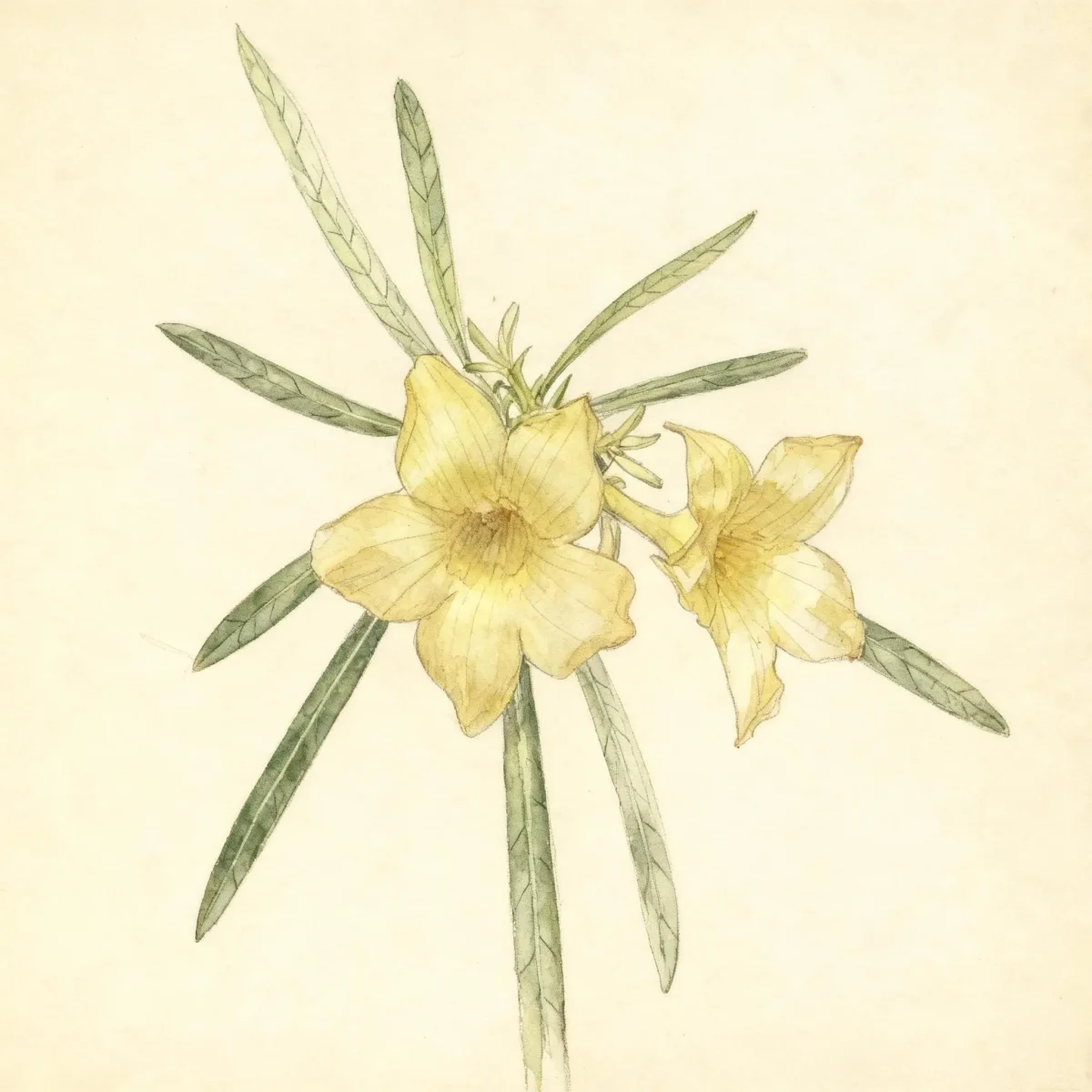
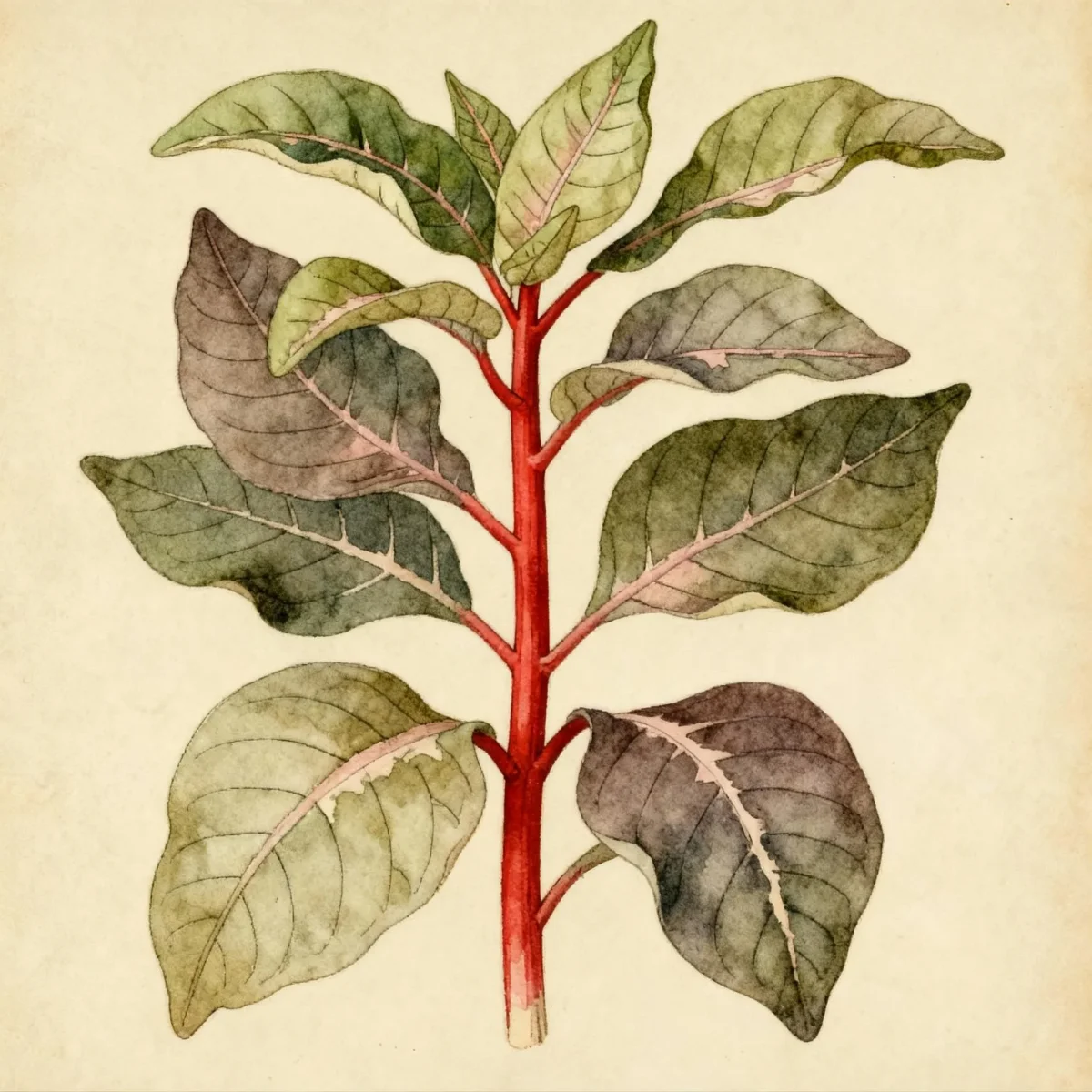
Rose cactus (Pereskia grandifolia)
The Rose cactus, Pereskia grandifolia, is a unique broadleaf evergreen cactus boasting large, showy pink flowers and edible leaves.
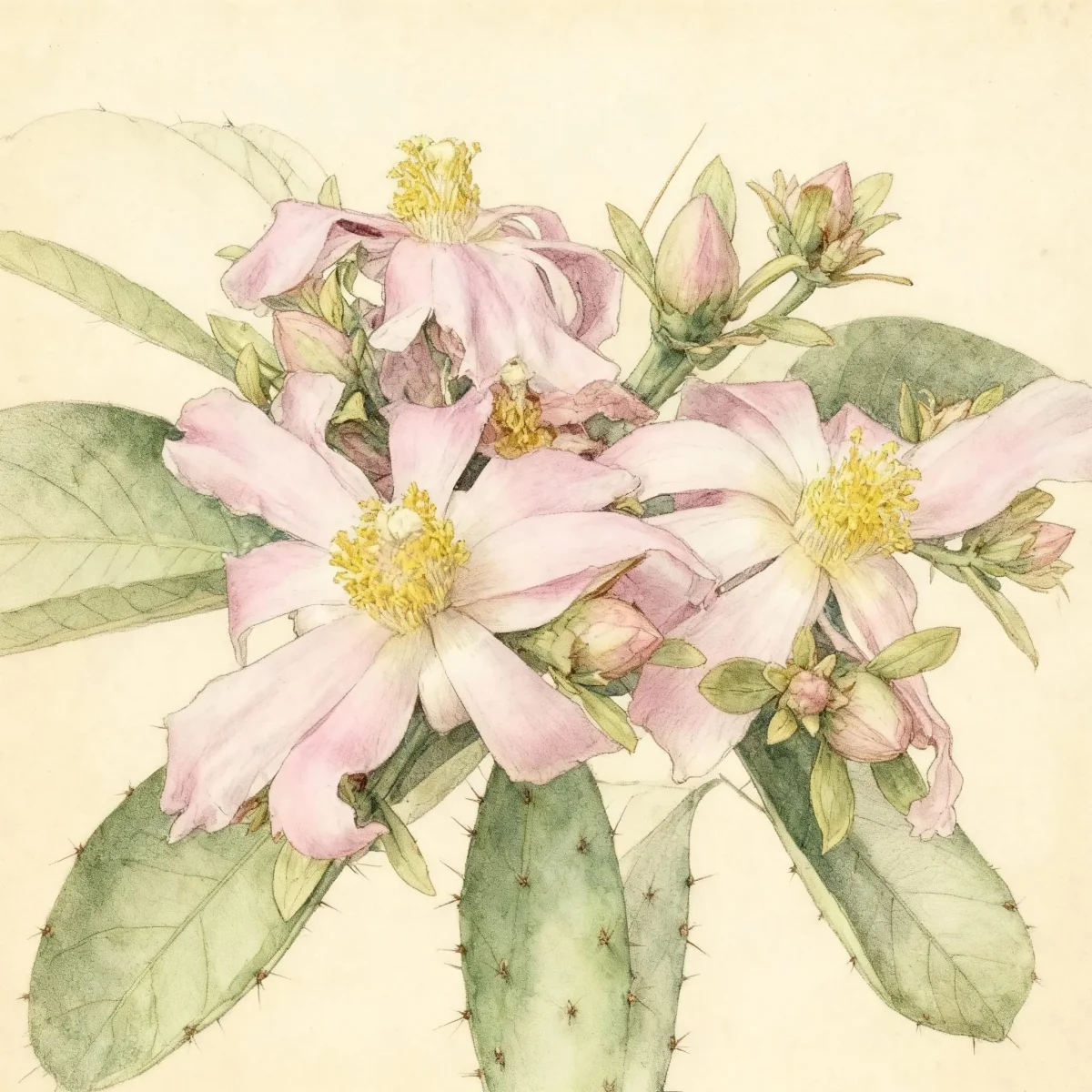

Bloom Boldly, No Matter the Season - Sweatshirt
Cozy organic cotton sweatshirt featuring our exclusive Purple Coneflower design. Perfect for gardeners who bloom year-round.
Inspired by the beautiful Rose cactus
Limited first batch (50) — join the waitlist for early access
Waitlist closes Feb 15, 2026.
Complete Plant Information
Field Guide Continues
Ready for care notes, companion picks, and planting tips?
The map is just the start. The full guide below covers growth habits, seasonal performance, and landscape uses.
Overview
The Rose cactus, Pereskia grandifolia, offers gardeners a fascinating glimpse into cactus evolution, presenting as a structurally evergreen shrub or small tree rather than a traditional succulent. This botanical oddity is prized for its large, attractive leaves and the stunning display of pink, rose-like flowers it produces in summer. As a member of the Cactaceae family, this plant diverges significantly from its spiny relatives, providing structure and vibrant summer color to warmer landscapes.
Native to tropical areas of eastern Brazil, Pereskia grandifolia is cultivated in many regions worldwide for its ornamental appeal and the unique characteristics of its foliage. It is one of the few members of the cactus family possessing persistent, fleshy, non-succulent leaves that can reach up to nine inches long. This combination of tropical foliage, showy blooms, and cactus classification makes the Rose cactus a valuable and surprising addition to any garden design, especially where hedges or unique specimens are desired.
Cultivating Pereskia grandifolia is moderately straightforward, assuming proper zonal conditions are met. It requires well-drained, rich soil and prefers full sun, though it benefits from some afternoon relief in the hottest climates. Gardeners must be mindful of its temperature sensitivity, as the leaves tend to drop below 50°F, although the plant can usually withstand brief dips near 25°F.
Fast Facts
- Plant Family: Cactaceae
- Plant Type: Broadleaf evergreen
- Native Range: Brazil
- Hardiness Zones: USDA Zones 10-12
- Size at Maturity:
- Height: 6-16 ft
- Spread: 6-16 ft
- Bloom Time: July to August
- Bloom Description: Pink
- Sun Exposure: Full sun to part shade
- Water Needs: Medium
- Maintenance Level: Medium
How to Grow
For optimal establishment, plant Pereskia grandifolia during the warm season when temperatures are consistently high, ensuring it has ample space to develop its mature 6 to 16-foot stature. Locate it in moist, organically rich, well-drained soils. While it adapts well to full sun, providing light afternoon shade will mitigate scorch in extremely hot summer climates, helping to retain the attractive foliage.
Watering requirements for the Rose cactus are medium during the active growing season (summer), maintaining moist soil conditions, particularly when grown as a hedge. Once established, this plant displays notable drought tolerance; however, extreme dryness may cause the deciduous leaves to drop. A key cultural consideration is winter dormancy: keep soils significantly drier when temperatures drop, especially if you expect cool spells, as freezing temperatures are detrimental to the foliage.
Propagation of this unique cactus is best achieved through cuttings planted directly into light, porous soil mixtures. These cuttings can also successfully root in water before transplanting. Be aware that the leaves of Pereskia grandifolia will become deciduous when temperatures fall below 50°F, providing a different visual texture for the cooler months when grown on the cusp of its hardiness range.
Landscape Uses
The Rose cactus excels as an architectural element in the tropical or subtropical landscape. Its substantial height and density make it an outstanding candidate for utilization as a screening Hedge, providing year-round structure where conditions permit. Furthermore, gardeners in areas needing water-wise, ornamental screening often turn to Pereskia grandifolia for xeriscape designs.
Beyond its structural role, this plant offers ornamental value through its attractive foliage and the stunning summer bloom of pink, rose-like flowers. The fleshy, pear-shaped fruits that follow the bloom add further visual interest. For those managing containers, the Rose cactus is a viable option, though it necessitates careful movement indoors when growing anywhere outside of USDA Zones 10-11 to protect it from frost.
The edible leaves of Pereskia grandifolia add a functional layer to its aesthetic appeal, allowing it to be incorporated into specialized edible or medicinal gardens alongside its primary use as a handsome ornamental specimen.
Flower Qualities
- Showy
Noteworthy Characteristics
Pereskia grandifolia, commonly called rose cactus or pereskia, is botanically classified as a cactus, but takes the form of an evergreen to deciduous shrub or small tree with a rounded crown typically maturing to 6-16’ tall. It often develops a brown trunk (to 8” diameter). It is native to tropical areas of eastern Brazil, but is cultivated in many places elsewhere for its attractive rose-like flowers. Pereskia is the only genus in the cactus family that has persistent non-succulent leaves which are short-stalked, fleshy, elliptic-ovate to obovate-lanceolate (to 3-9” long and to 2 1/2”wide).
Tolerances
- Drought
Potential Problems
This plant generally exhibits excellent resistance to common garden pests and diseases, meaning severe infestations or widespread issues are rare for growers providing appropriate cultural conditions. Vigilance, especially regarding soil pathogens in poorly draining soil, remains the best preventative measure against potential issues.
If growing the Pereskia grandifolia near the cooler edge of its hardiness range (Zones 10/11), monitor nighttime temperatures closely. Leaf drop is the expected response to temperatures dipping in the 40s and 50s, signaling the plant is preparing for dormancy or responding to chilling stress, rather than an infestation.
Frequently Asked Questions
What hardiness zones is Rose cactus suitable for?
The Rose cactus, Pereskia grandifolia, is winter hardy primarily in USDA Zones 10 through 12.
How large does Pereskia grandifolia grow?
Mature specimens of Pereskia grandifolia generally reach heights between 6 and 16 feet, with a similar spread of 6 to 16 feet.
When does Rose cactus bloom?
The blooming period for the Rose cactus is typically from July through August, producing attractive pink flowers.
What sun exposure does Pereskia grandifolia need?
This plant thrives best in conditions ranging from full sun up to partial shade; afternoon shade is beneficial in intense summer heat.
Conclusion
The Pereskia grandifolia, or Rose cactus, stands out as a truly unique specimen, blending the structural resilience of a desert plant with the lush foliage of a tropical shrub. Its adaptability in warm climates, combined with showy summer blooms and useful edible leaves, makes the Rose cactus a highly versatile addition to ornamental and xeriscape gardens. Before planting, confirm your location falls within USDA Zones 10-12 to ensure this broadleaf evergreen thrives year-round.
Propagation Tips
If you wish to increase your stock of this distinctive plant, propagation via cuttings is highly successful. Take cuttings from healthy stem growth and allow the cut end to dry slightly, if possible, though this step is sometimes omitted for Pereskia species. Plant these cuttings in a very light, porous, well-draining soil mix designed for cacti or succulents.
Alternatively, cuttings of Pereskia grandifolia can be rooted directly in water. Place the base of the cutting in clean water, ensuring no leaves are submerged to prevent rot. Change the water regularly until roots have developed sufficiently, which usually takes several weeks, after which they can be carefully transitioned to a soil medium.
Design Ideas
Utilize Pereskia grandifolia in mixed borders where its contrasting texture—large, somewhat fleshy leaves against fine-textured drought-tolerant companions—will draw attention. Its growth habit lends itself well to being positioned toward the back of a border, acting as a semi-permanent green screen that explodes with pink flowers mid-summer.
Consider pairing the taller Pereskia grandifolia specimens near architectural features or along property lines where a medium-maintenance hedge is required. Because it handles some dryness once established, it pairs well visually and culturally with other robust Mediterranean or subtropical drought-tolerant plants, creating a visually rich yet sustainable planting scheme.