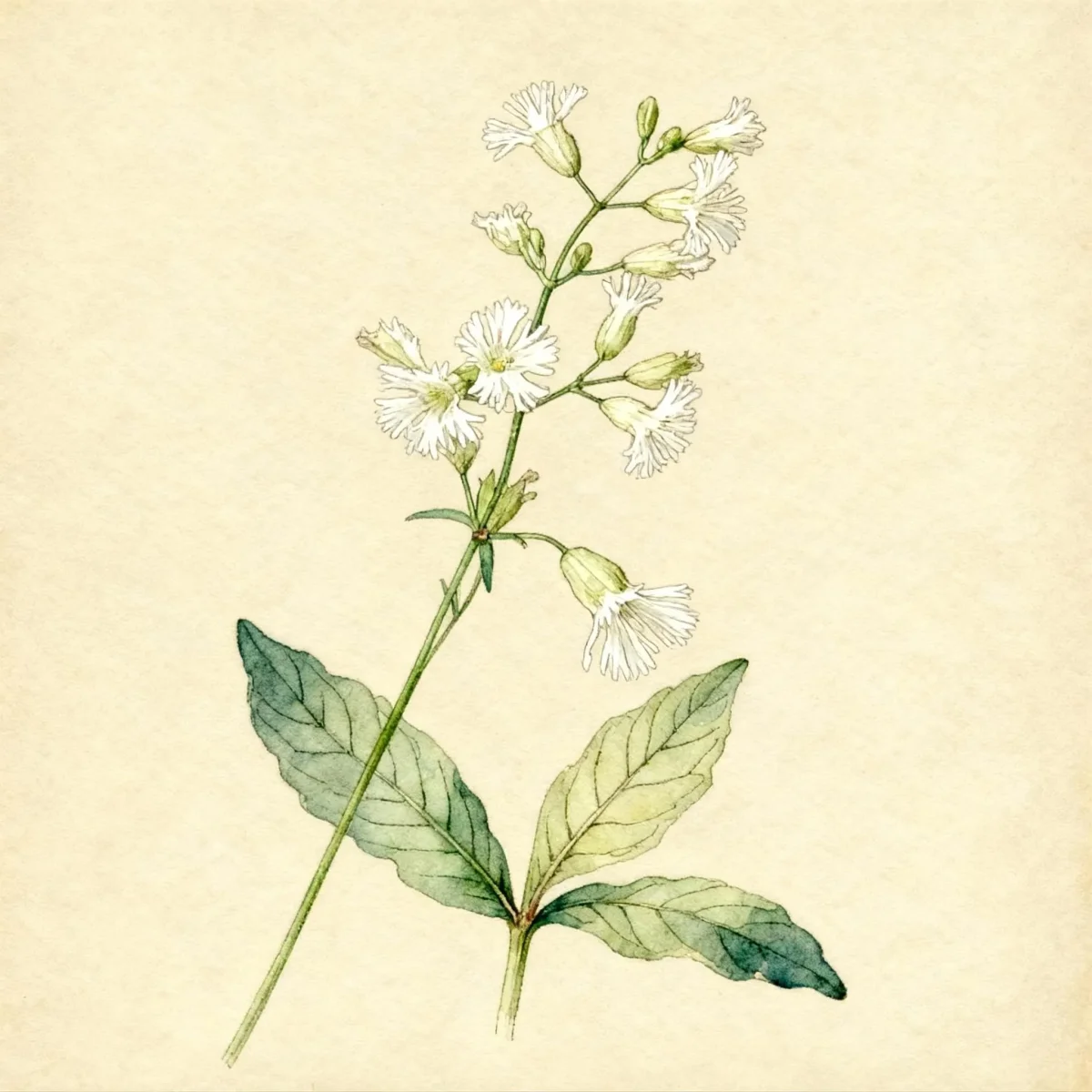
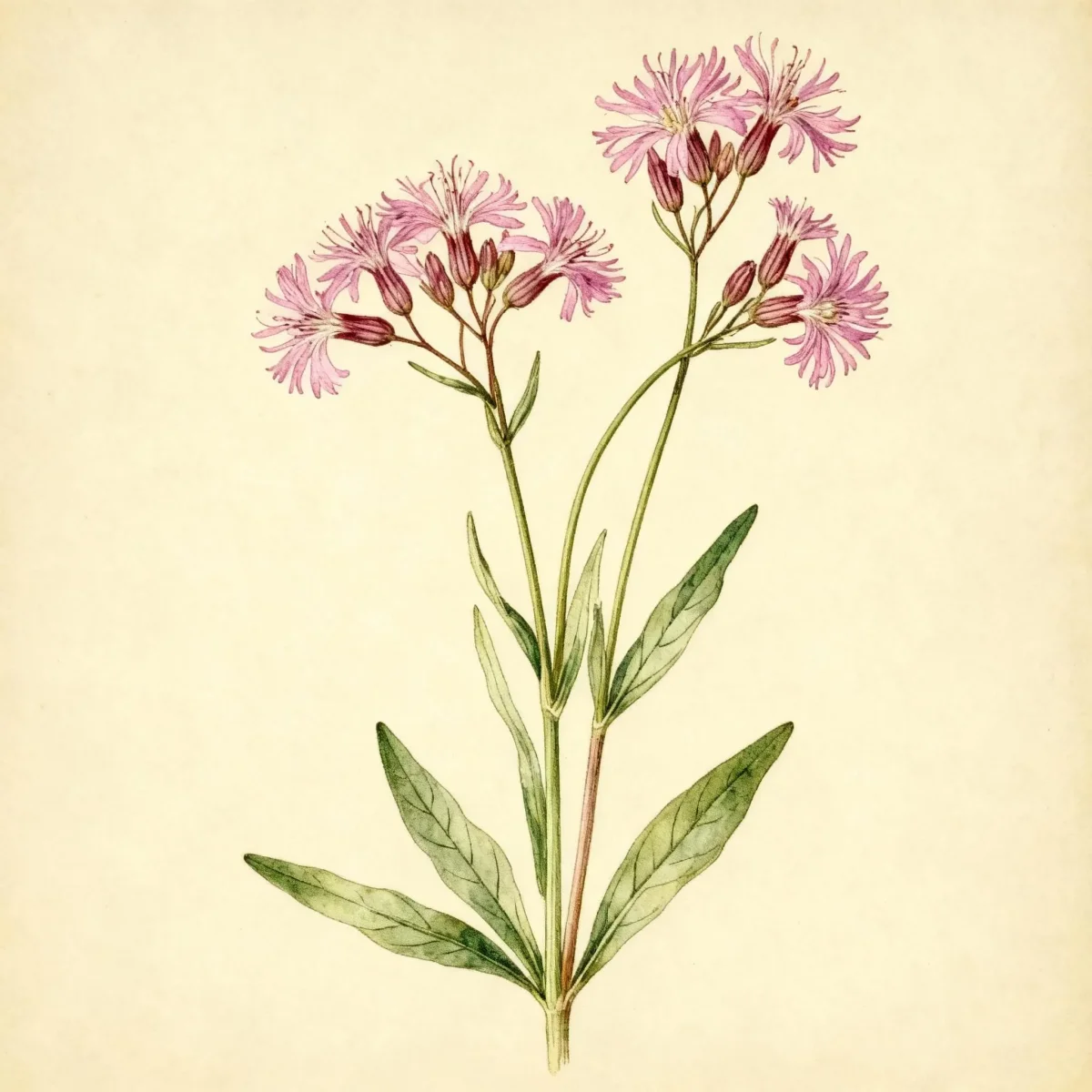
Ragged robin (Silene flos-cuculi 'Petite Jenny')
Discover Silene flos-cuculi 'Petite Jenny' (Ragged robin), a dwarf, sterile perennial featuring striking lavender-pink, double flowers from late spring through mid-summer.

Bloom Boldly, No Matter the Season - Sweatshirt
Cozy organic cotton sweatshirt featuring our exclusive Purple Coneflower design. Perfect for gardeners who bloom year-round.
Inspired by the beautiful Ragged robin
Limited first batch (50) — join the waitlist for early access
Waitlist closes Feb 15, 2026.
Complete Plant Information
Field Guide Continues
Ready for care notes, companion picks, and planting tips?
The map is just the start. The full guide below covers growth habits, seasonal performance, and landscape uses.
Overview
Silene flos-cuculi ‘Petite Jenny’ is a treasured ornamental cultivar, known commonly as Ragged robin, valued for its compact size and vibrant double blooms. Unlike the species plant, this specific variety is sterile, offering gardeners beautiful, low-maintenance color without the concerns of aggressive self-seeding. It brings a distinctive, soft texture to the perennial border through its flowering period.
This herbaceous perennial thrives in moist conditions, making it an excellent choice for rain gardens or the edges of ponds where it can receive consistent hydration. Its stature is modest, providing vertical interest without overwhelming surrounding plantings, typically reaching under 1.5 feet tall. The unique, deeply cut petals give the Ragged robin its charming, somewhat tousled appearance.
For gardeners seeking low fuss and historical charm, Silene flos-cuculi ‘Petite Jenny’ delivers reliable performance. It is categorized as a low-maintenance plant that brightens shady spots or sunny, damp perimeters from late spring into early summer. Incorporating this manageable cultivar ensures ongoing visual appeal in reliably moist garden areas.
Fast Facts
- Plant Family: Caryophyllaceae
- Plant Type: Herbaceous perennial
- Hardiness Zones: USDA Zones 5-8
- Size at Maturity:
- Height: 0.75-1.5 ft
- Spread: 1-1.5 ft
- Bloom Time: May to July
- Bloom Description: Lavender pink
- Sun Exposure: Full sun to part shade
- Water Needs: Medium to wet
- Maintenance Level: Low
How to Grow
Planting Silene flos-cuculi ‘Petite Jenny’ is best done in the spring after the danger of hard frost has passed, or in early fall. The key requirement for success is consistent moisture; plant in average, medium to wet soils. While it tolerates sunny sites, providing part afternoon shade is beneficial in hotter summer climates to prevent scorching and maintain bloom quality.
Water needs for Ragged robin are medium to wet, reflecting its preference for damp meadows and marshy sites in its native Europe. Ensure the soil remains consistently moist, especially during dry spells. Due to its low maintenance profile, routine fertilizing is generally unnecessary, as rich soils can encourage excessive foliage at the expense of flowers.
Maintenance for this cultivar is straightforward. Deadheading is not required for rebloom since the plant is sterile; however, cutting back faded stems in late summer tidies the appearance for winter. Unlike the wild Silene flos-cuculi, gardeners using ‘Petite Jenny’ need not worry about it self-seeding abundantly in the landscape.
Landscape Uses
The compact and moisture-loving nature of Silene flos-cuculi ‘Petite Jenny’ makes it perfectly suited for areas where regular watering is feasible or natural wetness occurs. It excels when used around the peripheries of garden ponds or integrated into dedicated bog gardens, where its roots can remain near saturation. Its low stature keeps sight lines open while adding texture.
Consider using the Ragged robin in cottage gardens where its traditional wildflower charm is appreciated, or planting it in moist meadows designated for naturalizing. It mixes beautifully with other shade and moisture-tolerant companions such as ferns, irises, and creeping Jenny (Lysimachia nummularia). For borders, place it toward the front edge, ensuring its 1 to 1.5-foot spread has room to fill in.
This sterile dwarf cultivar works exceptionally well in consistently moist areas of beds, providing reliable dependability. While species plants naturalize readily, ‘Petite Jenny’ stays neatly where placed, making it a more controlled introduction into designed landscapes than its free-seeding relatives.
Standout Features
Flower Qualities
- Showy
Noteworthy Characteristics
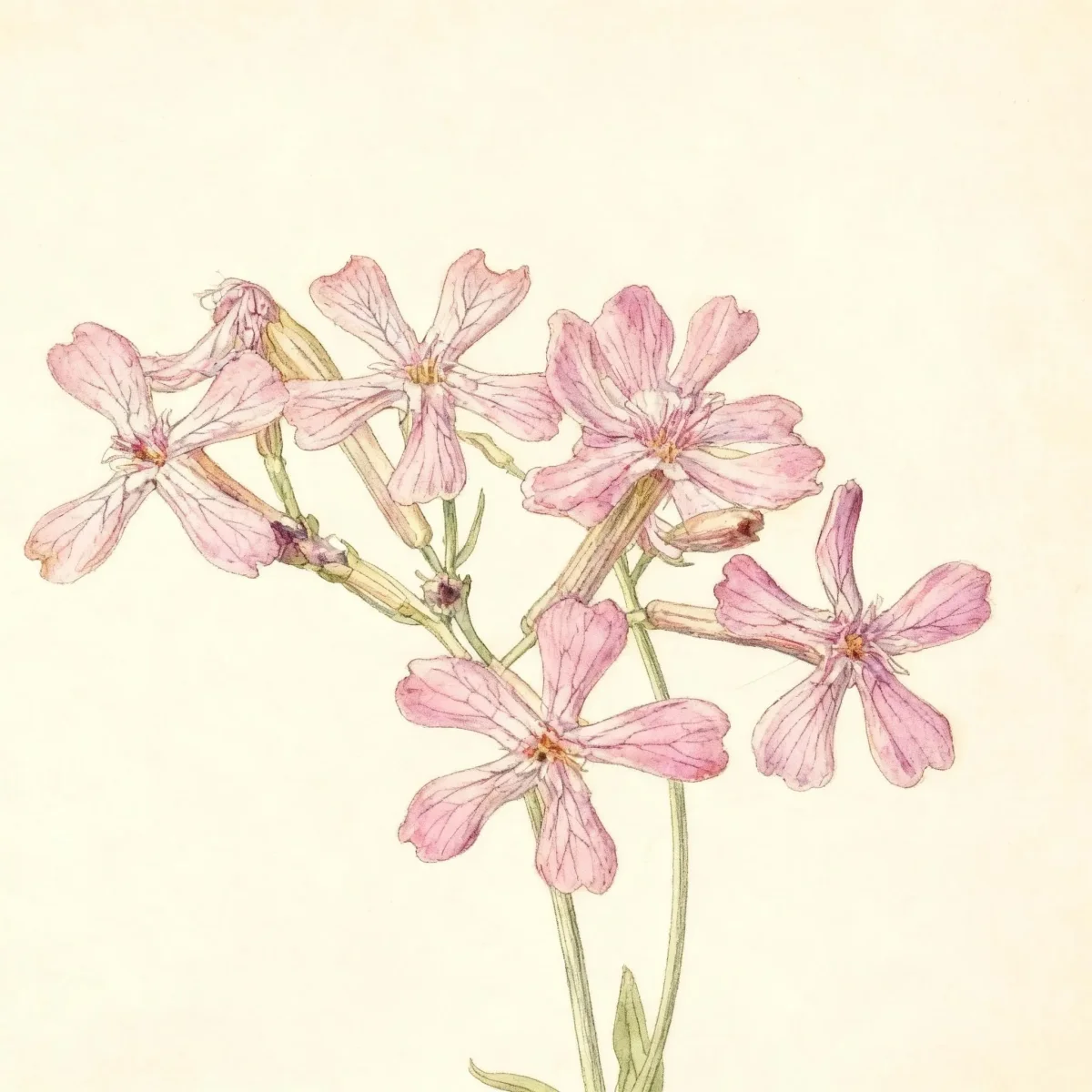
Silene flos-cuculi, commonly known as ragged robin or cuckoo flower, features star-shaped, rose-pink flowers, but the ‘Petite Jenny’ selection offers a unique, fully double, lavender-pink bloom. This dwarf cultivar, discovered at Bressingham Gardens, remains much shorter than its wild counterparts, rising generally only to 14 inches tall with an 18-inch spread. A major advantage is that the flowers are sterile, meaning this beautiful Ragged robin will not self-seed, allowing for precise garden placement.
Tolerances
Potential Problems
Ragged robin generally exhibits few significant issues in the garden. Gardeners should expect no serious insect or disease problems, which contributes significantly to its low maintenance rating. The primary cultivation risk involves improper soil moisture or sunlight exposure rather than inherent susceptibility to pests or pathogens.
The greatest concern, though easily managed, revolves around its water needs. If planted in an area that frequently dries out completely, the plant will suffer, especially during peak summer heat. Ensure sites near beds and borders maintain moderate to wet soil conditions to guarantee robust health and bloom performance for your Silene flos-cuculi ‘Petite Jenny’.
Frequently Asked Questions
What hardiness zones is Ragged robin suitable for?
This herbaceous perennial, Silene flos-cuculi ‘Petite Jenny’, is reliably hardy in USDA Zones 5 through 8.
How large does Silene flos-cuculi ‘Petite Jenny’ grow?
The ‘Petite Jenny’ cultivar is compact, typically reaching a height between 0.75 and 1.5 feet and spreading 1 to 1.5 feet wide.
What sun exposure does Ragged robin need?
It prefers a position receiving full sun to part shade. In hotter climates, some protection from intense afternoon sun is recommended.
When does Silene flos-cuculi ‘Petite Jenny’ bloom?
This specialty cultivar blooms primarily from May through July, displaying its dense, lavender pink flowers.
Conclusion
Silene flos-cuculi ‘Petite Jenny’ offers a fantastic combination of visual appeal and low cultural demands, especially due to its coveted sterile nature which prevents unwanted spread. Gardeners will appreciate the dense, lavender-pink display of this dwarf Ragged robin from late spring well into summer. Before planting, confirm your site offers the medium to wet soil conditions it requires to thrive.
Companion Planting for Moisture Lovers
When designing a border incorporating Ragged robin, focus on plants that share a love for consistently moist soil. Species native to damp meadows or pond edges pair naturally with Silene flos-cuculi ‘Petite Jenny’. Excellent companions include moisture-loving astilbes, which offer feathery texture, or various hardy geraniums, which offer ground cover benefits throughout the season.
Consider complementing the vertical lines of the Ragged robin with structural, water-loving foliage. Tall sedges (Carex species) look fantastic next to the nodding blooms of Silene flos-cuculi ‘Petite Jenny’ without competing for sunlight. These combinations enhance a naturalized look suitable for cottage or wild gardens while respecting the similar cultural needs of each plant.
Seasonal Care Calendar
Spring prep for your Silene flos-cuculi ‘Petite Jenny’ involves a light tidy-up of any old foliage remaining from the previous season just as new growth begins to emerge. Since this plant rarely needs fertilizer, focus attention on soil moisture levels, ensuring the ground is evenly damp as temperatures begin to rise leading into the bloom period.
Summer care primarily involves monitoring watering, especially if you are experiencing a dry spell, to maintain those medium to wet soil conditions. Deadheading established wild species prompts further bloom, but since ‘Petite Jenny’ is sterile, this step is optional; simply allow the plant to finish its cycle naturally before cutting back stems late in the season.
Design Ideas for Damp Perimeters
The compact habit of Silene flos-cuculi ‘Petite Jenny’ makes it useful for softening the transition zone where lawn meets water feature or bog garden. Use drifts of this Ragged robin along the edge of bog plantings to introduce regular color at a lower height than typical marginal plants. Its light, airy foliage contrasts beautifully against the bold leaves of hostas or the architectural spikes of rush species planted slightly deeper in the water.
In the cottage garden context, plant ‘Petite Jenny’ among shorter flowering perennials like marsh marigolds (Caltha palustris) finishing their cycle, or intersperse it with low-growing creeping phlox varieties that enjoy similar conditions. Its lavender-pink flowers blend harmoniously with white, yellow, and softer blue companion blooms, creating an informal yet visually pleasing tapestry.