Calamondin (Citrus × microcarpa)
The Calamondin (Citrus × microcarpa) is a bushy, fruiting evergreen, prized for fragrant white flowers and edible, sour orange fruit. Great for containers.

Bloom Boldly, No Matter the Season - Sweatshirt
Cozy organic cotton sweatshirt featuring our exclusive Purple Coneflower design. Perfect for gardeners who bloom year-round.
Inspired by the beautiful Calamondin
Limited first batch (50) — join the waitlist for early access
Waitlist closes Feb 15, 2026.
Complete Plant Information
Field Guide Continues
Ready for care notes, companion picks, and planting tips?
The map is just the start. The full guide below covers growth habits, seasonal performance, and landscape uses.
Overview
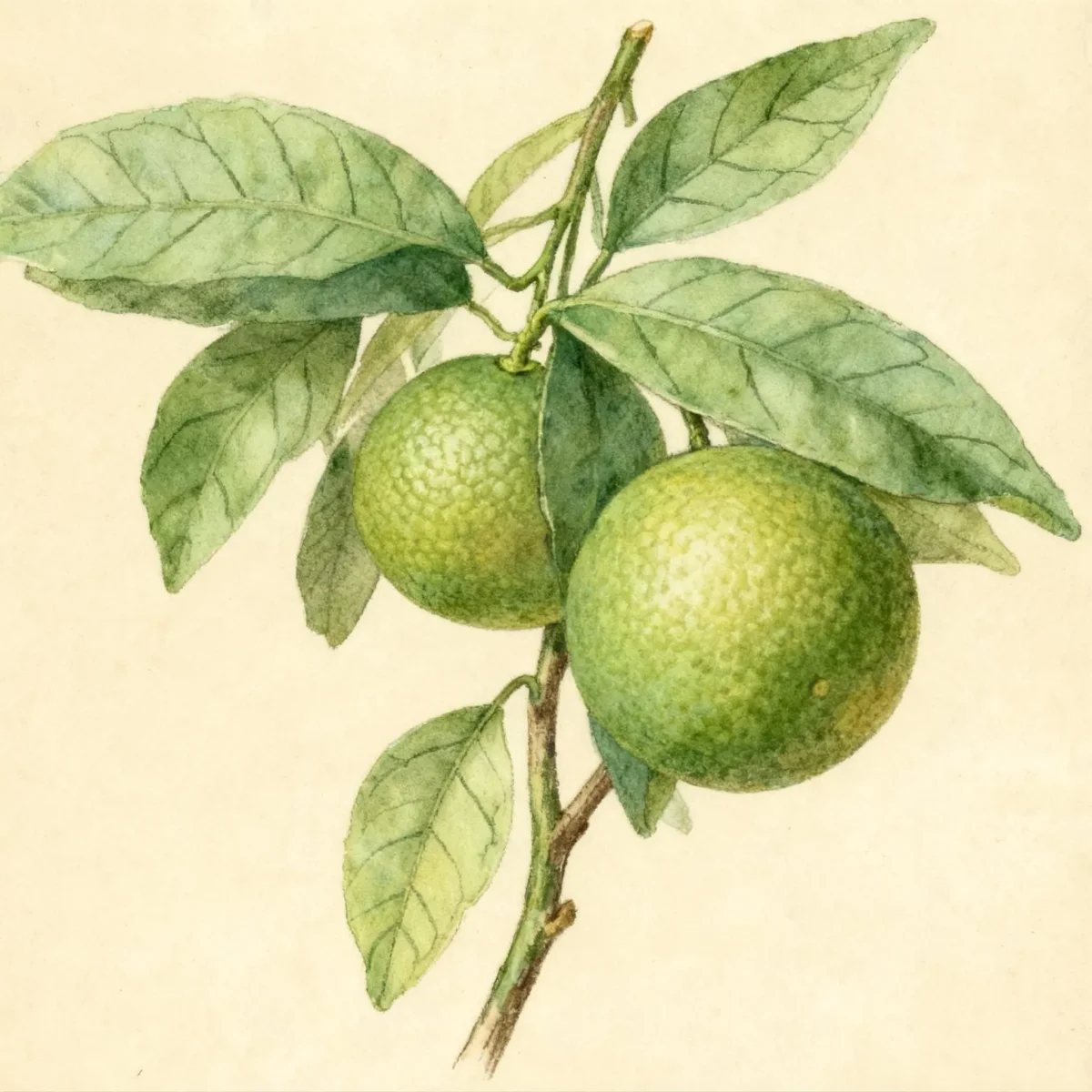
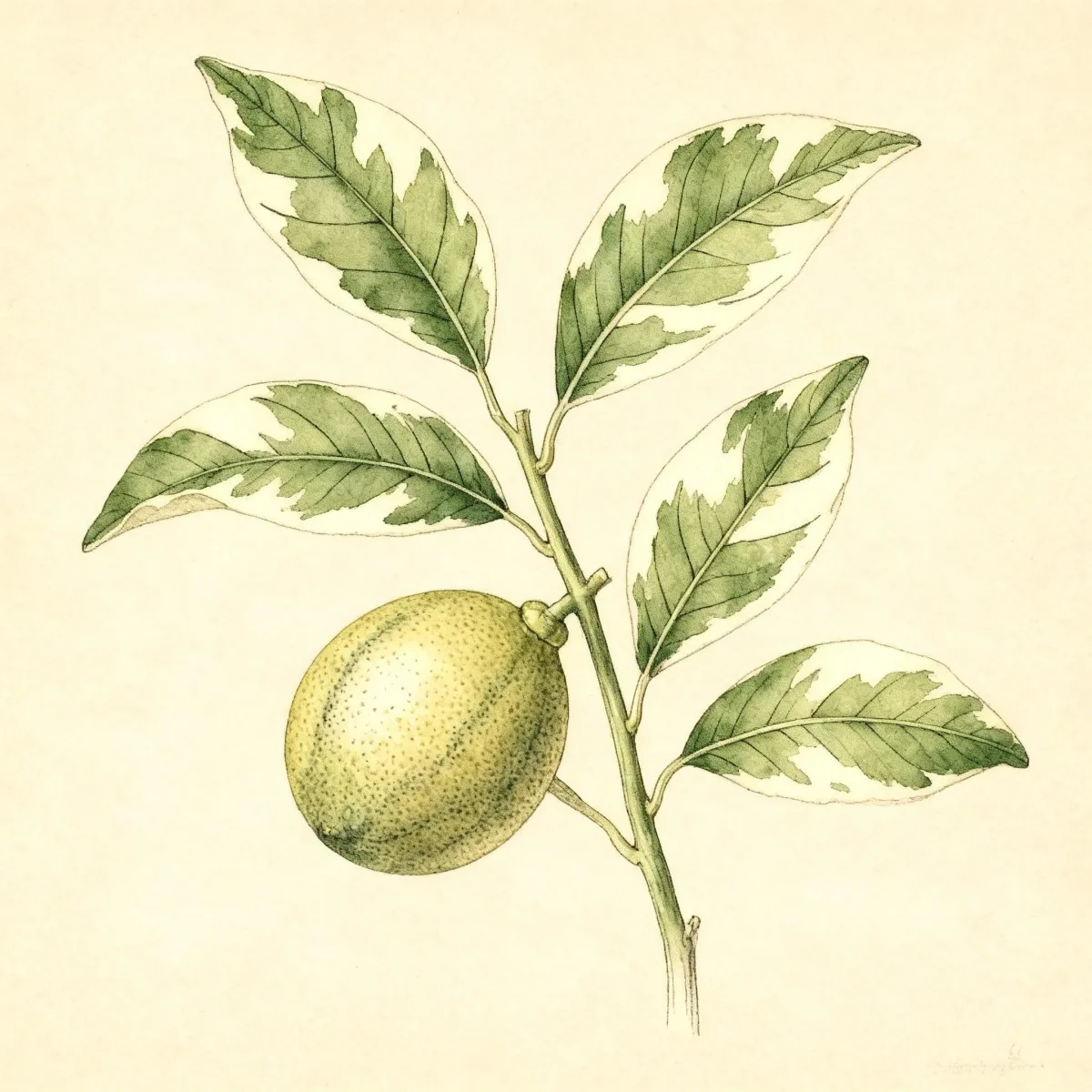
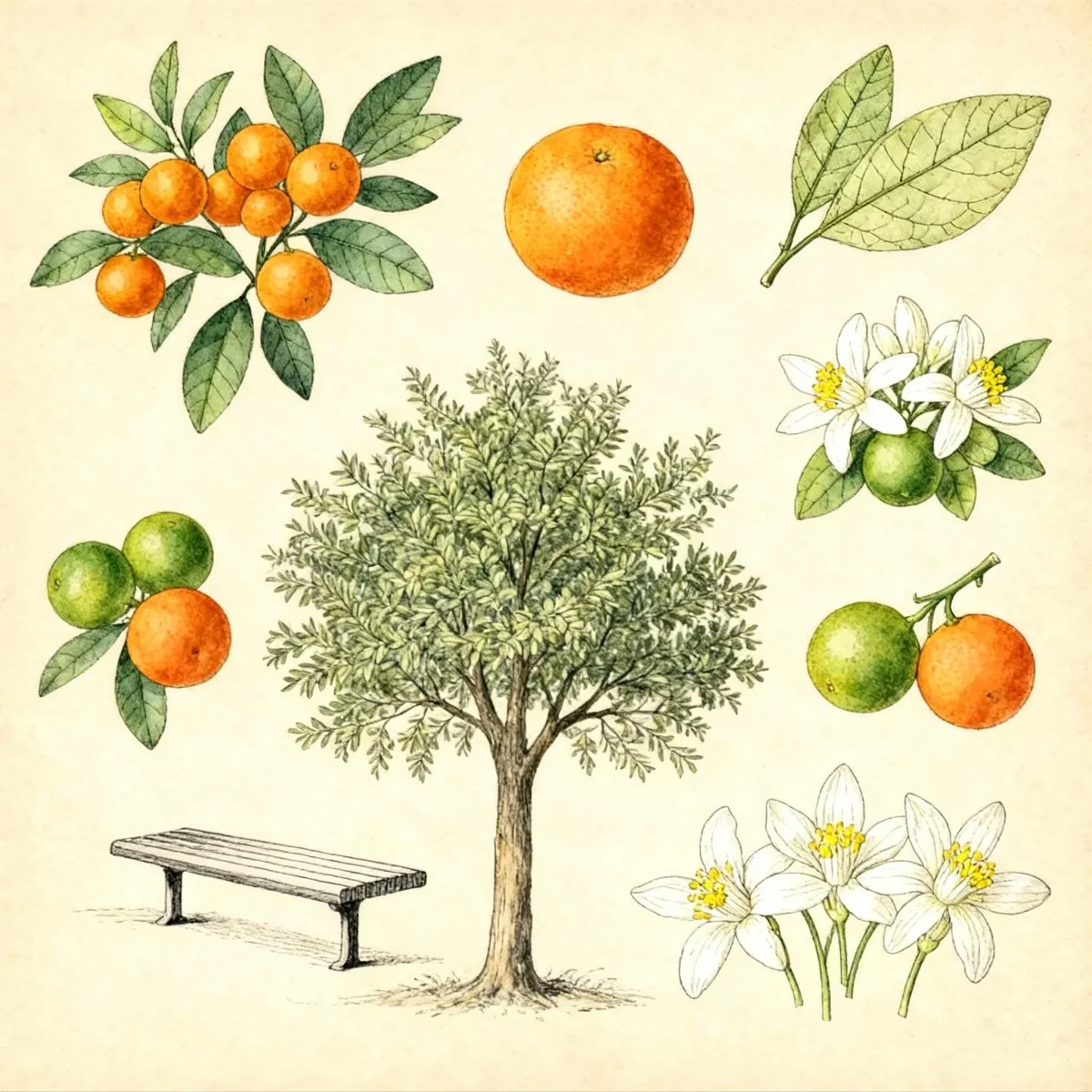
The Calamondin, scientifically known as Citrus × microcarpa, offers evergreen structure combined with simultaneous flowering and fruiting displays, making it highly valuable to ornamental growers. This small, bushy shrub likely originated in China or the Philippines, often recognized as a hybrid between a mandarin and a kumquat (Fortunella japonica). Gardeners prize the Citrus × microcarpa for its prolific display of fragrant white blossoms followed by small, brightly colored orange fruits that persist on the branches for a long duration.
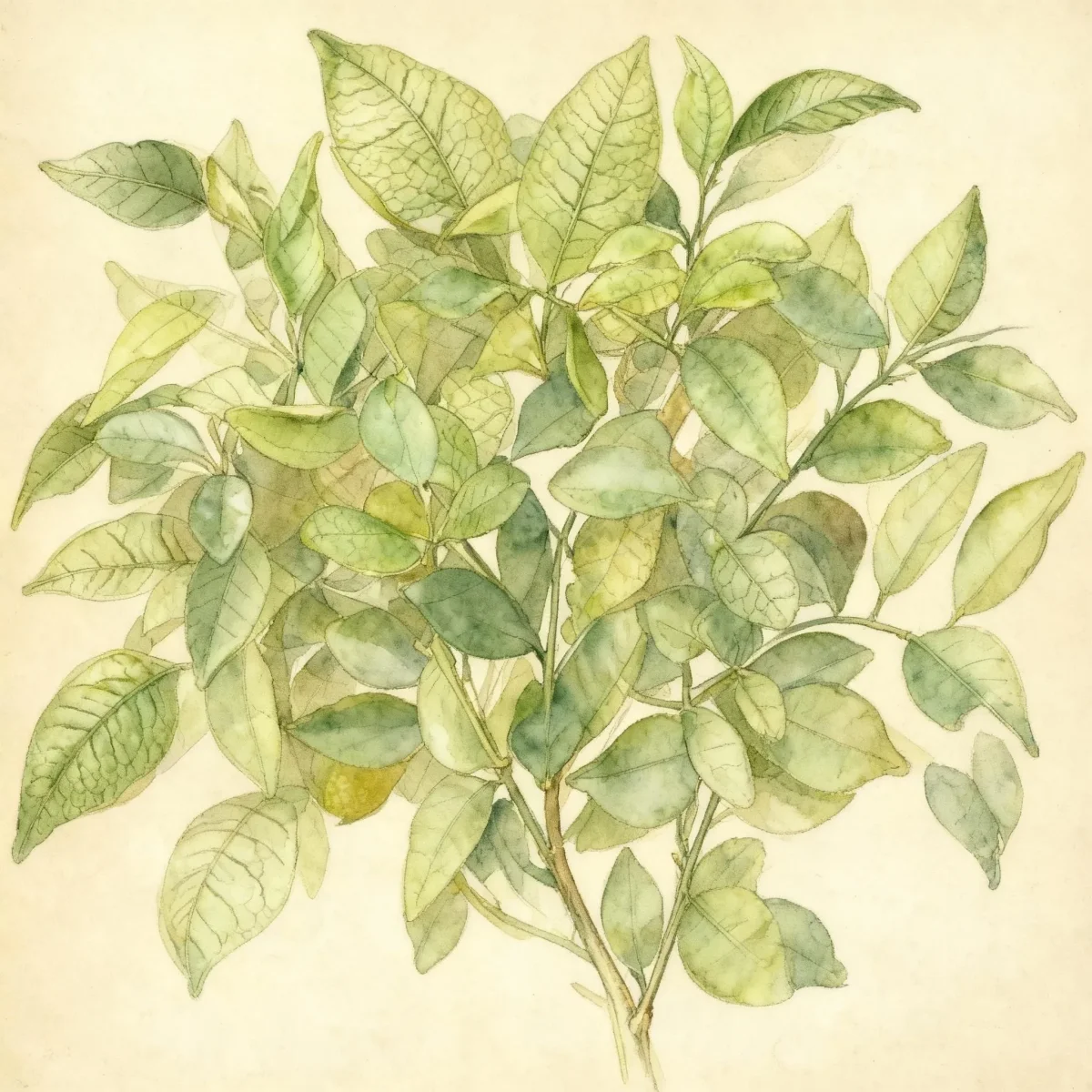
Growing Citrus × microcarpa provides aesthetic appeal year-round, especially when managed as a container plant indoors during colder months. It thrives outdoors in warm climates, functioning well as a hedge or specimen tree. Despite its small size relative to larger citrus varieties, the calamondin delivers substantial visual impact through its glossy foliage, fragrant blooms, and persistent edible (though very sour) fruit.
While the fruit’s pulp and juice are notably acidic, the peel carries a sweeter flavor, lending the fruits numerous culinary applications. Successfully cultivating this plant relies on providing high light, rich, well-drained soil, and consistent moisture, reflecting its tropical heritage.
Fast Facts
- Plant Family: Rutaceae
- Plant Type: Broadleaf evergreen
- Hardiness Zones: USDA Zones 10-11
- Size at Maturity:
- Height: 10-20 ft
- Spread: 6-10 ft
- Bloom Time: Seasonal bloomer
- Bloom Description: White
- Sun Exposure: Full sun
- Water Needs: Medium
- Maintenance Level: Low
How to Grow
For optimal performance, plant Citrus × microcarpa in organically rich, well-drained soils, whether sandy or clay loam, ensuring full sun exposure. Partial shade is tolerated, but theベスト flowering occurs when the plant receives intense, direct sunlight throughout the day. Consistent and regular watering is crucial; avoid soggy conditions, as wet, poorly drained soils are detrimental to the health of the calamondin.
Established plants exhibit moderate drought tolerance; however, younger trees and container specimens require more diligent attention to watering schedules. Temperature is a major limiting factor; these plants struggle below 40°F and are intolerant of frost, making them strictly suitable for outdoor growing in USDA Zones 10 and 11.
North of Zone 10, the Citrus × microcarpa must be grown in containers for winter protection. During late spring, place containers outdoors in full sun, ensuring they are sheltered from strong winds. Bring containers indoors before autumn temperatures drop, situating them near a bright, sunny southern window for overwintering. Indoors, mimic tropical conditions by misting the plant or using a humidifier to increase ambient humidity, which prevents potential leaf drop common when moving plants indoors. Propagation can be achieved via seed or stem cuttings.
Landscape Uses
As an ornamental choice, the calamondin performs beautifully near homes or patios where its seasonal blooms can be fully appreciated. The dense, evergreen structure also lends itself well to functioning as an attractive, flowering hedge, providing structure and moderate screening throughout the year. When grown outdoors in suitable zones, grouping Citrus × microcarpa with other sun-loving, tropical-looking plants enhances a lush, resort-like feel.
Indoors, the calamondin serves as a superb houseplant, offering year-round visual interest from its glossy leaves, fragrant flowers, and the extended presence of its small orange fruits. Its manageable size in containers makes placement flexible, though it should be positioned where it receives maximum light exposure, particularly during winter dormancy indoors.
The highly acidic fruit of the Citrus × microcarpa opens doors for culinary adventures beyond simple table fruit; its juice is excellent for flavoring beverages, sauces, and marmalades. Consider using it near outdoor entertaining areas, allowing visitors to enjoy the sweet scent of the blooms before the sour fruit sets.
Standout Features
Flower Qualities
- Showy
- Fragrant
Fruit Qualities
- Showy
- Edible
Noteworthy Characteristics
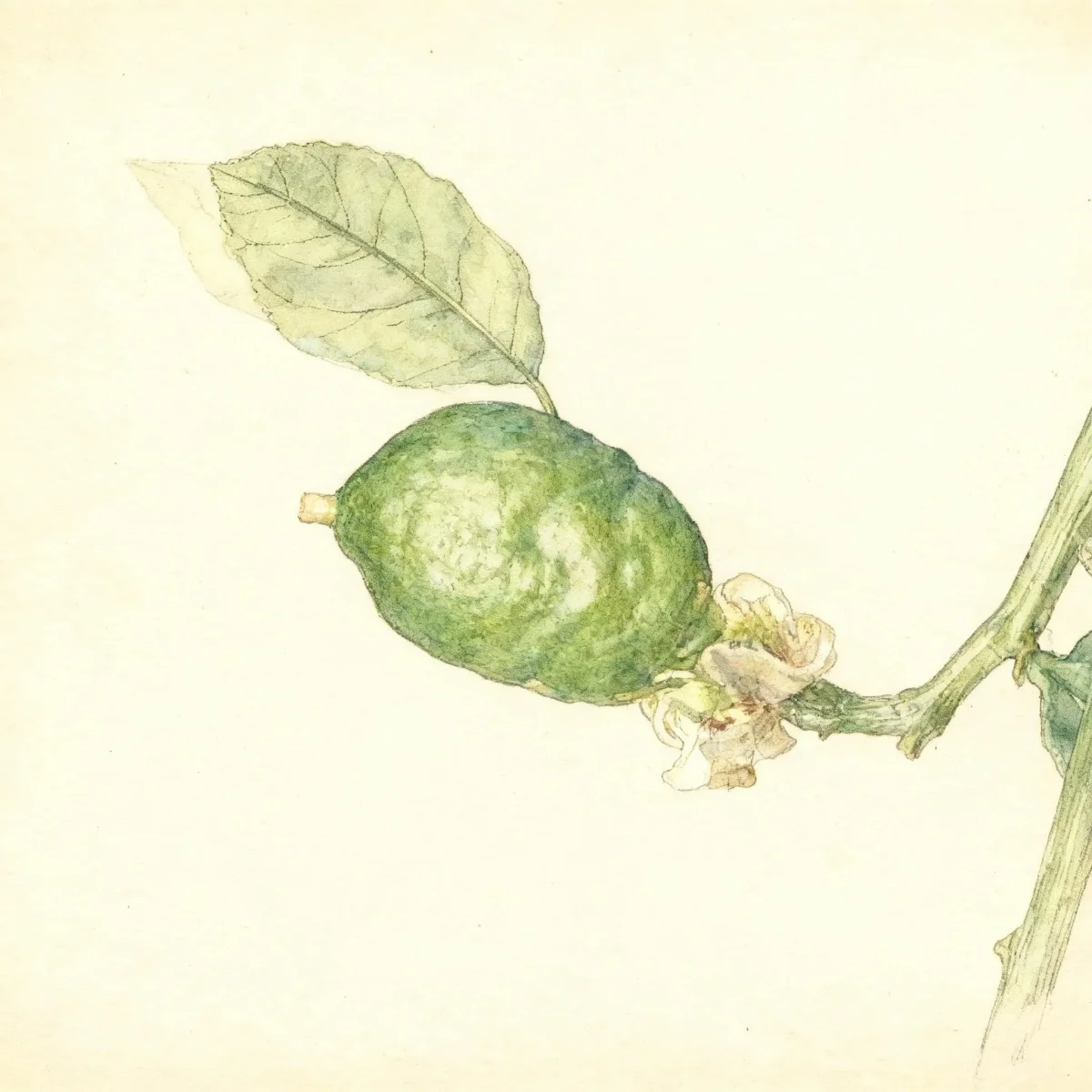
Citrus × microcarpa, commonly known as calamondin or orange calamondin, is a small, bushy, evergreen tree or shrub which probably originates from China or the Philippines. It produces thin-skinned, golf-ball sized orange fruit that is edible but highly acidic, though the peel is sweet. This hybrid is frequently grown ornamentally in the US, and it uniquely features fragrant, white, 5-petaled flowers that can bloom throughout the year, often resulting in ripe fruit and new blossoms appearing simultaneously.
Tolerances
No specific environmental tolerances are listed beyond hardiness zones.
Potential Problems
Gardeners should be vigilant against common citrus pests, as the calamondin is susceptible to scale, aphids, mealybugs, and spider mites. In specific regions like Florida, fruit flies pose a threat. Furthermore, diseases such as citrus canker and frustrating leaf mottling can occur. When overwintering container-grown Citrus × microcarpa indoors, be prepared for potential leaf drop as the plant adjusts to lower light and drier indoor air conditions.
Frequently Asked Questions
What hardiness zones is Calamondin suitable for?
The Calamondin (Citrus × microcarpa) is hardy in USDA Zones 10 through 11, requiring protection from temperatures below 40°F.
How large does Calamondin grow?
When grown outdoors in its ideal climate, the Citrus × microcarpa can reach a mature height of 10 to 20 feet, with a spread between 6 and 10 feet. Container specimens will remain significantly smaller.
What sun exposure does Calamondin need?
This plant requires full sun for the best flowering and fruiting performance, although it can tolerate partial shade.
When does Calamondin bloom?
The Citrus × microcarpa is described as a seasonal bloomer, featuring fragrant white flowers, but it also has the capacity to produce smaller flushes of blooms throughout the year.
Conclusion
The Citrus × microcarpa is a fantastic choice for warm-climate gardeners or container enthusiasts seeking year-round visual appeal, thanks to its fragrant flowers and persistent ornamental fruit. Providing full sun and consistent, medium water management will ensure your calamondin thrives, whether situated as a low-maintenance hedge or a bright indoor specimen. Always plan ahead to protect this tender evergreen when temperatures dip below 40°F.
Propagation Tips
While Citrus × microcarpa can be successfully propagated from seed, the resulting plants may not maintain the exact characteristics of the parent fruit, especially concerning peel sweetness versus pulp sourness. For reliable results that mirror existing successful plants, propagation via stem cuttings is highly recommended. Cuttings should be taken from semi-hardwood growth and encouraged to root using standard horticultural practices for woody ornamentals, providing high humidity for initial establishment.
Container Growing
For gardeners outside USDA Zones 10-11, container culture is the only viable long-term option for maintaining Citrus × microcarpa. Utilize a loose, all-purpose, well-drained potting mix to prevent the fatal issue of waterlogged roots. Timing the movement outdoors—late spring—and ensuring protection from wind is important. Remember that successful indoor wintering requires high light, preferably from a bright southern window, supplemented by increased ambient humidity to minimize leaf shedding.