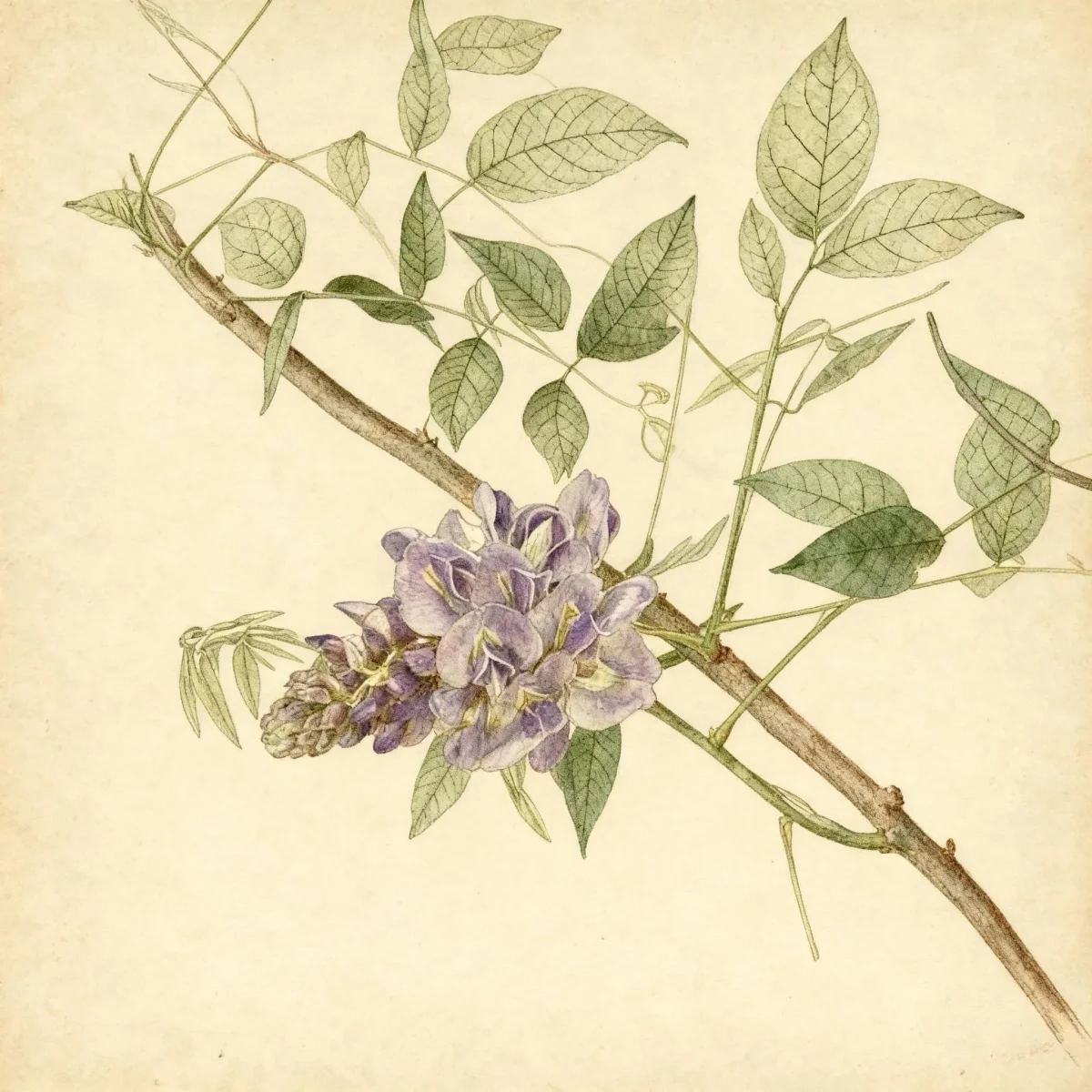
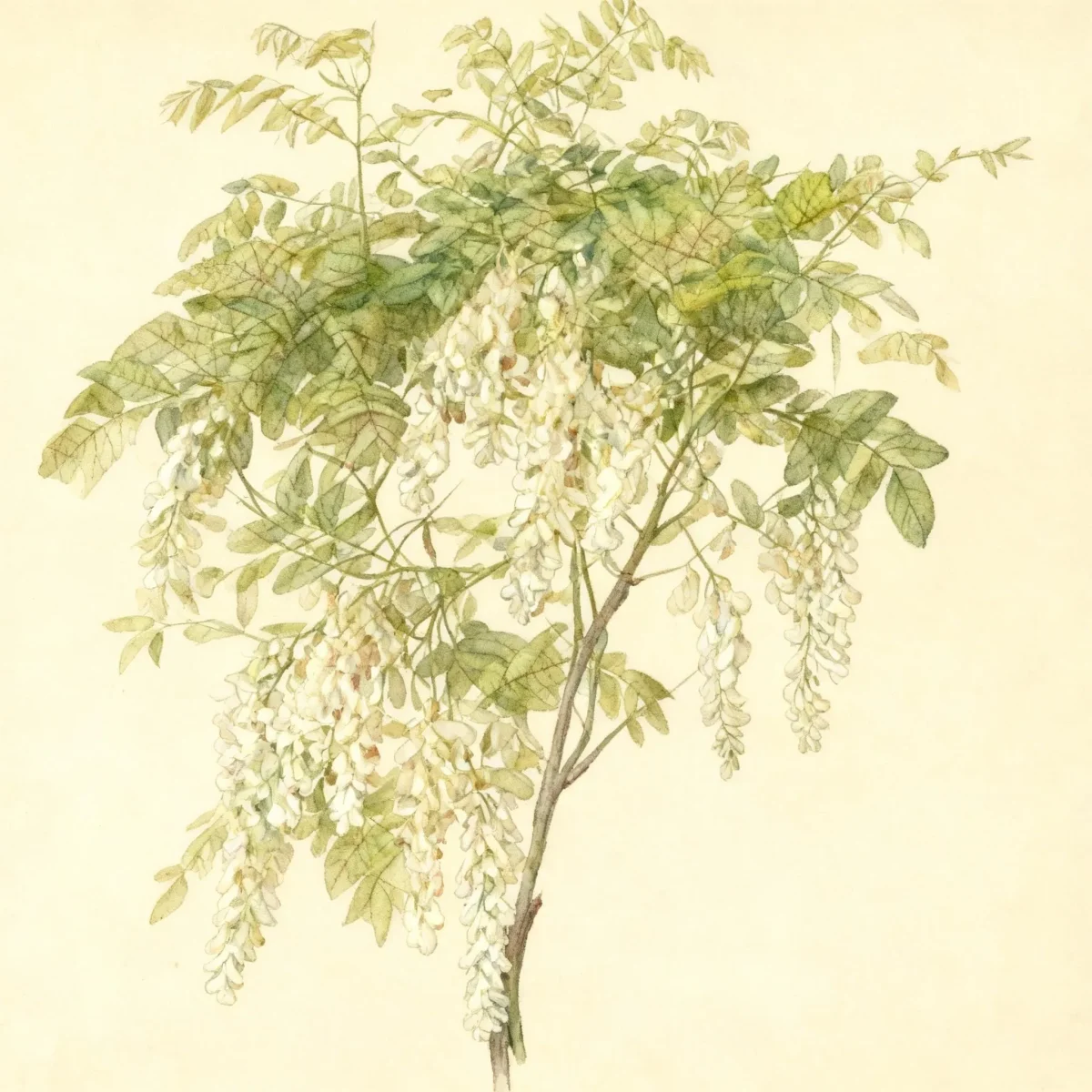
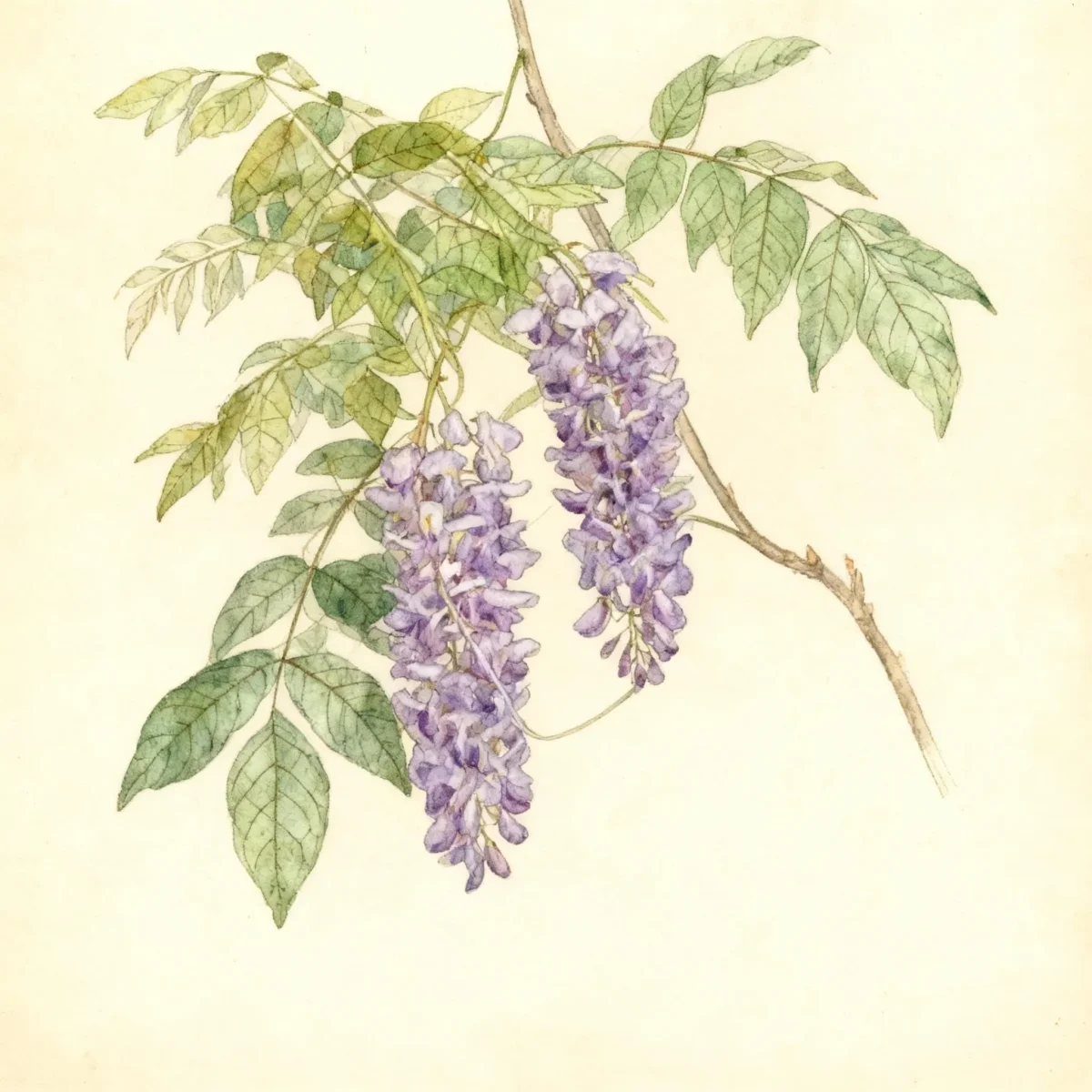
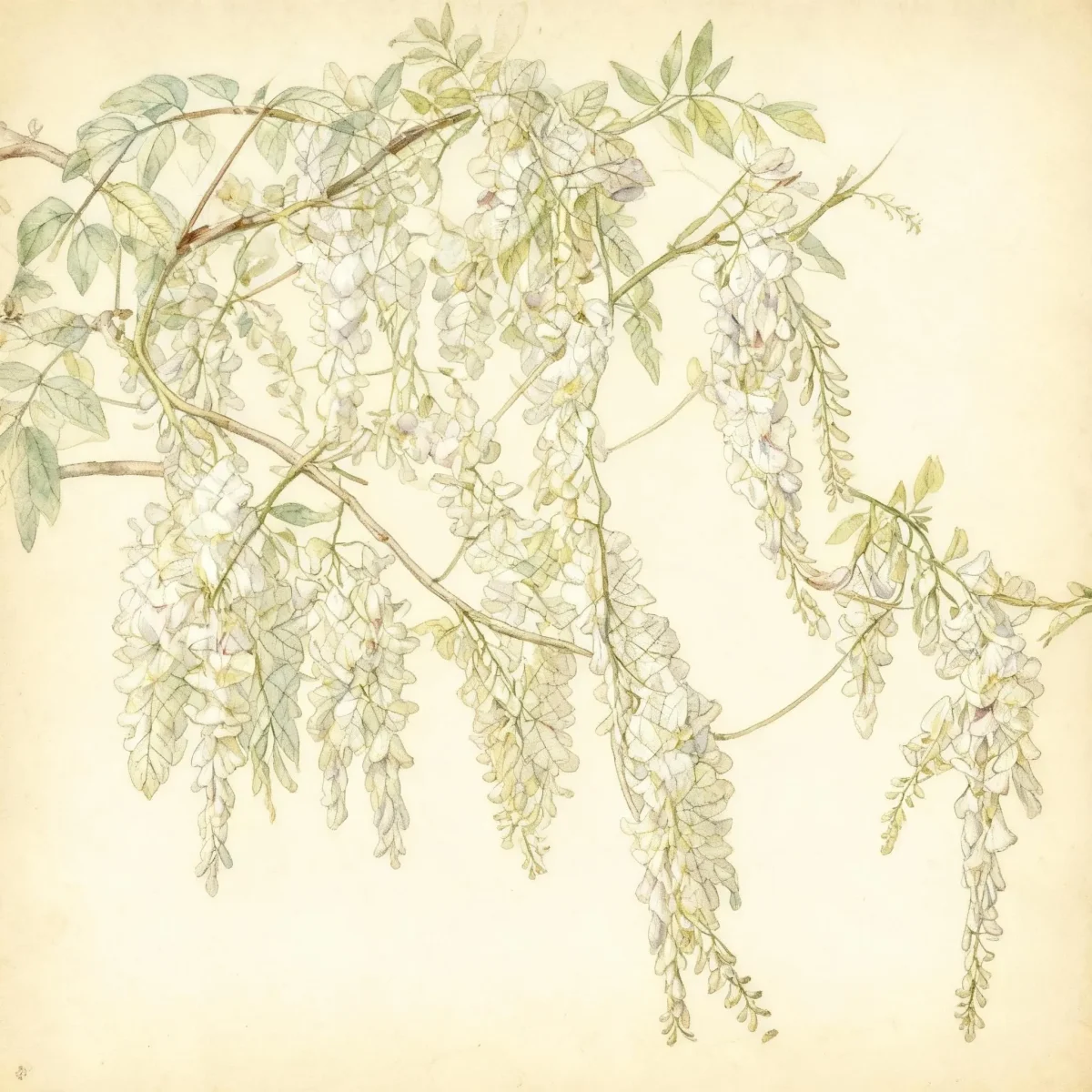
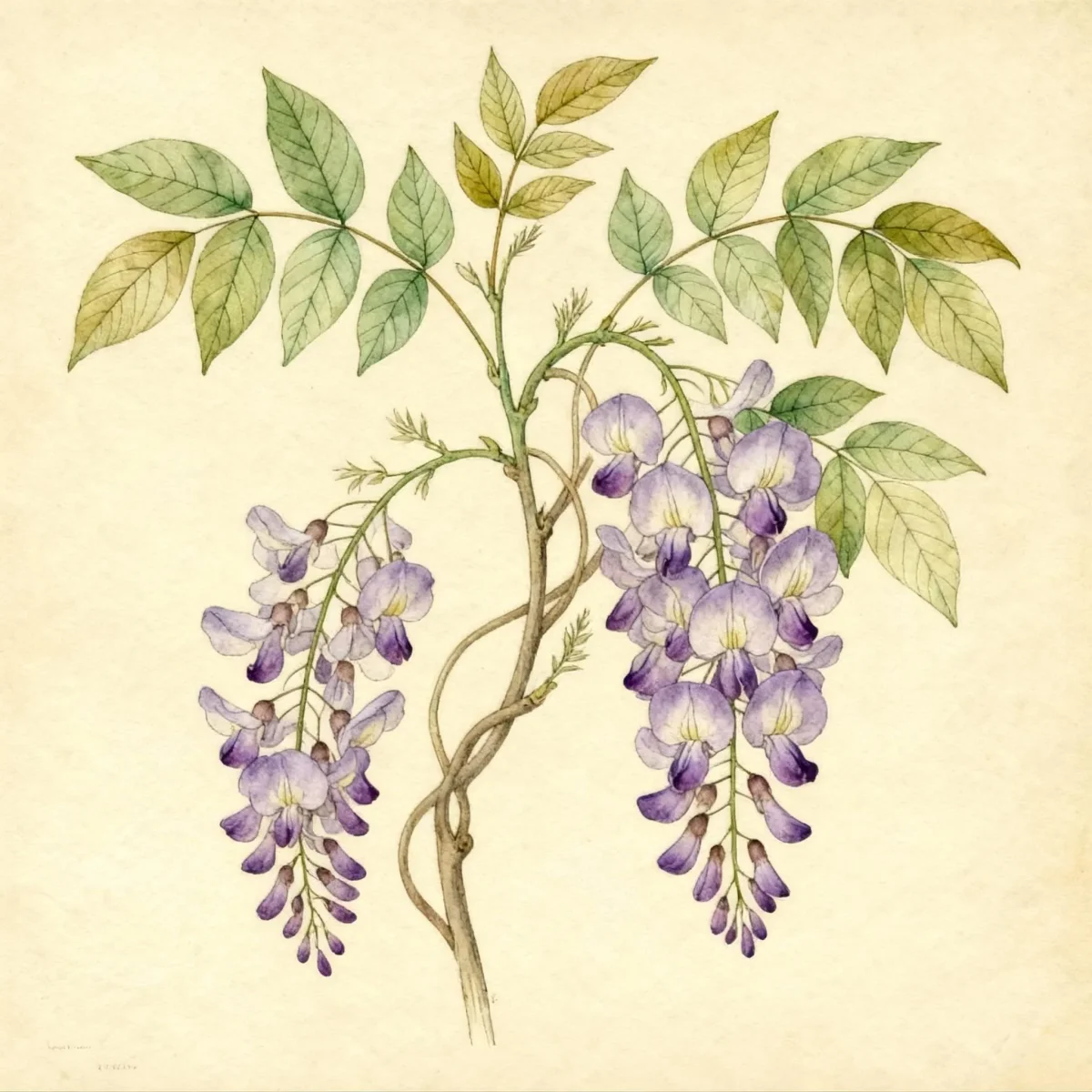
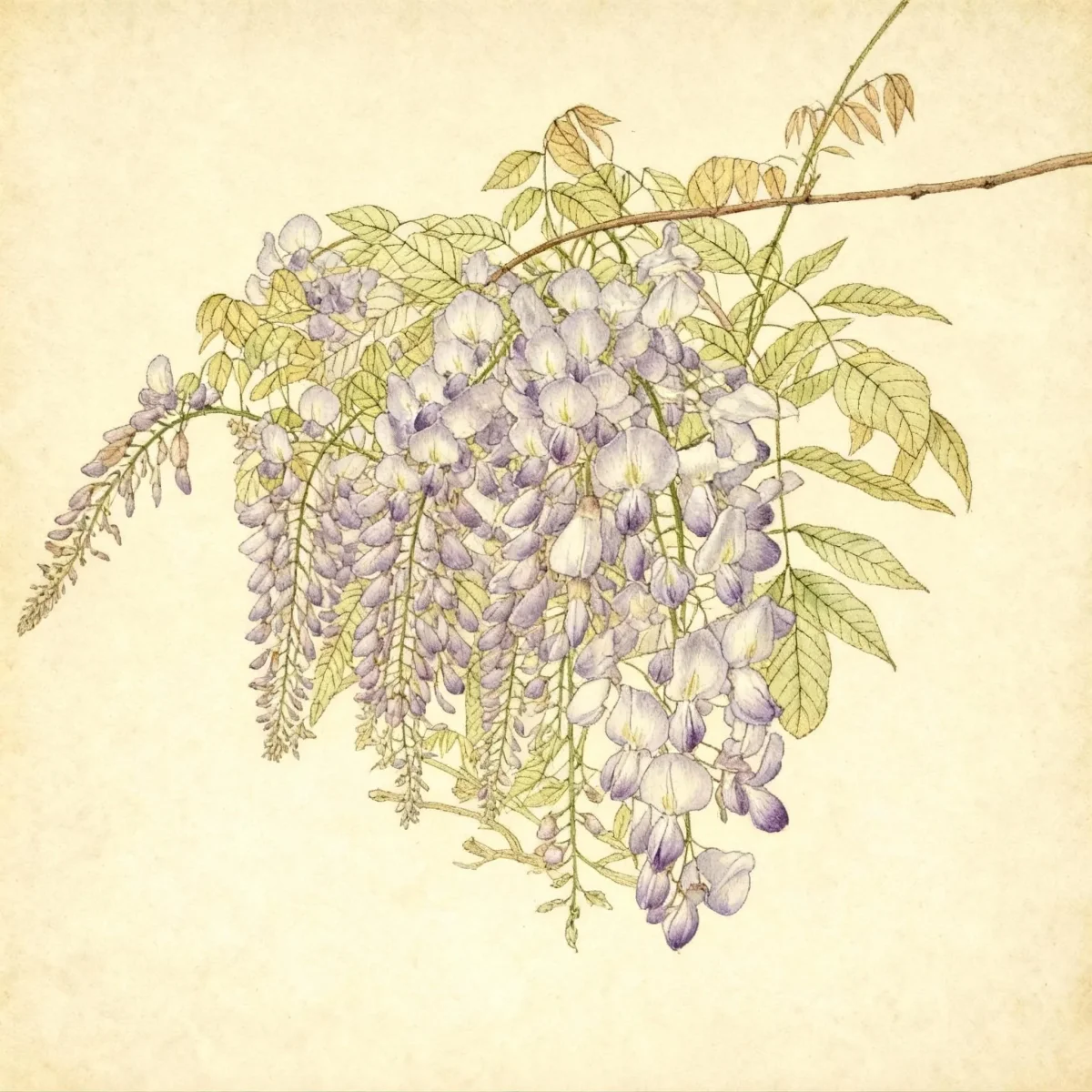
American wisteria (Wisteria frutescens 'Amethyst Falls')
Wisteria frutescens 'Amethyst Falls' offers fragrant, lavender-purple blooms on this manageable American wisteria vine, ideal for zones 5-9.
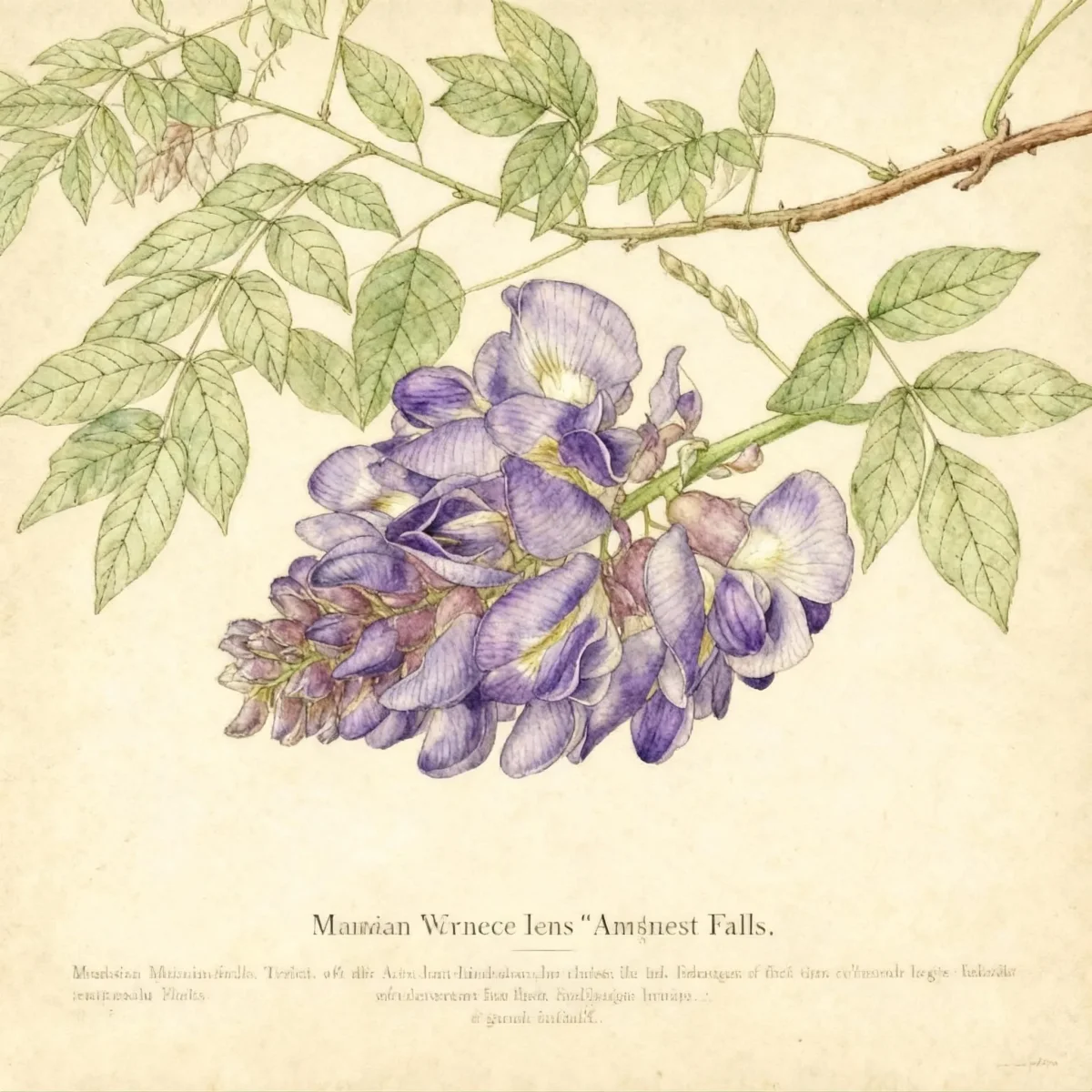

Bloom Boldly, No Matter the Season - Sweatshirt
Cozy organic cotton sweatshirt featuring our exclusive Purple Coneflower design. Perfect for gardeners who bloom year-round.
Inspired by the beautiful American wisteria
Limited first batch (50) — join the waitlist for early access
Waitlist closes Feb 15, 2026.
Complete Plant Information
Field Guide Continues
Ready for care notes, companion picks, and planting tips?
The map is just the start. The full guide below covers growth habits, seasonal performance, and landscape uses.
Overview
Wisteria frutescens ‘Amethyst Falls’ is a highly desirable cultivar of American wisteria, valued by gardeners for its reliable spring display of fragrant, lavender-purple flowers. Unlike some more aggressive Asian counterparts, this cultivar offers a somewhat more controlled growth habit, making it a better choice for structured garden settings. It provides stunning vertical interest, transforming arbors and pergolas with its cascading flower clusters.
This deciduous woody vine thrives when provided with ample sunlight, which is crucial for maximizing its spectacular bloom potential. While it can take a few years to establish its flowering cycle, patient care and proper pruning will reward the gardener with years of seasonal beauty. The deep green foliage sets off the showy blooms perfectly, confirming its place as a superior ornamental vine.
The specific compact nature of Wisteria frutescens ‘Amethyst Falls’ makes it manageable for mid-sized landscapes where a full 40-foot Chinese wisteria might overwhelm the space. Planting this American wisteria variety helps ensure you get the classic wisteria beauty without the typical concerns associated with aggressive spreading species.
Fast Facts
- Plant Family: Fabaceae
- Plant Type: Vine
- Hardiness Zones: USDA Zones 5-9
- Size at Maturity:
- Height: 25-30 ft
- Spread: 10-15 ft
- Bloom Time: April to May
- Bloom Description: Lavender-purple
- Sun Exposure: Full sun
- Water Needs: Medium
- Maintenance Level: Medium
How to Grow
For optimal establishment, plant Wisteria frutescens ‘Amethyst Falls’ in the spring or fall when conditions are cooler. Success hinges on location selection, as these vines must be grown in full sun to ensure robust flowering; partial shade will significantly reduce bloom sets. The ideal substrate is slightly acidic, humusy, moderately fertile, moist, and exceptionally well-drained soil. Remember that these plants dislike being transplanted, so choose the permanent site wisely.
Watering should be consistent, maintaining medium moisture, especially during establishment and dry summer spells. While establishing, provide regular deep watering. Fertilizing is optional but can stimulate flowering; an application in early spring can be beneficial.
Regular pruning is essential for both size control and encouraging future flower production on your American wisteria. Consult a specific pruning guide for training young vines and implementing renewal cuts later in their life. Proper structural pruning is key to enjoying the prolific blooms of Wisteria frutescens ‘Amethyst Falls’.
Landscape Uses
The vertical presence established by Wisteria frutescens ‘Amethyst Falls’ makes it indispensable for architectural landscaping features. It excels when tasked with covering substantial structures, such as freestanding arbors and pergolas, where the pendulous racemes can hang freely for maximum visual impact. Furthermore, it is an excellent choice for training up robust posts, sturdy trellises, or reinforcing tall terrace walls.
When planning the aesthetics around this feature vine, consider that its dramatic spring floral display requires minimal distraction. Planting shorter, sun-loving perennials or structure shrubs beneath it that won’t compete for sun or root space works well. The sturdy nature of this American wisteria root system necessitates thoughtful placement away from fragile paving or sewer lines.
Standout Features
Flower Qualities
- Showy
- Fragrant
Noteworthy Characteristics
Wisteria frutescens, commonly called American wisteria, is a twining, deciduous, woody vine that grows to 40’ or more. Fragrant, pea-like, lilac-purple flowers in drooping racemes to 6” long bloom in April-May after the leaves emerge but before they fully develop. ‘Amethyst Falls’ is an American wisteria selection that features 4-6” long clusters of fragrant, lavender-purple legume-type flowers in spring; its slower growth results in a more compact habit compared to the species.
Tolerances
- Deer
Potential Problems
Wisteria frutescens ‘Amethyst Falls’ is generally robust, though it can occasionally be susceptible to foliage-chewing insects and common fungal diseases, none of which are typically severe enough to warrant aggressive chemical intervention. The primary disappointment gardeners face is the failure of the vine to produce flowers. This often stems from several correctable issues: flower buds perishing over harsh winters, insufficient light (too much shade), the plant being too young, or improper pruning techniques. Over-fertilization can also encourage leafy growth at the expense of blooms. Addressing shade and pruning correctly will resolve most flowering issues with this lovely American wisteria.
Frequently Asked Questions
What hardiness zones is Wisteria frutescens ‘Amethyst Falls’ suitable for?
Wisteria frutescens ‘Amethyst Falls’ is hardy and suited for USDA Zones 5 through 9, offering broad adaptability across many regions.
How large does American wisteria grow?
Mature specimens of Wisteria frutescens ‘Amethyst Falls’ typically reach heights between 25 to 30 feet, spreading horizontally from 10 to 15 feet.
What sun exposure does Wisteria frutescens ‘Amethyst Falls’ need?
This vine requires full sun exposure to develop the best shape and achieve abundant flowering; less sun will result in sparse blooms.
When does American wisteria bloom?
The primary bloom time for this cultivar is April to May, presenting dense racemes of lavender-purple flowers just as the leaves begin to emerge.
Conclusion
Wisteria frutescens ‘Amethyst Falls’ provides gardeners with the breathtaking floral display of traditional wisteria but in a slightly more manageable package, making it highly valuable for training on structures. Investing the effort into proper initial training and consistent pruning will ensure this American wisteria delivers its signature fragrant, showy performance annually. Check your local USDA hardiness zone to confirm its suitability before planning your spring planting site.
Companion Planting
When selecting underplantings for Wisteria frutescens ‘Amethyst Falls’, focus on plants that share its need for full sun and medium water, while appreciating the dappled shade created beneath the canopy once leaves are fully developed. Consider pairing it with shade-tolerant hostas or astilbes near the base, provided their primary root zones are not too shallow, as Wisteria roots can become extensive. For spring interest before the wisteria blooms fully, early-blooming bulbs like daffodils or tulips thrive in the sunny early season conditions.
Seasonal Care Calendar
Early spring care focuses on stimulating bloom; a light application of balanced fertilizer before new growth begins can help support the heavy flowering of the Wisteria frutescens ‘Amethyst Falls’. Once flowering concludes in late spring, evaluate the structure and conduct any necessary pruning to guide the vine’s shape for the remainder of the season, ensuring all cuts are made correctly to avoid damaging next year’s flower buds. Throughout summer and fall, maintain consistent medium moisture levels, particularly if the vine is young or during drought periods, and remove spent seed pods if you wish to minimize any self-seeding potential.