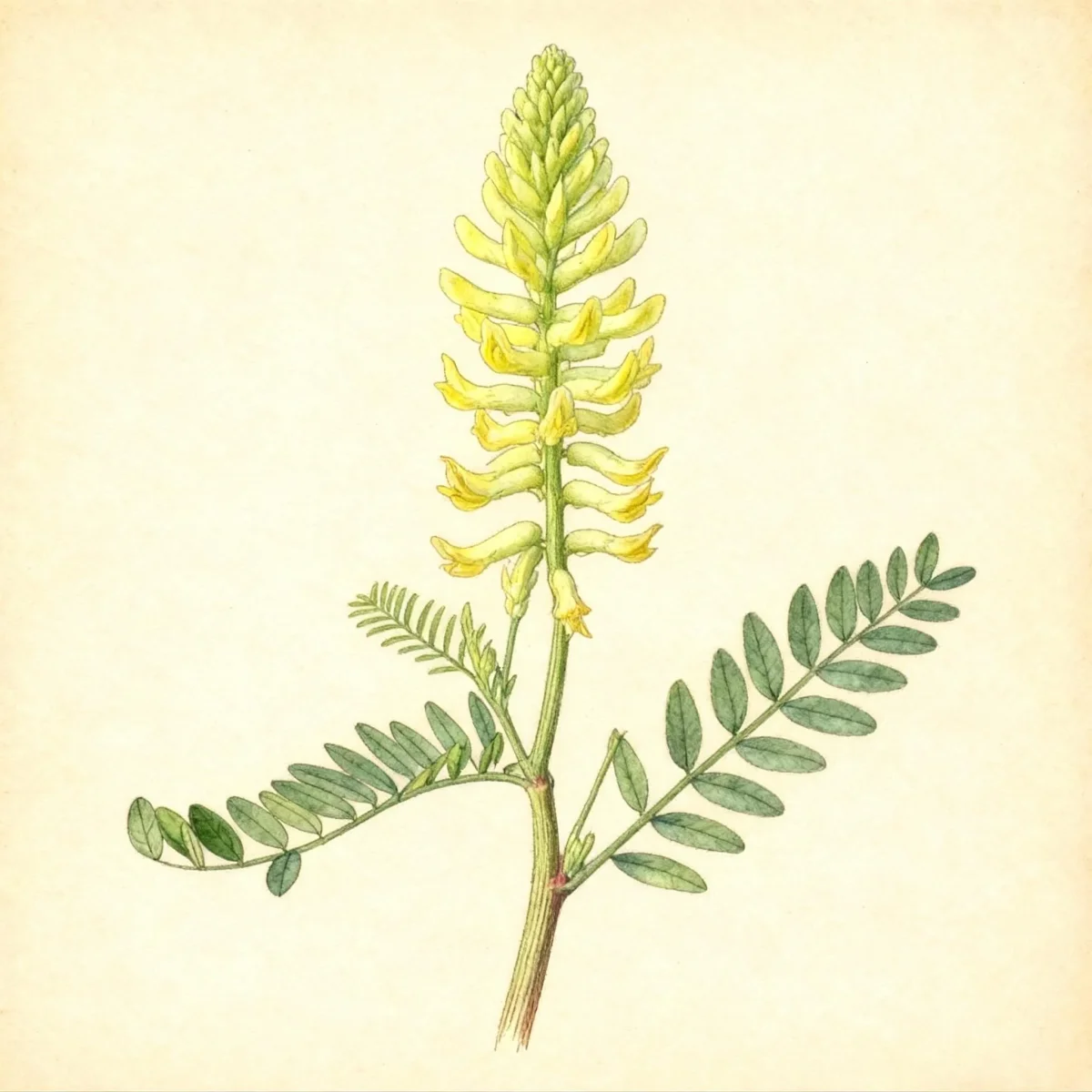
Two-grooved milkvetch (Astragalus bisulcatus)
Hardy Two-grooved milkvetch (Astragalus bisulcatus) is a low-maintenance perennial offering reddish-purple blooms. It thrives in dry, tough soils.

Bloom Boldly, No Matter the Season - Sweatshirt
Cozy organic cotton sweatshirt featuring our exclusive Purple Coneflower design. Perfect for gardeners who bloom year-round.
Inspired by the beautiful Two-grooved milkvetch
Limited first batch (50) — join the waitlist for early access
Waitlist closes Feb 15, 2026.
Complete Plant Information
Field Guide Continues
Ready for care notes, companion picks, and planting tips?
The map is just the start. The full guide below covers growth habits, seasonal performance, and landscape uses.
Overview
The Two-grooved milkvetch, scientifically known as Astragalus bisulcatus, is a robust, shrubby herbaceous perennial well-suited for challenging environments across central and western North America. Gardeners value this species for its exceptional tolerance to dry, alkaline, and clay soils where many other ornamentals struggle to establish vigor. Maturing between one and two and a half feet tall, this Milk Vetch provides reliable structure in xeriscapes and native plantings.
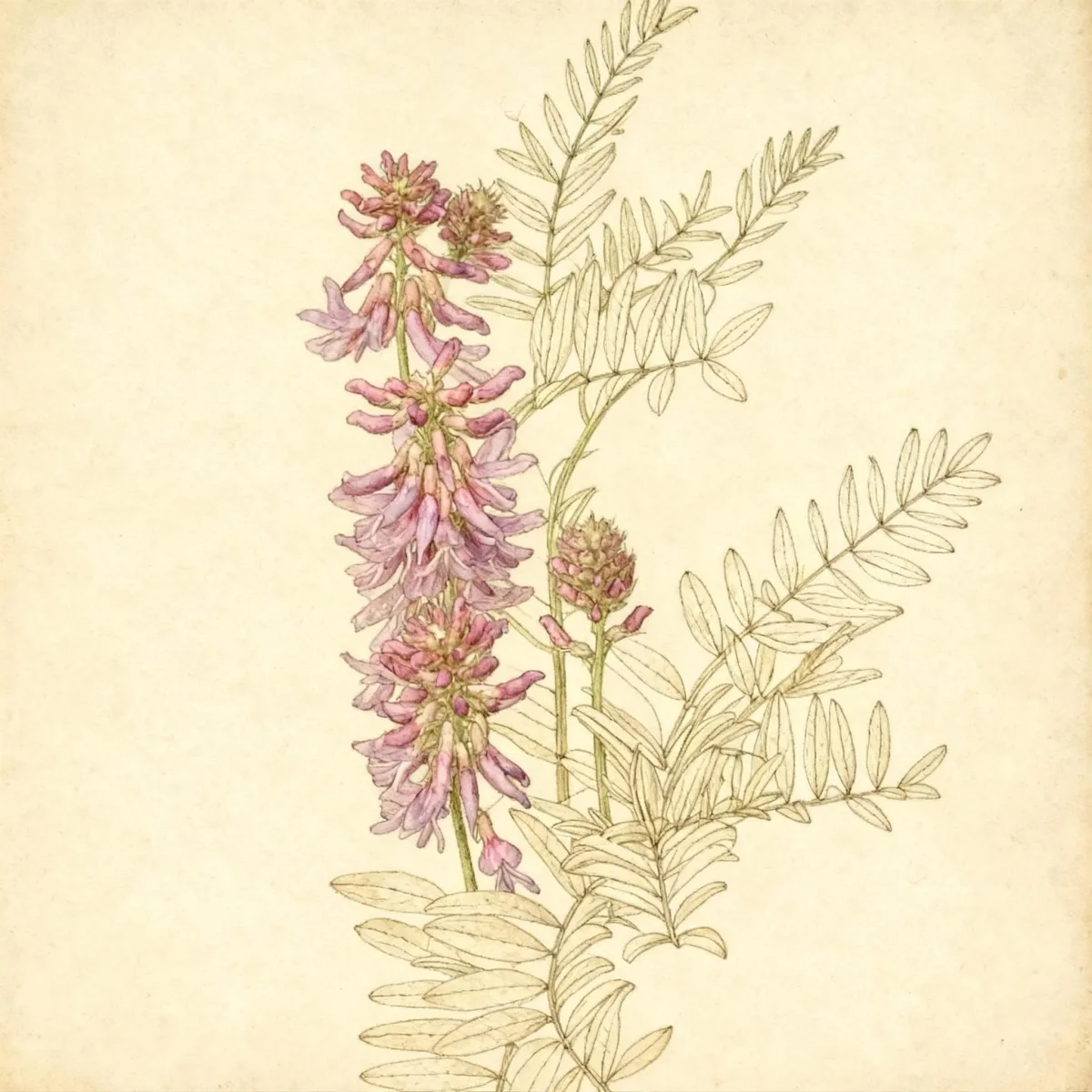
Its aesthetic appeal is centered around the dense, upright flowering spikes that emerge from late spring through mid-summer, presenting beautiful reddish-purple blossoms. Beyond its visual contribution, Astragalus bisulcatus is ecologically important, providing significant nectar and larval food sources for various butterfly species. This dependable performer requires minimal intervention once established, solidifying its role as a low-maintenance native cornerstone.
Fast Facts
- Plant Family: Fabaceae
- Plant Type: Herbaceous perennial
- Native Range: Central and western North America
- Hardiness Zones: USDA Zones 3-6
- Size at Maturity:
- Height: 1-2.5 ft
- Spread: 1-2.5 ft
- Bloom Time: May to July
- Bloom Description: Reddish-purple
- Sun Exposure: Full sun
- Water Needs: Dry
- Maintenance Level: Low
How to Grow
Planting Astragalus bisulcatus is easiest in spring or early fall after seasonal extremes have passed, allowing the root system to establish before hot, dry summers. The key to success is mimicking its native habitat: ensure it receives full sun exposure daily, as filtered light can lead to spindly growth. This plant excels in dry, alkaline soils and demonstrates remarkable tolerance for heavy clay substrates.
Once established, watering requirements for Two-grooved milkvetch are minimal; only supplement during severe, prolonged droughts. Due to its adaptation to nutrient-poor conditions, fertilization is seldom necessary and often detrimental, potentially encouraging overly lush growth susceptible to minor issues. Deadheading is usually unnecessary, as the resulting seed pods hold architectural interest, though spent flower spikes can be trimmed after blooming ceases.
Remember that Astragalus bisulcatus is hardy in Zones 3 through 6. In colder sectors, it generally requires no winter protection beyond a natural mulch layer of leaf debris. In spring, clean up any old foliage, though this plant is generally tidy enough that significant pruning is rarely called for.
Landscape Uses
As a species suggested for use as a native herb, the Two-grooved milkvetch is perfectly positioned for dry prairie restoration projects. Utilize its resilience by allowing it to naturalize freely within larger masses where the visual impact of the reddish-purple blooms maximizes effect. It functions exceptionally well in habitat gardens or along slopes where deep root systems, characteristic of milkvetches, help stabilize soil.
Because of its specific tolerance profile, companion planting should focus on other drought-tolerant natives from the Western Intermountain region that also thrive in low fertility and full sun. Avoid placing it near moisture-loving border perennials, as overwatering will quickly compromise the health of this dry-soil specialist. The structure provided by Astragalus bisulcatus makes it a great middle layer plant in a layered native meadow design.
Standout Features
Flower Qualities
- Showy
Noteworthy Characteristics
Astragalus bisulcatus, commonly called two-grooved milkvetch, is a shrubby, herbaceous perennial native to the Mountain West region of the United States from Montana and western North Dakota south to northern Arizona and New Mexico. It can be found growing in upland meadows, prairies, grasslands, and roadsides on dry, typically selenium-rich soils. The nodding, bright reddish-purple (occasionally white) flowers reach around 0.5” long and are followed by a unique 0.75” long, narrowly oblong pod with two distinct grooves running lengthwise on its upper surface. The specific epithet bisulcatus itself refers directly to these two furrows found on the seed pods of this fascinating milkvetch.
Tolerances
- Deer
- Clay Soil
- Dry Soil
Potential Problems
The primary concern when cultivating Astragalus bisulcatus involves its interaction with grazing animals. This plant actively accumulates selenium in its tissues, which poses a significant toxicity risk if consumed by livestock or humans. Therefore, gardeners must strictly adhere to the recommendation to allow this plant only in areas where browsing is not a concern.
From a horticultural perspective, pest and disease issues are rarely noted, making Astragalus bisulcatus a low-stress choice for native plantings. Be aware that all parts of this plant possess an unpleasant, musky, sulfur odor. This aroma is unlikely to interfere with enjoyment in a large meadow setting but should be considered if planting near patios or seating areas.
Frequently Asked Questions
What hardiness zones is Two-grooved milkvetch suitable for?
Astragalus bisulcatus is reliably hardy across USDA Zones 3 through 6, offering excellent cold tolerance for high-elevation or northern prairie gardens.
How large does Two-grooved milkvetch grow?
This plant reaches a manageable size, typically growing 1 to 2.5 feet in height with a similar spread of 1 to 2.5 feet when mature.
What sun exposure does Astragalus bisulcatus need?
The Two-grooved milkvetch requires full sun exposure to achieve its best flowering performance and maintain a compact, upright habit.
When does Two-grooved milkvetch bloom?
You can expect the characteristic reddish-purple bloom spikes of Astragalus bisulcatus to appear throughout the mid-season, generally from May through July.
Conclusion
The Astragalus bisulcatus is an outstanding choice for ecologically sensitive or dry, difficult garden spots due to its low needs and drought tolerance. Its significant wildlife value, coupled with the unique two-grooved seed pods, adds complexity to native landscapes where this Two-grooved milkvetch excels. Before planting, confirm that your site offers full sun and plan for minimal intervention to ensure decades of adaptation.
Wildlife Benefits
The bright reddish-purple flowers of Astragalus bisulcatus are highly attractive to larger native bees, particularly bumblebees, which readily seek out the nectar source. This makes the milkvetch an excellent addition to pollinator waystations or butterfly gardens, supporting regional biodiversity.
Furthermore, the foliage of this specific species is utilized as a larval food source. Butterflies such as the gray hairstreak, orange sulfur, and Persius duskywing depend on plants in the Fabaceae family, making the presence of Astragalus bisulcatus crucial for supporting these specific life cycles.
Propagation Tips
Propagation of Two-grooved milkvetch is best achieved directly from seed, capitalizing on its ability to germinate readily in its preferred harsh conditions. Sow seeds in fall or early spring directly into prepared garden soil that mimics its dry, unamended native ground. Germination rates are generally good, yielding sturdy seedlings adapted to the site requirements from the start.
For the most successful establishment, avoid attempting to transplant established, large root crowns, as these plants dislike root disturbance. Starting seeds indoors is possible but unnecessary; direct sowing in full sun into well-drained, alkaline soil is the most direct route to successfully establishing Astragalus bisulcatus.