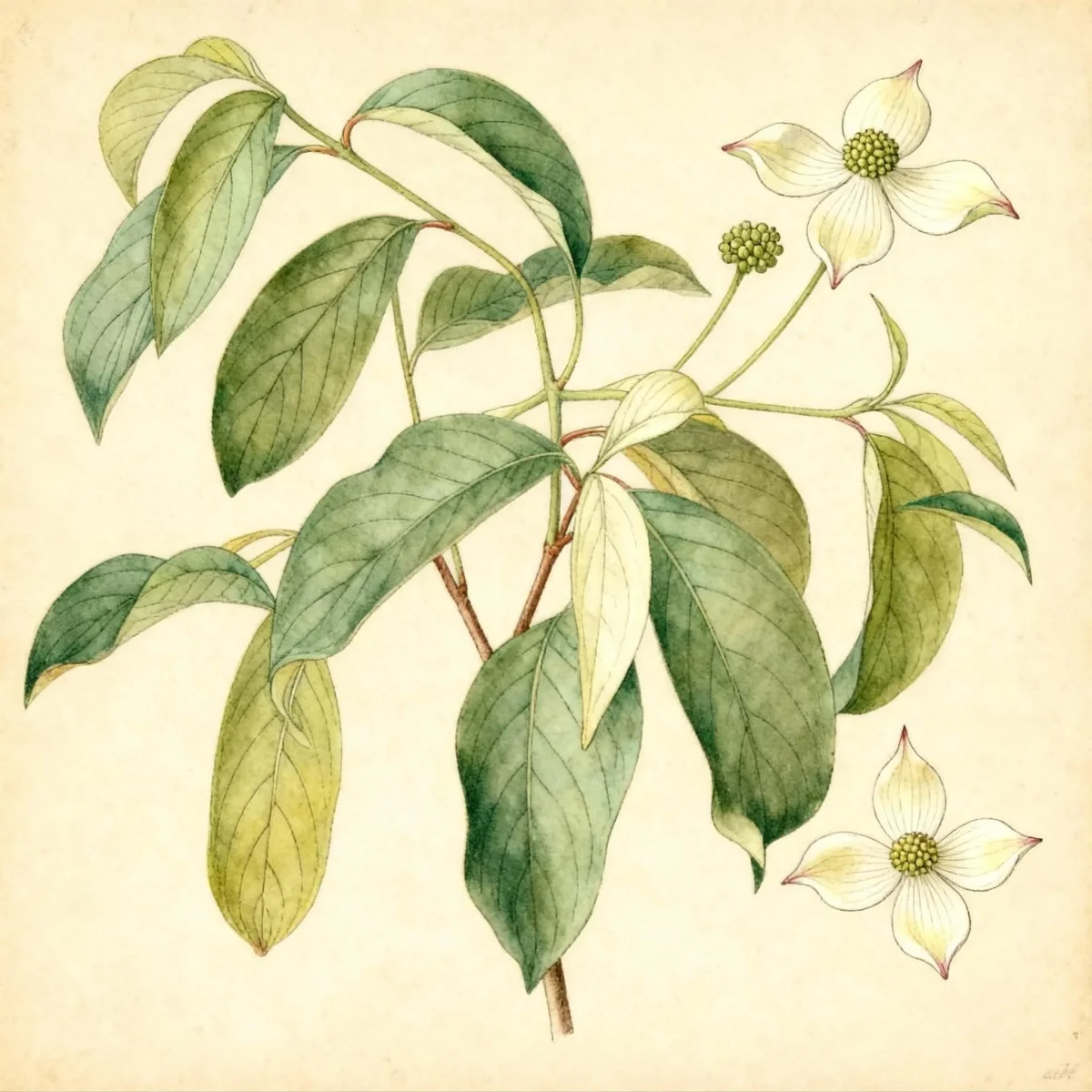
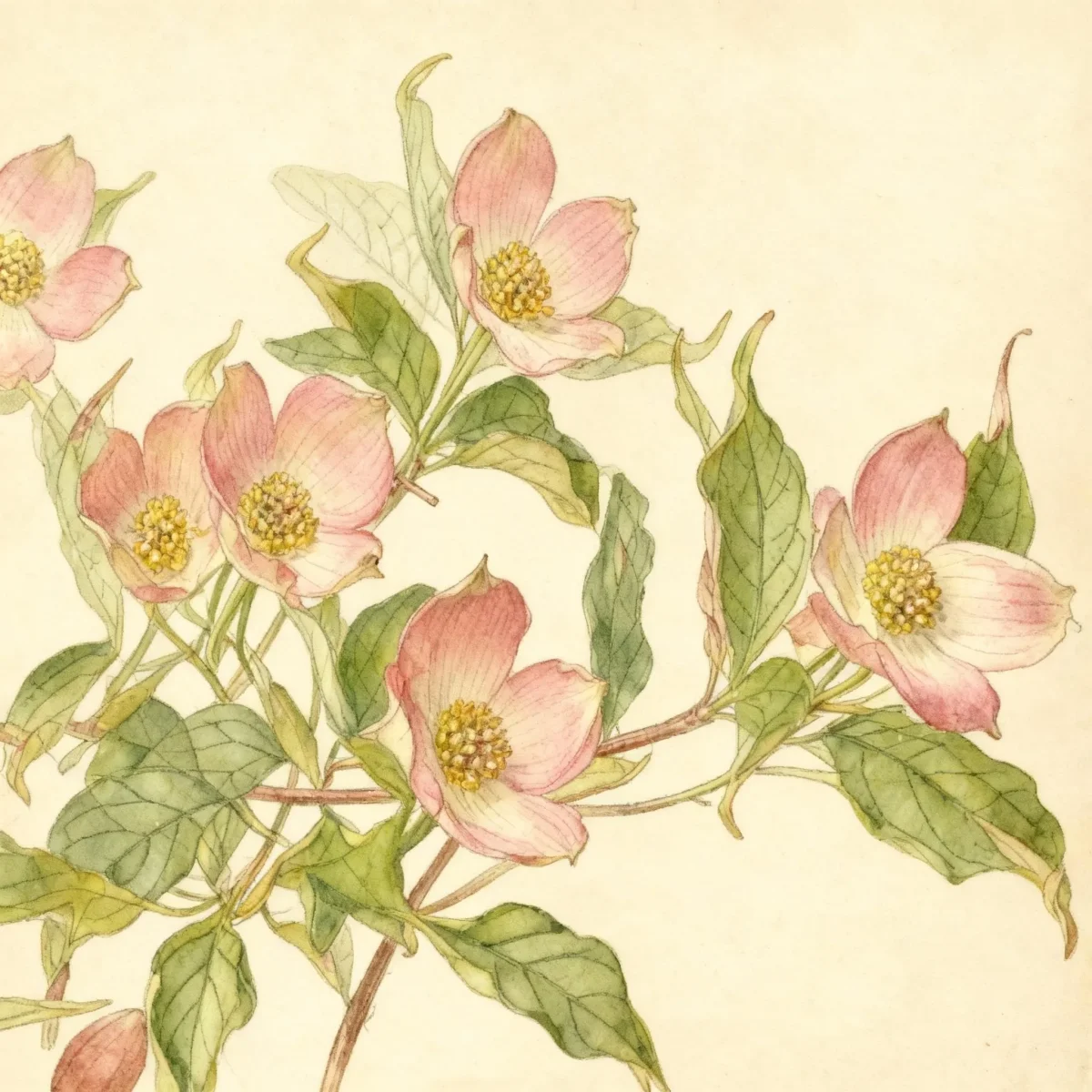
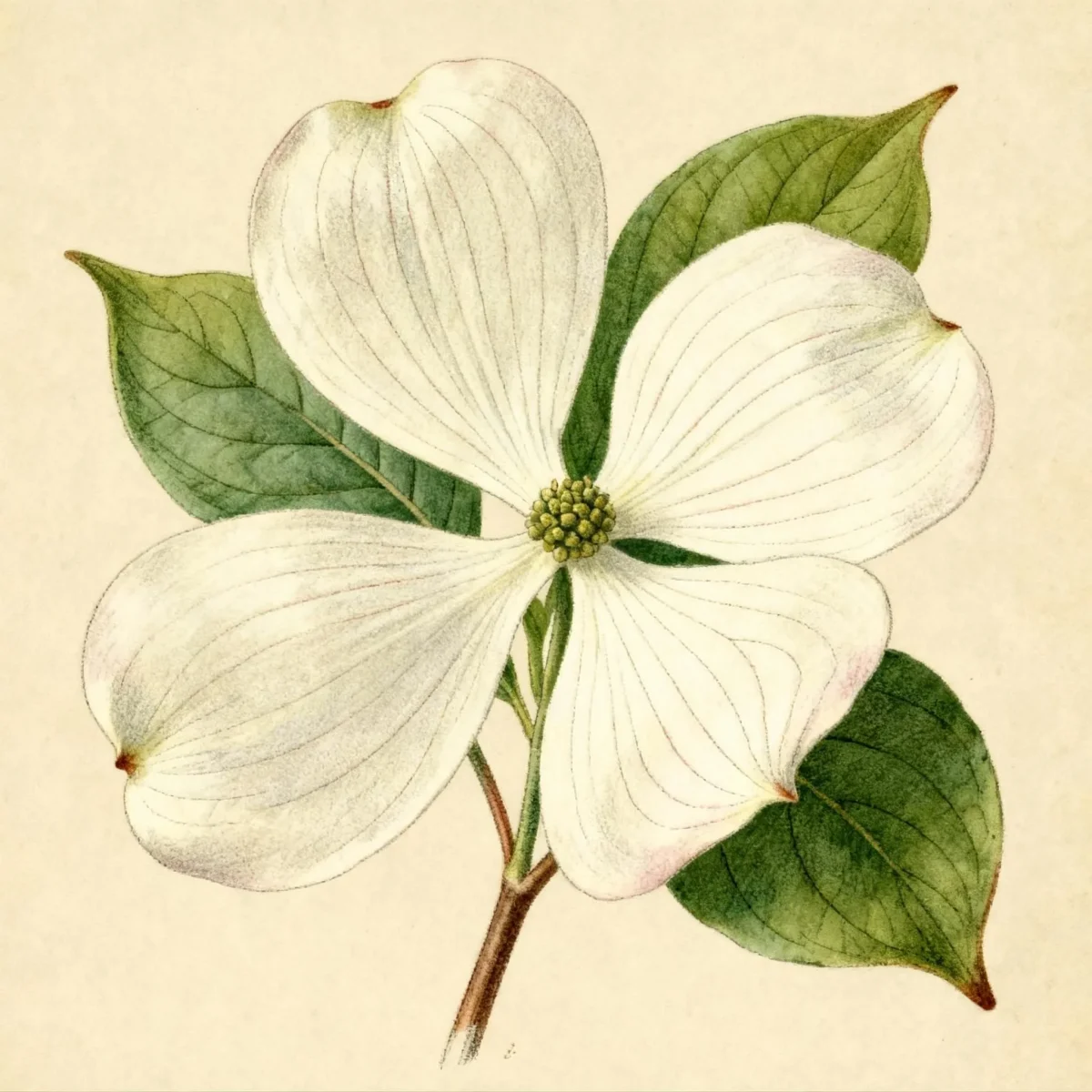
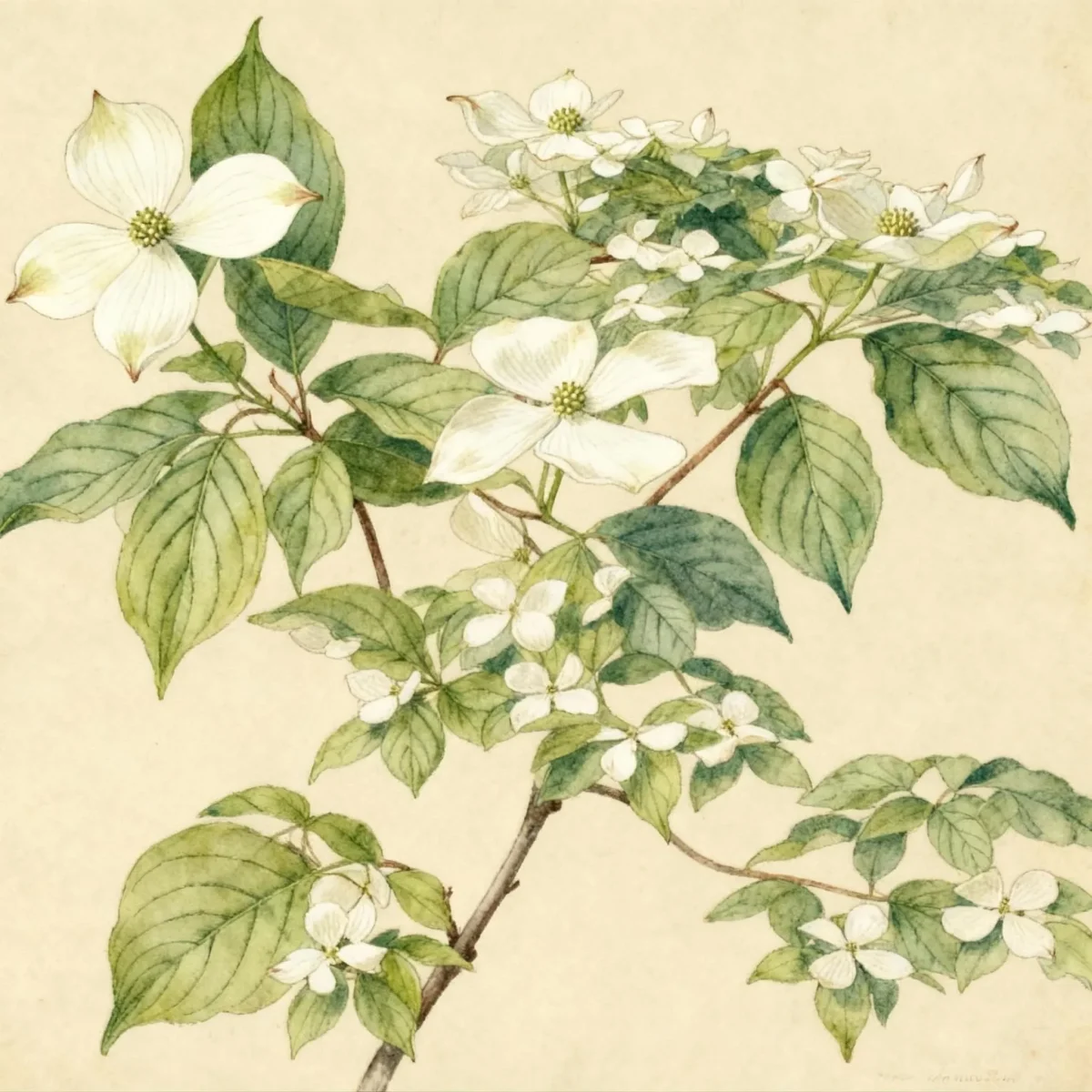
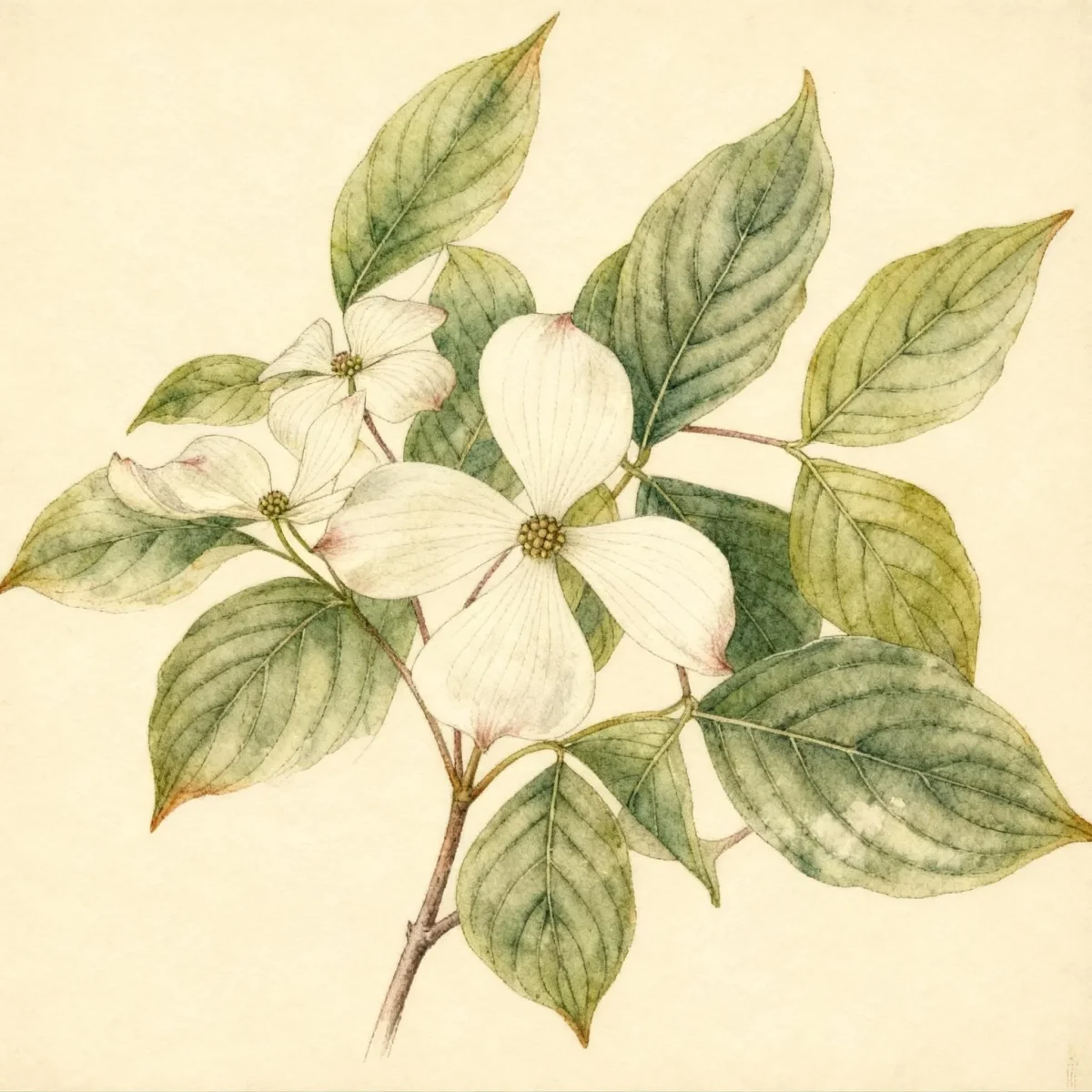
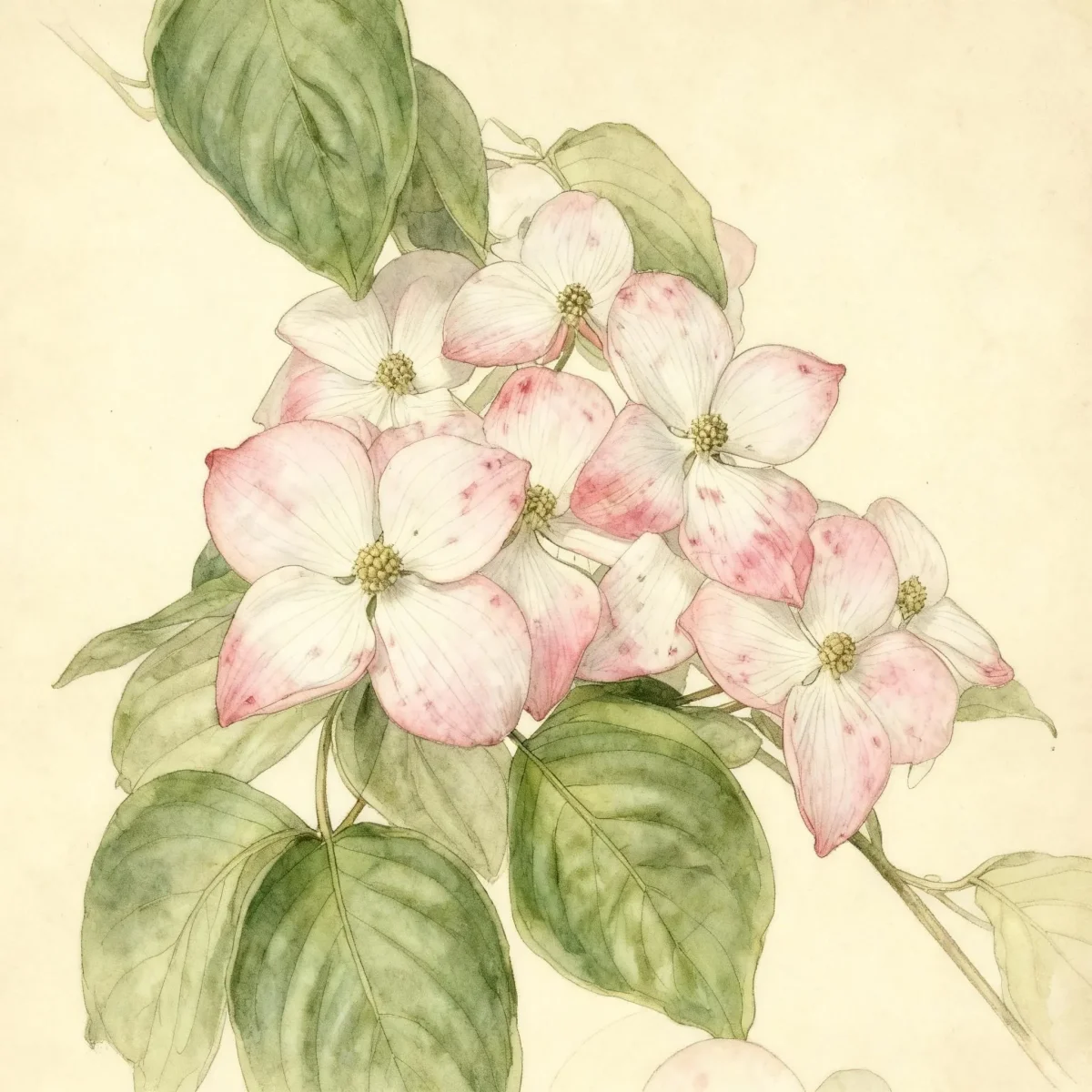
Dogwood (Cornus elliptica 'Elsbry' EMPRESS OF CHINA)
Cornus elliptica 'Elsbry' EMPRESS OF CHINA is a low-maintenance Dogwood prized for glossy evergreen foliage and showy white bracts.

Bloom Boldly, No Matter the Season - Sweatshirt
Cozy organic cotton sweatshirt featuring our exclusive Purple Coneflower design. Perfect for gardeners who bloom year-round.
Inspired by the beautiful Dogwood
Limited first batch (50) — join the waitlist for early access
Waitlist closes Feb 15, 2026.
Complete Plant Information
Field Guide Continues
Ready for care notes, companion picks, and planting tips?
The map is just the start. The full guide below covers growth habits, seasonal performance, and landscape uses.
Overview
The Cornus elliptica ‘Elsbry’ EMPRESS OF CHINA, often known simply as Dogwood, is a standout broadleaf evergreen valued for its year-round interest and robust constitution. This cultivar brings glossy, thick, bright green foliage that often holds its color well into winter, providing structure when deciduous plants have waned. It succeeds as a small flowering tree, perfect for adding vertical interest without overwhelming smaller landscapes.
One of the most appealing traits of this Dogwood cultivar is its excellent disease resistance, notably against the powdery mildew and anthracnose that plague some other flowering species. Gardeners appreciate the low maintenance requirements of Cornus elliptica ‘Elsbry’ EMPRESS OF CHINA, which combines striking white bracts in late spring/early summer with attractive red fruits later in the season.
Introduced commercially in 1993, the EMPRESS OF CHINA Dogwood is a vigorous grower, reaching heights between 12 to 20 feet. Its structure and reliable performance make it an excellent specimen choice for residential properties, gardens, and sheltered woodland borders.
Fast Facts
- Plant Family: Cornaceae
- Plant Type: Broadleaf evergreen
- Hardiness Zones: USDA Zones 6-9
- Size at Maturity:
- Height: 12-20 ft
- Spread: 12-20 ft
- Bloom Time: May to June
- Bloom Description: White bracts
- Sun Exposure: Full sun to part shade
- Water Needs: Medium
- Maintenance Level: Low
How to Grow
For optimal growth, plant Cornus elliptica ‘Elsbry’ EMPRESS OF CHINA where it receives full sun to light afternoon shade. It thrives best in soils that are organically rich, well-drained, and possess a sandy texture, requiring medium moisture levels to flourish. Site selection is important; in warmer regions or the northern limits of its range (like USDA Zone 6 or 7), provide it with a protected location, especially shielding it from harsh winter winds.
Watering should remain consistent, maintaining medium soil moisture, especially as the tree establishes its root system during the first few growing seasons. Low maintenance is a key feature of this Dogwood, meaning routine fertilization is usually unnecessary if the native soil is rich. Avoid digging or disturbing the root zone unnecessarily after planting.
Pruning for structure should ideally be done immediately after flowering concludes, removing any crossing or damaged branches to maintain an open canopy. Remember that the leaves may drop in the spring just as the new growth emerges, a normal characteristic for this evergreen variety.
Landscape Uses
The Cornus elliptica ‘Elsbry’ EMPRESS OF CHINA excels as a beautiful flowering tree, drawing attention with its unique summer bloom display. Its manageable size, topping out around 20 feet, makes it perfect for planting as a stand-alone specimen in a lawn or near patios where its form and foliage can be fully appreciated.
Consider using this Dogwood in small groupings near the entrance of a property or as an accent within a mixed woodland garden setting. Due to its evergreen nature, it provides significant visual structure throughout the year, acting as a reliable backdrop in shrub borders or within groupings designed for bird gardens.
This species integrates well with other plants that appreciate rich, well-drained soil and partial shade, such as various ferns and shade-tolerant groundcovers. Planting Cornus elliptica ‘Elsbry’ EMPRESS OF CHINA near foundations or walkways allows immediate enjoyment of its architectural quality.
Standout Features
Flower Qualities
- Showy
Fruit Qualities
- Showy
- Edible
Noteworthy Characteristics
Cornus elliptica is an evergreen to semi-evergreen dogwood native to China, introduced to the U.S. in 1980, now growing 15-20’ tall with thick, glossy, bright green leaves that turn purplish in winter. The showy white bracts, 1.5-2” across and distinctly pointed like the Kousa dogwood, appear in early summer, followed by red, berry-like fruits that mature later. The cultivar ‘Elsbry’, known as EMPRESS OF CHINA, is particularly noted for its vigorous habit, abundant flowering, and excellent resistance to common dogwood diseases like anthracnose.
Tolerances
Potential Problems
A significant advantage of planting the Cornus elliptica ‘Elsbry’ EMPRESS OF CHINA Dogwood is its strong natural defense against common afflictions. There are no known serious insect or persistent disease problems associated with this cultivar. Critically, it does not appear to suffer from the devastating anthracnose issues that have historically impacted plantings of the traditional flowering dogwood, Cornus florida. Maintain good air circulation when planting to help ensure its long-term health.
Frequently Asked Questions
What hardiness zones is Dogwood (Cornus elliptica ‘Elsbry’ EMPRESS OF CHINA) suitable for?
This versatile Dogwood is winter hardy in USDA Zones 6 through 9, though siting in a protected area is advised in the cooler zones.
How large does Cornus elliptica ‘Elsbry’ EMPRESS OF CHINA grow?
The mature size for this cultivar typically ranges from 12 to 20 feet in height and spreads equally wide, forming a balanced, small tree structure.
When does Dogwood (Cornus elliptica ‘Elsbry’ EMPRESS OF CHINA) bloom?
It features its characteristic white bracts later than many dogwoods, typically blooming from May through June.
What sun exposure does Cornus elliptica ‘Elsbry’ EMPRESS OF CHINA need?
The ideal culture for this plant involves placement in locations receiving full sun to part shade.
Conclusion
The Cornus elliptica ‘Elsbry’ EMPRESS OF CHINA offers the structure of a classic Dogwood combined with the resilience of an evergreen that boasts superior disease resistance. Its glossy foliage and long-lasting bloom make the EMPRESS OF CHINA a top choice for year-round garden interest. Ensure your location falls within USDA Zones 6-9 and provides rich, well-drained soil before planting this exceptional cultivar.
Companion Planting for Dogwood
Given that Cornus elliptica ‘Elsbry’ EMPRESS OF CHINA favors organically rich, well-drained soil and partial shade, consider pairing it with understory plants that share similar habitat needs. Shade-loving perennials such as Hellebores (Lenten Rose) or Hostas create an attractive ground layer beneath its canopy. For textural contrast, use native woodland ferns, which thrive in the dappled light that filters through the Dogwood’s leaves.
When selecting companions for sunny spots, focus on shrubs that offer seasonal color but do not aggressively compete for surface moisture. Azaleas or Rhododendrons, provided the soil pH is accommodating, complement the Dogwood visually without crowding the root system overly much. Keep the area immediately around the base of the Dogwood clear to promote good air circulation.
Seasonal Care Calendar for EMPRESS OF CHINA
Spring is the time to observe the tree as it sheds its previous year’s foliage just before the spectacular white bracts emerge in late spring to early summer. Monitor moisture levels closely during this period of rapid new growth. Summer care primarily involves ensuring consistent medium watering, especially during dry spells, although established trees are quite tolerant.
Fall is when the red berry-like fruits mature, providing color and food for birds; minimal cleanup is usually required unless debris is unwanted on hardscaping. During winter, the plant retains its evergreen character, offering structure. If pruning is necessary—for shaping or removing potential crossing limbs—the best time is immediately after the blooming period in early summer.