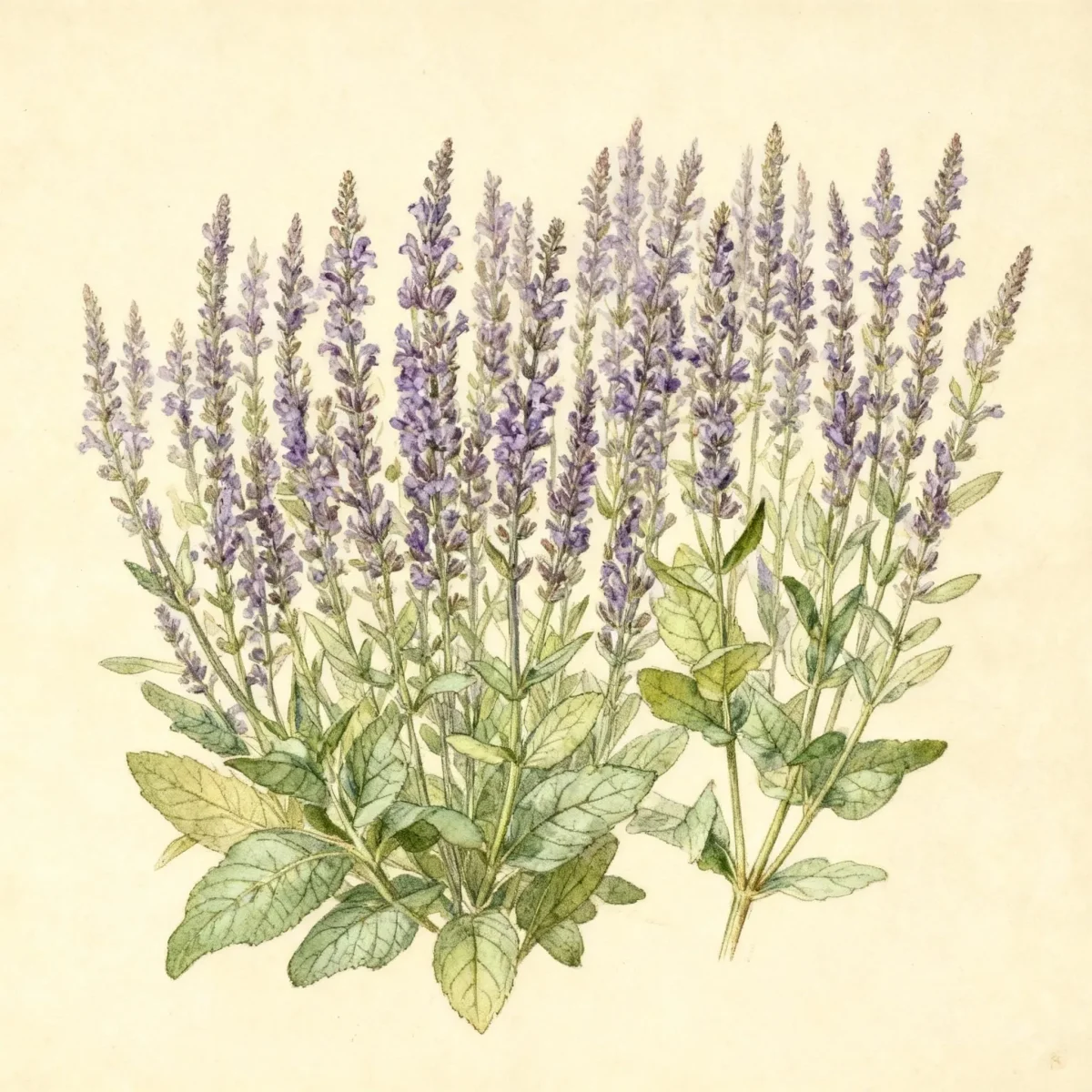
Bee balm (Monarda 'Mojo')
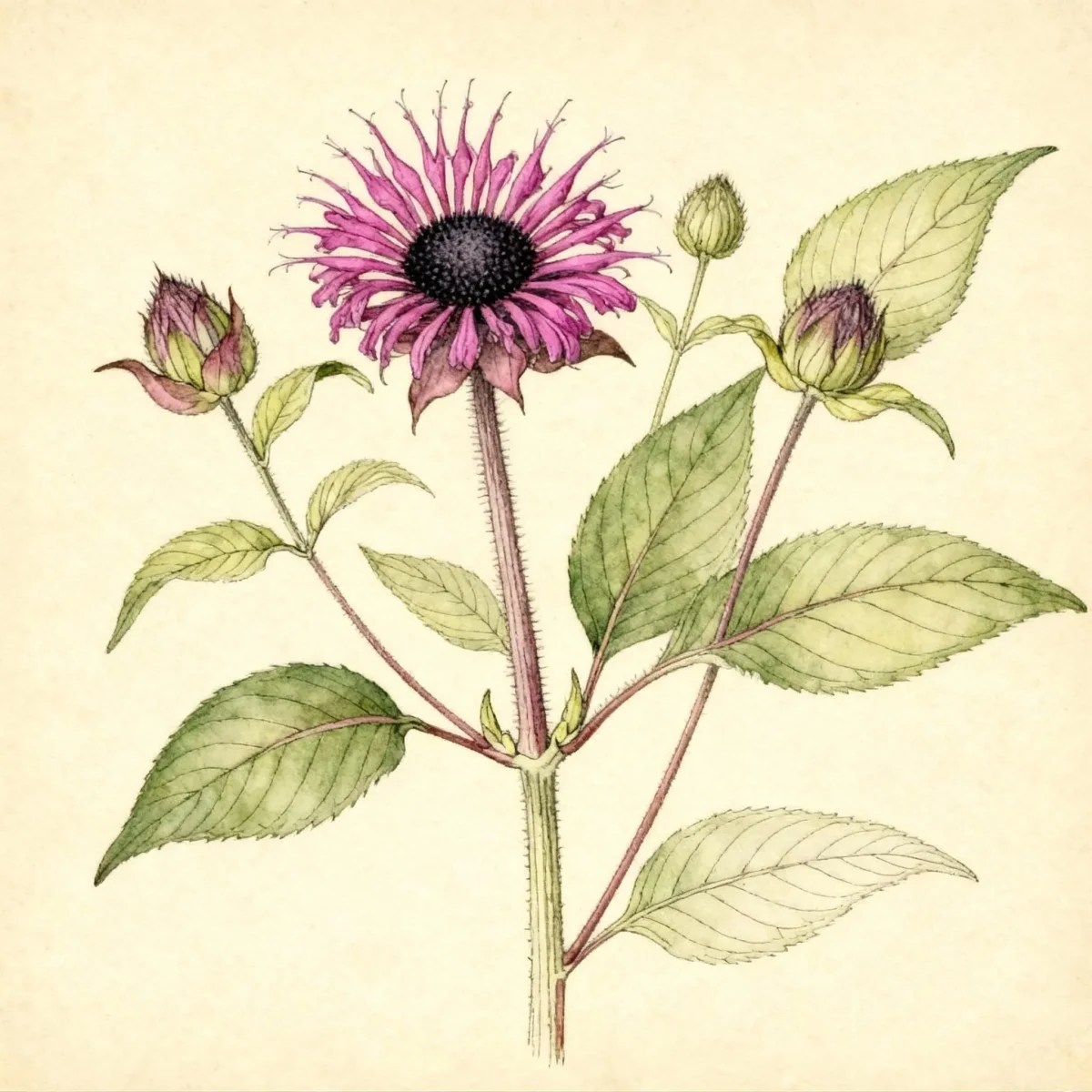
Monarda 'Mojo' Bee balm is a mildew-resistant perennial with showy purple flowers. Low maintenance, zones 4-9.

Bloom Boldly, No Matter the Season - Sweatshirt
Cozy organic cotton sweatshirt featuring our exclusive Purple Coneflower design. Perfect for gardeners who bloom year-round.
Inspired by the beautiful Bee balm
Limited first batch (50) — join the waitlist for early access
Waitlist closes Feb 15, 2026.
Complete Plant Information
Field Guide Continues
Ready for care notes, companion picks, and planting tips?
The map is just the start. The full guide below covers growth habits, seasonal performance, and landscape uses.
Overview
Monarda ‘Mojo’ is an excellent herbaceous perennial known for combining resilient performance with striking summer color, making it a standout choice for perennial borders. This specific cultivar of Bee balm was introduced recently, boasting foliage that is notably mildew-resistant, a significant improvement over many traditional Monarda varieties. It provides dense, globular heads of tubular, two-lipped purple flowers starting in June, attracting pollinators to the garden.
Gardeners value Monarda ‘Mojo’ for its reliable structure, reaching up to 2.5 feet tall, and its relatively low maintenance requirements once established. While related varieties often require consistently moist ground, Monarda ‘Mojo’ shows better tolerance for drier conditions, though consistent moisture is key to preventing disease. Its bright blooms offer significant aesthetic value and attract essential wildlife, including crucial hummingbirds and bees.
The visual appeal of Monarda ‘Mojo’ extends beyond the flowers; the early spring foliage and stems display attractive purple to chocolate red tones before maturing to dark green for the summer. This plant’s natural tendency to slowly spread by rhizomes means it benefits from periodic division to maintain vigor and control its footprint in the garden bed.
Fast Facts
- Plant Family: Lamiaceae
- Plant Type: Herbaceous perennial
- Hardiness Zones: USDA Zones 4-9
- Size at Maturity:
- Height: 2-2.5 ft
- Spread: 1-2 ft
- Bloom Time: June
- Bloom Description: Purple
- Sun Exposure: Full sun
- Water Needs: Dry to medium
- Maintenance Level: Low
How to Grow
Planting Monarda ‘Mojo’ should occur in the spring or early fall. While many Monarda hybrids thrive in moist, heavier soils, this cultivar prefers rich, humusy conditions, ideally in full sun to maximize flowering. In extremely hot summer climates, providing light afternoon shade can prevent the plants from becoming stressed. Ensure the location offers good air circulation, which is critical for maintaining the health of the foliage.
Establish a regular watering routine, especially during dry spells, as soils must not be allowed to fully dry out for optimal health. Fertilization is generally unnecessary if the soil is rich, but a balanced, slow-release fertilizer applied in early spring can support robust growth. To encourage a tidier appearance and potentially extend the blooming period, promptly deadhead any spent flower heads, though the purple seedheads can be left for winter interest.
As a spreading perennial, Monarda ‘Mojo’ benefits significantly from division every three to four years. This prevents overcrowding, which can lead to reduced vigor and increased susceptibility to potential issues. In late winter or early spring, cut back dead foliage before new growth emerges to refresh the clump.
Landscape Uses
Monarda ‘Mojo’ is highly versatile, fitting beautifully into traditional perennial borders where its vertical structure and vibrant purple contrast well with airy or mounding neighbors. It is an ideal candidate for cottage gardens, lending that classic, slightly wild meadow aesthetic. Due to its moderate size and low maintenance, it also performs admirably as an accent plant when grouped in containers, provided drainage remains excellent.
For areas seeking to emulate naturalized habitats, consider using Bee balm along moist, sunny edges near streams, though its adaptability allows it to succeed in average garden beds too. When designing, pair Monarda ‘Mojo’ with plants that enjoy similar sun exposure but have contrasting flower forms, such as late-season asters or structural ornamental grasses. Its attraction to pollinators makes it a functional and beautiful structure in any beneficial wildlife garden setting.
Standout Features
Flower Qualities
- Showy
- Good Cut
Noteworthy Characteristics
Monarda is a genus celebrated in North American prairies and woodlands, blooming mid-summer to early fall and heavily favored by hummingbirds and bees. The specific cultivar, ‘Mojo,’ was developed using Monarda bradburiana parentage and noted for its unique foliage that includes short silvered hairs in spring, transitioning to mildew-resistant dark green. Its distinctive flower heads bloom in June, resting atop square stems and crowned by a whorl of showy bracts.
Tolerances
- Deer
Potential Problems
Powdery mildew remains the most common concern for many Monarda types, though Monarda ‘Mojo’ shows improved resistance. Rust can occasionally appear. A key strategy for prevention is cultural: ensuring the plants are never allowed to grow in dry soils, as drought stress exacerbates foliar disease susceptibility. Additionally, maximizing air circulation around the clumps through proper spacing and timely division will significantly reduce the incidence of fungal issues.
Frequently Asked Questions
What hardiness zones is Bee balm suitable for?
Monarda ‘Mojo’ Bee balm is suitable for USDA Zones 4 through 9.
How large does Monarda ‘Mojo’ grow?
This perennial typically reaches a height between 2 and 2.5 feet tall, with a spread ranging from 1 to 2 feet wide.
When does Bee balm bloom?
Monarda ‘Mojo’ produces its distinctive purple flowers primarily in June.
What sun exposure does Monarda ‘Mojo’ need?
For best performance, this Bee balm variety requires full sun exposure.
Conclusion
The mildew-resistant foliage and vibrant purple blooms confirm Monarda ‘Mojo’ as a valuable, low-fuss addition to the summer garden, providing excellent support for pollinators. Incorporating this tough Bee balm ensures structure and reliable color in your borders. Check your local climate to ensure USDA Zone compatibility before planting this standout perennial this spring.
Companion Planting
Due to the relatively dense nature of Monarda ‘Mojo’ and its tendency to spread slowly via rhizomes, pairing it with plants that appreciate similar sun and moisture profiles works best. Consider using ornamental grasses like Schizachyrium scoparium (Little Bluestem) to provide vertical contrast without competing aggressively for root space. Later-blooming companions such as Echinacea (Coneflower) or various Rudbeckia cultivars can extend the season of interest immediately following the June bloom of the Bee balm.
Wildlife Benefits
As with many members of the Monarda genus, Monarda ‘Mojo’ is an exceptional resource for local ecosystems. The tubular purple flowers provide ideal landing pads and nectar sources specifically adapted for hummingbirds, which play a vital role in pollination. Furthermore, the dense flower heads are highly attractive to native bees and butterflies throughout their bloom time. Planting this Bee balm ensures a consistent, reliable mid-season nectar source that contributes directly to local pollinator health.