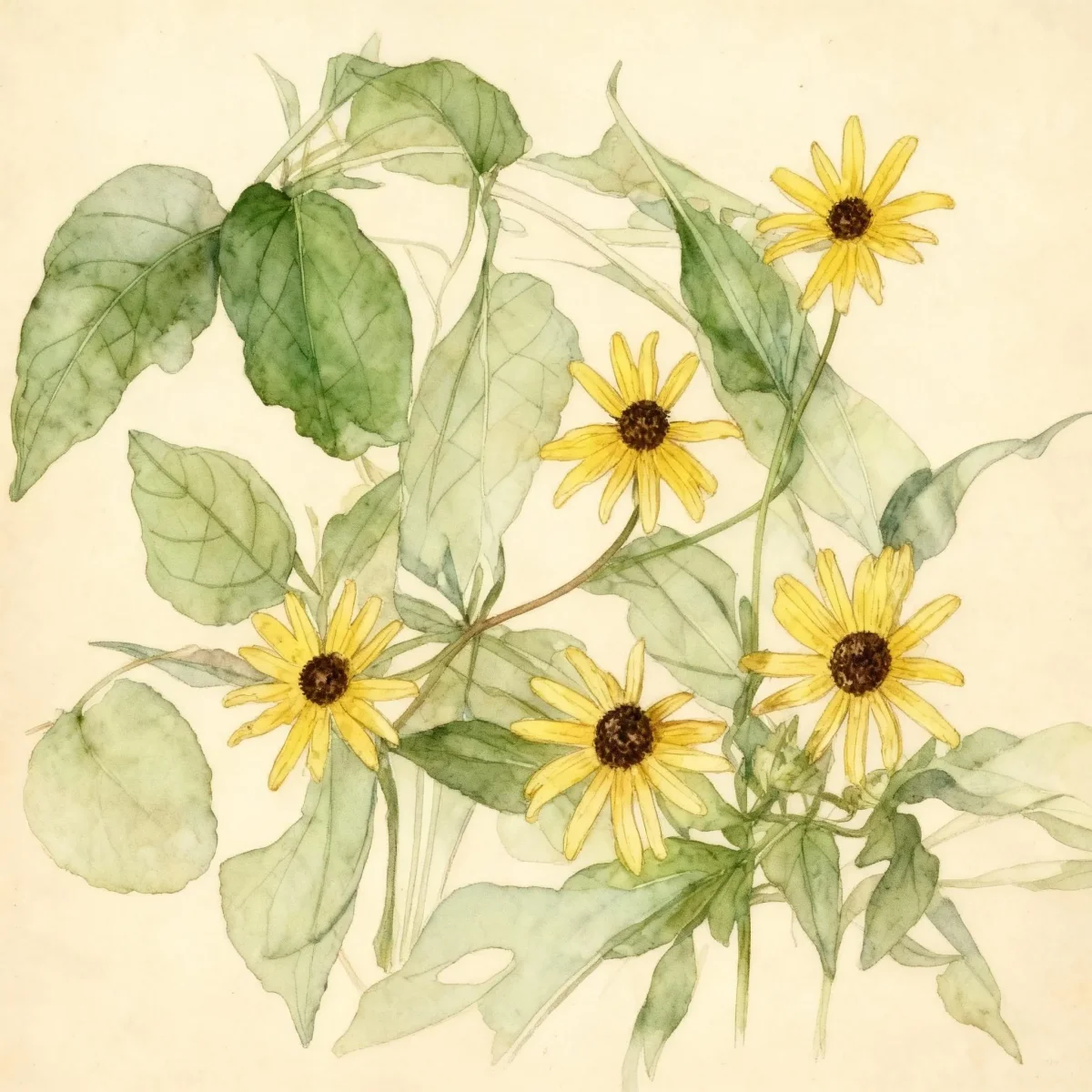
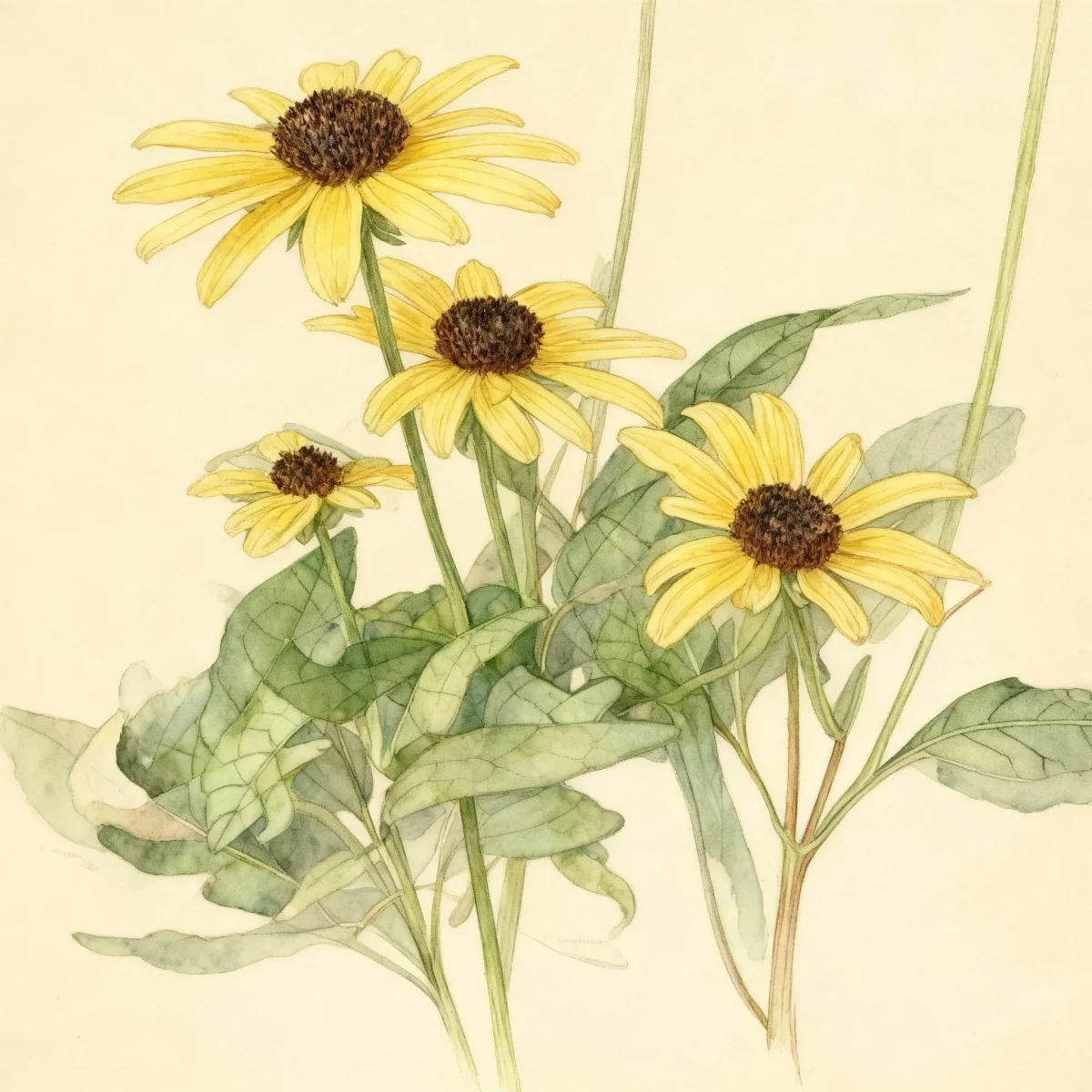
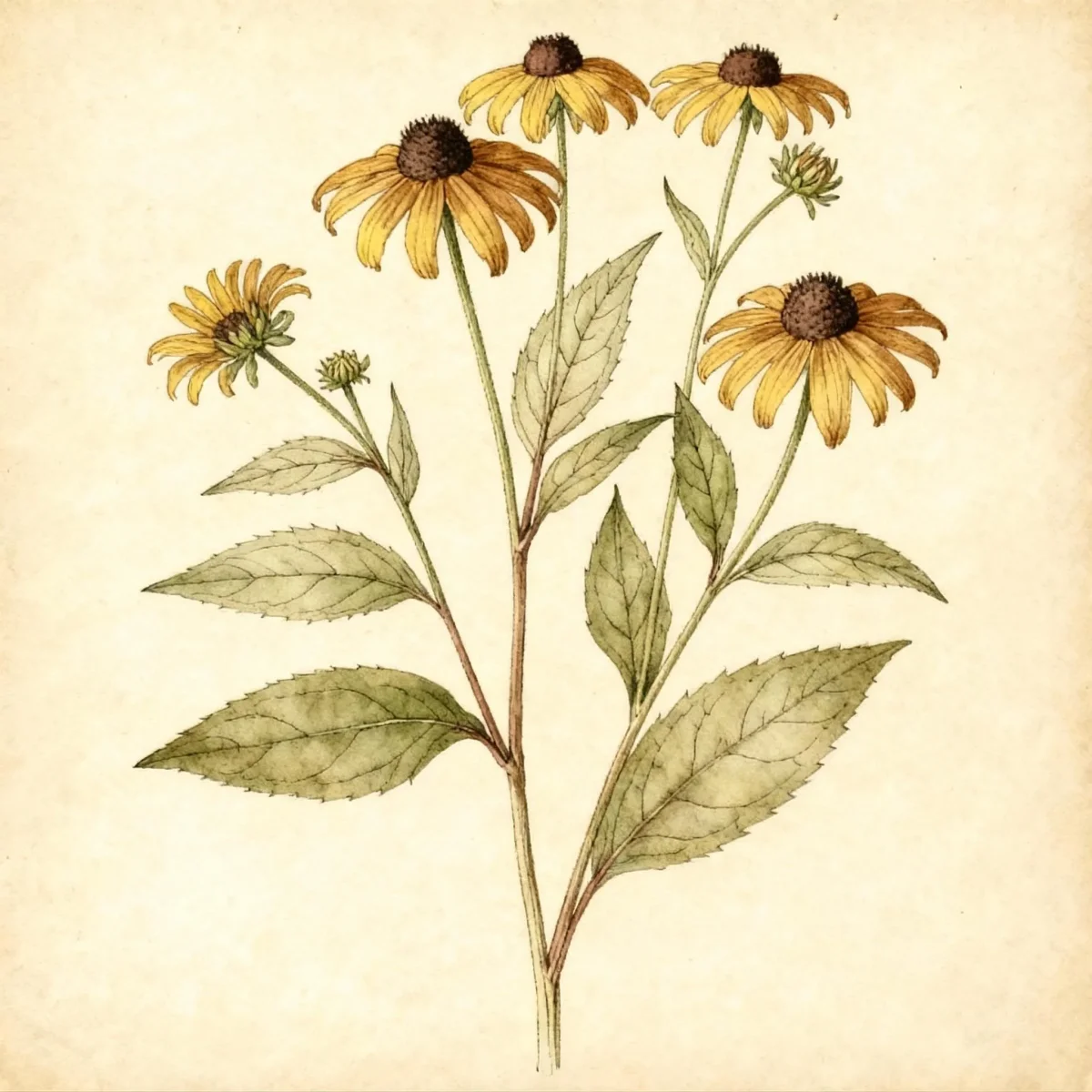
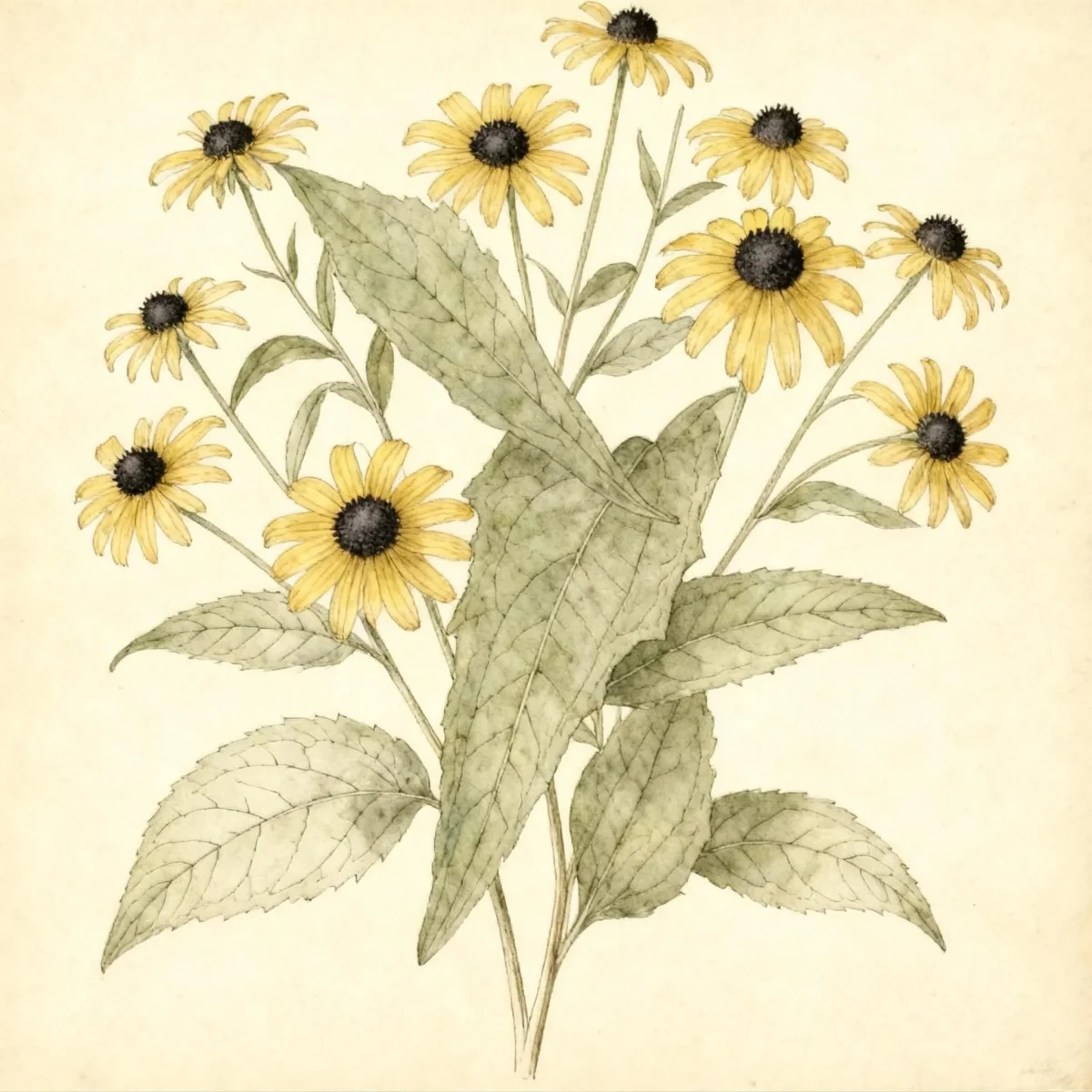
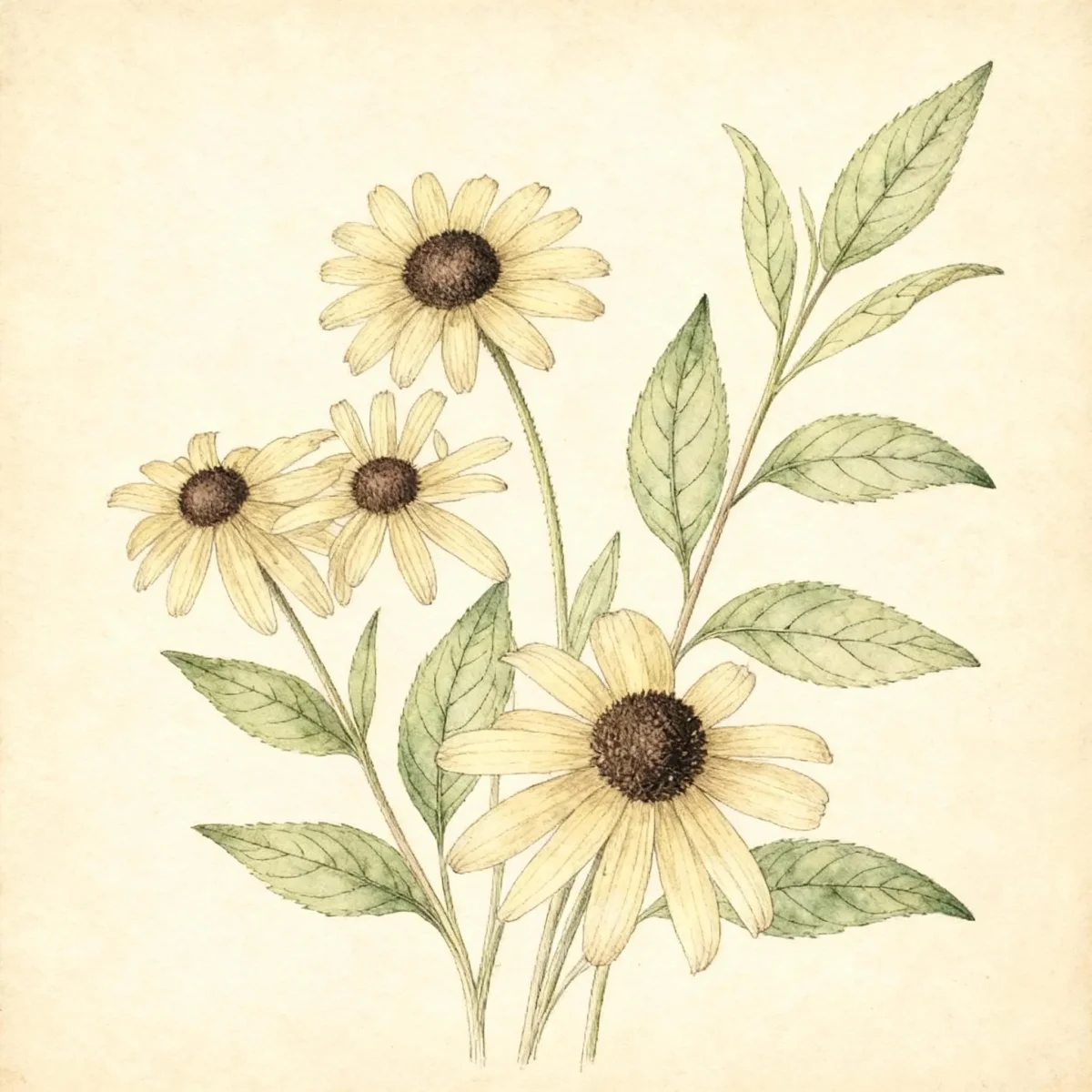
Black-eyed Susan (Rudbeckia 'American Gold Rush')
Rudbeckia 'American Gold Rush' is a compact, low-maintenance Black-eyed Susan boasting showy yellow-gold blooms from July to September.


Bloom Boldly, No Matter the Season - Sweatshirt
Cozy organic cotton sweatshirt featuring our exclusive Purple Coneflower design. Perfect for gardeners who bloom year-round.
Inspired by the beautiful Black-eyed Susan
Limited first batch (50) — join the waitlist for early access
Waitlist closes Feb 15, 2026.
Complete Plant Information
Field Guide Continues
Ready for care notes, companion picks, and planting tips?
The map is just the start. The full guide below covers growth habits, seasonal performance, and landscape uses.
Overview
Rudbeckia ‘American Gold Rush’ is a highly valued cultivar of the Black-eyed Susan, prized for its abundant, cheerful yellow-gold flowers that reliably bloom late into the summer season. This variety offers excellent garden performance, combining the classic daisy look with modern improvements in compactness and disease resistance, making it a standout perennial. Gardeners love the long bloom period, stretching from July through September, which ensures continuous color when many other summer bloomers start to fade.
This herbaceous perennial forms neat, compact mounds reaching about 2 feet tall, reducing the need for intervention. It performs best when sited in full sun, where its narrow, hairy foliage resists common issues like leaf spot, a significant advantage over older Rudbeckia selections. The overall low maintenance requirement, coupled with its substantial tolerance for heat and drought once established, makes Rudbeckia ‘American Gold Rush’ an indispensable workhorse for sunny borders.
Featuring showy blooms perfect for cutting, this Black-eyed Susan bridges the gap between ornamental bedding plants and practical garden necessities. Its reliable structure and bright color ensure that Rudbeckia ‘American Gold Rush’ provides excellent visual impact in mixed borders or mass plantings throughout the growing season.
Fast Facts
- Plant Family: Asteraceae
- Plant Type: Herbaceous perennial
- Hardiness Zones: USDA Zones 3-9
- Size at Maturity:
- Height: 1.5-2 ft
- Spread: 1.5-2 ft
- Bloom Time: July to September
- Bloom Description: Yellow-gold
- Sun Exposure: Full sun
- Water Needs: Dry to medium
- Maintenance Level: Low
How to Grow
The ideal foundation for establishing Rudbeckia ‘American Gold Rush’ involves planting location selection and proper soil preparation. Ensure the chosen spot receives full sun exposure throughout the day, as insufficient light leads to weaker stems and reduced flowering. Plant in average, evenly moist, well-drained soils; while it tolerates dry spells, consistent moisture during establishment helps it maximize size and vigor.
Ongoing cultural care for this Black-eyed Susan is generally minimal due to its low maintenance classification. It handles hot and humid summers well and develops drought tolerance once its root system is mature. Avoid overly rich or fertile soils, as these conditions can lead to flopping, which may necessitate staking for support.
To maximize flower production, deadhead spent blooms consistently throughout the season. This simple task signals the plant to redirect energy into creating new flower buds rather than setting seed. Plan to divide the clumps every four to five years to maintain robust growth habits and prevent overcrowding in the perennial bed.
Landscape Uses
The manageable stature and brilliant yellow-gold of Rudbeckia ‘American Gold Rush’ make it exceptionally versatile in landscape design. Mass plantings create stunning blocks of color in cottage gardens or native plantings, providing significant visual mass against green backdrops. Due to its upright, compact nature, it works wonderfully toward the middle of mixed perennial borders, acting as a dependable intermediary between low edging plants and taller background specimens.
Beyond the garden bed, this specific Black-eyed Susan is suitable for use in large containers, offering season-long performance where seasonal turnover is desired. Furthermore, gardeners should utilize its exceptional fresh-cut flowers; the showy blooms with their dark centers are classic elements for fresh arrangements.
Consider pairing Rudbeckia ‘American Gold Rush’ with plants that share similar full-sun requirements and dry-to-medium moisture needs, such as ornamental grasses, Coneflowers (Echinacea), or Russian Sage (Perovskia). This cultural compatibility ensures that all components of the scene thrive together without specialized care.
Standout Features
Flower Qualities
- Showy
- Good Cut
Noteworthy Characteristics
Rudbeckia is a genus containing varied species known for their recognizable daisy-type flowers, typically featuring a dark central eye ringed by vibrant ray florets. The species honored here, ‘American Gold Rush’, is a naturally compact cultivar noted for its improved resistance to septoria leaf spot, a common affliction for the genus. This variety showcases gorgeous bright, yellow-gold flowers blooming profusely from mid-summer to early fall, enhancing its reputation as a superior Black-eyed Susan.
Tolerances
- Deer
- Drought
- Dry Soil
Potential Problems
Gardeners should watch for common summer pests and fungal issues when growing Rudbeckia ‘American Gold Rush’, although this cultivar shows improved resistance to leaf spot diseases. Pests like aphids, downy mildew, and powdery mildew can sometimes occur, especially in overcrowded or humid conditions. Susceptibility to aster yellows disease is another concern to monitor.
Management should focus on cultural vigor; ensure excellent air circulation by spacing plants correctly, as overcrowding encourages fungal development. Inspect foliage regularly. If aphids appear, systemic insecticides or strong jets of water can provide initial control, keeping your Black-eyed Susan vibrant.
Frequently Asked Questions
What hardiness zones is Black-eyed Susan suitable for?
Rudbeckia ‘American Gold Rush’ is reliably hardy across USDA Zones 3 through 9, offering a wide range of adaptation potential for North American gardeners.
How large does Rudbeckia ‘American Gold Rush’ grow?
This compact cultivar typically matures to a height between 1.5 and 2 feet tall with a similar spread of 1.5 to 2 feet wide.
When does Black-eyed Susan bloom?
This Black-eyed Susan provides cheerful color from July right through September, offering persistent yellow-gold blooms late in the growing season.
What sun exposure does Rudbeckia ‘American Gold Rush’ need?
This plant requires a location that receives full sun daily to maintain its compact habit and produce the best flowering display.
Conclusion
For reliable, low-maintenance summer color, few plants rival the performance of Rudbeckia ‘American Gold Rush’. Its compact habit, excellent disease resistance, and prolonged display of classic yellow-gold flowers make this Black-eyed Susan a superb choice for almost any sunny spot in the garden. Check your local USDA zone compatibility and plan to incorporate this robust perennial into your landscape this spring or fall for season-after-season brilliance.
Companion Planting
Selecting appropriate neighbors ensures Rudbeckia ‘American Gold Rush’ thrives without competition or excess shade. Since this plant requires full sun and tolerates dry to medium soil, pair it with other tough, sun-loving companions like ornamental grasses such as Prairie Dropseed (Sporobolus heterolepis) or Switchgrass (Panicum virgatum). These grasses provide textural contrast and movement without aggressively competing for moisture resources.
Consider interplanting with other drought-tolerant, late-season bloomers that complement the yellow-gold color palette. Coreopsis varieties, purple Coneflowers (Echinacea purpurea), or Sedums offer varying flower forms that create dynamic contrast against the large, simple daisy heads of the Black-eyed Susan. These combinations maintain a cohesive, water-wise perennial setting.
Cultivar Insights: Why Choose ‘American Gold Rush’?
While many Rudbeckias share the iconic look, the ‘American Gold Rush’ cultivar was specifically bred for superior garden performance compared to older staples like ‘Goldsturm’. Its primary advantage lies in its significantly improved resistance to septoria leaf spot, meaning less unsightly foliage deterioration by late summer. This trait helps maintain its tidy, compact mound, even under stress.
Furthermore, this cultivar is noted for being naturally more compact than its seed parent, making it better suited for smaller gardens or tight spacing needs without sacrificing bloom power. Gardeners looking for shorter height combined with robust health will find the specific breeding of Rudbeckia ‘American Gold Rush’ meets modern landscape demands perfectly.